New York Buyer's Home Inspection Checklist
Overview of this form
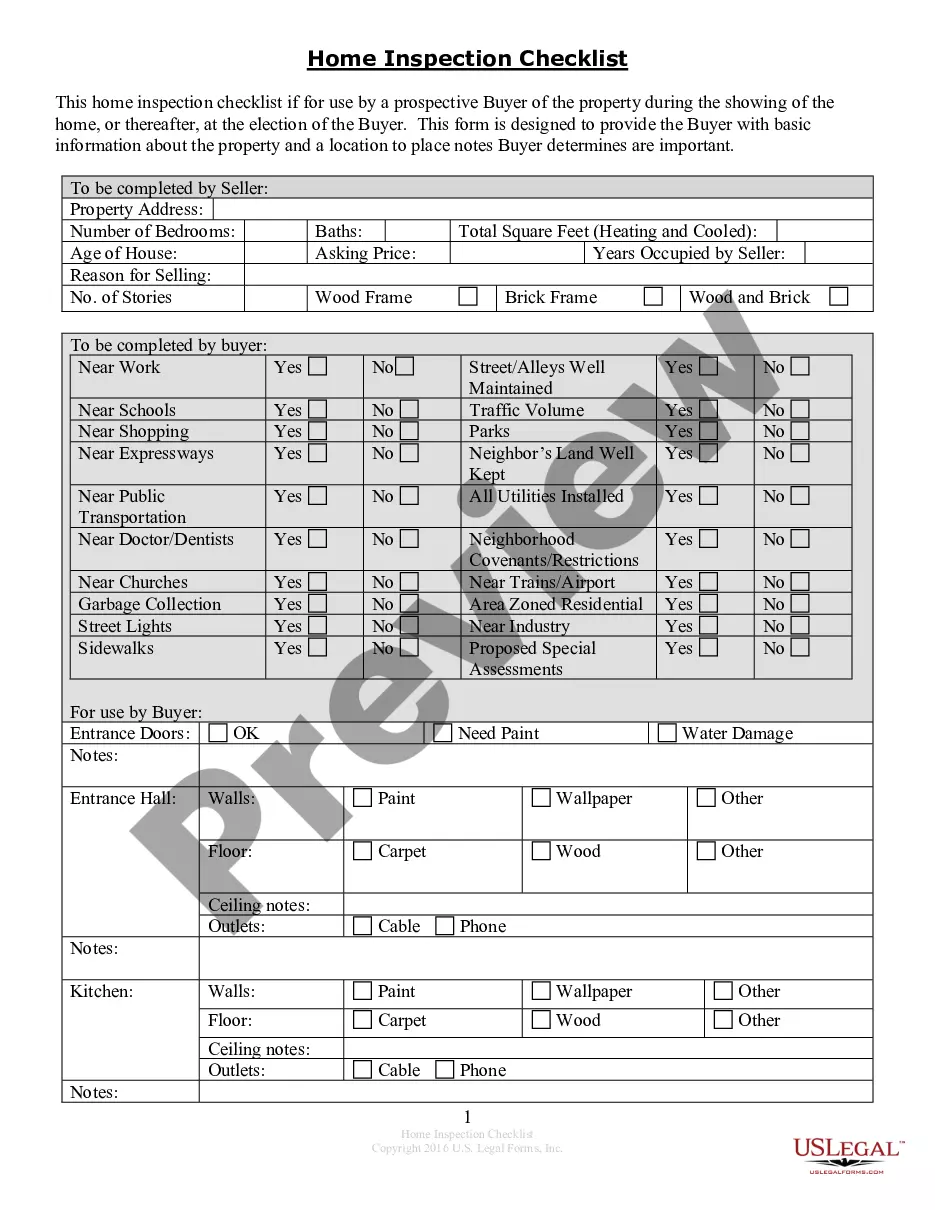
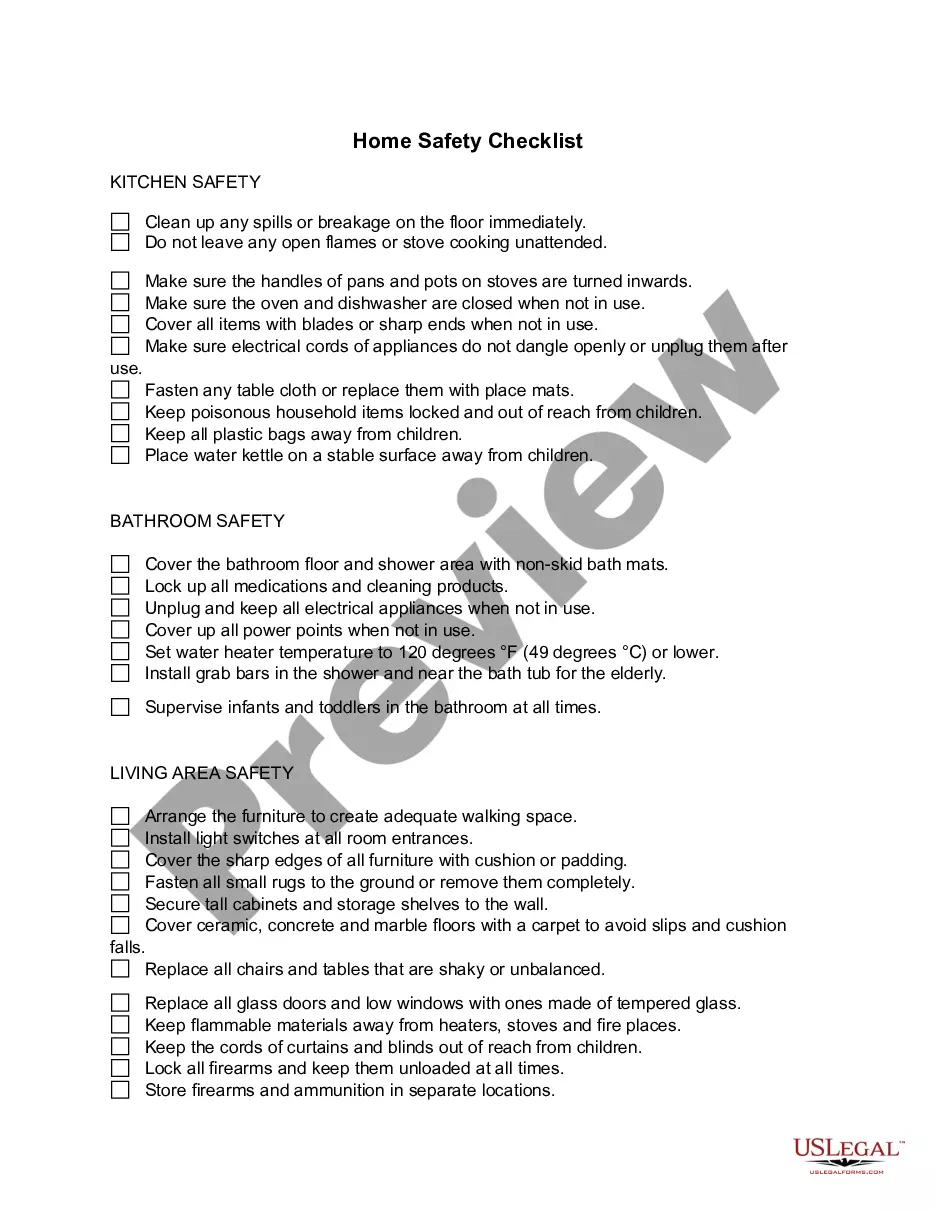
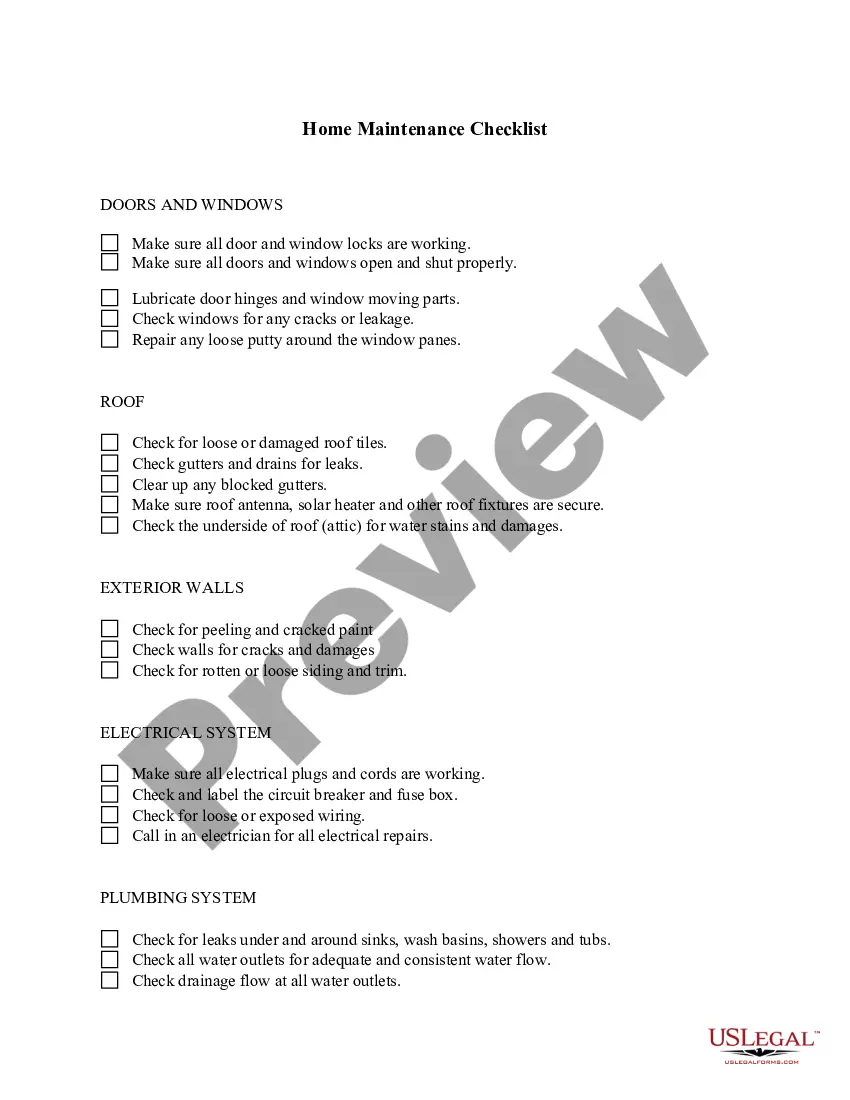
The Buyer's Home Inspection Checklist is a valuable tool for potential home buyers in New York. This form enables buyers to systematically evaluate a property's condition during a showing. Unlike general inspection reports, this checklist focuses on specific areas of concern that buyers should address before making an offer, allowing for informed decision-making in the home buying process.
Form components explained
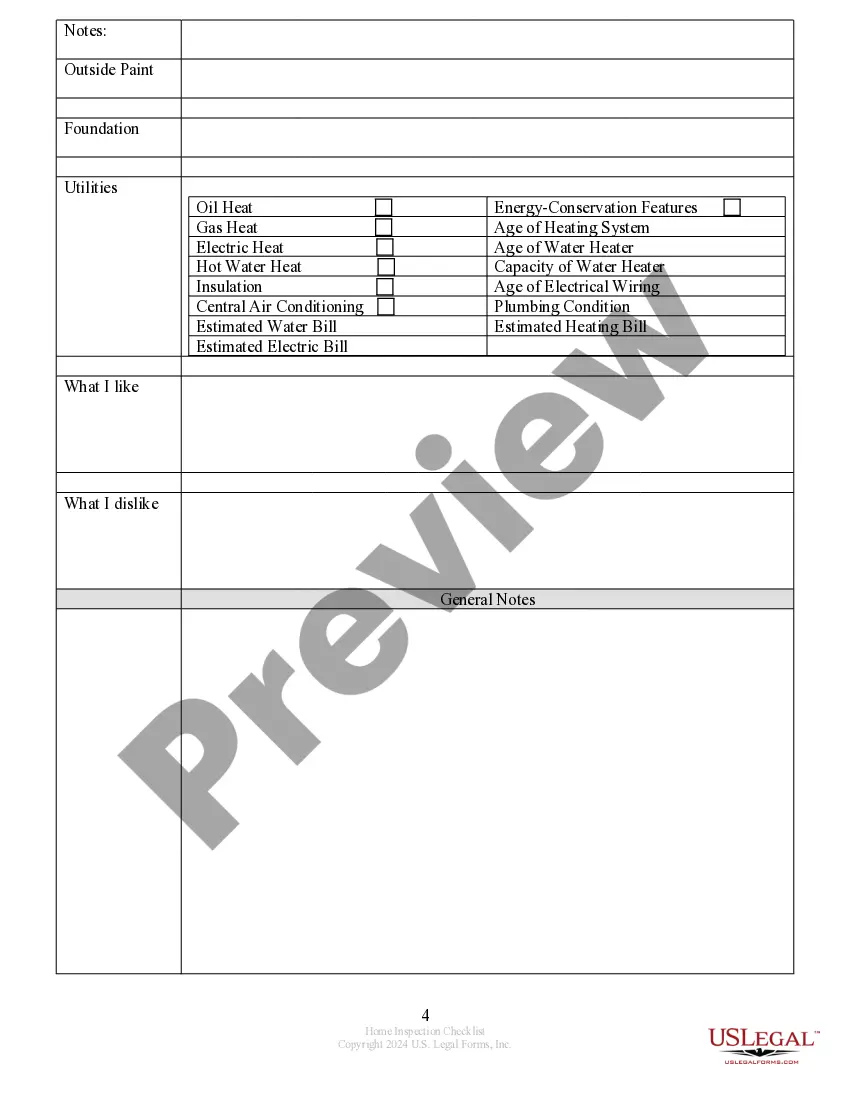
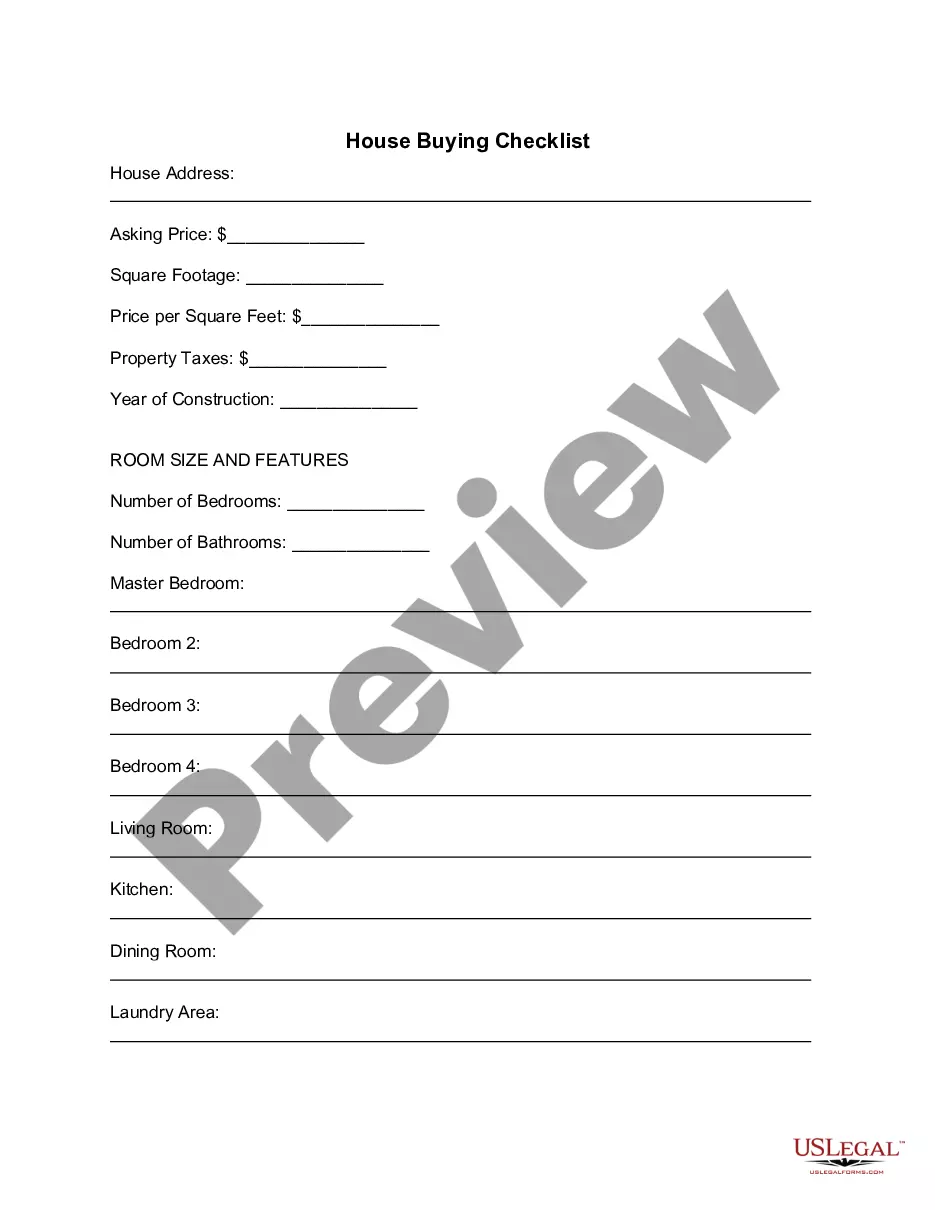
- General property information including location and utilities available.
- Detailed list of items to inspect, such as street maintenance, neighborhood amenities, and surrounding environment.
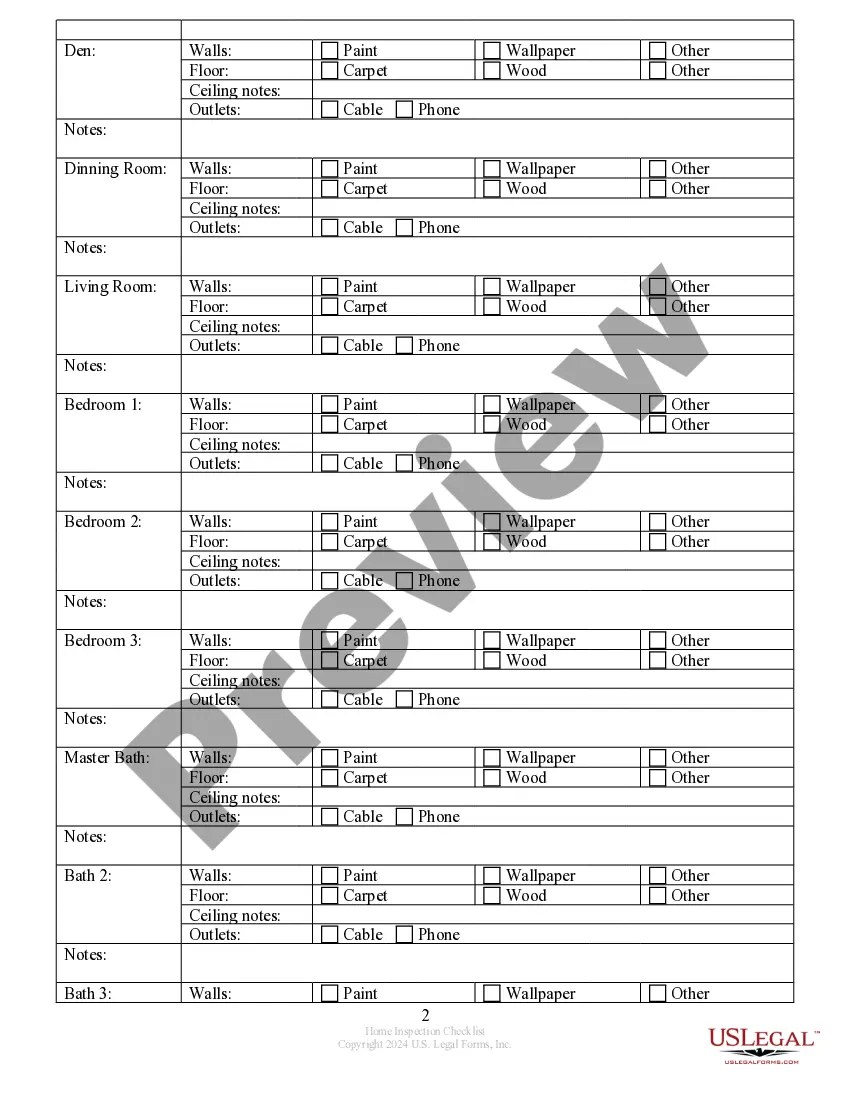
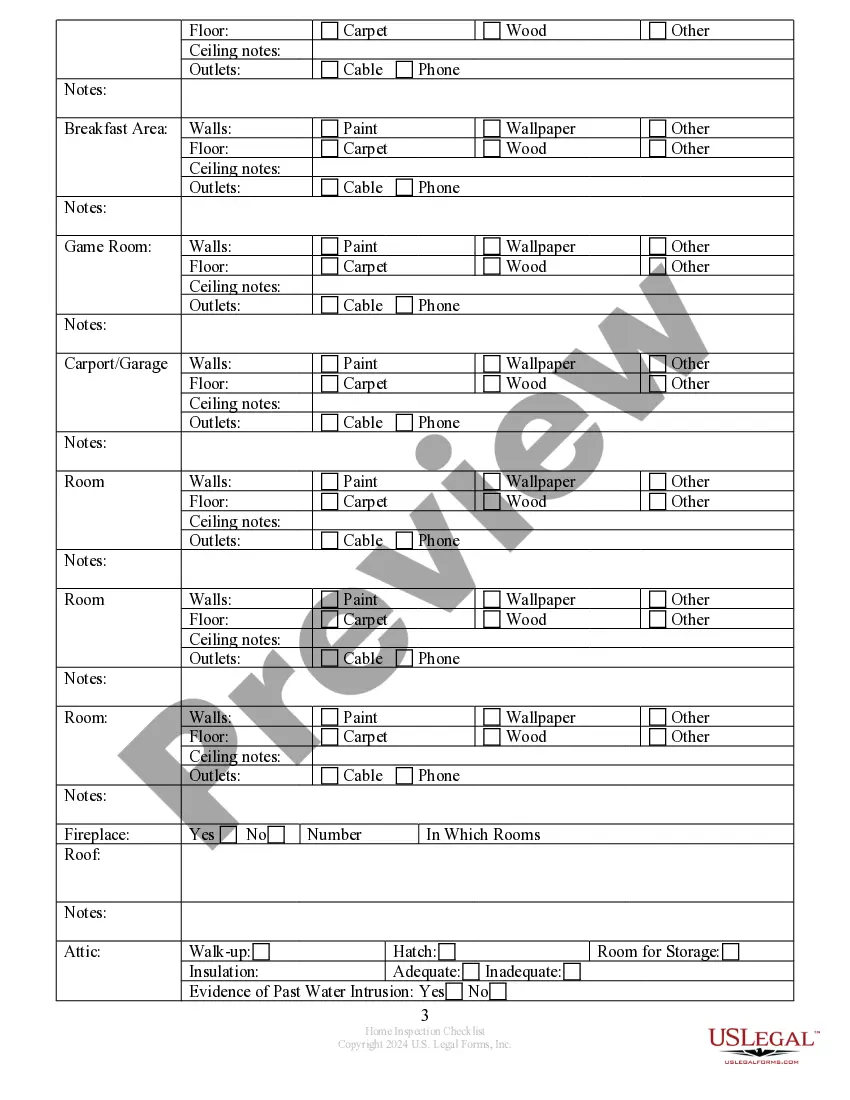
- Space for notes and observations to remember important details or questions for the seller.
- Checklists for assessing certain neighborhood features, including schools, parks, and traffic volume.
- Sections allowing buyers to note the condition of exterior elements like sidewalks and street lights.
When this form is needed
This form should be utilized during the initial viewing of a home or within the decision-making period before submitting an offer. It helps buyers stay organized and ensures they do not overlook critical aspects of the property that may influence their purchasing decision.
Who can use this document
- Home buyers who are viewing properties in New York.
- Individuals preparing to make an offer on a home.
- Real estate agents assisting clients in evaluating properties.
- Buyers seeking to ensure clarity and thoroughness in their home evaluation process.
How to prepare this document
- Begin by filling out general information about the property, including its address and any relevant details.
- Review each item in the checklist and mark whether you find it satisfactory or not.
- Take notes in the provided space next to each section for any observations or questions to ask the seller later.
- Check off nearby amenities to evaluate the property's location and its advantages or inconveniences.
- Use the completed checklist to guide discussions with your real estate agent or during negotiations with the seller.
Notarization requirements for this form
Notarization is not commonly needed for this form. However, certain documents or local rules may make it necessary. Our notarization service, powered by Notarize, allows you to finalize it securely online anytime, day or night.
Get your form ready online
Our built-in tools help you complete, sign, share, and store your documents in one place.
Make edits, fill in missing information, and update formatting in US Legal Forms—just like you would in MS Word.
Download a copy, print it, send it by email, or mail it via USPS—whatever works best for your next step.
Sign and collect signatures with our SignNow integration. Send to multiple recipients, set reminders, and more. Go Premium to unlock E-Sign.
If this form requires notarization, complete it online through a secure video call—no need to meet a notary in person or wait for an appointment.
We protect your documents and personal data by following strict security and privacy standards.

Make edits, fill in missing information, and update formatting in US Legal Forms—just like you would in MS Word.

Download a copy, print it, send it by email, or mail it via USPS—whatever works best for your next step.

Sign and collect signatures with our SignNow integration. Send to multiple recipients, set reminders, and more. Go Premium to unlock E-Sign.

If this form requires notarization, complete it online through a secure video call—no need to meet a notary in person or wait for an appointment.

We protect your documents and personal data by following strict security and privacy standards.
Avoid these common issues
- Failing to check all areas of the property thoroughly, which can lead to overlooking important issues.
- Neglecting to take detailed notes, making it difficult to remember specific concerns later.
- Not asking questions about the property during the showing, missing the chance to gain clarity from the seller.
- Using the form without fully understanding its sections, leading to confusion about what to evaluate.
Advantages of online completion
- Convenient access from any device at any time, allowing for real-time note-taking during showings.
- Easy to download and edit as needed, enabling customization based on specific property features.
- Ensures you have a reliable, legally compliant form created by licensed attorneys, enhancing trust in the process.
Quick recap
- The Buyer's Home Inspection Checklist helps buyers evaluate a home's condition systematically.
- It is particularly useful during the initial property viewing or before making an offer.
- Taking thorough notes and asking questions is crucial to utilize this checklist effectively.
- This form is tailored for use in New York and aligns with local inspection practices.
Looking for another form?






Form popularity
FAQ
A buyer and seller's real estate agents will be able to fill them in on the laws in their particular state, but in general a seller is responsible for paying to fix severe water damage or mold issues, to replace missing or broken smoke detectors, and to remedy building code violations, among other things.
Replace light bulbs. Re-caulk around bathtubs and sinks. Repair any water damage in bathrooms. Remove any drain clogs. Update any dingy grout. Replace torn screens and cracked windows. Replace any missing roofing. Replace damaged insulation in attic and crawl space.
A home inspector will look at things like a home's foundation, structural components, roof, HVAC, plumbing, and electrical systems, then provide a written home inspection report with results.Buyers should attend the inspection so they can explore their new home in detail and ask questions during the process.
Environment. dust, gases, fumes, sprays, lighting, noise, ventilation. Buildings. windows, doors, floors, stairs, roofs, walls, elevators. Containers. Electrical. Fire protection equipment. Hand tools. Hazardous products. Materials handling.
Safety inspection checklists are paper-based or digitized forms used by safety officers to inspect and identify workplace hazards that can cause potential harm to people, processes, and the environment.
Chimney Inspections. Electrical Inspections. Lead-Based Paint. Heating and Air Conditioning. Wood Damage. Foundation Inspections. Pool and Spa Inspections. Roof Inspections.
Ask the seller to make the repairs themselves. Ask for credits toward your closing costs. Ask the seller to reduce the sales price to make up for the repairs. Back out of the transaction (if you have an inspection contingency in place) Move forward with the deal.
Check for water stains, corrosion and mould. Assess ceilings for sagging. Look inside the cabinets in all wet areas. Check the walls for large cracks. Check for mould in bathrooms and bedrooms. Check the internal wall plastering for fine cracks.