New Jersey Interrogatories to Plaintiff for Motor Vehicle Occurrence
What is this form?
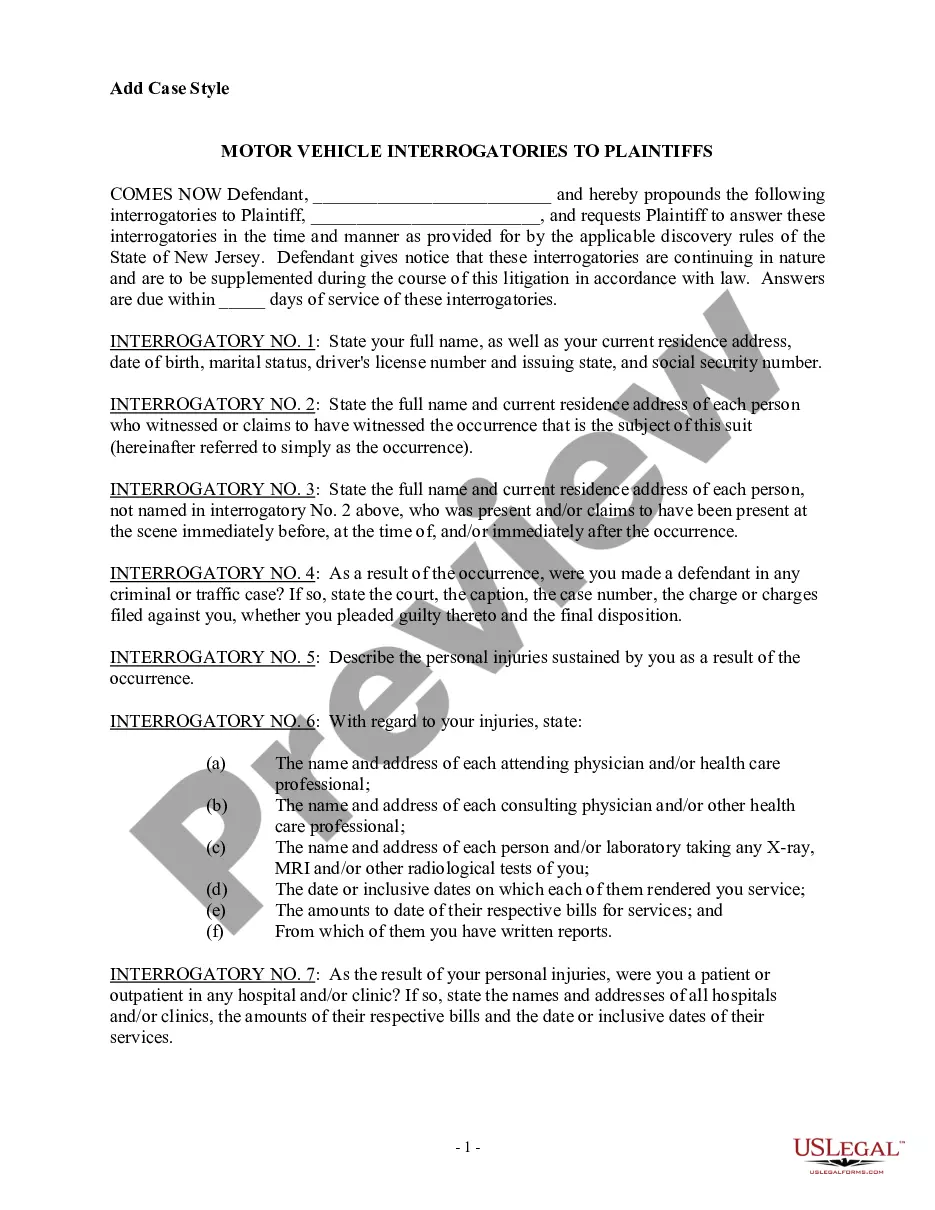
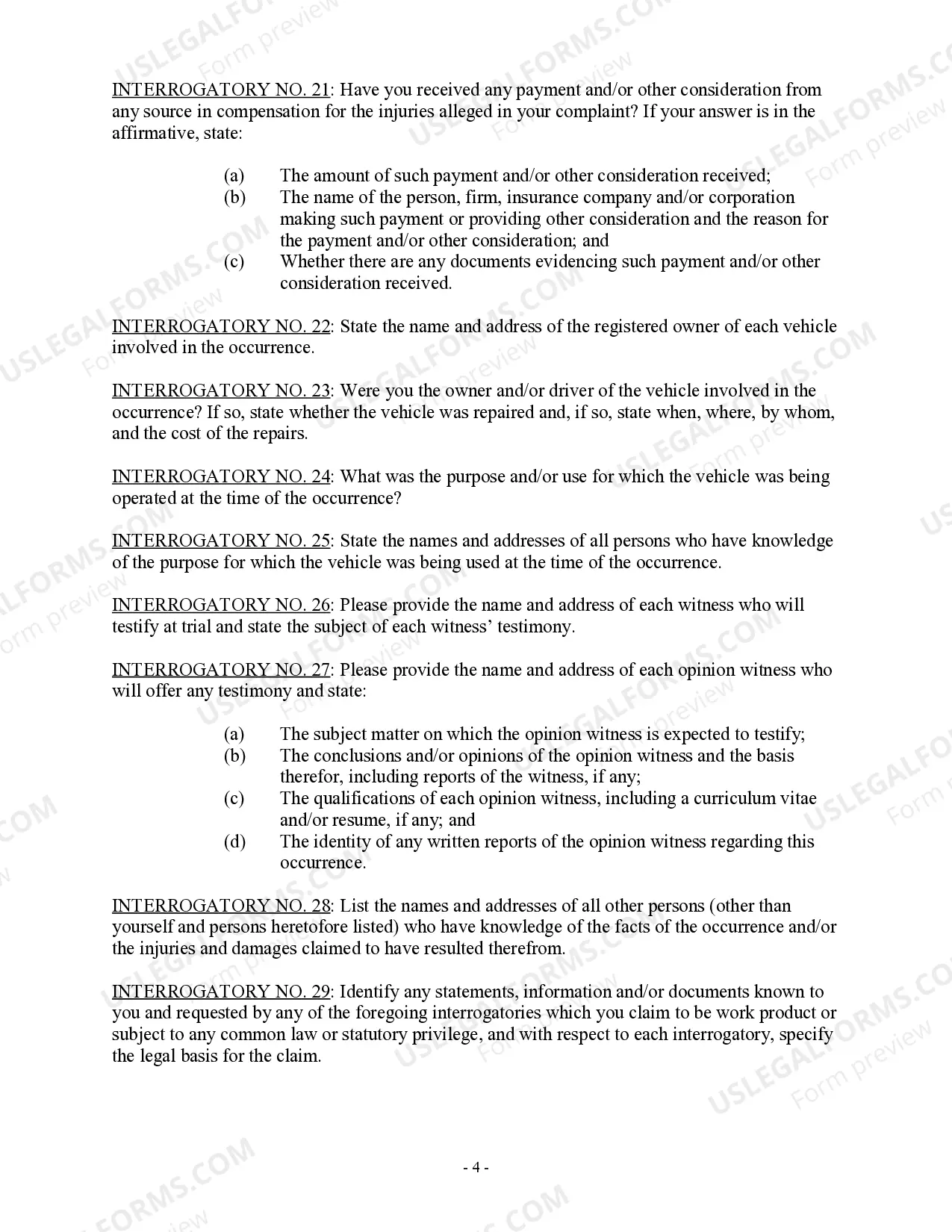
The Interrogatories to Plaintiff for Motor Vehicle Occurrence is a legal document that allows defendants in vehicle incident cases, such as automobile accidents, to formally ask plaintiffs questions about the incident. This form is specifically tailored for collecting detailed information that can help clarify the circumstances surrounding the case, including the injuries sustained and any witnesses present. Unlike other forms, this set contains a broad range of inquiries that can be modified based on the specific details of the case, ensuring that defendants gather the necessary evidence for their defense.
What’s included in this form
- Defendant's and plaintiff's information, including names and addresses.
- Details about the occurrence, including witnesses and immediate circumstances.
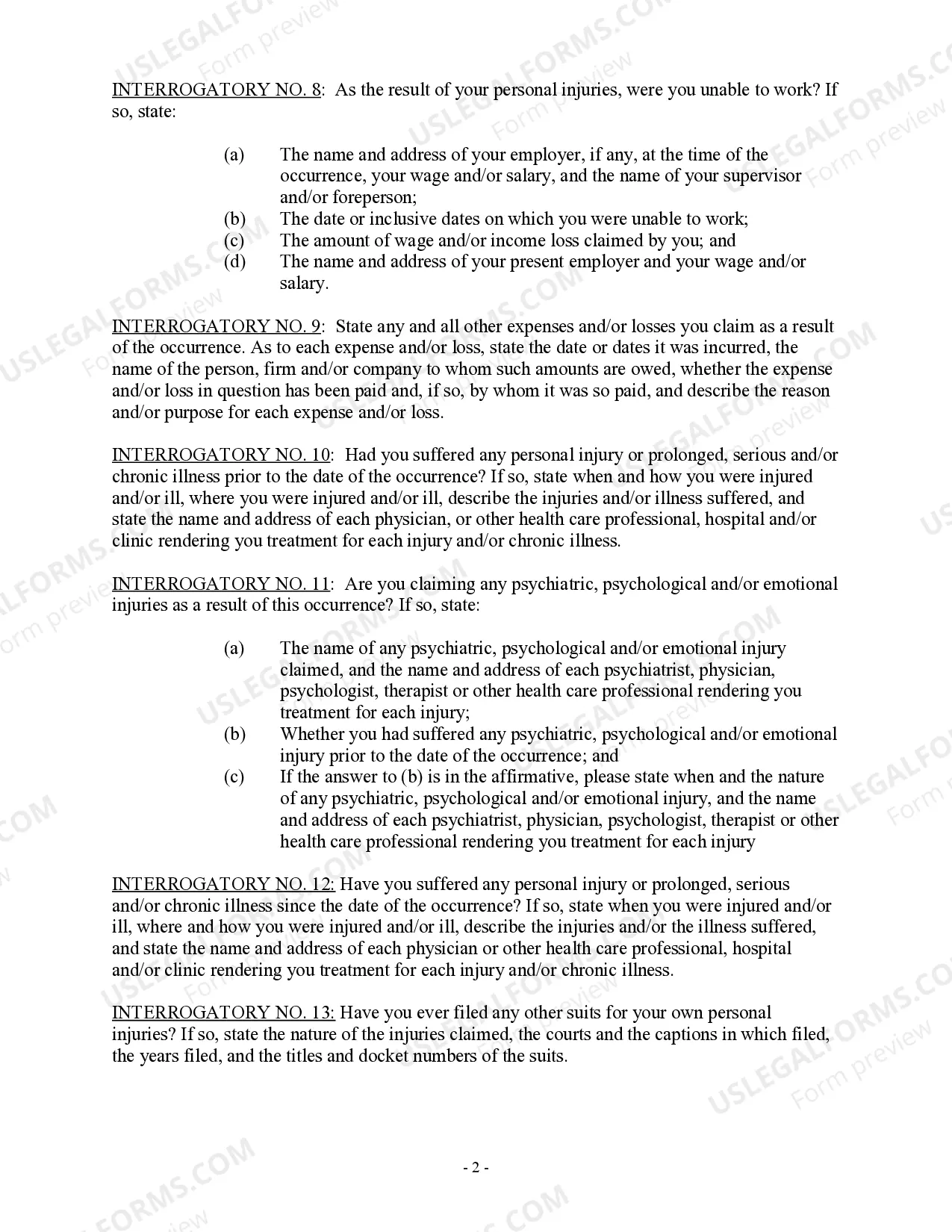
- Information regarding injuries sustained, including medical providers and treatment details.
- Employment-related inquiries to determine potential wage loss.
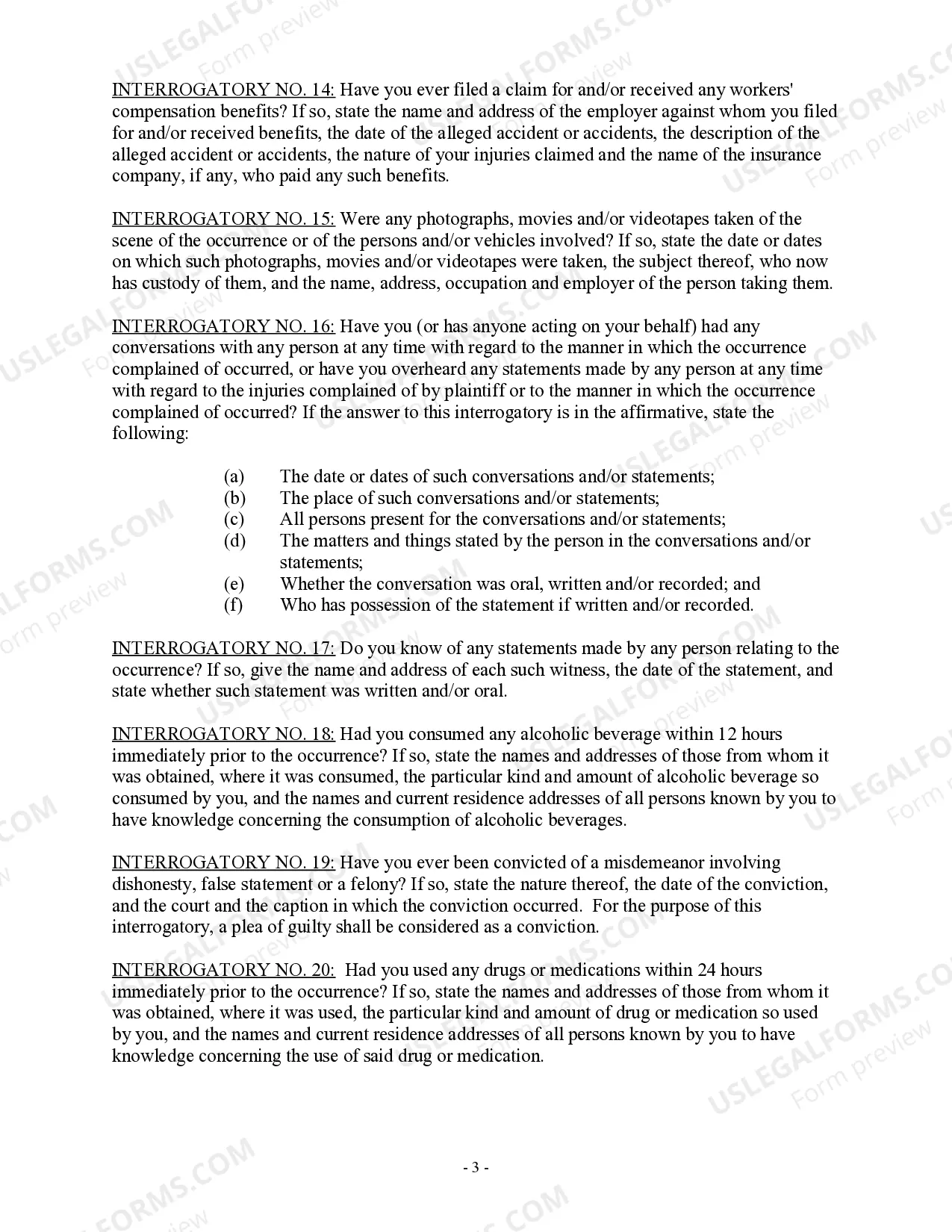
- Queries about any previous injuries or claims made by the plaintiff.
- Specifications for evidence such as photographs or conversations regarding the incident.
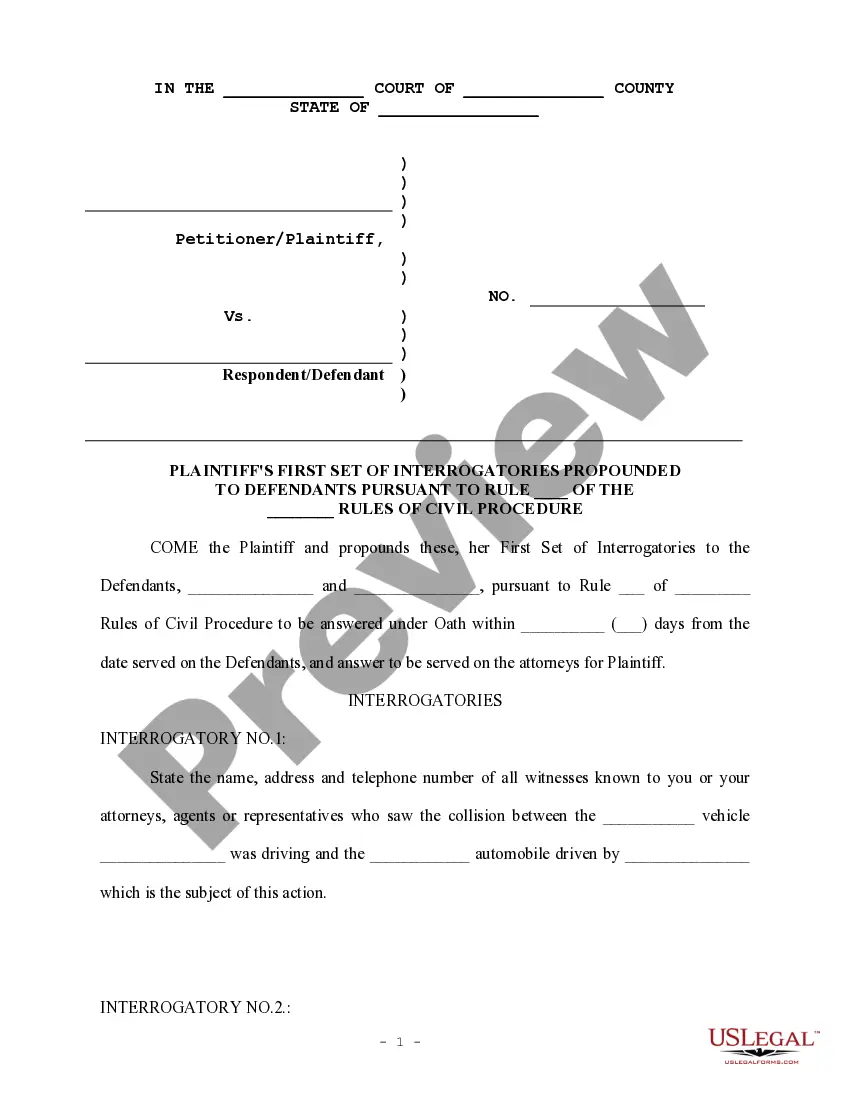
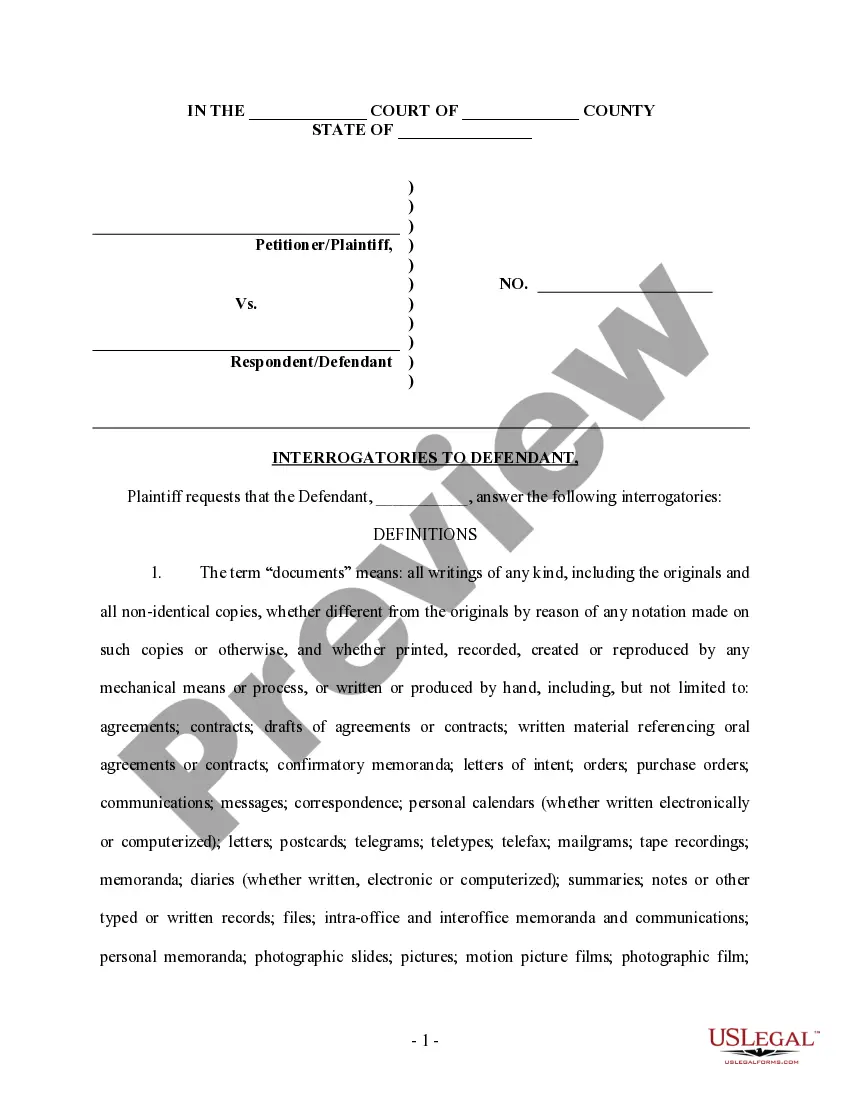
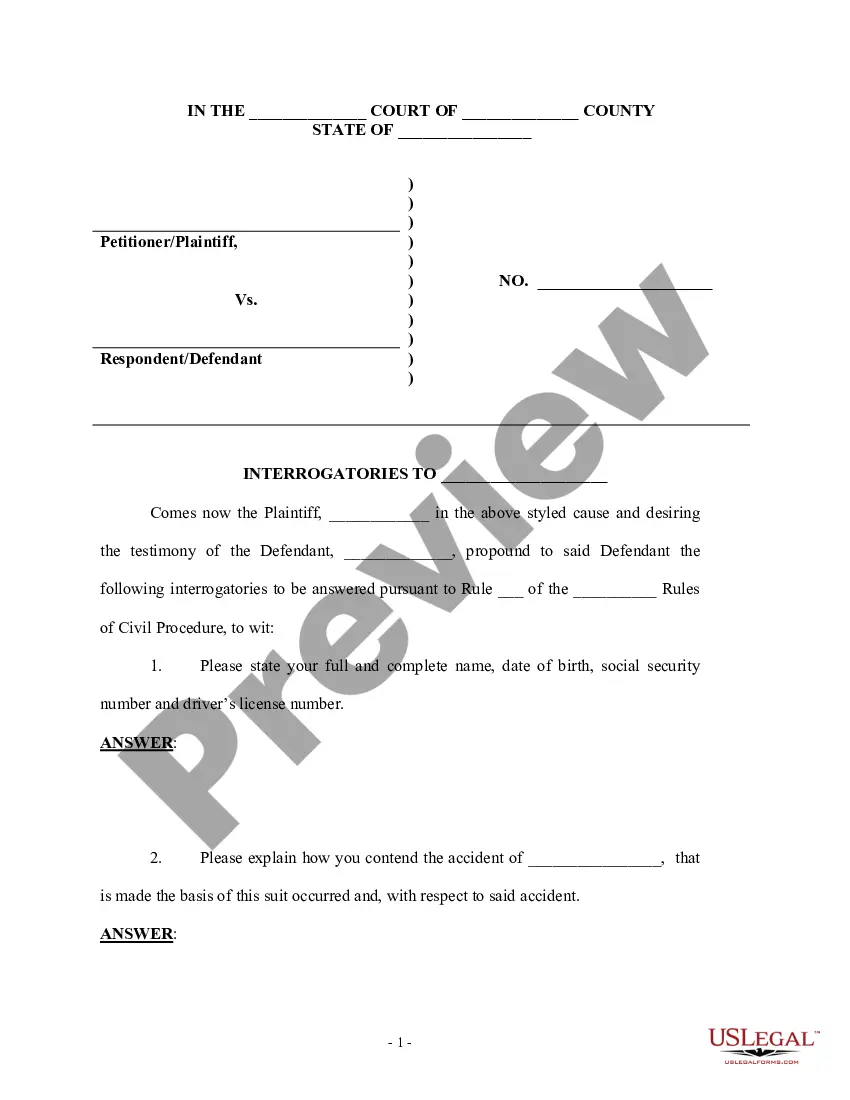
When this form is needed
This form is used when a defendant in a motor vehicle case needs to obtain information from the plaintiff regarding the circumstances of an accident. It is essential during the discovery phase of litigation, where both parties interact to exchange information that may be relevant to the case. Ideal situations for using this form include when preparing for a trial or negotiating settlements, as it helps clarify the details that may affect the outcome of the legal proceedings.
Who this form is for
This form is intended for:
- Defendants involved in a motor vehicle accident lawsuit.
- Attorneys representing defendants in vehicle-related legal disputes.
- Parties seeking to gather detailed evidence to support their case.
Steps to complete this form
- Identify the defendant and plaintiff by filling in their respective names and addresses.
- Answer each interrogatory clearly and completely, ensuring all relevant details are included.
- Specify the time frame for providing answers, as required by New Jersey discovery rules.
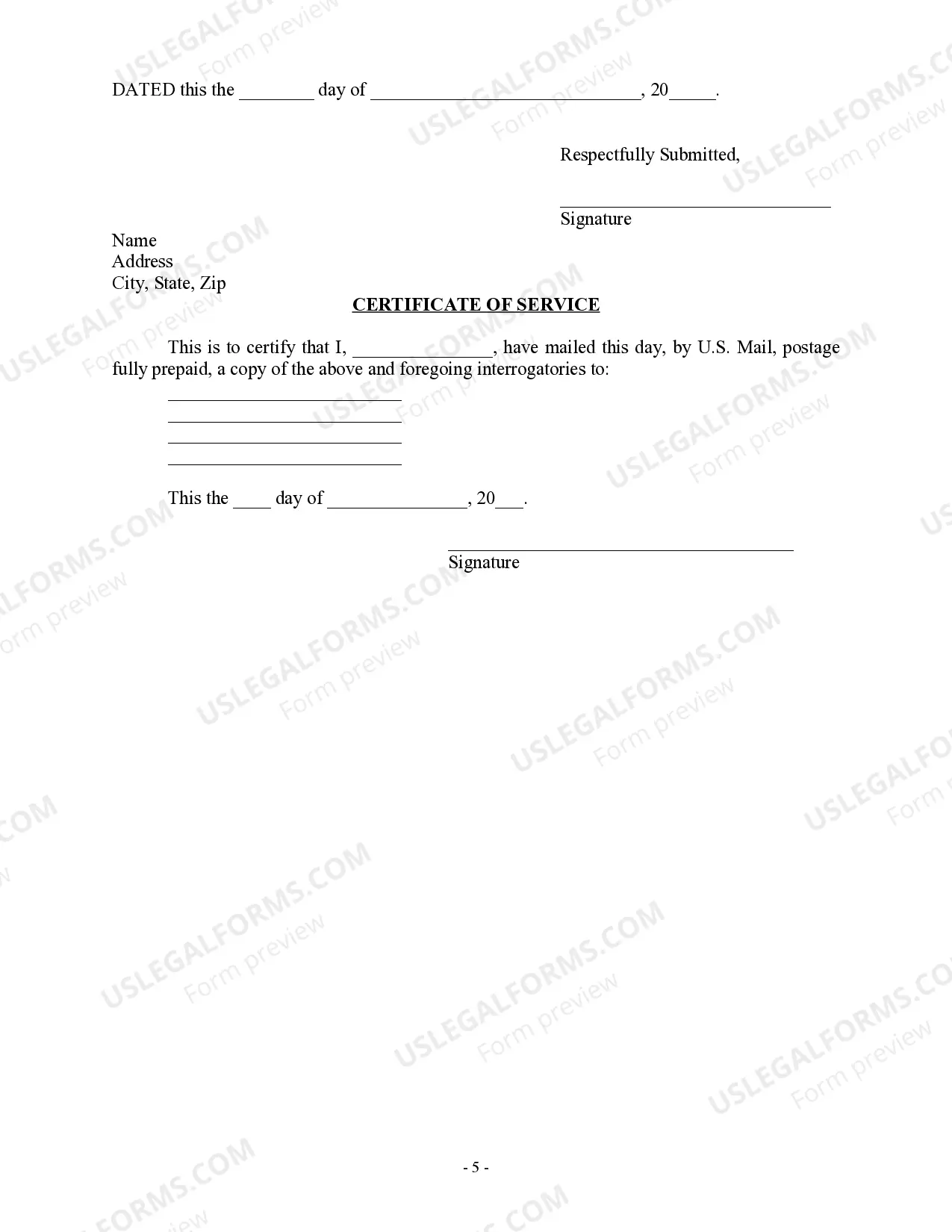
- Sign and date the document to affirm that the information provided is accurate.
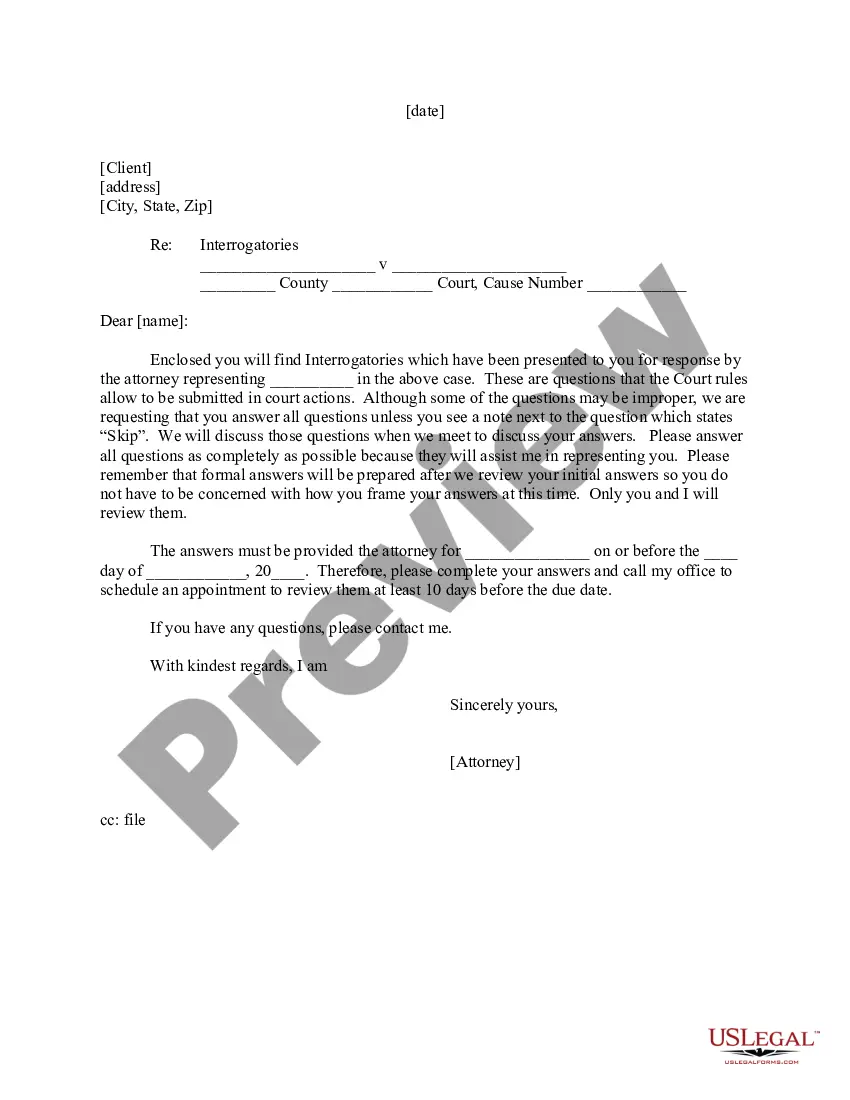
- Serve the completed form to the plaintiff and retain a copy for your records.
Notarization requirements for this form
Notarization is generally not required for this form. However, certain states or situations might demand it. You can complete notarization online through US Legal Forms, powered by Notarize, using a verified video call available anytime.
Get your form ready online
Our built-in tools help you complete, sign, share, and store your documents in one place.
Make edits, fill in missing information, and update formatting in US Legal Forms—just like you would in MS Word.
Download a copy, print it, send it by email, or mail it via USPS—whatever works best for your next step.
Sign and collect signatures with our SignNow integration. Send to multiple recipients, set reminders, and more. Go Premium to unlock E-Sign.
If this form requires notarization, complete it online through a secure video call—no need to meet a notary in person or wait for an appointment.
We protect your documents and personal data by following strict security and privacy standards.

Make edits, fill in missing information, and update formatting in US Legal Forms—just like you would in MS Word.

Download a copy, print it, send it by email, or mail it via USPS—whatever works best for your next step.

Sign and collect signatures with our SignNow integration. Send to multiple recipients, set reminders, and more. Go Premium to unlock E-Sign.

If this form requires notarization, complete it online through a secure video call—no need to meet a notary in person or wait for an appointment.

We protect your documents and personal data by following strict security and privacy standards.
Common mistakes
- Failing to answer all questions completely or skipping relevant sections.
- Providing inaccurate or vague information that may weaken the defense.
- Not adhering to the specified time frame for response, which can lead to legal complications.
- Neglecting to document and keep copies of the completed form and any correspondence.
Advantages of online completion
- Convenience of downloading the form from anywhere at any time.
- Easy customization to suit the specific details of the case.
- Access to support resources that enhance understanding of legal requirements.
- Ability to keep up with the latest legal standards and requirements efficiently.
Legal use & context
- Used as part of the discovery process in litigation involving vehicle incidents.
- Helps establish a comprehensive record of events and injuries relevant to the case.
- Facilitates the exchange of vital information between parties, promoting transparency.
Summary of main points
- The form is crucial for gathering information from the plaintiff after a motor vehicle incident.
- It is designed specifically for use in New Jersey, following relevant legal protocols.
- Completing the form accurately and thoroughly can significantly impact the outcome of a case.
Looking for another form?


Form popularity
FAQ
Your answers to the interrogatories should usually be short, clear, and direct and should answer only the question that is being asked. This is not the time to set out your entire case or defense to the other side. Take the time to make sure your answers are correct and truthful.
The number of questions included in an interrogatory is usually limited by court rule. For example, under the Federal Rules of Civil Procedure, each party may only ask each other party 25 questions via interrogatory unless the court gives permission to ask more.
The defendant shall serve answers to the appropriate uniform interrogatories within 60 days after service by that defendant of the answer to the complaint.
So, can you refuse to answer interrogatories? The answer is, no, you may not. You must answer a Rule 33 interrogatory within 30 days of being served with it. That answer must either permit inspection of the requested information or object to the production of the information for a specific reason.
(1) Number. Unless otherwise stipulated or ordered by the court, a party may serve on any other party no more than 25 written interrogatories, including all discrete subparts. Leave to serve additional interrogatories may be granted to the extent consistent with Rule 26(b)(1) and (2).
You must answer each interrogatory separately and fully in writing under oath, unless you object to it. You must explain why you object. You must sign your answers and objections.
Motions to Compel If a party doesn't respond to interrogatories or requests for production, then the party seeking those answers must file a motion to compel with the court. If the court grants the motion to compel, then the party who objected or failed to answer must then do so.
The interrogatories shall not exceed 30, including all subparts, unless the court permits a larger number on motion and notice and for good cause.