New Jersey HVAC Contract for Contractor
Understanding this form
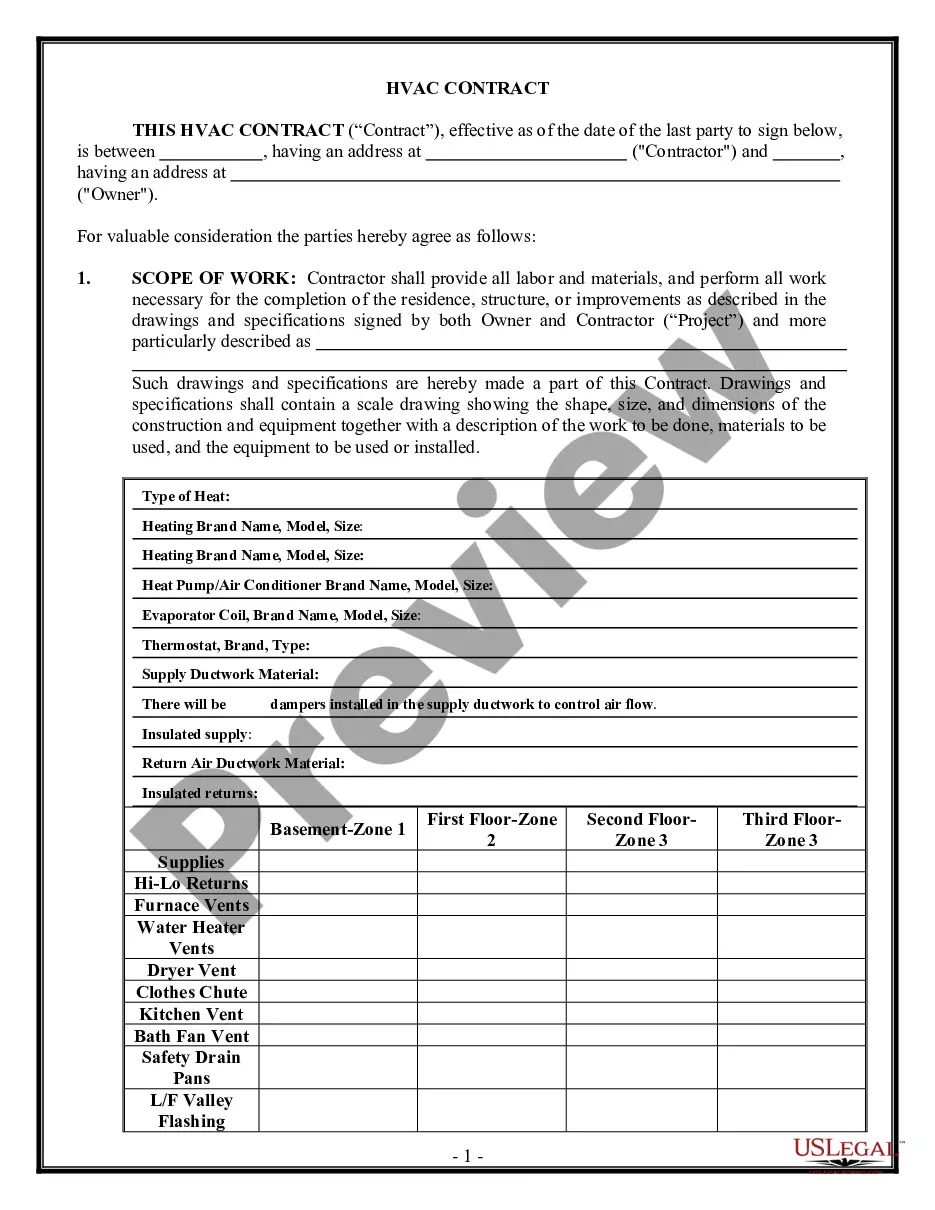
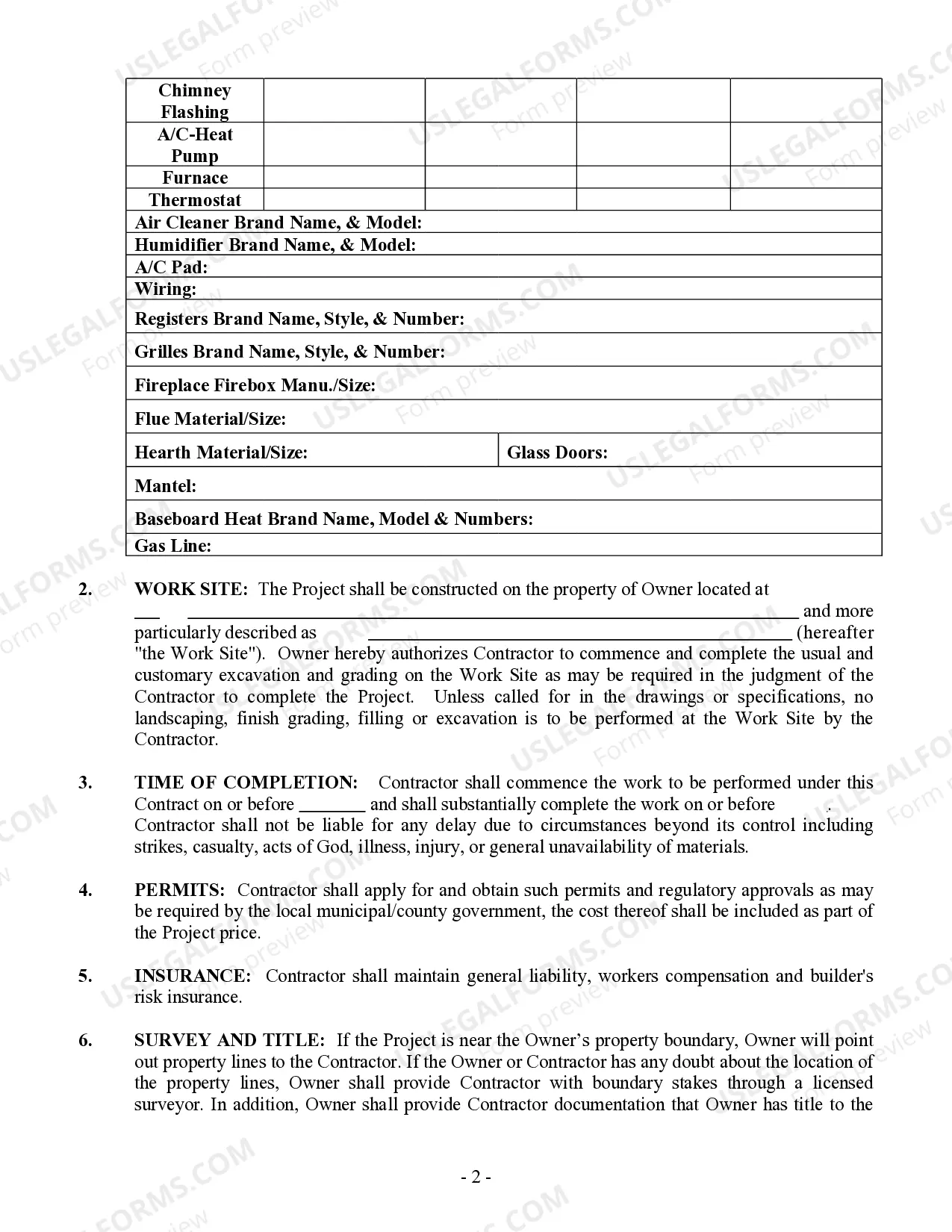
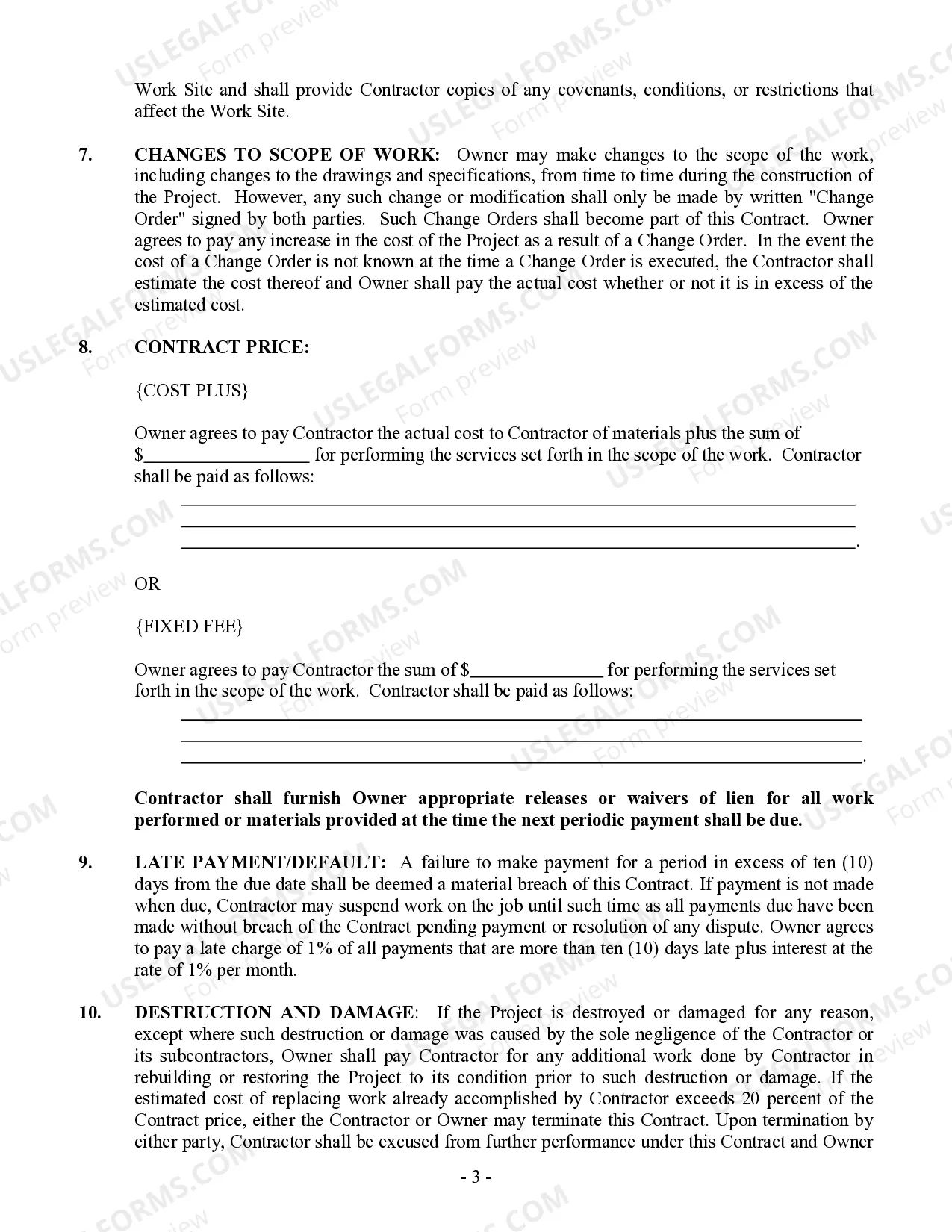
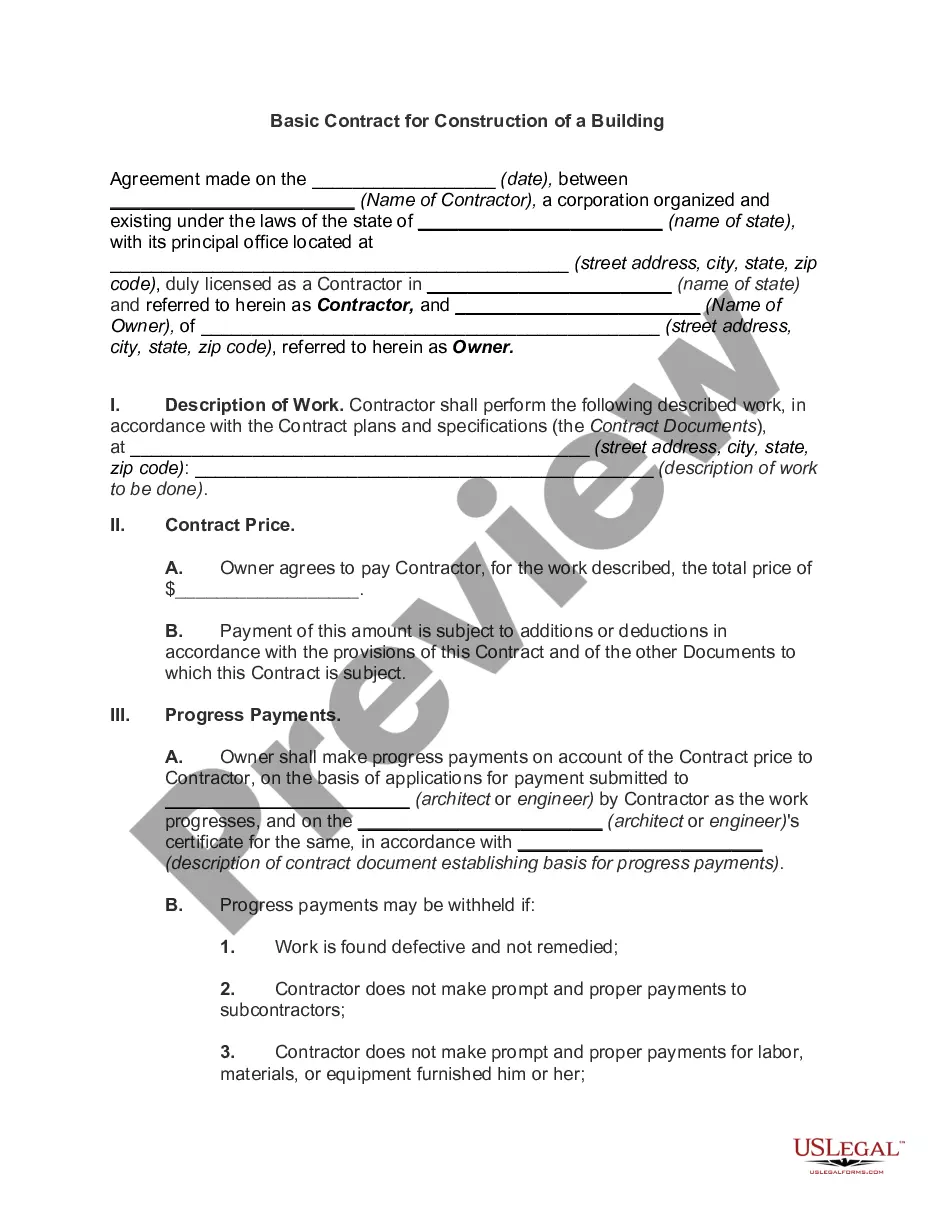
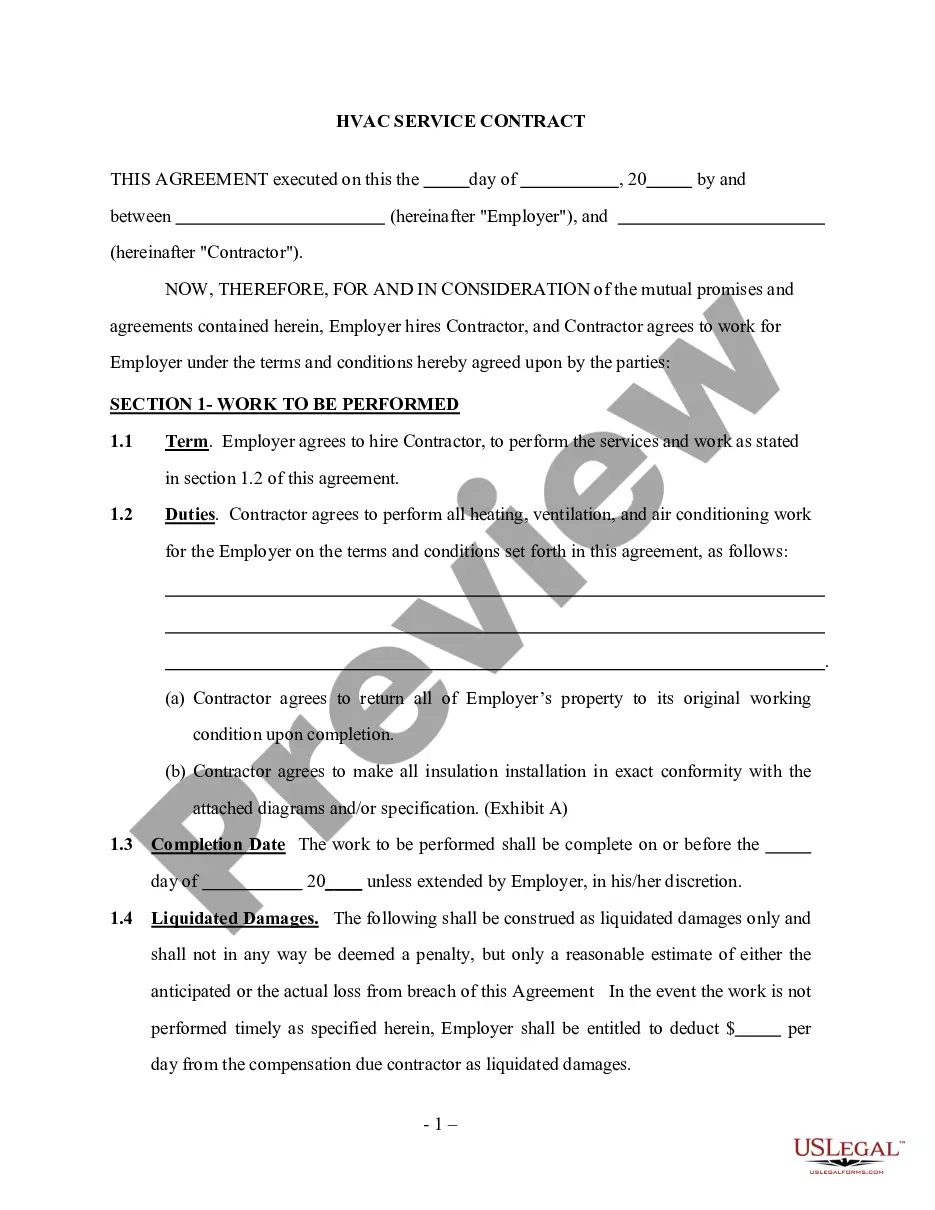
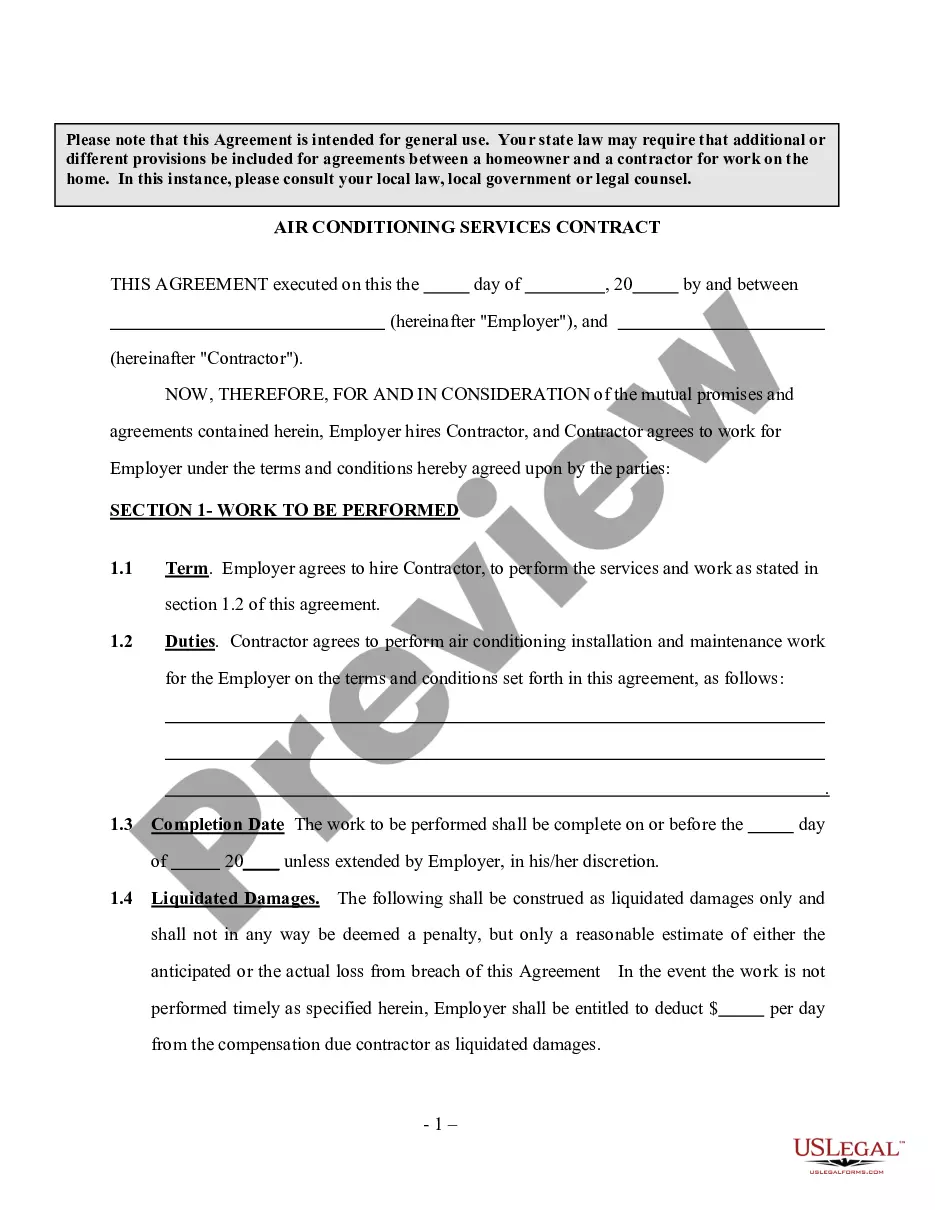
The HVAC Contract for Contractor is a legal document that establishes an agreement between HVAC contractors and property owners. It outlines the terms of the work to be performed, including payment arrangementsâeither cost plus or fixed fee. This contract ensures clarity on various aspects such as change orders, worksite regulations, insurance, and warranties. It is specifically designed to comply with New Jersey laws, which distinguishes it from general contracts used in other states or industries.
Form components explained
- Permits: Contractor is responsible for applying and obtaining all necessary permits.
- Insurance: Requirements for general liability, workers compensation, and builders risk insurance.
- Survey and Title: Responsibilities regarding property boundaries and ownership documentation.
- Changes to Scope of Work: Procedures for initiating change orders with agreed costs.
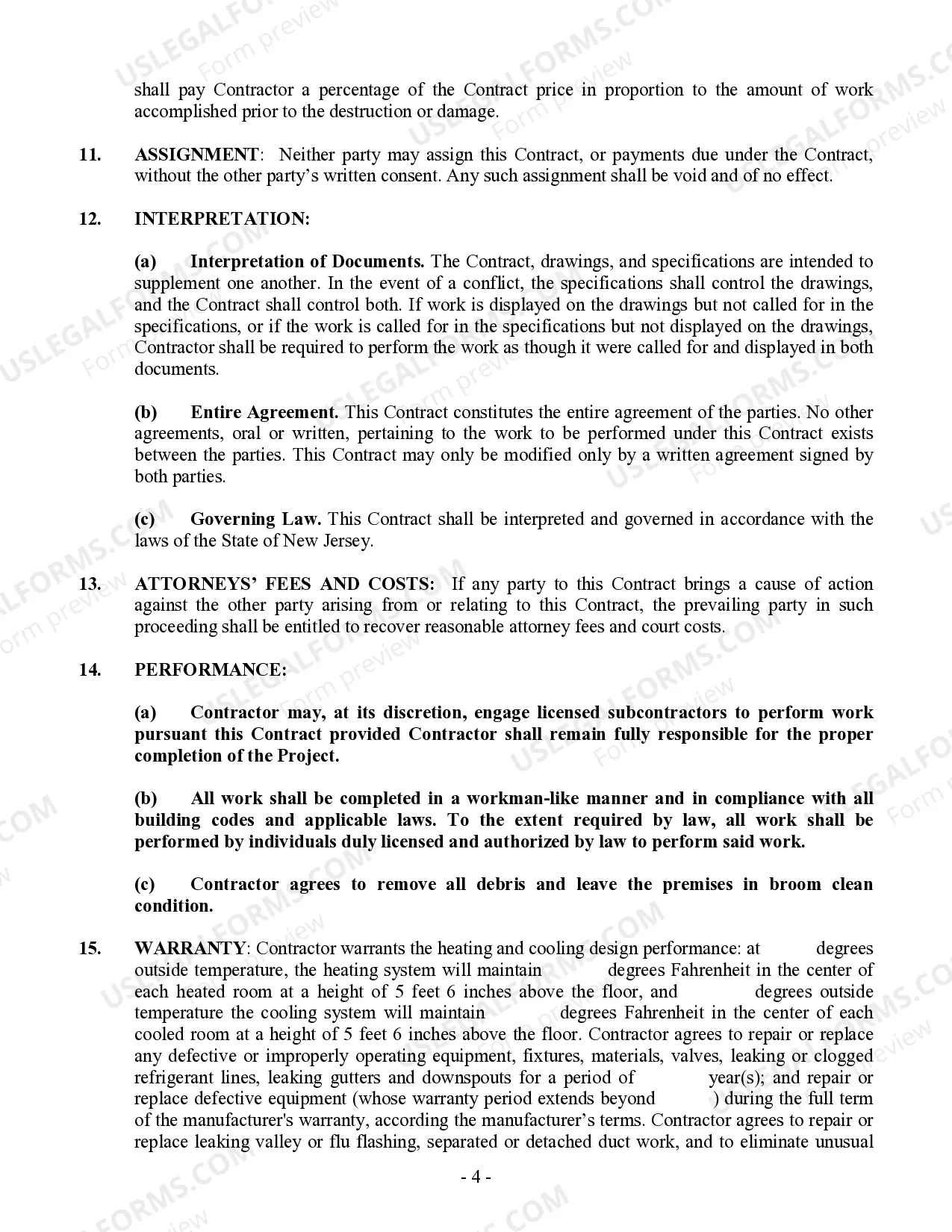
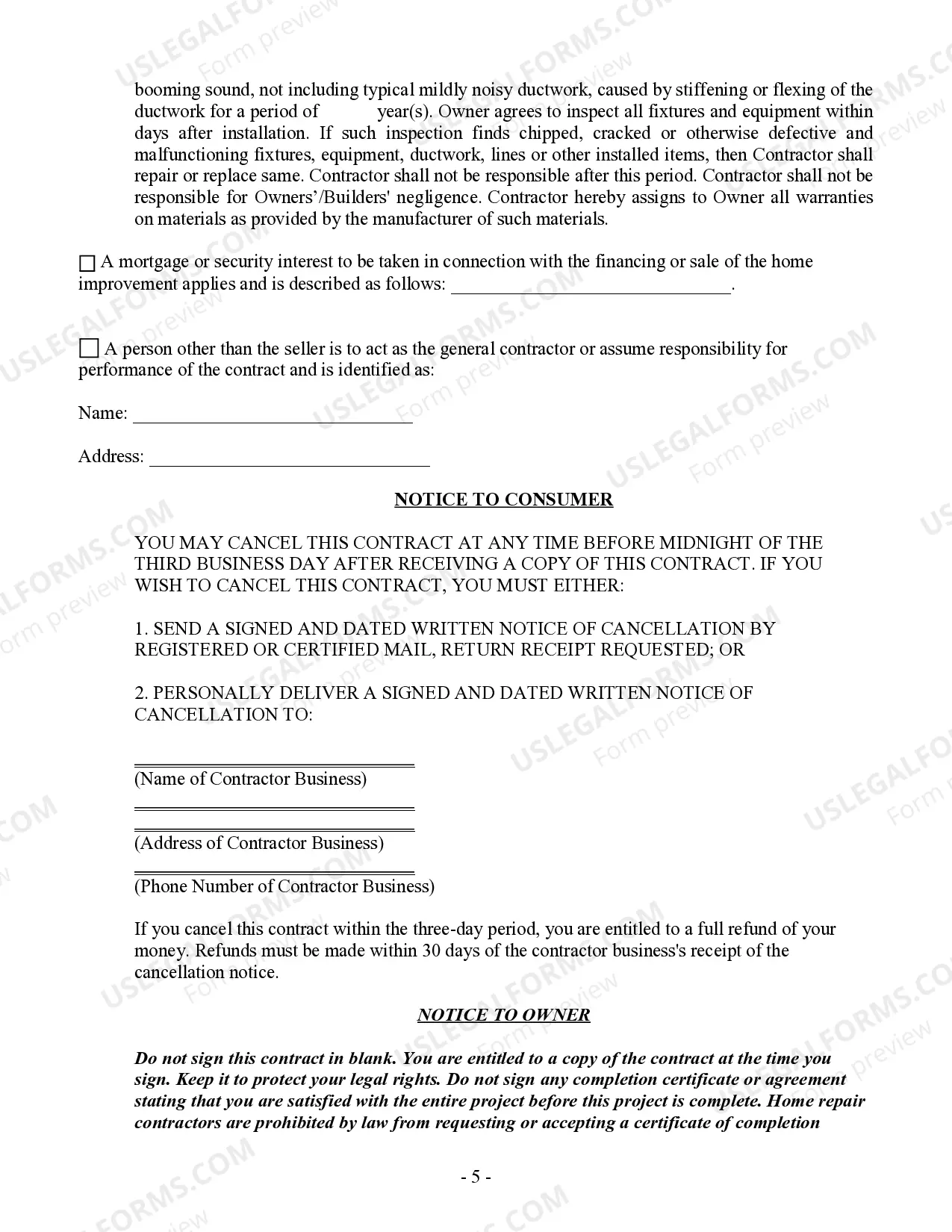
- Destruction and Damage: Guidelines on payments for work required due to project damage.
- Assignment: Restrictions on transferring obligations without written consent.
- Performance: Contractorâs option to hire subcontractors while remaining responsible for work completion.
Common use cases
This HVAC contract should be used whenever a property owner engages an HVAC contractor for installation, repair, or maintenance work on heating, ventilation, and air conditioning systems. It ensures that all parties are aware of their rights and responsibilities, making it an essential tool for preventing misunderstandings and legal disputes in construction projects.
Who can use this document
- HVAC contractors who need a formal agreement with property owners.
- Property owners looking to establish clear terms for HVAC services.
- Individuals or entities in New Jersey requiring an HVAC contract compliant with state law.
Completing this form step by step
- Identify the parties involved, including the contractorâs name and business address.
- Specify the location of the worksite and any required permits.
- Outline the scope of work and payment terms (cost plus or fixed fee).
- Include provisions for changes to the work through written change orders.
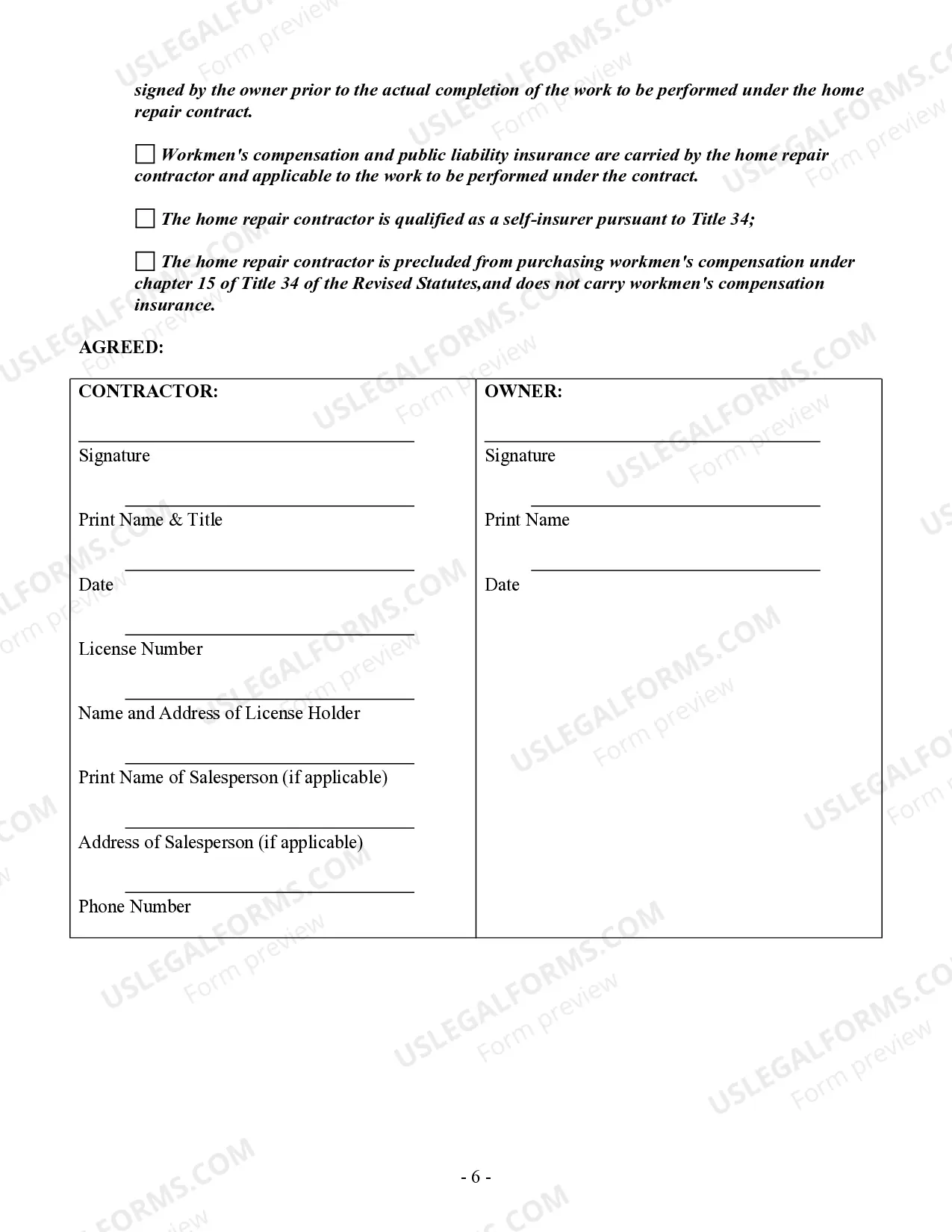
- Ensure both parties sign the contract and retain a copy for their records.
Does this document require notarization?
This form does not typically require notarization unless specified by local law. However, parties should consider consulting local regulations or legal counsel for specific circumstances where notarization may be advisable.
Get your form ready online
Our built-in tools help you complete, sign, share, and store your documents in one place.
Make edits, fill in missing information, and update formatting in US Legal Forms—just like you would in MS Word.
Download a copy, print it, send it by email, or mail it via USPS—whatever works best for your next step.
Sign and collect signatures with our SignNow integration. Send to multiple recipients, set reminders, and more. Go Premium to unlock E-Sign.
If this form requires notarization, complete it online through a secure video call—no need to meet a notary in person or wait for an appointment.
We protect your documents and personal data by following strict security and privacy standards.

Make edits, fill in missing information, and update formatting in US Legal Forms—just like you would in MS Word.

Download a copy, print it, send it by email, or mail it via USPS—whatever works best for your next step.

Sign and collect signatures with our SignNow integration. Send to multiple recipients, set reminders, and more. Go Premium to unlock E-Sign.

If this form requires notarization, complete it online through a secure video call—no need to meet a notary in person or wait for an appointment.

We protect your documents and personal data by following strict security and privacy standards.
Mistakes to watch out for
- Not obtaining necessary permits before starting work.
- Failing to document changes in the project scope through formal change orders.
- Not understanding the implications of the insurance requirements outlined in the contract.
- Neglecting to finalize contractual obligations before starting any work.
Benefits of using this form online
- Access to a professionally drafted HVAC contract that complies with relevant laws.
- Convenient download options for immediate use.
- Editable formats allow customization to fit specific project needs.
- Low-cost solution compared to hiring an attorney for contract drafting.
- The contract is legally binding once signed by both parties, provided it complies with New Jersey laws.
- Clear terms help to enforce performance obligations and protect legal rights.
- Proper documentation reduces the likelihood of disputes and misunderstandings.
Looking for another form?





Form popularity
FAQ
Do You Need a License in New Jersey to Become a Handyman? New Jersey doesn't offer handyman licenses. However, handyman professionals must apply for a home improvement contractor license to perform any type of handyman work in New Jersey.
Contractors are required to pay Sales or Use Tax on the materials, supplies, equipment, and services they purchase, rent, or use when performing work on the real property of others, except as described below. It is the general rule that the sale to the actual consumer is a retail sale.
2. How long does it take to process an application? A properly completed application will be processed within 30 days of receipt.
To do home construction and many types of substantial home repairs in New Jersey, an individual must be a licensed contractor. Obtaining an NJ contractor license requires the contractor to register with the New Jersey Division of Consumer Affairs, a process that involves multiple smaller steps.
A copy of your Alternate Name Form C-150G or Trade Name Certificate (if you have another business name). Proof of general liability insurance that's a minimum of $500,000 for each occurrence. A Federal Employer Identification Number (FEIN). Your Social Security Number.
In order to start an HVAC business, you will most likely spend between $2,000 to $10,000. It's crucial that you understand how to start a small business, not just how to start an HVAC business. You will need to invest in liability insurance and worker's compensation insurance if you have employees.
To gain the required experience, you can obtain an entry-level position or an apprenticeship. A full apprenticeship takes about five years to complete and will gain you 1,700-2,000 hours of experience. If you work in another state as a journeyman HVAC technician, five years of experience will qualify you for a license.
A certified contractor passed the state licensing examination. Certified contractors can work anywhere within the state in which they are licensed. A registered contractor is registered by a local county or municipality and receives a certificate of competency from the Electrical Contractors' Licensing Board.
The Board protects the public by: requiring all heating, ventilating, air conditioning and refrigeration contractors to be licensed by the state and to renew their licenses every two years.