North Carolina Construction or Mechanics Lien Package - Corporation or LLC
Understanding this form package
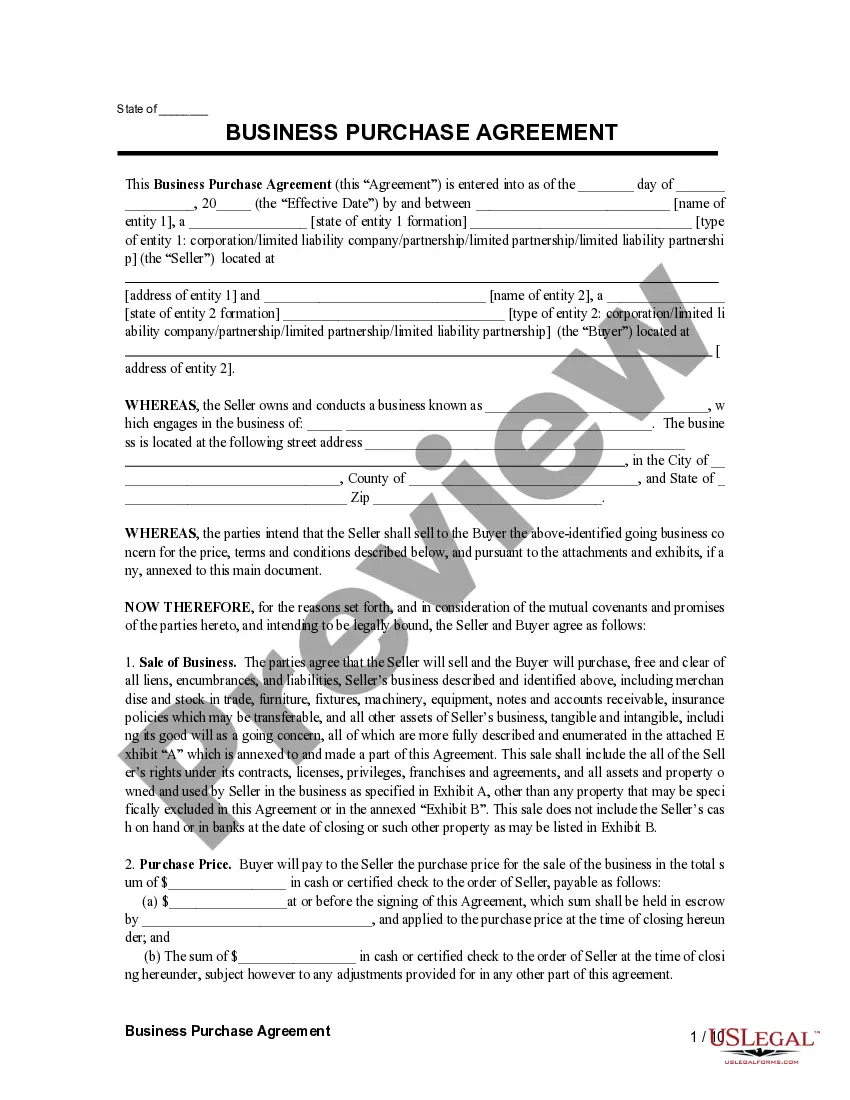
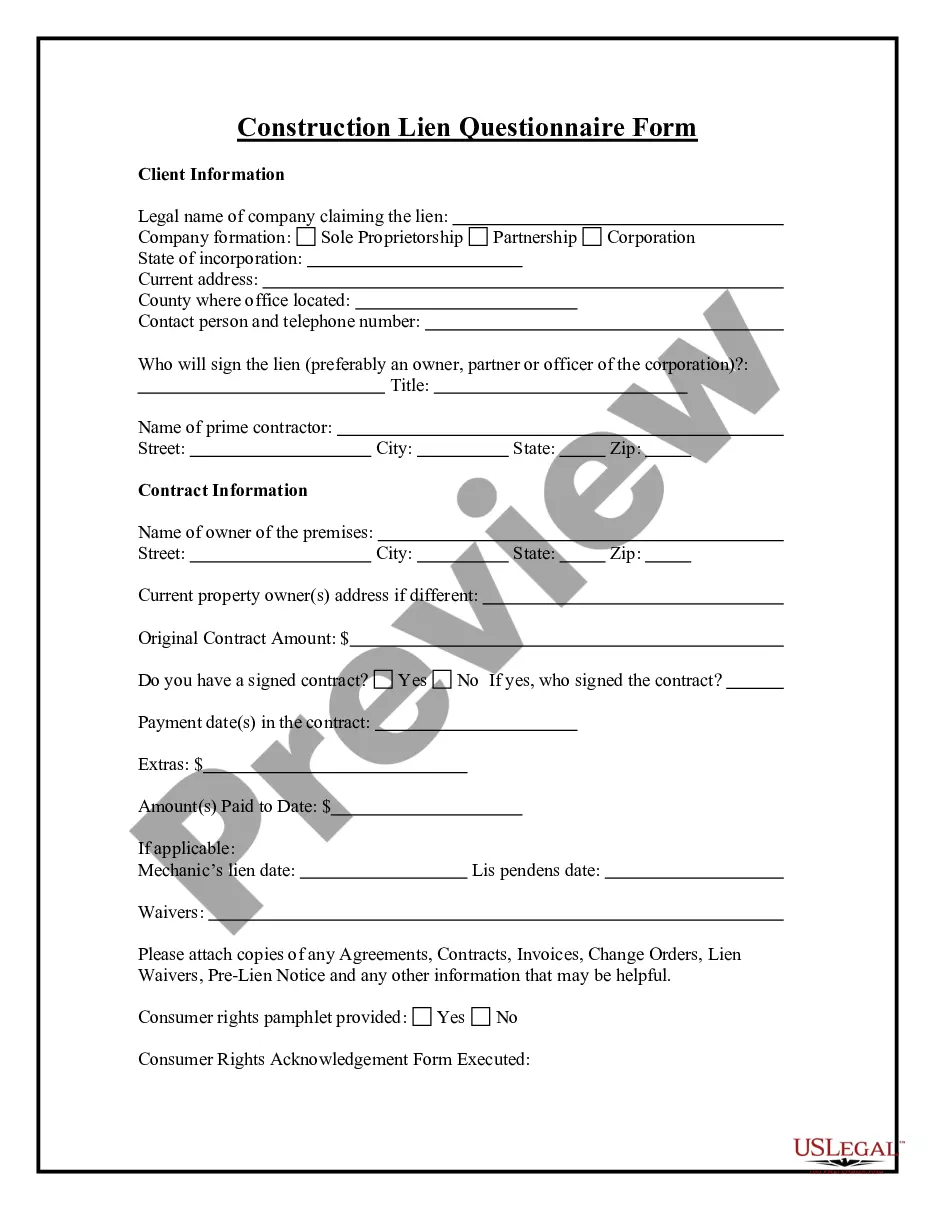
The North Carolina Construction or Mechanics Lien Package for Corporation or LLC is designed to help corporations and limited liability companies secure payment for labor, materials, or services provided for real property improvements. This package includes essential documents and resources to assist in recovering unpaid dues through liens placed on the property. Unlike other legal forms, this package is specifically tailored for corporate entities seeking to protect their financial interests in construction projects.
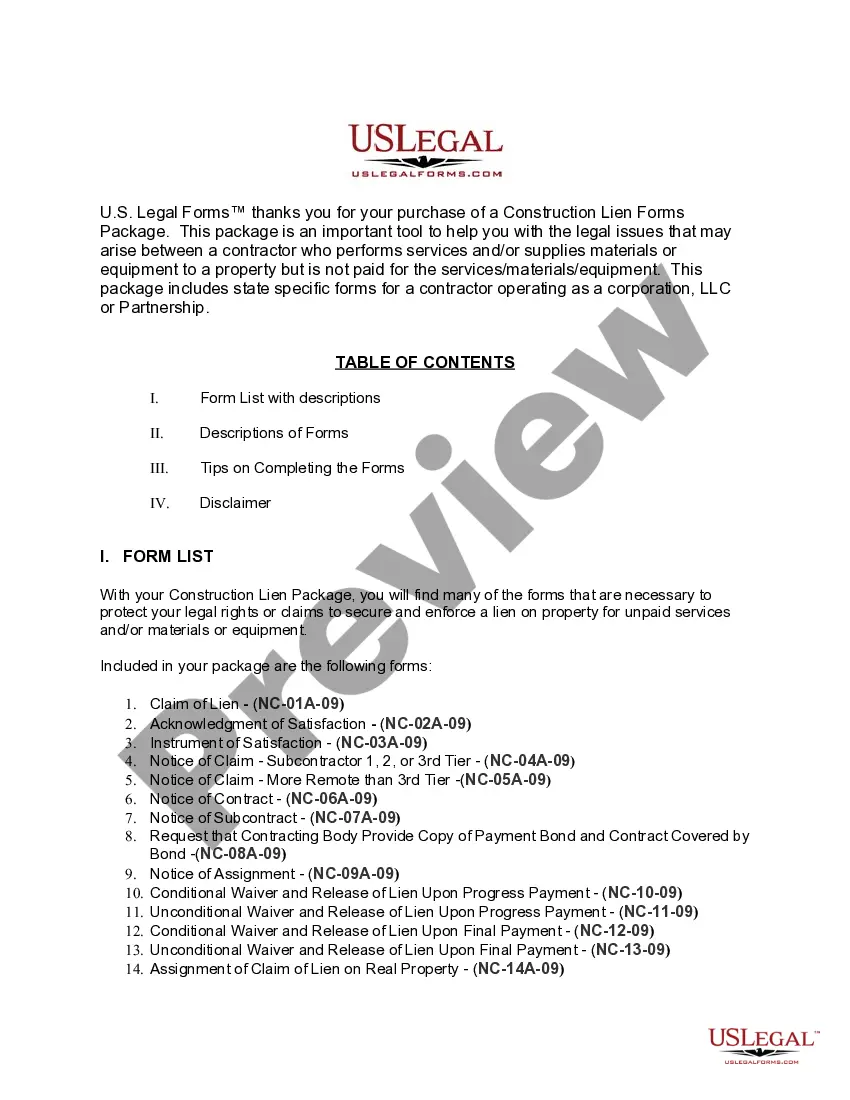
Forms you’ll find in this package
- Claim of Lien by Corporation
- Acknowledgment of Satisfaction for Corporation
- Instrument of Satisfaction by Corporation
- Notice of Claim - Subcontractor 1,2,or 3rd tier - Corporation
- Notice of Claim - More remote than 3rd tier - Corporation
- Notice of Contract - Corporation
- Notice of Subcontract - Corporation
- Request that Contracting Body Provide Copy of Payment Bond and Contract Covered by Bond - Corporation
- Notice of Assignment - Corporation
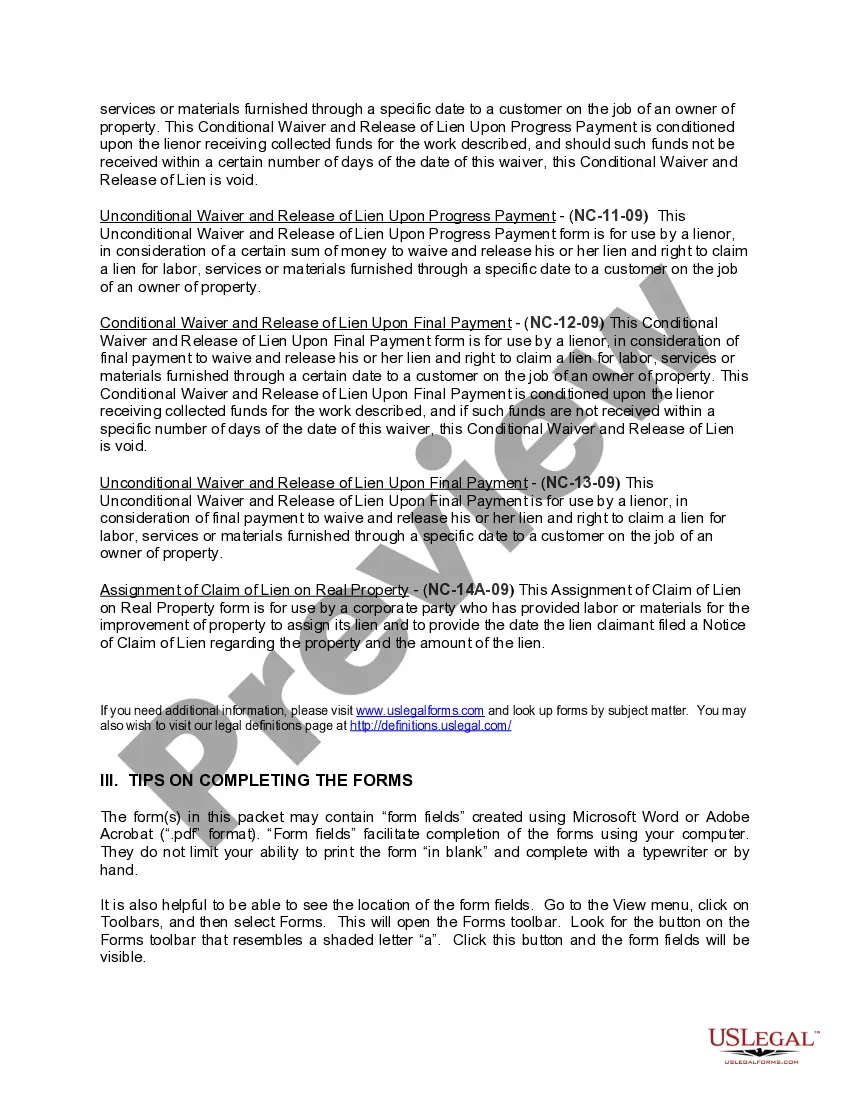
- Conditional Waiver and Release of Lien Upon Progress Payment
- Unconditional Waiver and Release of Lien Upon Progress Payment
- Conditional Waiver and Release of Lien Upon Final Payment
- Unconditional Waiver and Release of Lien Upon Final Payment
- Assignment of Claim of Lien on Real Property - Corporation

Common use cases
This form package is applicable in situations such as:
- If your corporation or LLC has provided materials or services for construction or renovation work and has not received payment.
- When you need to file a lien to ensure your right to be paid for your contributions to a property improvement project.
- If you are a subcontractor seeking to notify property owners or general contractors about your lien rights.
Who this form package is for
- Corporations involved in the construction or renovation of real property.
- Limited liability companies that have a financial claim for unpaid work or materials.
- Subcontractors ranging from first to third tier who need to file lien claims.
Completing these forms step by step
- Review the included forms in detail to understand their purpose.
- Identify the parties involved, including your corporation or LLC and any other relevant entities.
- Complete the necessary forms with accurate information, paying attention to deadlines for filing.
- Ensure that any required notifications are sent to property owners or contractors.
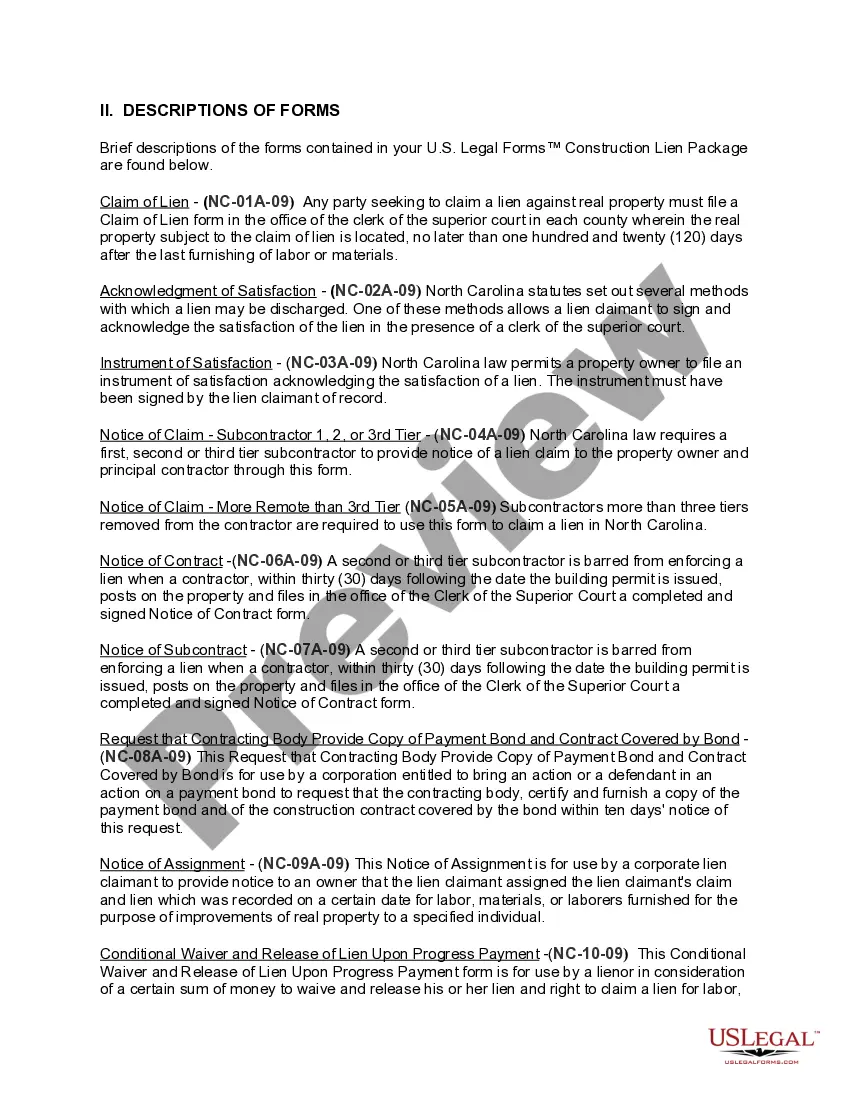
- File the Claim of Lien with the clerk of the superior court in the appropriate county within the stipulated timeframe.
Do forms in this package need to be notarized?
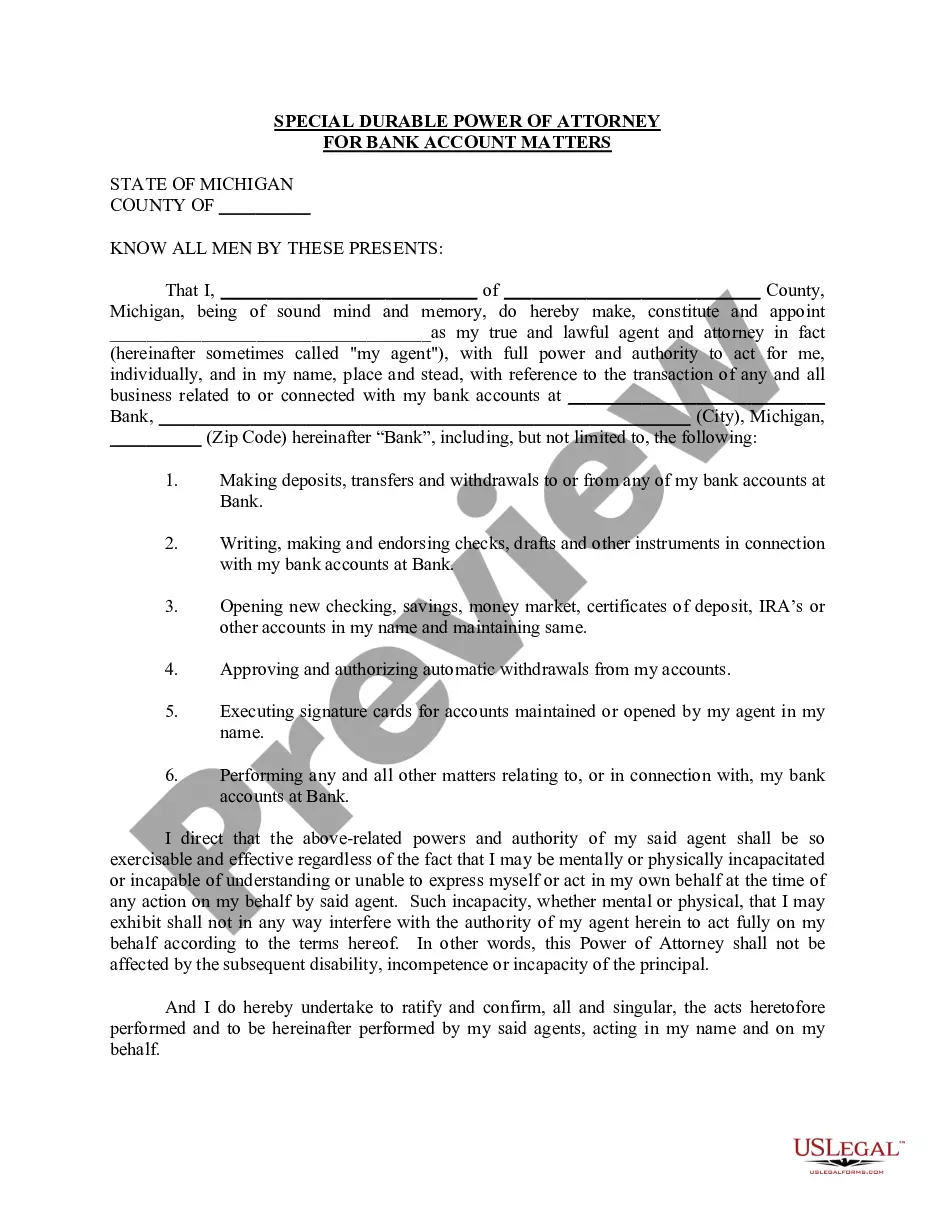
Some forms in this package require notarization to be legally valid. US Legal Forms provides secure online notarization powered by Notarize, allowing you to complete the process through a verified video call, available 24/7.
Get your form ready online
Our built-in tools help you complete, sign, share, and store your documents in one place.
Make edits, fill in missing information, and update formatting in US Legal Forms—just like you would in MS Word.
Download a copy, print it, send it by email, or mail it via USPS—whatever works best for your next step.
Sign and collect signatures with our SignNow integration. Send to multiple recipients, set reminders, and more. Go Premium to unlock E-Sign.
If this form requires notarization, complete it online through a secure video call—no need to meet a notary in person or wait for an appointment.
We protect your documents and personal data by following strict security and privacy standards.

Make edits, fill in missing information, and update formatting in US Legal Forms—just like you would in MS Word.

Download a copy, print it, send it by email, or mail it via USPS—whatever works best for your next step.

Sign and collect signatures with our SignNow integration. Send to multiple recipients, set reminders, and more. Go Premium to unlock E-Sign.

If this form requires notarization, complete it online through a secure video call—no need to meet a notary in person or wait for an appointment.

We protect your documents and personal data by following strict security and privacy standards.
Common mistakes to avoid
- Failing to file the Claim of Lien within 120 days after the last date of providing materials or services.
- Not providing required notices to property owners or contractors in a timely manner.
- Omitting signatures or necessary information on forms, which could invalidate the lien.
Benefits of completing this package online
- Convenience of downloading forms from the comfort of your home or office.
- Editability allows you to customize the forms as needed for your specific situation.
- Reliability of forms drafted by licensed attorneys based on current legal standards.
Legal use & context
- Mechanics liens must be properly filed to be enforceable in court.
- Failure to follow the specific filing processes and deadlines outlined in state law can result in losing lien rights.
Looking for another form?


Form popularity
FAQ
Even though these states may permit project participants to secure lien rights and claim a mechanics lien even without a written contract, it is generally best practice to have a signed written contract for work provided.
The short answer is yes. North Carolina law allows a person or company who improves real estate to file a lien against the owner of the property if the owner will not or cannot pay for the work.If you do not owe the contractor, and prove it in court, the lien is dissolved.
Avoid harassing the people that owe you money. Keep phone calls short. Write letters. Get a collection agency to write demand letters. Offer to settle for less than is due. Hire a collection agency. Small claims court. File a lawsuit.
Get free mechanics lien form A construction mechanics lien is claimed against real estate property, and the lien must be filed in the appropriate office in order to be valid.Additionally, construction liens have strict timing and notice requirements. Machinery mechanics liens are possessory liens.
Who you are. The services or materials you provided. The last date you provided the services or materials. How much payment should be. The date on which you will file a lien if you do not receive payment. How the debtor should pay.
Filing a construction lien on residential projects requires filing a Notice of Unpaid Balance and Right to File Lien within 90 days of the last day of service. The homeowner must also get a copy of that notice within 10 days of its filing.
A: The filing fee for an Appointment of Lien Agent is $30 for a 1-2 Family Dwelling and $58 for any Other property type.
Fill out a mechanics lien form that meets NC requirements. North Carolina law sets specific guidelines claimants must meet in order to file a lien. File the lien with the county recorder's office. Serve a copy of the lien on the property owner.
When your efforts to collect a bill from a business that owes you money have been unsuccessful, you can place a lien on the assets of the business. As a lienholder, you gain legal rights to the company's property and the authority to sell the property and use the proceeds to repay what is owed to you.