Illinois Landlord Agreement to allow Tenant Alterations to Premises
Overview of this form
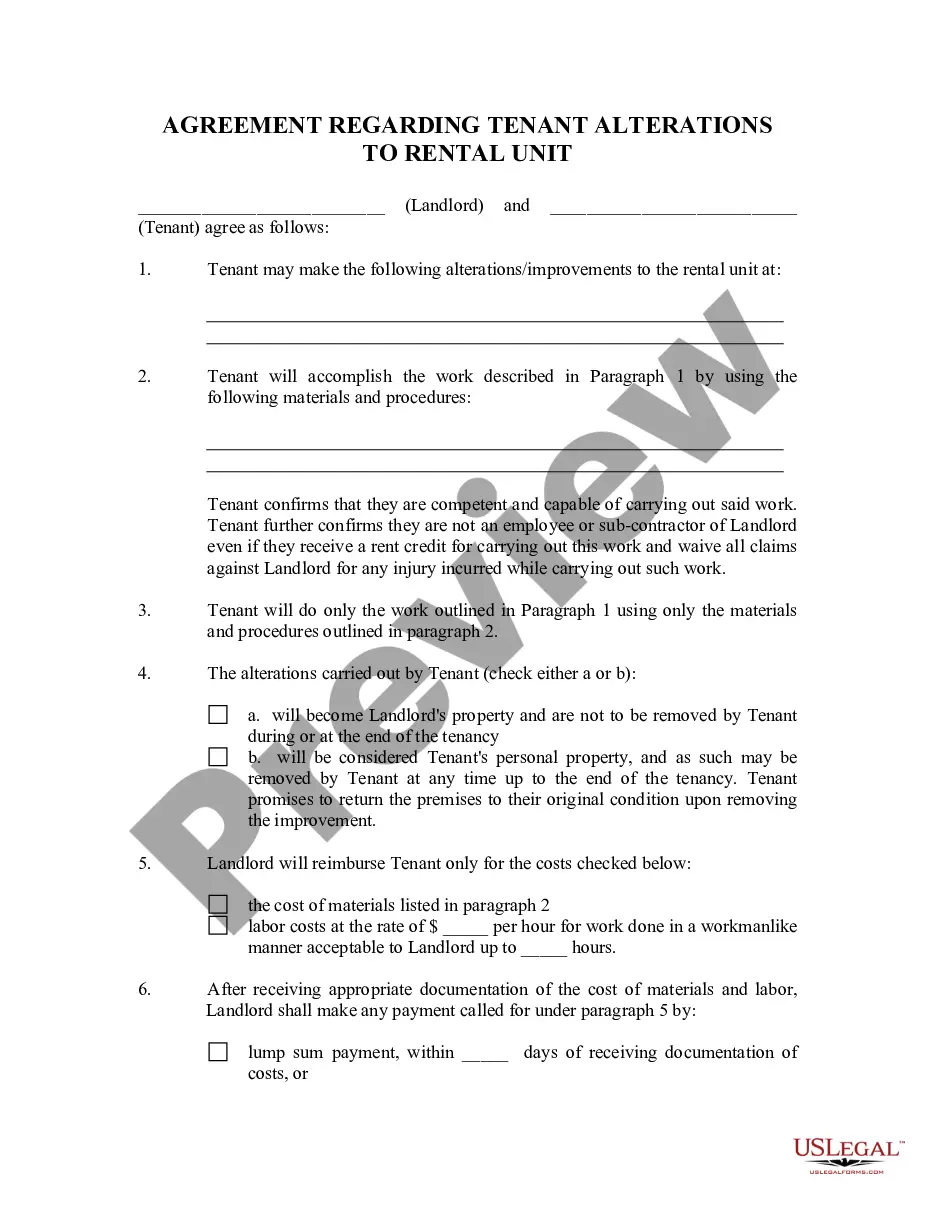
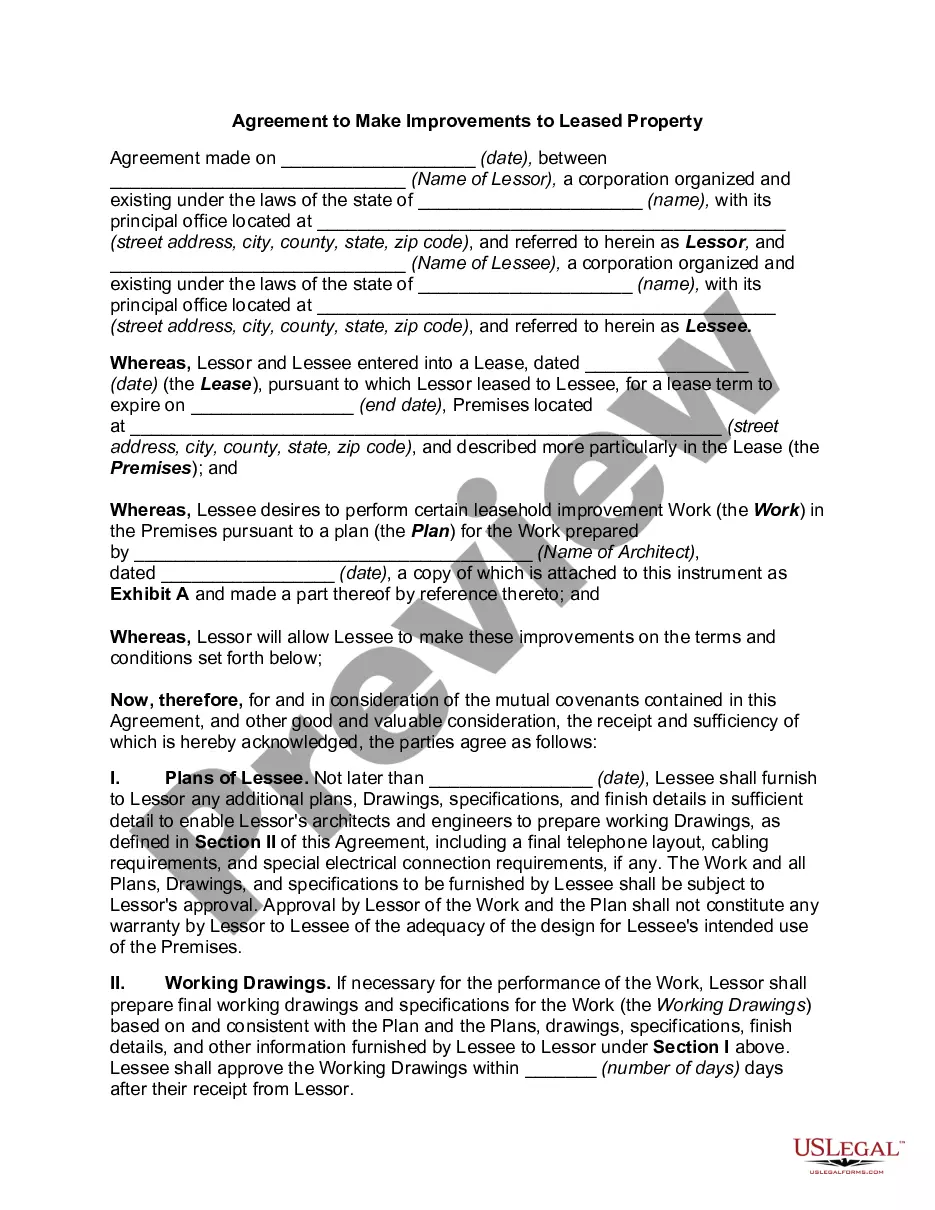
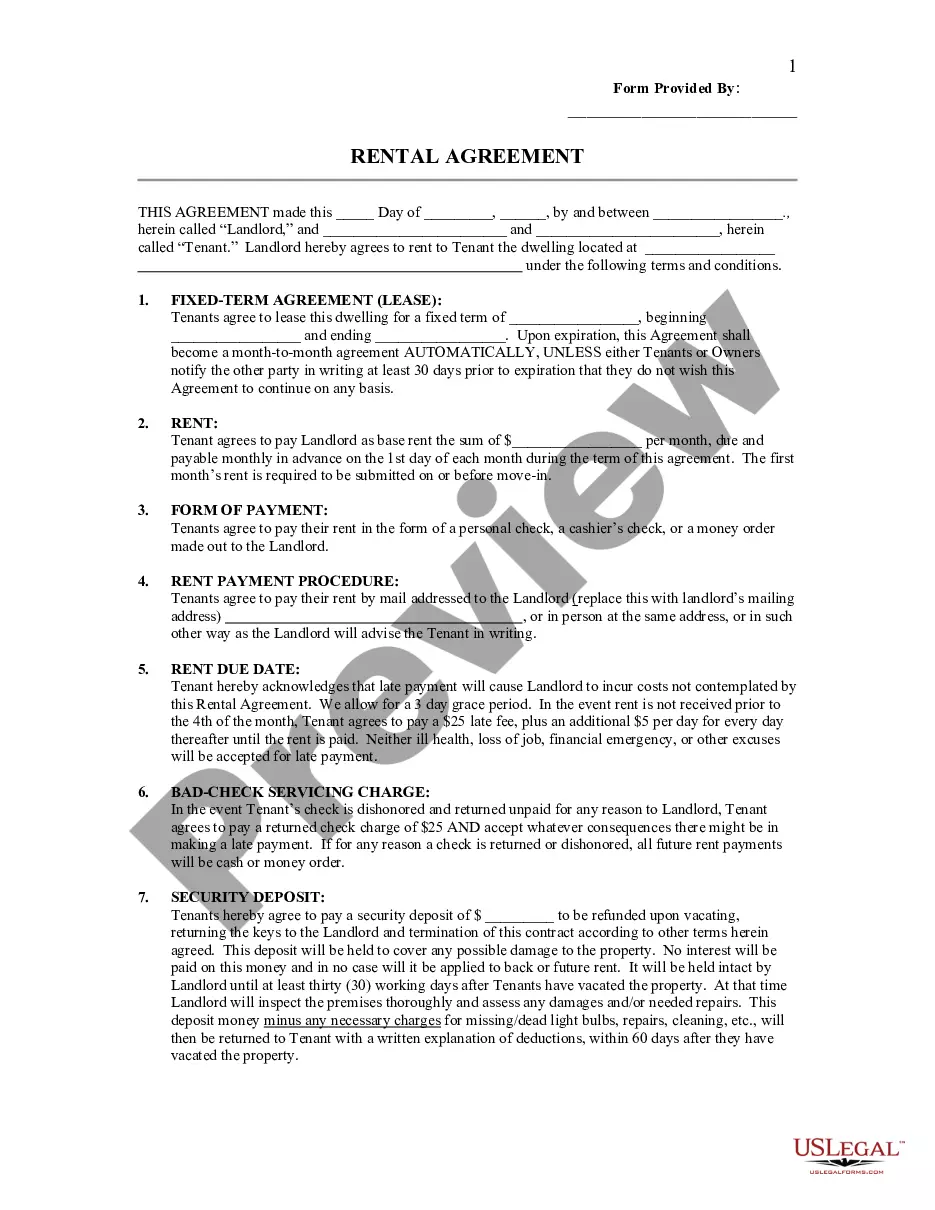
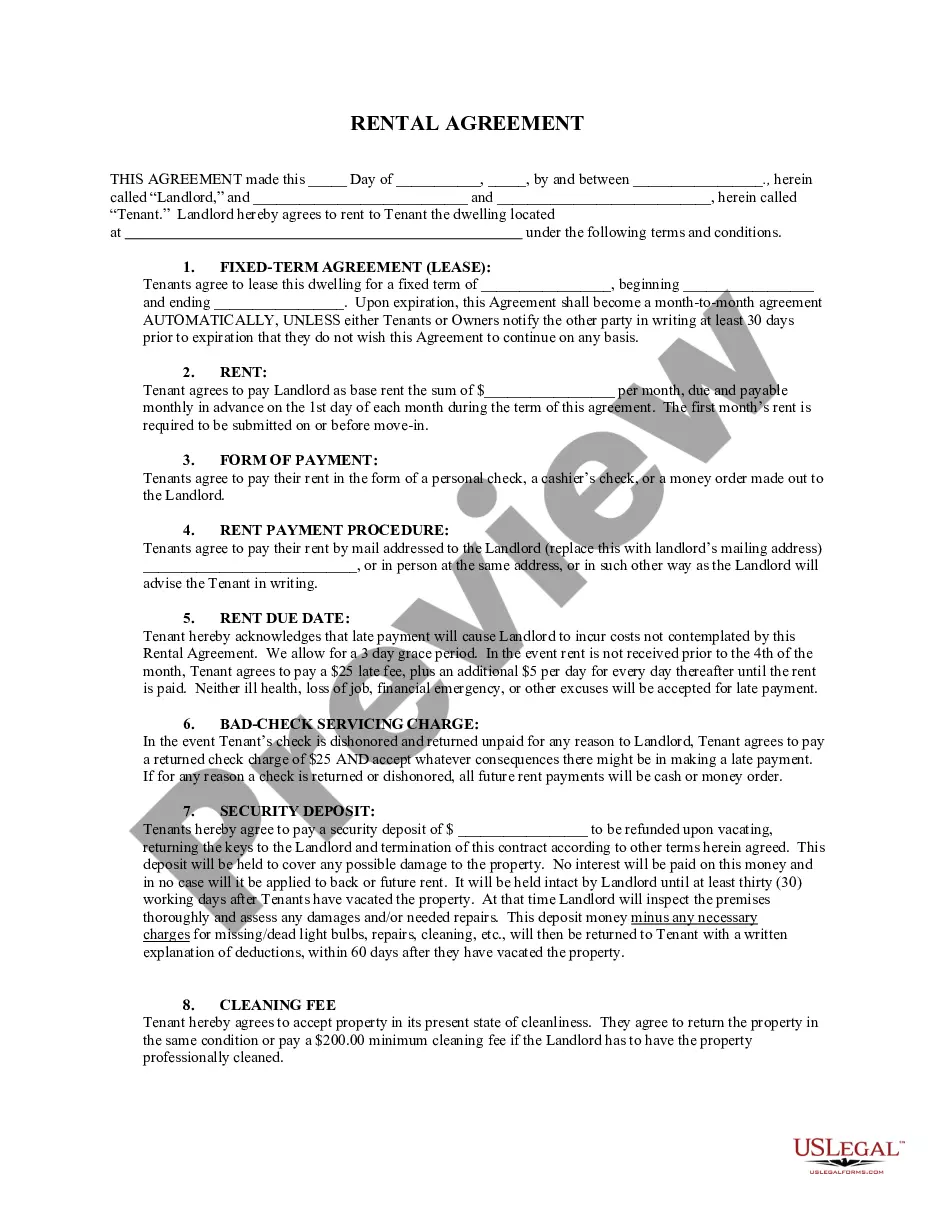
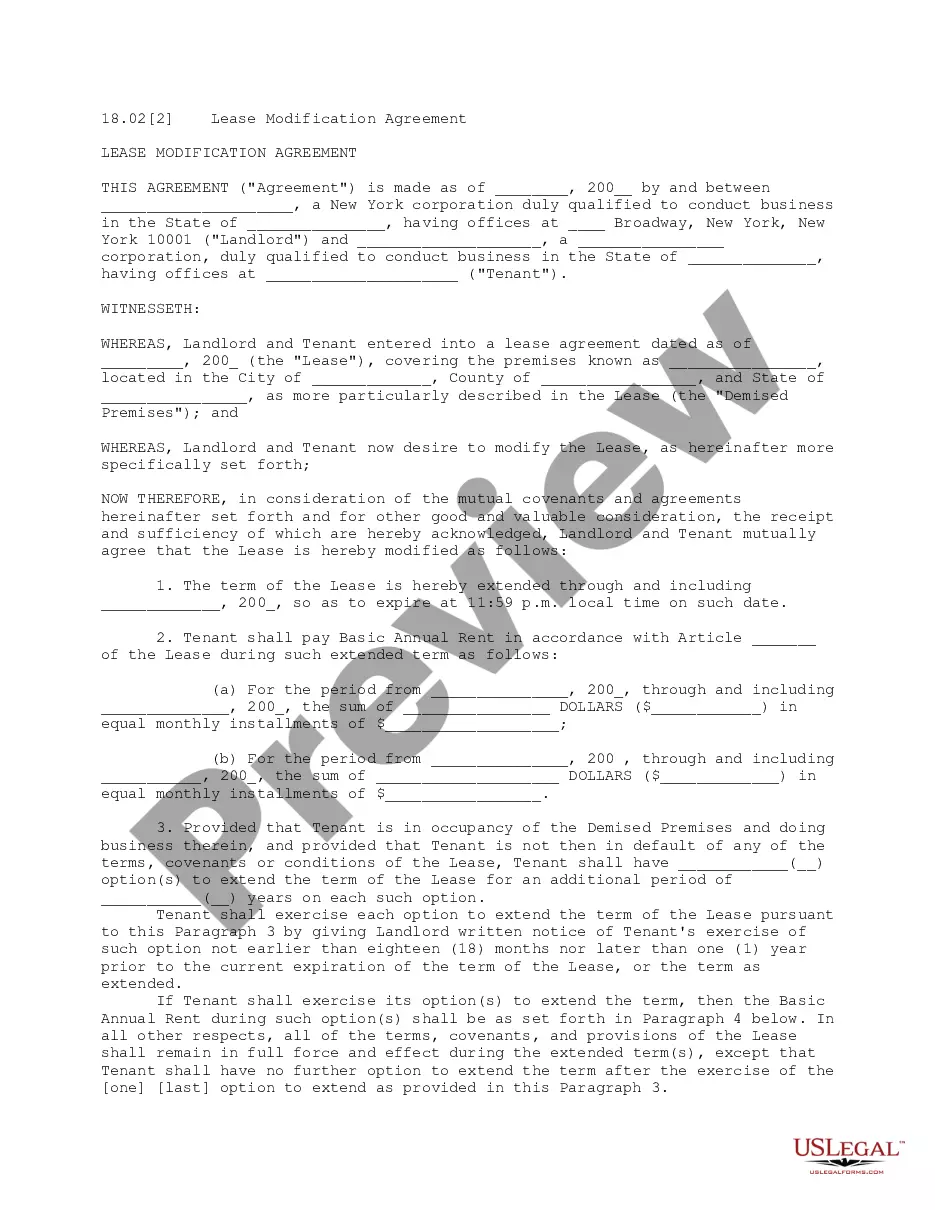
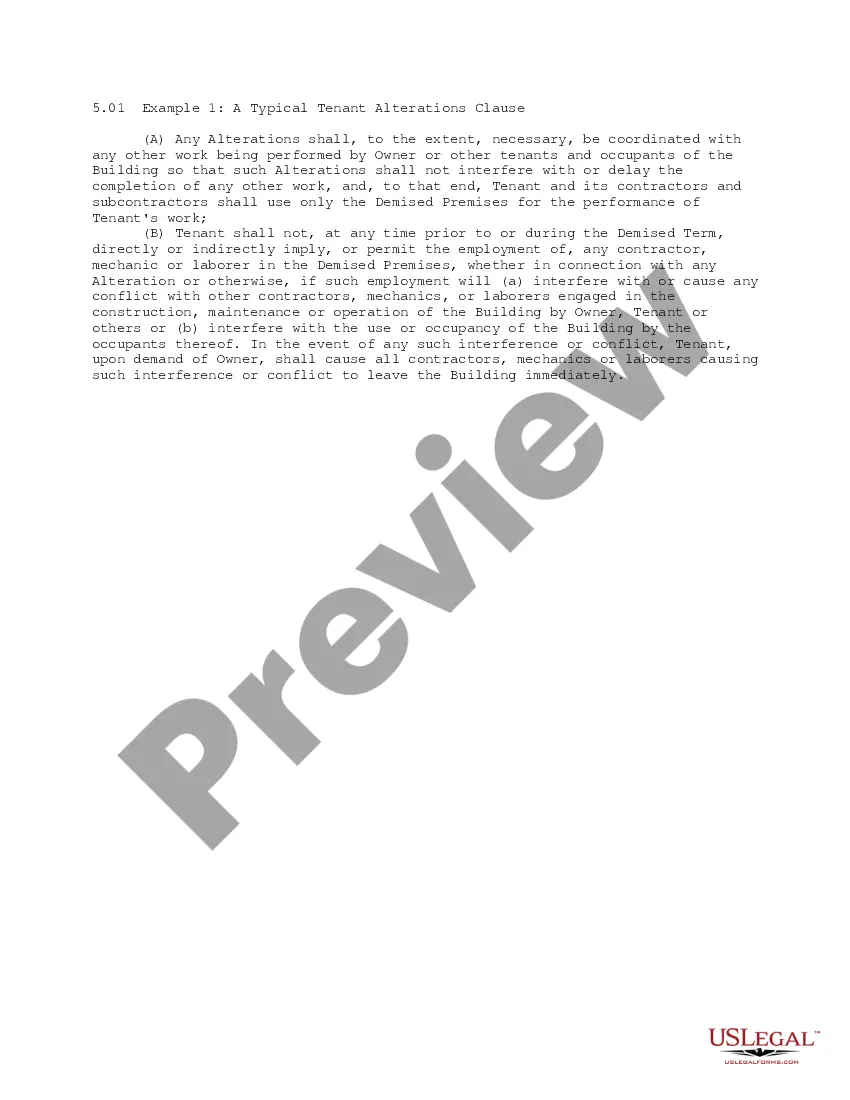
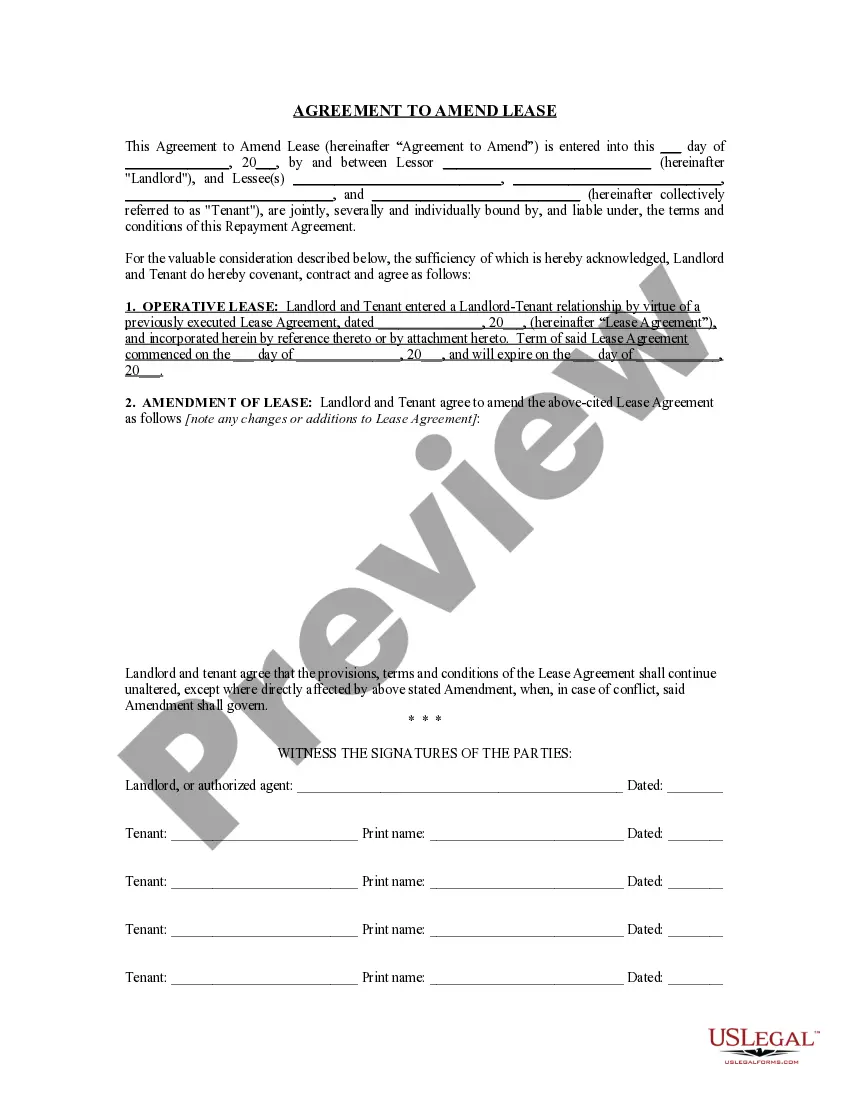
The Landlord Agreement to allow Tenant Alterations to Premises is a legal document that establishes an agreement between landlords and tenants regarding requested alterations to a rental property. This form helps clarify the rights and responsibilities of both parties and reduces potential misunderstandings. Unlike a standard lease agreement, this document specifically addresses the modifications a tenant plans to make, ensuring both parties are aware of the terms related to property ownership and costs associated with these changes.
Form components explained
- The names of the landlord and tenant involved in the agreement.
- A description of the specific alterations or improvements the tenant wishes to make.
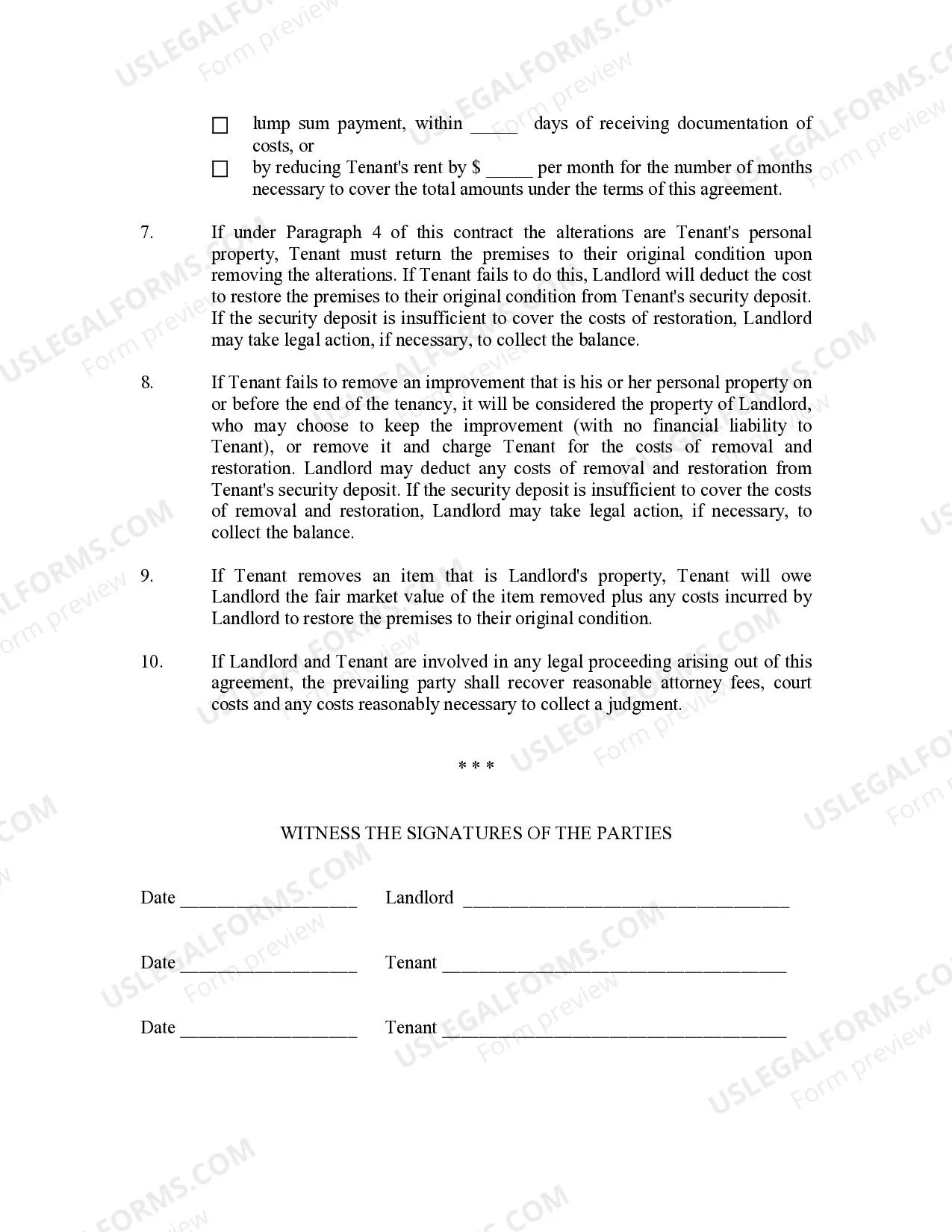
- Clarification on whether the alterations will remain the landlord's property or be considered the tenant's personal property.
- Details on cost reimbursement for materials and labor involved in the alterations.
- Terms regarding the restoration of the property to its original condition upon removal of improvements.
- Legal implications regarding failure to adhere to the terms of the agreement.
Situations where this form applies
This form is essential when a tenant wishes to make alterations or improvements to a rental property and seeks permission from the landlord. It is particularly useful in situations where the tenant wants to customize their living space, such as installing shelves, painting walls, or making significant renovations. Having a written agreement helps protect both parties' interests and outlines the expectations for the project, payment, and eventual reversion of the property to its original condition.
Who this form is for
- Landlords who want to establish clear terms regarding tenant alterations to their property.
- Tenants planning to make changes to their rental space and seeking formal consent from their landlord.
- Property managers who oversee rental agreements and manage communication between landlords and tenants.
How to prepare this document
- Identify the parties involved by entering the names and contact details of both the landlord and tenant.
- Clearly outline the alterations or improvements the tenant intends to make in the designated section.
- Specify whether the improvements will be considered the landlordâs property or the tenantâs personal property.
- Detail the reimbursement terms including costs for materials and labor involved in the alterations.
- Both parties should sign and date the agreement to finalize it.
Is notarization required?
In most cases, this form does not require notarization. However, some jurisdictions or signing circumstances might. US Legal Forms offers online notarization powered by Notarize, accessible 24/7 for a quick, remote process.
Get your form ready online
Our built-in tools help you complete, sign, share, and store your documents in one place.
Make edits, fill in missing information, and update formatting in US Legal Forms—just like you would in MS Word.
Download a copy, print it, send it by email, or mail it via USPS—whatever works best for your next step.
Sign and collect signatures with our SignNow integration. Send to multiple recipients, set reminders, and more. Go Premium to unlock E-Sign.
If this form requires notarization, complete it online through a secure video call—no need to meet a notary in person or wait for an appointment.
We protect your documents and personal data by following strict security and privacy standards.
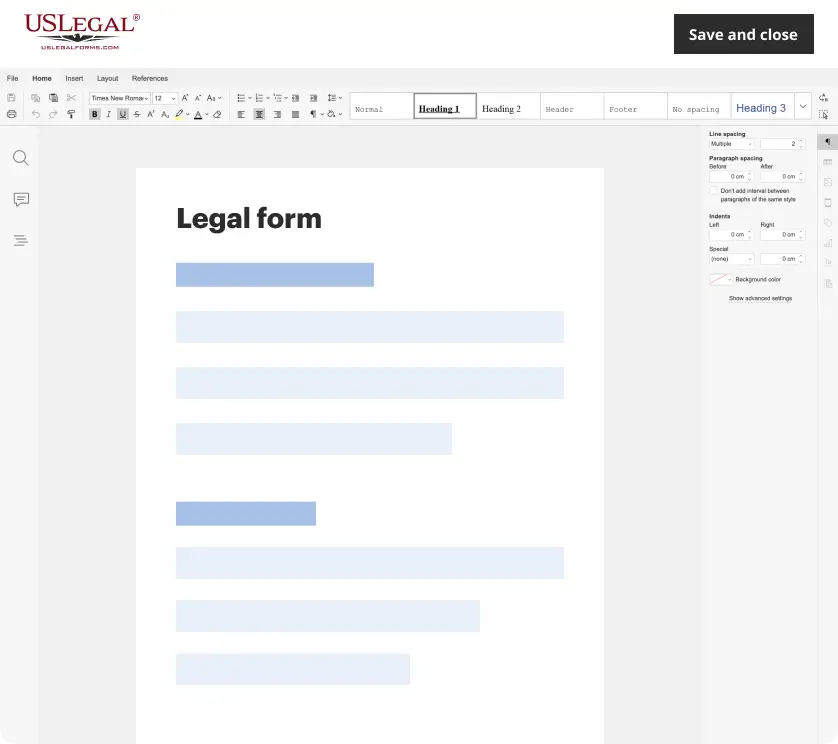
Make edits, fill in missing information, and update formatting in US Legal Forms—just like you would in MS Word.
Download a copy, print it, send it by email, or mail it via USPS—whatever works best for your next step.
Sign and collect signatures with our SignNow integration. Send to multiple recipients, set reminders, and more. Go Premium to unlock E-Sign.

If this form requires notarization, complete it online through a secure video call—no need to meet a notary in person or wait for an appointment.
We protect your documents and personal data by following strict security and privacy standards.
Common mistakes to avoid
- Failing to clearly define the alterations being made, leading to confusion down the line.
- Not specifying who is responsible for costs, which can result in disputes over payments.
- Neglecting to include terms for restoring the premises to its original condition.
- Not obtaining signatures from both parties, making the agreement unenforceable.
Why use this form online
- Convenient access: Download the form anytime and anywhere without the need for a physical appointment.
- Editability: Customize the template according to specific needs and circumstances easily.
- Reliability: Ensure that the form is drafted by licensed attorneys to meet legal standards.
Main things to remember
- The Landlord Agreement to allow Tenant Alterations provides clarity on modifications a tenant can make.
- Having a written agreement helps prevent disputes regarding property alterations.
- Completion of the form requires clear identification of parties, terms of alterations, and reimbursement details.
Looking for another form?
Form popularity
FAQ
Stat. § 735/1.4) or changing the locks on the door of the rental unit. If the landlord tries to evict the tenant through one of these methods, without a court order, the landlord could owe the tenant damages. See the Nolo article Illegal Eviction Procedures in Illinois for more information.
In Illinois, if there is no lease or if the lease does not specify a move out date, the Landlord must give at least 30 days of notice to a tenant that the landlord wants to move out. This notice must be in writing and must arrive to the tenant at least 30 days prior to their move out date.
Hours after being provided with the notice and evidence referred to in (a) above, the tenant may change the locks without the landlord's permission. If the tenant changes the locks, the tenant shall make a good faith effort to give a key to the new locks to the landlord within 48 hours of the locks being changed.
In cases like this, landlords are entitled to deduct the remaining tax basis in capitalized leasehold improvements made for a particular tenant upon termination of the lease if such improvements are irrevocably disposed of or abandoned and won't be used by a subsequent tenant.
State law regulates several rent-related issues, including the amount of notice (at least 30 days in Illinois) landlords must give tenants to raise the rent and how much time (five days in Illinois) a tenant has to pay rent or move before a landlord can file for eviction.
Removal of the Tenant It is illegal for a landlord to try to force a tenant to move out of a rental unit. Even if the landlord is successful with the eviction lawsuit, the only person authorized to remove the tenant is a sheriff or constable. Illegal Eviction Procedures in Illinois has more information on this topic.
Can a tenant claim for improvements made during the lease? The position differs in the case of immovable and movable property. Tenant can claim for:The claim arises only once the lease is terminated and lessee vacated the property.
Notice Requirements for Illinois Tenants It is equally easy for tenants in Illinois to get out of a month-to-month rental agreement. You must provide the same amount of notice (30 days) as the landlord (unless your rental agreement provides for a shorter amount of notice).