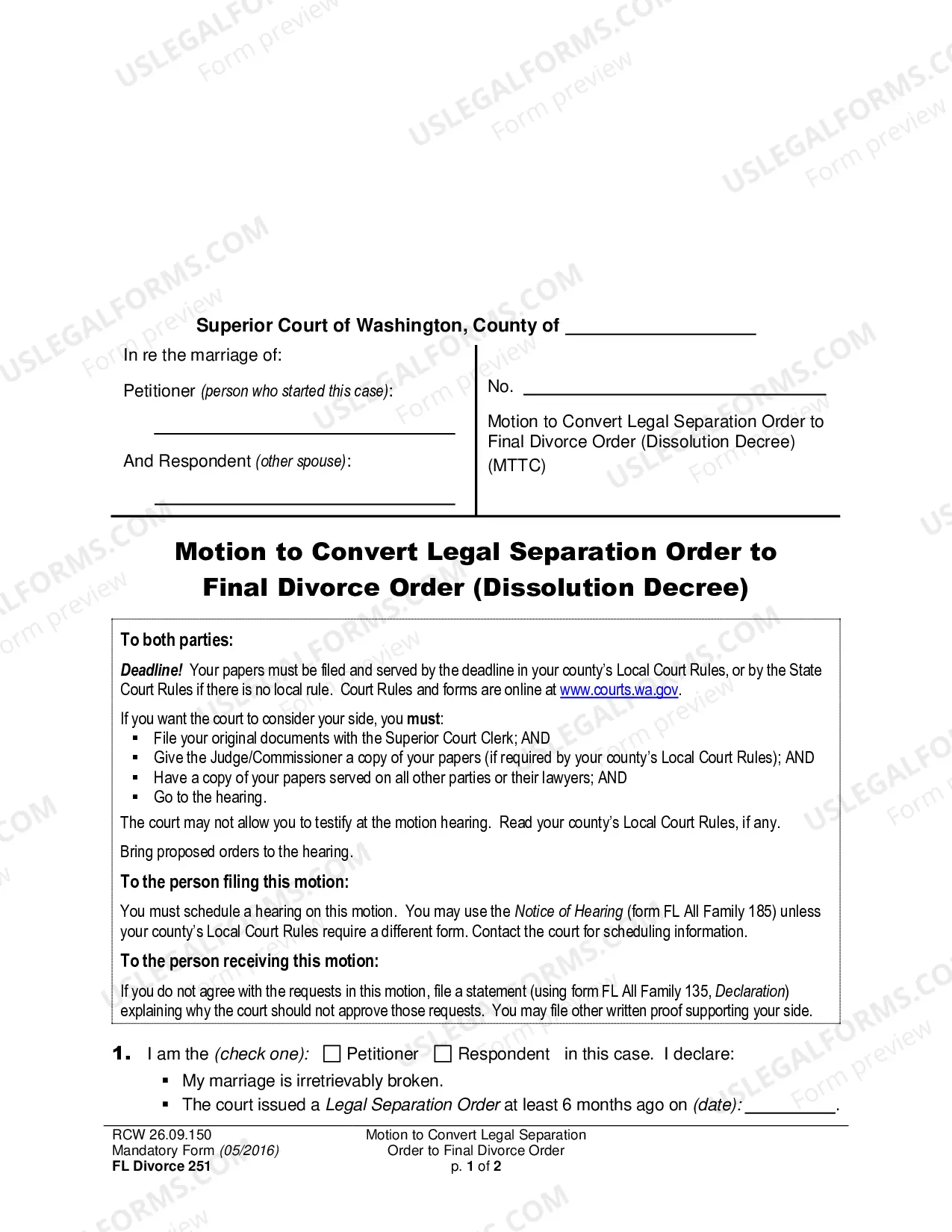
Agreement to Make Improvements to Leased Property
Overview of this form
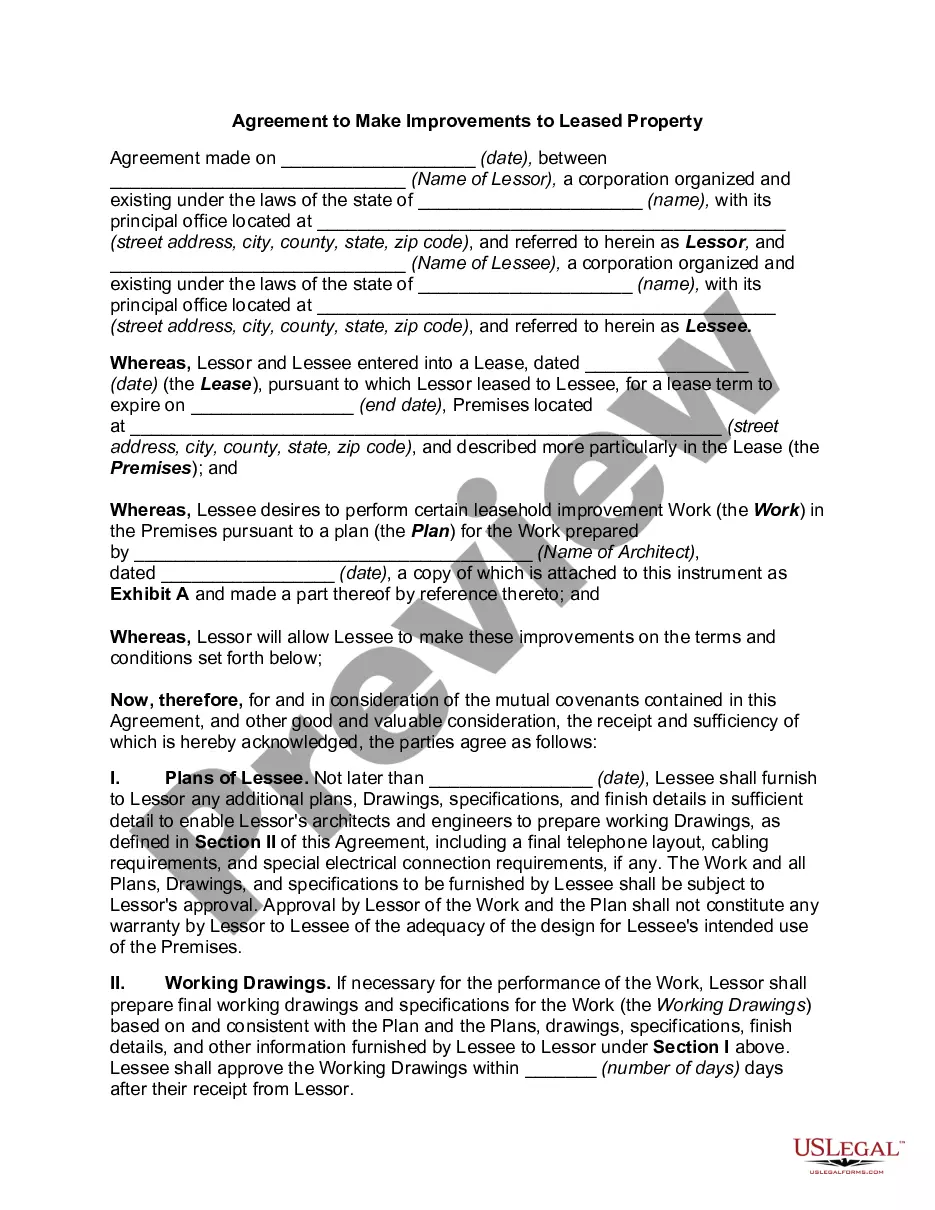
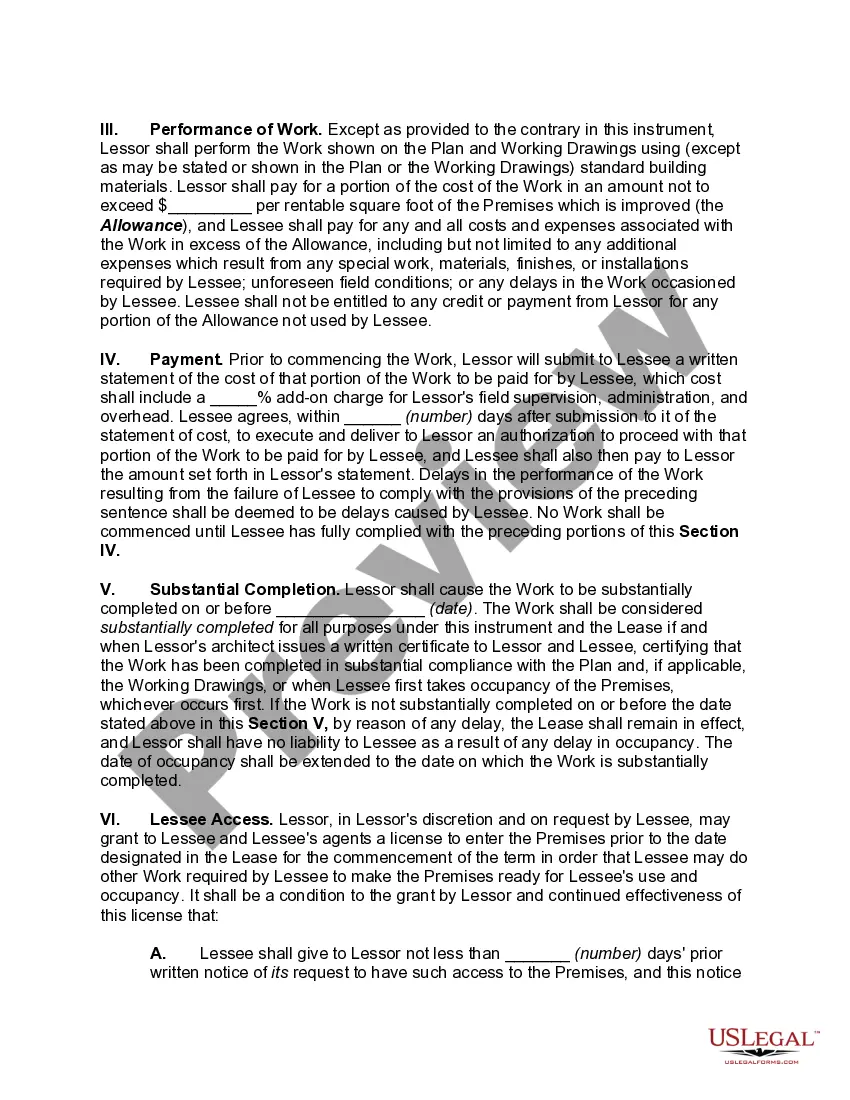
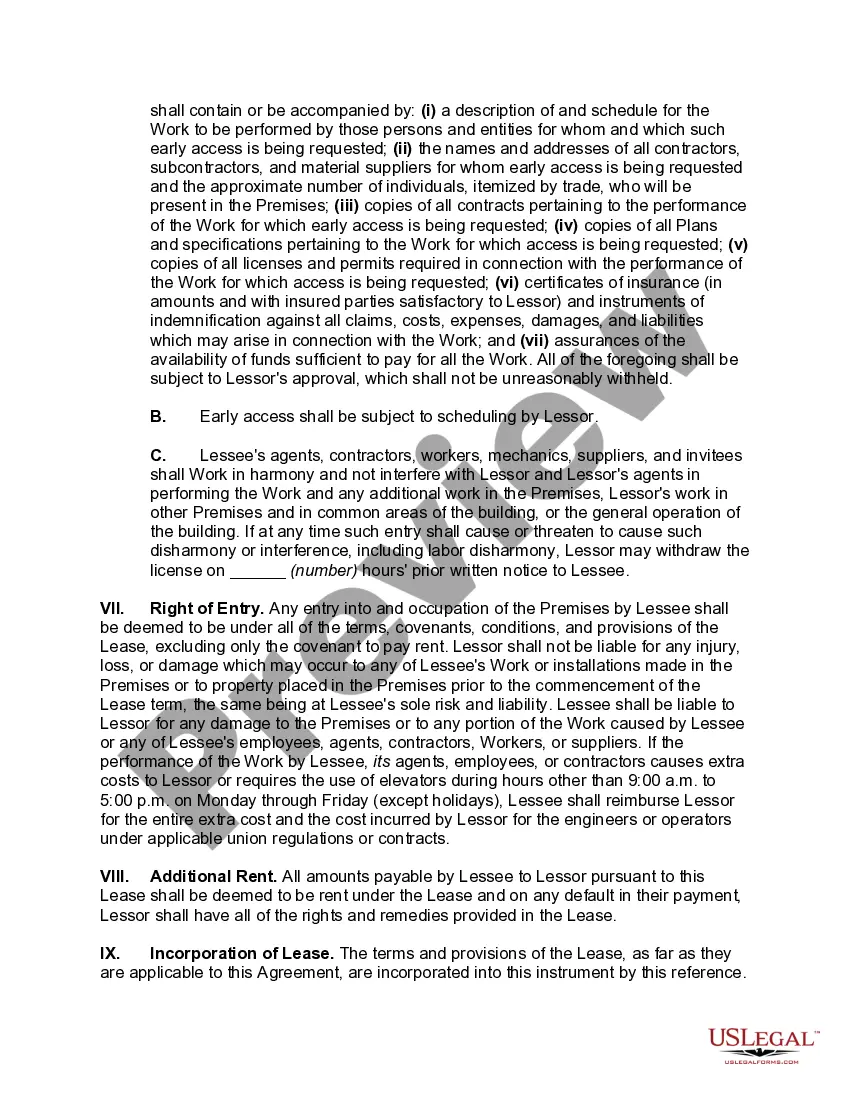
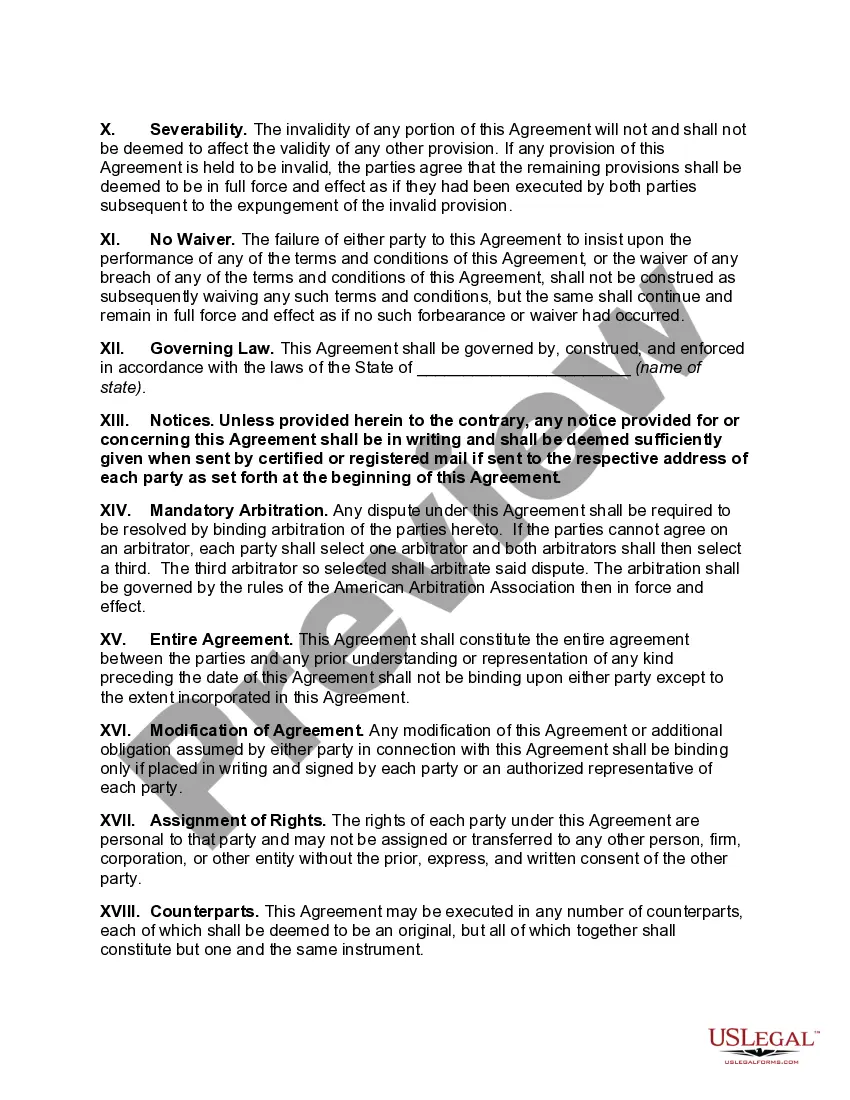
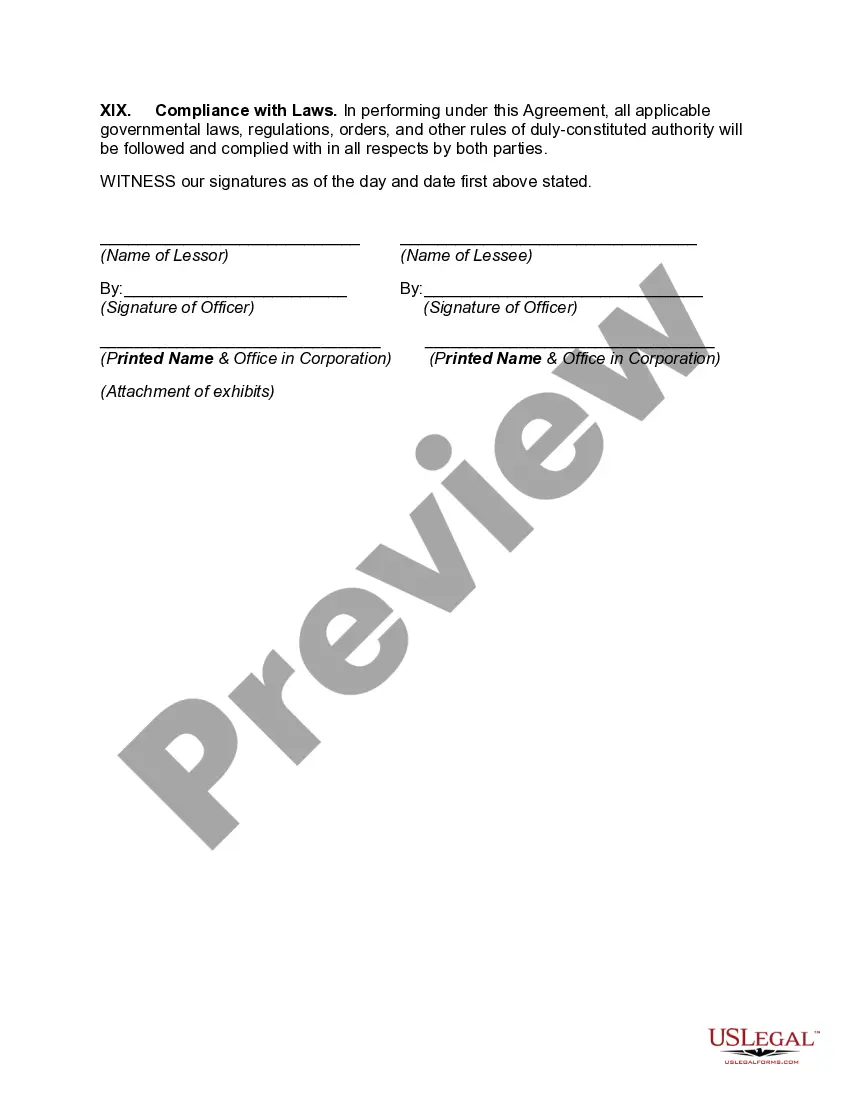
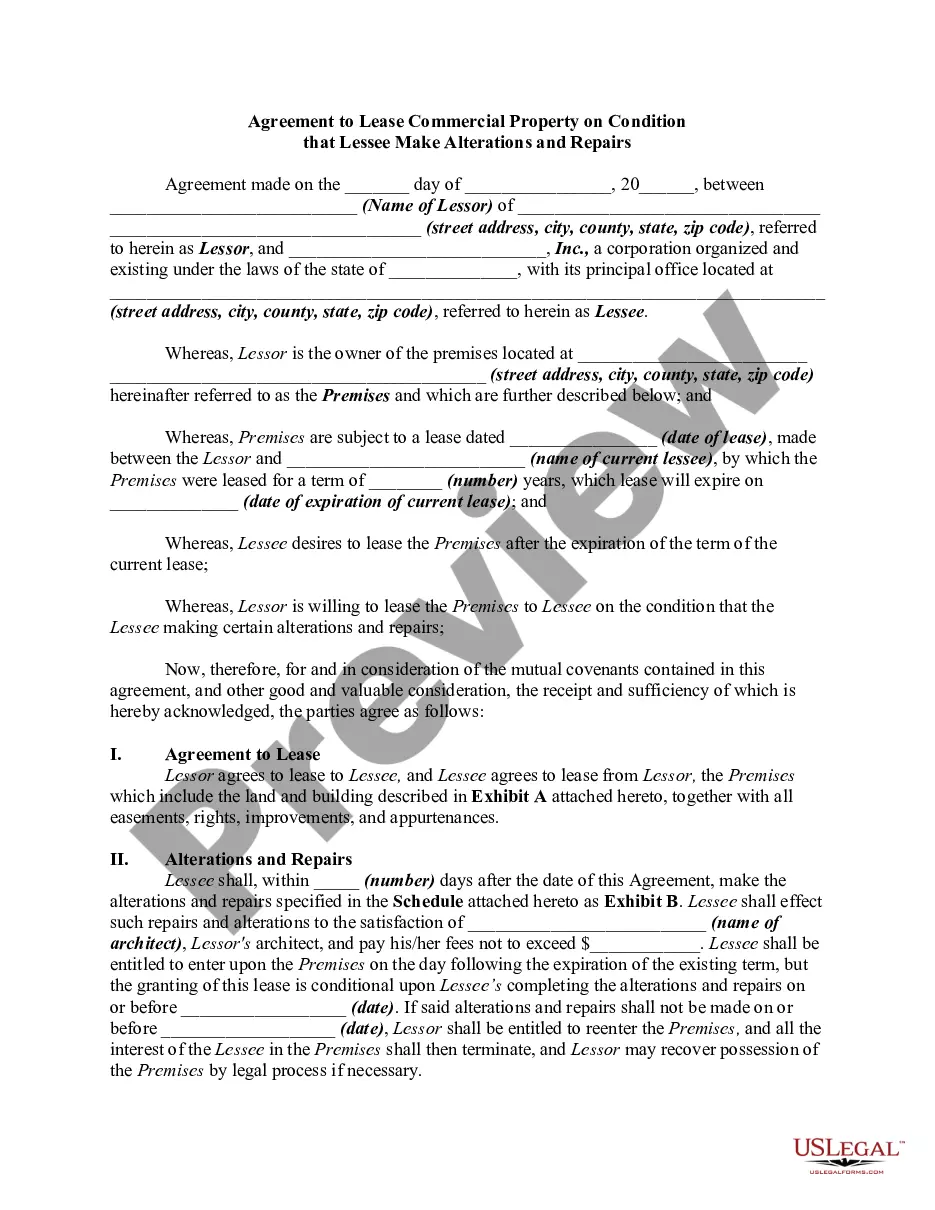
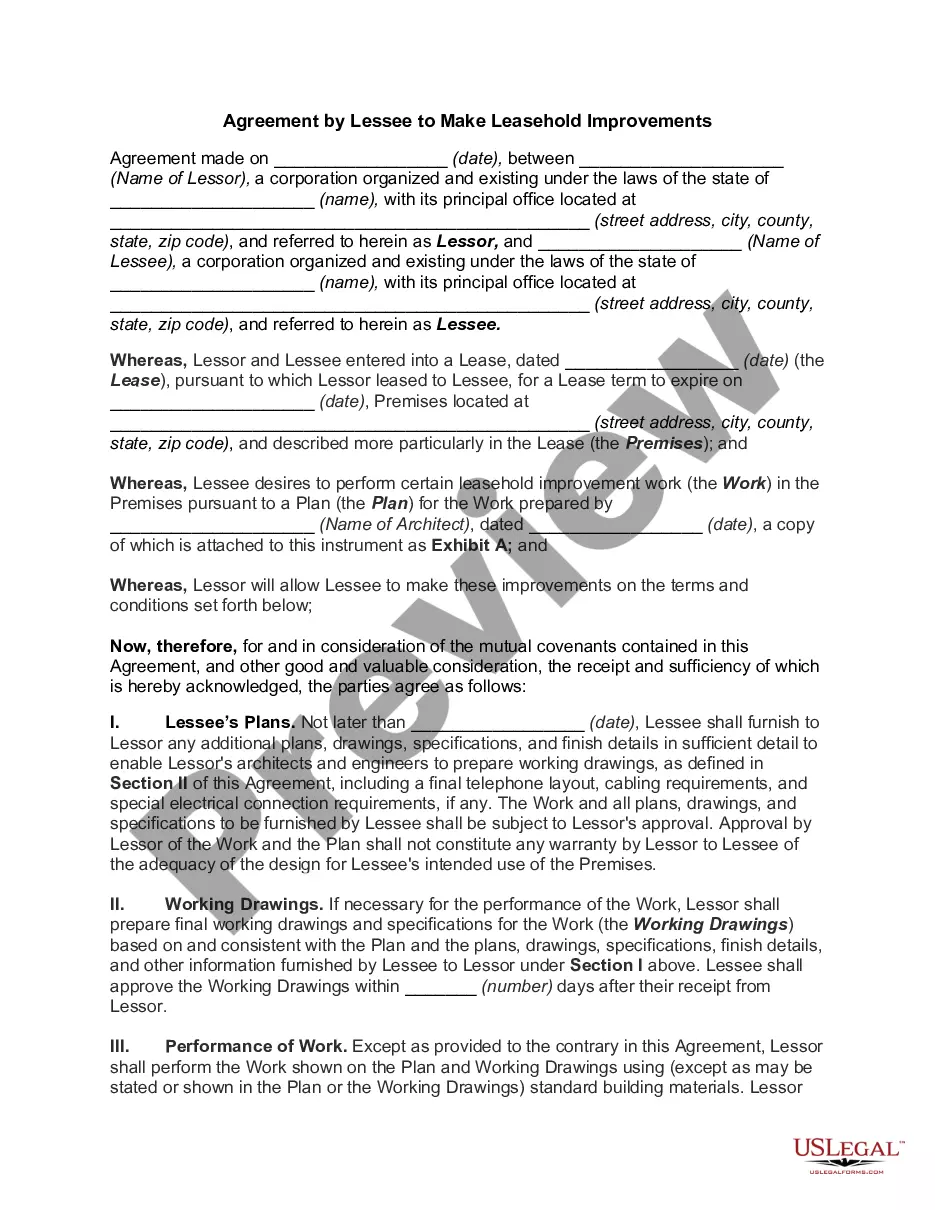
The Agreement to Make Improvements to Leased Property is a legal document that outlines the terms under which a tenant, referred to as the lessee, can make permanent improvements or alterations to a rented property. These improvements are designed to enhance the property's value and cannot be undone easily. This agreement details the approval process, cost responsibilities, and conditions of the improvement work, ensuring both parties are informed of their rights and obligations.
Key components of this form
- Identification of the parties involved (lessor and lessee).
- Specifications of the property being improved.
- Requirements for submitting plans and drawings for approval.
- Details regarding the actual performance of the work and associated costs.
- Timeline for substantial completion of the improvements.
- Conditions under which early access to the property may be granted.
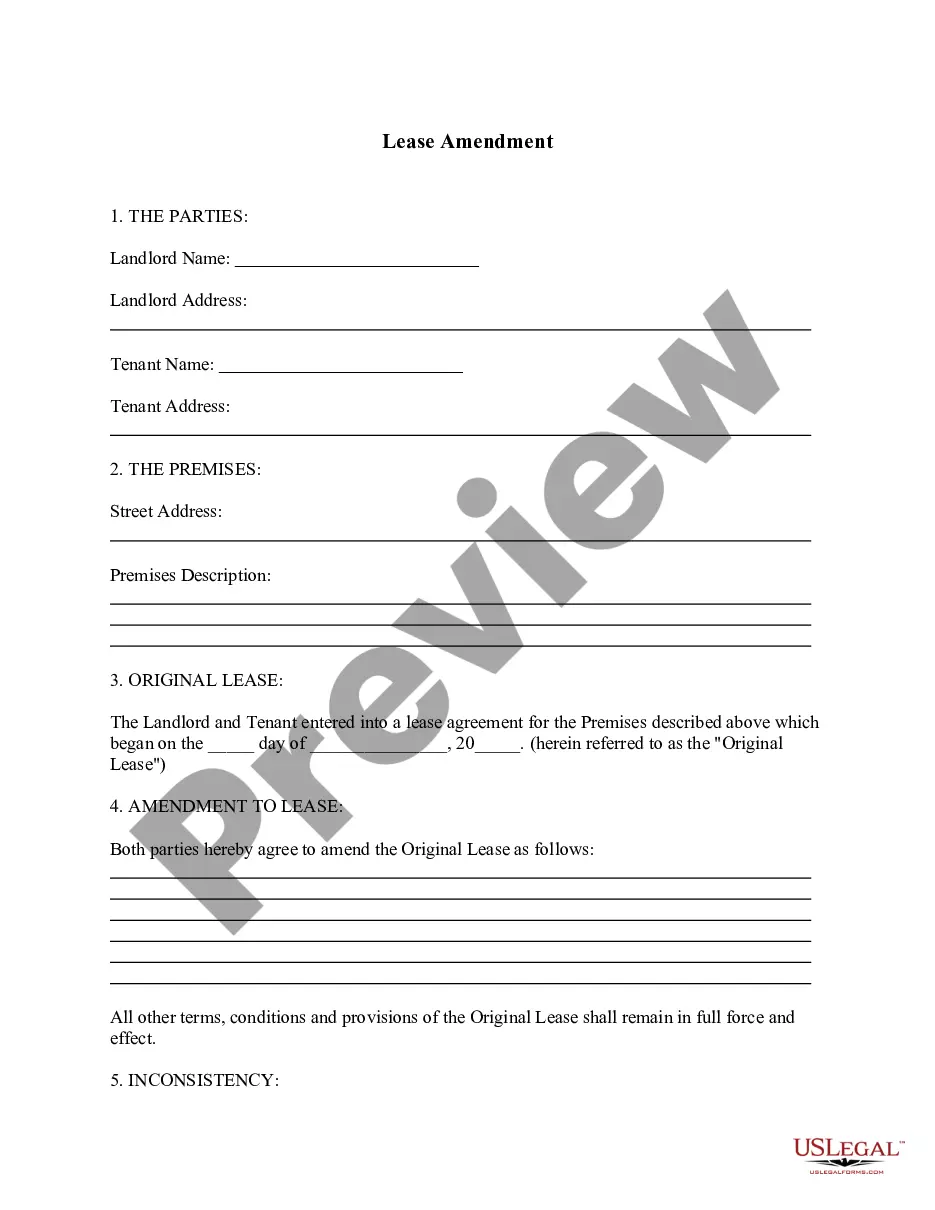
When to use this form
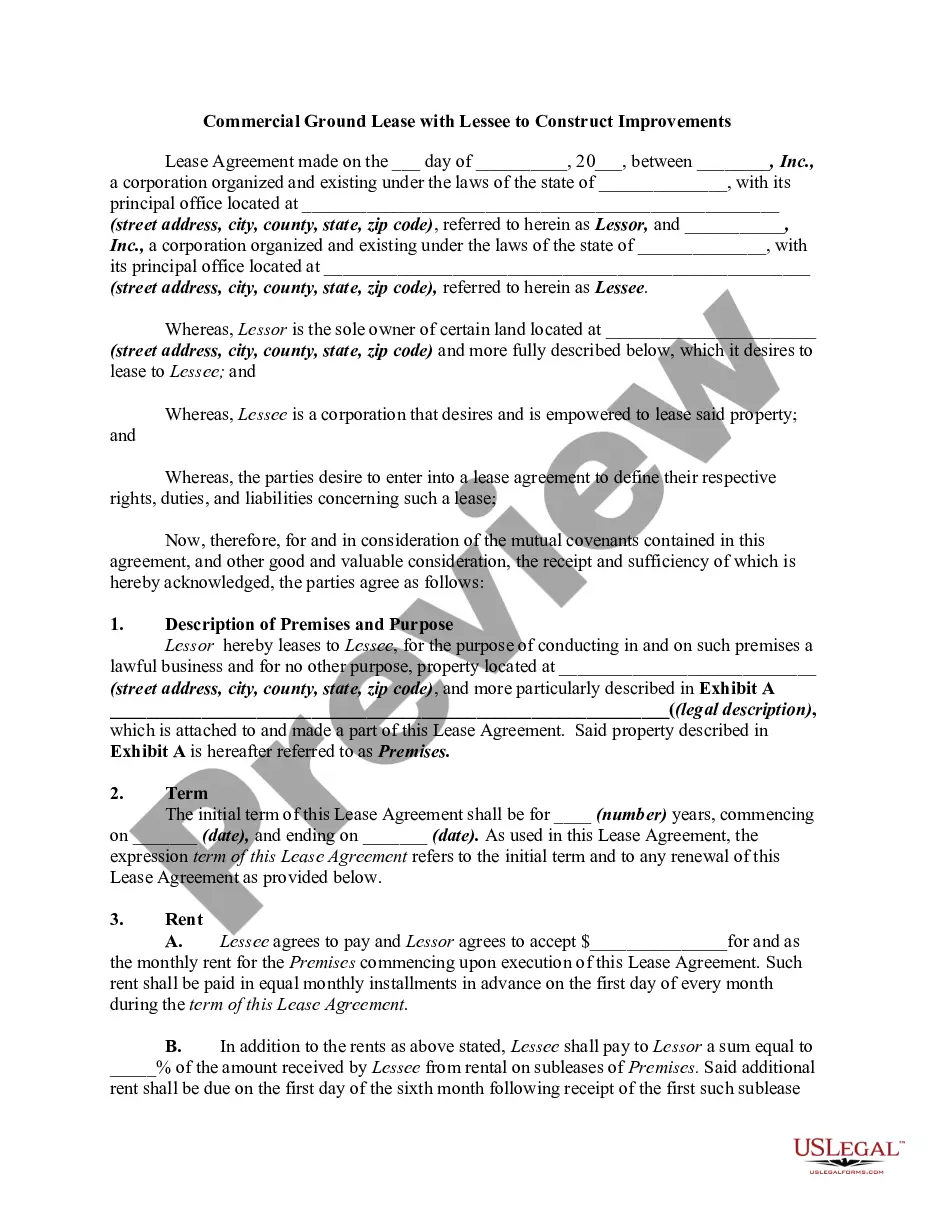
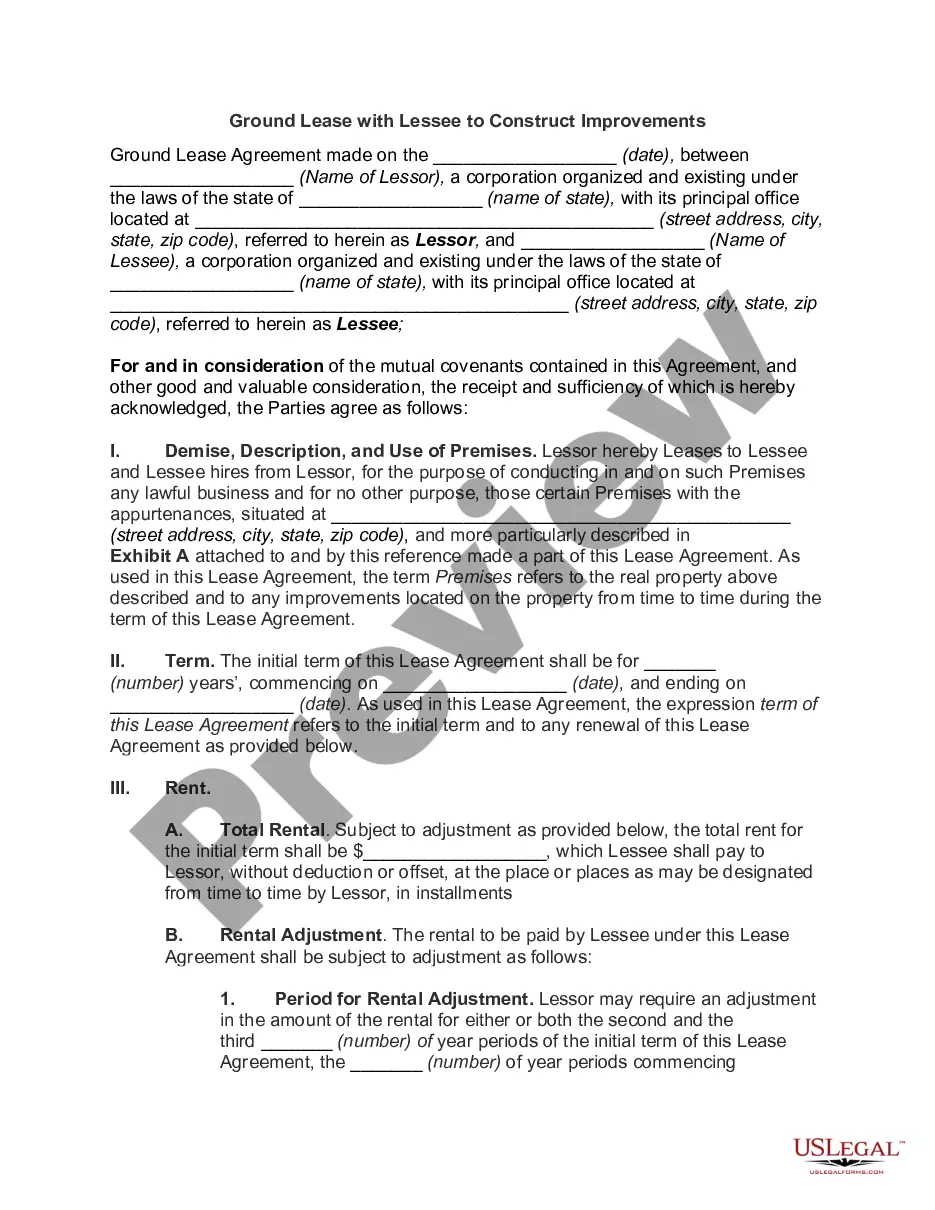
This agreement is necessary when a lessee wishes to make significant improvements to a leased property, such as renovations, alterations, or enhancements that will affect the value or usability of the space. It is typically used in commercial leases where the lessee intends to modify the space according to business needs, such as installing specialized fixtures or creating office areas.
Who this form is for
- Commercial landlords who rent out properties and need to establish rules for improvements.
- Tenants who plan to make modifications to leased space and want to ensure clarity in rights and responsibilities.
- Real estate professionals managing lease agreements that may involve tenant improvements.
Instructions for completing this form
- Identify the names and addresses of both the lessor and lessee.
- Specify the detailed description of the property being improved.
- Outline the plans, drawings, and specifications required for approval by the lessor.
- Detail the costs associated with the improvements and any allowances provided by the lessor.
- Set a timeline for substantial completion and any conditions related to early access to the property.
Notarization requirements for this form
This form does not typically require notarization unless specified by local law. Always check your jurisdiction's requirements to ensure compliance.
Get your form ready online
Our built-in tools help you complete, sign, share, and store your documents in one place.
Make edits, fill in missing information, and update formatting in US Legal Forms—just like you would in MS Word.
Download a copy, print it, send it by email, or mail it via USPS—whatever works best for your next step.
Sign and collect signatures with our SignNow integration. Send to multiple recipients, set reminders, and more. Go Premium to unlock E-Sign.
If this form requires notarization, complete it online through a secure video call—no need to meet a notary in person or wait for an appointment.
We protect your documents and personal data by following strict security and privacy standards.

Make edits, fill in missing information, and update formatting in US Legal Forms—just like you would in MS Word.

Download a copy, print it, send it by email, or mail it via USPS—whatever works best for your next step.

Sign and collect signatures with our SignNow integration. Send to multiple recipients, set reminders, and more. Go Premium to unlock E-Sign.

If this form requires notarization, complete it online through a secure video call—no need to meet a notary in person or wait for an appointment.

We protect your documents and personal data by following strict security and privacy standards.
Common mistakes to avoid
- Failing to secure written approval for plans and specifications from the lessor prior to starting any work.
- Overlooking the costs that exceed the allowance without prior agreement.
- Not specifying a clear timeline for the completion of improvements.
Benefits of using this form online
- Easy access to a comprehensive legal template tailored for improvements to leased property.
- Conveniently downloadable and editable to suit specific needs.
- Designed for users with varying levels of legal knowledge, providing clarity on terms and conditions.
Summary of main points
- The Agreement to Make Improvements to Leased Property clarifies the permissions and obligations of both lessor and lessee regarding property enhancements.
- It is essential to document the plans and obtain approvals to avoid misunderstandings.
- Understanding your financial responsibilities is crucial in maintaining compliance with the terms laid out in the agreement.
Looking for another form?
Form popularity
FAQ
The immediate deduction is available for both new and second-hand assets. However, certain assets are specifically excluded, such as: buildings and leasehold improvements that fall under the capital works deduction regime; software allocated to a software development pool (but not other software);
A leasehold improvement is a change made to a rental property to customize it for the particular needs of a tenant. The IRS does not allow deductions for leasehold improvements. But because improvements are considered part of the building, they are subject to depreciation.
The Lease Must be in Writing It does not matter if the lease is handwritten or typed. If the lease is for more than one year, it must be in written form and contain the following terms.
In cases like this, landlords are entitled to deduct the remaining tax basis in capitalized leasehold improvements made for a particular tenant upon termination of the lease if such improvements are irrevocably disposed of or abandoned and won't be used by a subsequent tenant.
When you pay for leasehold improvements, capitalize them if they exceed the corporate capitalization limit. If not, charge them to expense in the period incurred. If you capitalize these expenditures, then amortize them over the shorter of their useful life or the remaining term of the lease.
Can a tenant claim for improvements made during the lease? The position differs in the case of immovable and movable property. Tenant can claim for:The claim arises only once the lease is terminated and lessee vacated the property.
Qualified Improvement Property (QIP) is a term found in the Internal Revenue Code, Section 168, and encompasses any improvements made to the interior of a commercial real property.
Regardless of whether they are used for repairs, maintenance or improvements, materials used in leasehold construction upgrades are subject to sales tax.
Most leases and rental agreements contain a provision that prevents a tenant from making improvements or alterations to a rental unit without getting the written consent of the landlord. If you make an improvement or alteration without consent, it generally becomes the property of the landlord if you leave.