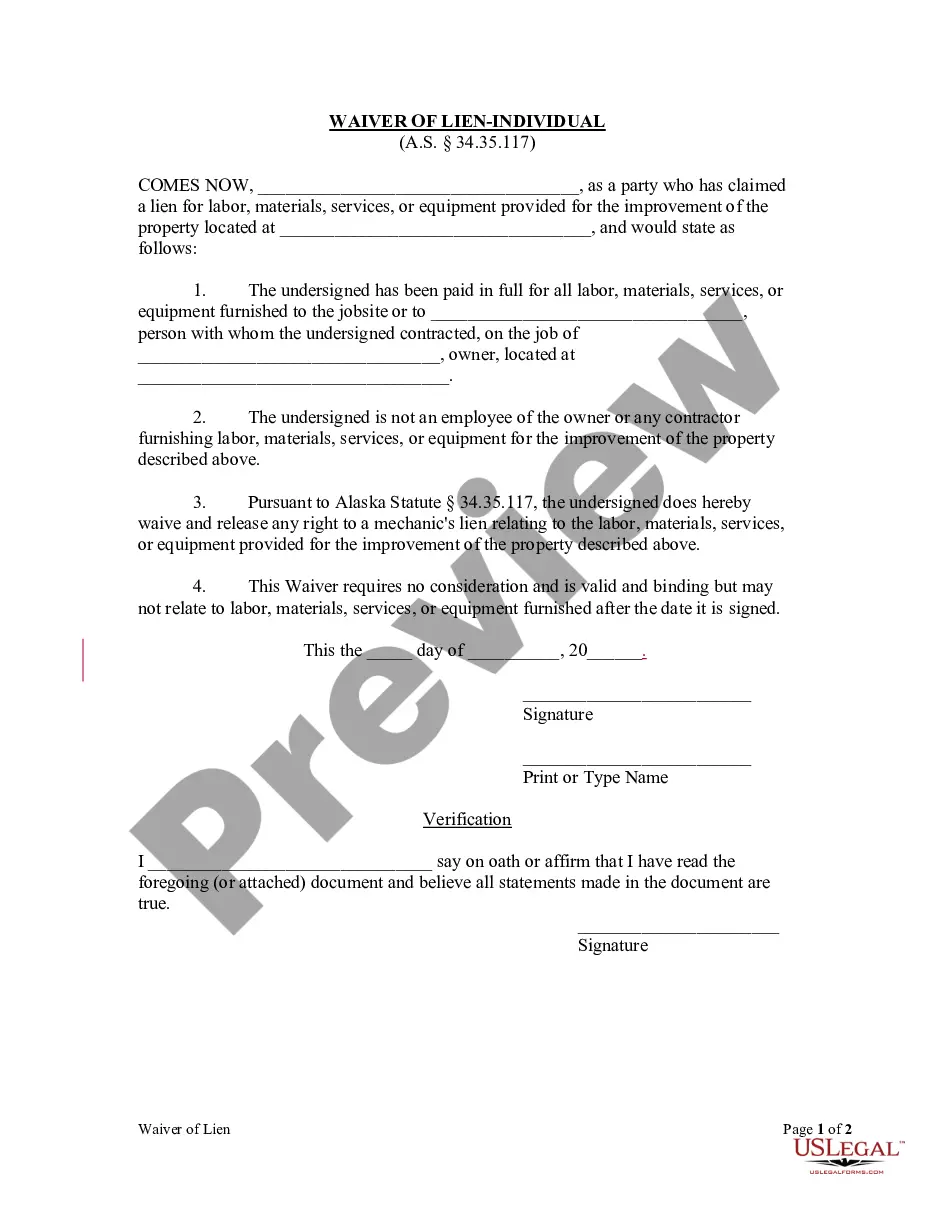
Alaska Warranty Deed from Corporation to Husband and Wife
About this form
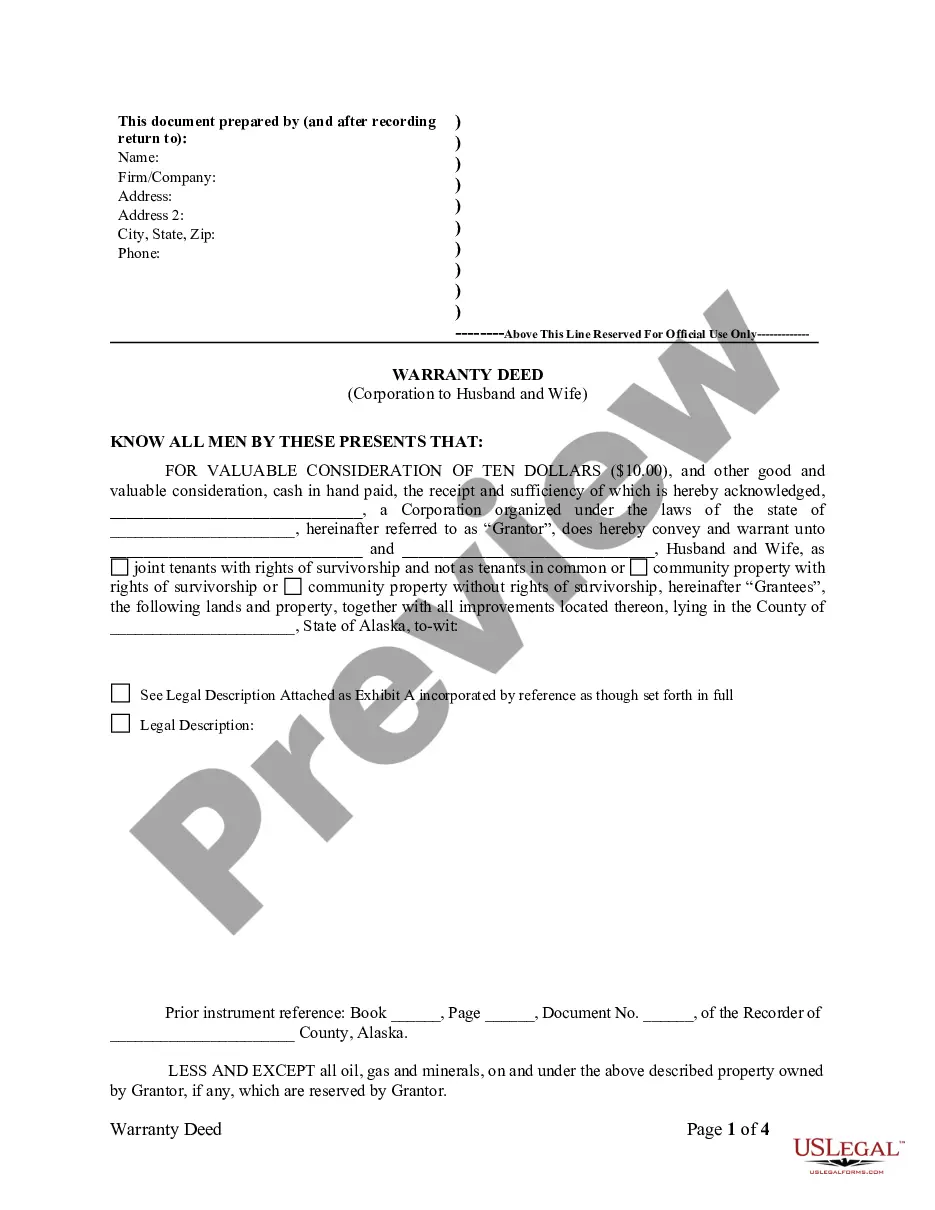
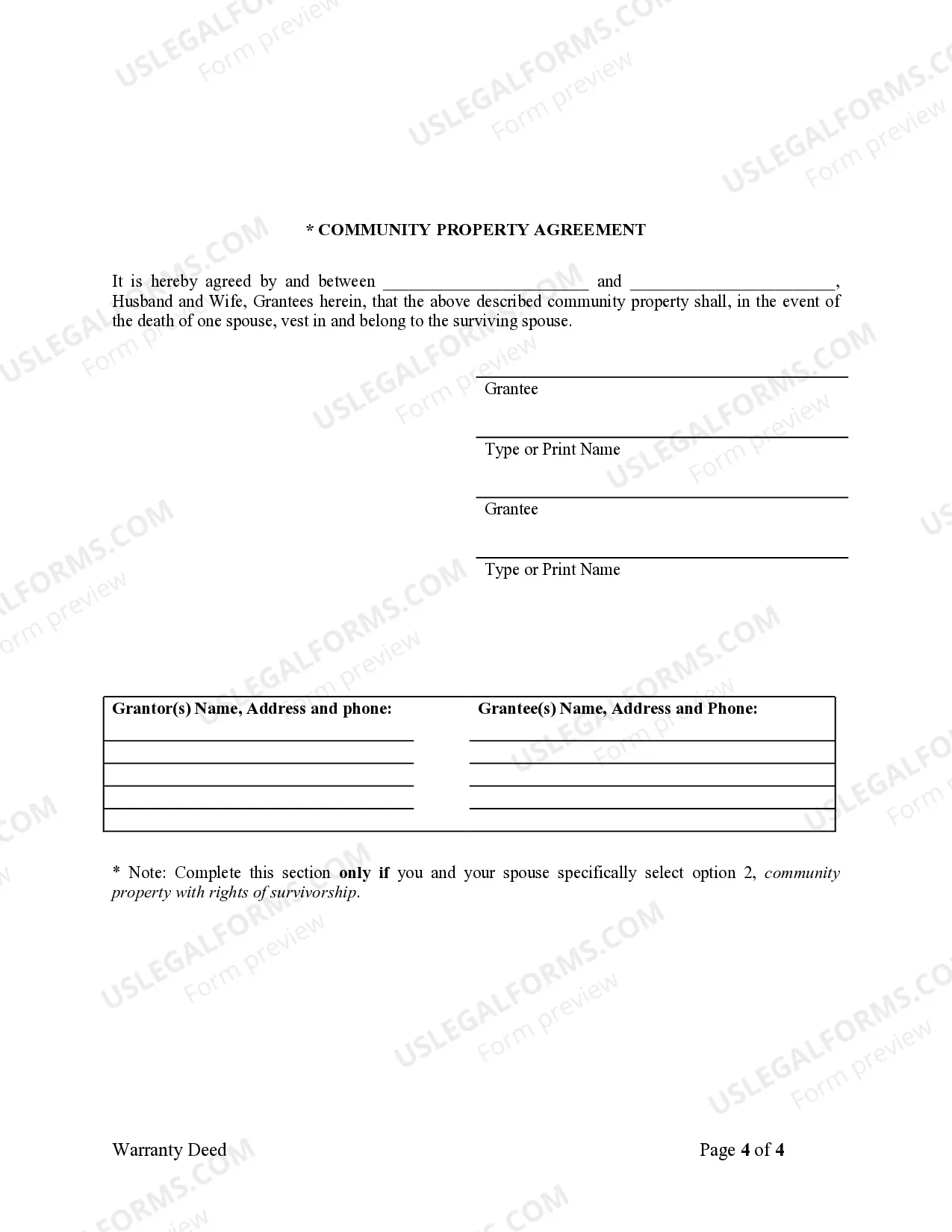
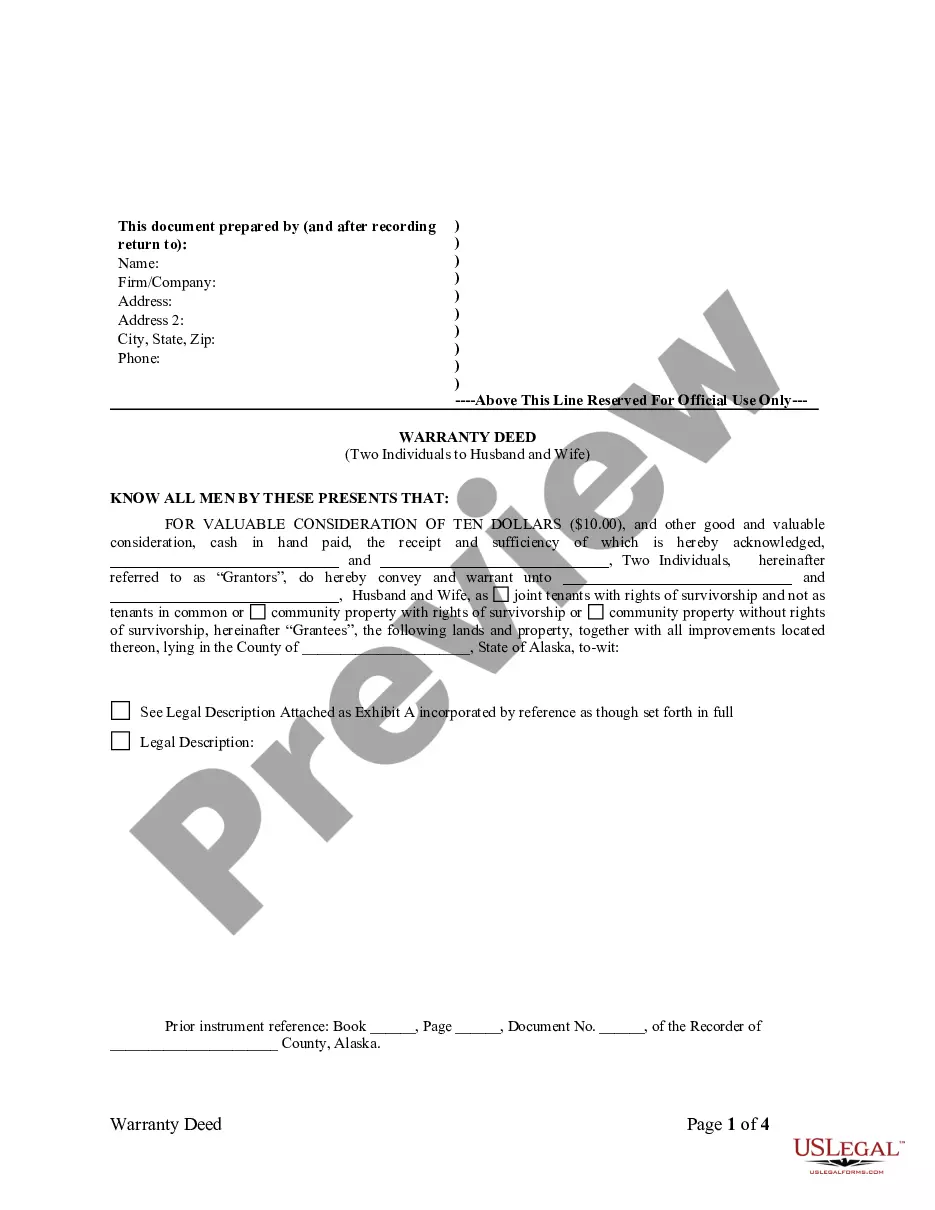
The Warranty Deed from Corporation to Husband and Wife is a legal document that facilitates the transfer of property from a corporation to a married couple. This type of warranty deed differs from other deeds in that it includes specific provisions related to property rights, guarantees the title against claims, and explicitly reserves certain rights concerning minerals and resources beneath the land. This form ensures the grantees receive a clear title to the property, making it a secure option for property transactions involving corporate grantors.
Form components explained
- Grantor and Grantee details: Names of the corporation (grantor) and the married couple (grantees).
- Legal description of the property: A detailed description attached as an exhibit.
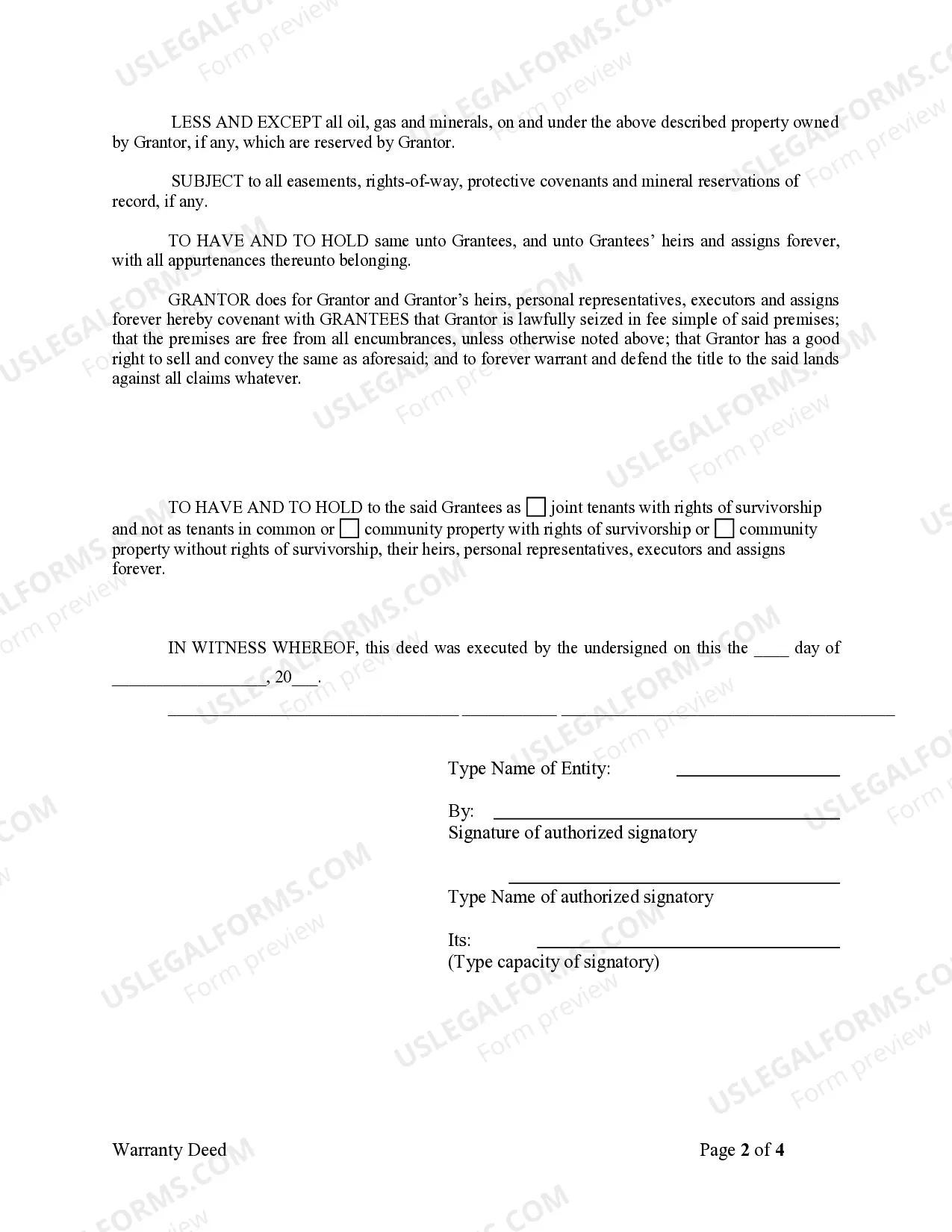
- Transfer terms: Statutory language outlining the transfer of property rights.
- Reservation clause: A clause that reserves rights related to oil, gas, and minerals.
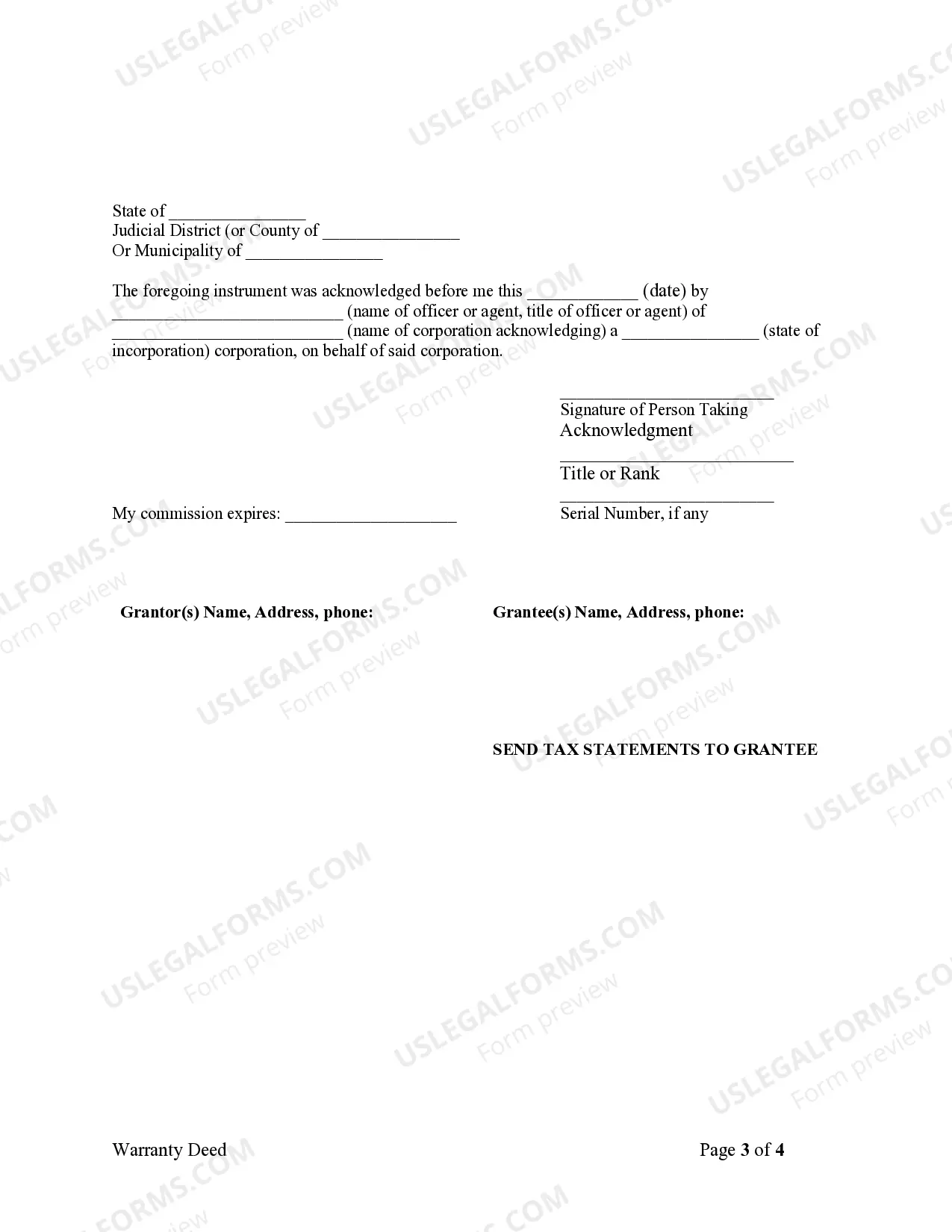
- Acknowledgment section: A section for a notary public to validate the deed.




When to use this document
This form is used when a corporation wishes to transfer property ownership to a married couple. Situations may include transferring real estate as part of a business decision, estate planning, or any other reason where the corporation holds title to property that needs to be conveyed to individuals. It is particularly relevant in cases where both spouses are joint owners with rights of survivorship, ensuring that in the event of one spouse's death, the surviving spouse automatically inherits full ownership.
Who should use this form
This form is suitable for:
- Certain corporations that own real estate and wish to transfer it to individuals.
- Married couples seeking to establish joint ownership of property.
- Real estate attorneys representing clients in property transactions.
Completing this form step by step
- Identify the parties: Clearly state the names of the grantor (corporation) and the grantees (husband and wife).
- Specify the property: Include the legal description of the property being conveyed as an exhibit.
- Include reservation clauses: Clearly indicate any rights being retained by the grantor.
- Signatures: Ensure that the appropriate representatives of the corporation sign the document.
- Notary acknowledgment: Have the deed notarized to verify the signatures and validate the document.
Is notarization required?
Notarization is required for this form to take effect. Our online notarization service, powered by Notarize, lets you verify and sign documents remotely through an encrypted video session, available 24/7.
Get your form ready online
Our built-in tools help you complete, sign, share, and store your documents in one place.
Make edits, fill in missing information, and update formatting in US Legal Forms—just like you would in MS Word.
Download a copy, print it, send it by email, or mail it via USPS—whatever works best for your next step.
Sign and collect signatures with our SignNow integration. Send to multiple recipients, set reminders, and more. Go Premium to unlock E-Sign.
If this form requires notarization, complete it online through a secure video call—no need to meet a notary in person or wait for an appointment.
We protect your documents and personal data by following strict security and privacy standards.

Make edits, fill in missing information, and update formatting in US Legal Forms—just like you would in MS Word.

Download a copy, print it, send it by email, or mail it via USPS—whatever works best for your next step.

Sign and collect signatures with our SignNow integration. Send to multiple recipients, set reminders, and more. Go Premium to unlock E-Sign.

If this form requires notarization, complete it online through a secure video call—no need to meet a notary in person or wait for an appointment.

We protect your documents and personal data by following strict security and privacy standards.
Typical mistakes to avoid
- Failing to provide a complete legal description of the property.
- Not obtaining necessary signatures from the appropriate corporate officers.
- Neglecting to include the reservation of rights, leading to misunderstandings about mineral rights.
- Forgetting to secure notarization, which could jeopardize the legal validity of the deed.
Why complete this form online
- Convenience: Easily fill out and download the warranty deed from anywhere.
- Editability: Customize the form to fit specific details tailored to your transaction.
- Reliability: The form is drafted to comply with state laws, ensuring legal protection.
Looking for another form?

Form popularity
FAQ
Typically, the lender will provide you with a copy of the deed of trust after the closing. The original warranty deeds are often mailed to the grantee after they are recorded. These are your original copies and should be kept in a safe place, such as a fireproof lockbox or a safe deposit box at a financial institution.
By both spouses as tenants by the entirety; By both spouses as Alaska Community Property with a right of survivorship; or. By a Trustee in trust; or.
Adding someone to your house deed requires the filing of a legal form known as a quitclaim deed. When executed and notarized, the quitclaim deed legally overrides the current deed to your home. By filing the quitclaim deed, you can add someone to the title of your home, in effect transferring a share of ownership.
In California, all property bought during the marriage with income that was earned during the marriage is deemed "community property." The law implies that both spouses own this property equally, regardless of which name is on the title deed.
In order to make the Warranty Deed legally binding, the Seller needs to sign it front of a notary public. Then signed and notarized deed must be filed at the city or county office for recording property documents. Before filing with this office all previously billed property taxes must be paid in full.
A In order to make your partner a joint owner you will need to add his name at the Land Registry, for which there is a fee of £280 (assuming you transfer half the house to him). You won't, however, have to pay capital gains tax, as gifts between civil partners (and spouses) are tax free.
If you've recently married and already own a home or other real estate, you may want to add your new spouse to the deed for your property so the two of you own it jointly. To add a spouse to a deed, all you have to do is literally fill out, sign and record a new deed in your county recorder's office.
If you live in a common-law state, you can keep your spouse's name off the title the document that says who owns the property.You can put your spouse on the title without putting them on the mortgage; this would mean that they share ownership of the home but aren't legally responsible for making mortgage payments.
Two of the most common ways to transfer property in a divorce are through an interspousal transfer deed or quitclaim deed. When spouses own property together, but then one spouse executes an interspousal transfer or a quitclaim deed, this is known as transmutation.