Elder Law For Dummies
Description

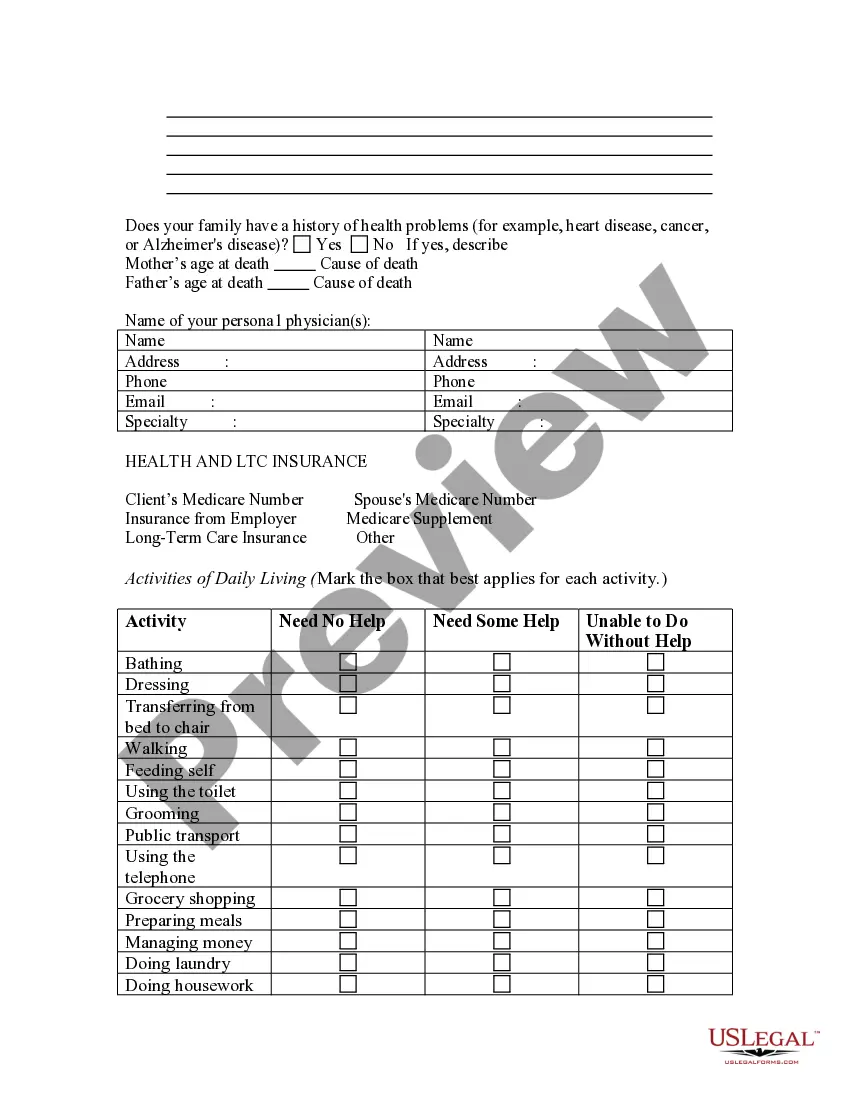
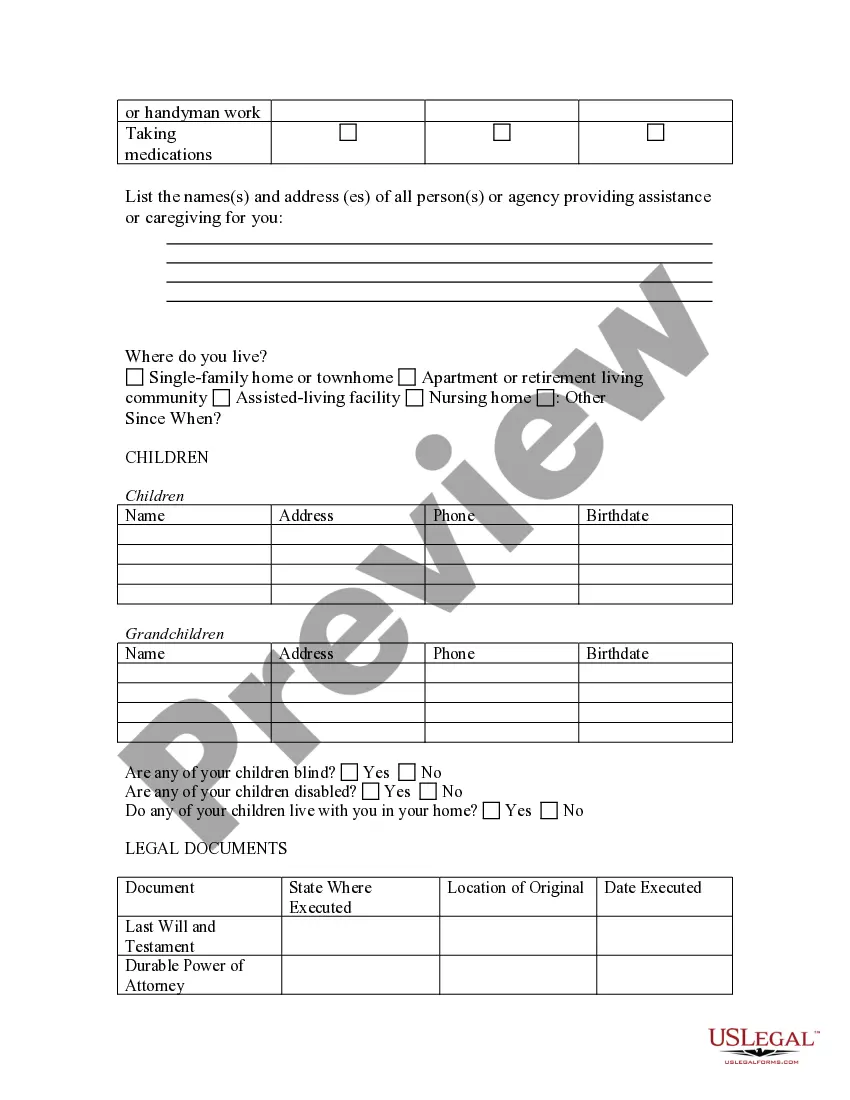
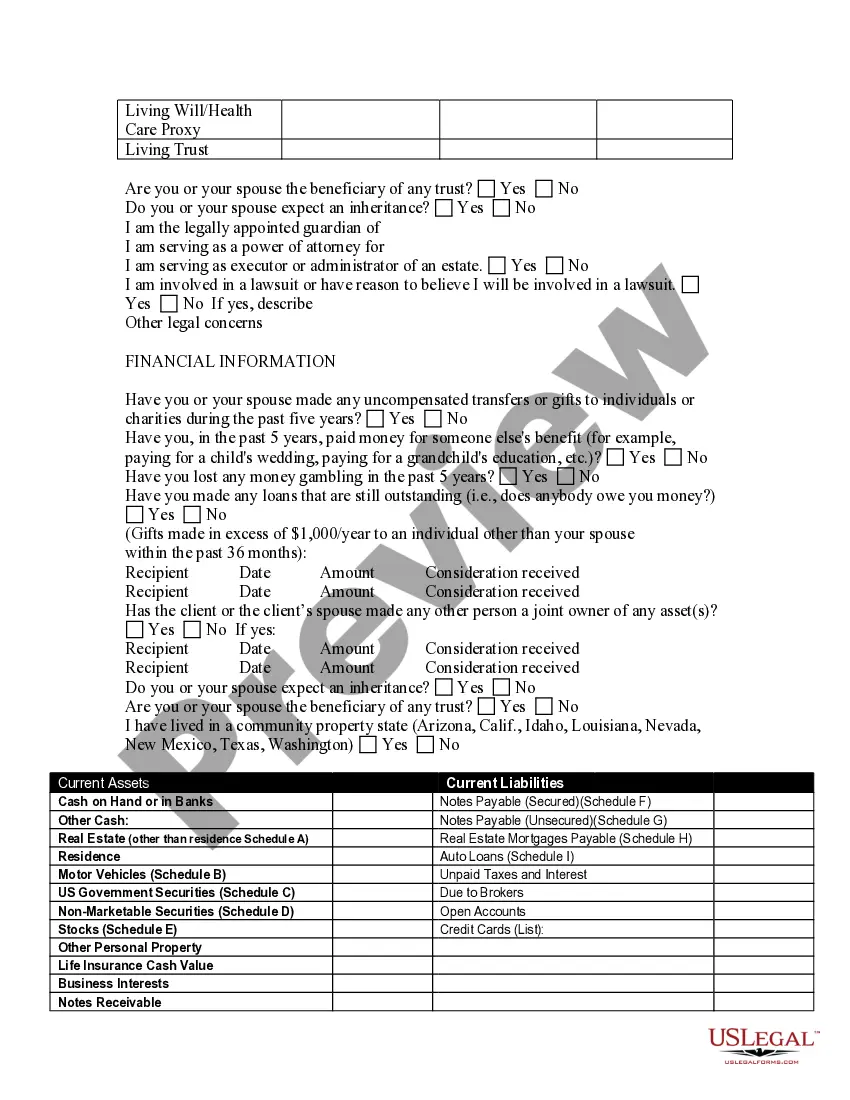
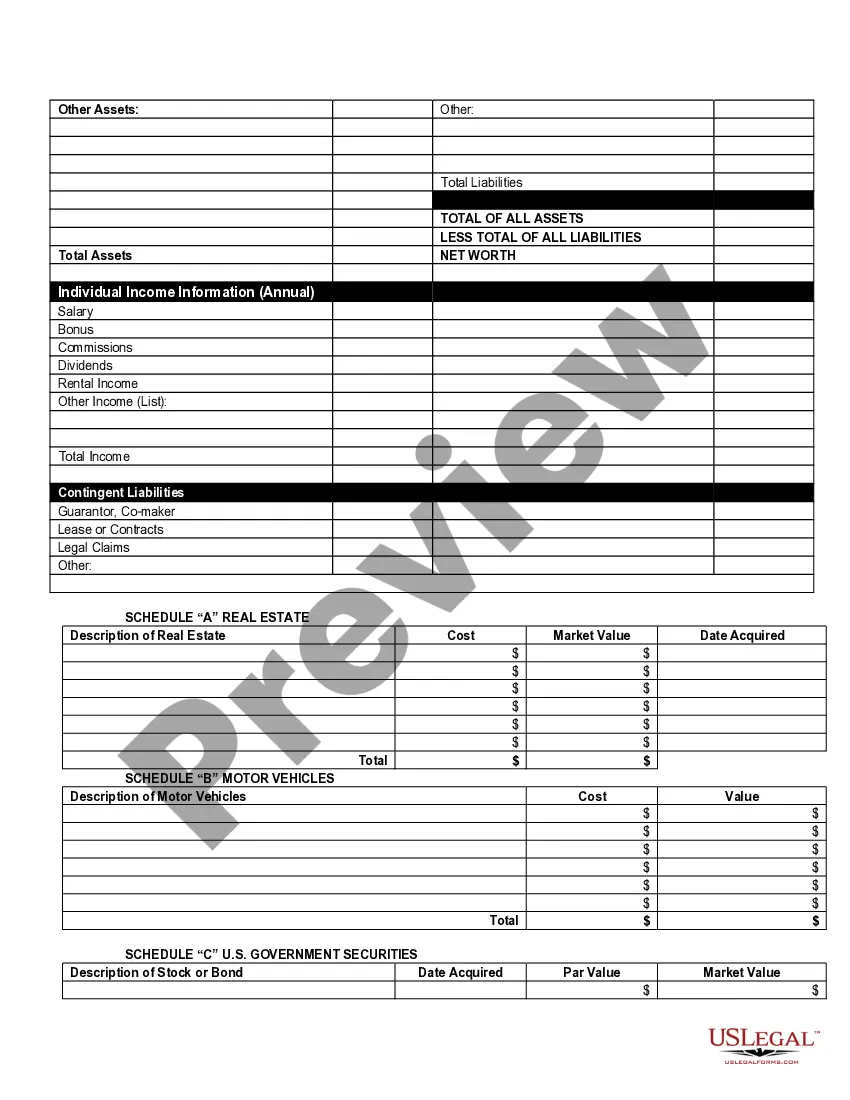
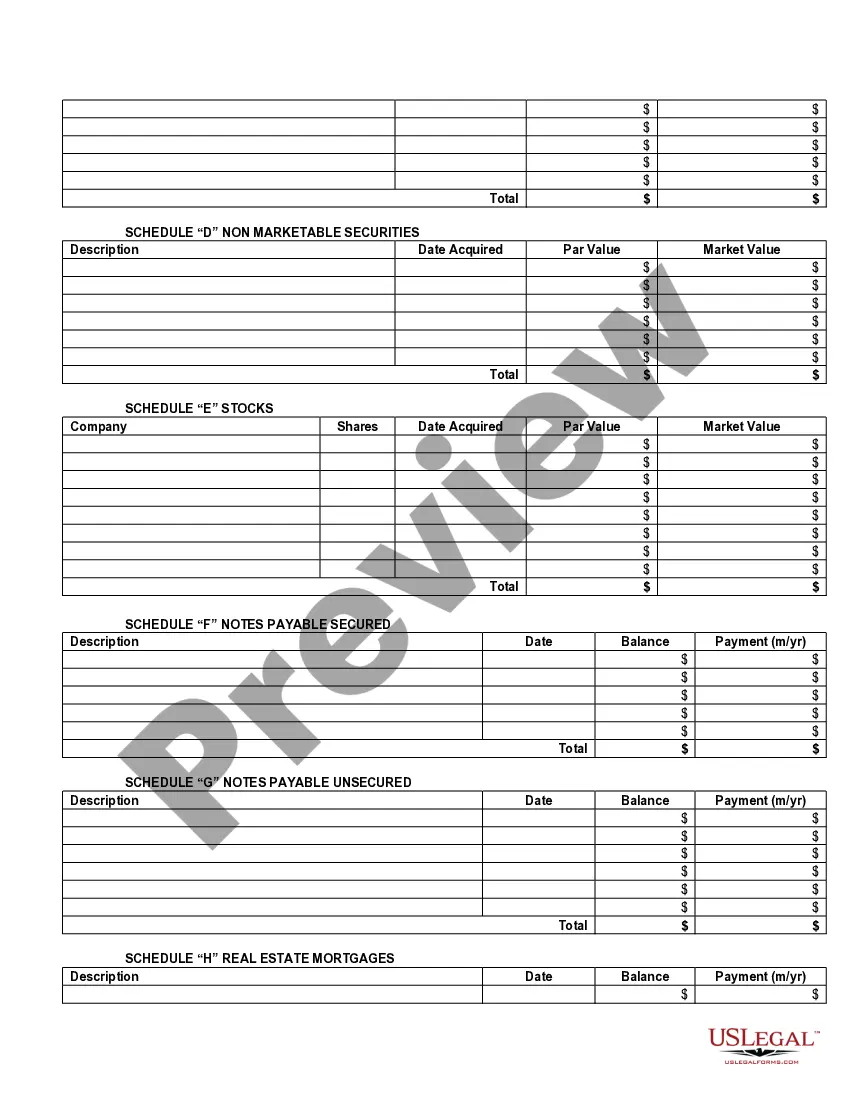
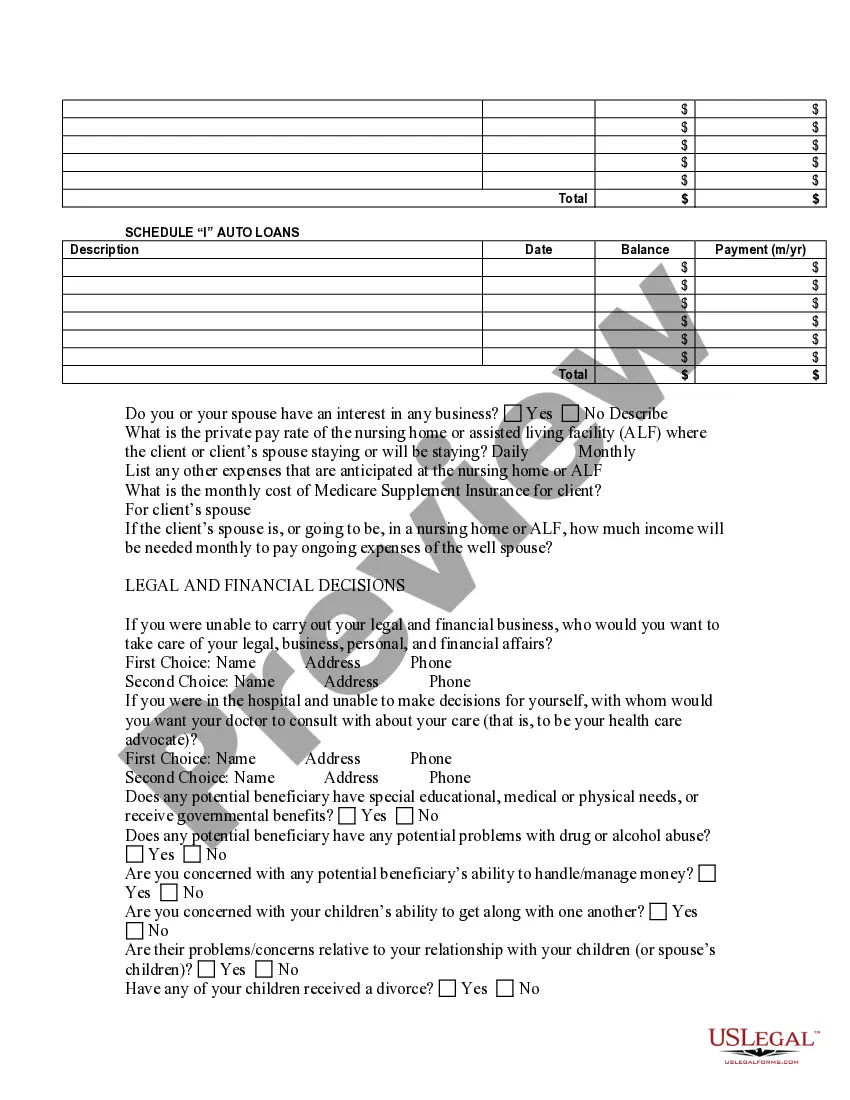
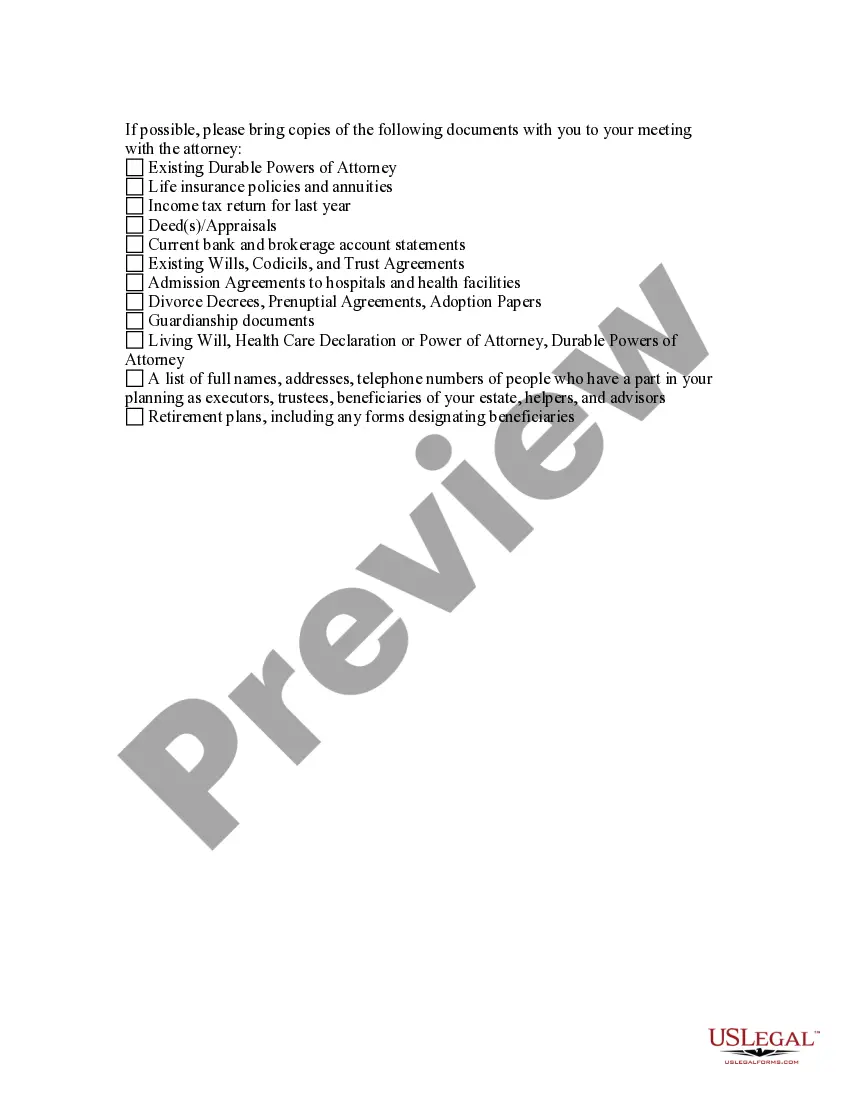

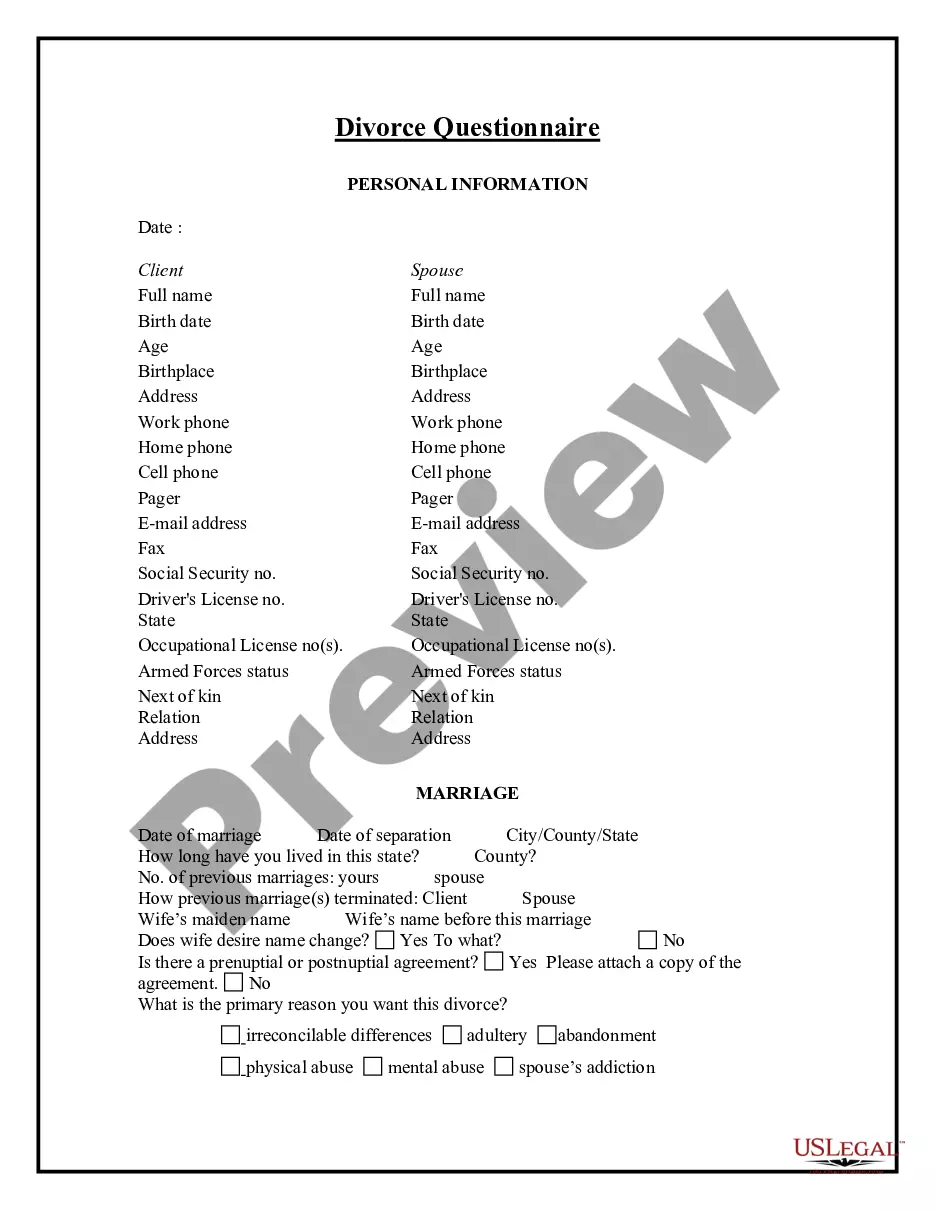
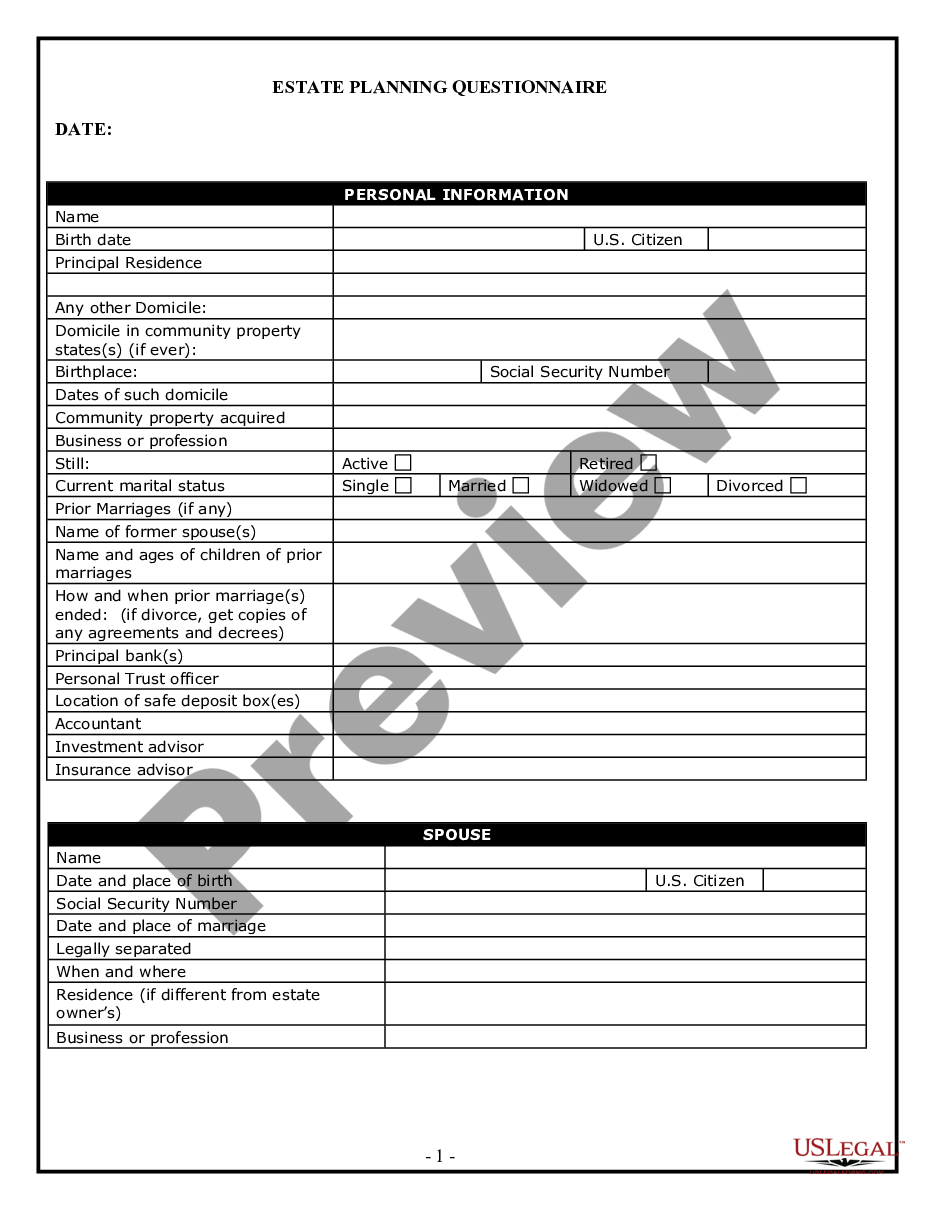
Get your form ready online
Our built-in tools help you complete, sign, share, and store your documents in one place.
Make edits, fill in missing information, and update formatting in US Legal Forms—just like you would in MS Word.
Download a copy, print it, send it by email, or mail it via USPS—whatever works best for your next step.
Sign and collect signatures with our SignNow integration. Send to multiple recipients, set reminders, and more. Go Premium to unlock E-Sign.
If this form requires notarization, complete it online through a secure video call—no need to meet a notary in person or wait for an appointment.
We protect your documents and personal data by following strict security and privacy standards.

Make edits, fill in missing information, and update formatting in US Legal Forms—just like you would in MS Word.

Download a copy, print it, send it by email, or mail it via USPS—whatever works best for your next step.

Sign and collect signatures with our SignNow integration. Send to multiple recipients, set reminders, and more. Go Premium to unlock E-Sign.

If this form requires notarization, complete it online through a secure video call—no need to meet a notary in person or wait for an appointment.

We protect your documents and personal data by following strict security and privacy standards.
Looking for another form?
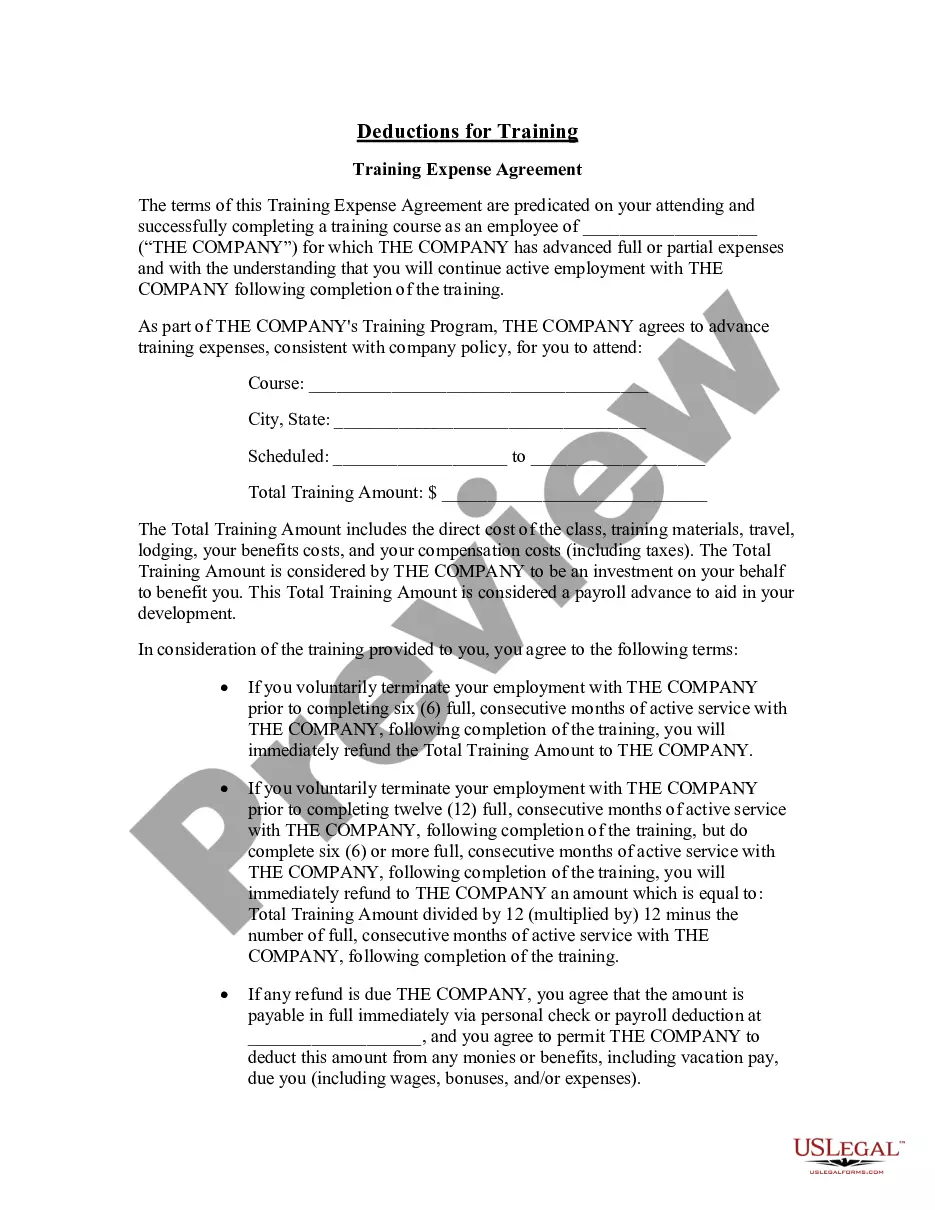


How to fill out Elder Law Questionnaire?
Locating a reliable destination for obtaining the latest and most pertinent legal templates is a significant part of managing bureaucracy.
Selecting the appropriate legal documents necessitates precision and careful consideration, which makes it crucial to obtain Elder Law For Dummies samples exclusively from trustworthy sources, such as US Legal Forms. An incorrect template can squander your time and impede your current situation.
Once you have the form on your device, you can edit it using the editor or print it out to fill it in manually. Eliminate the difficulties associated with your legal documentation. Explore the vast US Legal Forms collection to discover legal templates, assess their relevance to your situation, and download them instantly.
- Use the catalog navigation or search box to find your template.
- Review the form’s details to determine if it meets your state and local requirements.
- Check the form preview, if available, to confirm that the template is indeed what you are looking for.
- Continue searching for the appropriate template if the Elder Law For Dummies does not meet your expectations.
- Once you are confident about the form’s relevance, download it.
- If you are a registered user, click Log in to verify your identity and access your chosen forms in My documents.
- If you do not yet have an account, click Buy now to obtain the template.
- Select the payment plan that suits your requirements.
- Proceed with registration to finalize your purchase.
- Conclude your transaction by selecting a payment method (credit card or PayPal).
- Choose the document format for downloading Elder Law For Dummies.
Form popularity
FAQ
Elder law for dummies refers to a specialized area of legal practice focused on the needs of older adults. It encompasses various issues including estate planning, long-term care, guardianship, and elder abuse. Understanding elder law is essential for families to ensure that their loved ones receive appropriate care and protection. For tailored support, consider using USLegalForms as a helpful resource for navigating elder law complexities.
An eldercare attorney specializes in issues that affect older adults, including estate planning, guardianship, and long-term care options. They help families navigate complex legal matters, ensuring their loved ones receive the right care and protection. By understanding the basics of elder law for dummies, you can better appreciate how these attorneys work to safeguard your family’s interests.
Elder law works by addressing the various legal needs that arise as individuals age, including estate planning, guardianship, and health care directives. It focuses on protecting the rights and safety of senior citizens while also helping families navigate complex regulations. By exploring elder law for dummies, you can understand how these laws function and why legal assistance is vital for effective planning.
Hiring an elder law attorney can provide you with peace of mind and protection for your loved ones' assets and rights. These professionals specialize in navigating legal issues related to aging, ensuring your family receives proper care and resources. With elder law for dummies, you can grasp the essential benefits and recognize the value of legal expertise in planning for the future.
Signs that you may need an elder law consultation include confusion about healthcare options or uncertainties regarding estate planning. If your family discussions often turn to long-term care arrangements or financial preparedness for elderly needs, consulting an elder law professional can provide clarity. Utilizing elder law for dummies can enhance your understanding and guide you through important choices.
You should consider hiring an elder law attorney when you are facing specific issues related to aging, such as planning for long-term care or navigating Medicaid applications. If you notice your loved one struggling with decision-making or understanding legal documents, it may be time to seek assistance. Remember, elder law for dummies helps simplify these complexities and allows you to make informed decisions.
?Neglect? occurs when a person: Is responsible for the care, custody and/or control of a child, and has the ability and financial means to provide for the care of the child, and: Fails to provide necessary care with regard to: food, clothing, shelter, education, health, medical or other necessary care; or Chronically ...
For civil claims, the statute of limitations in Delaware is most commonly three years, though it will vary depending on the specific type of case. Similarly, the statute of limitations in Delaware for criminal offenses ranges from two years for minor misdemeanors to ten years or more for more serious offenses.
Justification ? Use of force in self-protection. (a) The use of force upon or toward another person is justifiable when the defendant reasonably believes that such force is immediately necessary for the purpose of protecting the defendant against the use of unlawful force by the other person on the present occasion.
Title 11, Chap. 5 §1311 Delaware's harassment law prohibits: Insulting ? Taunting ? Challenging you ? Engaging in any other alarming or disturbing course of conduct that serves no legitimate purpose and is likely to cause a reasonable person fear, alarm, or distress.