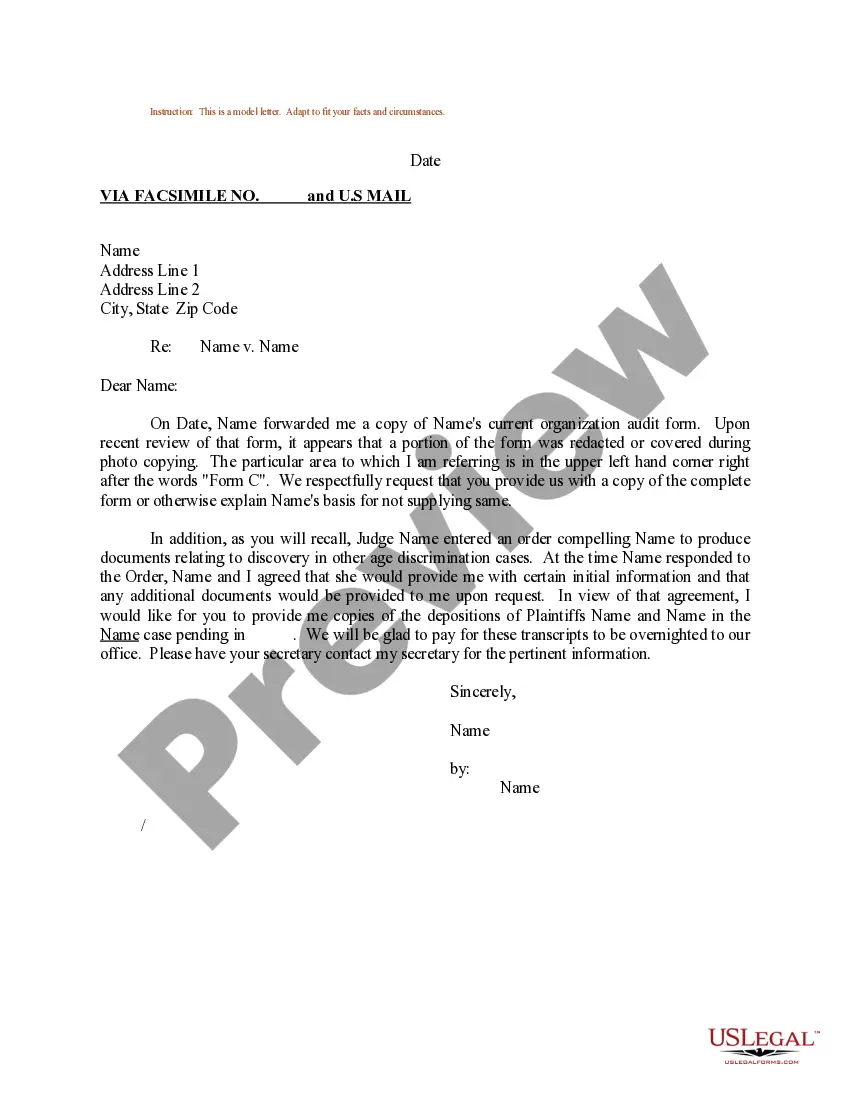
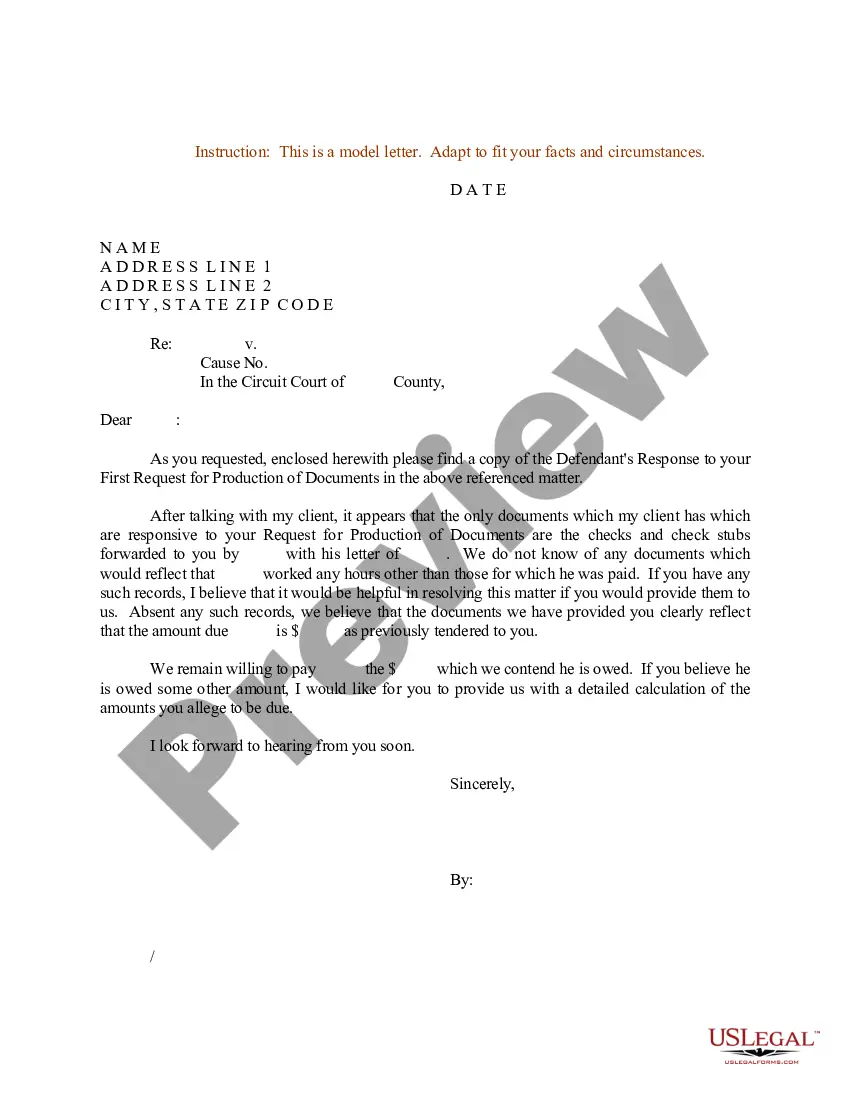
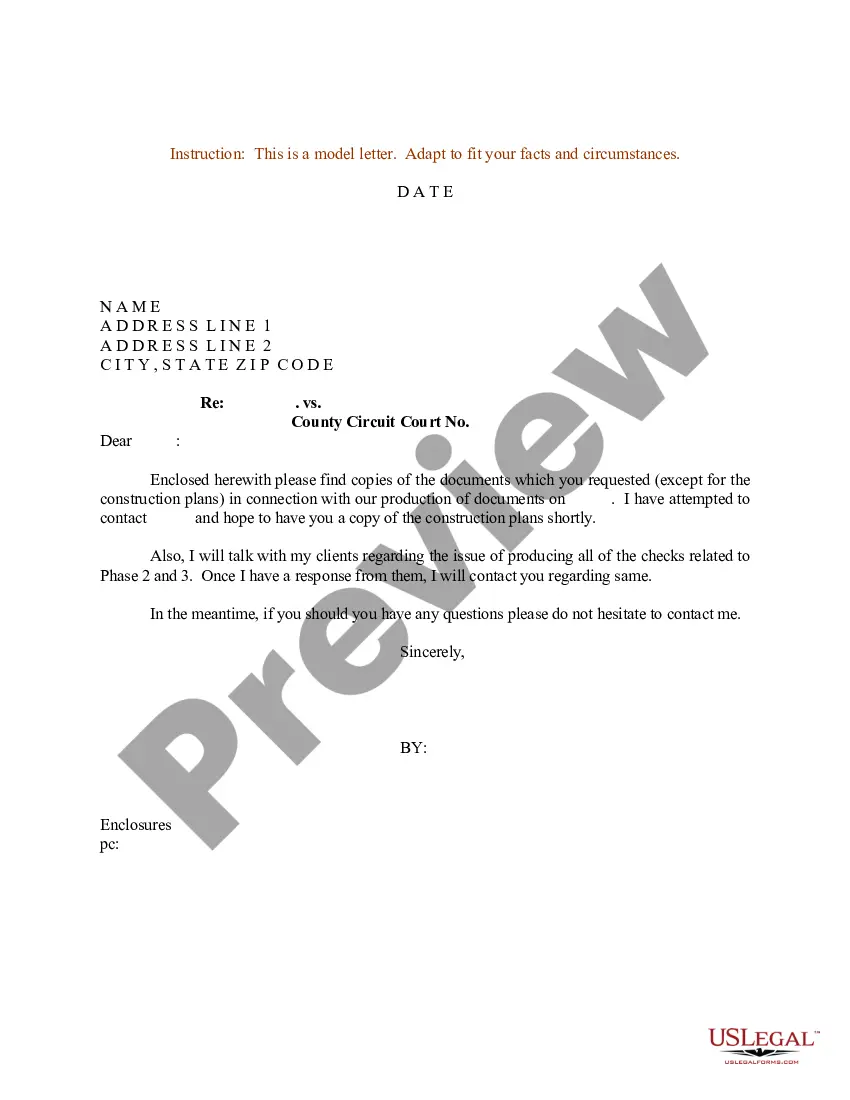
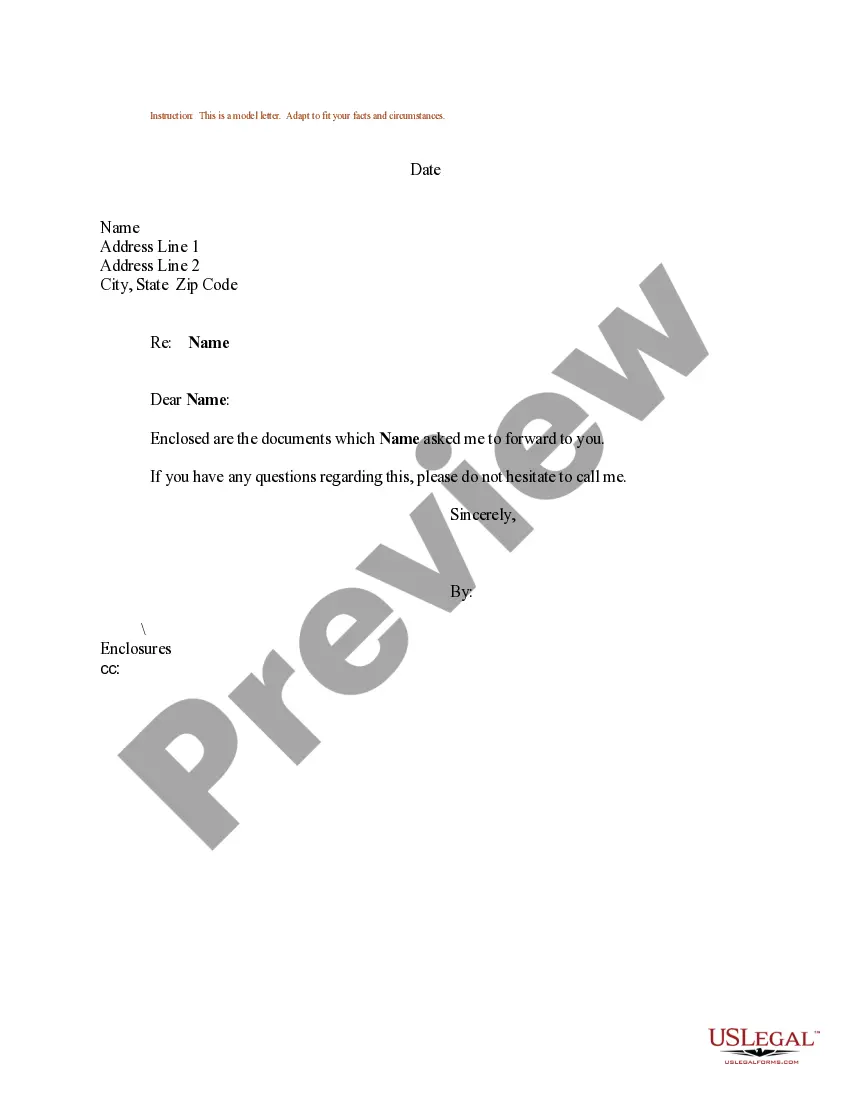
Auditor Dispute Letter Sample For Trust
Description
Get your form ready online
Our built-in tools help you complete, sign, share, and store your documents in one place.
Make edits, fill in missing information, and update formatting in US Legal Forms—just like you would in MS Word.
Download a copy, print it, send it by email, or mail it via USPS—whatever works best for your next step.
Sign and collect signatures with our SignNow integration. Send to multiple recipients, set reminders, and more. Go Premium to unlock E-Sign.
If this form requires notarization, complete it online through a secure video call—no need to meet a notary in person or wait for an appointment.
We protect your documents and personal data by following strict security and privacy standards.

Make edits, fill in missing information, and update formatting in US Legal Forms—just like you would in MS Word.

Download a copy, print it, send it by email, or mail it via USPS—whatever works best for your next step.

Sign and collect signatures with our SignNow integration. Send to multiple recipients, set reminders, and more. Go Premium to unlock E-Sign.

If this form requires notarization, complete it online through a secure video call—no need to meet a notary in person or wait for an appointment.

We protect your documents and personal data by following strict security and privacy standards.
Looking for another form?
Form popularity
FAQ
The most effective reason for disputing a collection should be factual inaccuracies or lack of proof of the debt. You might reference the auditor dispute letter sample for trust to structure your reasoning. Make it clear that you believe the collection account does not belong to you or is invalidated by missing documentation. This solid foundation can enhance the credibility of your dispute.
When disputing a collection, clarity is key. Start by clearly stating that you are challenging the validity of the debt, and include reference to the auditor dispute letter sample for trust as a guide. Emphasize any discrepancies you noted on your credit report. This direct approach helps ensure your dispute is taken seriously.
To dispute a collection effectively, gather all relevant documentation, including the auditor dispute letter sample for trust. Begin by reviewing your credit report and identifying inaccuracies. When you formally dispute the collection, present clear evidence that supports your claim. Utilizing resources like UsLegalForms can streamline this process and help you craft a compelling dispute.
Typically, dispute letters do not require notarization. However, it may depend on the specific situation or the requirements of the institution involved. When writing an Auditor dispute letter sample for trust, clarity and thoroughness are usually more important than notarization. If you are unsure, check the requirements laid out by the institution or consider seeking legal advice.
Yes, you can write a demand letter on your own. Many individuals successfully create their own Auditor dispute letter sample for trust without legal assistance. It is important to present your case clearly and include necessary details like the facts, what you are requesting, and any deadlines. However, consulting a lawyer can enhance your letter’s effectiveness and ensure you include all pertinent information.
A 611 dispute letter is used to dispute inaccuracies found on your credit report, leveraging the Fair Credit Reporting Act's Section 611. This letter requests that the credit reporting agency reinvestigate the disputed information and either verify or remove it. Referencing an Auditor dispute letter sample for trust can help you format and articulate your request clearly and effectively.
A 623 dispute letter is a formal communication sent to a creditor when you believe that they have provided inaccurate information to a credit reporting agency. This letter demands that they investigate and correct the misinformation. Utilizing an Auditor dispute letter sample for trust can guide you in drafting an effective 623 dispute letter.
To write a good dispute letter, focus on clarity and detail. Start with a polite salutation, include your contact information, and clearly outline the specific charges you are disputing. Using the format provided in an Auditor dispute letter sample for trust will help you present your points effectively and demonstrate professionalism.
An example of a letter disputing charges includes a clear statement of the charges you are disputing, along with an explanation of why they are incorrect. Additionally, reference relevant account details and any supporting evidence. You can use an Auditor dispute letter sample for trust as a template to create your personalized dispute letter.
The 609 loophole refers to a provision in the Fair Credit Reporting Act that enables consumers to dispute inaccurate information on their credit reports. This can be a powerful tool when claiming inaccuracies or unverifiable debt. By leveraging an Auditor dispute letter sample for trust, you can effectively utilize this loophole to challenge erroneous reports.