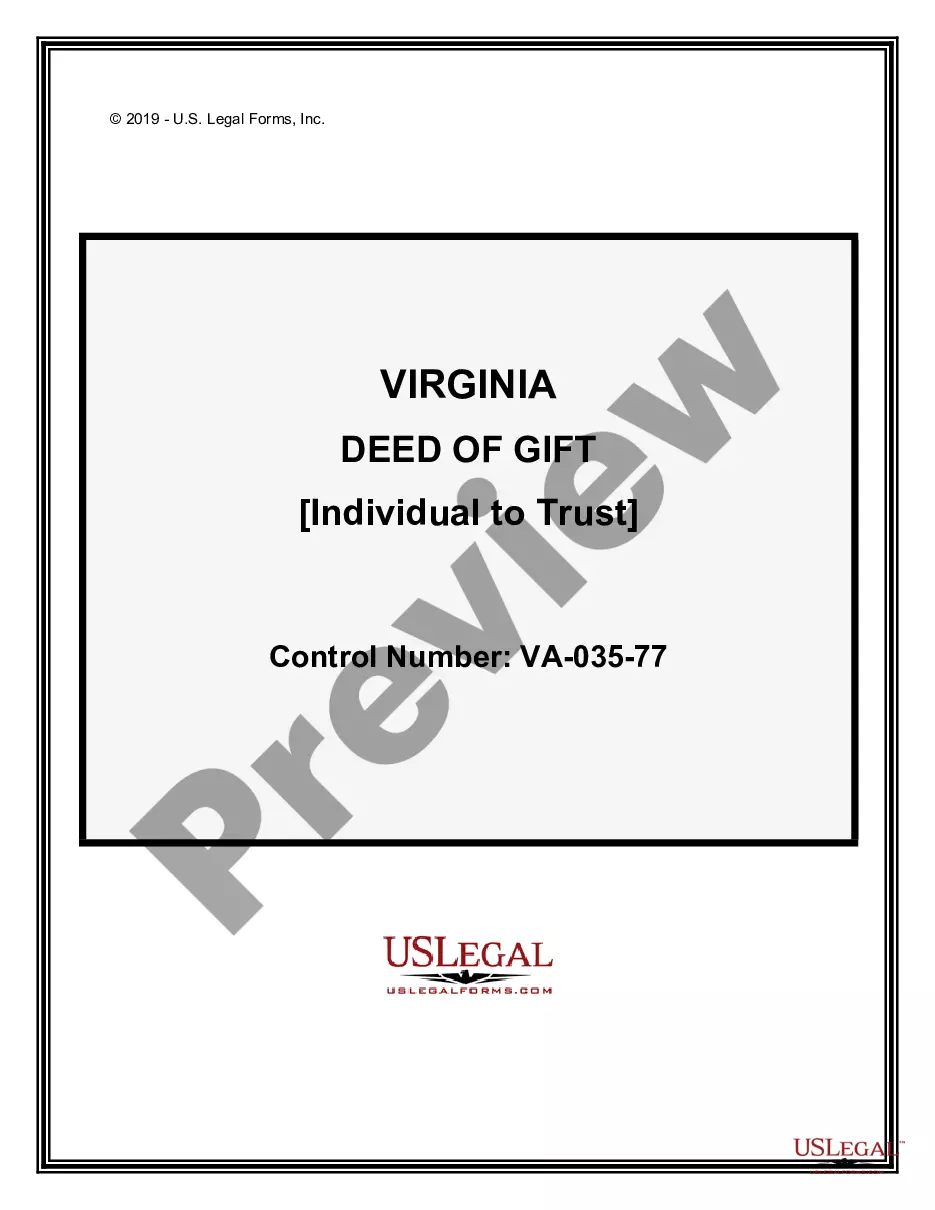
Virginia Deed of Gift
About this form
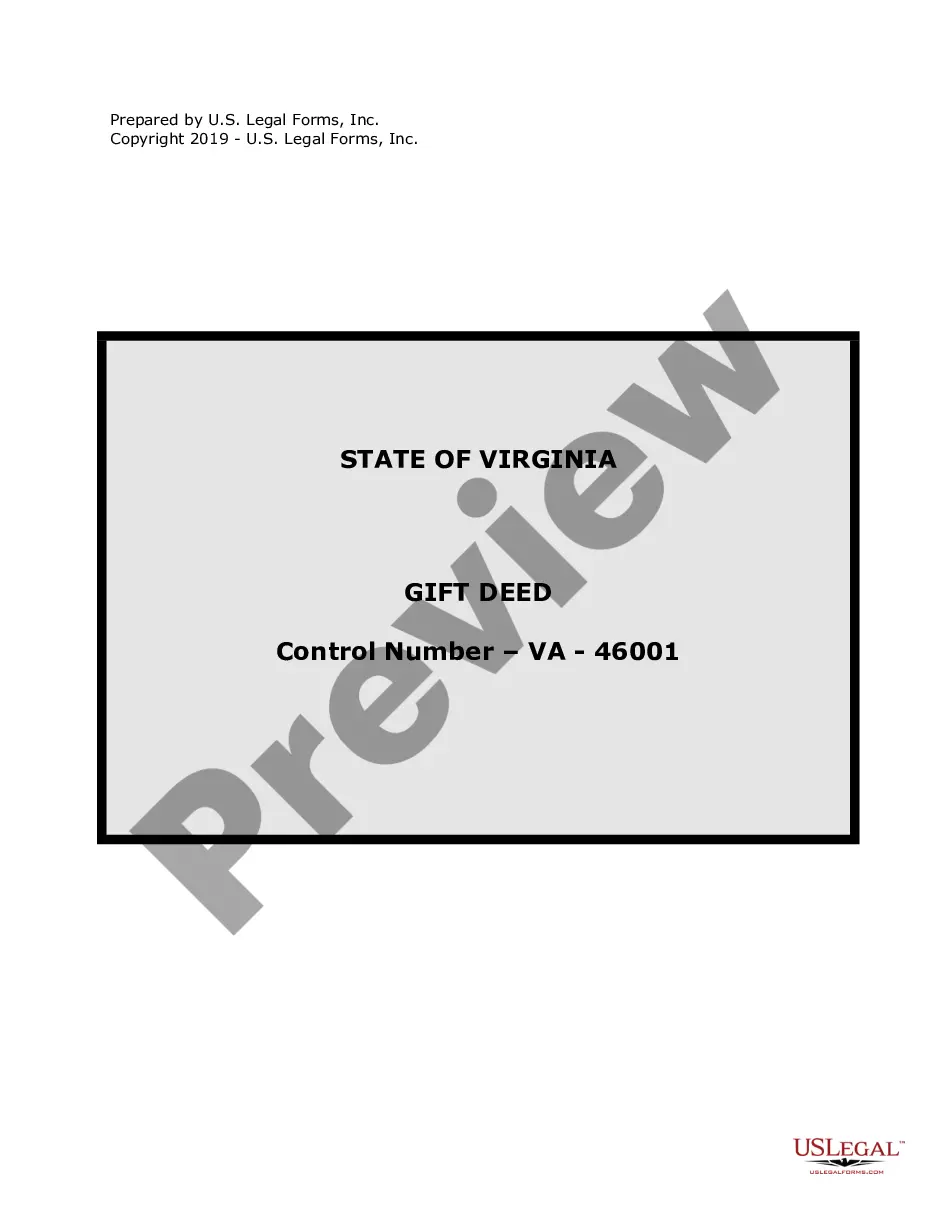
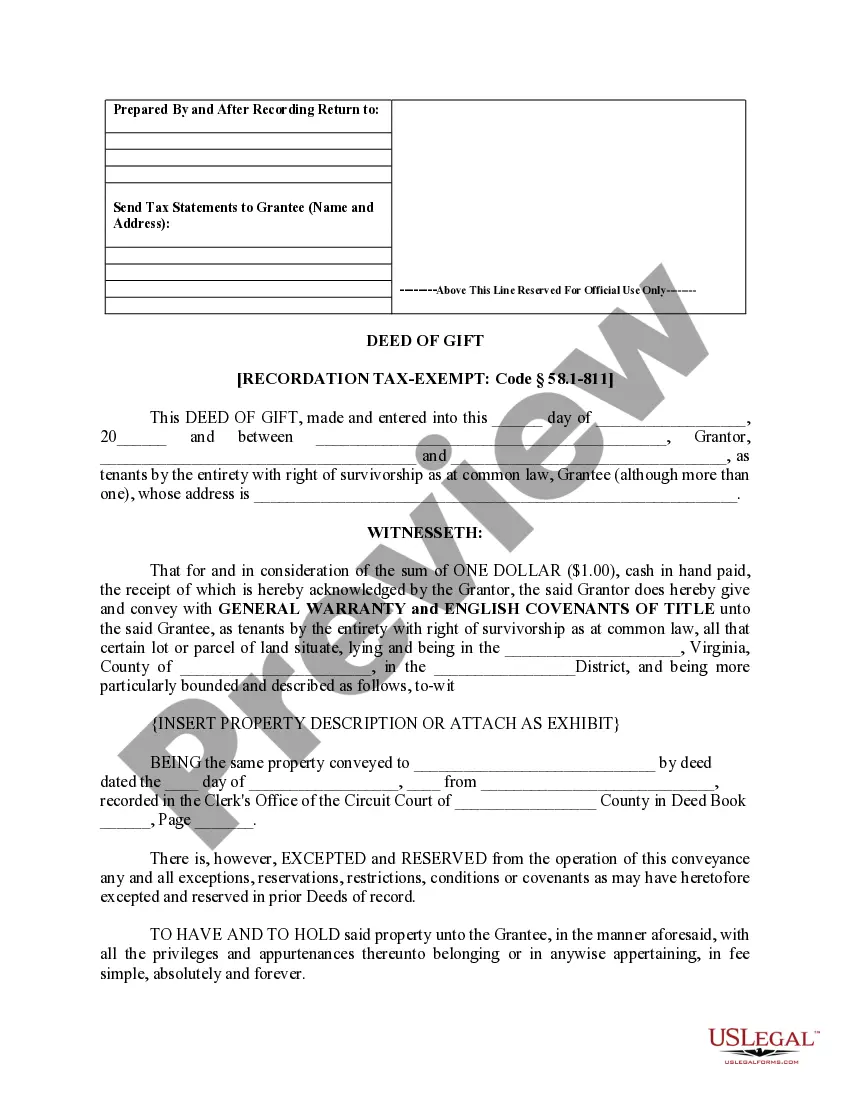
A Deed of Gift is a legal document that allows one party (the grantor) to transfer ownership of property to another party (the grantee) without receiving any payment. This form is particularly useful for individuals wishing to make a gift of real estate, providing clear proof of the transfer, and it differs from a sale deed in that no financial compensation is involved. This type of deed is commonly used in Virginia, and it must be properly executed for it to be legally effective.
Form components explained
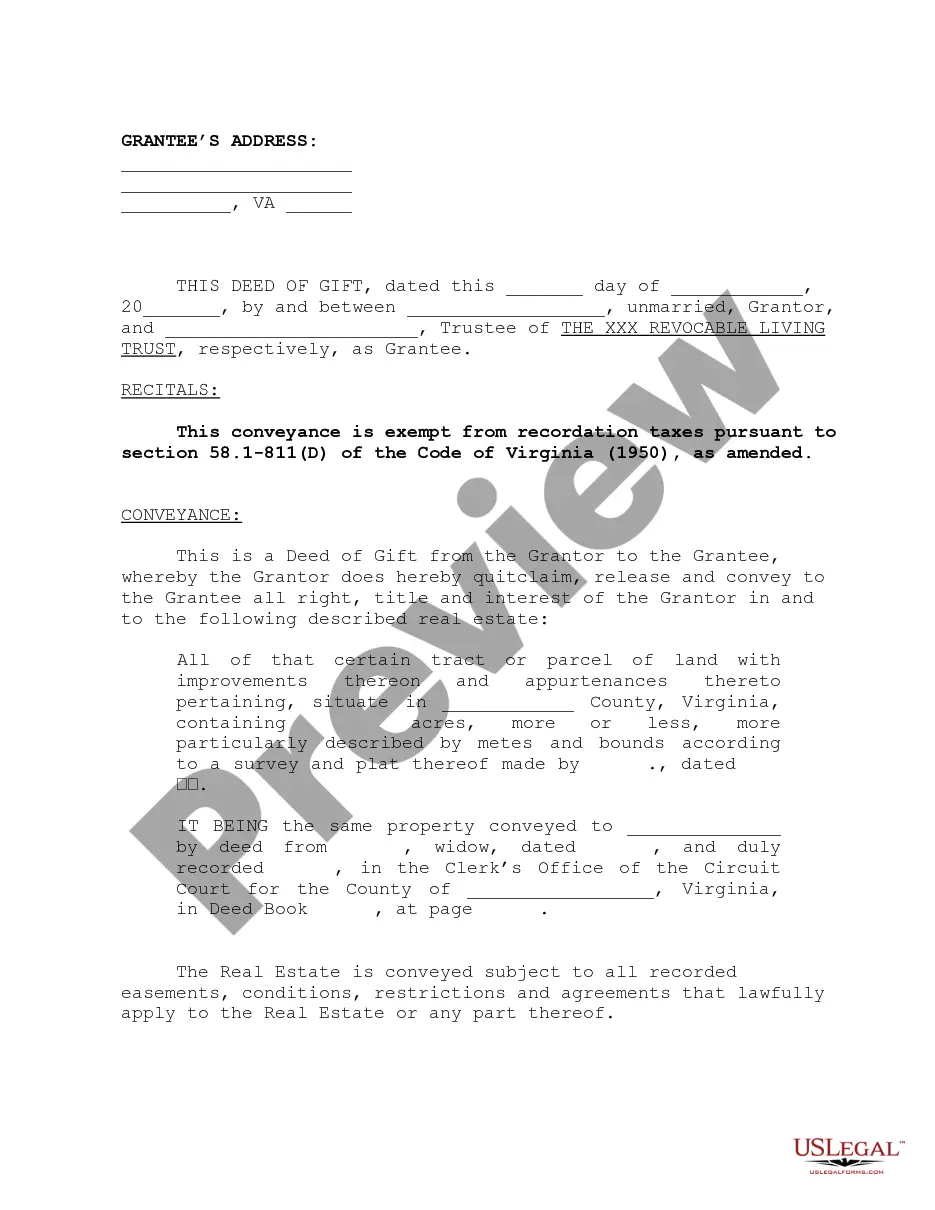
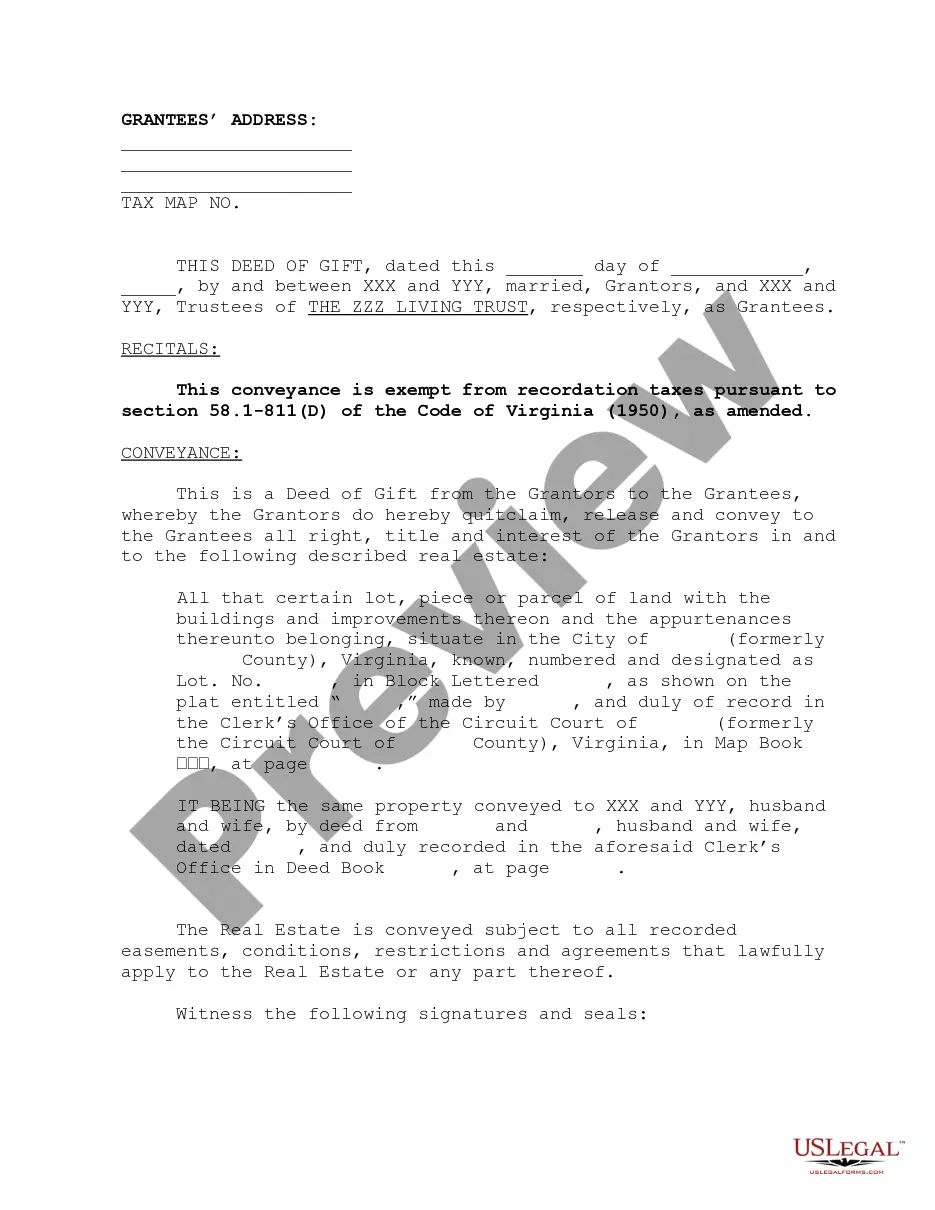
- Identification of the grantor and grantee
- Property description
- Recital of consideration (usually a nominal fee of one dollar)
- Warranties and covenants regarding the property title
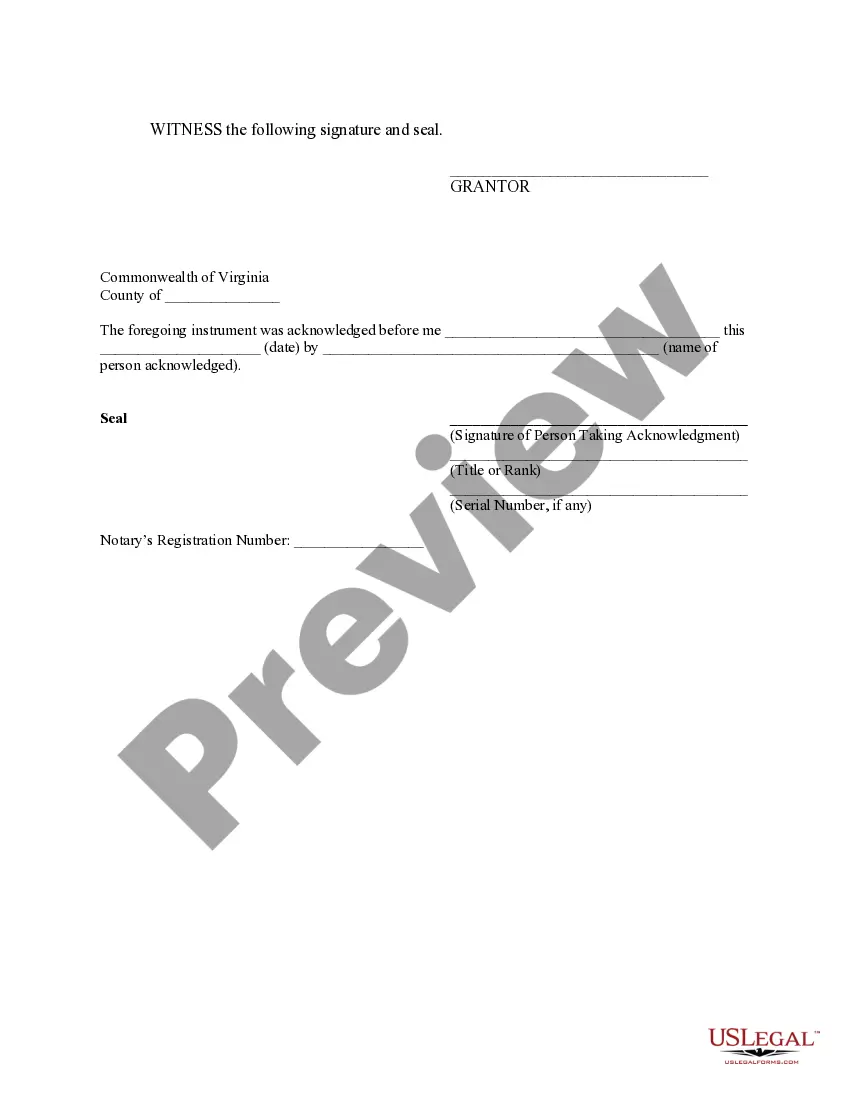
- Execution by grantor's signature and acknowledgment by a notary public
When to use this document
This Deed of Gift is used when a property owner wishes to transfer property to a family member or friend as a gift. It's commonly employed in estate planning to give property to heirs before death or during one's lifetime to avoid probate issues later on.
Who this form is for
The following individuals should consider using this form:
- Property owners wishing to gift real estate to another party
- Individuals involved in estate planning
- Family members looking to transfer property ownership without financial compensation
How to complete this form
- Identify the parties involved: the grantor (the person giving the gift) and the grantee (the person receiving the gift).
- Clearly describe the property being gifted, including its location and any relevant identifiers.
- Indicate the date of the transaction and the nominal consideration (typically one dollar).
- Have the grantor sign the form in the appropriate section.
- Arrange for the form to be acknowledged by a notary public to ensure its legal validity.
Is notarization required?
This form needs to be notarized to ensure legal validity. US Legal Forms provides secure online notarization powered by Notarize, allowing you to complete the process through a verified video call, available anytime.
Get your form ready online
Our built-in tools help you complete, sign, share, and store your documents in one place.
Make edits, fill in missing information, and update formatting in US Legal Forms—just like you would in MS Word.
Download a copy, print it, send it by email, or mail it via USPS—whatever works best for your next step.
Sign and collect signatures with our SignNow integration. Send to multiple recipients, set reminders, and more. Go Premium to unlock E-Sign.
If this form requires notarization, complete it online through a secure video call—no need to meet a notary in person or wait for an appointment.
We protect your documents and personal data by following strict security and privacy standards.

Make edits, fill in missing information, and update formatting in US Legal Forms—just like you would in MS Word.

Download a copy, print it, send it by email, or mail it via USPS—whatever works best for your next step.

Sign and collect signatures with our SignNow integration. Send to multiple recipients, set reminders, and more. Go Premium to unlock E-Sign.

If this form requires notarization, complete it online through a secure video call—no need to meet a notary in person or wait for an appointment.

We protect your documents and personal data by following strict security and privacy standards.
Common mistakes
- Failing to provide a clear and complete description of the property.
- Not including the required signatures and notary acknowledgment.
- Using the wrong version of the form or failing to comply with state-specific requirements.
Why complete this form online
- Convenience of downloading and completing the form at your own pace.
- Editable format allows for easy customization of fields.
- Access to a professionally drafted form, ensuring it meets legal standards.
Main things to remember
- The Deed of Gift facilitates the transfer of property without payment.
- Proper execution and notarization are crucial for legal validity.
- This form is specifically designed for use in Virginia, adhering to local legal standards.
Looking for another form?


Form popularity
FAQ
The law provides that any gift that is made and accepted by the donee, is final and cannot be revoked later on. So, if all the conditions of a valid gift are present, the same cannot be annulled by the donor later on, except on the ground that the consent of the donor was obtained by fraud, undue influence or coercion.
The gift deed can be questioned by filing a suit for declaration in the court of law. However, it will be challenged only if the person is able to establish that the execution of the deed was not as per the wish of the donor and was executed under fraud, coercion,misrepresentation etc.
A deed of gift is a way to legally add a person or persons to your property deeds, effectively transferring all or part of the property ownership to them. It may also be used to transfer money and/or shares however this is not something we would deal with at Stephensons.
It is executed during the life time of donor and transfer happens immediately whereas Will is applicable after death. Gift deed needs to be registered; only then it is effective. Registration renders it less liable to litigation. Transfer using gift deeds are tax free in the hands of donor and donee.
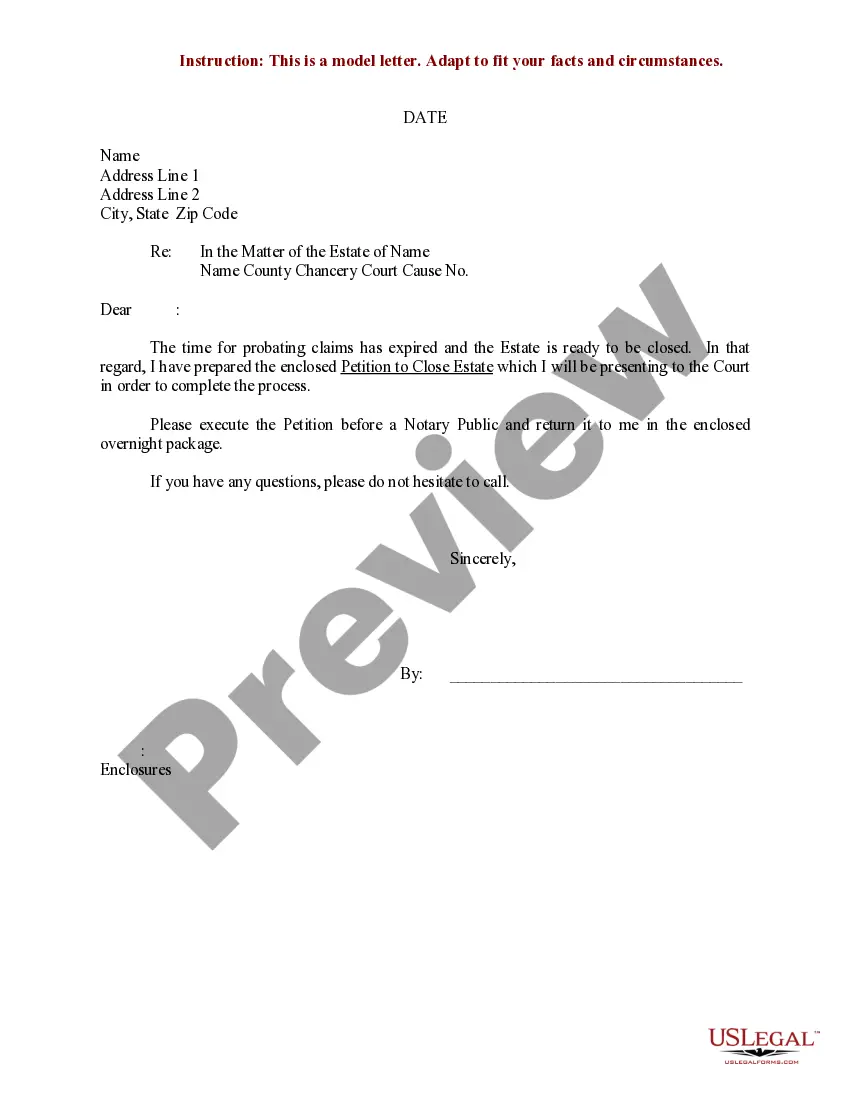
Locate the most recent deed to the property. Create the new deed. Sign and notarize the new deed. Record the deed in the land records of the clerk's office of the circuit court in the jurisdiction where the property is located.
A will is subject to revision and must undergo probate, which means it can be contested, whereas a gift deed cannot be contested by either the grantor or the grantor's family once it is signed and delivered.
In most states, there is a period of two years following the deed's filing date during which the quitclaim deed can be contested. In California, the statute of limitations is five years.Any challenge to the quitclaim must be based on either a procedural error or on undo duress.
Locate the most recent deed to the property. Create the new deed. Sign and notarize the new deed. Record the deed in the land records of the clerk's office of the circuit court in the jurisdiction where the property is located.
The gift cannot ever be revoked nor can you later ask for financial compensation.Usually a Gift Deed is used to transfer property between family members. As a result, the transaction may be subject to coercion or fraud. As such a Gift Deed may be subject to challenge in court.