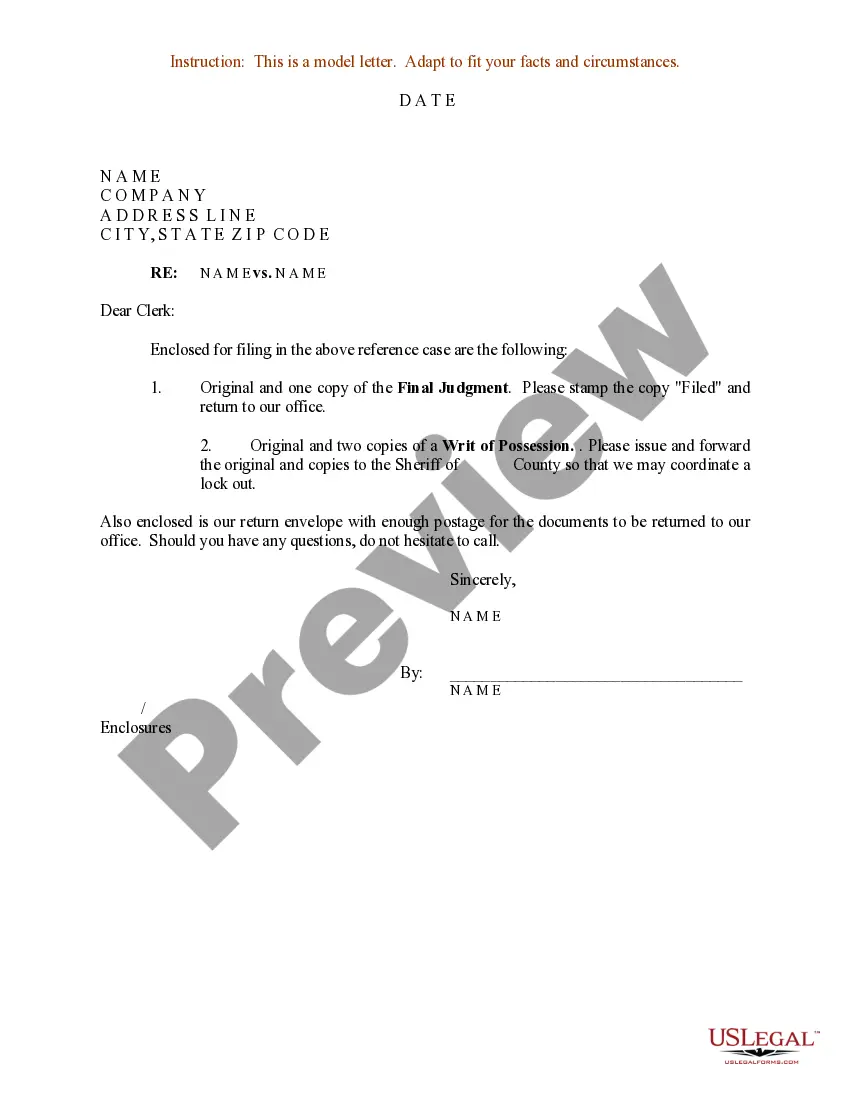
Writ Possession Order For Eviction
Description
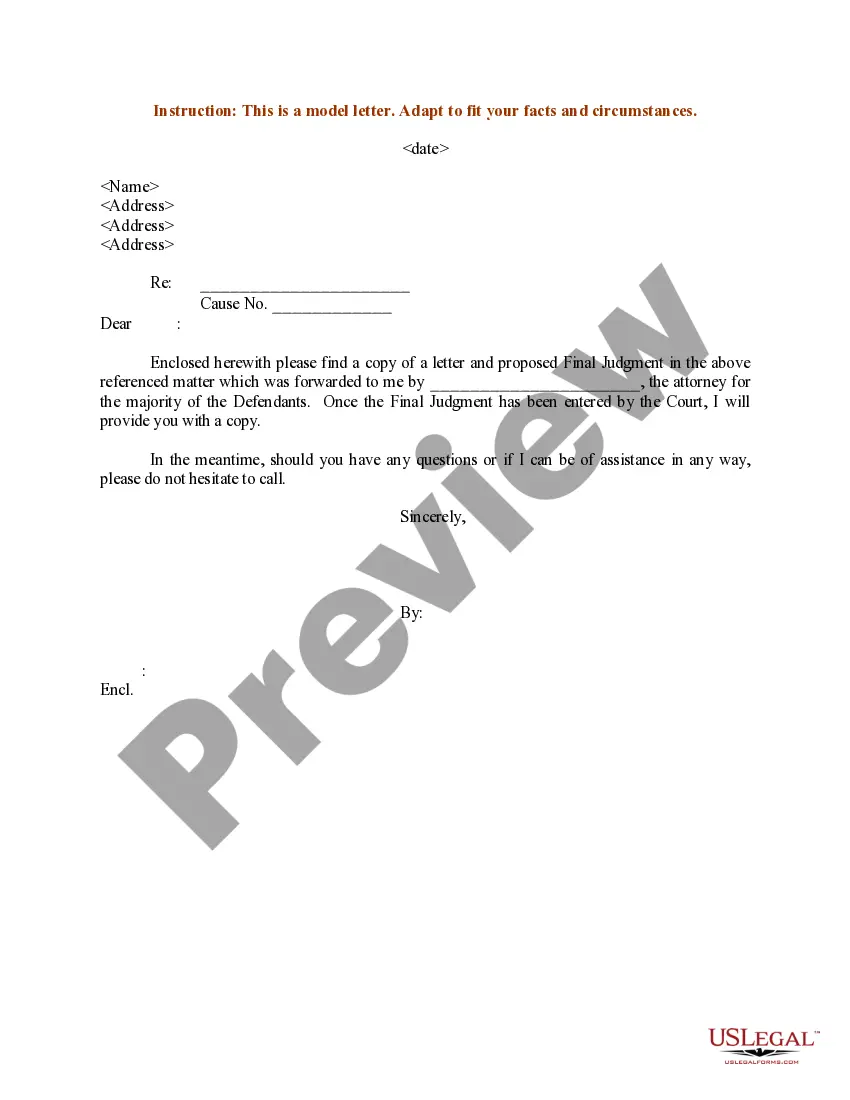
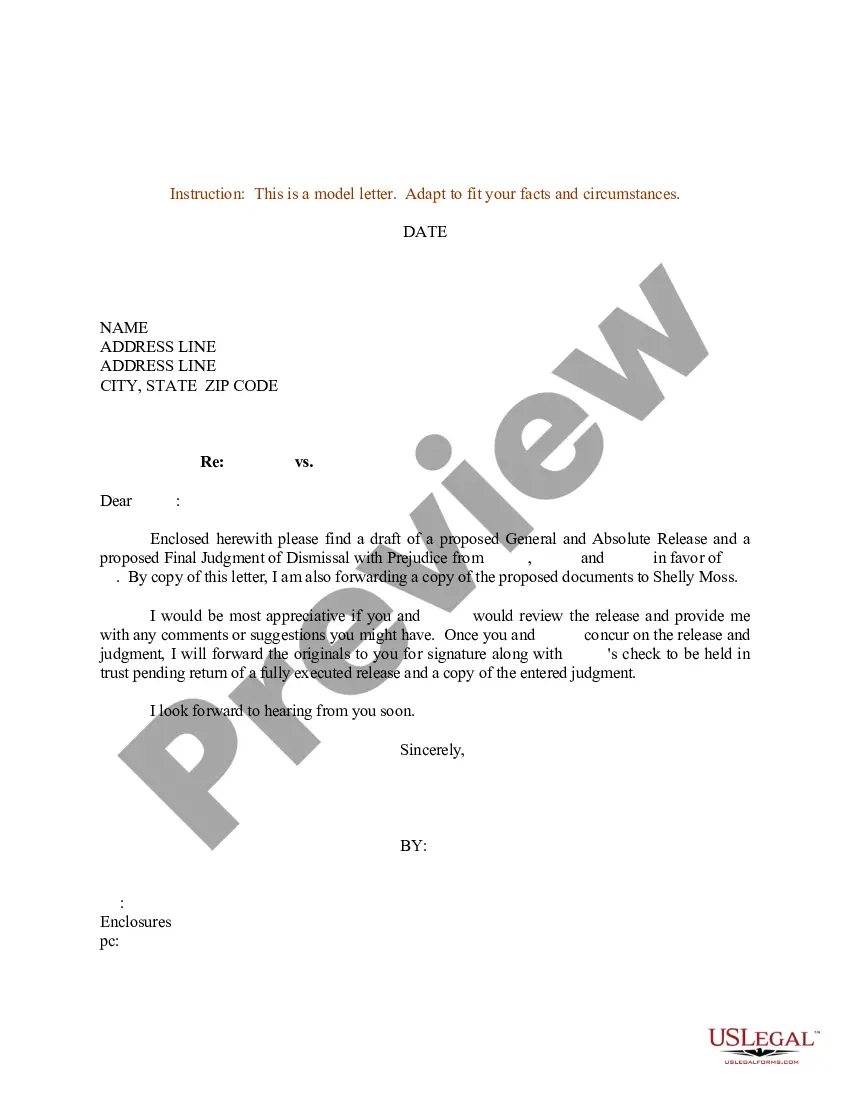
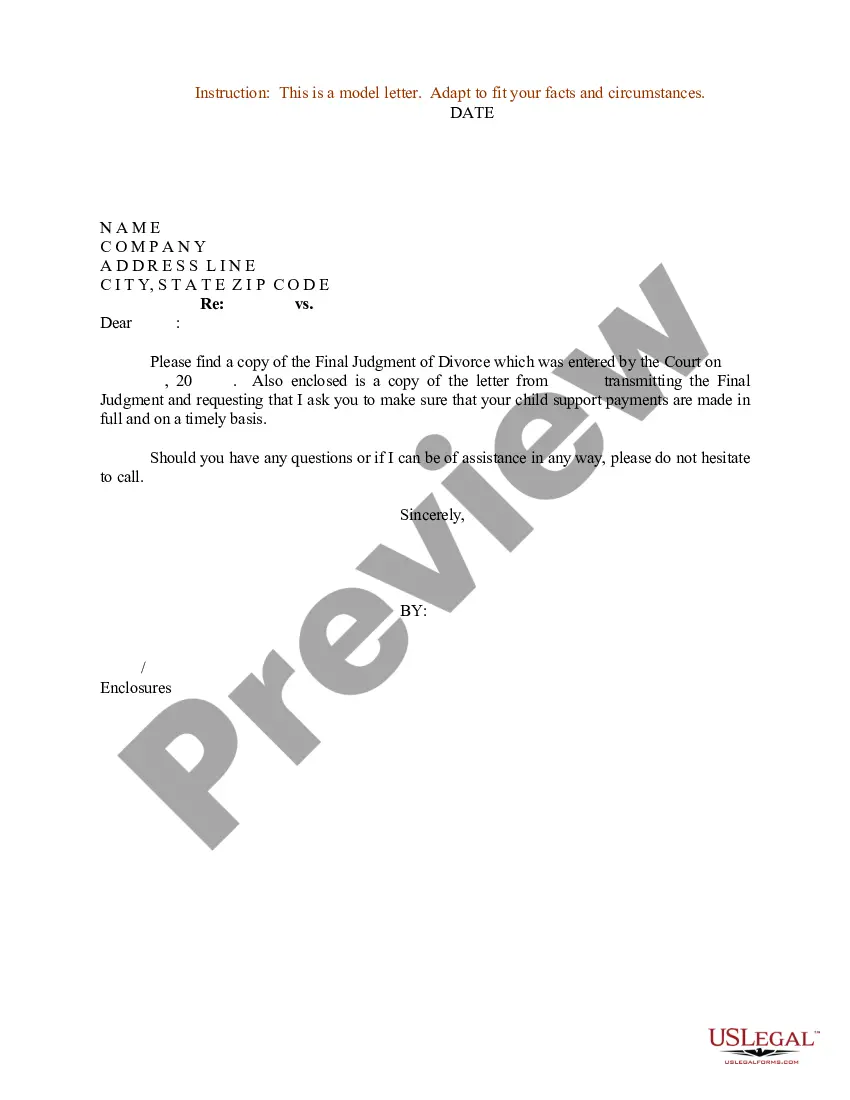
Get your form ready online
Our built-in tools help you complete, sign, share, and store your documents in one place.
Make edits, fill in missing information, and update formatting in US Legal Forms—just like you would in MS Word.
Download a copy, print it, send it by email, or mail it via USPS—whatever works best for your next step.
Sign and collect signatures with our SignNow integration. Send to multiple recipients, set reminders, and more. Go Premium to unlock E-Sign.
If this form requires notarization, complete it online through a secure video call—no need to meet a notary in person or wait for an appointment.
We protect your documents and personal data by following strict security and privacy standards.

Make edits, fill in missing information, and update formatting in US Legal Forms—just like you would in MS Word.

Download a copy, print it, send it by email, or mail it via USPS—whatever works best for your next step.

Sign and collect signatures with our SignNow integration. Send to multiple recipients, set reminders, and more. Go Premium to unlock E-Sign.

If this form requires notarization, complete it online through a secure video call—no need to meet a notary in person or wait for an appointment.

We protect your documents and personal data by following strict security and privacy standards.
Looking for another form?
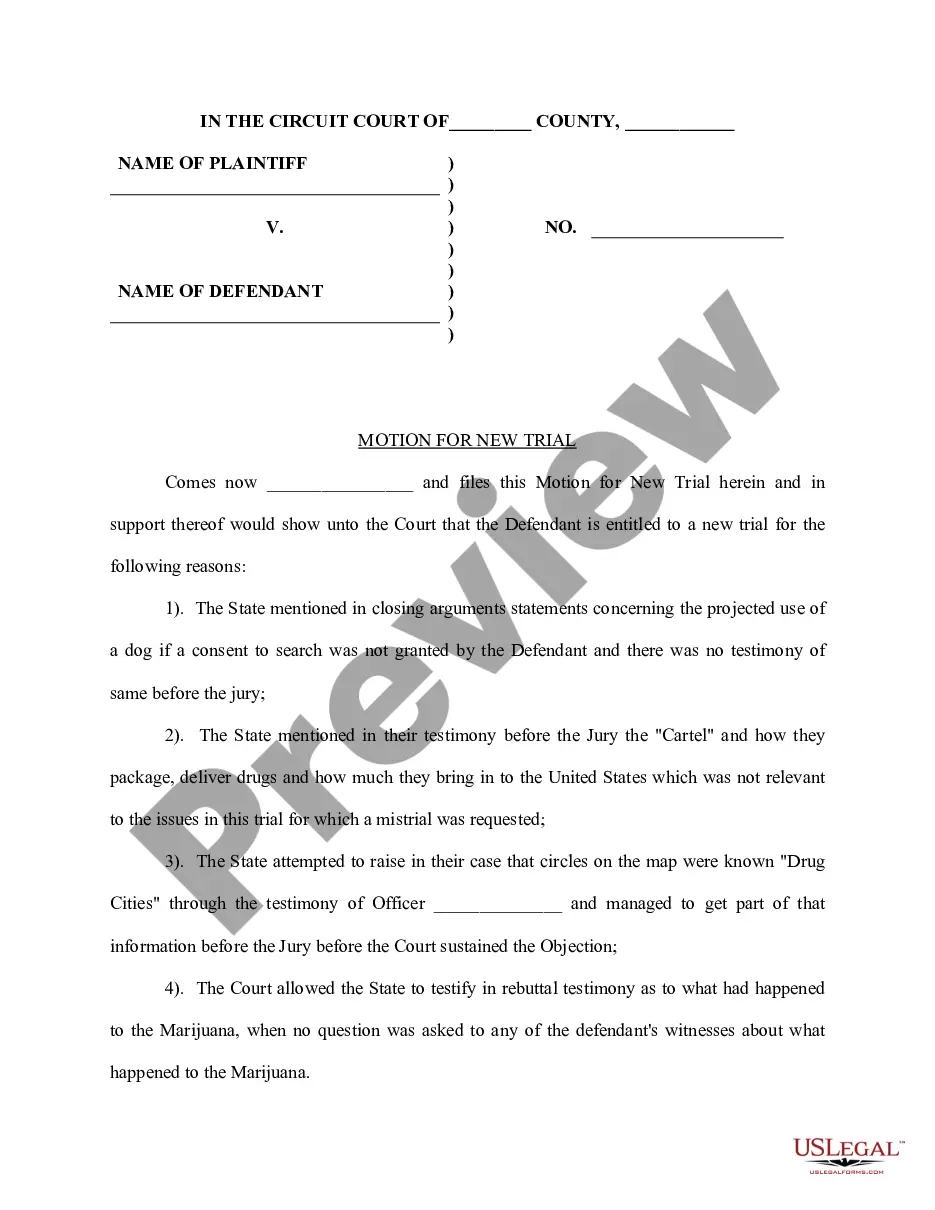

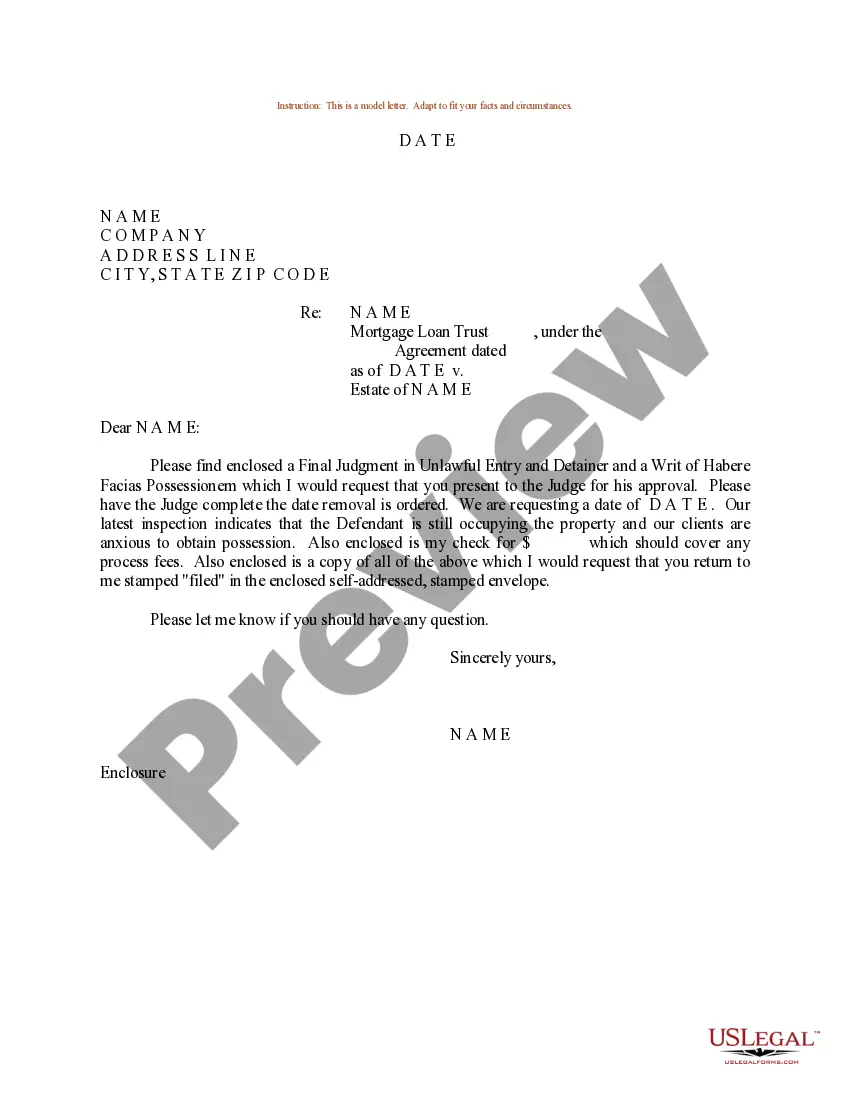
How to fill out Sample Letter For Final Judgment - Writ Of Possession?
It’s clear that you cannot become a legal specialist instantly, nor can you quickly learn how to draft a Writ Possession Order For Eviction without possessing a specific skill set.
Producing legal documents is a lengthy process that demands particular education and expertise.
So why not entrust the creation of the Writ Possession Order For Eviction to the professionals.
Preview it (if this option is available) and review the accompanying description to ascertain if the Writ Possession Order For Eviction is what you’re looking for.
Start your search again if you require a different form. Register for a free account and select a subscription plan to purchase the form.
- With US Legal Forms, one of the largest legal document libraries, you can discover anything from court papers to templates for internal business communications.
- We understand how crucial compliance and adherence to federal and local regulations are.
- That’s why, on our site, all templates are location-specific and current.
- Here’s how you can begin with our platform and obtain the form you require in just minutes.
- Locate the document you seek by utilizing the search bar at the top of the page.
Form popularity
FAQ
If the tenant does not move after three (3) business days from the time the warrant for possession was served on the tenant, the landlord may arrange for the Court Officer to have the tenant evicted or locked out. Following the eviction, the landlord must let the tenant remove personal belongings from the premises.
If you win the case, a Writ of Possession will be issued. Then the sheriff will post this notice to the tenant five to 15 days after judgment. Finally, the sheriff lockout will occur approximately one week later. You should be prepared to meet the sheriff for the lockout and hire a locksmith.
After the creditor landlord obtains a judgment in an unlawful detainer action, the court may issue a Writ of Possession (real property) that authorizes the Sheriff to remove (evict) the occupants from the property. The eviction is scheduled as soon as possible after the expiration of the 5-day period.
If you rent on a month-to-month basis, you must give the landlord 30 days' notice when you plan to move. Similarly, the landlord must give you 30 days' notice of a change in rent or conditions.
Writ of Possession - A Writ of Possession is an order by the court which directs the physical removal of the defendant(s), at the request of the plaintiff, by a Sheriff Officer.