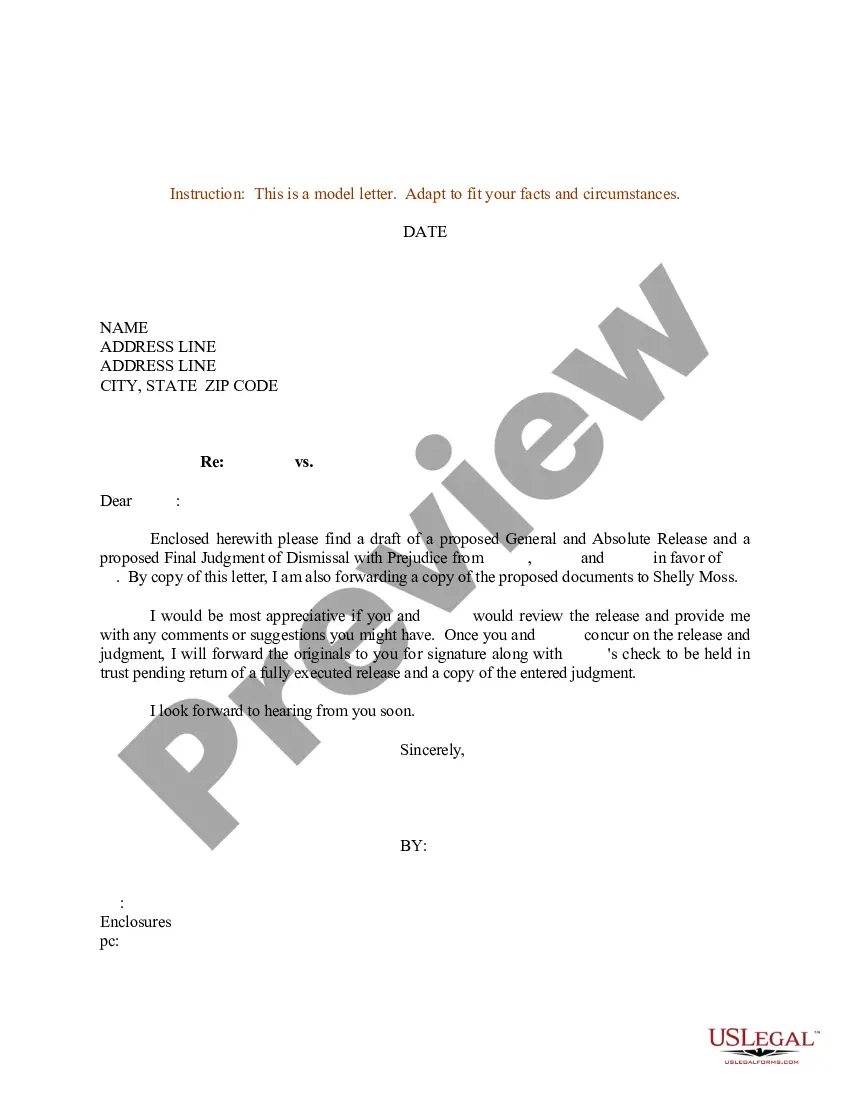
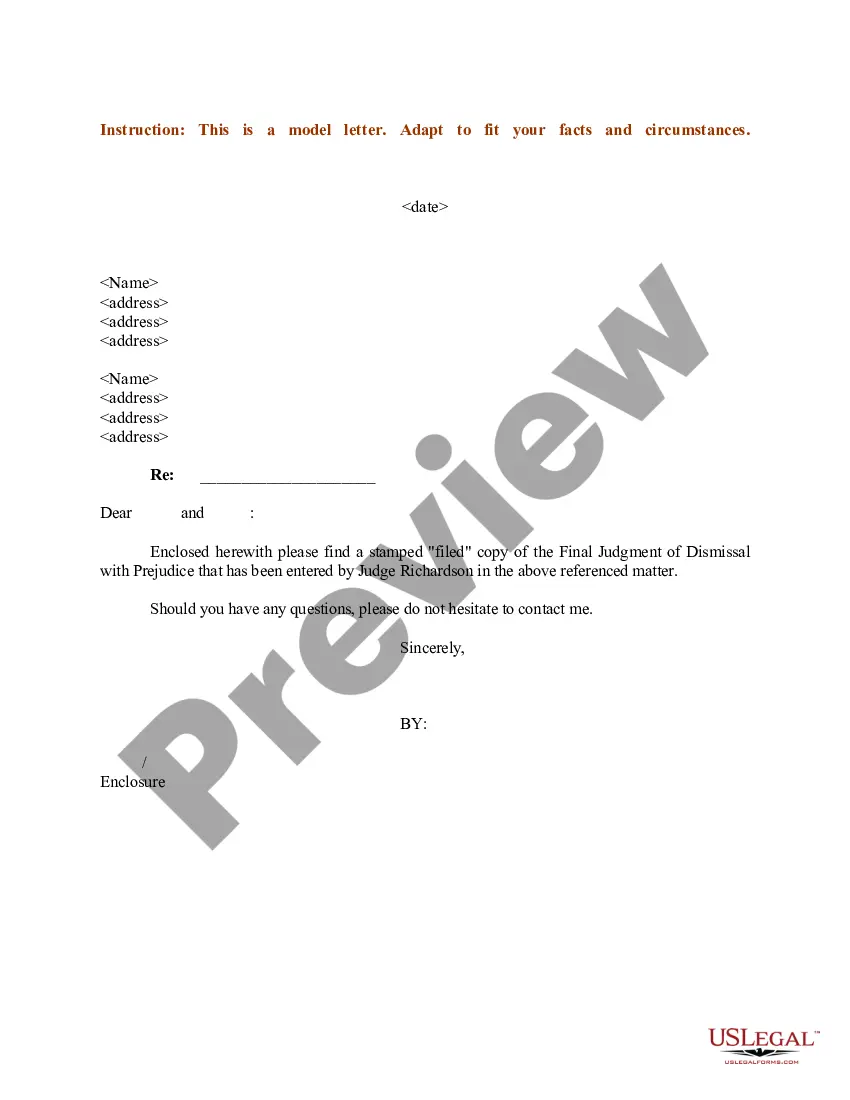
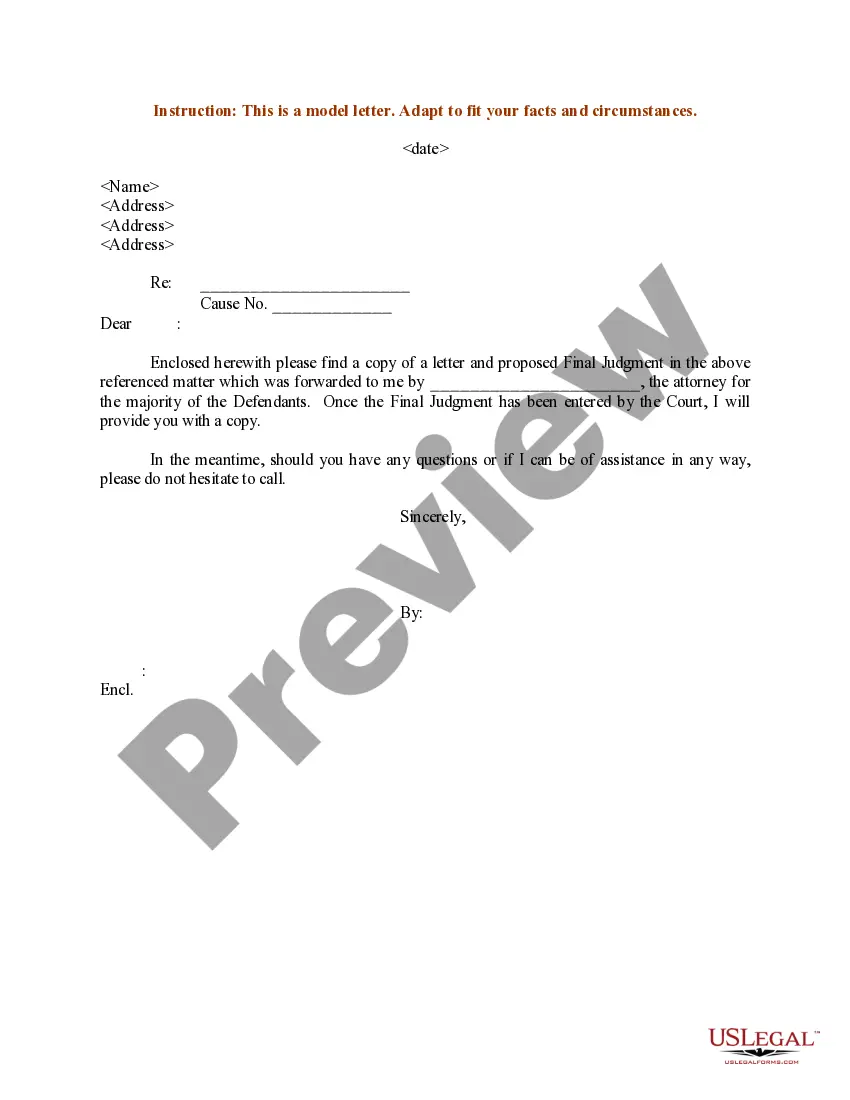
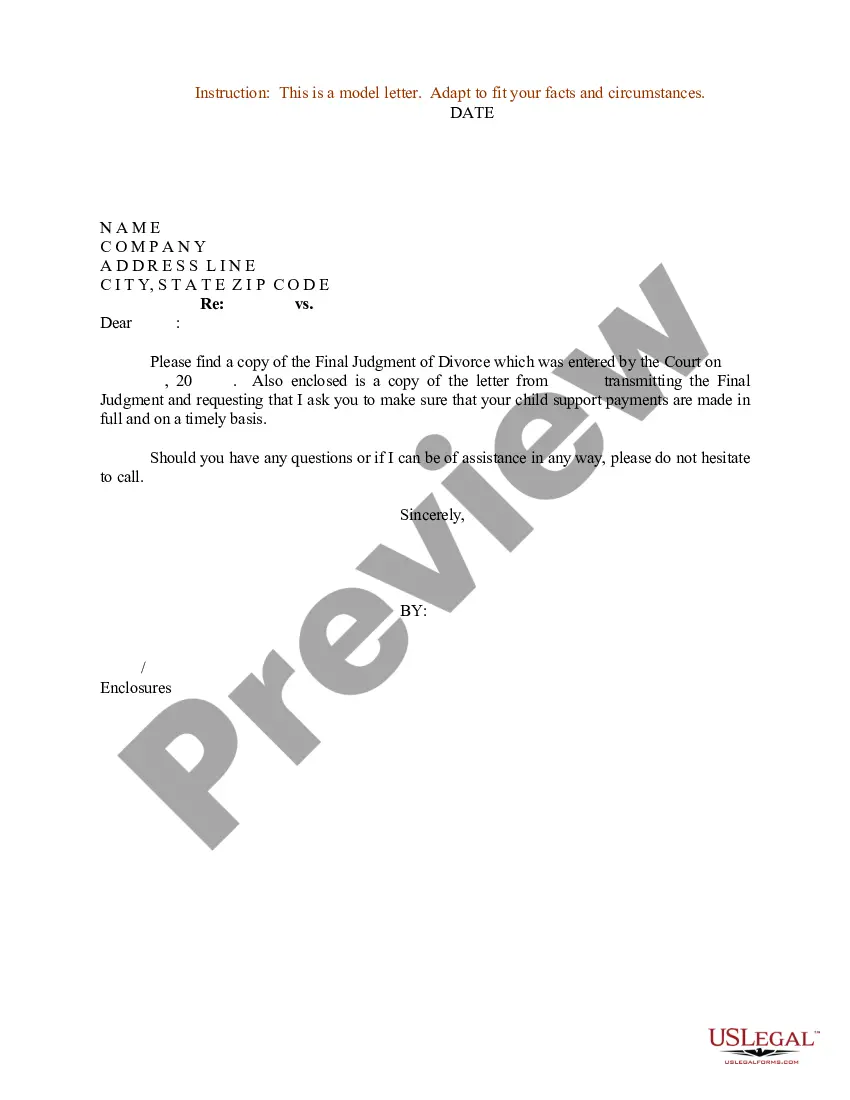
Final Judgment Dismissal Without Prejudice
Description

Get your form ready online
Our built-in tools help you complete, sign, share, and store your documents in one place.
Make edits, fill in missing information, and update formatting in US Legal Forms—just like you would in MS Word.
Download a copy, print it, send it by email, or mail it via USPS—whatever works best for your next step.
Sign and collect signatures with our SignNow integration. Send to multiple recipients, set reminders, and more. Go Premium to unlock E-Sign.
If this form requires notarization, complete it online through a secure video call—no need to meet a notary in person or wait for an appointment.
We protect your documents and personal data by following strict security and privacy standards.

Make edits, fill in missing information, and update formatting in US Legal Forms—just like you would in MS Word.

Download a copy, print it, send it by email, or mail it via USPS—whatever works best for your next step.

Sign and collect signatures with our SignNow integration. Send to multiple recipients, set reminders, and more. Go Premium to unlock E-Sign.

If this form requires notarization, complete it online through a secure video call—no need to meet a notary in person or wait for an appointment.

We protect your documents and personal data by following strict security and privacy standards.
Looking for another form?





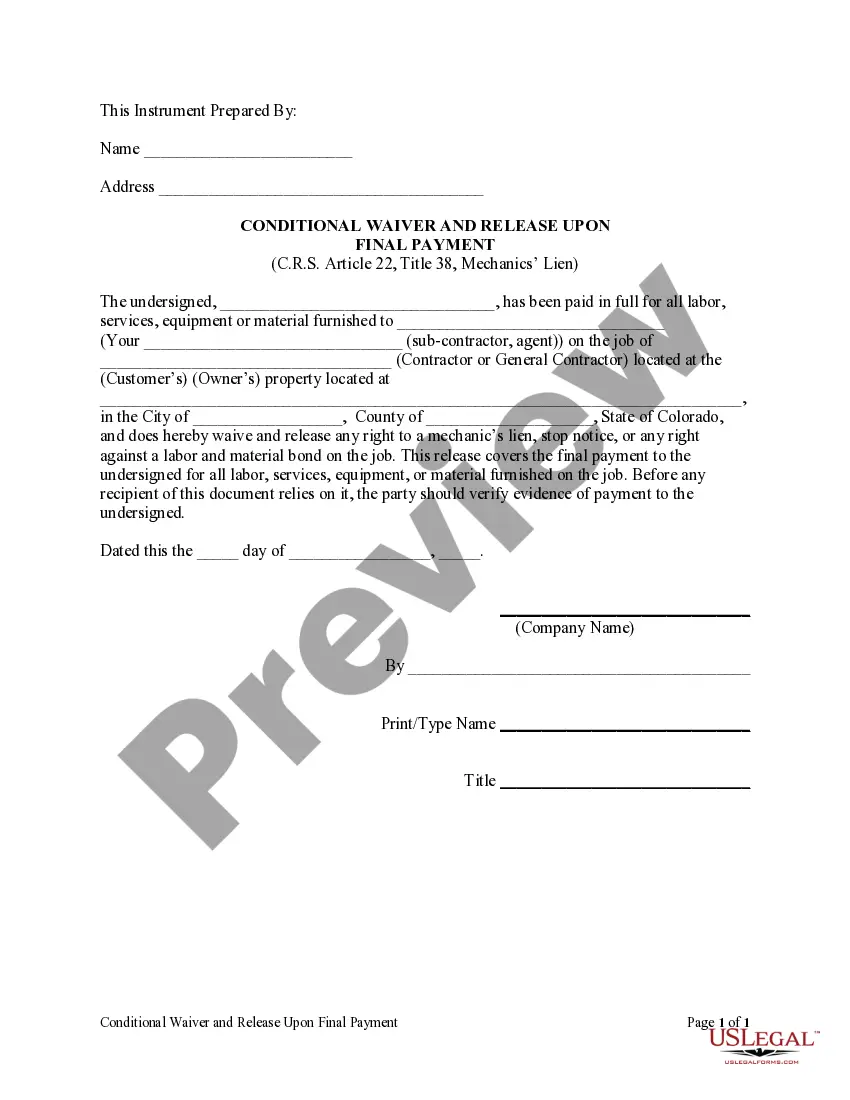



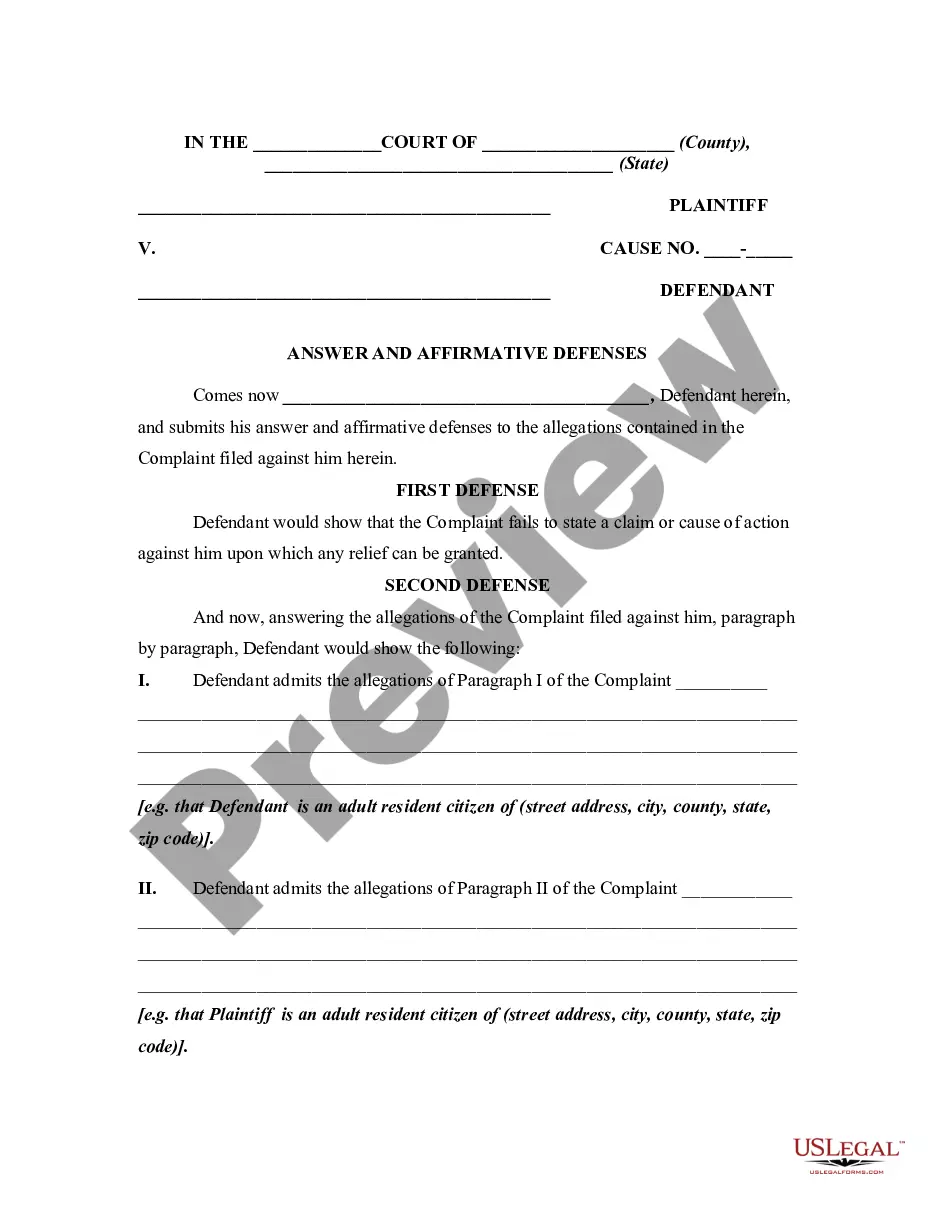
How to fill out Sample Letter For Final Judgment Of Dismissal With Prejudice?
Legal paperwork supervision can be daunting, even for the most experienced professionals.
When you are looking for a Final Judgment Dismissal Without Prejudice and do not have the opportunity to spend time seeking the appropriate and current version, the process can be challenging.
US Legal Forms addresses any requirements you may have, ranging from personal to corporate paperwork, all in one platform.
Utilize advanced tools to complete and manage your Final Judgment Dismissal Without Prejudice.
Here are the steps to follow after downloading the form you require: Verify it is the right form by previewing it and reviewing its description. Ensure that the template is recognized in your state or county. Click Buy Now when you are prepared. Choose a subscription plan. Select the file format you desire, and Download, complete, eSign, print, and submit your documents. Take advantage of the US Legal Forms online catalog, backed by 25 years of experience and reliability. Transform your everyday document management into a streamlined and user-friendly experience today.
- Access a valuable repository of articles, guides, and resources pertinent to your circumstances and needs.
- Save time and effort searching for the documents you require, and use US Legal Forms’ sophisticated search and Preview feature to locate Final Judgment Dismissal Without Prejudice and obtain it.
- If you have a subscription, Log In to your US Legal Forms account, search for the form, and retrieve it.
- Check your My documents tab to view the documents you have previously saved and to organize your folders as needed.
- If it is your first time with US Legal Forms, create a free account and gain unlimited access to all the features of the library.
- A robust online form repository could significantly improve the way anyone handles these circumstances.
- US Legal Forms is a leading provider in online legal documents, with over 85,000 state-specific legal forms available to you at any time.
- With US Legal Forms, you can access state- or county-specific legal and business documents.
Form popularity
FAQ
If you filed the case, you can ask that it be dismissed. Depending on the circumstances, the judge may dismiss it with prejudice, meaning you can't file it again. Or without prejudice, meaning you can refile it when you are ready.
If a decision or action is made without prejudice to a right or claim, it is made without having an effect on that right or claim: My client accepts the formal apology without prejudice to any further legal action she may decide to take.
Dismissed-no cost means the petition has been dismissed to the favour of the respondent, but the petitioner need not pay any litigation expenses to the respondent.
For example, an employer might admit in a without prejudice communication that it had failed to carry out certain procedures which might otherwise render a dismissal unfair, but the employee would normally not be able to show that admission to an Employment Tribunal to try and prove their claim.
In general, a party's admission to something can be used against them in court. The without prejudice (WP) rule means that statements which are made in a genuine attempt to settle a dispute cannot be used in court as evidence of admissions against the party that made them.