Special Needs Trust For Adults
Description
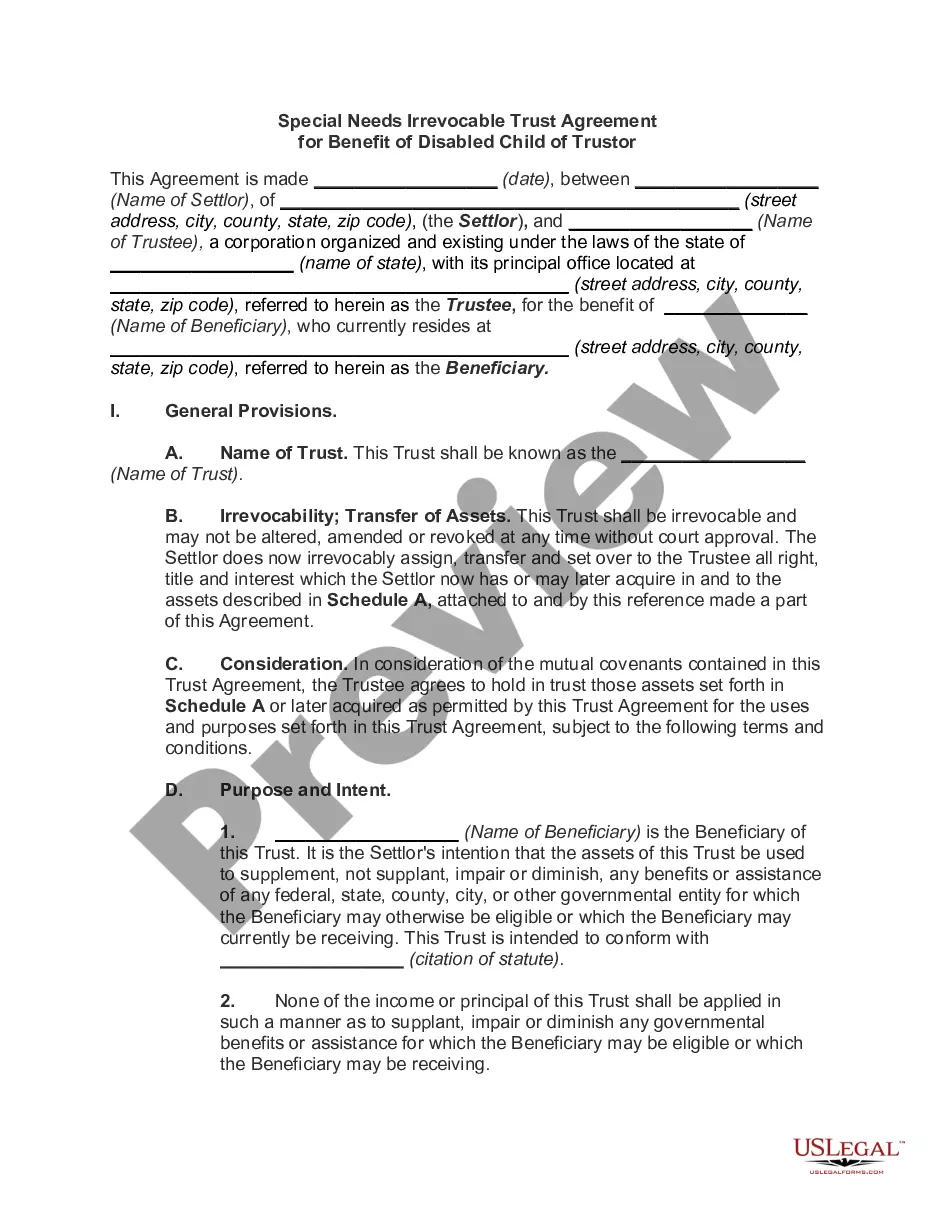
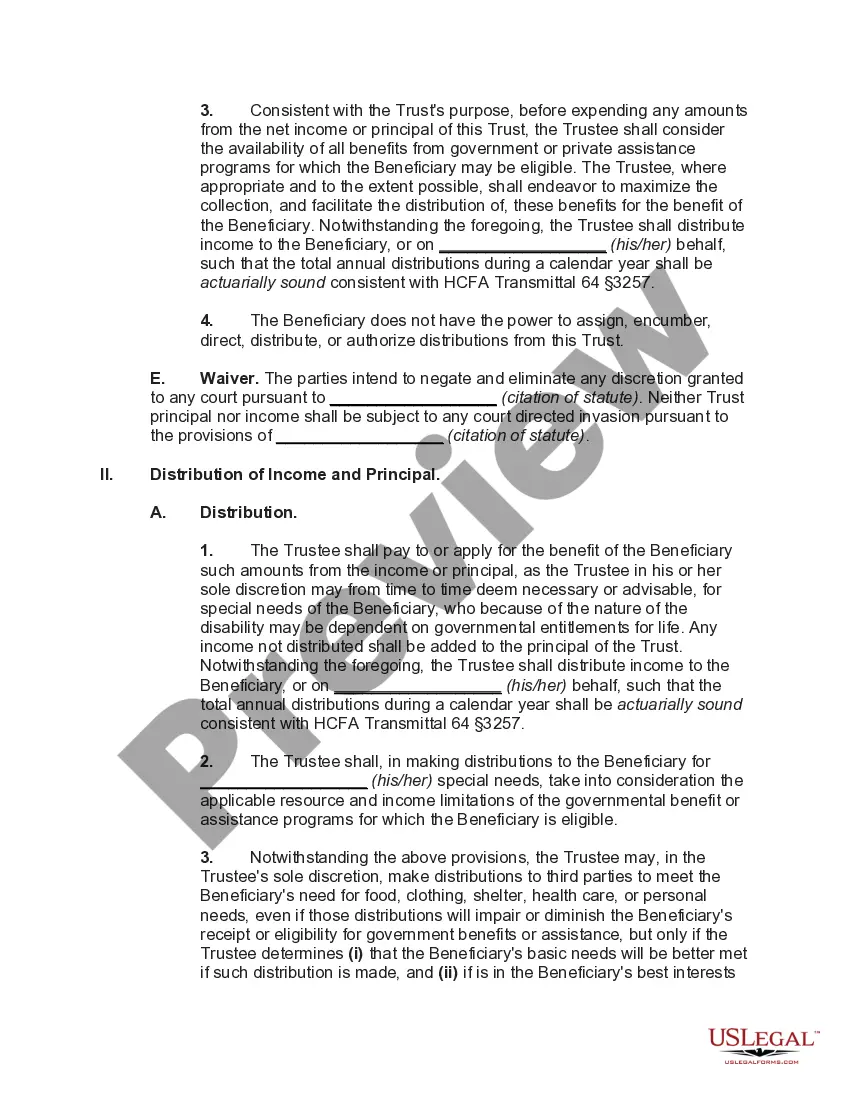
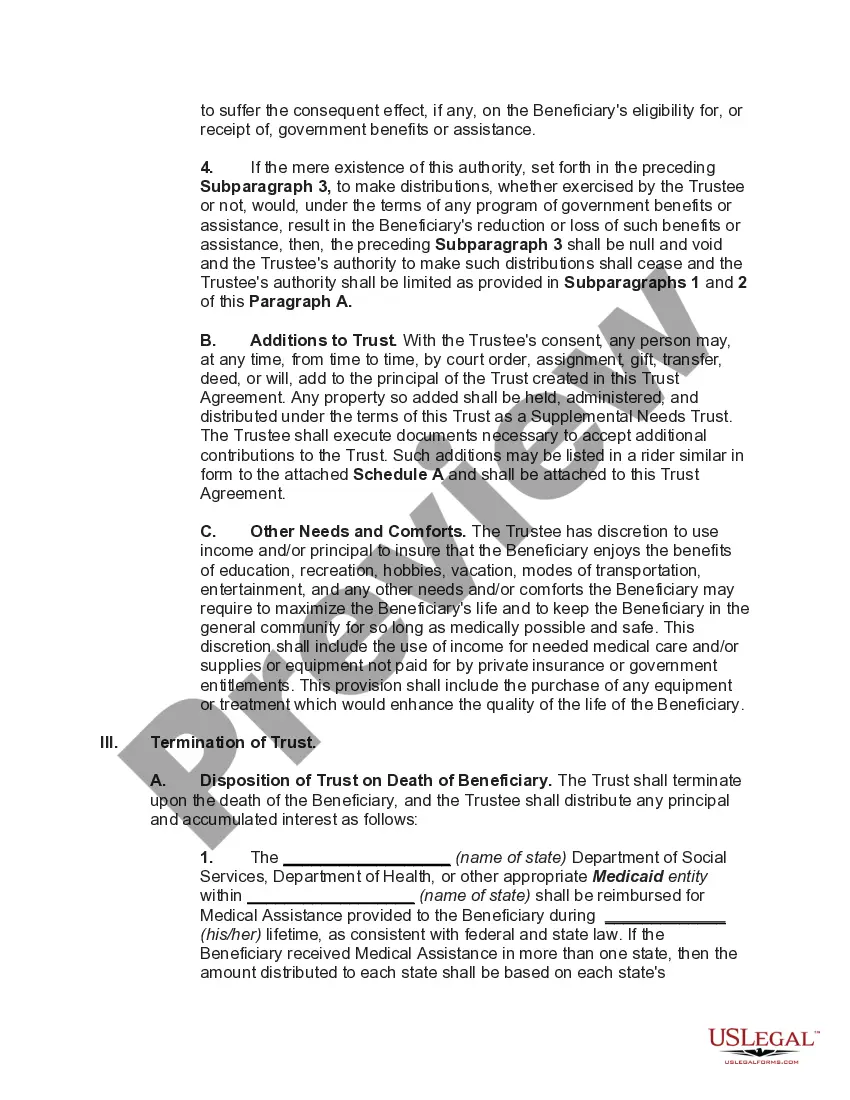
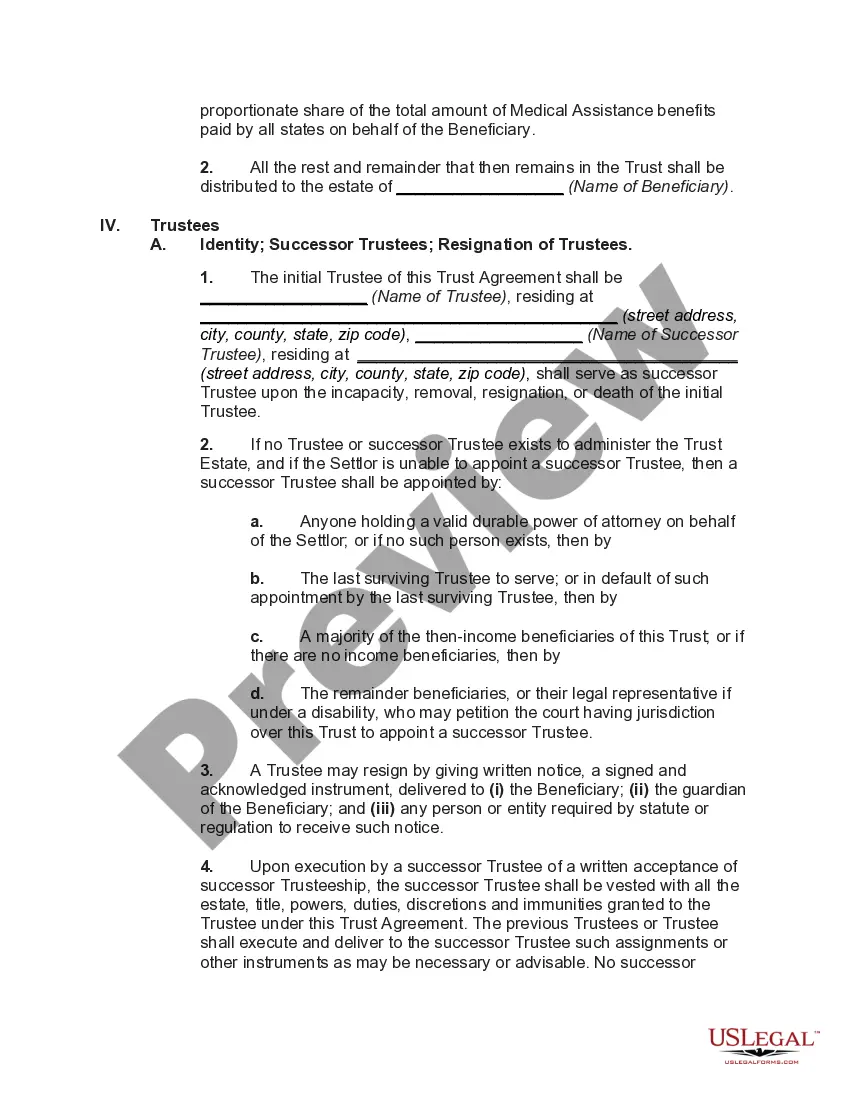
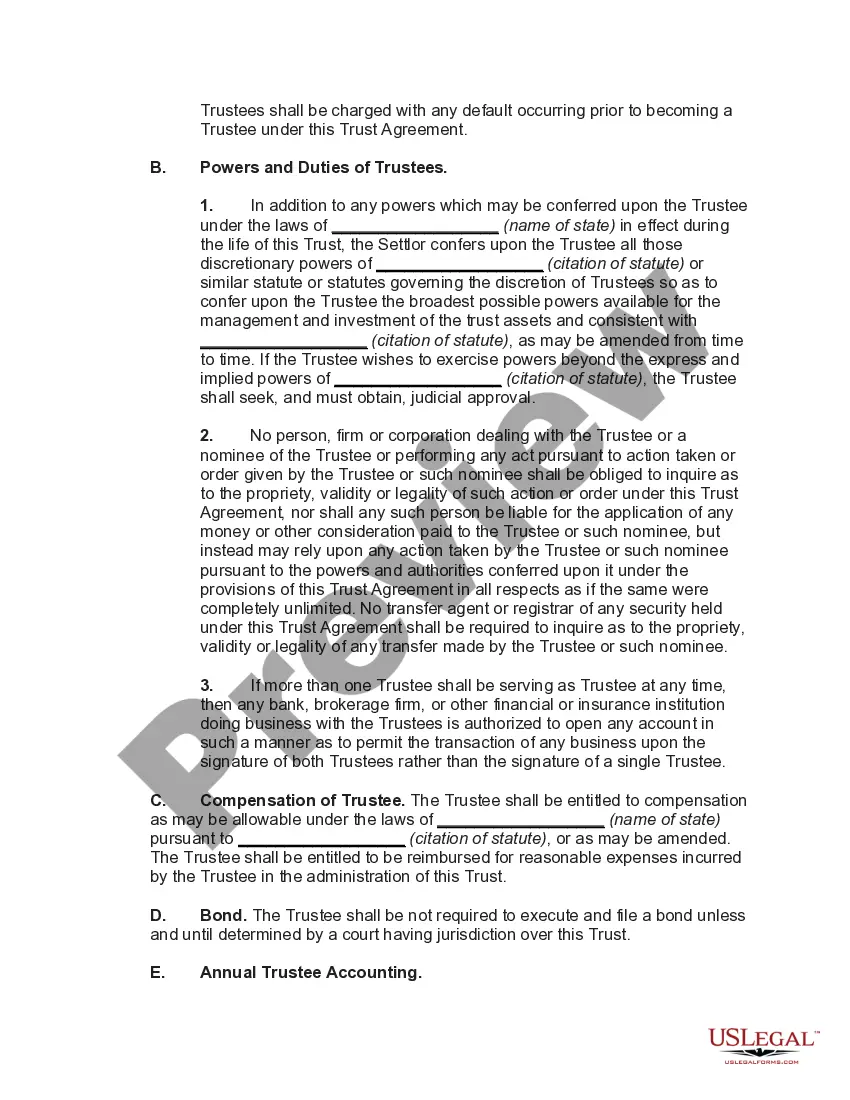
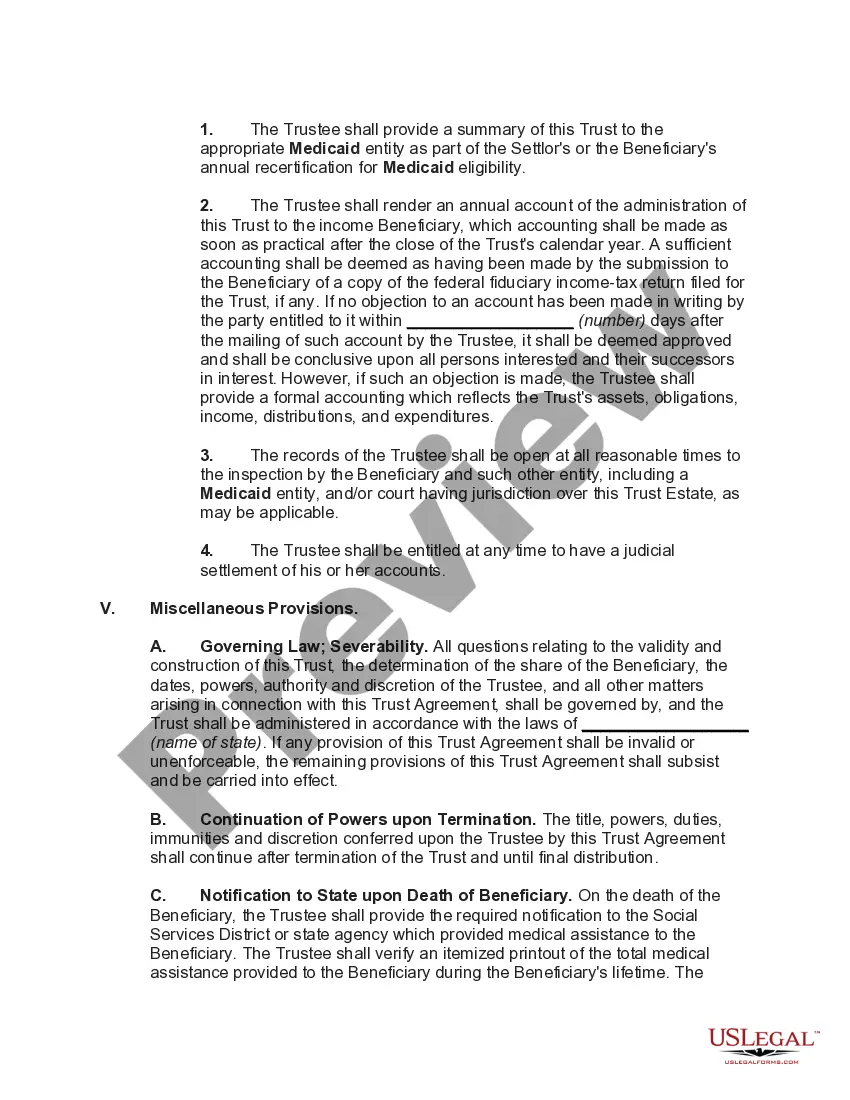
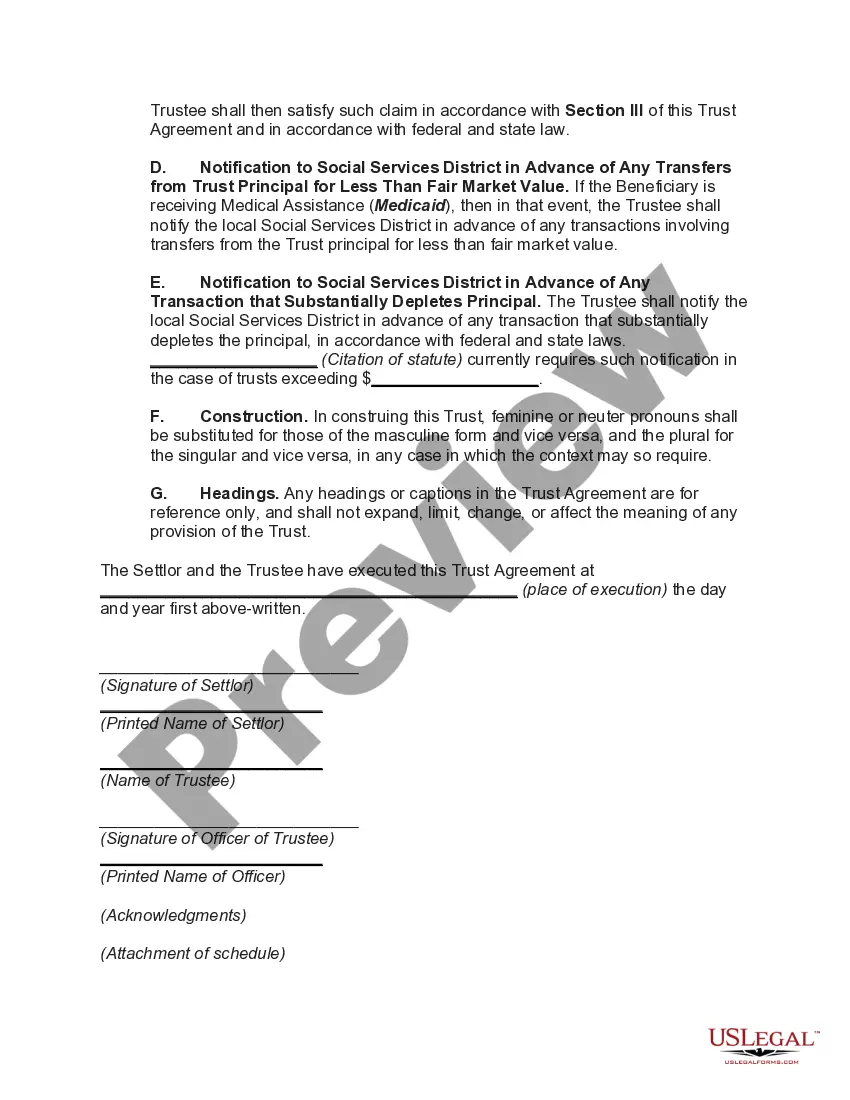
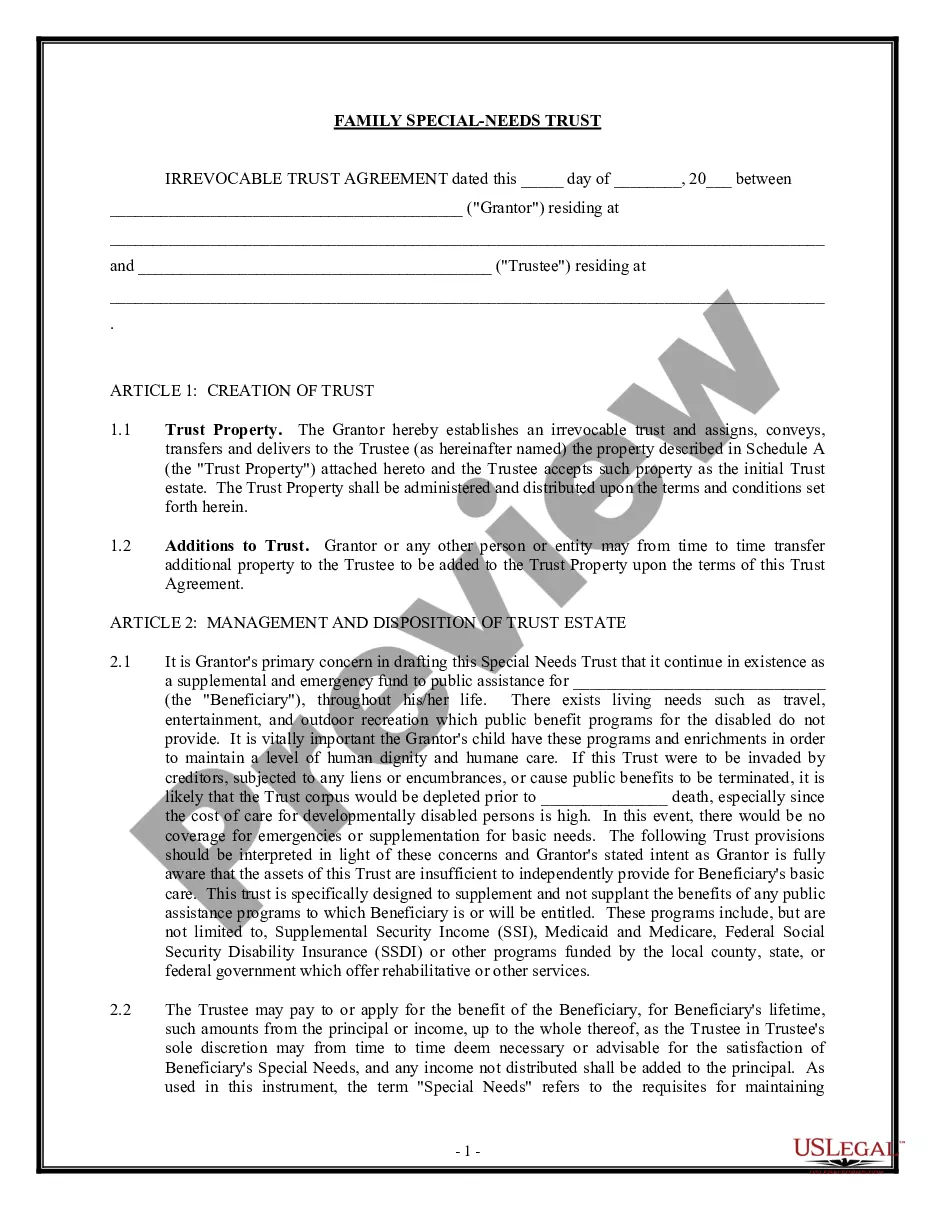



Get your form ready online
Our built-in tools help you complete, sign, share, and store your documents in one place.
Make edits, fill in missing information, and update formatting in US Legal Forms—just like you would in MS Word.
Download a copy, print it, send it by email, or mail it via USPS—whatever works best for your next step.
Sign and collect signatures with our SignNow integration. Send to multiple recipients, set reminders, and more. Go Premium to unlock E-Sign.
If this form requires notarization, complete it online through a secure video call—no need to meet a notary in person or wait for an appointment.
We protect your documents and personal data by following strict security and privacy standards.

Make edits, fill in missing information, and update formatting in US Legal Forms—just like you would in MS Word.

Download a copy, print it, send it by email, or mail it via USPS—whatever works best for your next step.

Sign and collect signatures with our SignNow integration. Send to multiple recipients, set reminders, and more. Go Premium to unlock E-Sign.

If this form requires notarization, complete it online through a secure video call—no need to meet a notary in person or wait for an appointment.

We protect your documents and personal data by following strict security and privacy standards.
Looking for another form?



How to fill out Special Needs Irrevocable Trust Agreement For Benefit Of Disabled Child Of Trustor?
Securing a reliable location to obtain the most up-to-date and pertinent legal documents is half the battle in navigating bureaucracy. Selecting the correct legal forms necessitates accuracy and meticulousness, which is why it is crucial to acquire examples of Special Needs Trust For Adults solely from trustworthy providers, such as US Legal Forms. An incorrect document will squander your time and prolong your current predicament. With US Legal Forms, you have minimal concerns. You can access and review all the details about the document’s application and significance for your particular situation and in your jurisdiction.
Follow the outlined steps to finalize your Special Needs Trust For Adults.
Once you have the document on your device, you can modify it with the editor or print it out to complete it by hand. Alleviate the stress associated with your legal paperwork. Explore the extensive US Legal Forms library to locate legal templates, verify their relevance to your case, and download them immediately.
- Use the catalog navigation or search bar to find your template.
- Open the form’s details to verify if it meets the requirements of your state and area.
- View the form preview, if available, to confirm that it is indeed the document you need.
- Continue searching and seek the suitable document if the Special Needs Trust For Adults does not match your criteria.
- If you are certain about the form’s applicability, download it.
- If you are a registered user, click Log in to verify and access your selected forms in My documents.
- If you do not yet have an account, click Buy now to acquire the template.
- Select the pricing option that fits your needs.
- Proceed to register to finalize your purchase.
- Complete your transaction by choosing a payment method (credit card or PayPal).
- Select the file format for downloading Special Needs Trust For Adults.
Form popularity
FAQ
While special needs trusts for adults offer many benefits, they do come with certain downsides. One concern is the complexity of setting up and managing the trust, which may require legal guidance. Additionally, there may be restrictions on how funds can be used, which can limit some financial flexibility. However, with the right resources, such as US Legal Forms, you can navigate these challenges effectively.
The best trust for a disabled person often depends on individual circumstances, but many experts recommend a special needs trust for adults. This type of trust allows individuals to maintain their government benefits while receiving additional support for their needs. It is essential to tailor the trust to specific financial and personal goals. Using platforms like US Legal Forms can simplify the process and ensure that you select the right trust structure.
There are primarily two types of special needs trusts for adults: first-party trusts and third-party trusts. First-party trusts are funded with the disabled person's own assets, while third-party trusts are funded by someone else, typically family members. Each type serves a specific purpose and can help protect the individual's eligibility for government benefits. Understanding these options is crucial, and US Legal Forms can assist you in choosing the right special needs trust for adults.
The time required to establish a special needs trust for adults can vary significantly based on several factors, including the complexity of the individual's situation and the state's legal requirements. Generally, you can expect the process to take anywhere from a few weeks to a couple of months. Working with a knowledgeable attorney can expedite the process and ensure all necessary documents are correctly prepared. Platforms like USLegalForms simplify the creation of these trusts, making it easier to get started.
Typically, a special needs trust for adults is designed for individuals who have a documented disability that limits their ability to manage finances. To qualify, the person must rely on government benefits for support, such as Supplemental Security Income (SSI) or Medicaid. Establishing this trust can help preserve their assets while ensuring they remain eligible for these crucial benefits. It's best to consult a legal professional to determine specific eligibility.
One downside of a special needs trust for adults is the complexity involved in setting it up. You might need to navigate legal requirements and ensure compliance with government regulations. Additionally, if not managed correctly, funds in the trust could affect eligibility for government benefits. It's essential to consult with a legal expert to avoid potential pitfalls.
Setting up a special needs trust for adults involves several key steps. First, you should determine the type of trust that best fits your needs and the needs of the individual with disabilities. Next, it is essential to draft the trust document, which outlines terms and conditions, and appoint a trustee. Finally, you can use platforms like USLegalForms to access templates and legal guidance, ensuring compliance with state laws.
Yes, you may need to file taxes for a special needs trust for adults. The trust itself is typically treated as a separate tax entity, which means it may require its own tax identification number. Income generated by the trust assets could be subject to taxation. However, the specific requirements can vary, so consulting with a tax professional familiar with special needs trusts is advisable.