Right Death Spouse For After
Description
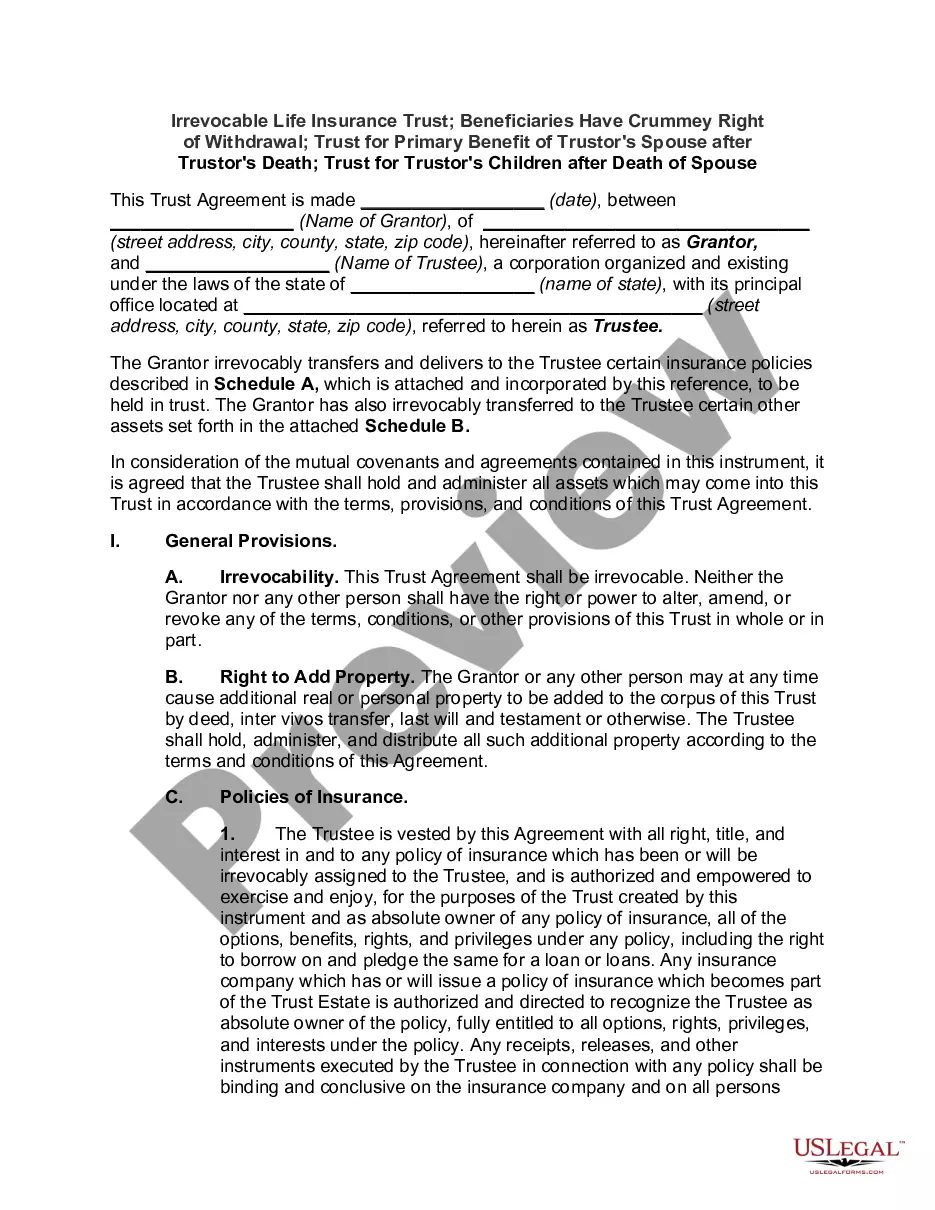
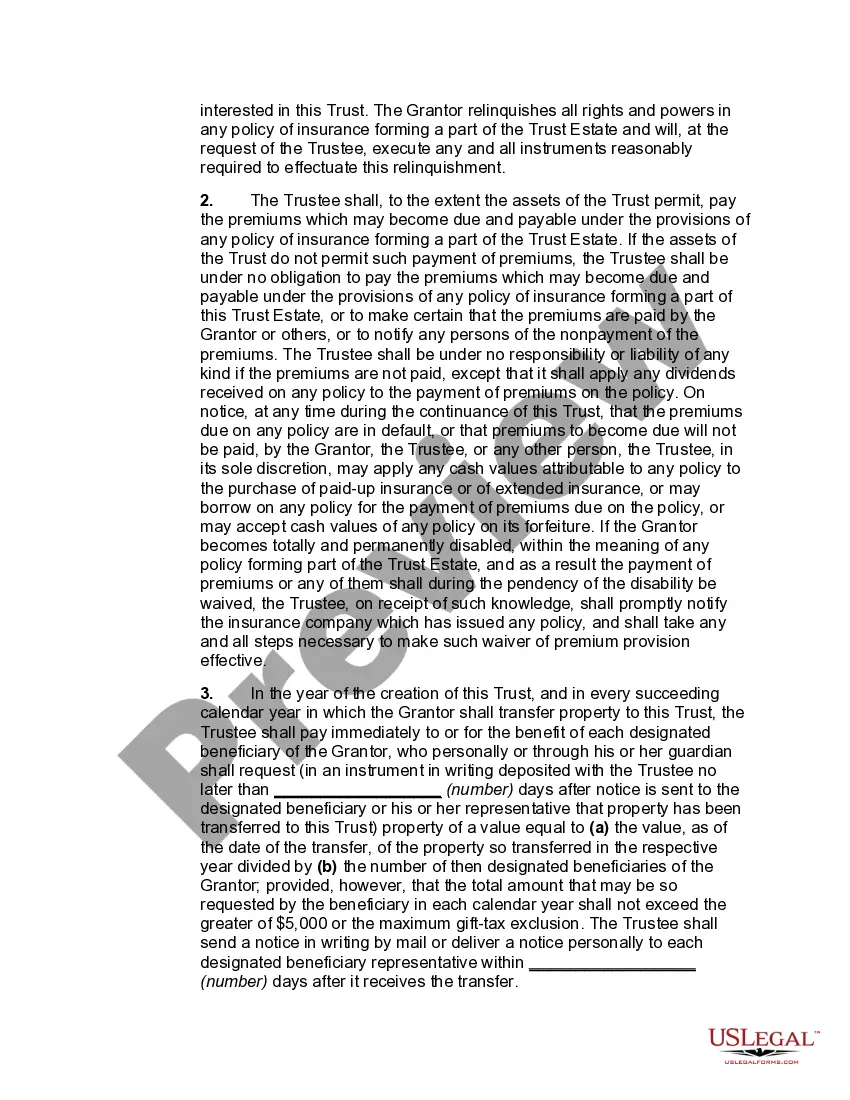
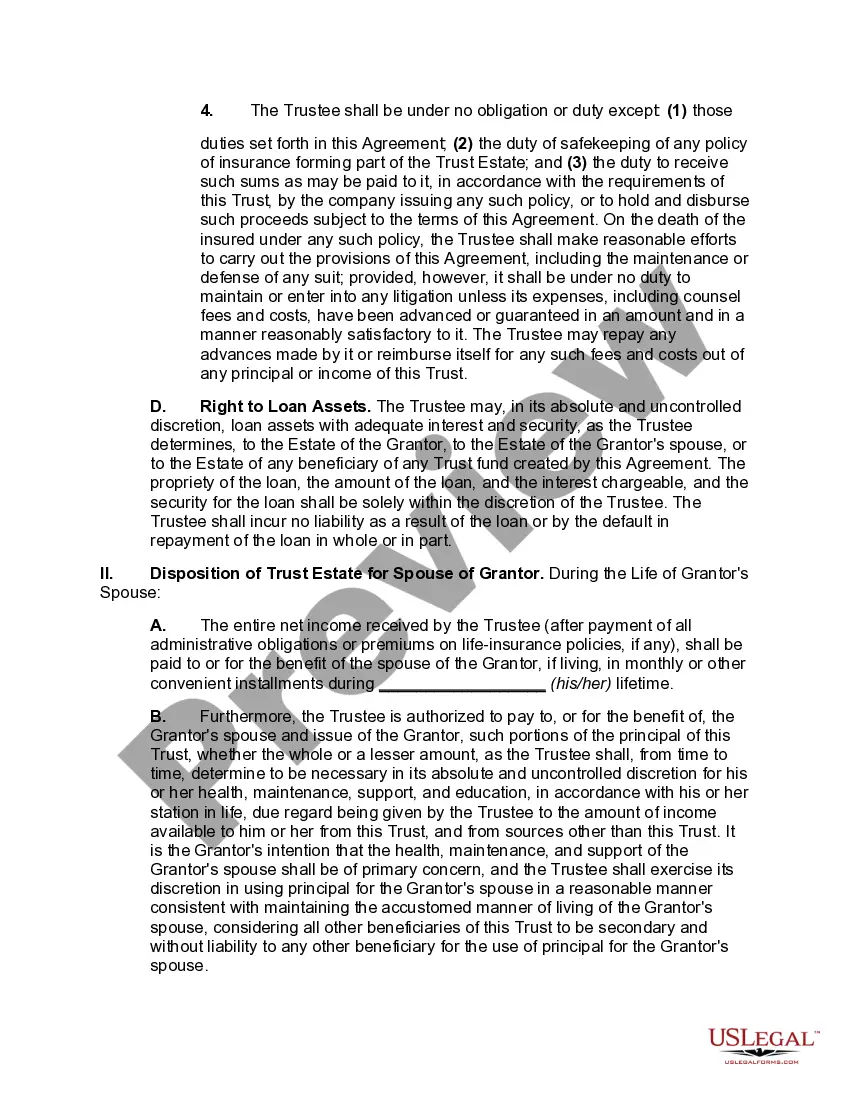
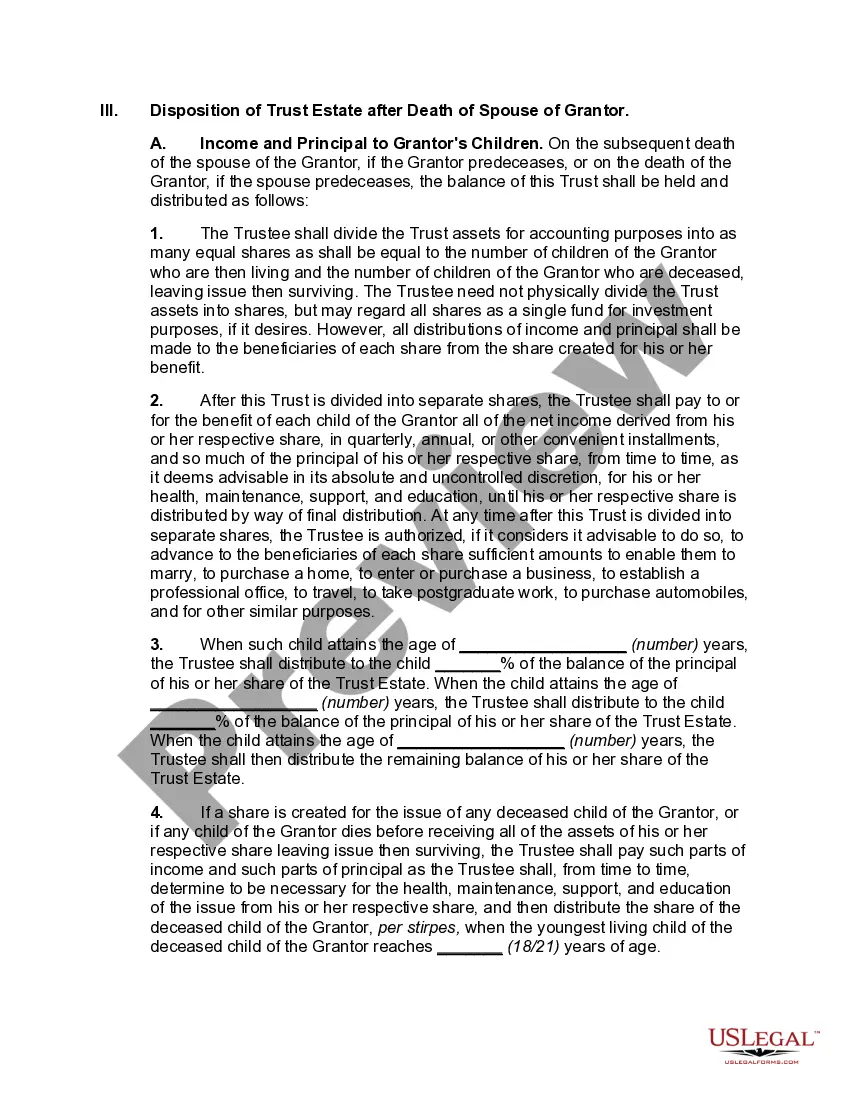
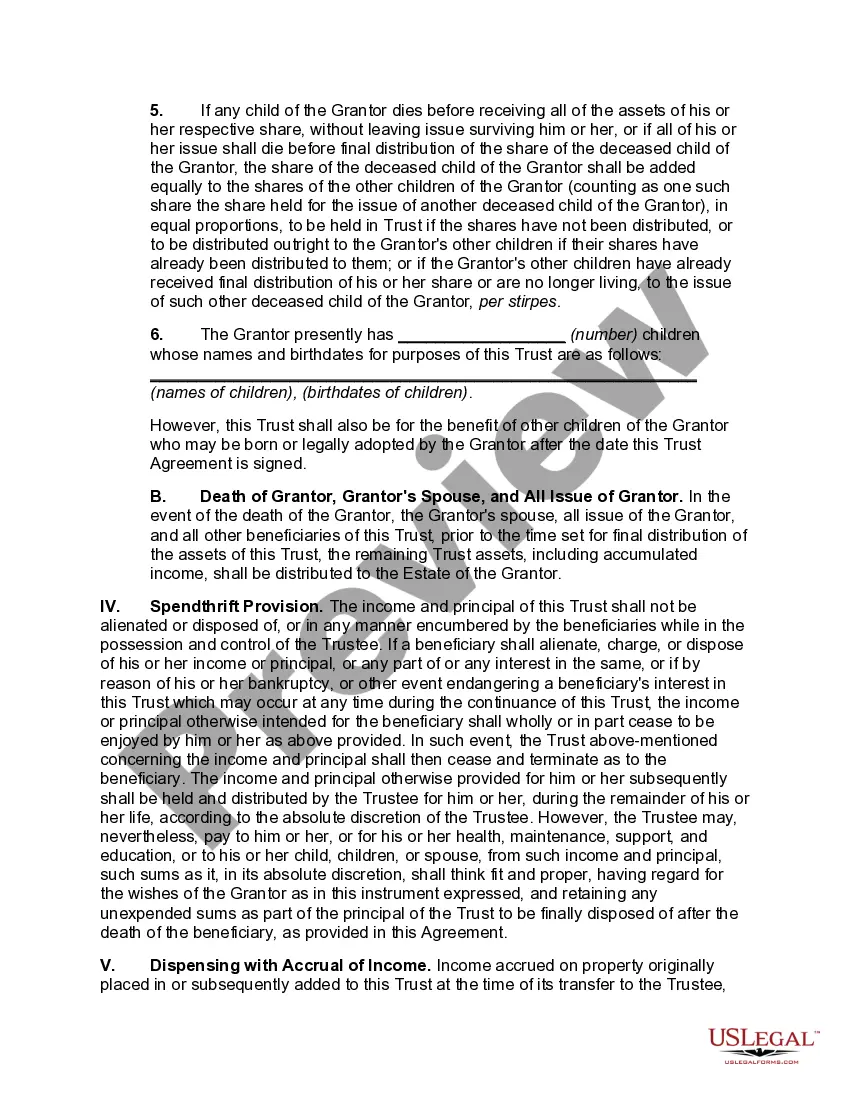
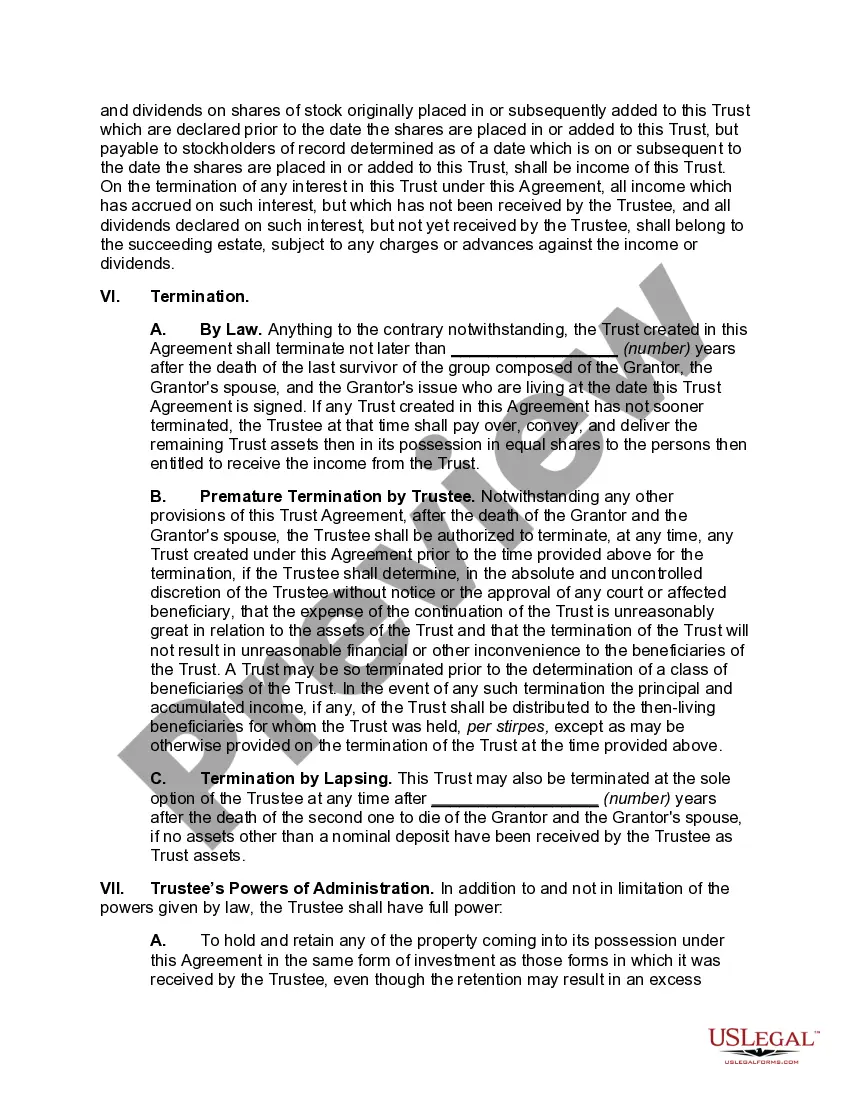
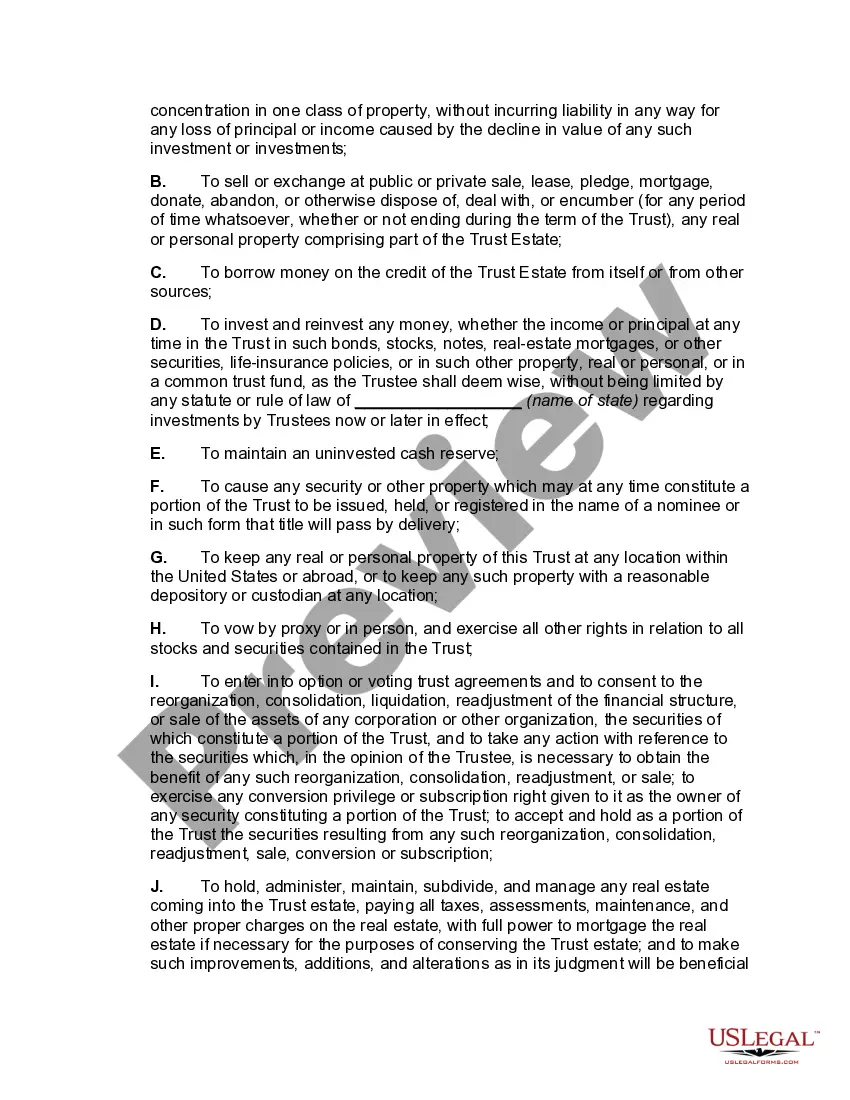
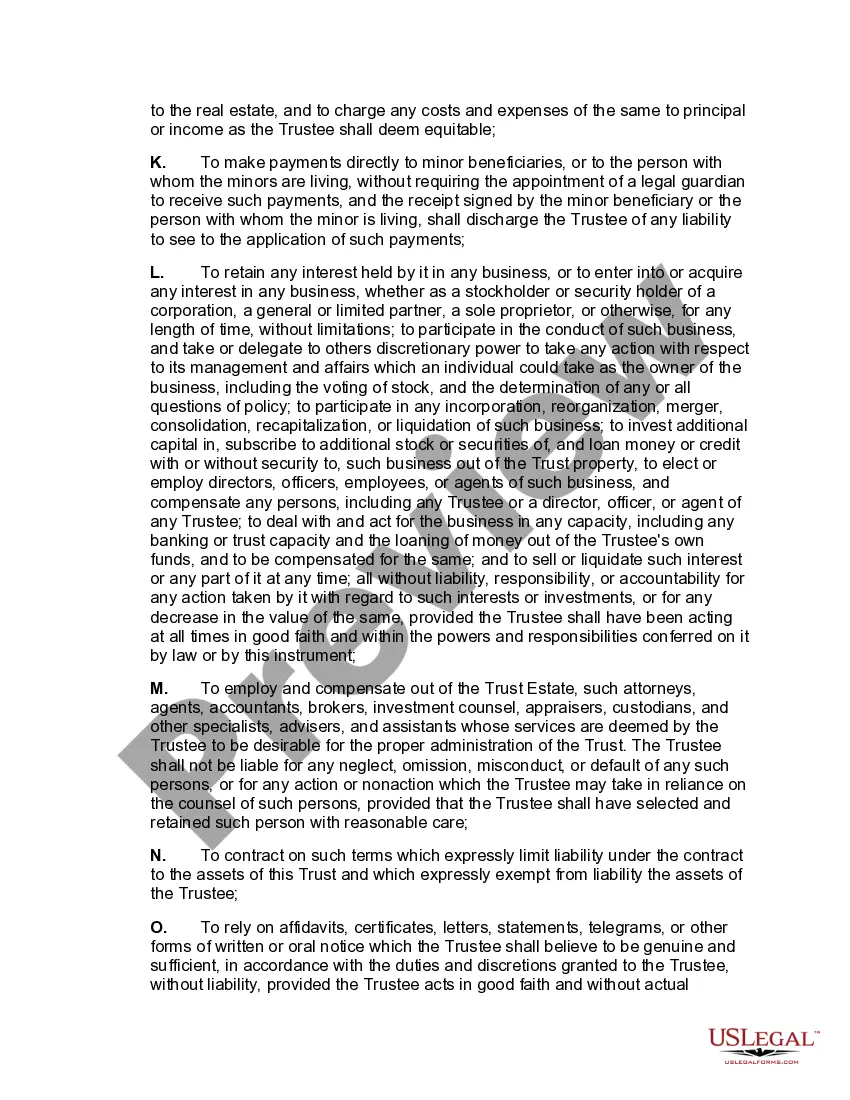
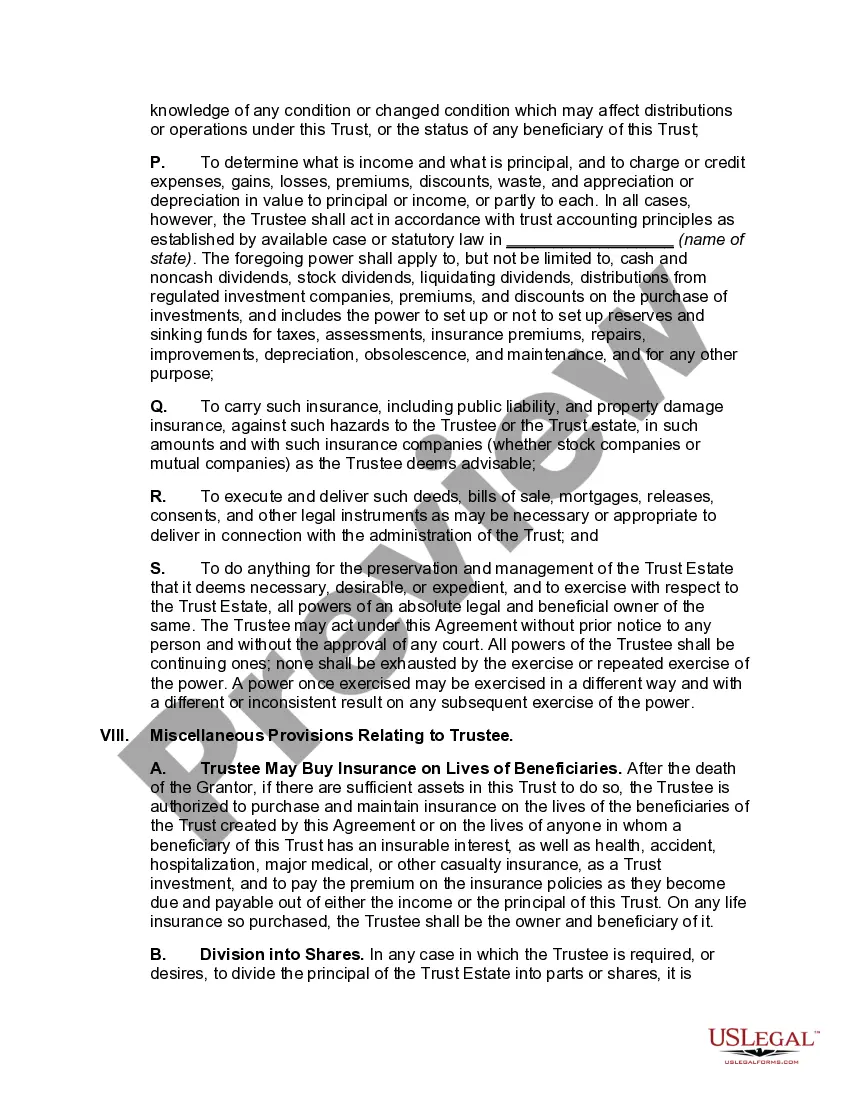
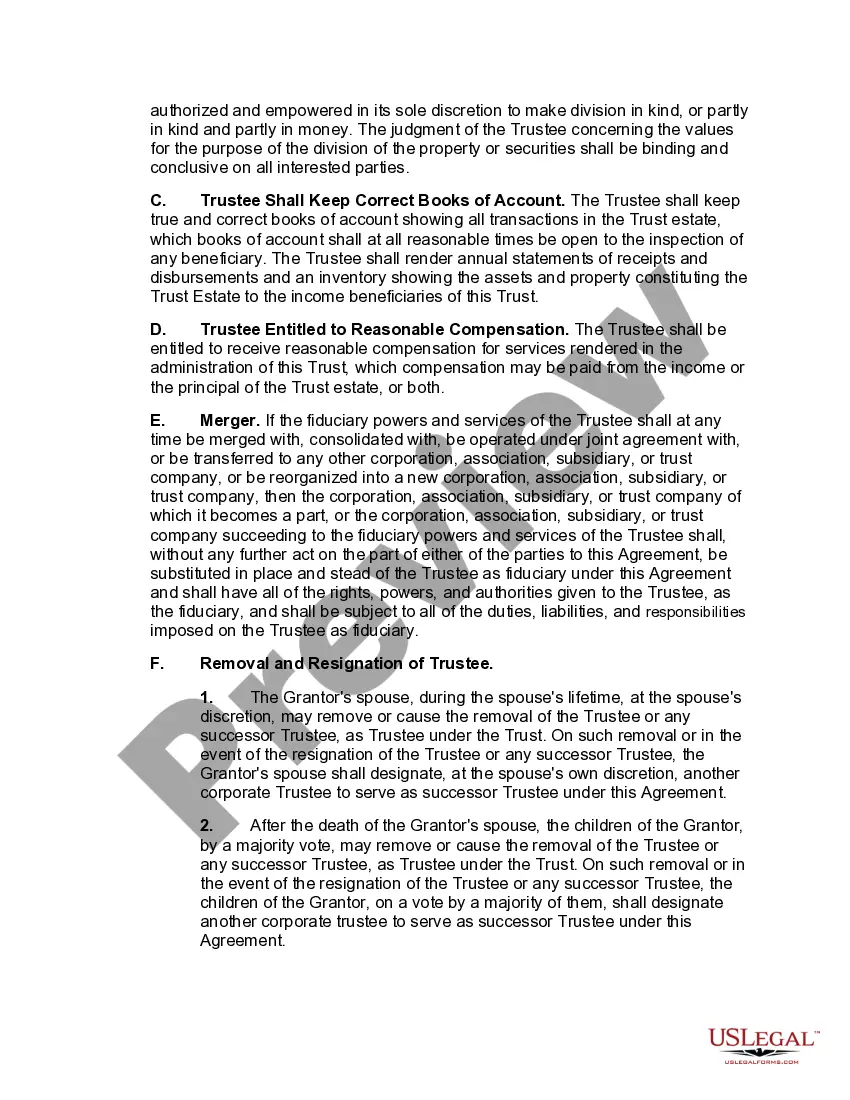

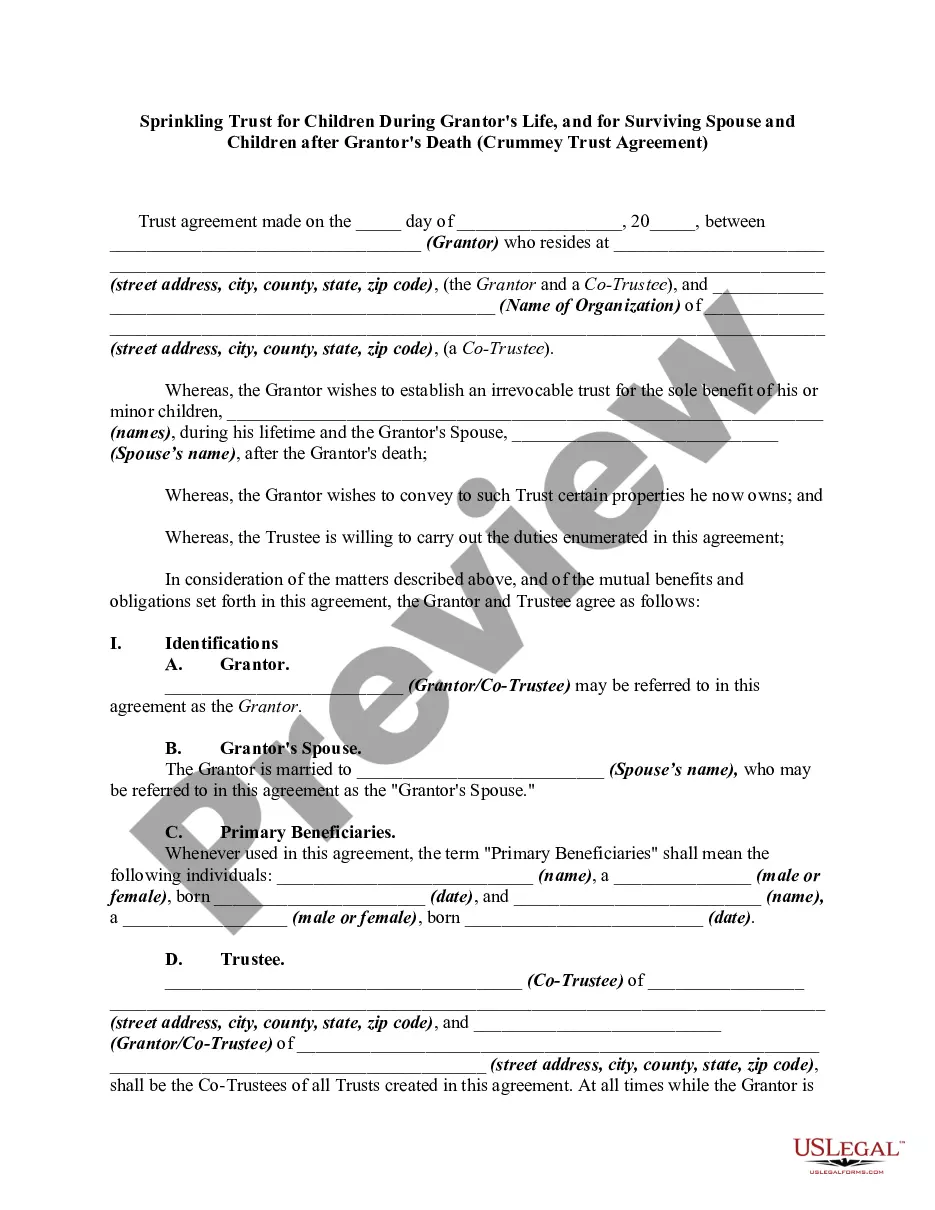
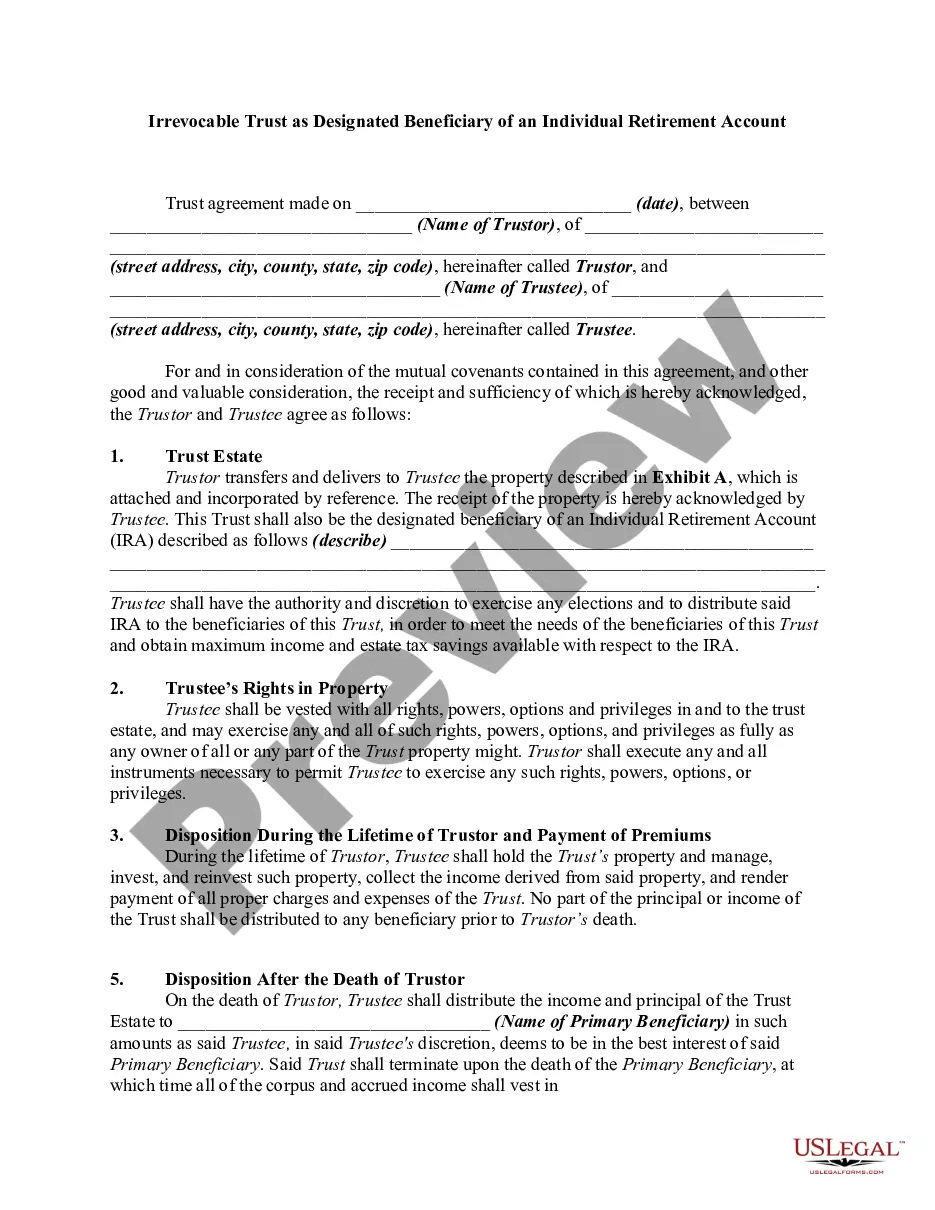
Get your form ready online
Our built-in tools help you complete, sign, share, and store your documents in one place.
Make edits, fill in missing information, and update formatting in US Legal Forms—just like you would in MS Word.
Download a copy, print it, send it by email, or mail it via USPS—whatever works best for your next step.
Sign and collect signatures with our SignNow integration. Send to multiple recipients, set reminders, and more. Go Premium to unlock E-Sign.
If this form requires notarization, complete it online through a secure video call—no need to meet a notary in person or wait for an appointment.
We protect your documents and personal data by following strict security and privacy standards.

Make edits, fill in missing information, and update formatting in US Legal Forms—just like you would in MS Word.

Download a copy, print it, send it by email, or mail it via USPS—whatever works best for your next step.

Sign and collect signatures with our SignNow integration. Send to multiple recipients, set reminders, and more. Go Premium to unlock E-Sign.

If this form requires notarization, complete it online through a secure video call—no need to meet a notary in person or wait for an appointment.

We protect your documents and personal data by following strict security and privacy standards.
Looking for another form?







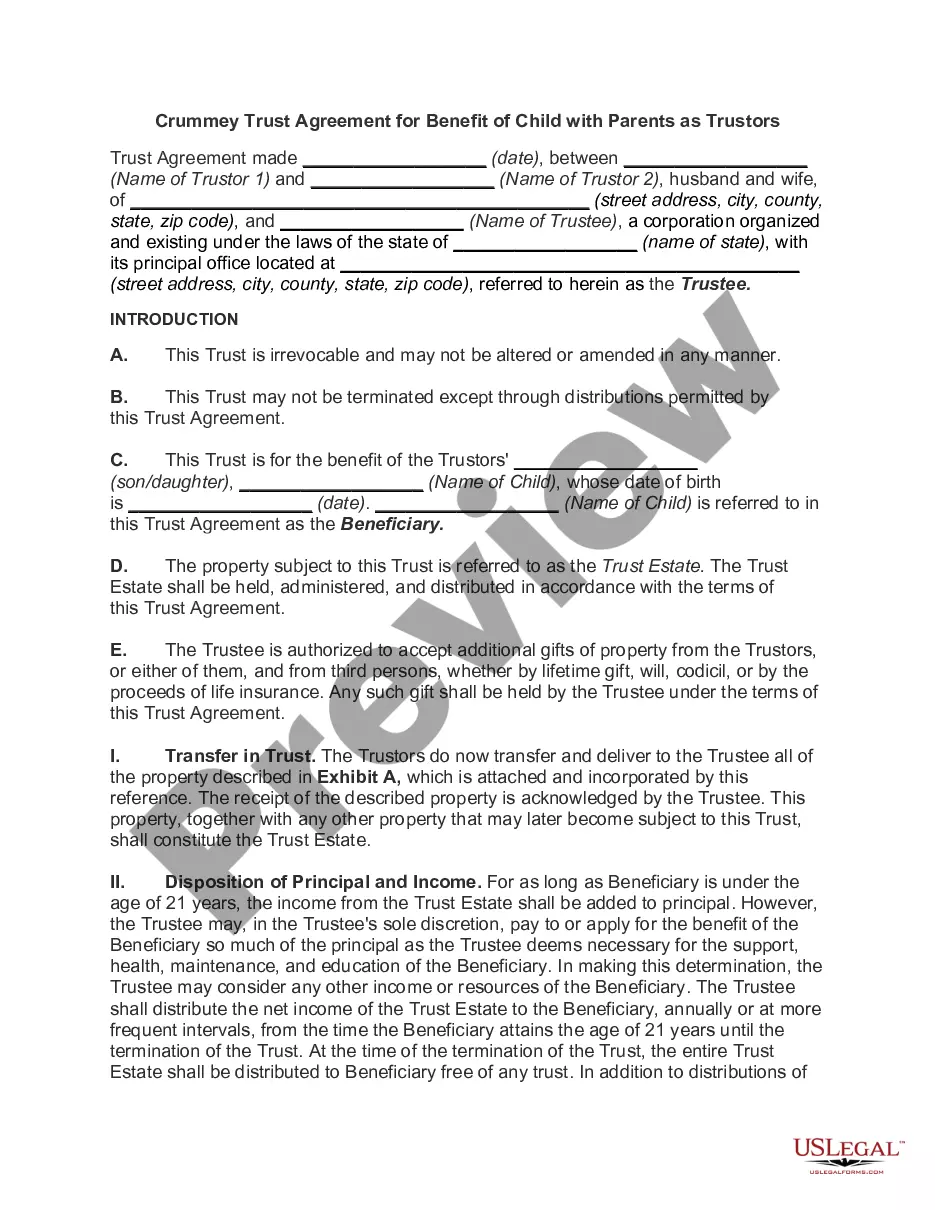
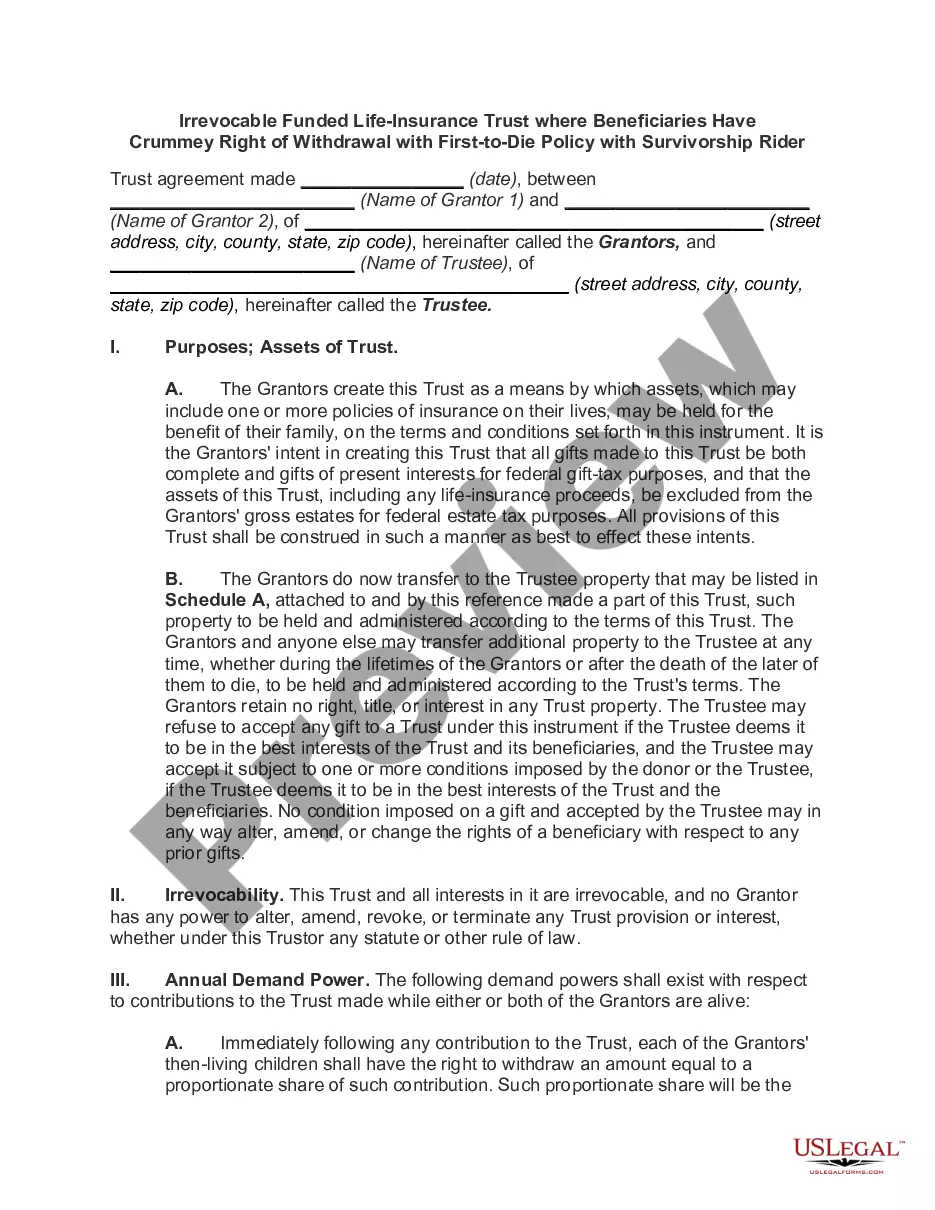
How to fill out Irrevocable Life Insurance Trust - Beneficiaries Have Crummey Right Of Withdrawal?
Securing legal templates that comply with federal and local laws is essential, and the web provides numerous options to select from.
However, why spend time searching for the appropriate Right Death Spouse For After sample online when the US Legal Forms digital library already consolidates such templates in one location.
US Legal Forms is the largest virtual legal repository with over 85,000 editable templates crafted by attorneys for any business or personal circumstance.
Explore the template using the Preview option or through the text outline to verify it meets your requirements.
- They are straightforward to navigate with all materials categorized by state and intended use.
- Our experts stay updated with legal modifications, ensuring you can trust that your document is current and compliant when receiving a Right Death Spouse For After from our platform.
- Acquiring a Right Death Spouse For After is fast and simple for both existing and new users.
- If you already possess an account with an active subscription, Log In and save the required document template in the appropriate format.
- If you are new to our platform, follow the steps below.
Form popularity
FAQ
This designation can be used in the two years after your spouse passes, but not in the actual year they passed, as long as you meet the following requirements. You are entitled to file a joint return for the year your spouse died, even if you didn't actually file a return.
Unless you qualify for something else, you'll usually file as single in the year after your spouse dies. You might not qualify as a qualifying widow(er) if your child is a foster child. In that case, you'll likely be able to use head of household status.
Advantages of Qualifying Widow/Widower The reduced tax burden makes it easier for a surviving spouse to continue to provide for their children, and to transition to a single, unmarried filer, or head of household status.
Your options for your tax filing status if your spouse dies will change depending on how long ago they passed away. For example, you can generally use married filing jointly in the year your spouse passes. Then in the next two years, you can file as a qualifying widow(er) if you meet certain requirements.
Here is what you should do within about 10 days after your spouse dies: Locate their will. ... Get at least 10 copies of the death certificate. ... Consult an estate attorney. ... Contact the executor of your spouse's estate. ... Contact your certified public accountant (CPA).