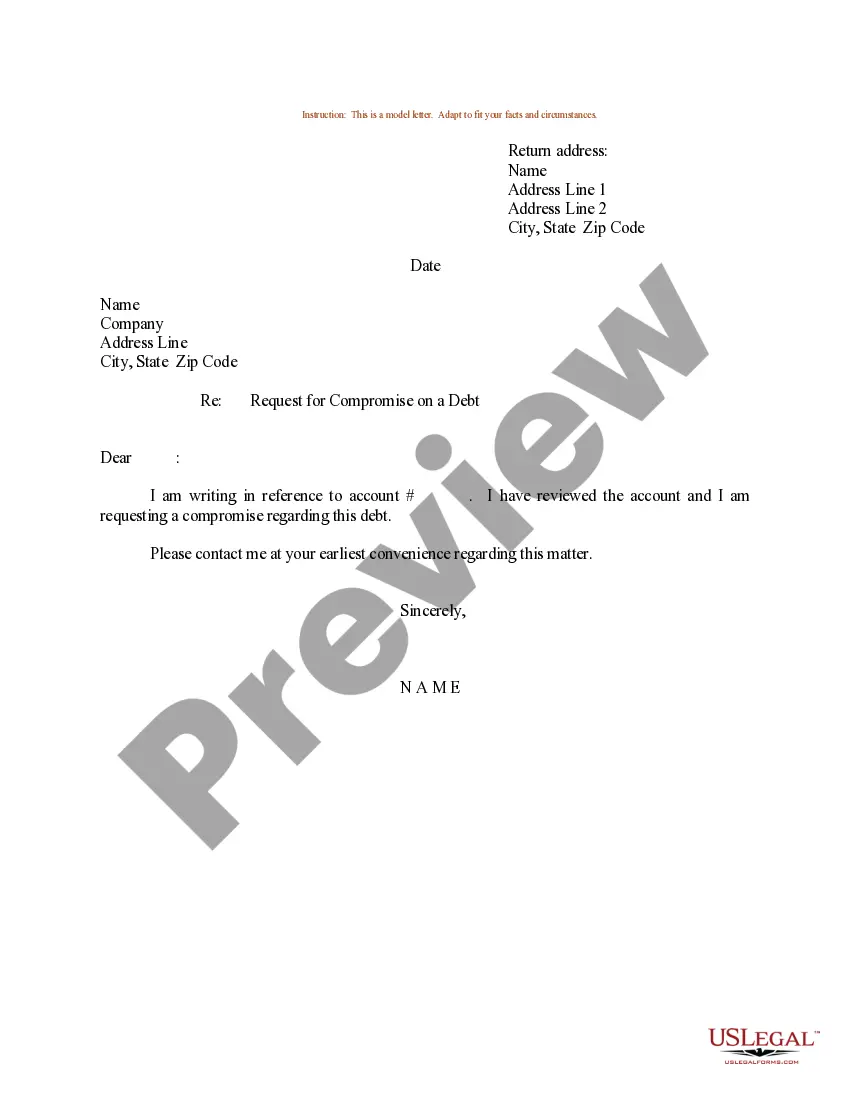
Sample Letter for Compromise on a Debt
About this form
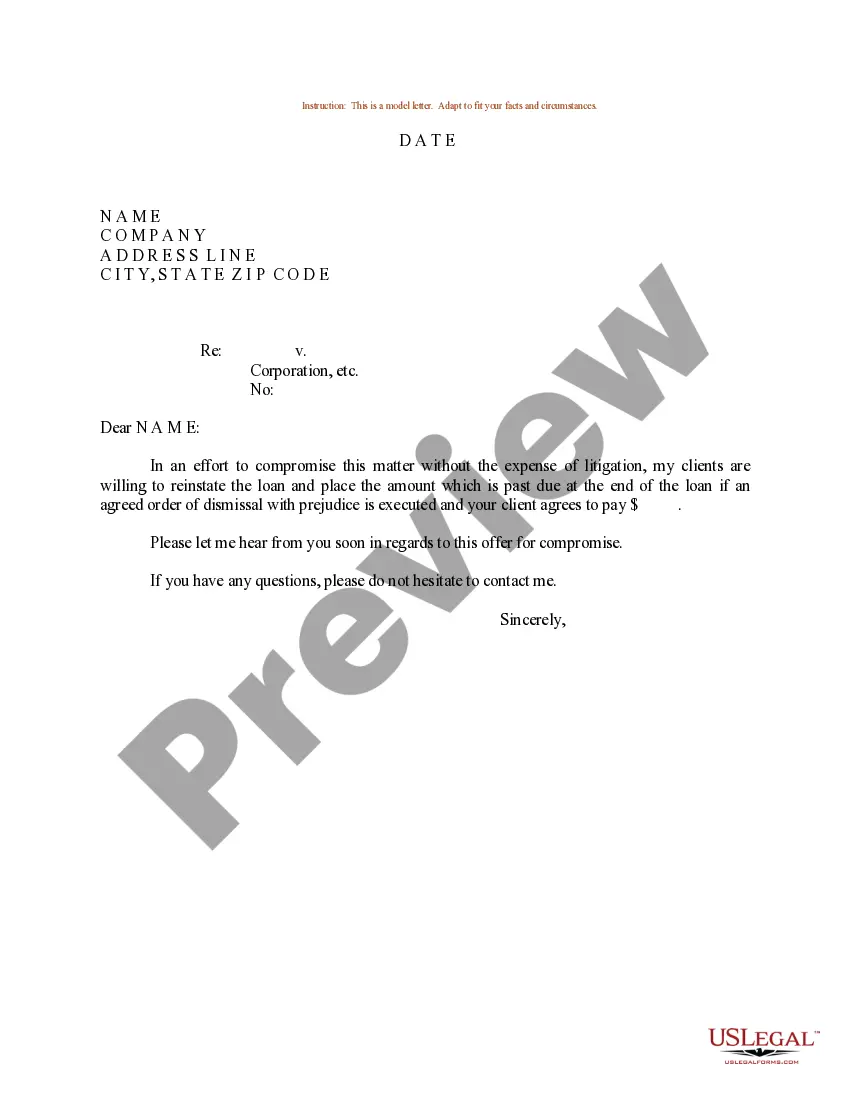
The Sample Letter for Compromise on a Debt is a legal document used to propose a settlement for a debt owed. This form differs from standard debt acknowledgment letters as it specifically requests a reduction in the amount owed and outlines the terms for repayment. This can be especially useful for individuals looking to negotiate and find an amicable solution with creditors.
What’s included in this form
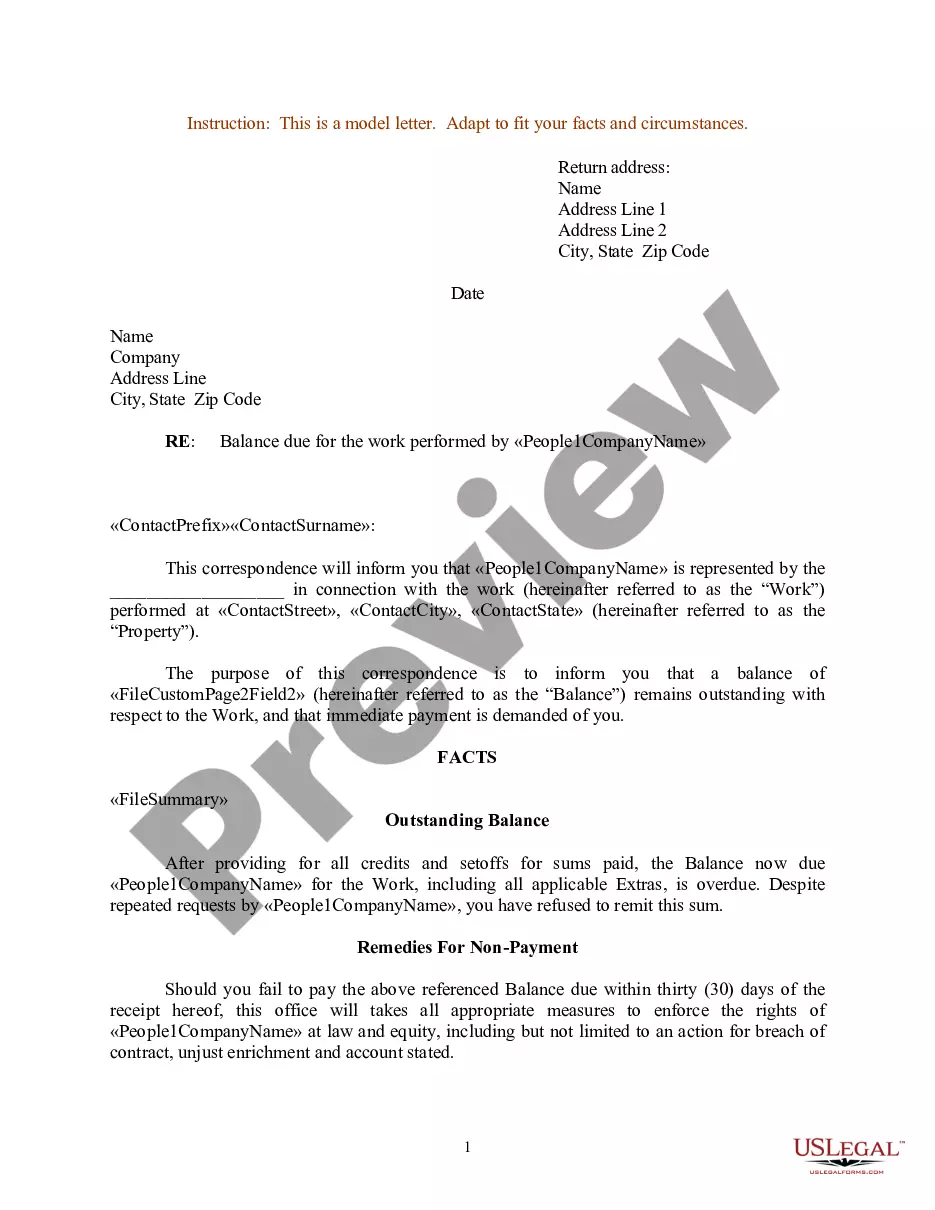
- Return address with the sender's name, address, and date.
- Recipient's name and address details including company name, if applicable.
- A clear subject line indicating the purpose: "Request for Compromise on a Debt."
- Specific terms regarding the requested debt compromise.
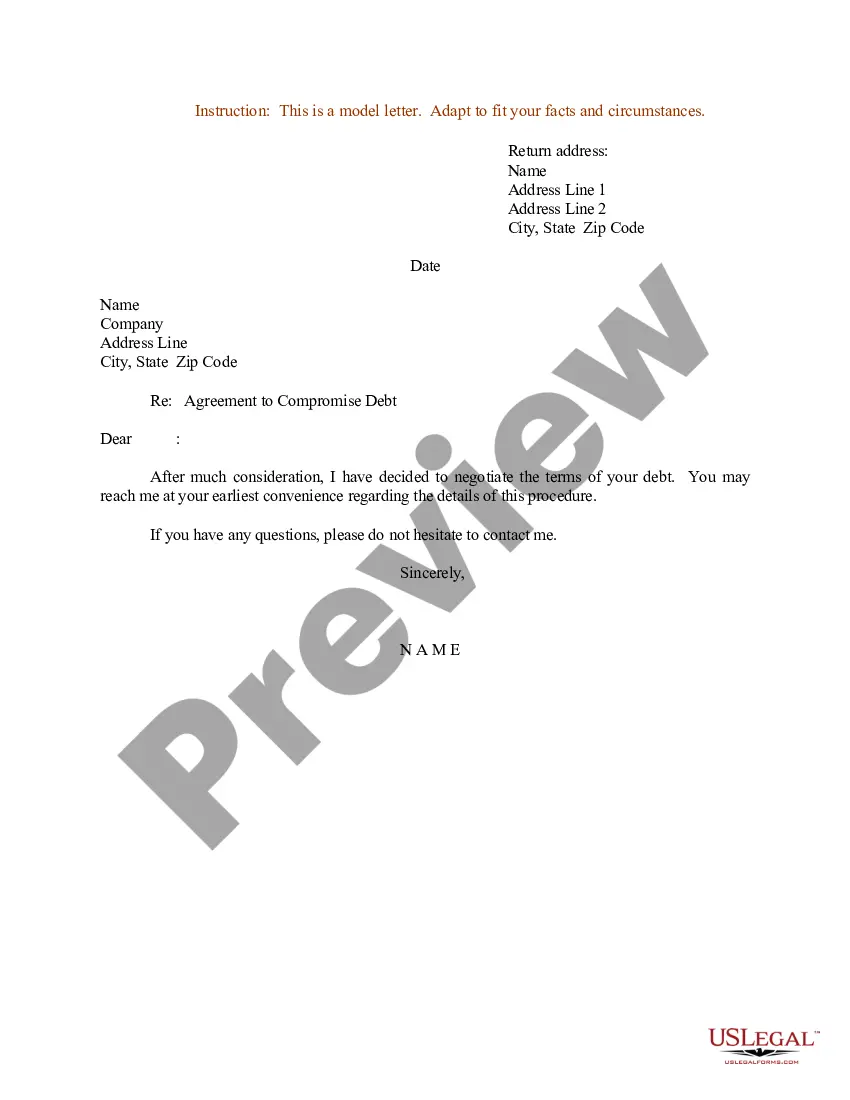
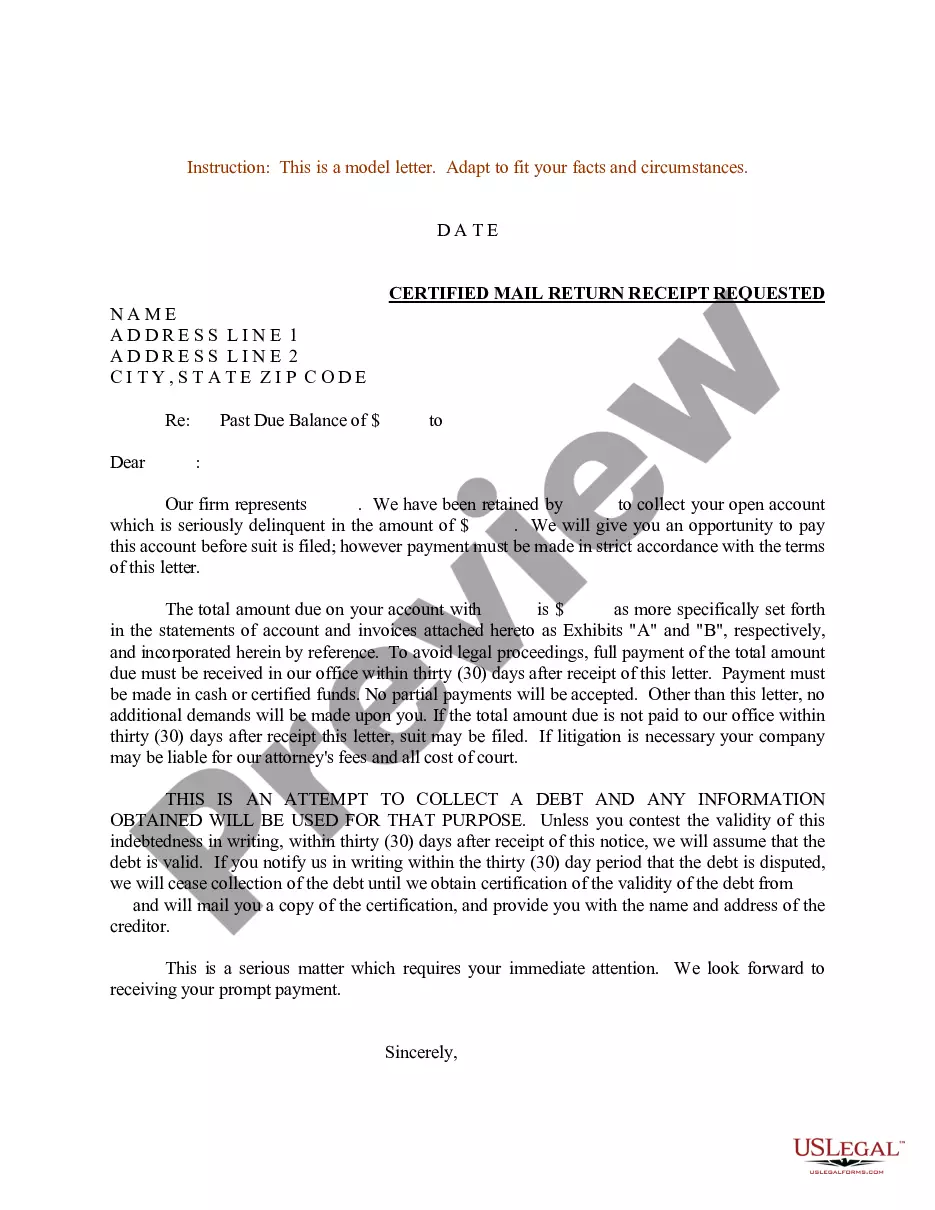
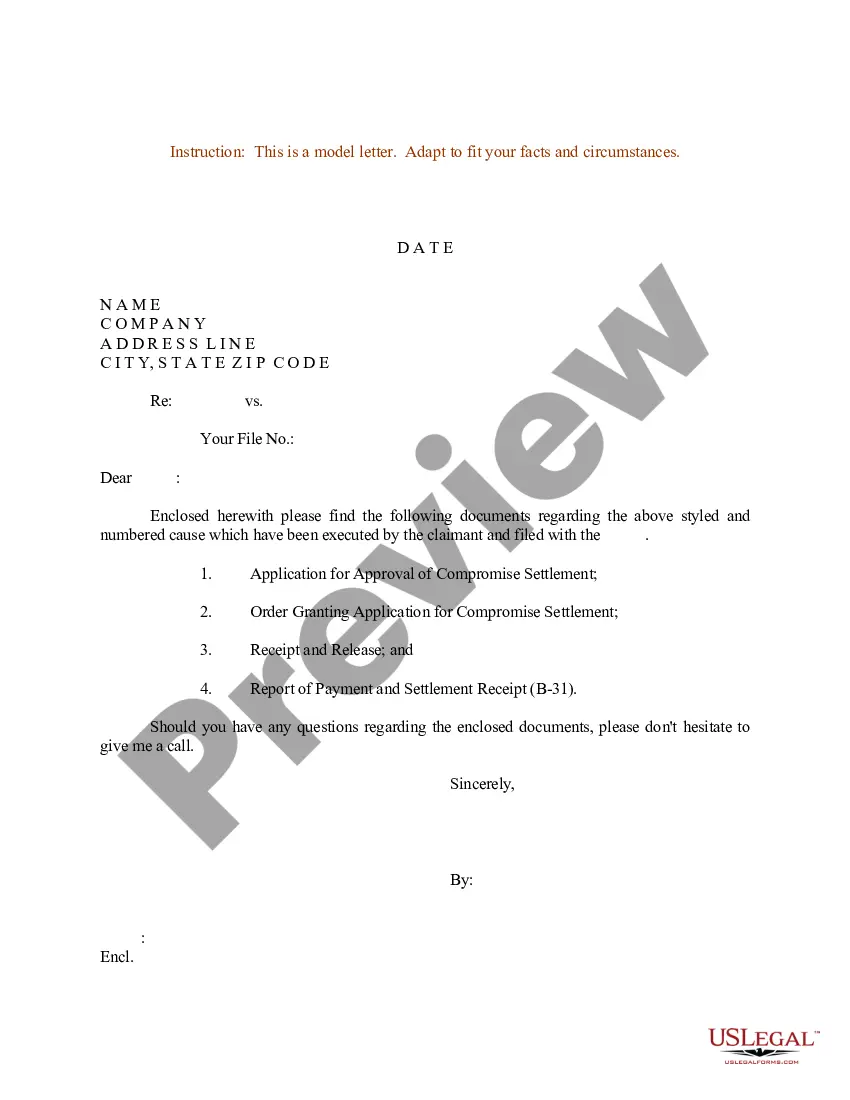
When to use this document
This form is suitable when an individual is facing financial hardship and is unable to pay a debt in full. It can be used to formally engage with a creditor to negotiate a lower settlement amount, which can help avoid bankruptcy or further collection actions.
Who this form is for
This form is intended for:
- Individuals seeking to reduce their outstanding debt.
- People wanting to negotiate a settlement with creditors.
- Those experiencing financial difficulties that hinder full debt payment.
Instructions for completing this form
- Start by entering your return address details at the top of the letter.
- Include the date of writing the letter.
- Enter the creditor's name and address below your own.
- Clearly state the purpose of the letter in the subject line.
- Outline your proposed terms for the debt settlement, including any amounts you are able to pay.
Notarization guidance
Notarization is generally not required for this form. However, certain states or situations might demand it. You can complete notarization online through US Legal Forms, powered by Notarize, using a verified video call available anytime.
Get your form ready online
Our built-in tools help you complete, sign, share, and store your documents in one place.
Make edits, fill in missing information, and update formatting in US Legal Forms—just like you would in MS Word.
Download a copy, print it, send it by email, or mail it via USPS—whatever works best for your next step.
Sign and collect signatures with our SignNow integration. Send to multiple recipients, set reminders, and more. Go Premium to unlock E-Sign.
If this form requires notarization, complete it online through a secure video call—no need to meet a notary in person or wait for an appointment.
We protect your documents and personal data by following strict security and privacy standards.

Make edits, fill in missing information, and update formatting in US Legal Forms—just like you would in MS Word.

Download a copy, print it, send it by email, or mail it via USPS—whatever works best for your next step.

Sign and collect signatures with our SignNow integration. Send to multiple recipients, set reminders, and more. Go Premium to unlock E-Sign.

If this form requires notarization, complete it online through a secure video call—no need to meet a notary in person or wait for an appointment.

We protect your documents and personal data by following strict security and privacy standards.
Mistakes to watch out for
- Failing to include all relevant contact information.
- Not clearly stating the terms of the compromise.
- Omitting supportive documentation that bolsters your request.
- Using vague language rather than being specific in the offer.
Benefits of completing this form online
- Immediate access to a professionally drafted template.
- Easy to customize to fit your specific situation.
- Reliable format that complies with legal standards.
Legal use & context
- The letter serves as a formal communication that can aid in legal negotiations regarding your debt.
- While this form can help settle debts, creditors are not obligated to accept the proposed compromise.
- Keep a copy of the letter for your records as proof of communication.
What to keep in mind
- The Sample Letter for Compromise on a Debt is a formal request to negotiate debt terms.
- Use the form when facing financial challenges in meeting debt obligations.
- Provide complete and clear information to strengthen your proposal.
Looking for another form?

Form popularity
FAQ
Offer a specific dollar amount that is roughly 30% of your outstanding account balance. The lender will probably counter with a higher percentage or dollar amount. If anything above 50% is suggested, consider trying to settle with a different creditor or simply put the money in savings to help pay future monthly bills.
Hardship Examples. There are a variety of situations that may qualify as a hardship. Keep it original. Be honest. Keep it concise. Don't cast blame or shirk responsibility. Don't use jargon or fancy words. Keep your objectives in mind. Provide the creditor an action plan.
I respectfully request that you forgive my alleged debt, as my condition precludes any employment, and my current and future income does not support any debt repayment. Please respond to my request in writing to the address below at your earliest convenience. Thank-you in advance for your understanding of my situation.
A study by the Center for Responsible Lending showed that on average debts are settled at 48% of the outstanding balance. But that balance increases 20 percent due to late fees and other charges the creditor might impose during negotiation.
Your debt settlement proposal letter must be formal and clearly state your intentions, as well as what you expect from your creditors. You should also include all the key information your creditor will need to locate your account on their system, which includes: Your full name used on the account. Your full address.
Offer a specific dollar amount that is roughly 30% of your outstanding account balance. The lender will probably counter with a higher percentage or dollar amount. If anything above 50% is suggested, consider trying to settle with a different creditor or simply put the money in savings to help pay future monthly bills.
Verify that it's your debt. Understand your rights. Consider the kind of debt you owe. Consider hardship programs. Offer a lump sum. Mention bankruptcy. Speak calmly and logically. Be mindful of the statute of limitations.
Aim to Pay 50% or Less of Your Unsecured Debt If you decide to try to settle your unsecured debts, aim to pay 50% or less. It might take some time to get to this point, but most unsecured creditors will agree to take around 30% to 50% of the debt. So, start with a lower offerabout 15%and negotiate from there.
When writing a debt settlement letter, it's important to be explicit and detailed. Treat the letter as a contract between you and your creditor. Include your personal information and account number for easy identification. You'll need to outline the amount you can pay and what you expect in return.