Sprinkling Trust For Historic Preservation
Description
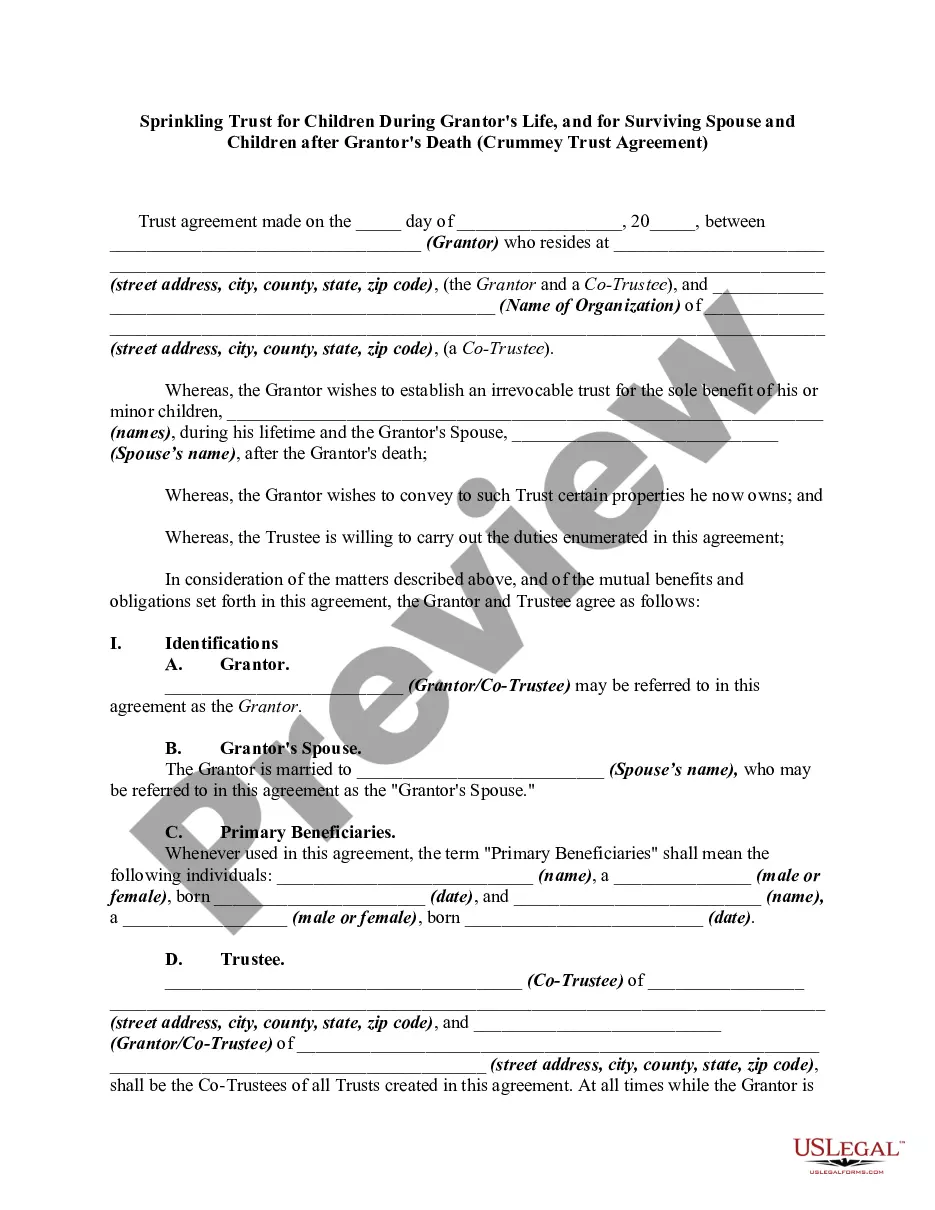
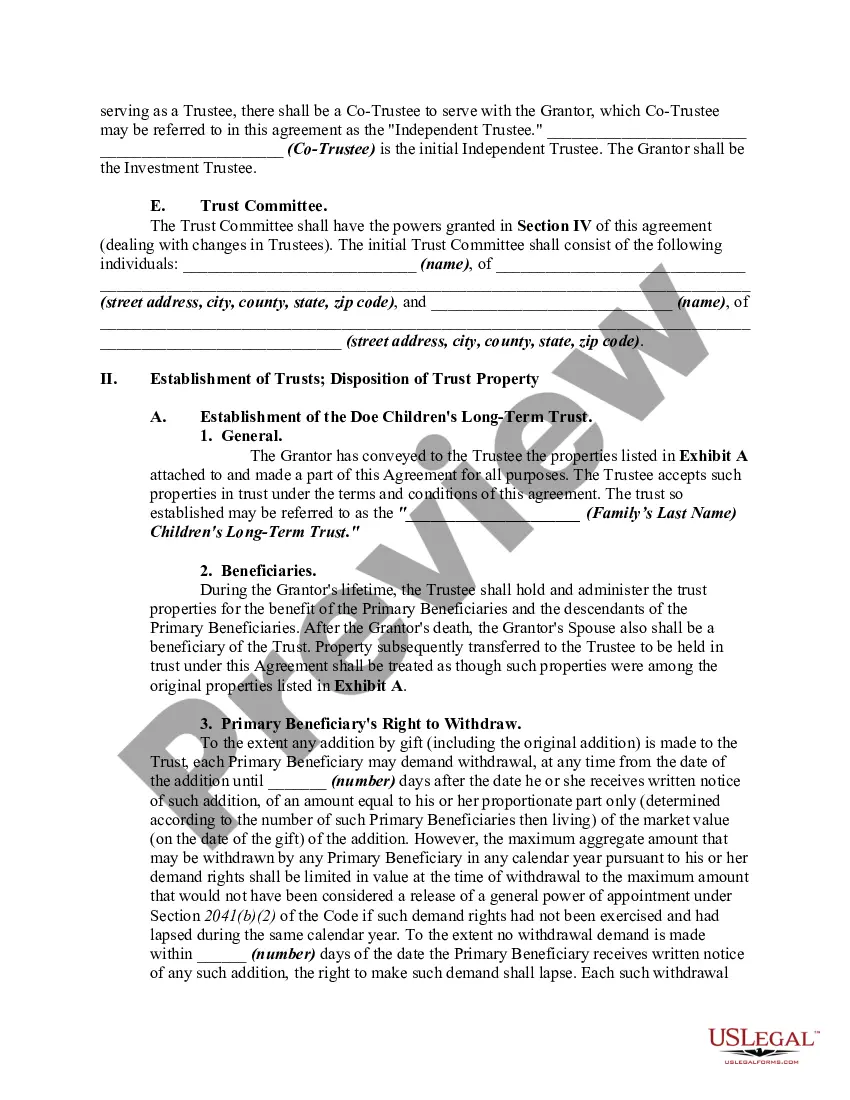
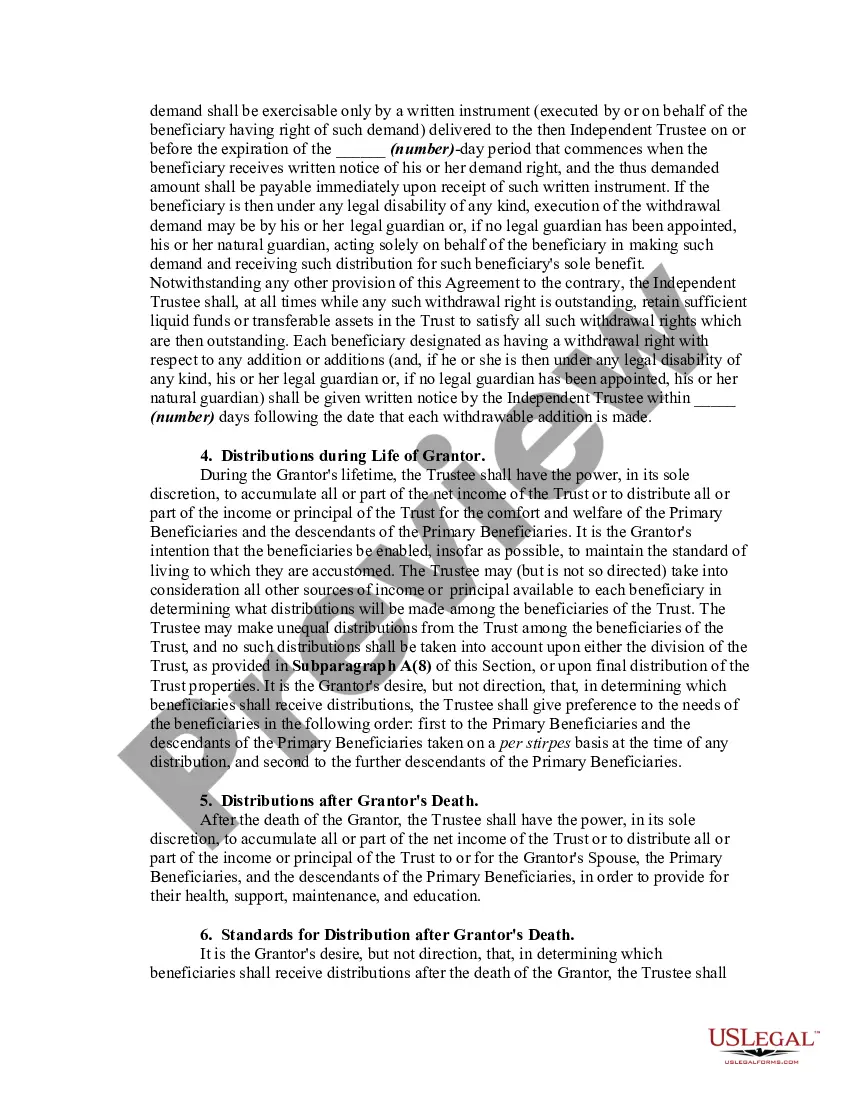
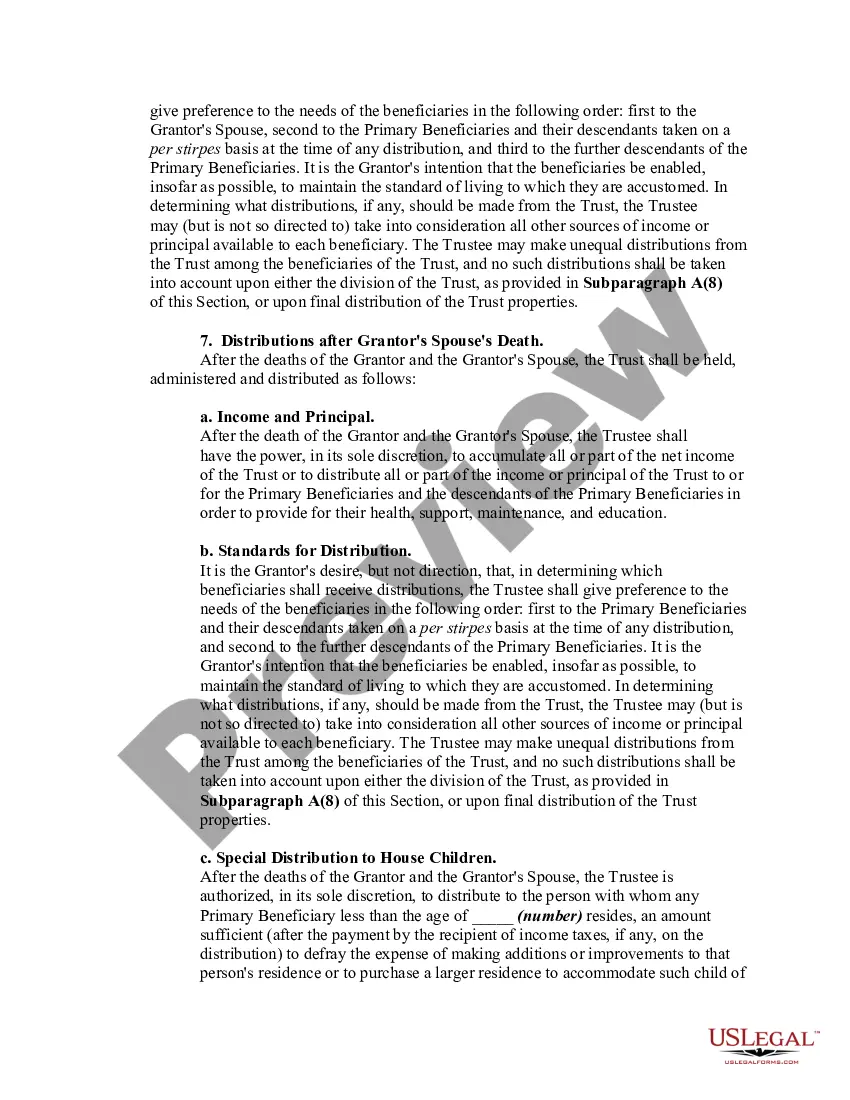

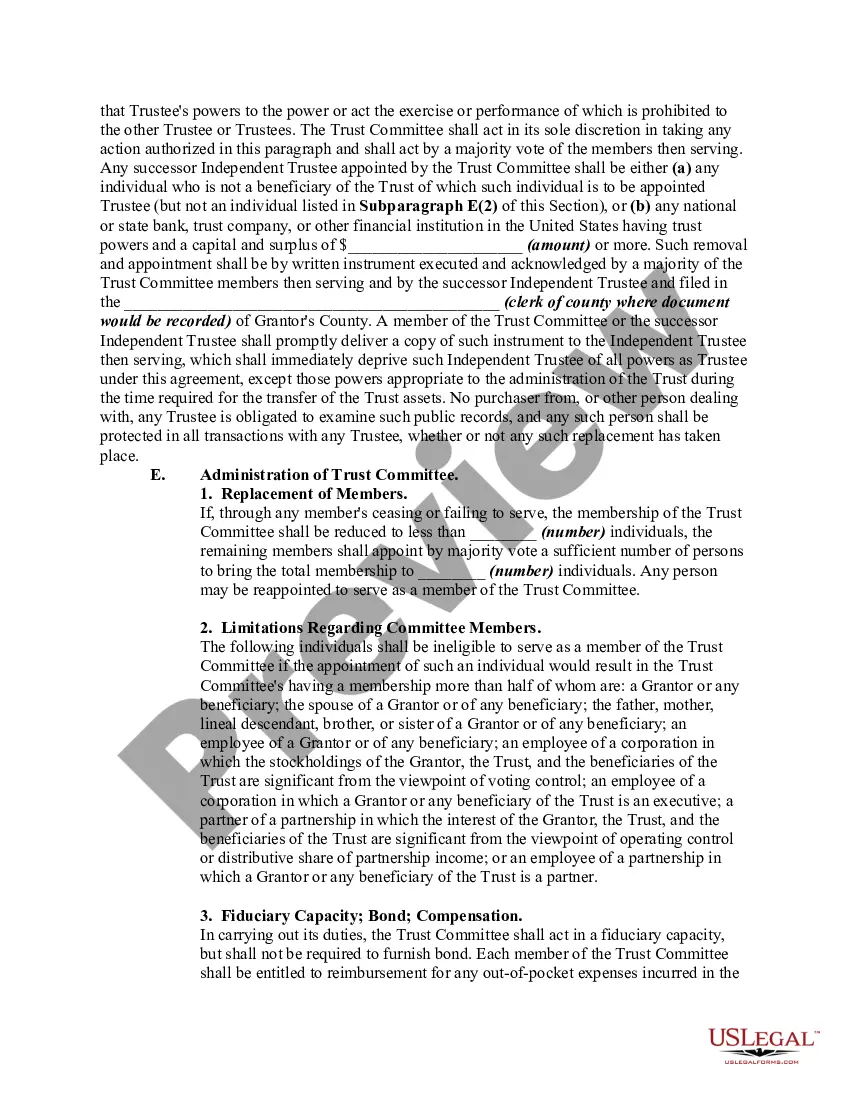



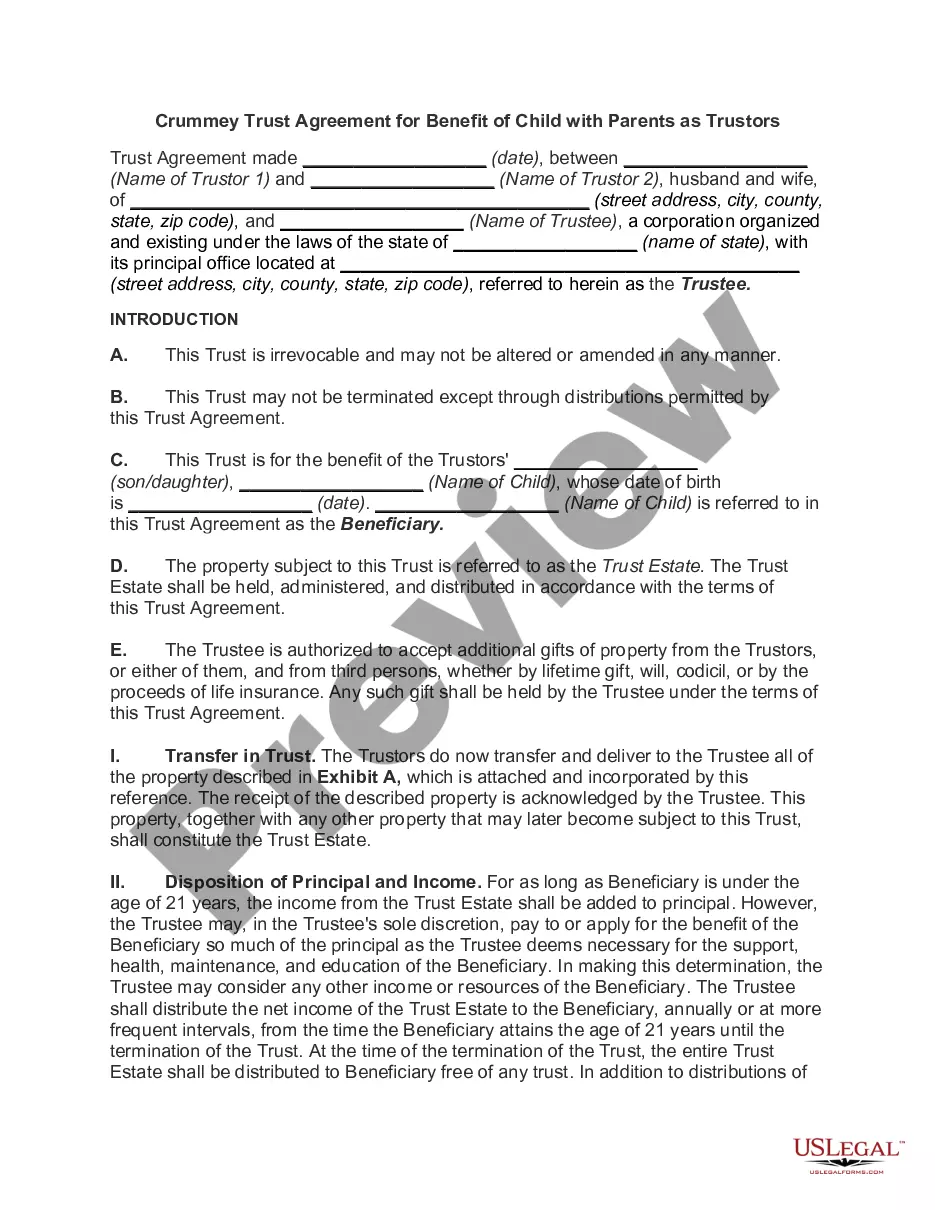
Get your form ready online
Our built-in tools help you complete, sign, share, and store your documents in one place.
Make edits, fill in missing information, and update formatting in US Legal Forms—just like you would in MS Word.
Download a copy, print it, send it by email, or mail it via USPS—whatever works best for your next step.
Sign and collect signatures with our SignNow integration. Send to multiple recipients, set reminders, and more. Go Premium to unlock E-Sign.
If this form requires notarization, complete it online through a secure video call—no need to meet a notary in person or wait for an appointment.
We protect your documents and personal data by following strict security and privacy standards.

Make edits, fill in missing information, and update formatting in US Legal Forms—just like you would in MS Word.

Download a copy, print it, send it by email, or mail it via USPS—whatever works best for your next step.

Sign and collect signatures with our SignNow integration. Send to multiple recipients, set reminders, and more. Go Premium to unlock E-Sign.

If this form requires notarization, complete it online through a secure video call—no need to meet a notary in person or wait for an appointment.

We protect your documents and personal data by following strict security and privacy standards.
Looking for another form?








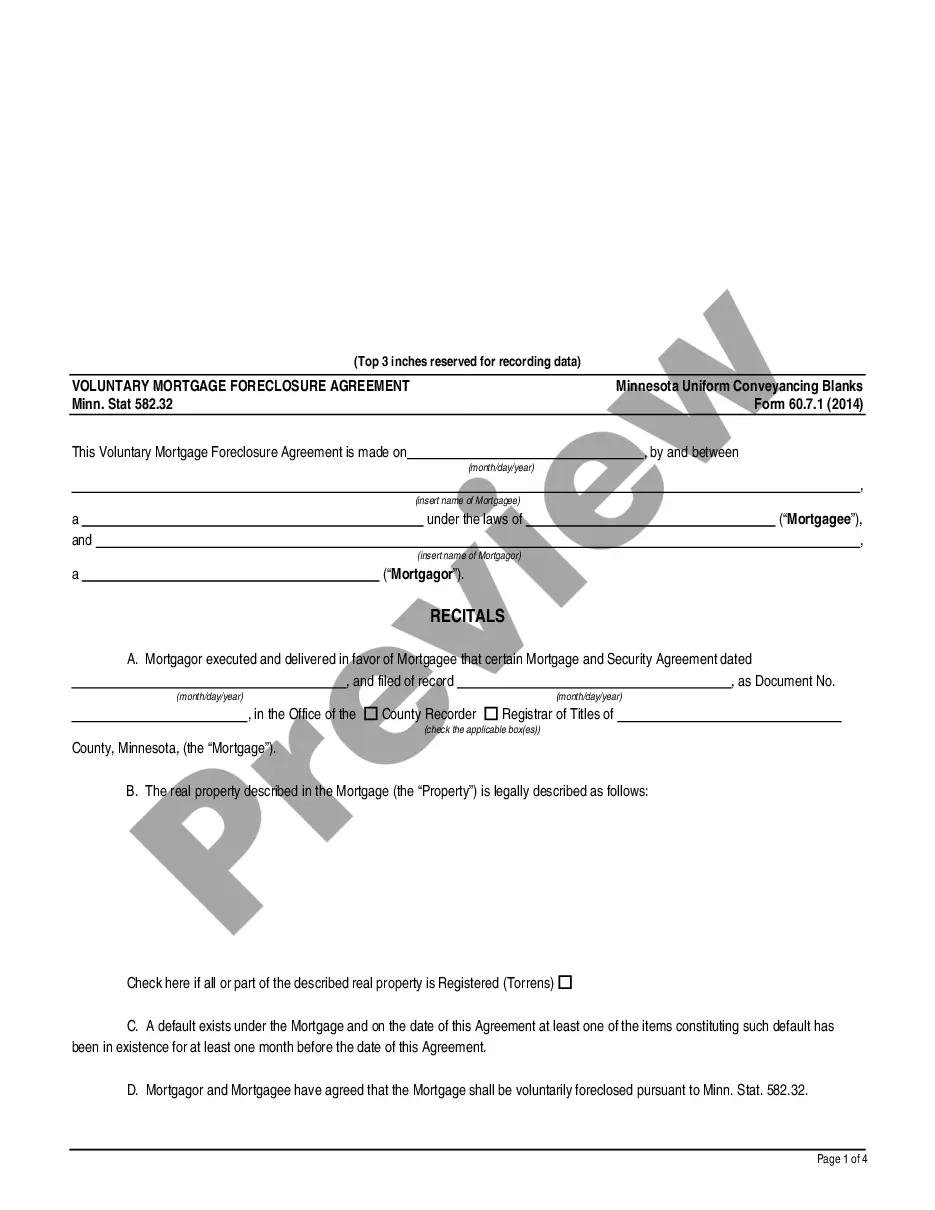

How to fill out Sprinkling Trust For Children During Grantor's Life, And For Surviving Spouse And Children After Grantor's Death - Crummey Trust Agreement?
Handling legal documents and processes can be a lengthy addition to your schedule.
Searching for Sprinkling Trust For Historic Preservation and similar forms usually necessitates that you locate them and comprehend how to fill them out correctly.
Thus, whether you are managing financial, legal, or personal issues, utilizing a comprehensive and user-friendly online database of forms readily available will greatly assist.
US Legal Forms is the leading online service for legal templates, boasting more than 85,000 state-centered forms and a variety of materials to help you complete your documents with ease.
Is this your first time using US Legal Forms? Register and create a no-cost account in a matter of minutes, granting you access to the form library and Sprinkling Trust For Historic Preservation. Then, follow these steps to fill out your form.
- Explore the library of relevant documents at your fingertips with just one click.
- US Legal Forms offers state- and county-specific documents available at any time for download.
- Protect your document management processes by utilizing a quality service that enables you to create any form in minutes without extra or hidden charges.
- Simply Log In to your account, locate Sprinkling Trust For Historic Preservation, and obtain it immediately from the My documents section.
- You can also retrieve previously downloaded forms.
Form popularity
FAQ
The National Trust for Historic Preservation enjoys a favorable rating among charity evaluators. Various platforms, such as Charity Navigator, assess its financial health and transparency, reflecting its commitment to sprinkling trust for historic preservation. This positive rating helps ensure that more donors feel confident in supporting its initiatives.
Sprinkling trusts have great advantages for flexibly allocating trust assets, but they come with the disadvantage of possibly allowing a trustee to manage the trust against the interests of the trust creator.
Sprinkling trusts can be very helpful for blended families, in which children may be spaced farther apart in age. The structure allows for the younger beneficiaries to access funds for education and other needs that may have already been met for the older children. The distribution won't be equal, but it will be fair.
A "sprinkle or spray power" is a provision which gives the trustee total discretion to distribute trust income or property to a number of potential beneficiaries.
Typically, parents and grandchildren set up a sprinkling trust to make gifts to very young children, who will likely not need to access the trust assets or income for some time. (The trust can also provide for the surviving parent in the class.)
For example, the trustee could distribute a specified sum to each child upon reaching a certain age. Or, if there are separate shares for each child, the grantor could specify that the child would receive one third at age 21, one third at age 25, and the final distribution at age 30.