Blind Trust Fund For College Students
Description
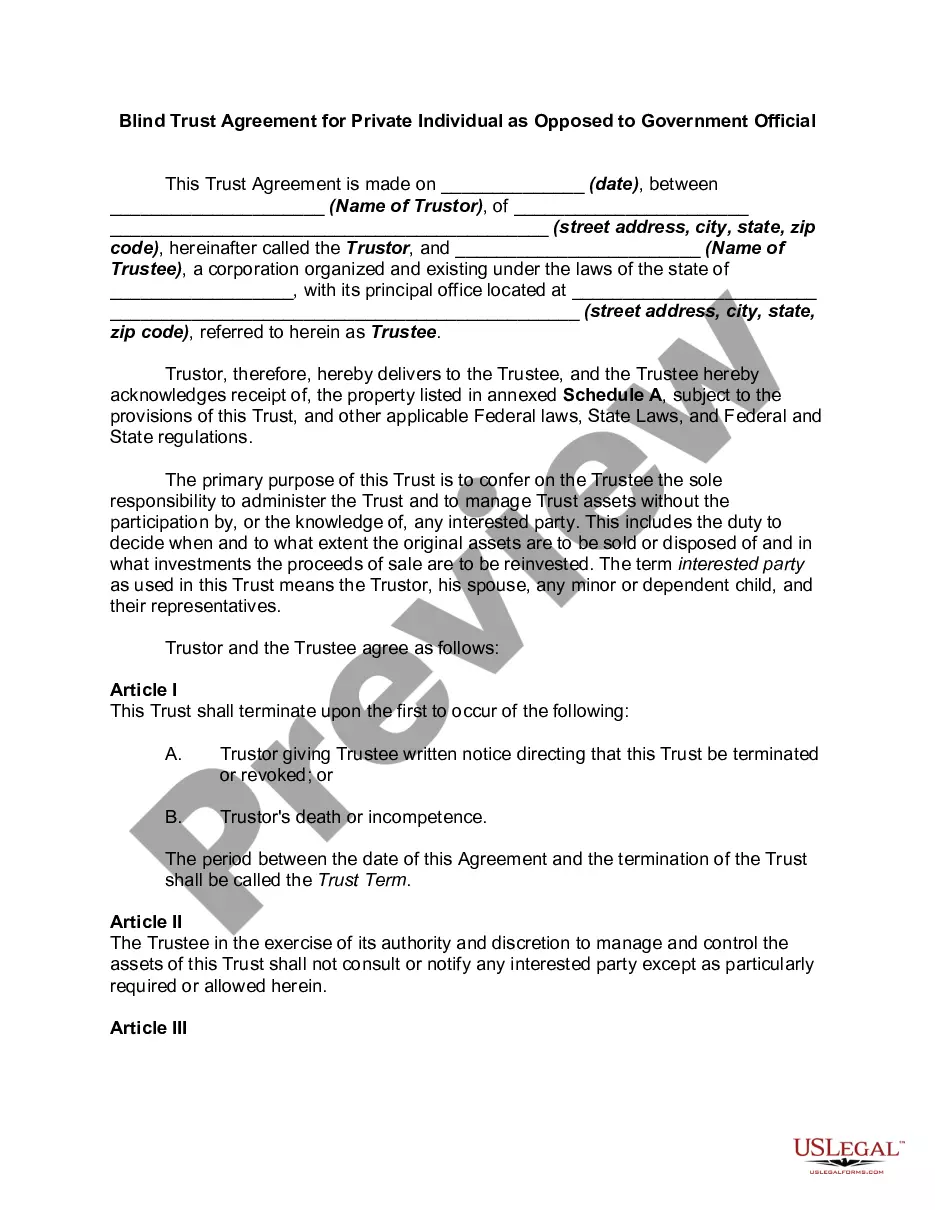
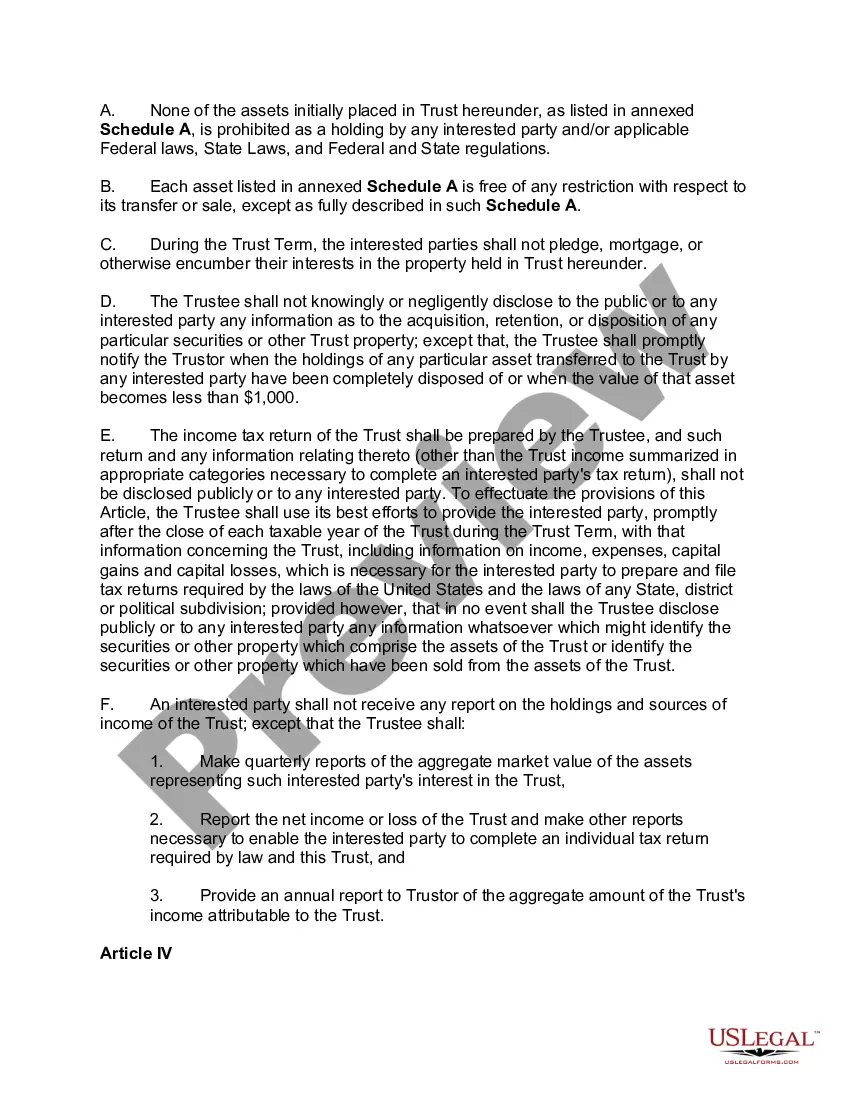
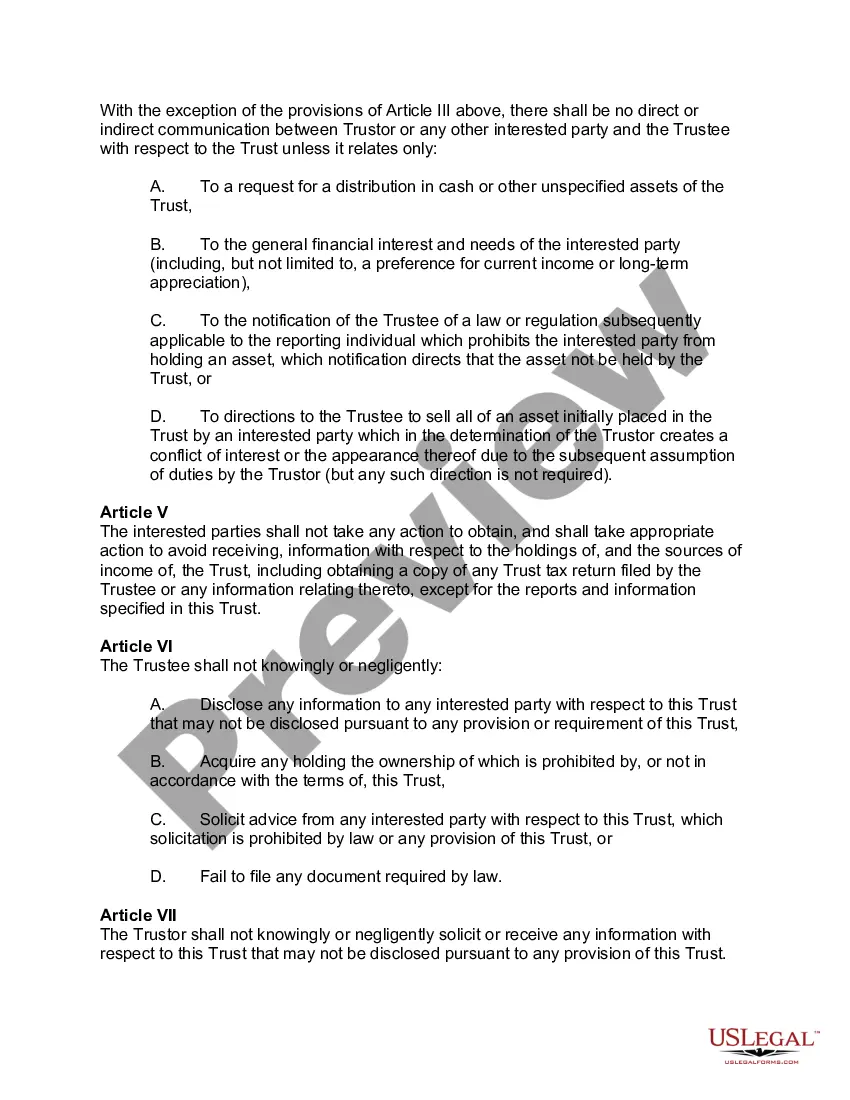
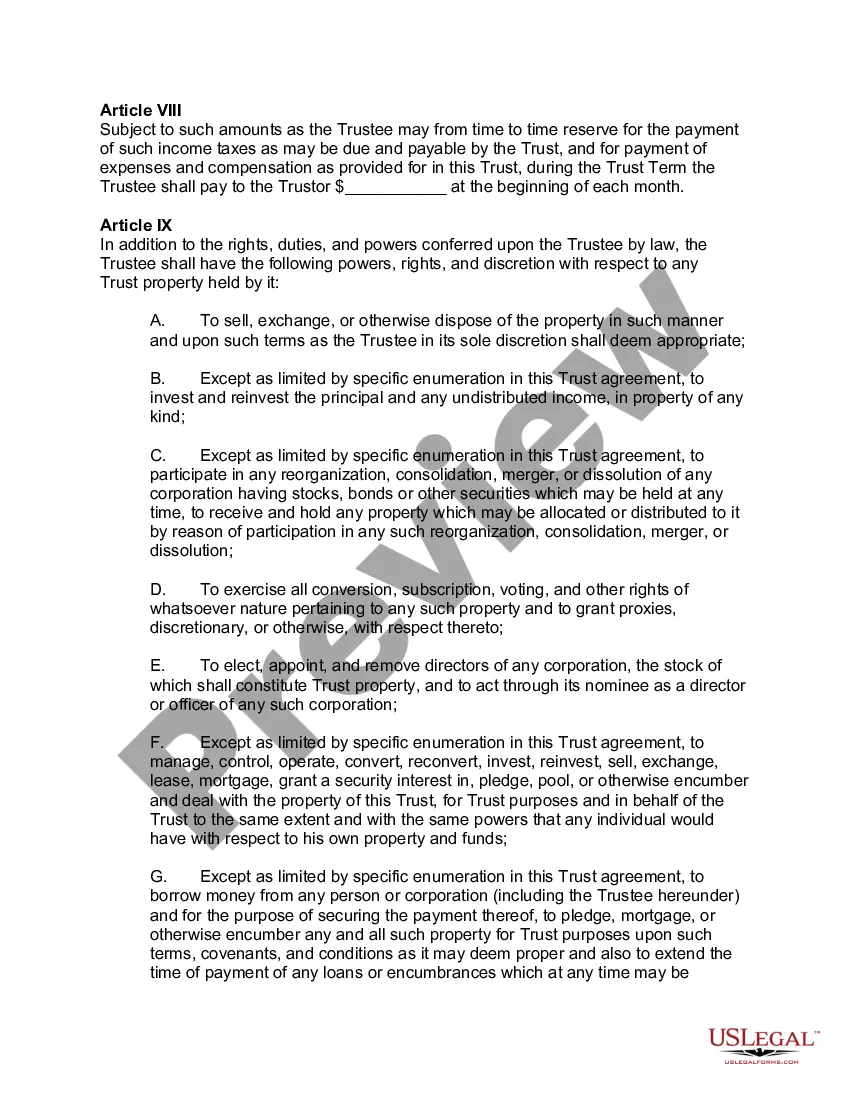
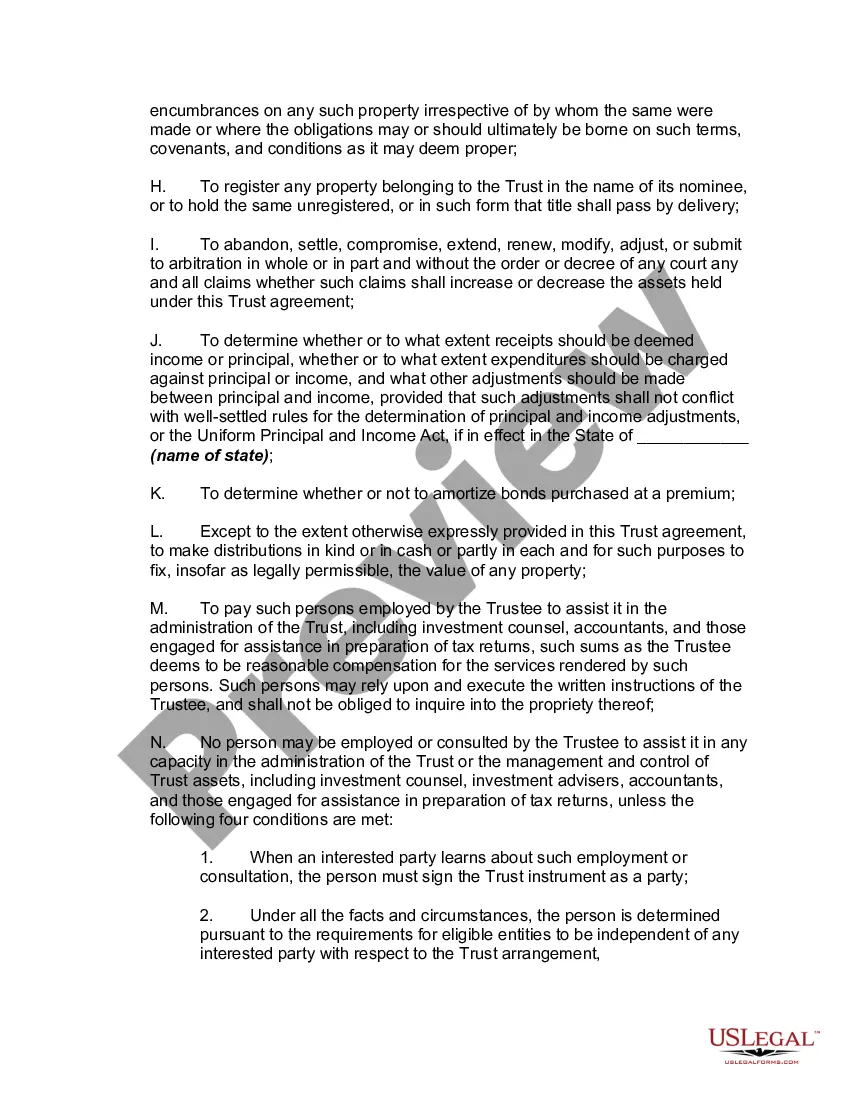
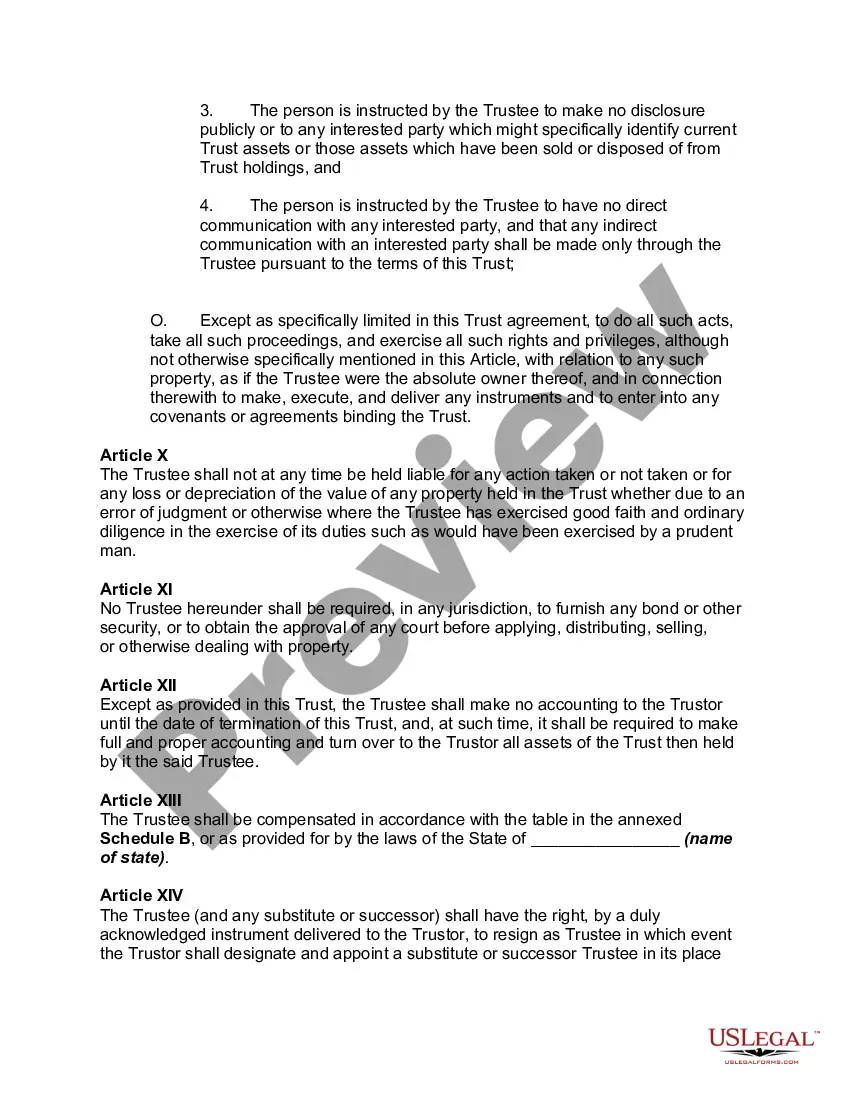
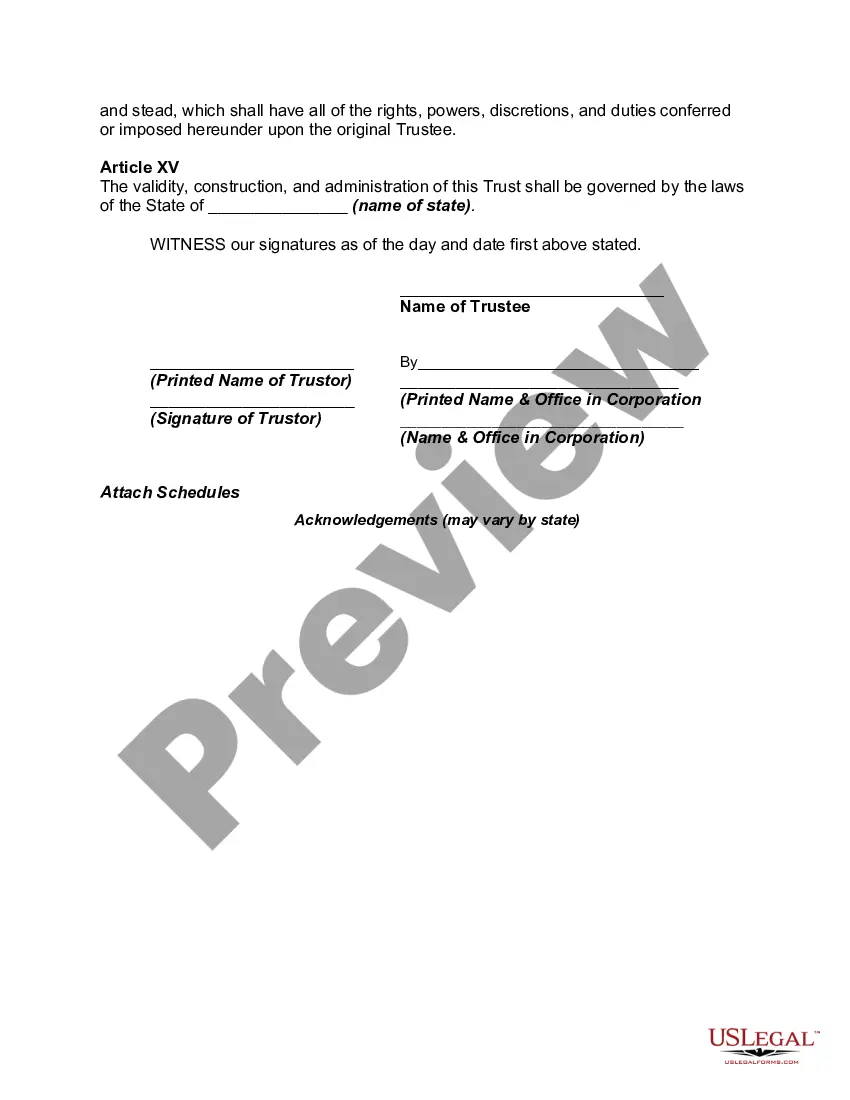
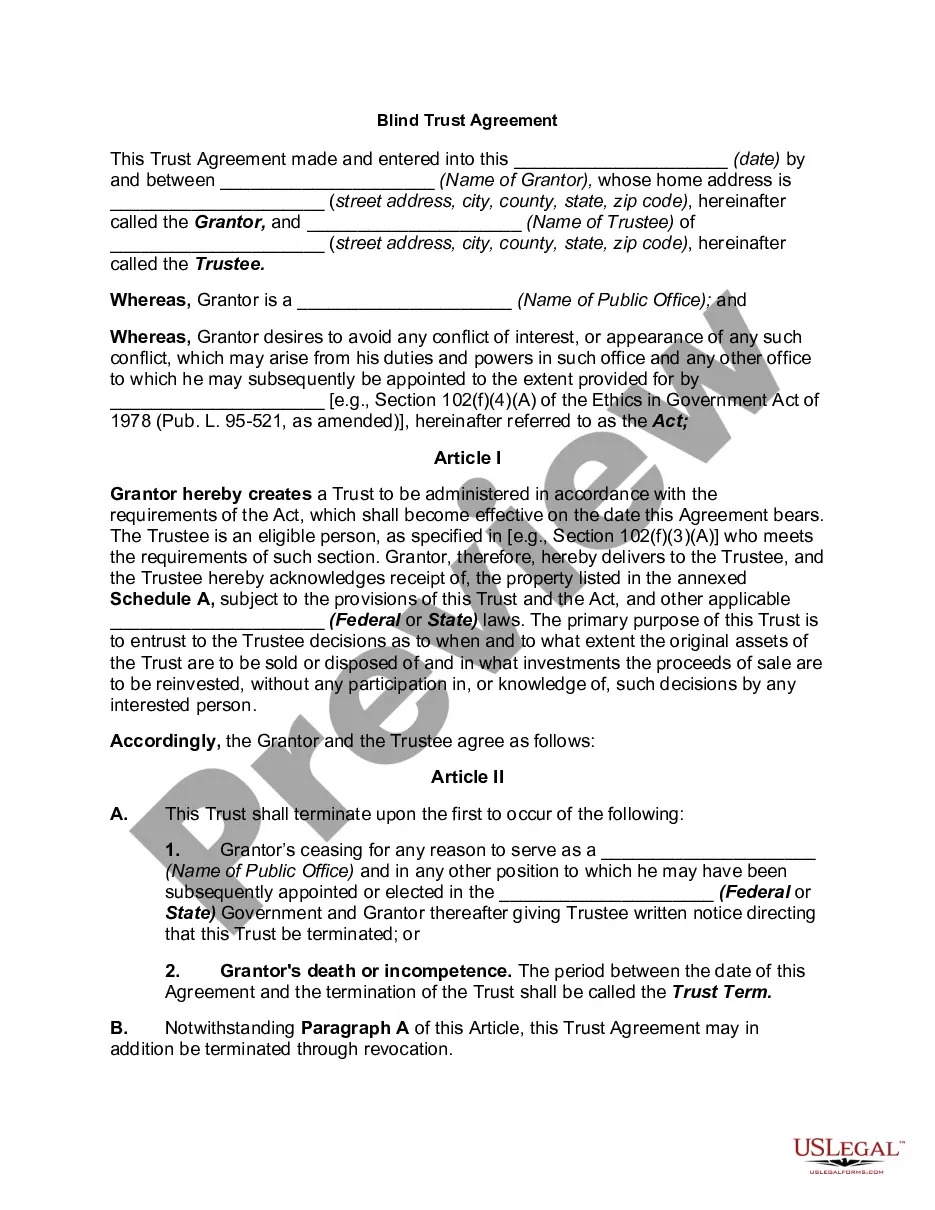
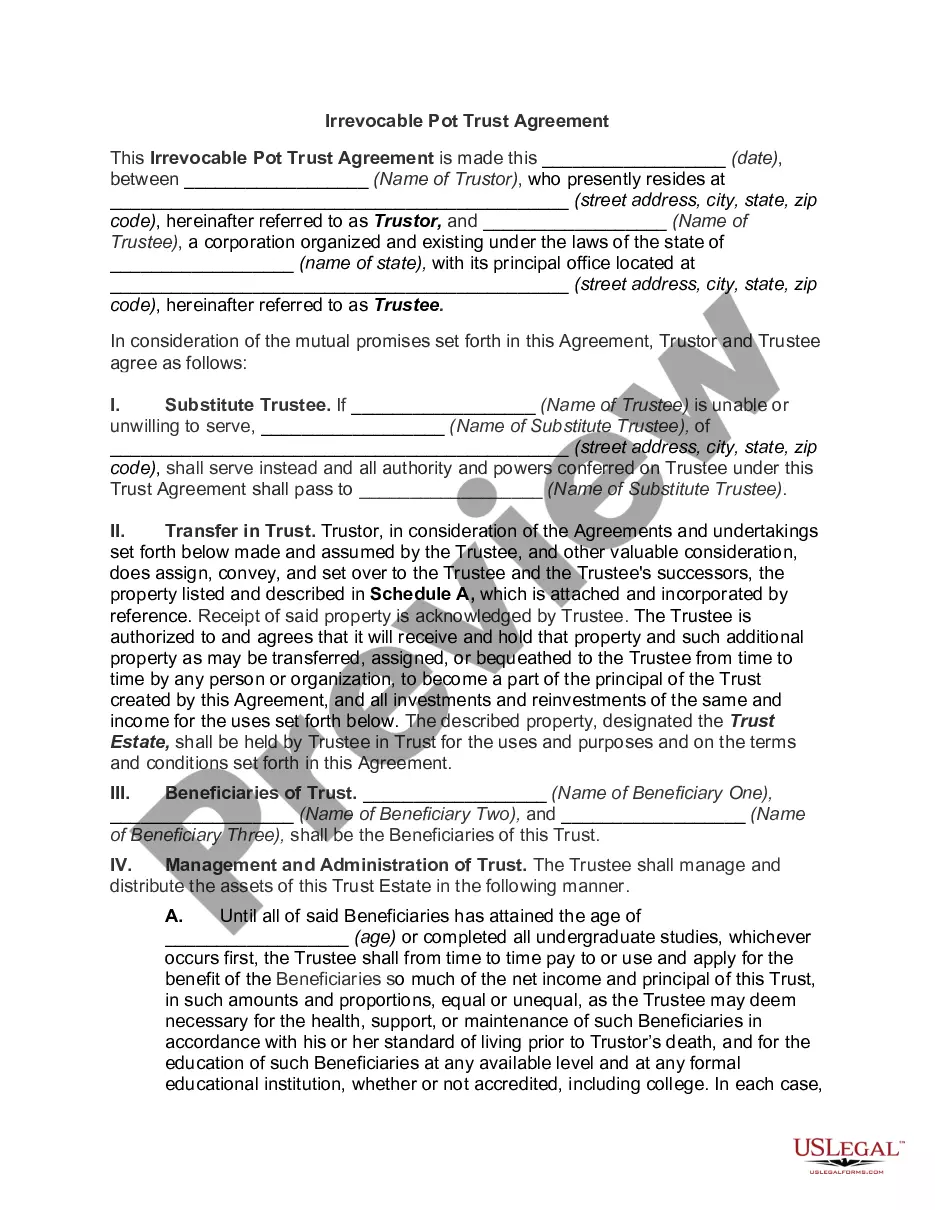
Get your form ready online
Our built-in tools help you complete, sign, share, and store your documents in one place.
Make edits, fill in missing information, and update formatting in US Legal Forms—just like you would in MS Word.
Download a copy, print it, send it by email, or mail it via USPS—whatever works best for your next step.
Sign and collect signatures with our SignNow integration. Send to multiple recipients, set reminders, and more. Go Premium to unlock E-Sign.
If this form requires notarization, complete it online through a secure video call—no need to meet a notary in person or wait for an appointment.
We protect your documents and personal data by following strict security and privacy standards.

Make edits, fill in missing information, and update formatting in US Legal Forms—just like you would in MS Word.

Download a copy, print it, send it by email, or mail it via USPS—whatever works best for your next step.

Sign and collect signatures with our SignNow integration. Send to multiple recipients, set reminders, and more. Go Premium to unlock E-Sign.

If this form requires notarization, complete it online through a secure video call—no need to meet a notary in person or wait for an appointment.

We protect your documents and personal data by following strict security and privacy standards.
Looking for another form?





How to fill out Blind Trust Agreement For Private Individual As Opposed To Government?
It’s clear that you cannot become an expert in law overnight, nor can you quickly understand how to draft a Blind Trust Fund For College Students without the necessary specialized knowledge.
Producing legal documents is a lengthy procedure that demands specific training and expertise. So why not entrust the creation of the Blind Trust Fund For College Students to the experts.
With US Legal Forms, one of the most extensive legal template repositories, you can find everything from court paperwork to templates for internal business communication.
You can revisit your documents from the My documents section at any time. If you’re a returning client, you can simply Log In and locate and download the template from the same section.
Regardless of the intention behind your documents—be it financial, legal, or personal—our platform has all your needs covered. Give US Legal Forms a try today!
- Find the document you require using the search bar at the top of the webpage.
- Preview it (if this feature is available) and review the accompanying description to determine if Blind Trust Fund For College Students is what you need.
- Begin your search again if you require a different template.
- Sign up for a free account and select a subscription plan to purchase the template.
- Select Buy now. After the transaction is finalized, you can download the Blind Trust Fund For College Students, fill it out, print it, and send or deliver it to the relevant individuals or organizations.
Form popularity
FAQ
Almost all trust funds are counted in the financial aid process, often as an asset of the child. This leads to a high impact on eligibility for need-based financial aid. If the trust fund document restricted the beneficiary's access to the principal, the trust fund will affect aid eligibility every year.
The grantor usually does not have tax liability for the income generated within the trust. However, the trust may be subject to income tax, and distributions to beneficiaries may also be taxed.
The trustee of a college trust fund may be directed to use trust income to pay tuition expenses directly to the school and to pay or reimburse the beneficiary for college living expenses. Distributions also might be scheduled upon attainment of a specified age or a particular event.
One disadvantage of blind trusts is that they can be challenging to set up. The grantor must have complete confidence in the trustee and be willing to give up control over the assets. Another disadvantage is that the grantor may not be able to change the terms of the trust once it has been established.
How to Set Up a Blind Trust Gather the documentation for the assets that you want put into the blind trust. ... Appoint a trustee. ... Create the trust agreement. ... Sign the trust and have it notarized, taking care to follow any recording laws that your state has. Officially transfer the relevant assets into the trust.