Blind Trust Example With Someone
Description
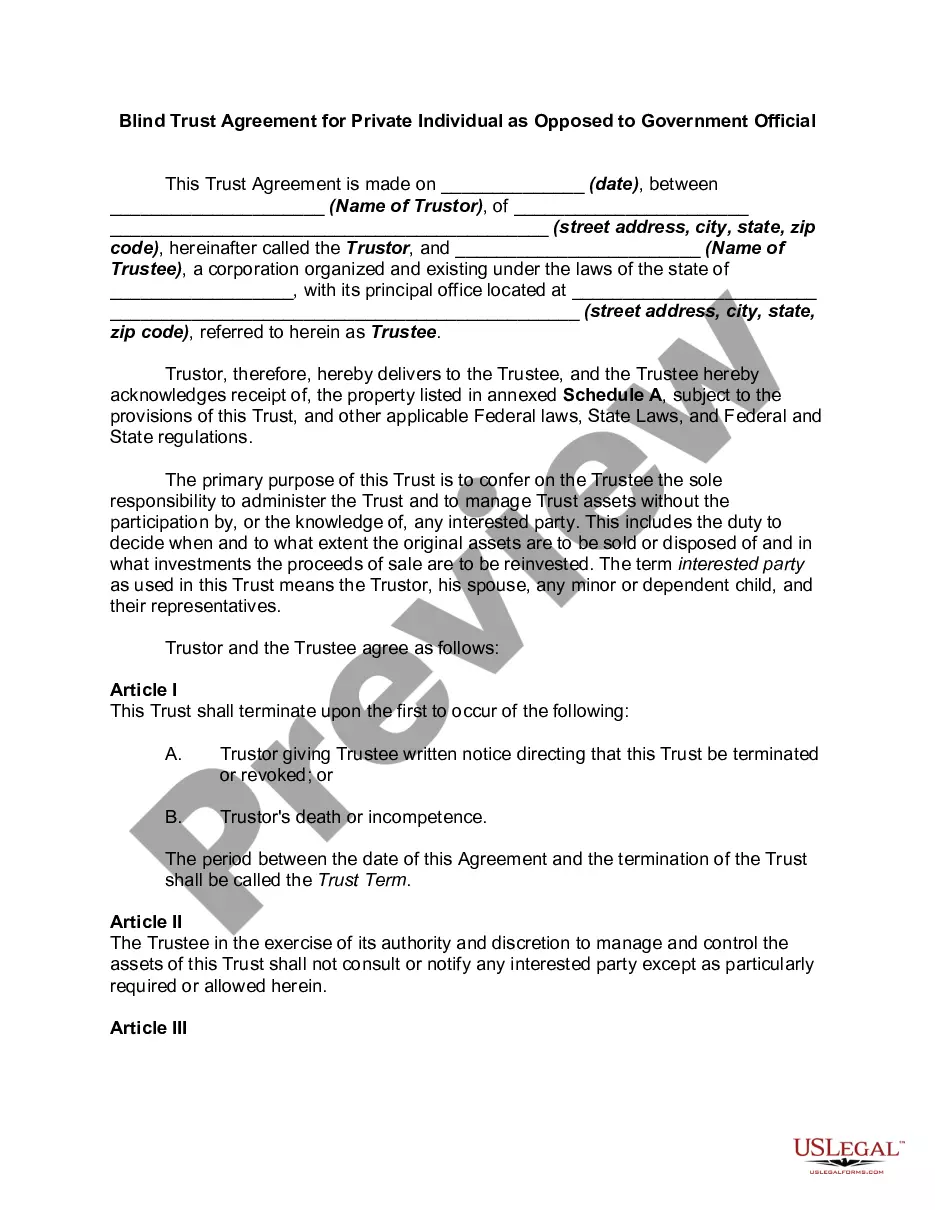
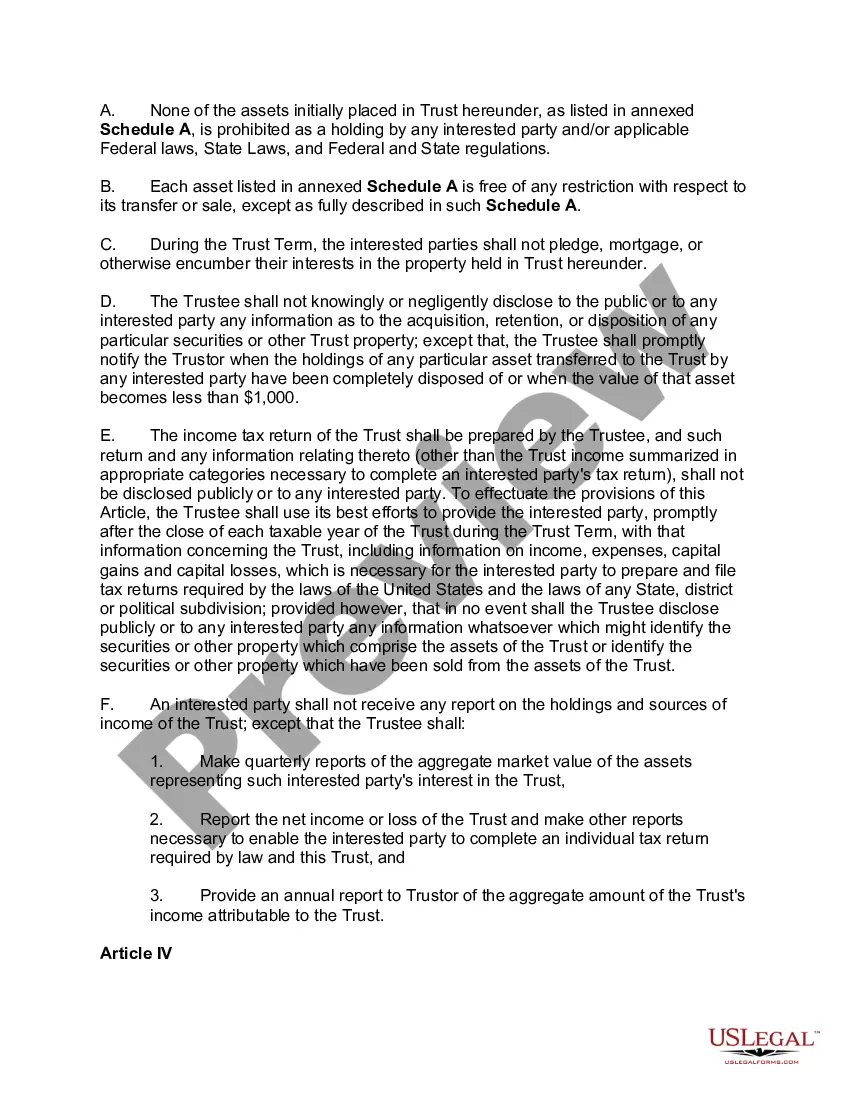
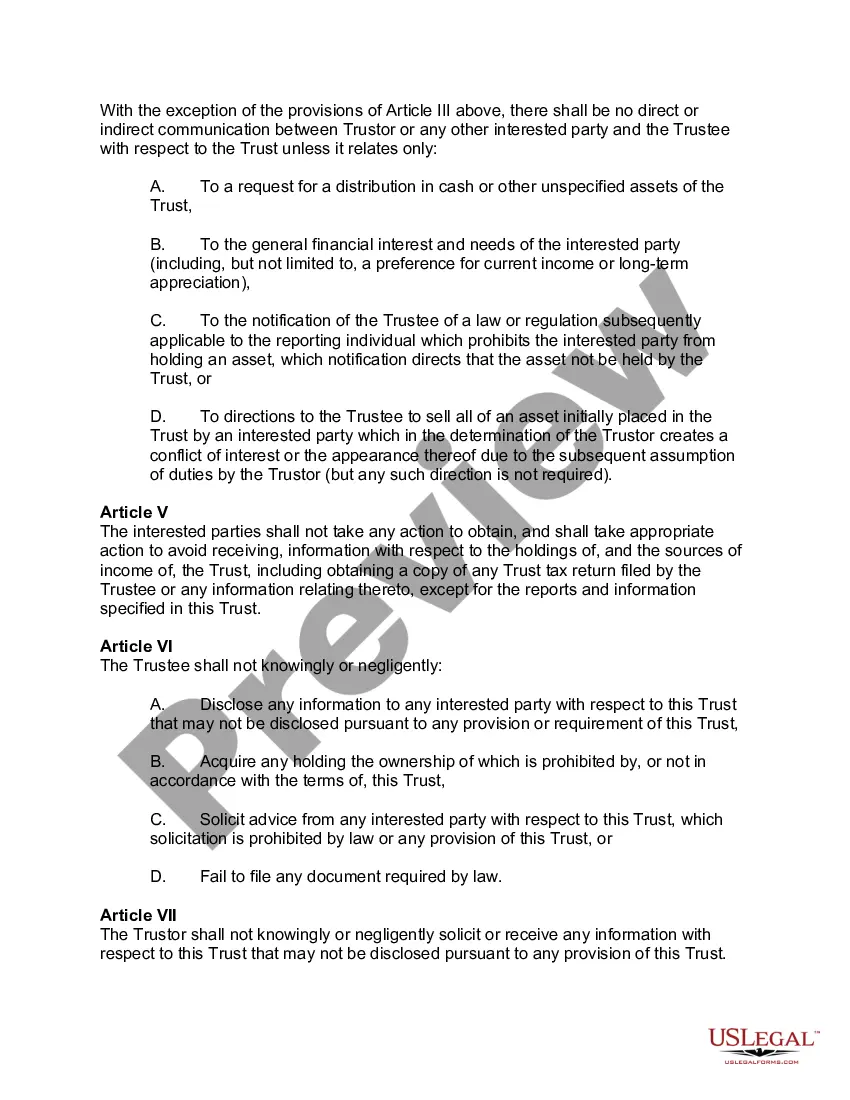
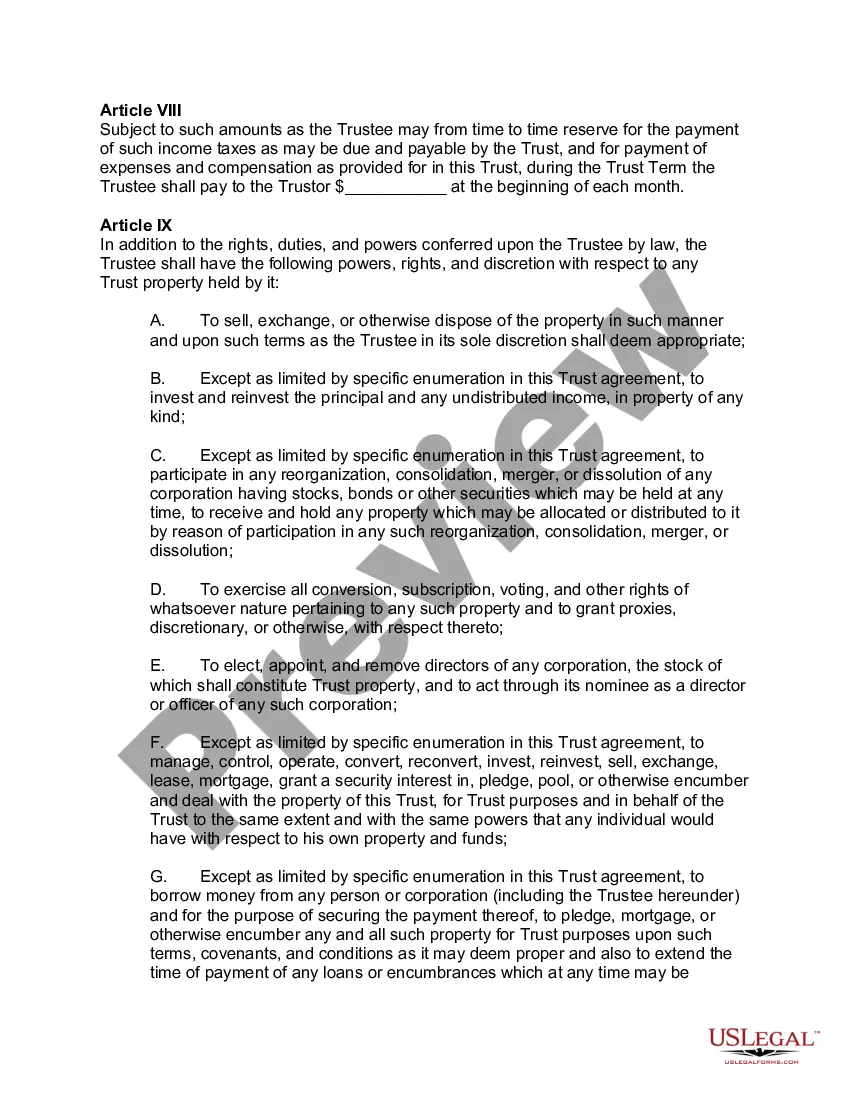
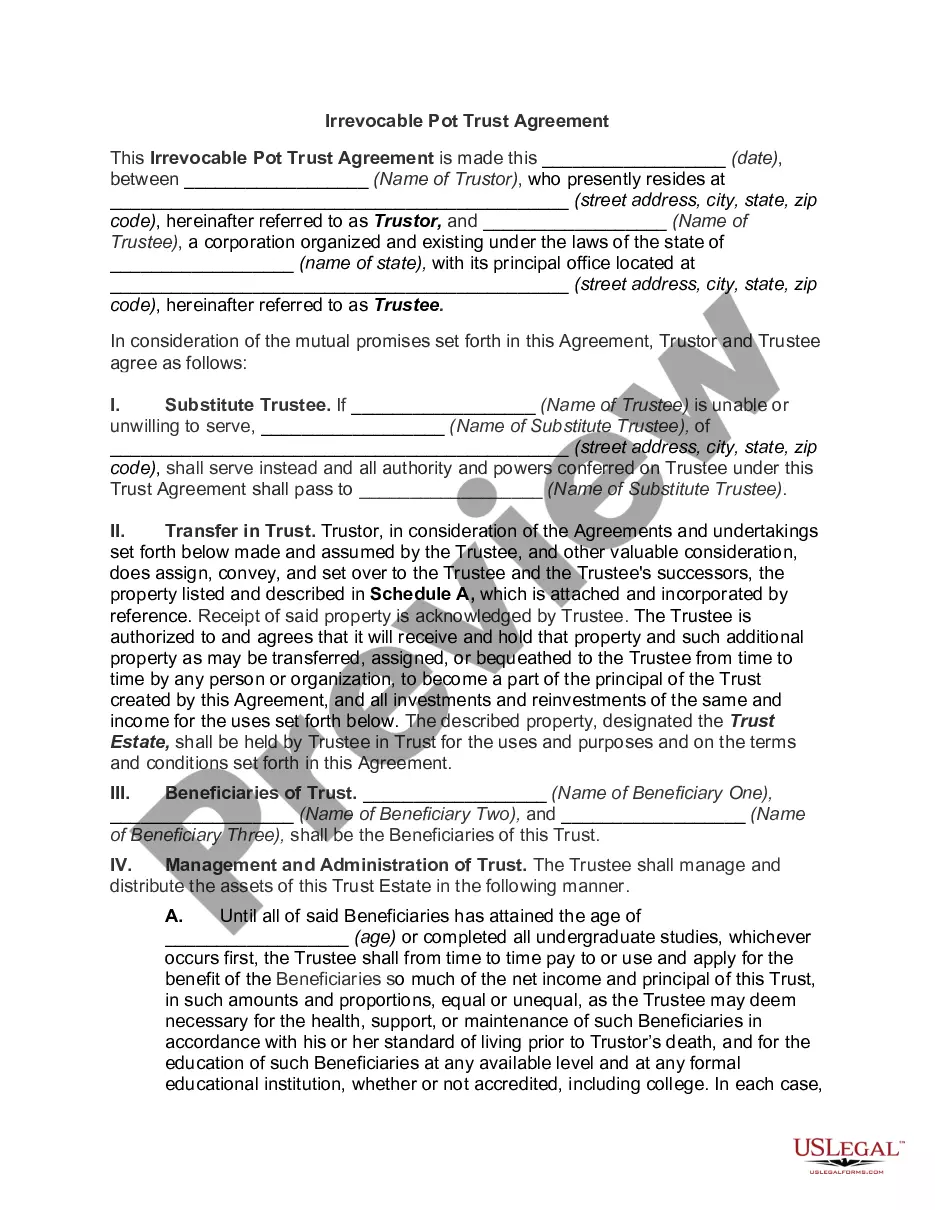
Get your form ready online
Our built-in tools help you complete, sign, share, and store your documents in one place.
Make edits, fill in missing information, and update formatting in US Legal Forms—just like you would in MS Word.
Download a copy, print it, send it by email, or mail it via USPS—whatever works best for your next step.
Sign and collect signatures with our SignNow integration. Send to multiple recipients, set reminders, and more. Go Premium to unlock E-Sign.
If this form requires notarization, complete it online through a secure video call—no need to meet a notary in person or wait for an appointment.
We protect your documents and personal data by following strict security and privacy standards.

Make edits, fill in missing information, and update formatting in US Legal Forms—just like you would in MS Word.

Download a copy, print it, send it by email, or mail it via USPS—whatever works best for your next step.

Sign and collect signatures with our SignNow integration. Send to multiple recipients, set reminders, and more. Go Premium to unlock E-Sign.

If this form requires notarization, complete it online through a secure video call—no need to meet a notary in person or wait for an appointment.

We protect your documents and personal data by following strict security and privacy standards.
Looking for another form?



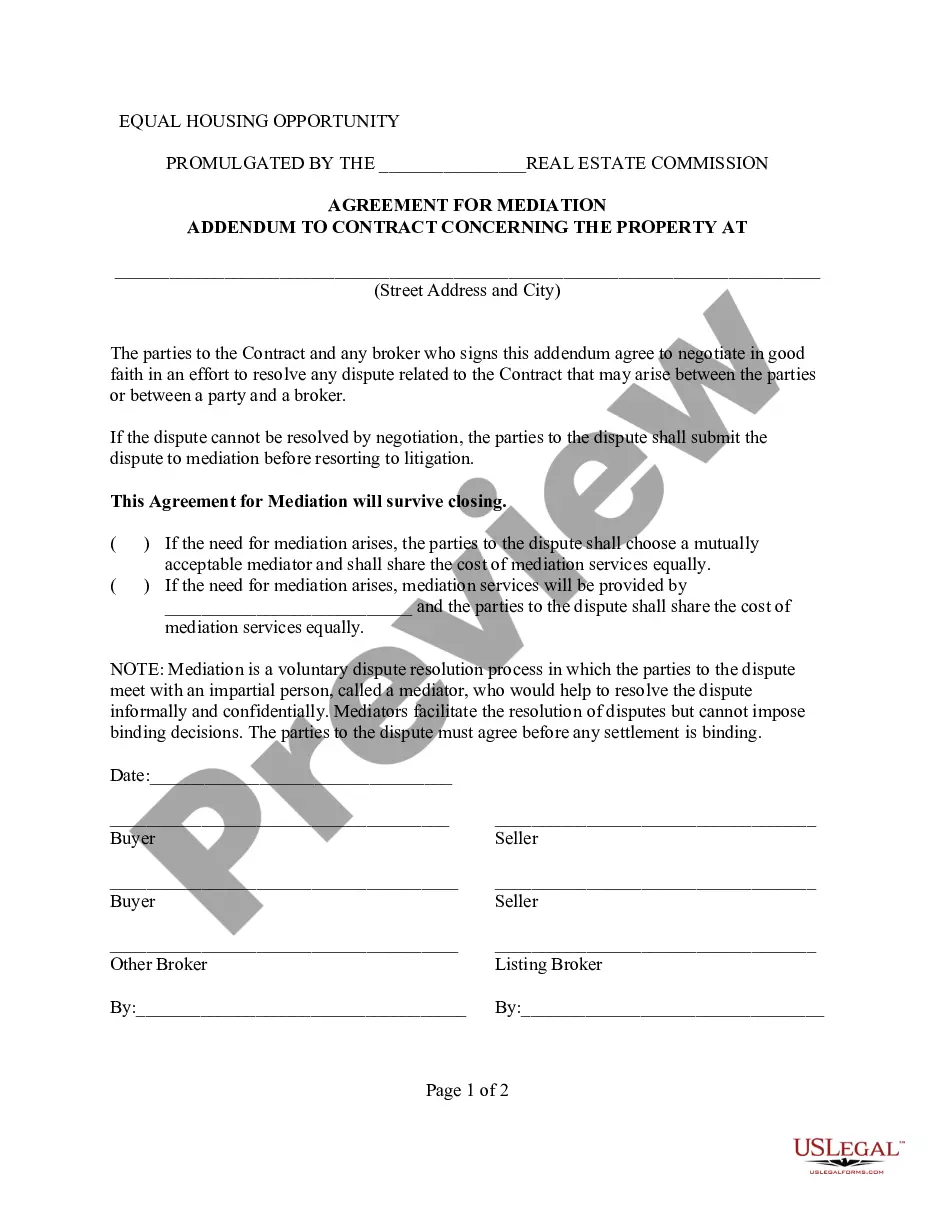
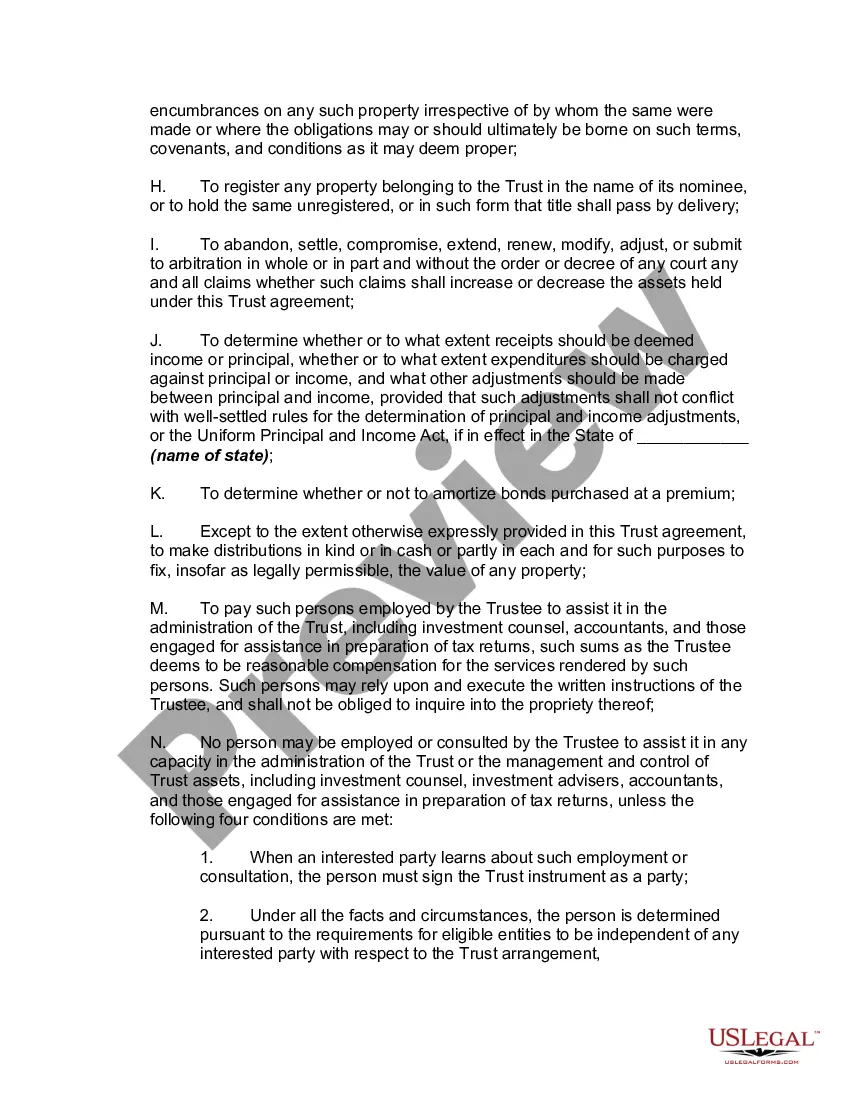
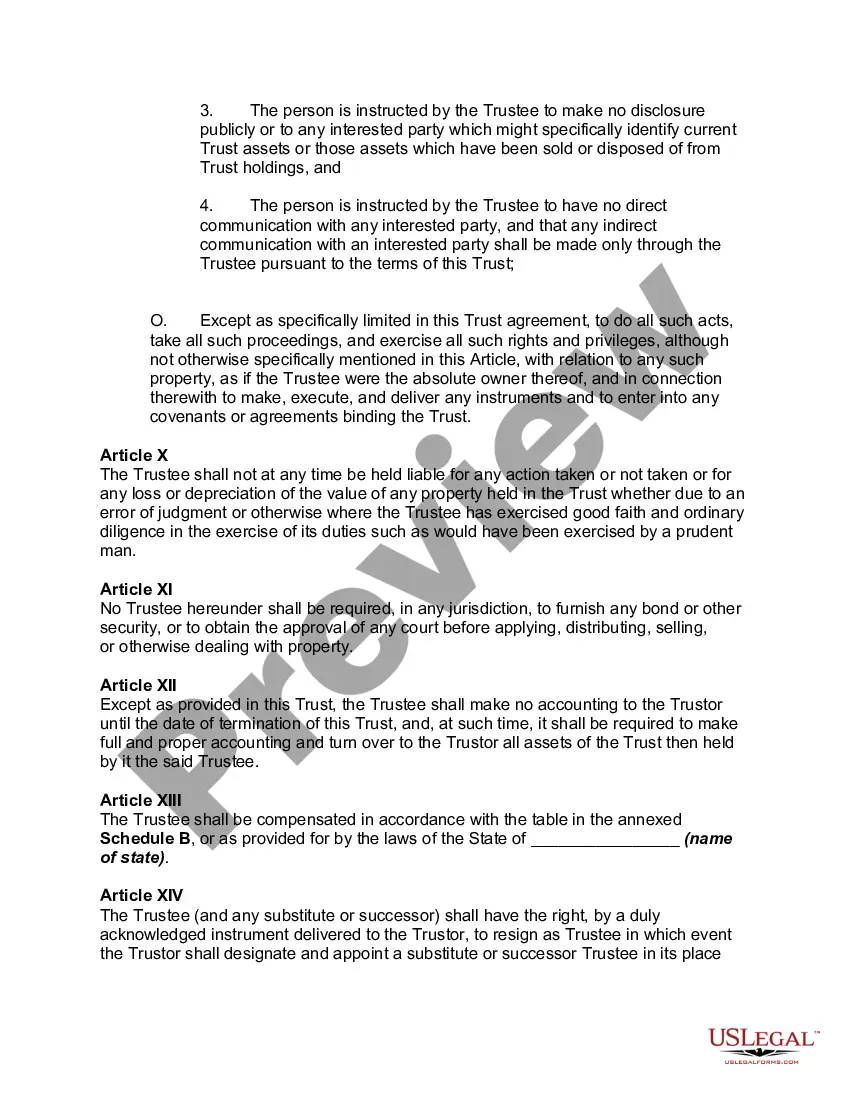
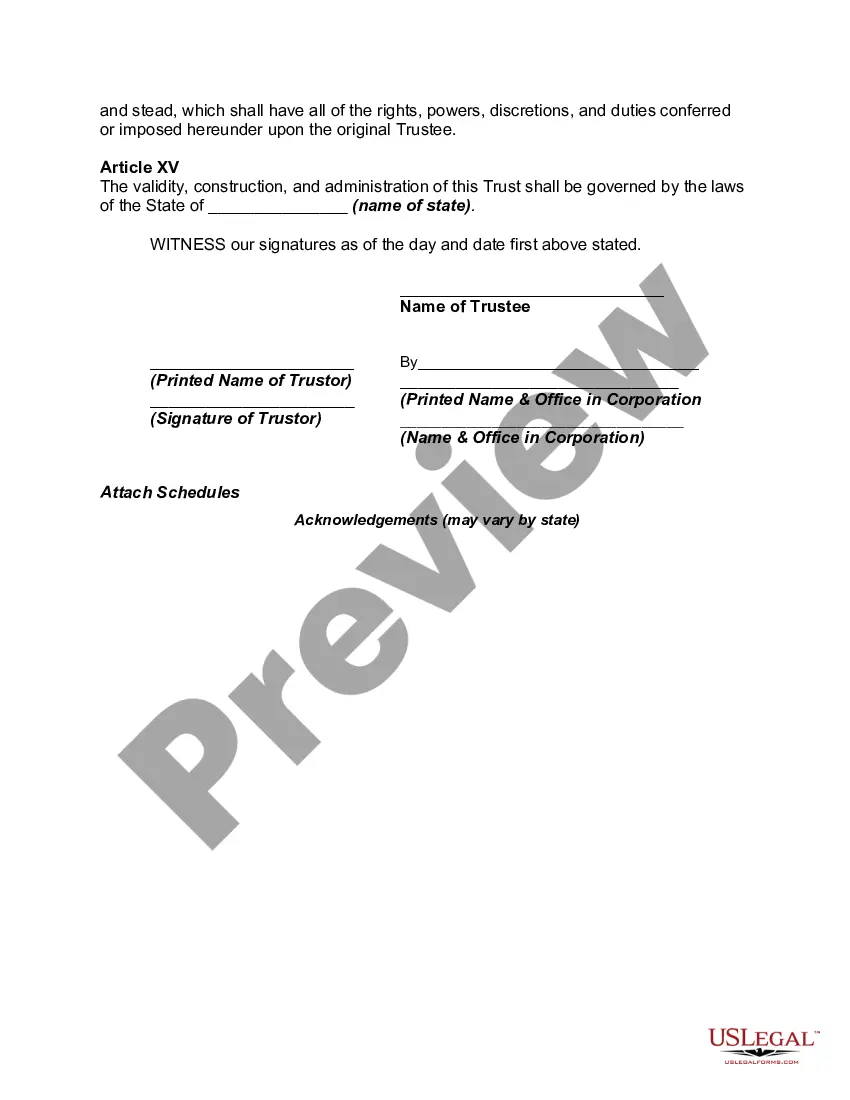
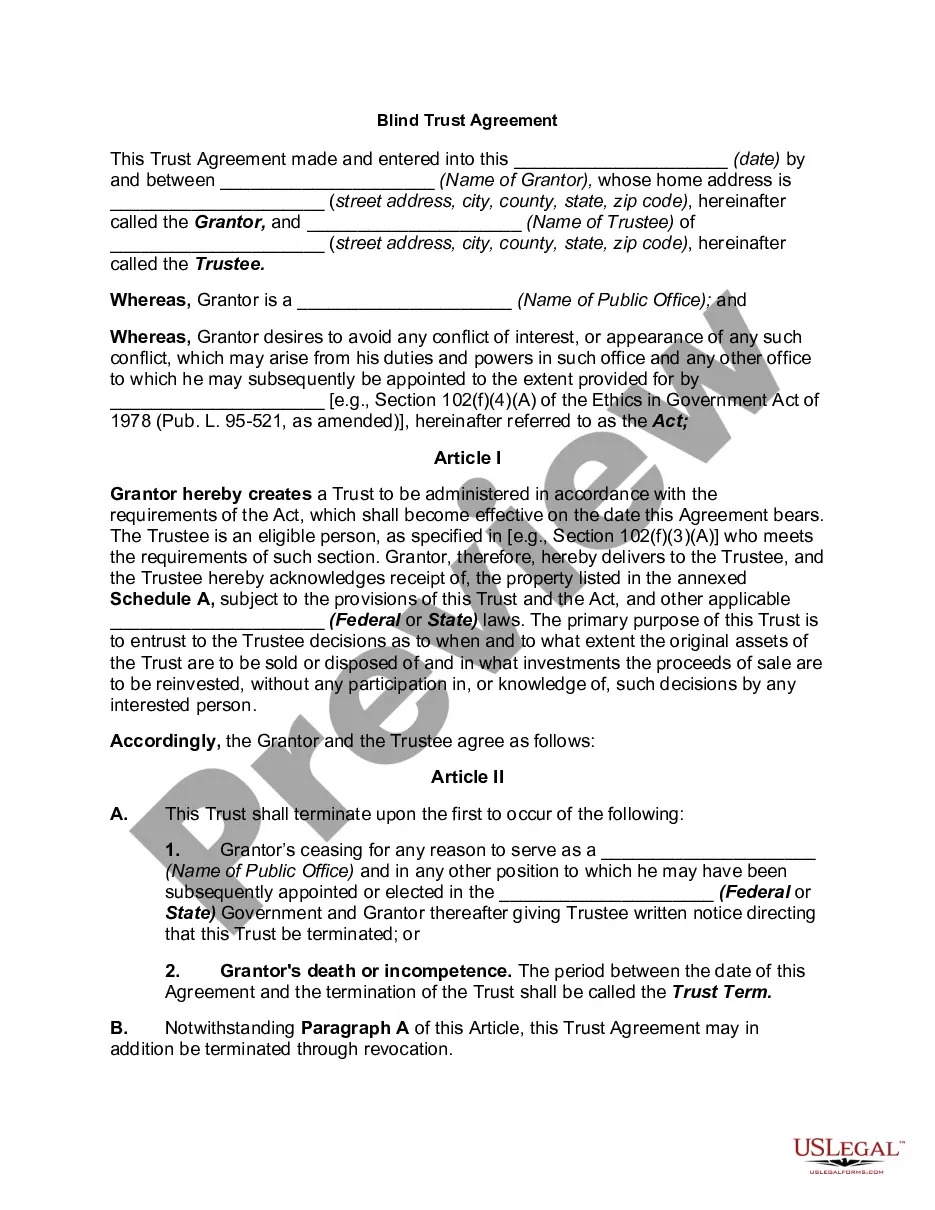
How to fill out Blind Trust Agreement For Private Individual As Opposed To Government?
Legal documents handling can be perplexing, even for the most informed professionals.
When you are searching for a Blind Trust Example With Someone and lack the opportunity to spend time searching for the accurate and up-to-date version, the process can be overwhelming.
US Legal Forms meets all your requirements, from personal to business paperwork, in one place.
Utilize sophisticated tools to complete and oversee your Blind Trust Example With Someone.
Here are the steps to follow after downloading the form you need: Confirm it is the correct document by previewing it and reading its details. Ensure that the sample is permissible in your state or county. Click Buy Now when you are ready. Choose a subscription plan. Select the format you need, and Download, complete, eSign, print, and submit your document. Enjoy the US Legal Forms online library, backed by 25 years of experience and reliability. Transform your daily document handling into a seamless and user-friendly process today.
- Tap into a resource center of articles, guides, and manuals related to your circumstances and needs.
- Save time and effort searching for the forms you require, and use US Legal Forms' enhanced search and Review feature to locate Blind Trust Example With Someone and download it.
- If you have a monthly subscription, Log Into your US Legal Forms account, search for the document, and download it.
- Visit the My documents tab to view the documents you have previously saved and manage your folders as desired.
- If you are new to US Legal Forms, create an account to gain unlimited access to all the library's benefits.
- A comprehensive online form library may revolutionize the way anyone manages these situations effectively.
- US Legal Forms is a market leader in online legal documents, offering over 85,000 state-specific legal forms available at any time.
- With US Legal Forms, you can access local legal and business documents tailored to your needs.
Form popularity
FAQ
In a blind trust, an individual places assets that could otherwise create conflicts of interest into an asset vehicle ("trust"). Control over the trust and its assets are given to an independent trustee, who may buy and sell assets without the knowledge or consent of the beneficiary ("blind").
Defining Blind Trust It is like walking into a bridge without knowing whether it is strong enough to hold us. In personal relationships, blind trust could mean believing a person's words or intentions without hesitation. Even if there is a chance that someone could be not truthful we chose to ignore it.
A blind trust is most common with public officials whose decisions can directly affect the financial markets, but another example would be creating a blind trust to hide its monetary value from an individual whose behavior and actions would change if they were privy to it.
How to Set Up a Blind Trust Gather the documentation for the assets that you want put into the blind trust. ... Appoint a trustee. ... Create the trust agreement. ... Sign the trust and have it notarized, taking care to follow any recording laws that your state has. Officially transfer the relevant assets into the trust.