Subletting Without Landlord Permission
Description
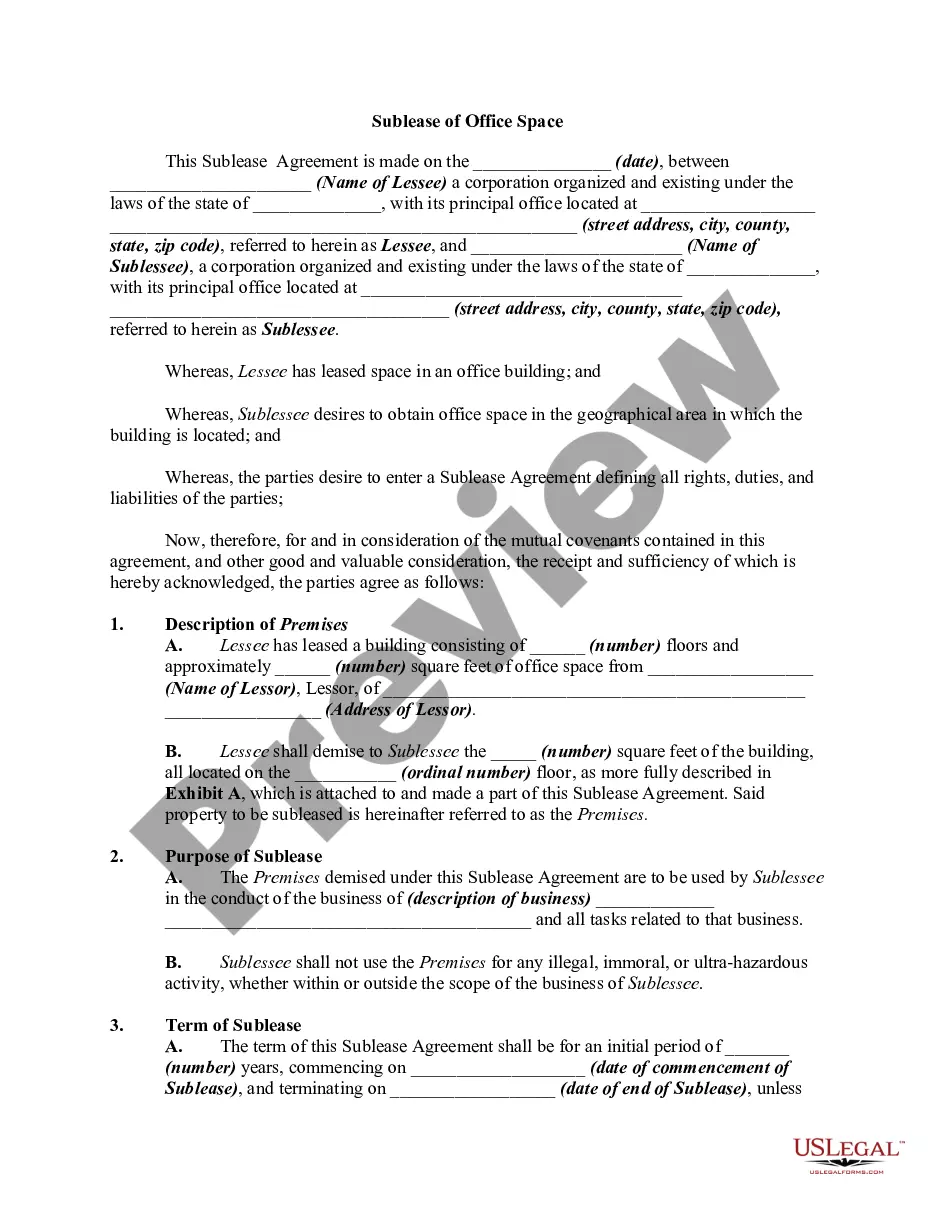
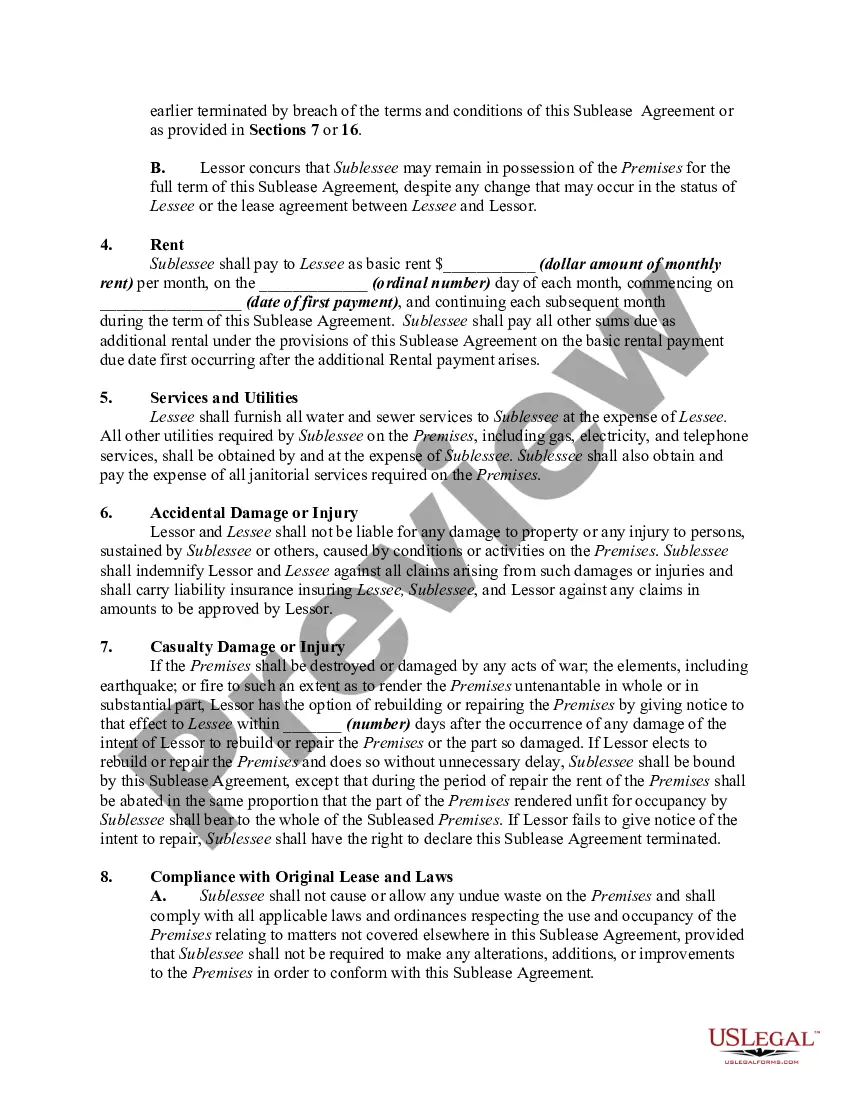
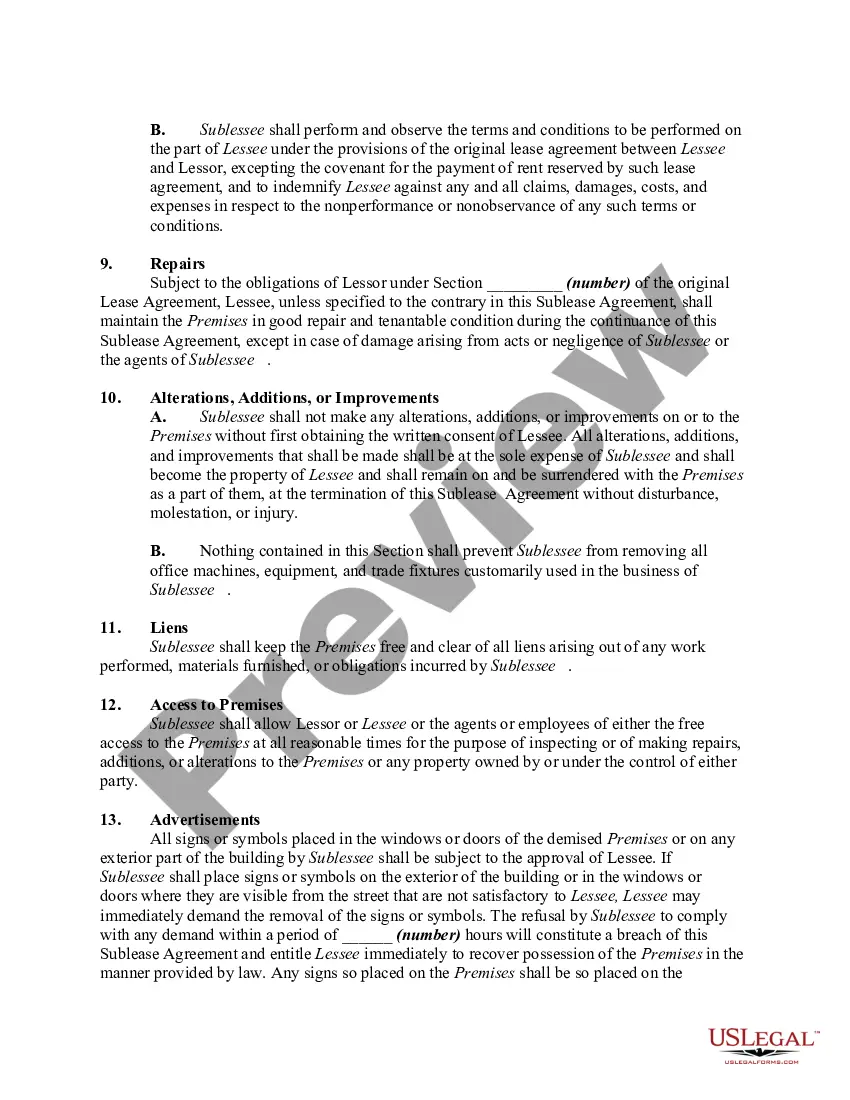
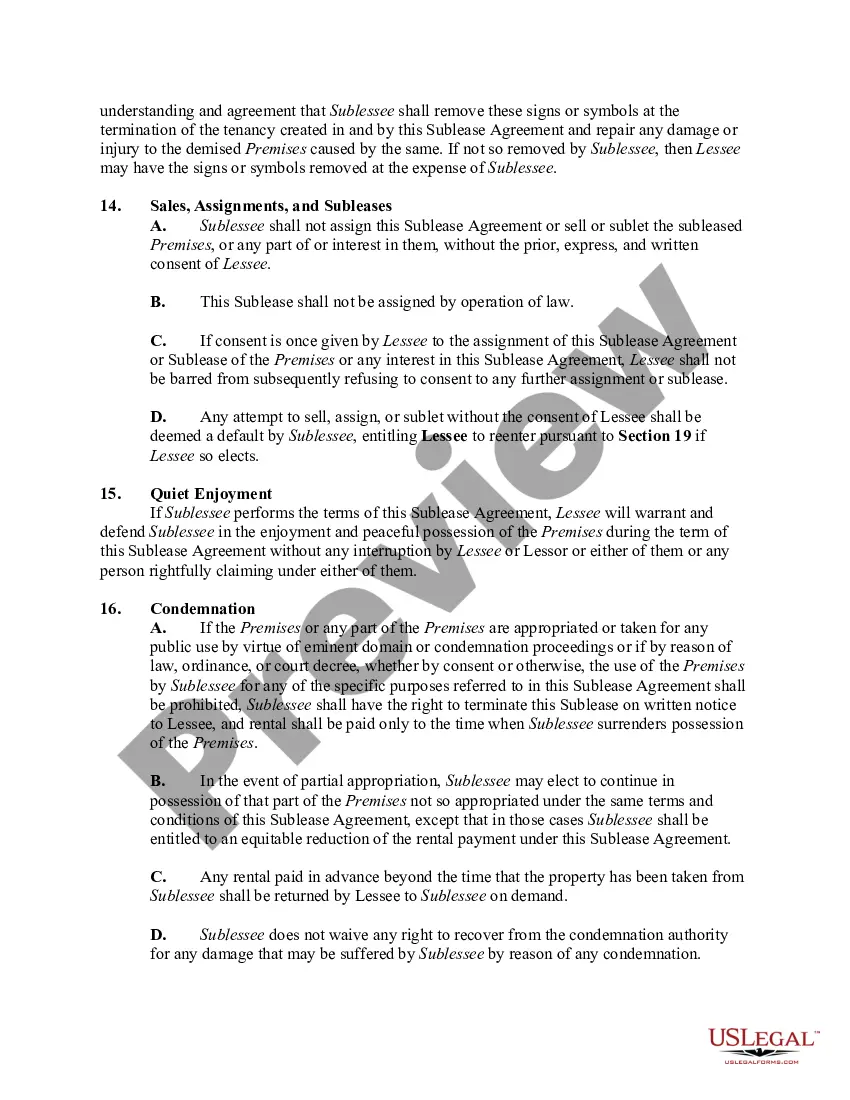
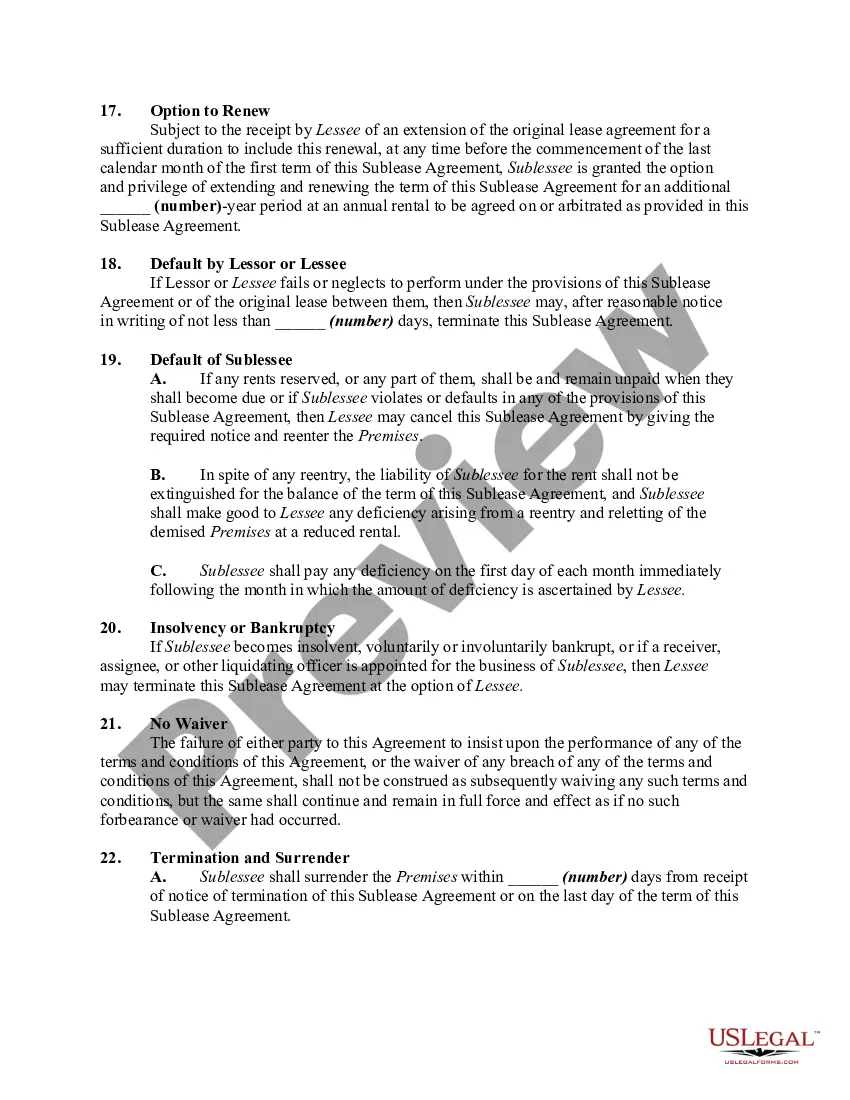
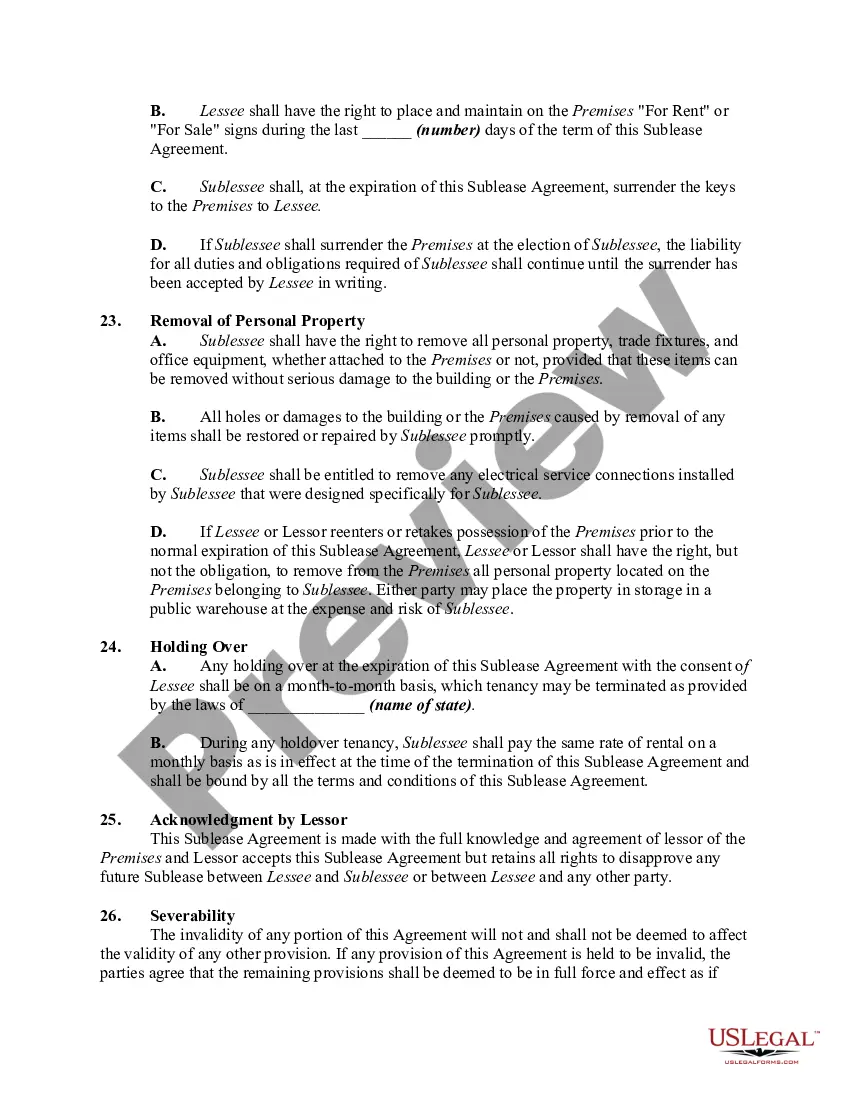
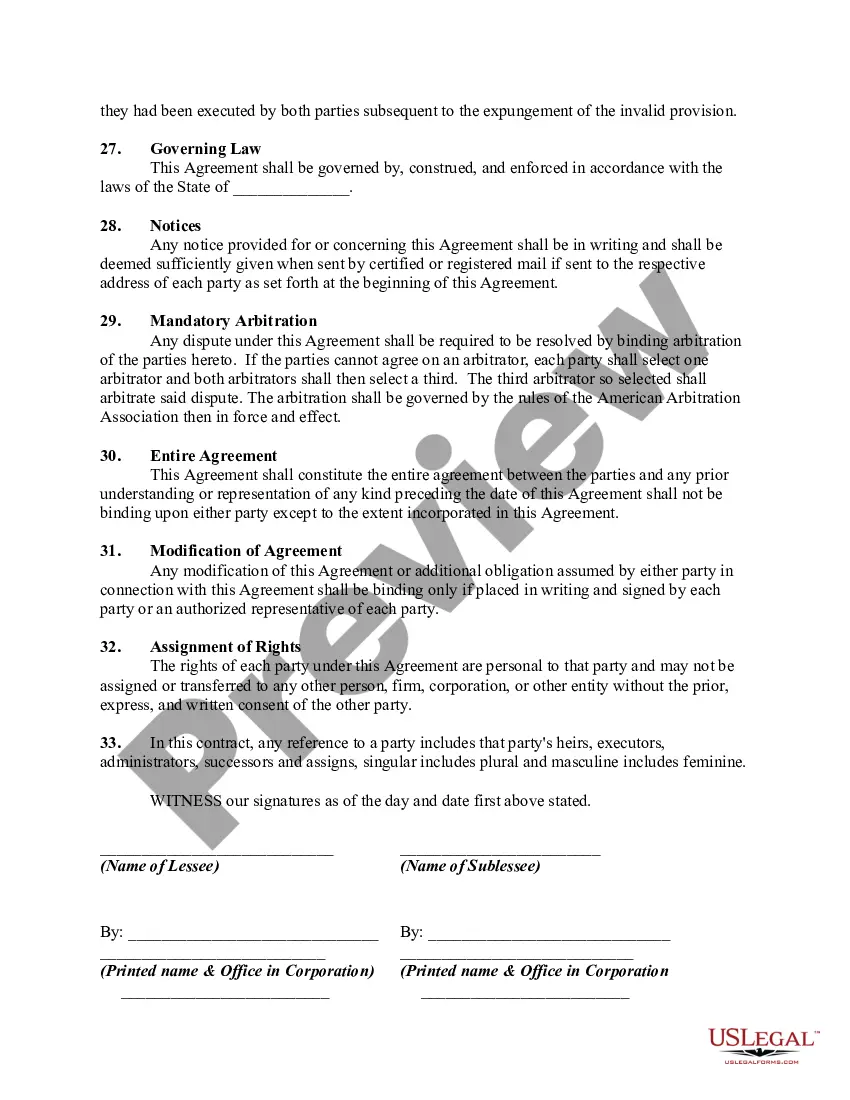

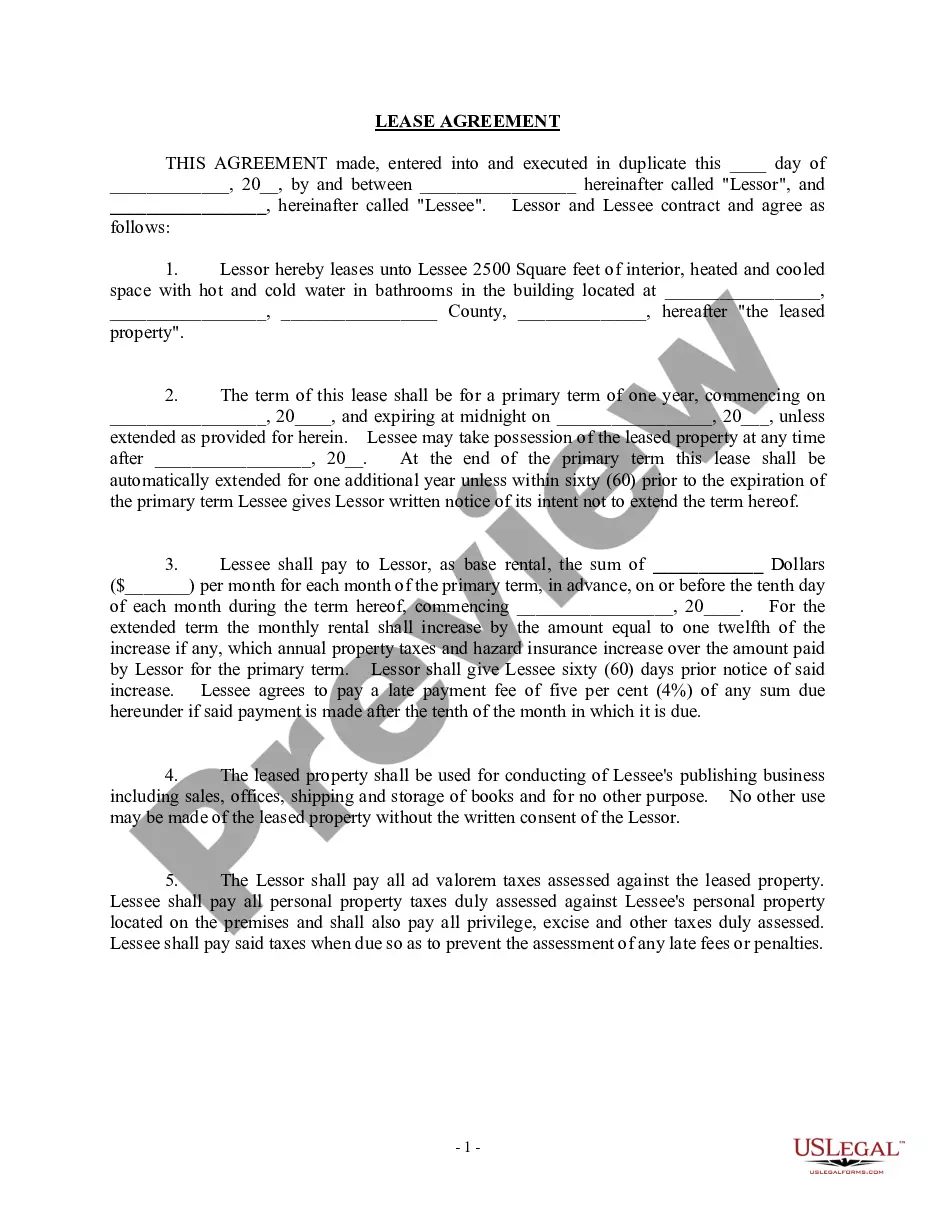
Get your form ready online
Our built-in tools help you complete, sign, share, and store your documents in one place.
Make edits, fill in missing information, and update formatting in US Legal Forms—just like you would in MS Word.
Download a copy, print it, send it by email, or mail it via USPS—whatever works best for your next step.
Sign and collect signatures with our SignNow integration. Send to multiple recipients, set reminders, and more. Go Premium to unlock E-Sign.
If this form requires notarization, complete it online through a secure video call—no need to meet a notary in person or wait for an appointment.
We protect your documents and personal data by following strict security and privacy standards.

Make edits, fill in missing information, and update formatting in US Legal Forms—just like you would in MS Word.

Download a copy, print it, send it by email, or mail it via USPS—whatever works best for your next step.

Sign and collect signatures with our SignNow integration. Send to multiple recipients, set reminders, and more. Go Premium to unlock E-Sign.

If this form requires notarization, complete it online through a secure video call—no need to meet a notary in person or wait for an appointment.

We protect your documents and personal data by following strict security and privacy standards.
Looking for another form?








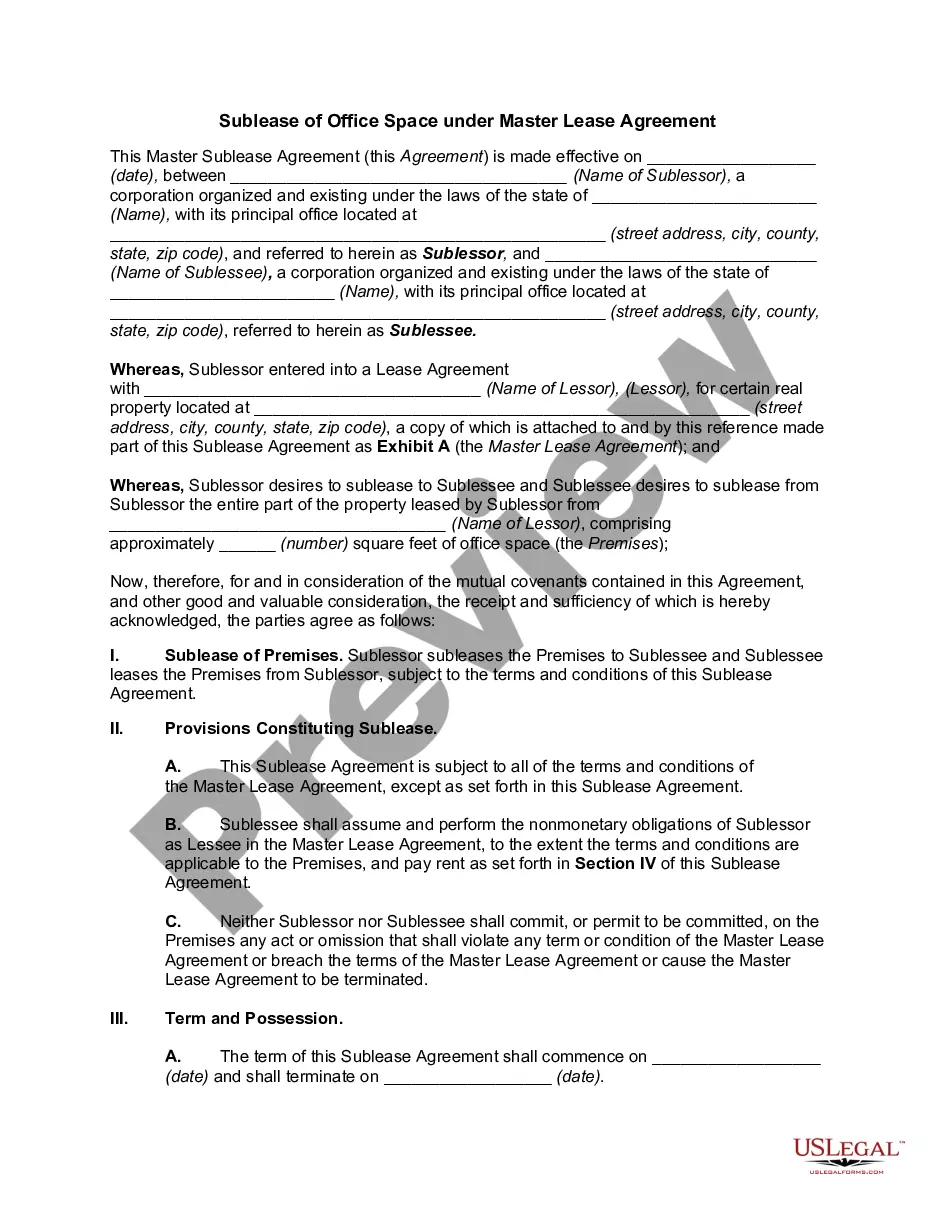
How to fill out Sublease Of Office Space?
Locating a reliable source for the most current and pertinent legal templates is a significant portion of managing bureaucracy.
Selecting the appropriate legal documents requires accuracy and meticulousness, which is why it is essential to obtain samples of Subletting Without Landlord Permission solely from reputable providers, such as US Legal Forms. A faulty template will squander your time and delay the situation you are facing. With US Legal Forms, you have minimal concerns.
Once you have the form on your device, you can modify it using the editor or print it out and complete it by hand. Eliminate the hassle associated with your legal documentation. Explore the vast US Legal Forms library where you can find legal templates, verify their suitability to your situation, and download them instantly.
- Use the library navigation or search bar to locate your sample.
- Examine the form’s description to ensure it meets your state and county requirements.
- Review the form preview, if available, to confirm the template is precisely what you seek.
- Return to the search to find the correct template if the Subletting Without Landlord Permission does not fulfill your requirements.
- If you are confident about the form’s relevance, download it.
- If you are a registered user, click Log in to verify and access your selected templates in My documents.
- If you do not have an account yet, click Buy now to acquire the template.
- Choose the pricing plan that fits your needs.
- Proceed to the registration to finalize your purchase.
- Complete your purchase by selecting a payment method (credit card or PayPal).
- Choose the document format for downloading Subletting Without Landlord Permission.
Form popularity
FAQ
Report your subletting income by including it on Schedule E of your income tax return. Ensure you track all income and expenses associated with the subletting arrangement. If you're unsure about the process, consider using resources like US Legal Forms to access easy-to-understand documents that can guide you through the reporting process. Staying informed will help you file accurately and with confidence.
To prove a tenant is subletting, collect evidence such as written communications, rental payments, and photographs. If you notice guests frequently or find property treated differently, these may indicate subletting without landlord permission. Documenting such instances can assist in legal actions if necessary. Legal platforms like US Legal Forms can provide you with necessary templates for your case.
Yes, you must report sublet income, as it is regarded as taxable revenue. Even when subletting without landlord permission, the Internal Revenue Service requires you to include this income on your tax return. This reporting ensures compliance with tax laws and helps you avoid potential penalties. Always keep proper documentation for your records.
Report passive income, including earnings from subletting, on Schedule E of your tax return. Even if you sublet without landlord permission, it is crucial to declare this income accurately. Keep all documentation related to your sublease arrangement to support your reported income. This clarity can make tax filing less stressful and more efficient.
To record sublease income, start by maintaining a detailed account of all rental payments received. Create a dedicated section in your financial records to track this income, even when subletting without landlord permission. This practice helps you stay organized and prepare your records for tax season. Utilizing accounting software may simplify this process further.
Subletting involves renting out your apartment or room to another person while maintaining your lease. It is essential to ensure that you understand your lease terms and any potential legal implications. When subletting without landlord permission, you face risks, such as eviction or loss of security deposit. Consider using platforms like US Legal Forms to access relevant documents and guidance to streamline the process.
Subleasing is not inherently illegal in California, but it requires careful attention to your rental agreement. Some leases explicitly prohibit subletting without consent, making it crucial to review your contract. Additionally, local laws may affect your rights and responsibilities. If you're considering subletting without landlord permission, understanding these regulations can help ensure compliance.
Yes, a landlord can decline a sublease even if the tenant has found a suitable candidate. This is particularly true when subletting without landlord permission could violate the lease terms. If you plan to sublet, reviewing your lease or consulting with a professional can provide clarity on valid reasons a landlord might refuse a sublease. Being informed can save you time and hassle.
Landlords often dislike subletting because it can complicate their property management. They may fear potential damage, unpaid rent, or over-crowding when tenants sublet without permission. Additionally, landlords want to maintain control over their properties and ensure all tenants meet their standards. Understanding these concerns can help you navigate the subletting process.
When considering subletting without landlord permission, it is wise to review your lease agreement first. Some leases require you to inform your landlord about any subtenants. Choosing to communicate openly can avoid potential conflicts later on. If your lease does not mention subletting, you might proceed, but be aware of any risks involved.