Criminal Charges For Battery
Description
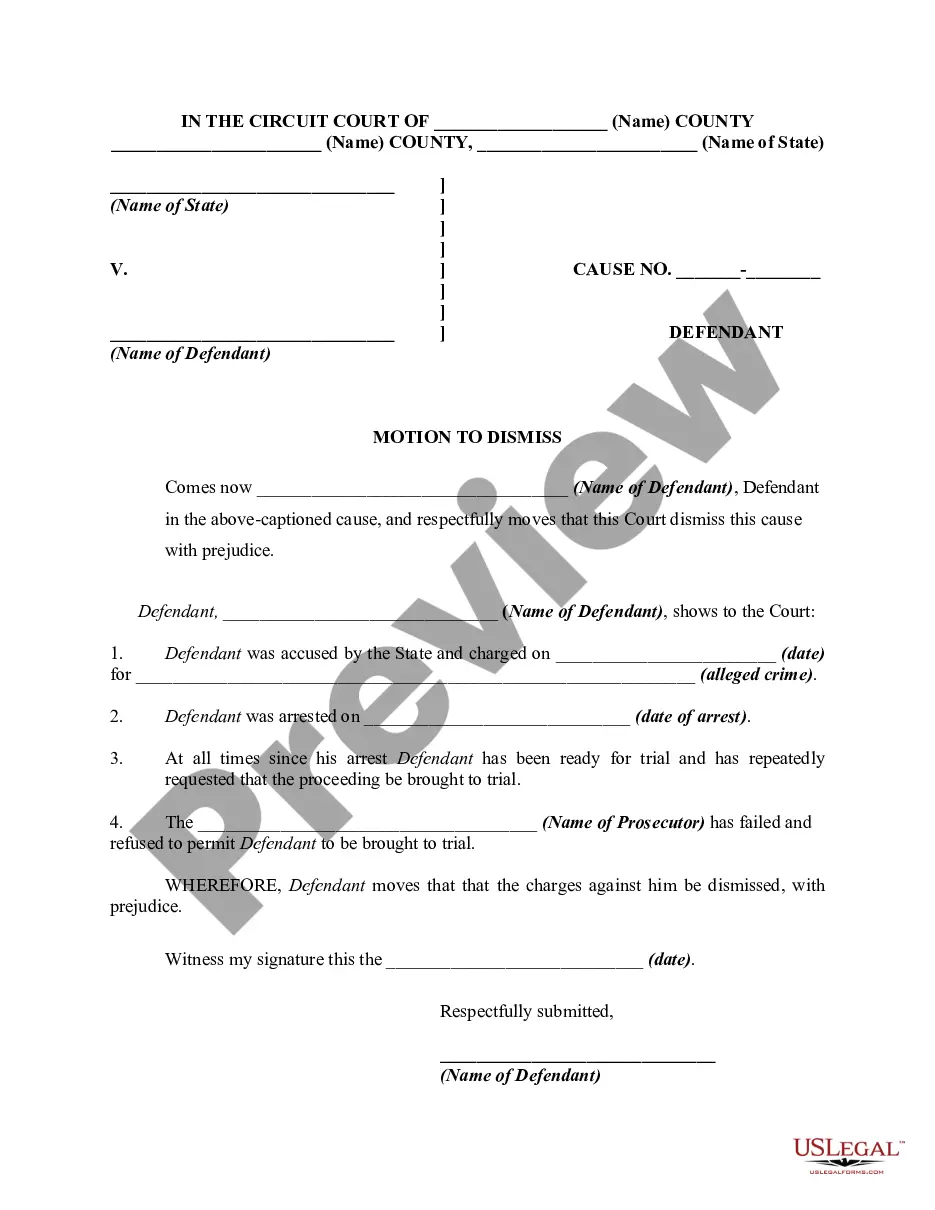


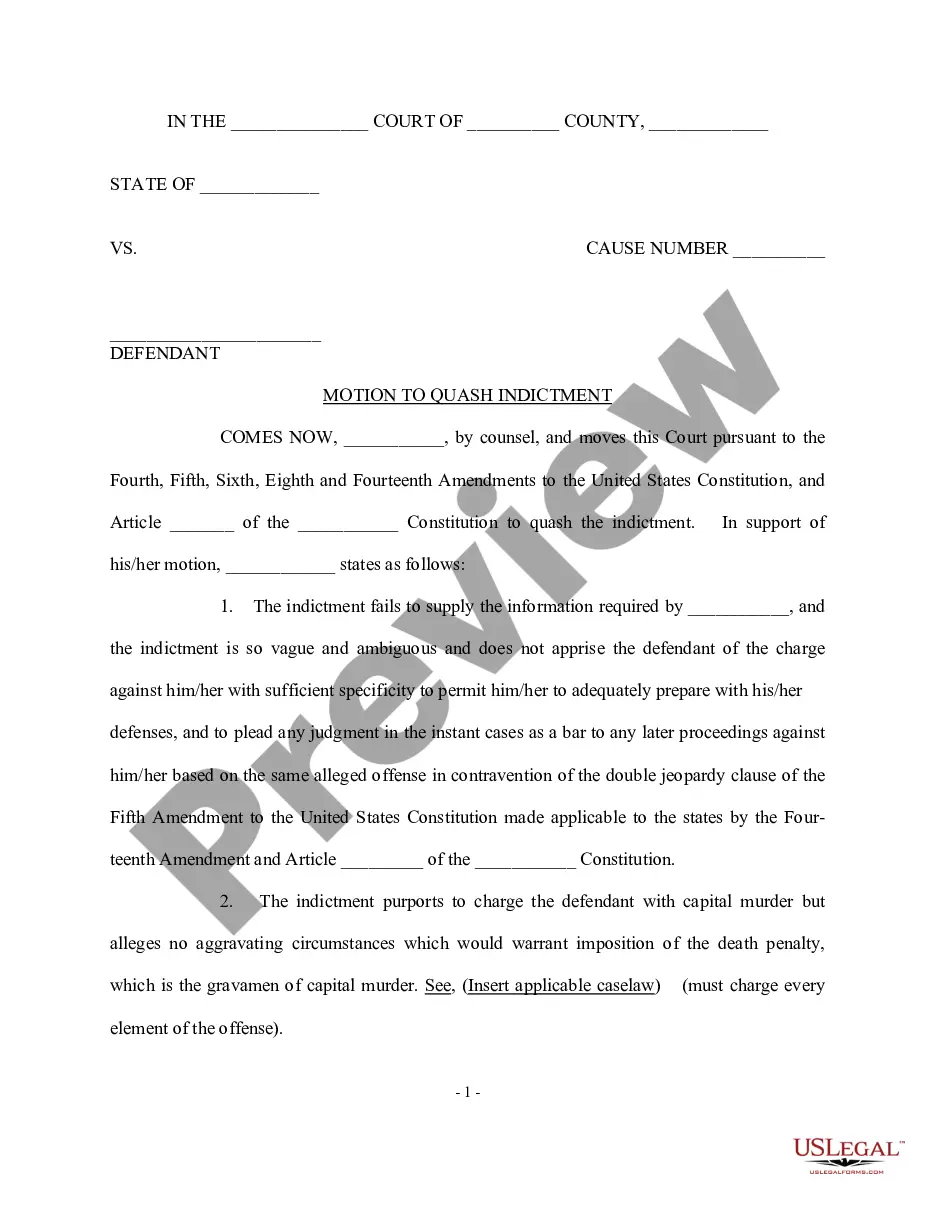
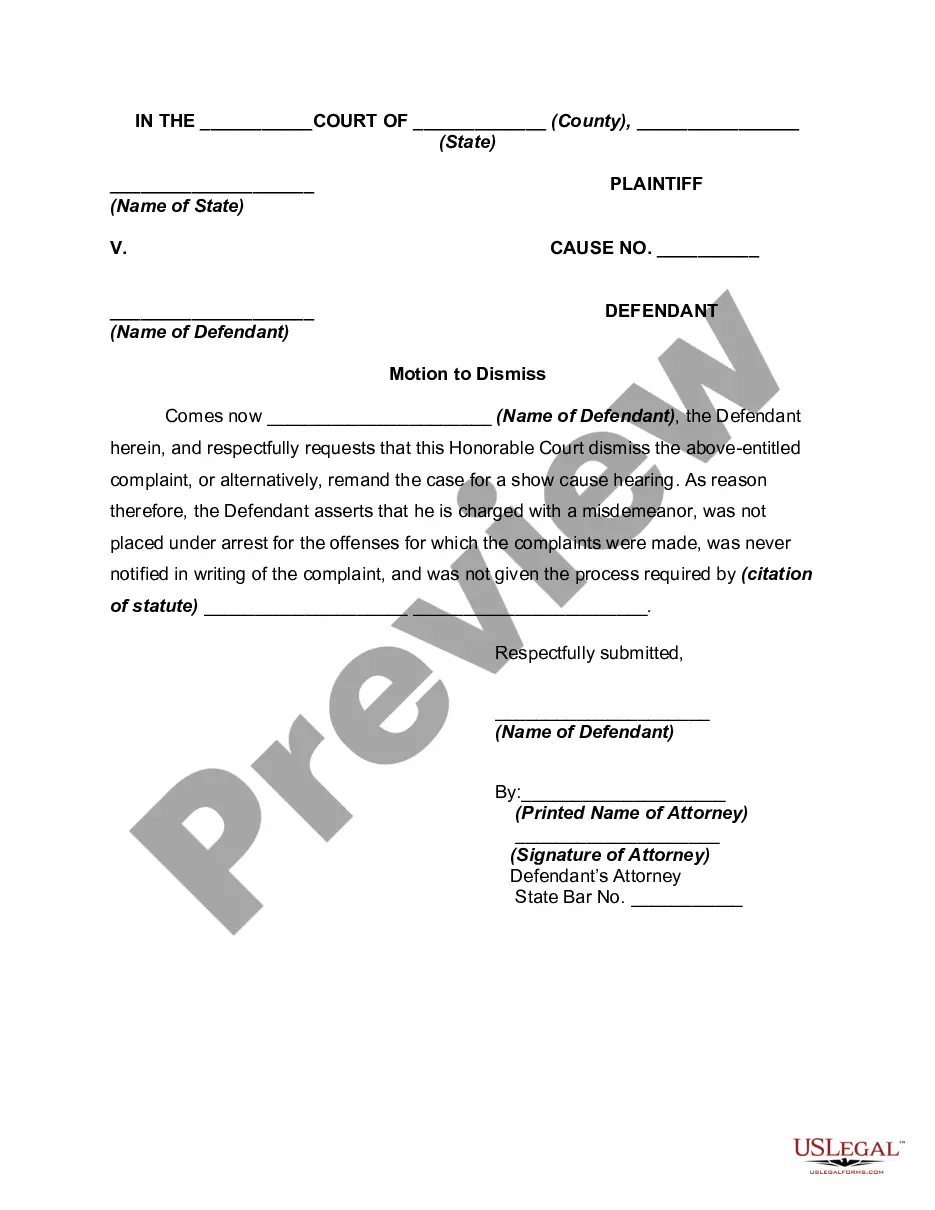
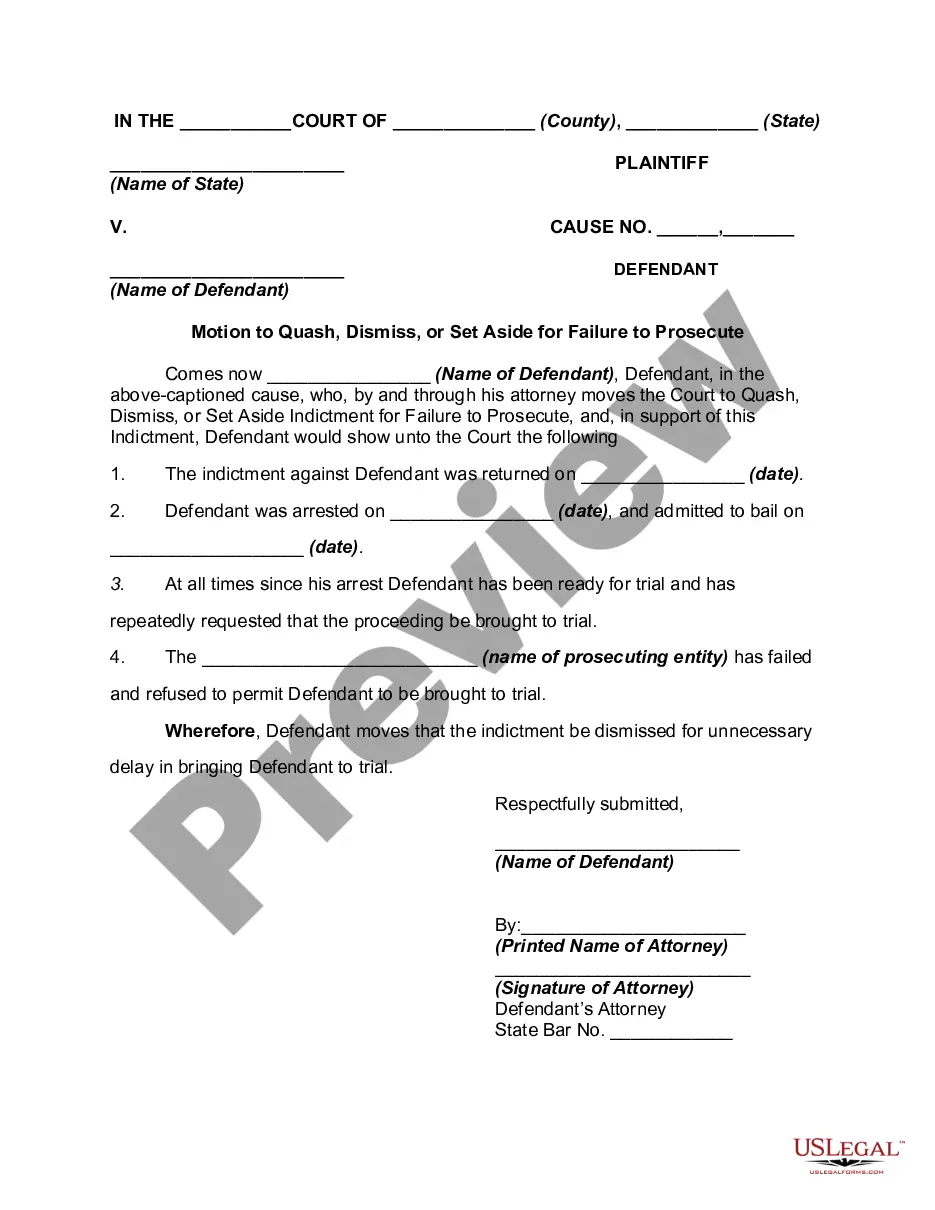
Get your form ready online
Our built-in tools help you complete, sign, share, and store your documents in one place.
Make edits, fill in missing information, and update formatting in US Legal Forms—just like you would in MS Word.
Download a copy, print it, send it by email, or mail it via USPS—whatever works best for your next step.
Sign and collect signatures with our SignNow integration. Send to multiple recipients, set reminders, and more. Go Premium to unlock E-Sign.
If this form requires notarization, complete it online through a secure video call—no need to meet a notary in person or wait for an appointment.
We protect your documents and personal data by following strict security and privacy standards.

Make edits, fill in missing information, and update formatting in US Legal Forms—just like you would in MS Word.

Download a copy, print it, send it by email, or mail it via USPS—whatever works best for your next step.

Sign and collect signatures with our SignNow integration. Send to multiple recipients, set reminders, and more. Go Premium to unlock E-Sign.

If this form requires notarization, complete it online through a secure video call—no need to meet a notary in person or wait for an appointment.

We protect your documents and personal data by following strict security and privacy standards.
Looking for another form?
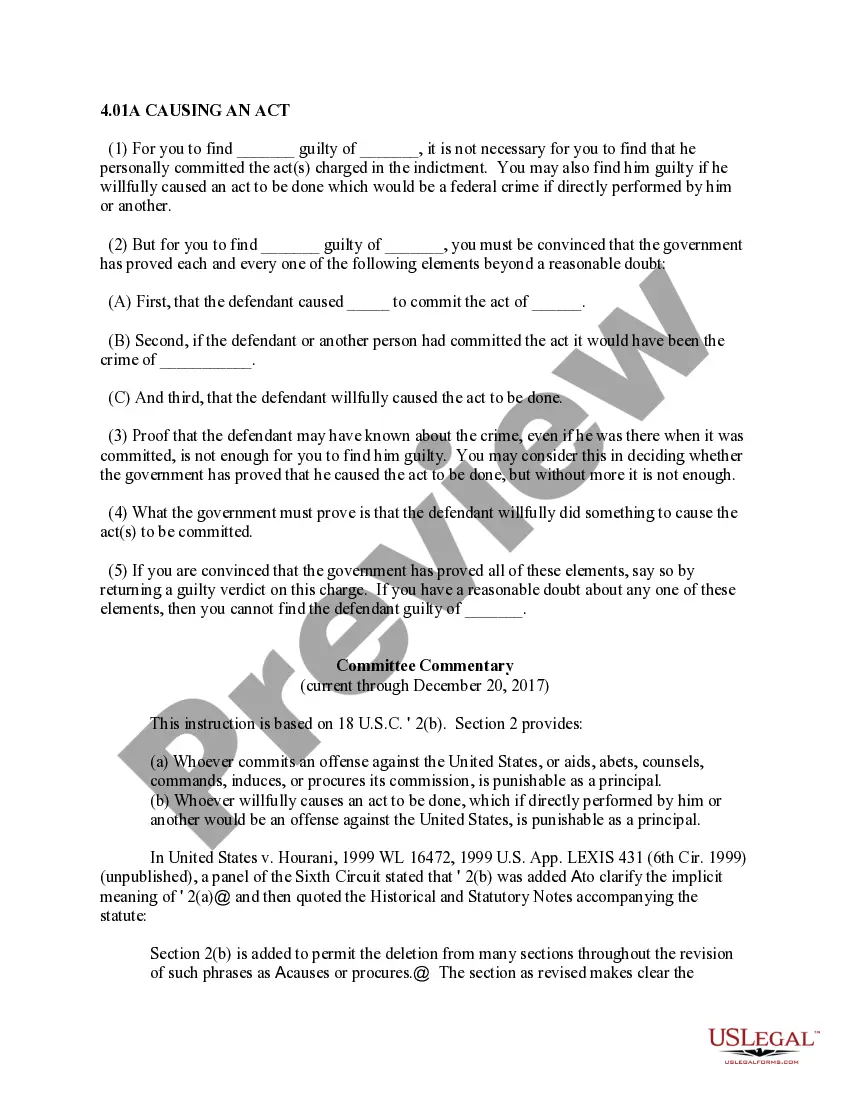



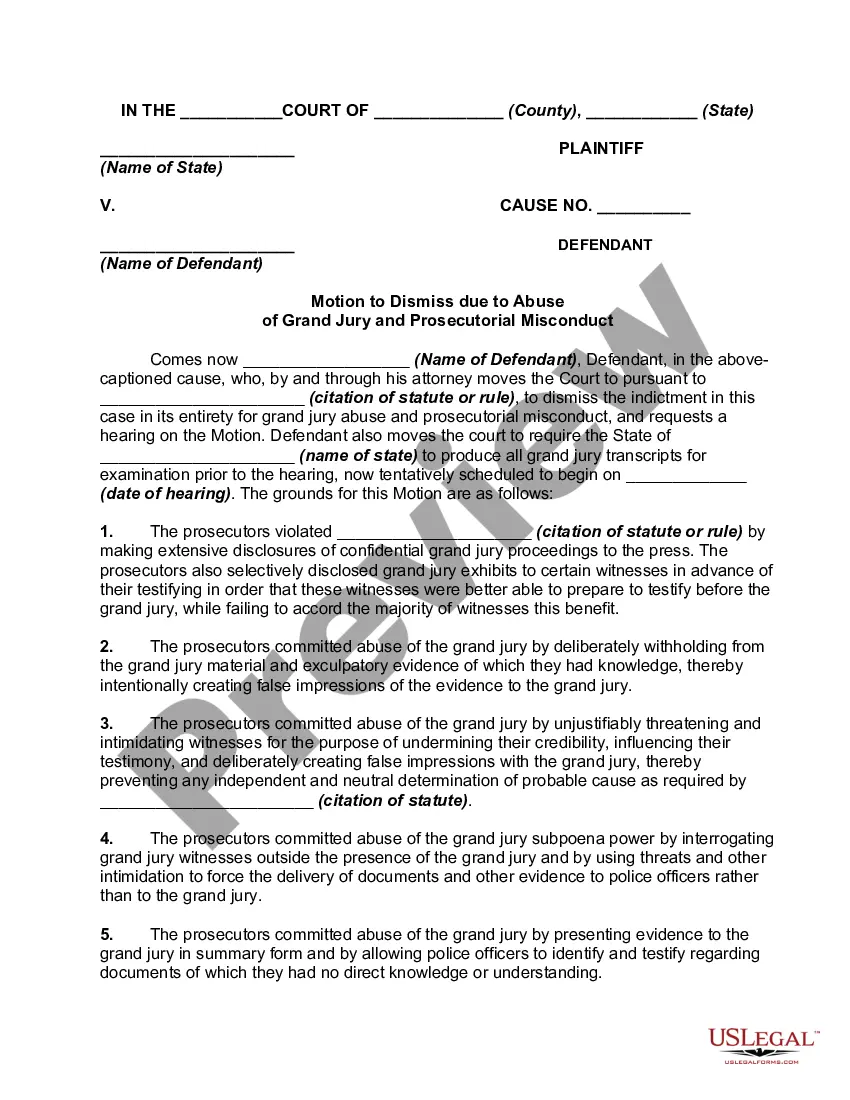
How to fill out Motion To Quash, Dismiss, Or Set Aside Criminal Charges For Failure To Prosecute?
- If you have an account, access it by clicking the 'log in' link and ensure your subscription is current to download the appropriate templates.
- If you're a new user, start by previewing available forms relevant to battery charges. Verify that it meets your local jurisdiction requirements.
- In case the initial selection isn’t suitable, utilize the search feature at the top to find another template that meets your needs.
- After selecting a suitable document, click the 'Buy Now' button and choose your subscription plan. You'll need to register for an account to access our resources.
- Complete your purchase by entering your payment details, either via credit card or PayPal, for the selected subscription.
- Once your payment is processed, download the form to your device. You can access it anytime via the 'My Forms' section in your profile.
By leveraging US Legal Forms, you gain access to an extensive library of over 85,000 easily fillable forms. This unique advantage allows you to find more legal documents at competitive prices compared to other services.
Don't navigate the complexities of legal documentation alone—take advantage of US Legal Forms today and ensure that your legal matters are handled effectively and efficiently.
Form popularity
FAQ
Pressing charges for assault can be a significant decision that depends on various factors, including the severity of the incident and the willingness of law enforcement to proceed. If pursuing action leads to accountability and prevents further harm, it might be worthwhile. However, it is advisable to consider the potential impacts, both personally and legally, throughout the process of criminal charges for battery. Consulting with a legal professional can provide valuable insights before making this decision.
When someone presses charges against you for battery, the legal process initiates a series of events, starting with an investigation. Law enforcement may gather evidence, take witness statements, and eventually decide whether to file criminal charges for battery. You could face court appearances, legal representation, and potentially serious penalties if convicted. It's vital to respond promptly and effectively if this situation arises.
No, battery and assault are not the same, although they often occur together. Battery specifically refers to the act of causing physical harm, while assault is the threat or attempt to cause harm. Understanding this distinction is crucial when facing criminal charges for battery, as the definitions can affect the legal process. If you find yourself in such a situation, seeking legal advice can clarify your specific circumstances.
Yes, someone can be charged with battery if they intentionally cause physical harm to another person. This can include actions such as hitting, slapping, or pushing someone. It's essential to understand that these criminal charges for battery can lead to serious legal consequences, including fines and imprisonment. Always consider consulting a legal expert to navigate these complex situations.
No, battery is not always accompanied by assault. While both involve physical altercations, battery can occur without any threat of harm. It's essential to recognize that one can face criminal charges for battery independently of whether there was an assault. This separation can impact the legal strategy when addressing such cases, and resources like US Legal Forms can provide necessary support.
A situation where someone intentionally pushes another person without any prior threat exemplifies battery without assault. In this case, the victim did not anticipate the action, so there was no assault. Therefore, the perpetrator can face criminal charges for battery due to the unconsented contact, even without the perception of imminent danger.
An example of a battery crime includes someone hitting another person during a heated argument. This act of striking another individual constitutes criminal charges for battery, as it involves intentional physical harm. Additionally, even spitting on someone can be considered battery, demonstrating that any unwanted physical interaction can lead to serious legal consequences.
Yes, it is possible to commit battery without assault. Battery involves unlawful physical contact with another person, while assault is the threat of such contact. You can face criminal charges for battery if you physically harm someone, even if they did not see it coming or feel threatened beforehand. Understanding this distinction is crucial to navigating the legal landscape.
Battery refers to the unlawful use of force against another person, resulting in physical injury or offensive contact. Criminal charges for battery can vary based on the severity of the harm caused and the jurisdiction. Understanding the specifics of your situation is vital, and accessing legal resources can clarify your rights. USLegalForms can provide the tools and information you need to navigate the legal process effectively.
In legal contexts, battery and assault are distinct but related offenses. Generally, criminal charges for battery involve actual physical harm to another person, while assault may refer to the threat of harm or an attempt to cause injury. The consequences of battery can often carry harsher penalties due to the physical nature of the offense. It is essential to seek legal advice if you face either of these charges to understand your options and potential defenses.