Project Cost Synopsis
What is this form?
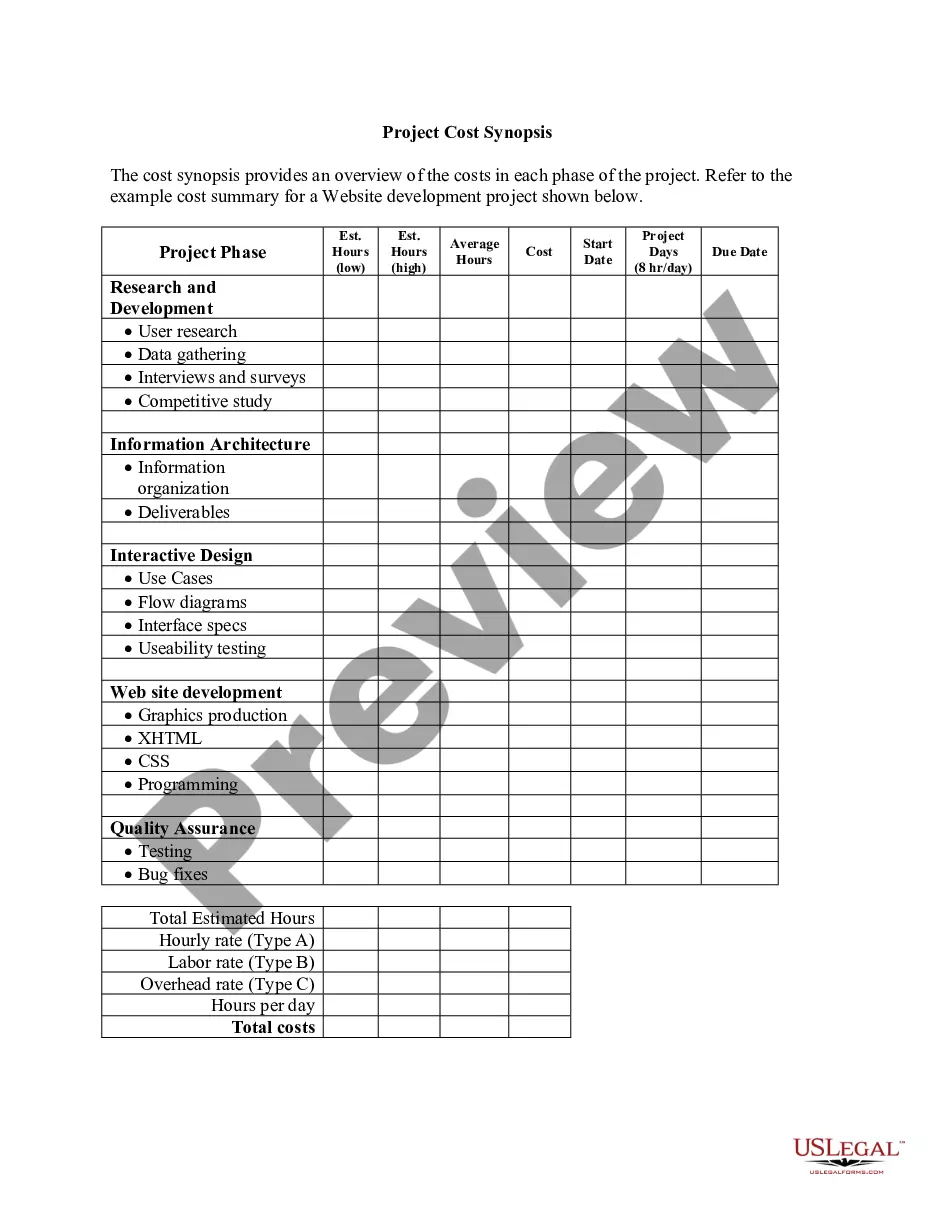
The Project Cost Synopsis is a document that provides a detailed overview of the expenses associated with various phases of a project. This form is particularly useful for project managers and stakeholders to assess and communicate the estimated costs involved in the project, distinguishing it from general financial statements or budgets by offering a structured breakdown of costs by project phase, critical for planning and tracking project finances effectively.
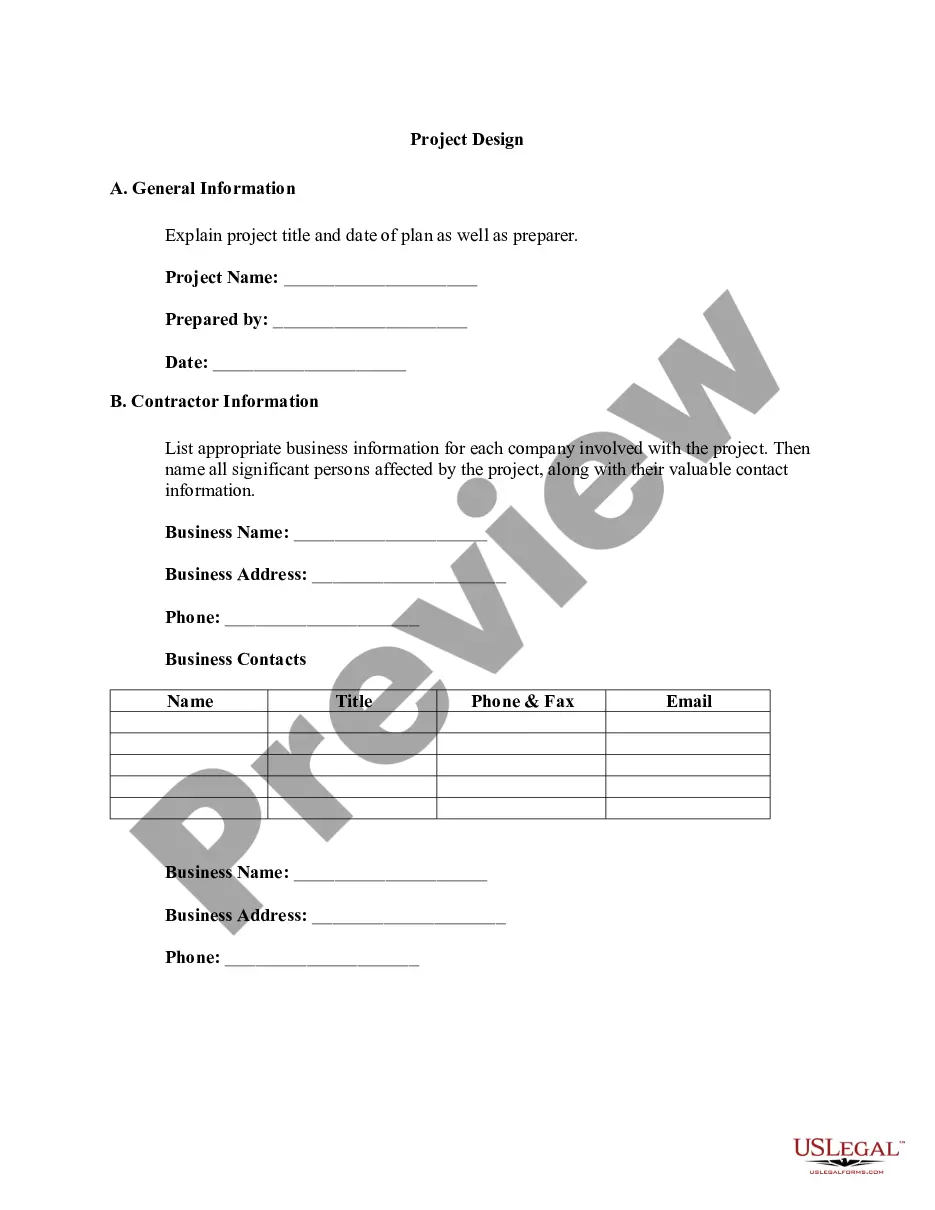
Main sections of this form
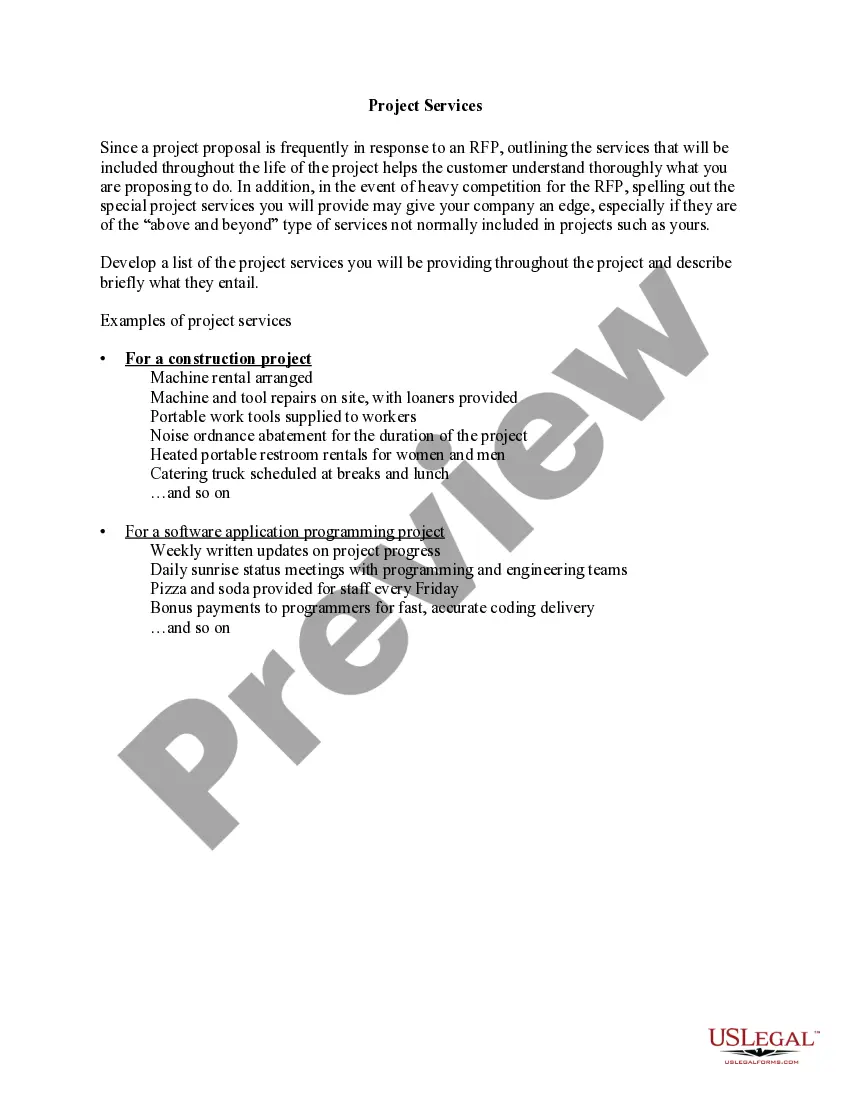
- Project phases: Identifies distinct phases of the project such as research, design, development, and quality assurance.
- Estimated hours: Provides low, high, and average estimates of labor hours required for each phase.
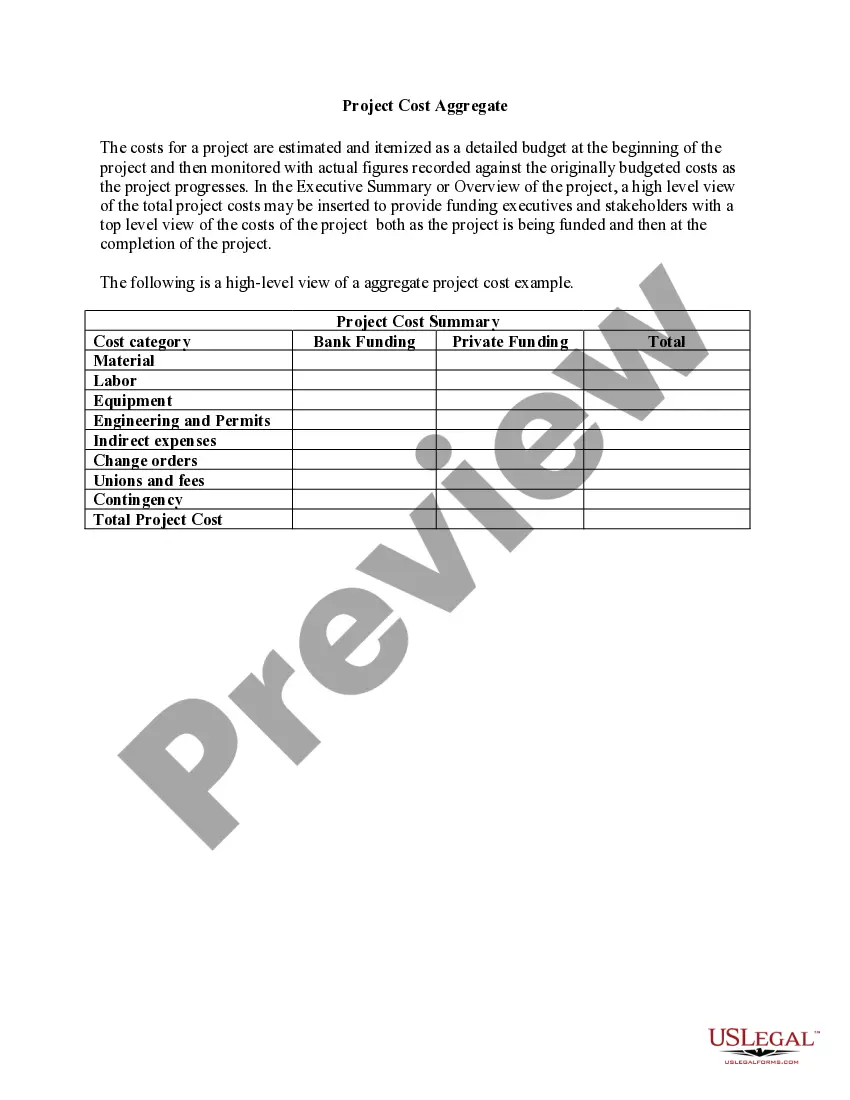
- Cost breakdown: Details costs associated with different phases including overhead and labor rates.
- Start and due dates: Lists the proposed start date and deadline for each project phase.
- Total estimated costs: Calculates the overall projected expenses for the project based on the provided data.
When this form is needed
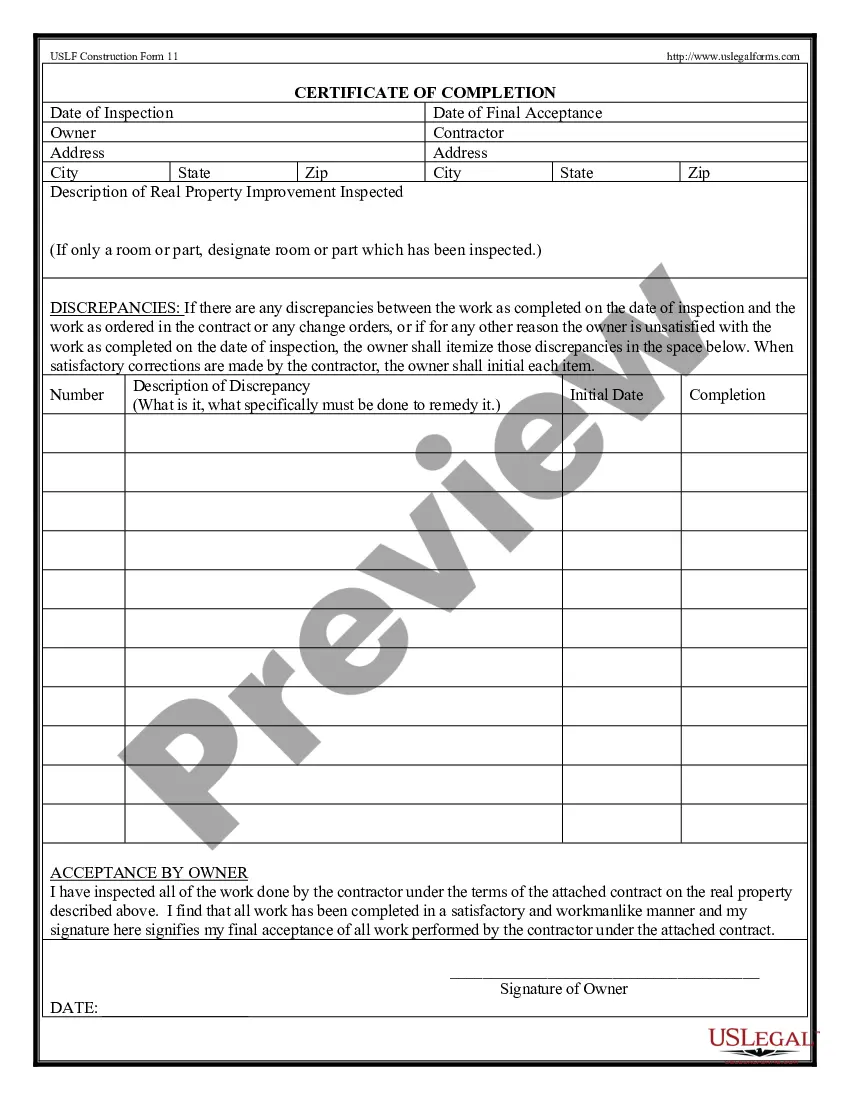
This form is essential for use in various scenarios such as preparing for a new project, securing funding or budget approvals, tracking project changes, and providing stakeholders with clear visibility of anticipated expenses throughout the project lifecycle. It can also be valuable during project post-mortem analyses to evaluate actual versus estimated costs.
Who this form is for
- Project managers responsible for overseeing project budgets.
- Business owners who need a clear financial overview of project expenses.
- Stakeholders requiring insight into project costing for decision-making.
- Financial analysts involved in project assessments and evaluations.
- Team leaders coordinating resources and costs within project phases.
Instructions for completing this form
- Identify the project phases by outlining each part of the project.
- Estimate the hours required for each phase, providing low, high, and average estimates.
- Specify the cost associated with each phase including labor and overhead rates.
- Enter the start and due dates for each phase to establish timelines.
- Calculate the total estimated costs to get an overview of the project budget.
Notarization requirements for this form
In most cases, this form does not require notarization. However, some jurisdictions or signing circumstances might. US Legal Forms offers online notarization powered by Notarize, accessible 24/7 for a quick, remote process.
Get your form ready online
Our built-in tools help you complete, sign, share, and store your documents in one place.
Make edits, fill in missing information, and update formatting in US Legal Forms—just like you would in MS Word.
Download a copy, print it, send it by email, or mail it via USPS—whatever works best for your next step.
Sign and collect signatures with our SignNow integration. Send to multiple recipients, set reminders, and more. Go Premium to unlock E-Sign.
If this form requires notarization, complete it online through a secure video call—no need to meet a notary in person or wait for an appointment.
We protect your documents and personal data by following strict security and privacy standards.

Make edits, fill in missing information, and update formatting in US Legal Forms—just like you would in MS Word.

Download a copy, print it, send it by email, or mail it via USPS—whatever works best for your next step.

Sign and collect signatures with our SignNow integration. Send to multiple recipients, set reminders, and more. Go Premium to unlock E-Sign.

If this form requires notarization, complete it online through a secure video call—no need to meet a notary in person or wait for an appointment.

We protect your documents and personal data by following strict security and privacy standards.
Common mistakes
- Underestimating the hours required for project phases.
- Failing to account for overhead costs, which can lead to budget shortfalls.
- Not updating the estimated costs when project changes occur.
- Neglecting to specify clear start and due dates for each phase.
Advantages of online completion
- Convenience: Easily downloadable and can be filled out digitally for quick updates.
- Editability: Users can modify estimates and costs as project details evolve.
- Reliability: Developed by licensed attorneys, ensuring compliance with legal standards.
Looking for another form?



Form popularity
FAQ
Make a comprehensive list that includes any cost you can think of that might have an impact, such as: Upfront costs. Unexpected costs. Tangible costs. Intangible costs. Ongoing or future costs. Any potential risks that may have a cost.
For example: Build a new product will cost 100,000 with expected sales of 100,000 per unit (unit price = 2). The sales of benefits therefore are 200,000. The simple calculation for CBA for this project is 200,000 monetary benefit minus 100,000 cost equals a net benefit of 100,000.
Total Project Costs means the total amount of money required to complete the Project. Total Project Costs means the Contribution and other verifiable cash or in-kind contributions either received or contributed by the Proponent and directly attributable to the Project.
The primary reason for conducting cost analysis is generally to determine the true (full) costs of each of the programs under analysis (services and/or products). You can then utilize this knowledge to: Identify and prioritize cost-saving opportunities.
The main goal of cost-benefit analysis is to determine whether it is worth undertaking a project or task. This decision is made by gathering information on the costs and benefits of that project.
What are project costs? Overall, project costs are the total funds needed to monetarily cover and complete a business transaction or work project. Project costs involve: Direct costs ? Direct costs are those directly involved with the project and necessary in order to complete said project.
Use these steps to help you complete a project cost analysis: Determine a set price.List all associated costs.Convert cost to monetary value.List estimated benefits.Convert benefits to monetary value.Add costs together.Perform subtraction.Compare to your decided price.
Cost analysis, also known as cost-benefit analysis, is the process of calculating the potential earnings from a situation or project and subtracting the total cost associated with completing it. It predicts the profit gained from a project and compares the project's cost to its estimated financial benefits.