Sub-lieutenant
Description
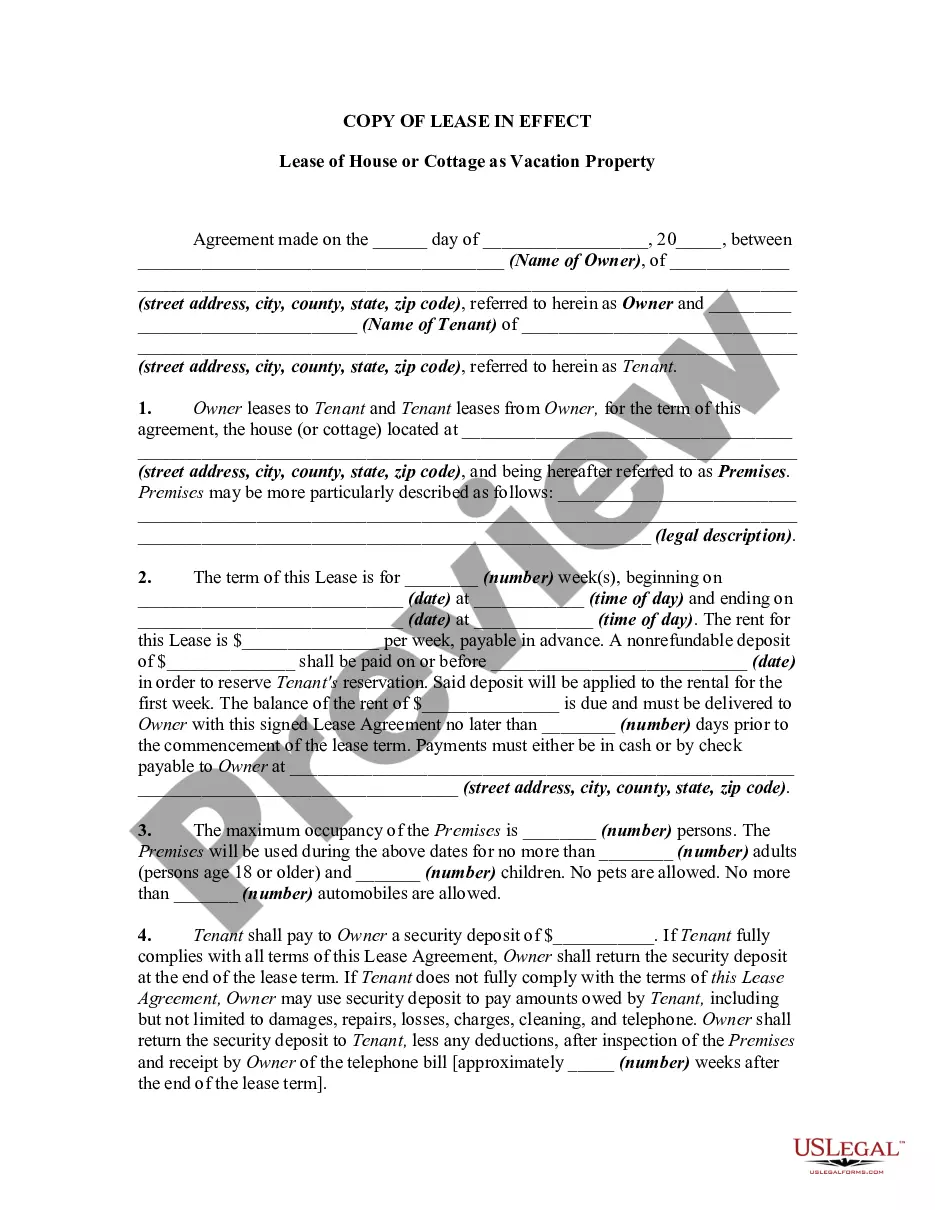
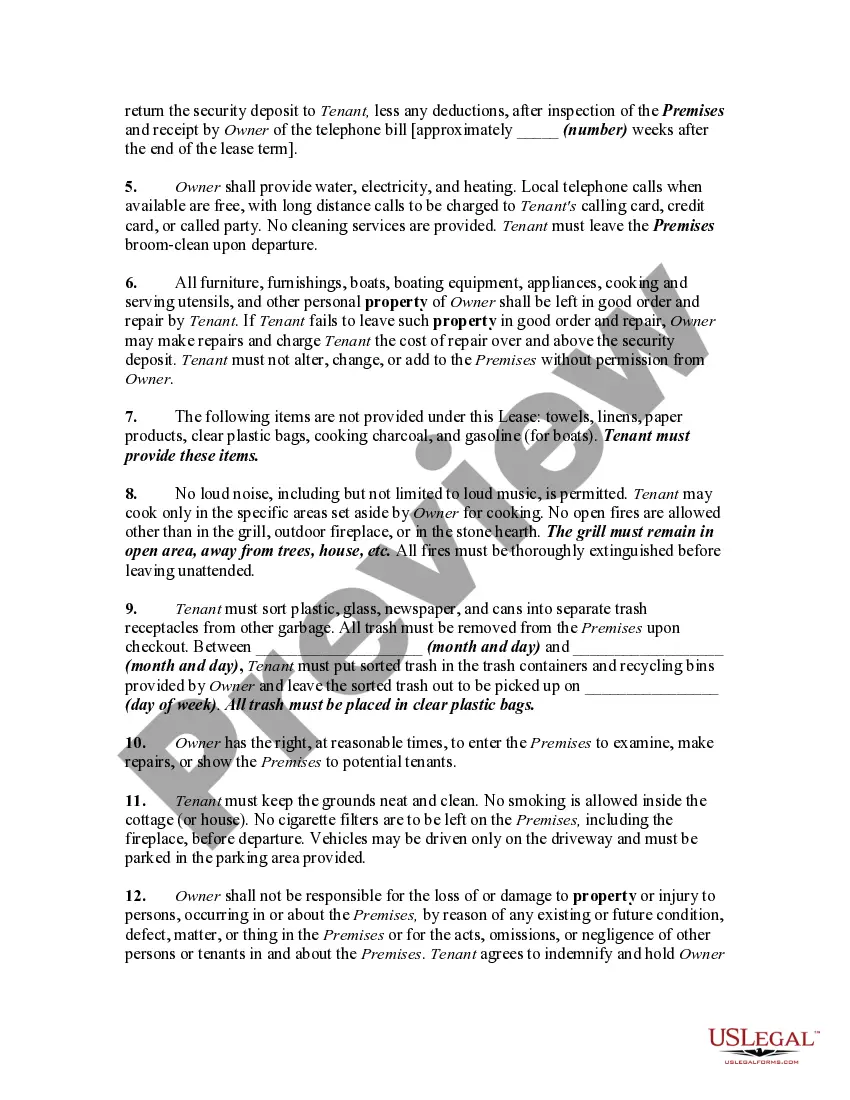
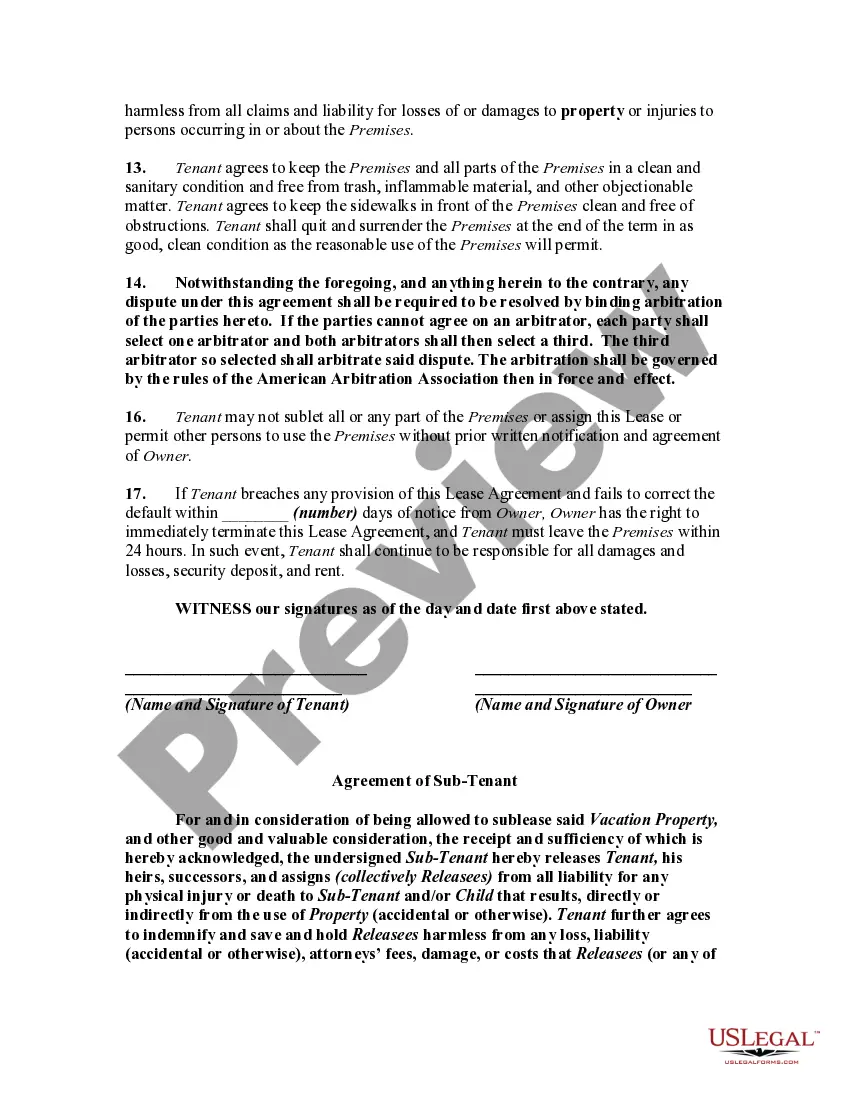
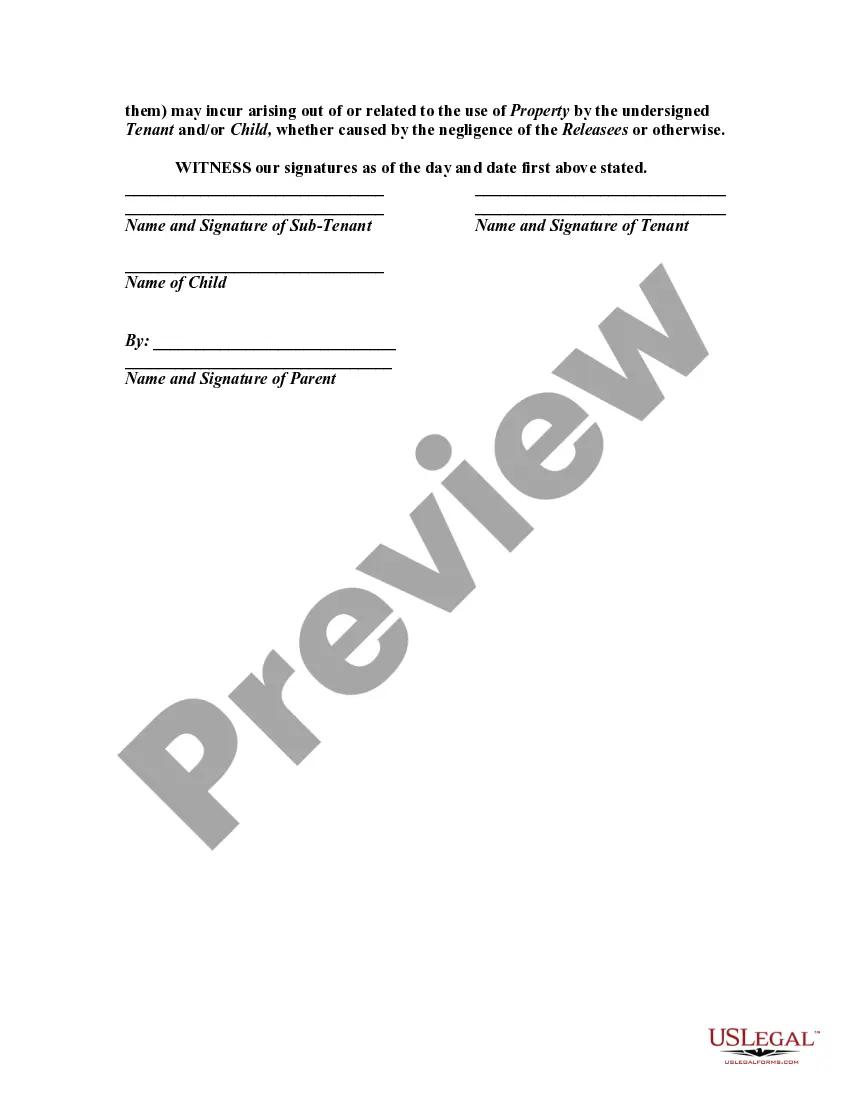
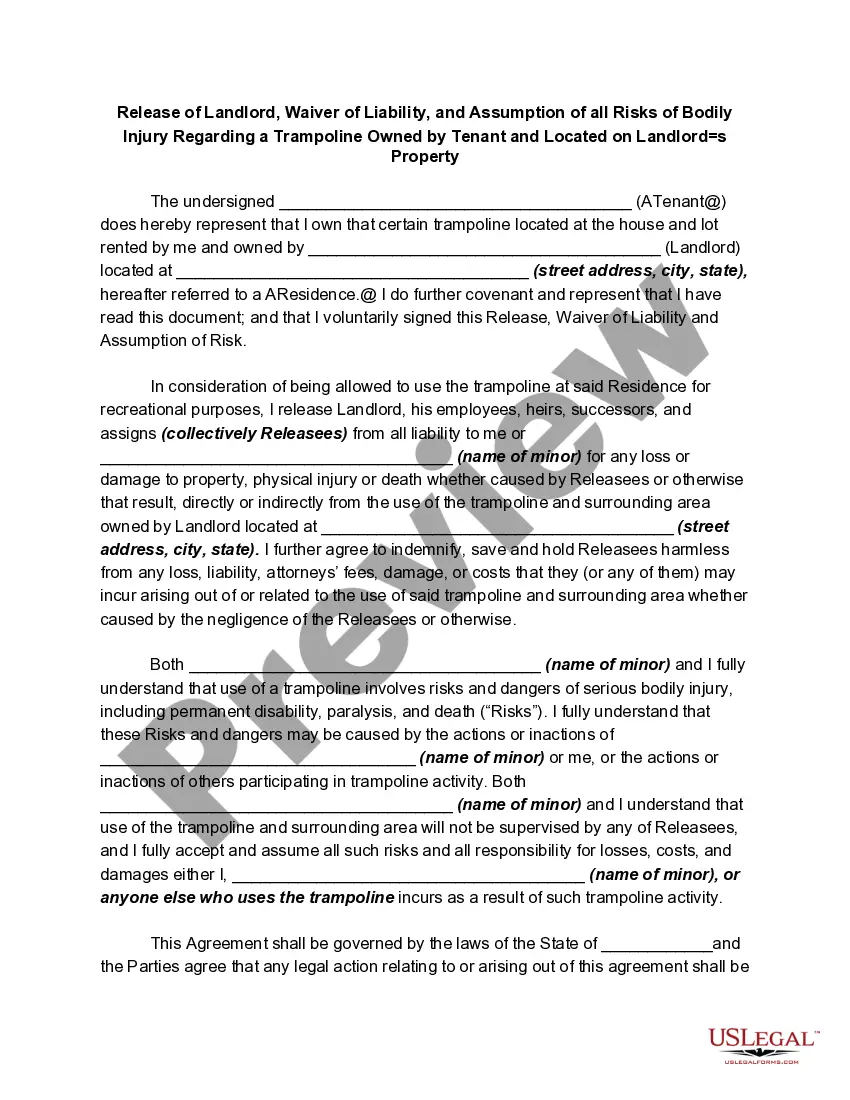
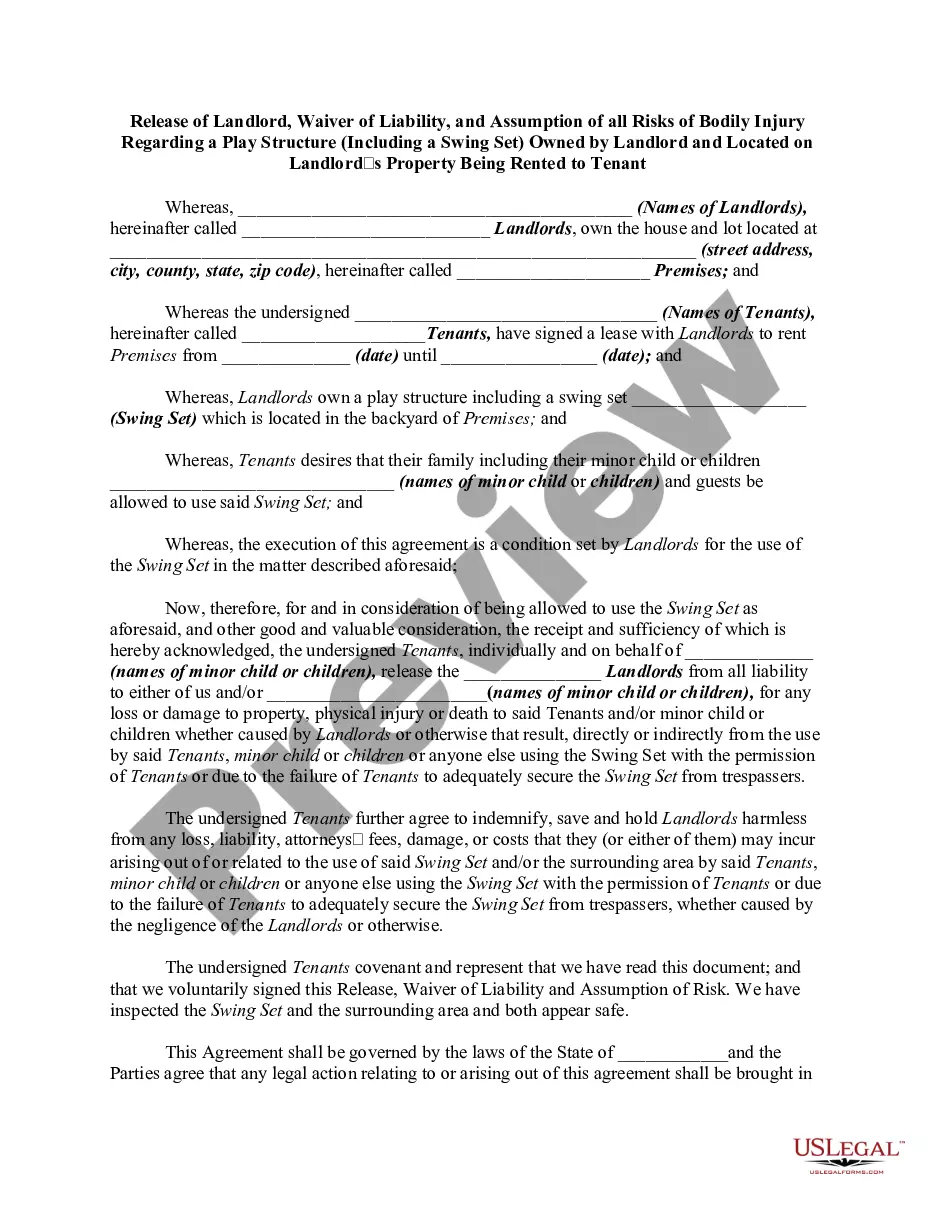
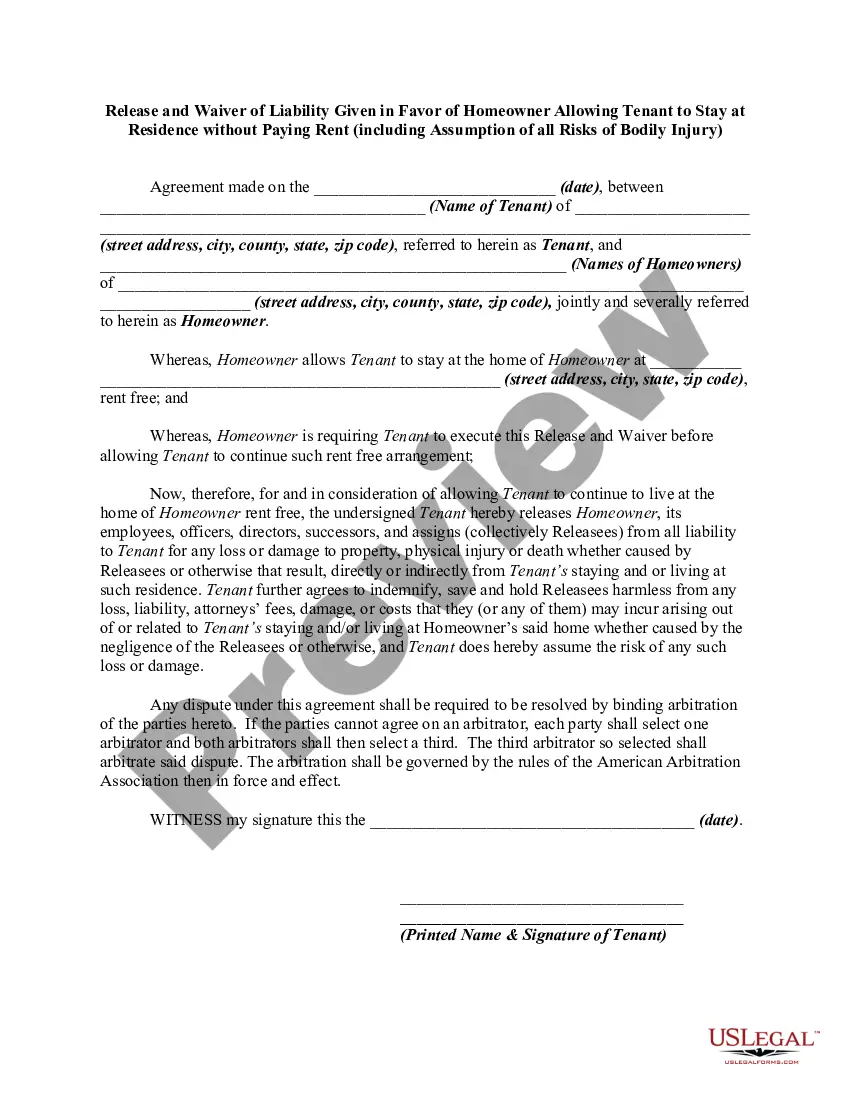
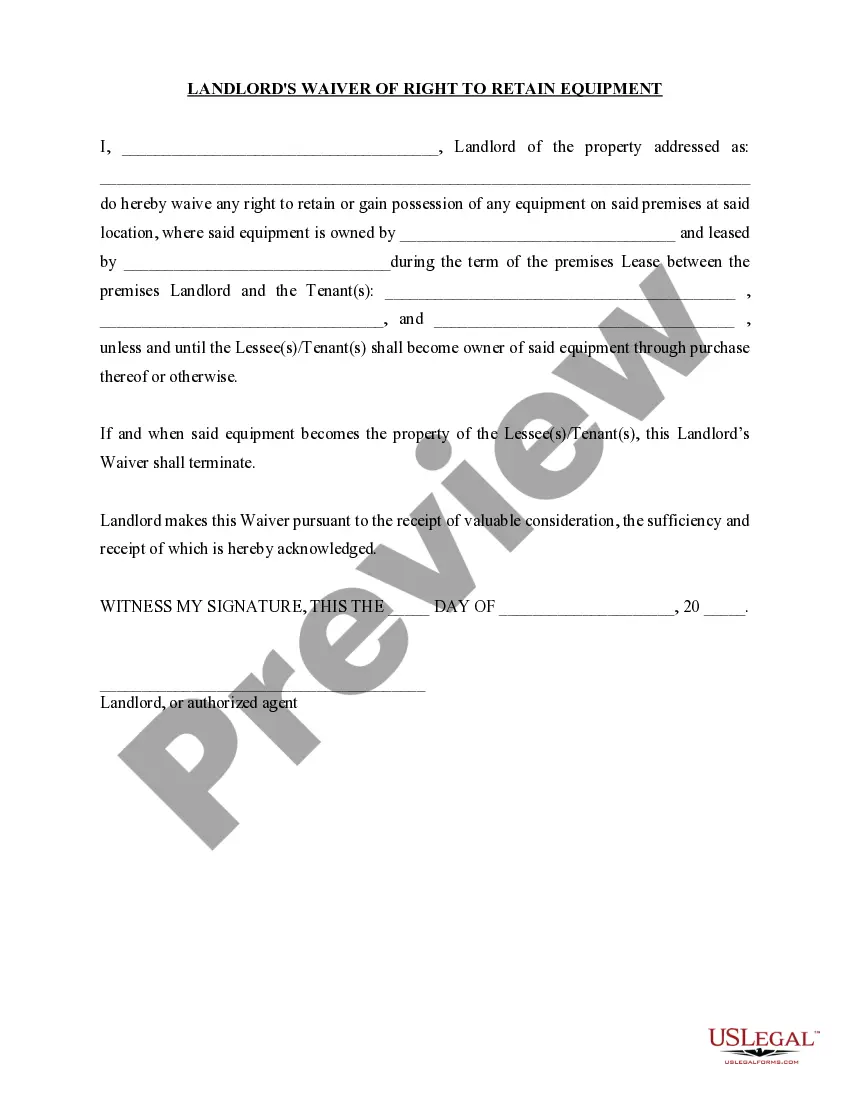

Get your form ready online
Our built-in tools help you complete, sign, share, and store your documents in one place.
Make edits, fill in missing information, and update formatting in US Legal Forms—just like you would in MS Word.
Download a copy, print it, send it by email, or mail it via USPS—whatever works best for your next step.
Sign and collect signatures with our SignNow integration. Send to multiple recipients, set reminders, and more. Go Premium to unlock E-Sign.
If this form requires notarization, complete it online through a secure video call—no need to meet a notary in person or wait for an appointment.
We protect your documents and personal data by following strict security and privacy standards.

Make edits, fill in missing information, and update formatting in US Legal Forms—just like you would in MS Word.

Download a copy, print it, send it by email, or mail it via USPS—whatever works best for your next step.

Sign and collect signatures with our SignNow integration. Send to multiple recipients, set reminders, and more. Go Premium to unlock E-Sign.

If this form requires notarization, complete it online through a secure video call—no need to meet a notary in person or wait for an appointment.

We protect your documents and personal data by following strict security and privacy standards.
Looking for another form?




How to fill out Agreement Of Sub-Tenant And Waiver Of Liability In Favor Of Tenant?
- Log in to your US Legal Forms account if you're a returning user. Ensure your subscription is active before proceeding.
- Check the form preview and description to confirm you've selected a document that fits your needs and complies with local jurisdiction requirements.
- Utilize the search feature if you need additional templates, ensuring you explore all options to find the right one.
- Click the 'Buy Now' button and select a subscription plan that meets your needs. If you're a new user, you will need to create an account.
- Complete your purchase by entering payment details through credit card or PayPal.
- Download the legal form to your device and access it anytime through the 'My Forms' menu in your account.
Using US Legal Forms not only saves time but also ensures that your legal documents are accurate and compliant. With over 85,000 templates, you can trust that you’ll find what you need.
Get started today to empower yourself with the legal resources available at your fingertips!
Form popularity
FAQ
To address military ranks in email effectively, use the rank followed by the person’s last name. For example, 'Dear Captain Last Name' or 'Dear Sub-Lieutenant Last Name' works well. Ensure you know the correct rank of the individual to avoid any confusion. Implementing this format shows respect and professionalism in communication.
In conversation and written communication, address a sub-lieutenant as 'Sub-Lieutenant Last Name'. It's essential to use this full title to show respect for their military rank. This is especially important in formal situations. The designation 'Sub-Lieutenant' signals their position and responsibilities.
When addressing a 2nd lieutenant in an email, start with 'Dear 2nd Lieutenant Last Name'. This formal greeting establishes the right tone from the beginning. Include a brief introduction if needed, then clearly state your message. A respectful approach helps maintain professionalism in any correspondence.
To refer to a lieutenant, you can simply use the title 'Lieutenant' followed by their last name. It is an appropriate way to acknowledge their military rank. In conversation, you can also just say 'Lieutenant' when no formal address is needed. Being clear and respectful reinforces communication with those in this rank.
When addressing a 2nd lieutenant, use their rank followed by their last name. For instance, you may say 'Lieutenant Smith' or simply '2nd Lieutenant Smith' in formal communications. This courteous approach shows respect for their position. In informal settings, you might refer to them as 'Lieutenant'.
Becoming a lieutenant generally takes at least two years after commissioning. However, variations exist based on factors like branch of service, military needs, and personal performance. You can expedite your progress by fully engaging in your duties and seeking additional responsibilities. Therefore, establishing a firm basis as a sub-lieutenant is vital for your promotion journey.
Transitioning to a Flight Lieutenant typically requires several years of experience and service. After achieving your sub-lieutenant rank, you may need an additional three to five years to reach Flight Lieutenant. This timeframe allows for skill development and operational experience. Thus, focus on excelling in your current role can speed up your journey.
The time frame to reach the lieutenant rank varies by service branch and individual progression. Generally, it takes around two to four years of service after commissioning. Factors such as training, assignments, and personal development also play a role. Therefore, aiming for a sub-lieutenant position can be a critical step in your advancement.
To achieve the lieutenant rank, you typically start as an officer candidate or through direct commissioning. Completing basic training and specialized courses is essential. Once you meet the qualifications, you can be promoted based on your performance and time in service. Therefore, understanding the journey to becoming a sub-lieutenant can provide you with clarity.
lieutenant is a junior officer rank in the navy, positioned above a midshipman but below a lieutenant. This rank signifies that an officer has completed their training and is now actively engaged in naval operations. Sublieutenants play a crucial role in learning leadership skills and preparing for more advanced responsibilities in their careers.