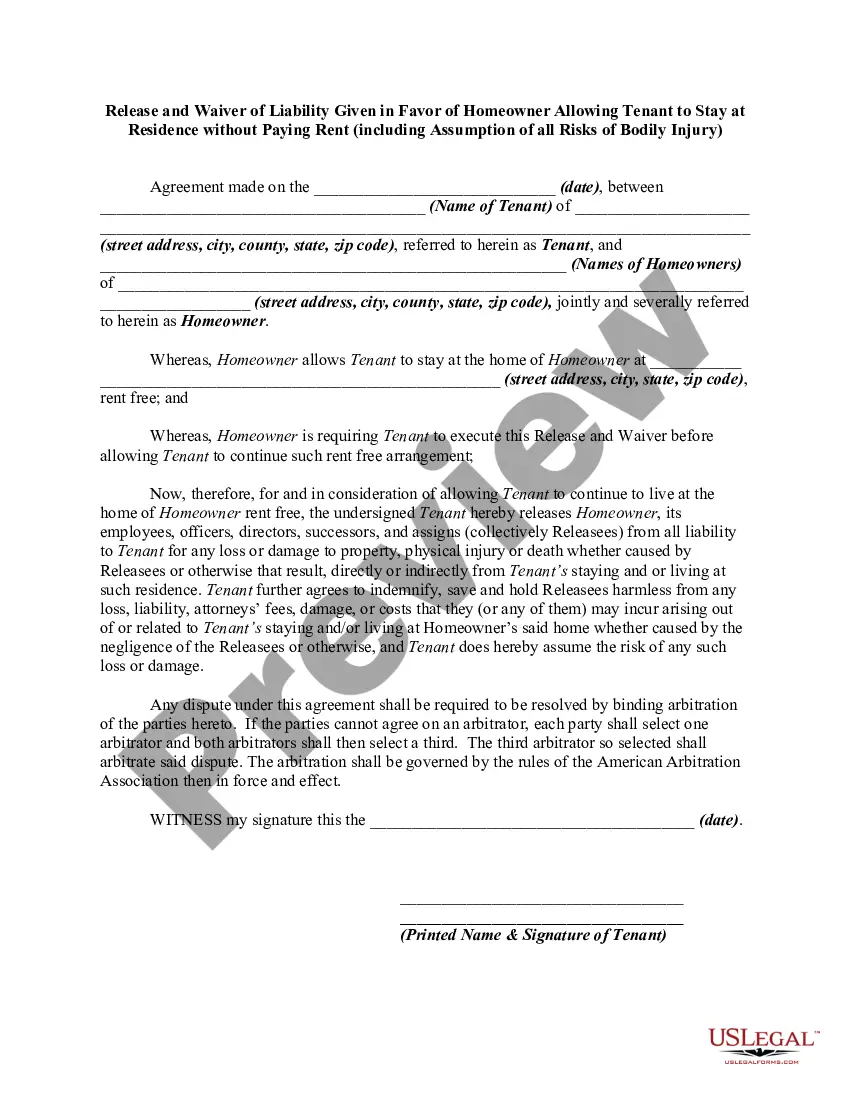
Homeowner Liability For Contractor Injury
Description
Get your form ready online
Our built-in tools help you complete, sign, share, and store your documents in one place.
Make edits, fill in missing information, and update formatting in US Legal Forms—just like you would in MS Word.
Download a copy, print it, send it by email, or mail it via USPS—whatever works best for your next step.
Sign and collect signatures with our SignNow integration. Send to multiple recipients, set reminders, and more. Go Premium to unlock E-Sign.
If this form requires notarization, complete it online through a secure video call—no need to meet a notary in person or wait for an appointment.
We protect your documents and personal data by following strict security and privacy standards.

Make edits, fill in missing information, and update formatting in US Legal Forms—just like you would in MS Word.

Download a copy, print it, send it by email, or mail it via USPS—whatever works best for your next step.

Sign and collect signatures with our SignNow integration. Send to multiple recipients, set reminders, and more. Go Premium to unlock E-Sign.

If this form requires notarization, complete it online through a secure video call—no need to meet a notary in person or wait for an appointment.

We protect your documents and personal data by following strict security and privacy standards.
Looking for another form?










How to fill out Release And Waiver Of Liability Given In Favor Of Homeowner Allowing Tenant To Stay At Residence Without Paying Rent Including Assumption Of All Risks Of Personal Bodily Injury?
The Homeowner Liability For Contractor Injury you find on this page is a reusable formal template created by professional attorneys in accordance with federal and local regulations.
For over 25 years, US Legal Forms has supplied individuals, businesses, and lawyers with more than 85,000 validated, state-specific forms for any business and personal circumstance. It’s the fastest, easiest, and most reliable way to acquire the documentation you require, as the service ensures bank-level data security and anti-malware safeguards.
Utilize the same document again whenever necessary. Access the My documents tab in your profile to redownload any previously acquired forms. Subscribe to US Legal Forms to have verified legal templates for all of life's circumstances available at your fingertips.
- Search for the document you require and examine it.
- Browse the sample you searched and preview it or review the form description to confirm it meets your needs. If it doesn’t, use the search bar to find the correct one. Click Buy Now when you have found the template you want.
- Choose a pricing plan that fits you and create an account. Use PayPal or a credit card to make an immediate payment. If you already have an account, Log In and check your subscription to proceed.
- Choose the format you prefer for your Homeowner Liability For Contractor Injury (PDF, DOCX, RTF) and download the sample onto your device.
- Print the template to fill it out manually. Alternatively, use an online multifunctional PDF editor to quickly and accurately complete and sign your form with an eSignature.
Form popularity
FAQ
Homeowners insurance often does not cover injuries sustained by contractors while working on your property or damages resulting from negligent activities. These exclusions highlight the importance of understanding homeowner liability for contractor injury. To protect yourself, consider reviewing your policy and consulting with an expert. Platforms like USLegalForms can help you draft contracts that clearly define responsibilities and liability.
If an independent contractor gets hurt on the job, they typically cannot claim workers' compensation from the homeowner. Instead, the contractor should rely on their own insurance for medical expenses and lost wages. However, as a homeowner, you should be aware of homeowner liability for contractor injury, which may apply if negligence is involved. It’s advisable to have a clear contract that outlines responsibilities.
If a worker gets hurt on your property, the responsibility usually lies with the contractor. Contractors should have their own liability insurance to cover injuries sustained by their workers. However, homeowners can still face homeowner liability for contractor injury if negligence is proven, making it vital to ensure that your contractor has adequate coverage. Always check their insurance before starting any work.
Homeowners insurance typically does not cover damage caused by contractors. This is because the liability falls on the contractor’s insurance, not the homeowner’s policy. Therefore, if a contractor causes damage while working on your property, you may need to seek compensation through their insurance. Understanding homeowner liability for contractor injury is crucial to avoid unexpected costs.
Yes, you can be held liable if someone gets hurt on your property, particularly under homeowner liability for contractor injury. This liability often depends on whether negligence can be demonstrated. Ensure your premises are safe and comply with local regulations to minimize risk. Consulting a legal expert can provide clarity on your specific situation and potential liabilities.
To hold a contractor accountable, document everything related to the project, including contracts, communications, and any issues that arise. If they fail to meet their obligations, you can use this information to discuss the problems directly with them or escalate the matter legally. Platforms like US Legal Forms can assist you in preparing necessary documents for your case, ensuring you take appropriate steps.
If you suspect you have been ripped off by a contractor, first gather all documentation related to the work they performed. Then, try to communicate directly with the contractor to resolve the issue. If that fails, you may need to file a complaint with your local consumer protection agency or seek legal advice. Using platforms like US Legal Forms can help you find the appropriate legal documents and guidance.
You cannot typically sue your own homeowners insurance for injury, but you can file a claim under your policy for coverage related to homeowner liability for contractor injury. This process involves notifying your insurance company about the incident and providing necessary documentation. Your insurer will then assess the situation and determine coverage based on the specifics of your policy.
If a contractor is injured on your property, you could face homeowner liability for contractor injury. This may include covering their medical expenses and potential lost wages. If the injury was due to unsafe work conditions, you might be held more accountable. It is advisable to consult with a legal expert to understand your rights and responsibilities in such situations.
In general, the property owner may be held liable for accidents that occur on their property, which relates to homeowner liability for contractor injury. This means if a contractor is injured while working on your property, you could be responsible for their medical costs. However, the specific circumstances, such as negligence or the contractor's insurance, can affect who ultimately pays. Always check your insurance policy for details on coverage.