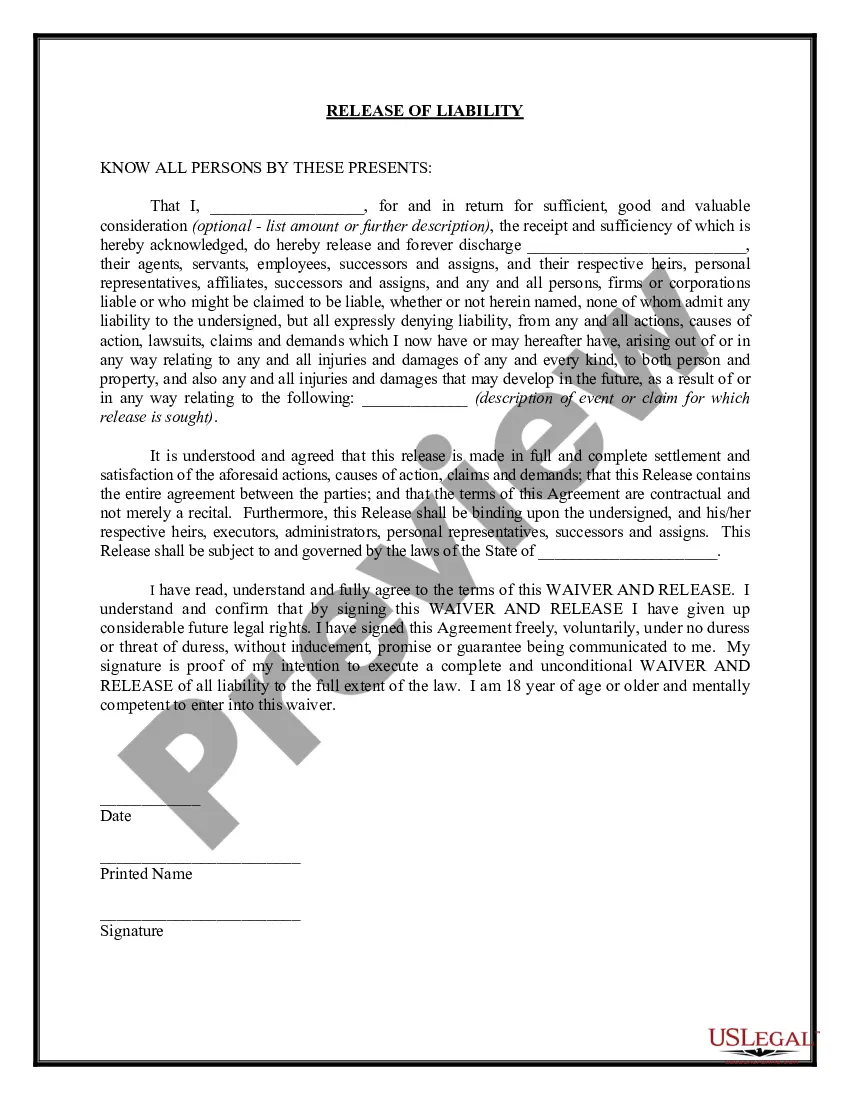
Liability Waiver For Homeowner For Cleaning Services
Description
Get your form ready online
Our built-in tools help you complete, sign, share, and store your documents in one place.
Make edits, fill in missing information, and update formatting in US Legal Forms—just like you would in MS Word.
Download a copy, print it, send it by email, or mail it via USPS—whatever works best for your next step.
Sign and collect signatures with our SignNow integration. Send to multiple recipients, set reminders, and more. Go Premium to unlock E-Sign.
If this form requires notarization, complete it online through a secure video call—no need to meet a notary in person or wait for an appointment.
We protect your documents and personal data by following strict security and privacy standards.

Make edits, fill in missing information, and update formatting in US Legal Forms—just like you would in MS Word.

Download a copy, print it, send it by email, or mail it via USPS—whatever works best for your next step.

Sign and collect signatures with our SignNow integration. Send to multiple recipients, set reminders, and more. Go Premium to unlock E-Sign.

If this form requires notarization, complete it online through a secure video call—no need to meet a notary in person or wait for an appointment.

We protect your documents and personal data by following strict security and privacy standards.
Looking for another form?
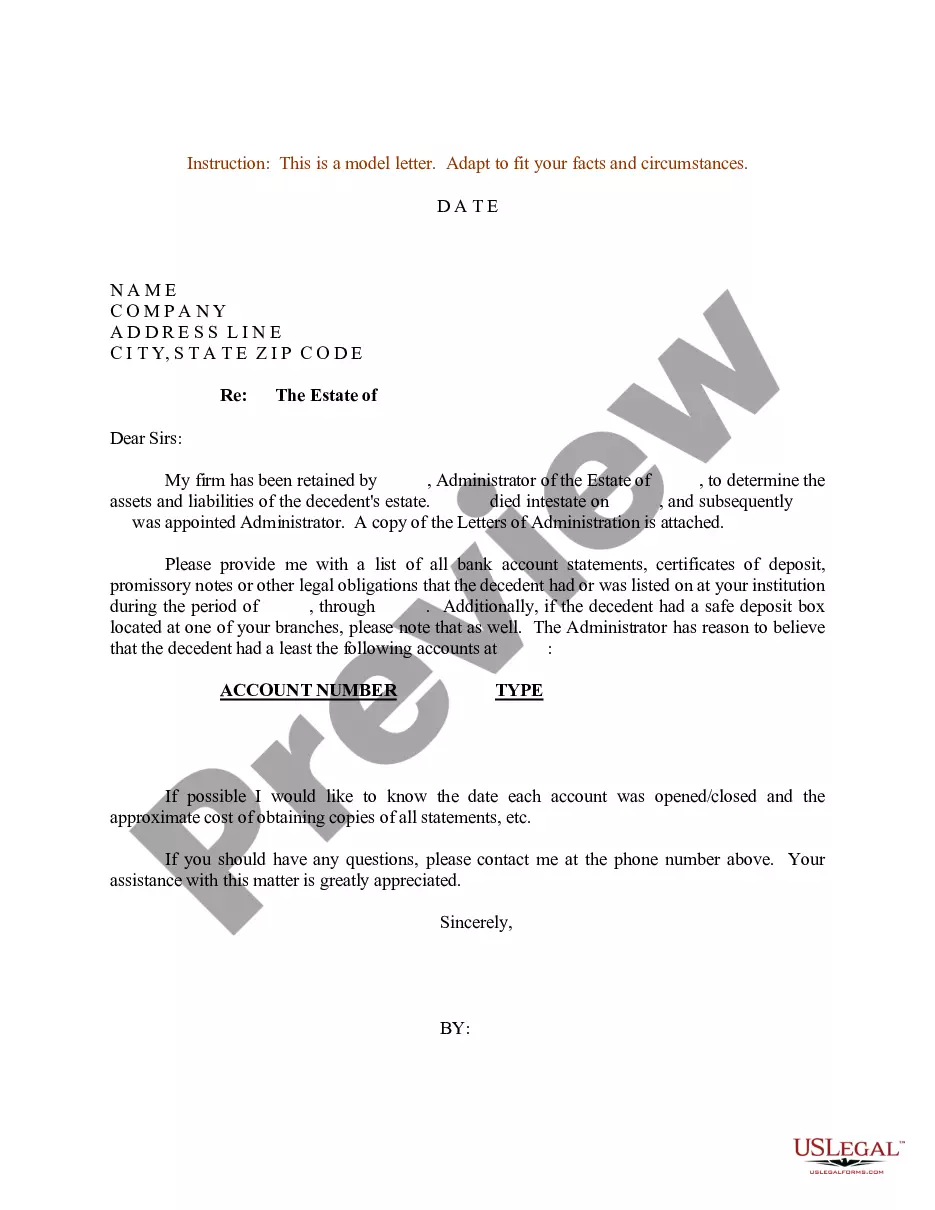
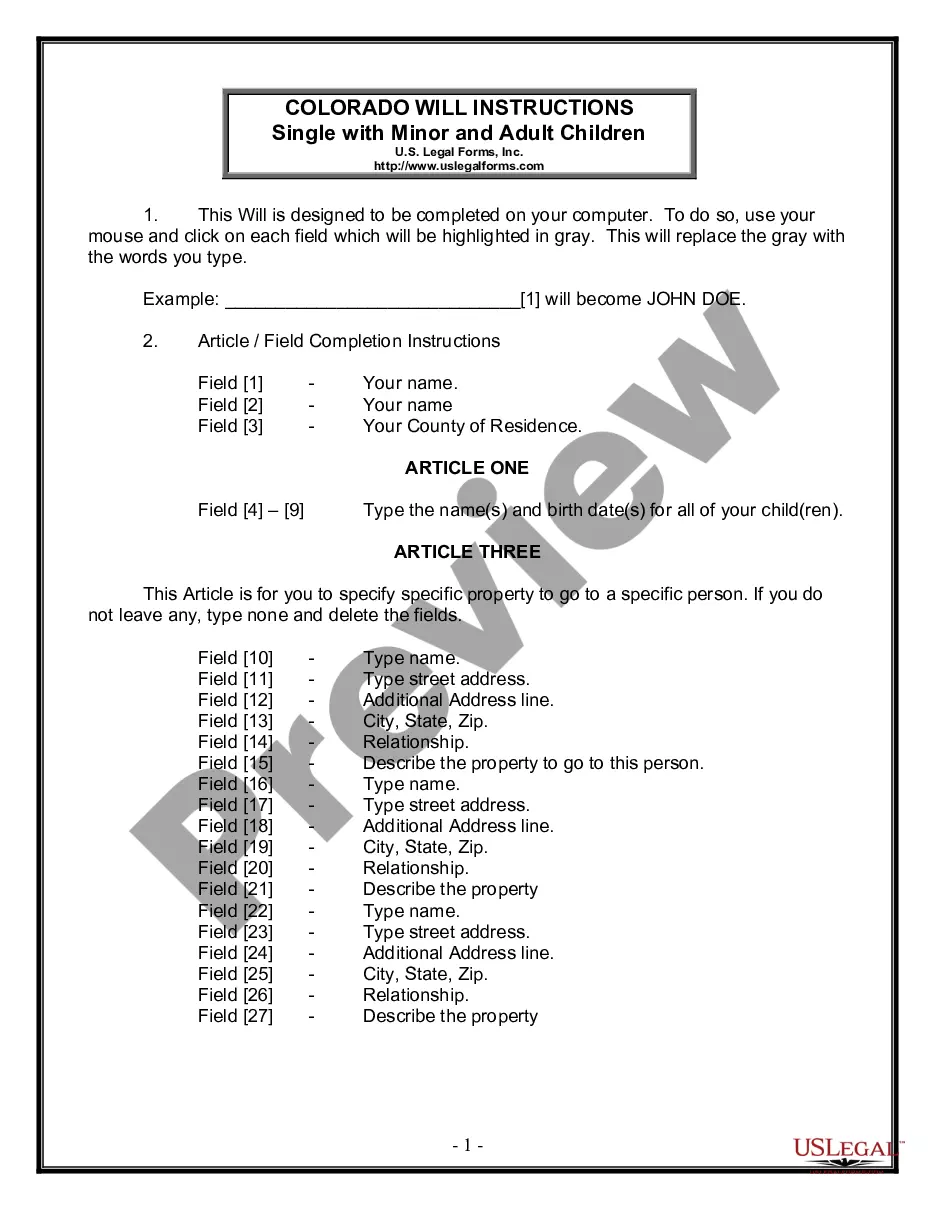
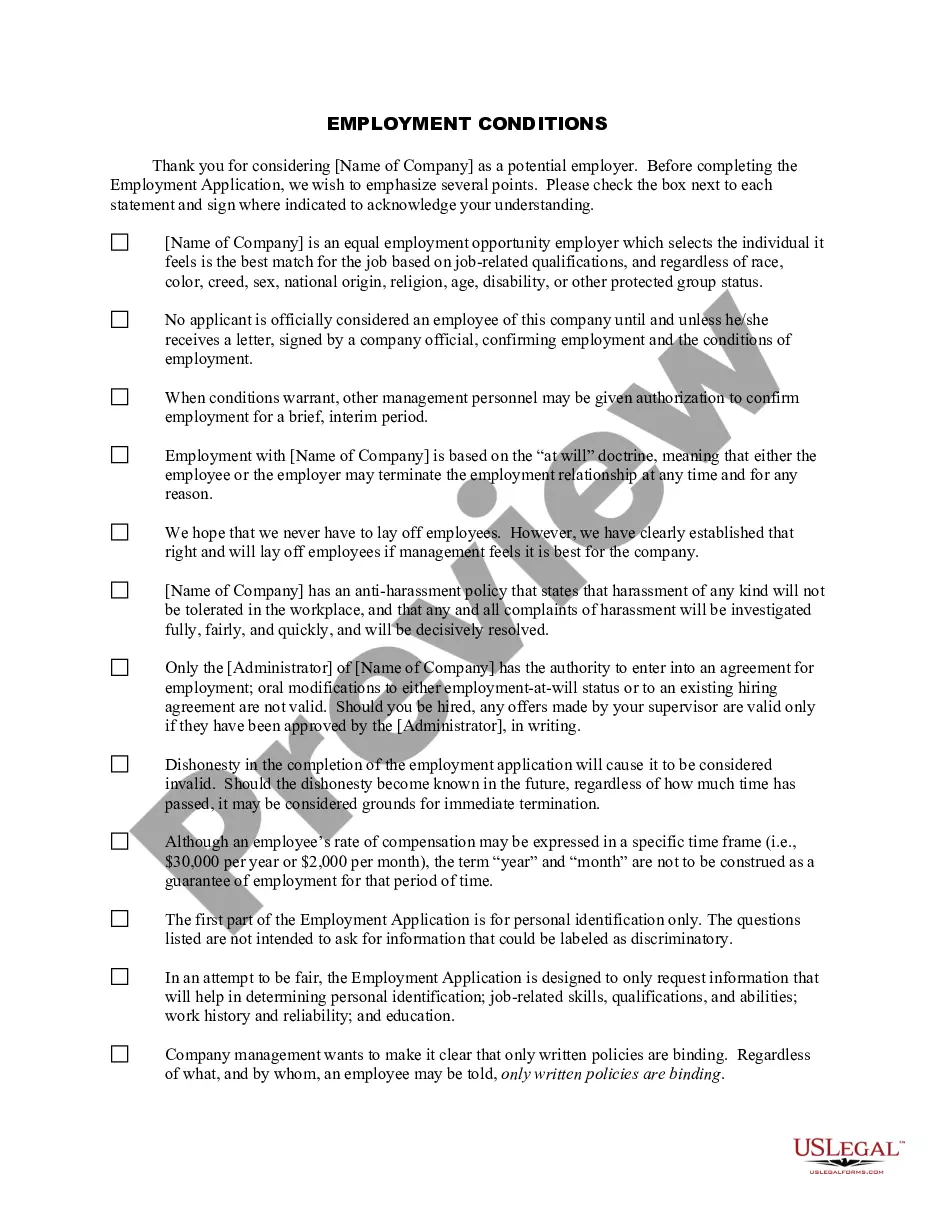

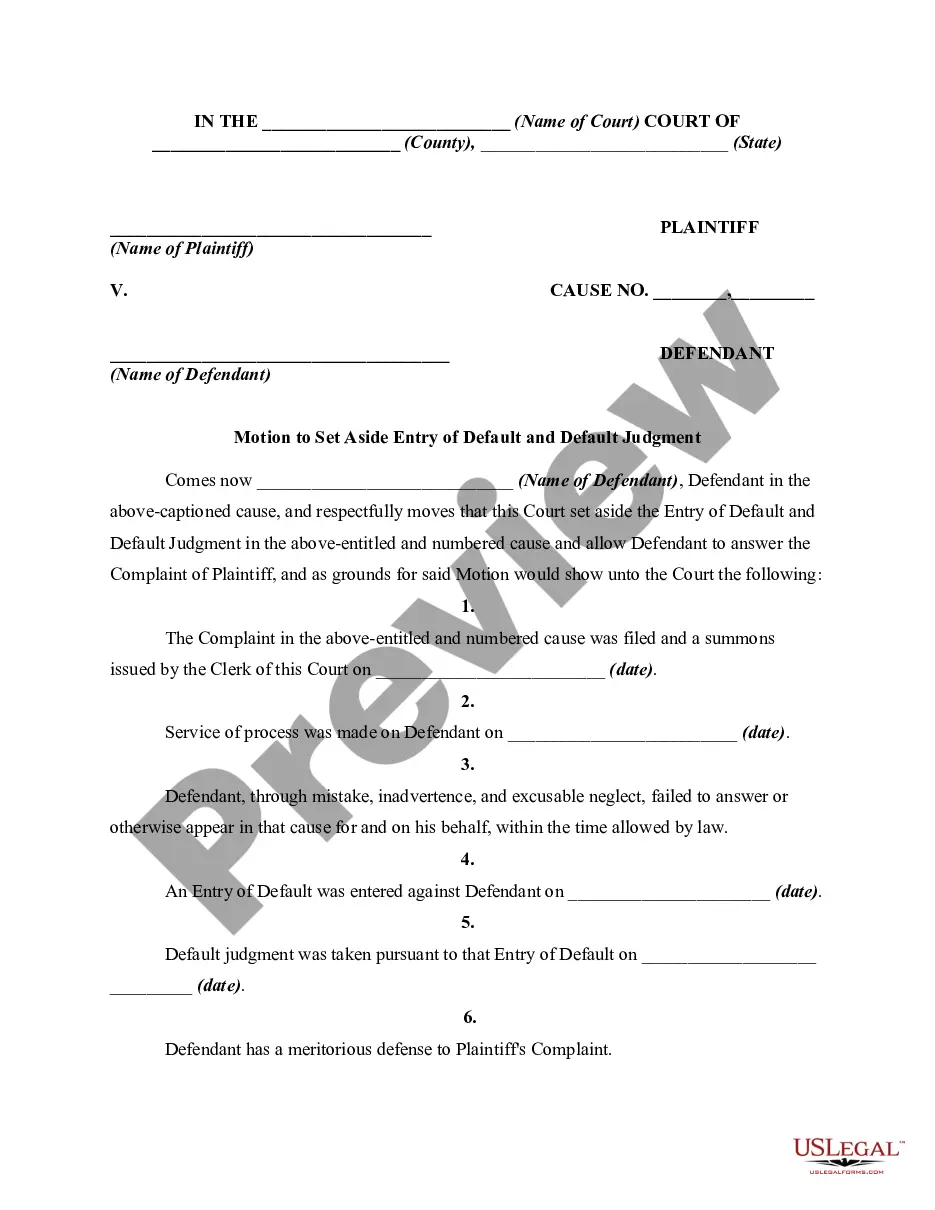
How to fill out Release Of Liability Form For Homeowner?
It’s well-known that you cannot become a legal authority instantly, nor can you quickly learn how to draft a Liability Waiver For Homeowner For Cleaning Services without relevant expertise.
Creating legal papers is a lengthy endeavor that demands particular training and abilities. So, why not entrust the development of the Liability Waiver For Homeowner For Cleaning Services to the experts.
With US Legal Forms, one of the most extensive legal document repositories, you can find everything from court paperwork to templates for workplace communication.
Create a free account and choose a subscription plan to purchase the form.
Select Buy now. After completion of the payment, you can download the Liability Waiver For Homeowner For Cleaning Services, complete it, print it, and deliver it to the appropriate individuals or organizations.
- We recognize how vital compliance and adherence to federal and state regulations are.
- This is why all templates on our platform are location-specific and current.
- To get started, use the search bar at the top of the page to find the document you need.
- If a preview is available, review it and read the accompanying description to determine if the Liability Waiver For Homeowner For Cleaning Services is what you need.
- If you require a different form, begin your search anew.
Form popularity
FAQ
A cleaning business typically needs general liability insurance to cover accidents, property damage, and injuries. Additionally, you may consider bonding insurance, which protects clients against theft or damage caused by employees. A liability waiver for homeowner for cleaning services can complement your insurance by further clarifying liability. For tailored solutions, platforms like USLegalForms can provide necessary documents and guidance.
Starting a cleaning business involves several legal requirements, such as obtaining the necessary licenses and permits. You may also need to register your business name and comply with local regulations. A liability waiver for homeowner for cleaning services is also crucial, as it outlines the responsibilities and protects both parties involved. Consulting resources like USLegalForms can help you navigate these requirements effectively.
Yes, cleaners should be insured to protect both themselves and homeowners. Having insurance not only covers damages or accidents that may occur during cleaning but also provides peace of mind for the homeowner. Additionally, a liability waiver for homeowner for cleaning services can help clarify responsibility in case of any incidents. It is essential to verify the insurance status when hiring cleaning services.
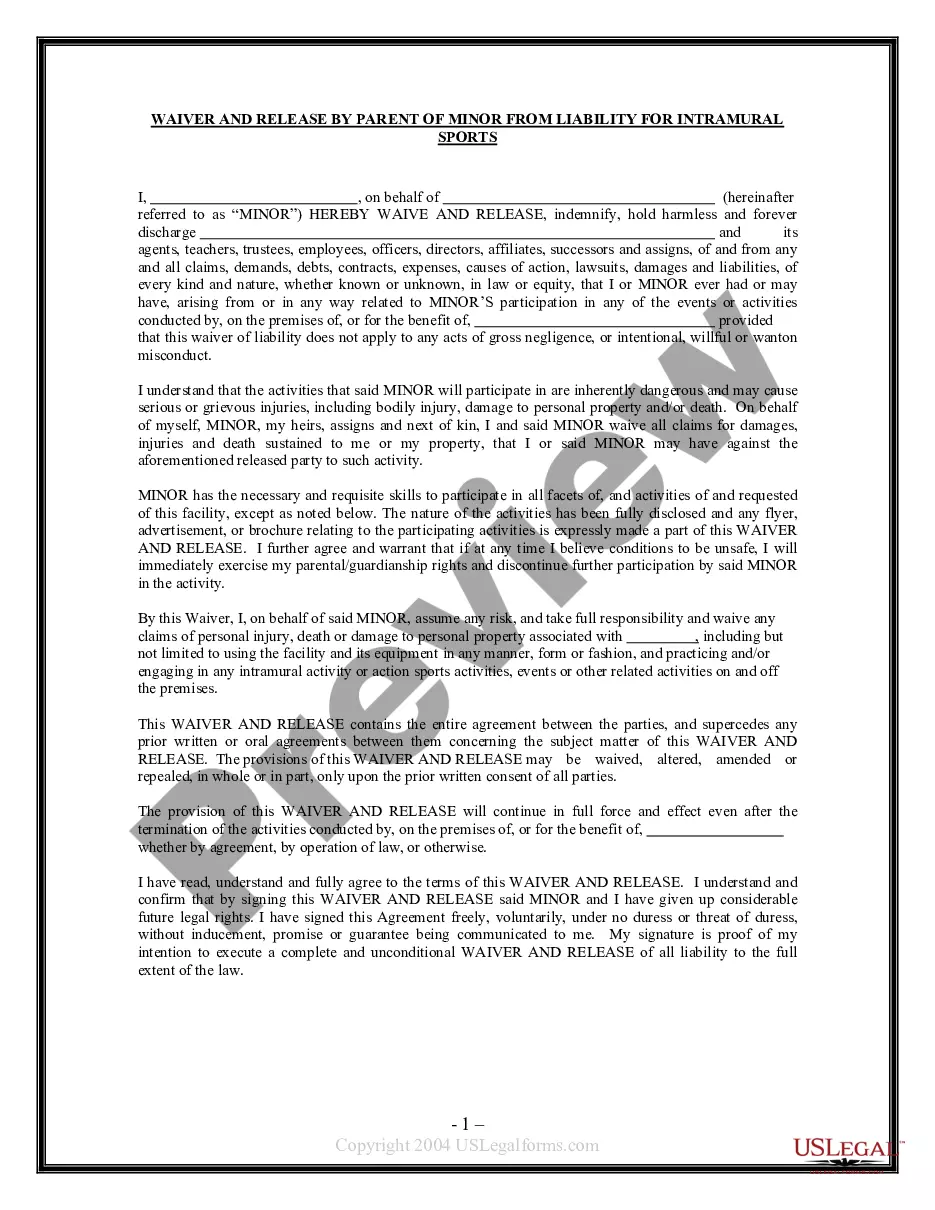
Writing up a liability waiver involves several key elements. Start by clearly stating the intent of the waiver, which is to protect the cleaning service provider from legal claims related to the services rendered. Include specific details about the services, the risks involved, and a statement of acknowledgment from the homeowner. For a comprehensive and legally sound waiver, consider using resources from US Legal Forms to ensure all necessary clauses are included.
To write a contract agreement for cleaning services, start by identifying the parties involved, including the homeowner and the cleaning service provider. Clearly outline the scope of work, payment terms, and any specific requirements, such as frequency of service or cleaning standards. Additionally, incorporate a liability waiver for homeowner for cleaning services to protect both parties from unforeseen incidents. You can find reliable templates on US Legal Forms to streamline this process.
A waiver of liability for homeowner for cleaning services should clearly state that the homeowner releases the cleaning service provider from any claims arising from their work. The wording typically includes a statement acknowledging the risks involved and the homeowner's agreement not to hold the service liable for any injuries or damages. It is essential to use clear and concise language to ensure the homeowner understands the implications of the waiver. For precise wording, consider using templates available on platforms like US Legal Forms.
While it is not mandatory to hire a lawyer to draft a waiver, consulting one can provide valuable insights. A legal professional can ensure that your liability waiver for homeowner for cleaning services complies with local laws and regulations. This step can offer peace of mind, especially if you anticipate potential legal challenges.
You can create your own liability waiver for homeowner for cleaning services, but it requires careful attention to detail. Ensure that the waiver includes all relevant information, such as the scope of services and potential risks. Utilizing resources like US Legal Forms can simplify the process and help you draft a legally sound document.
An effective waiver of liability must contain three key elements: a clear description of the risks involved, explicit consent from the homeowner, and a signature acknowledging the waiver. These components ensure that the homeowner understands the potential risks associated with cleaning services, thereby making the waiver enforceable.
A liability waiver is legal when it meets certain criteria, including clarity and mutual agreement between the parties. The language must be straightforward, and the risks associated with the services should be explicitly stated. Additionally, the waiver should be signed voluntarily by the homeowner to be valid.