Notice Hearing Form For Loop
Description
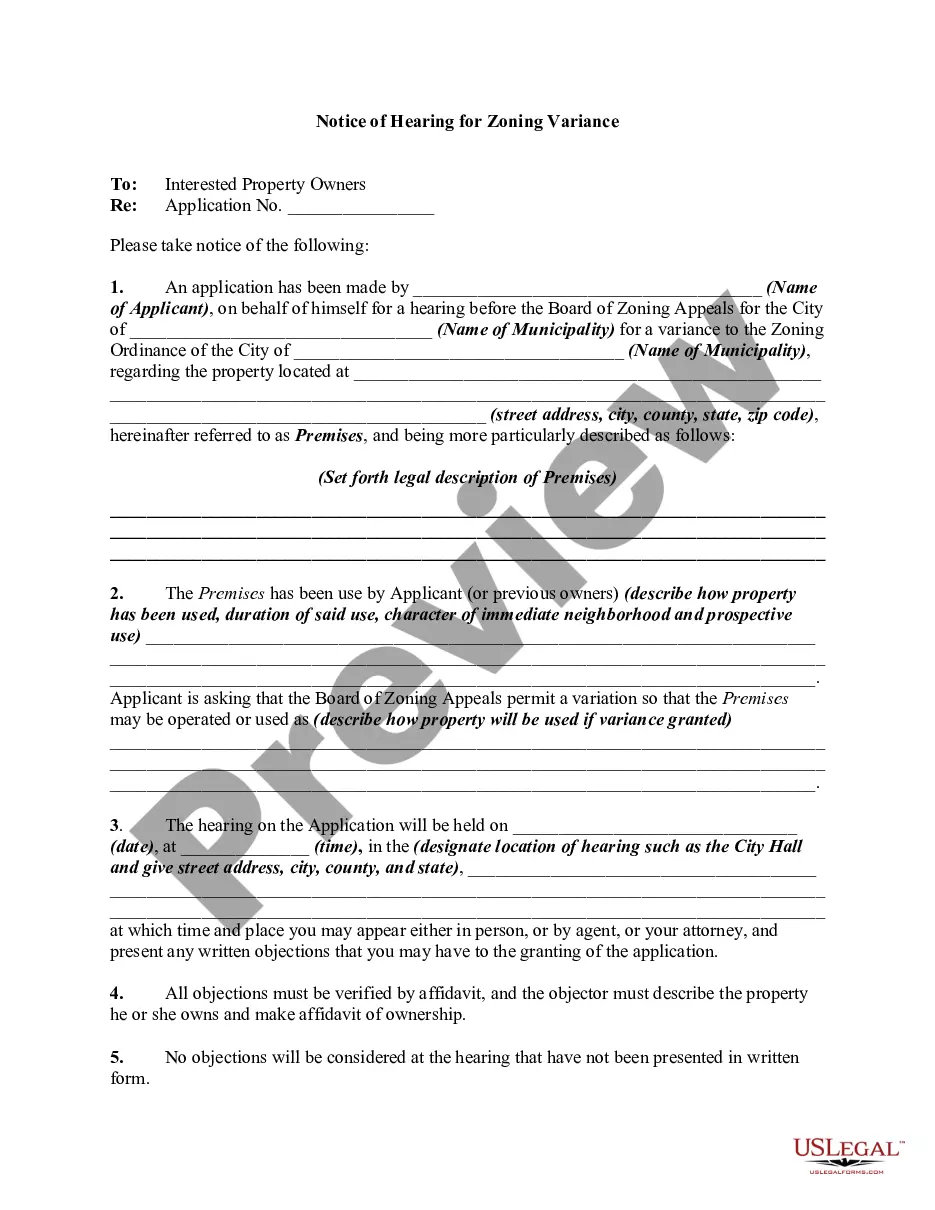
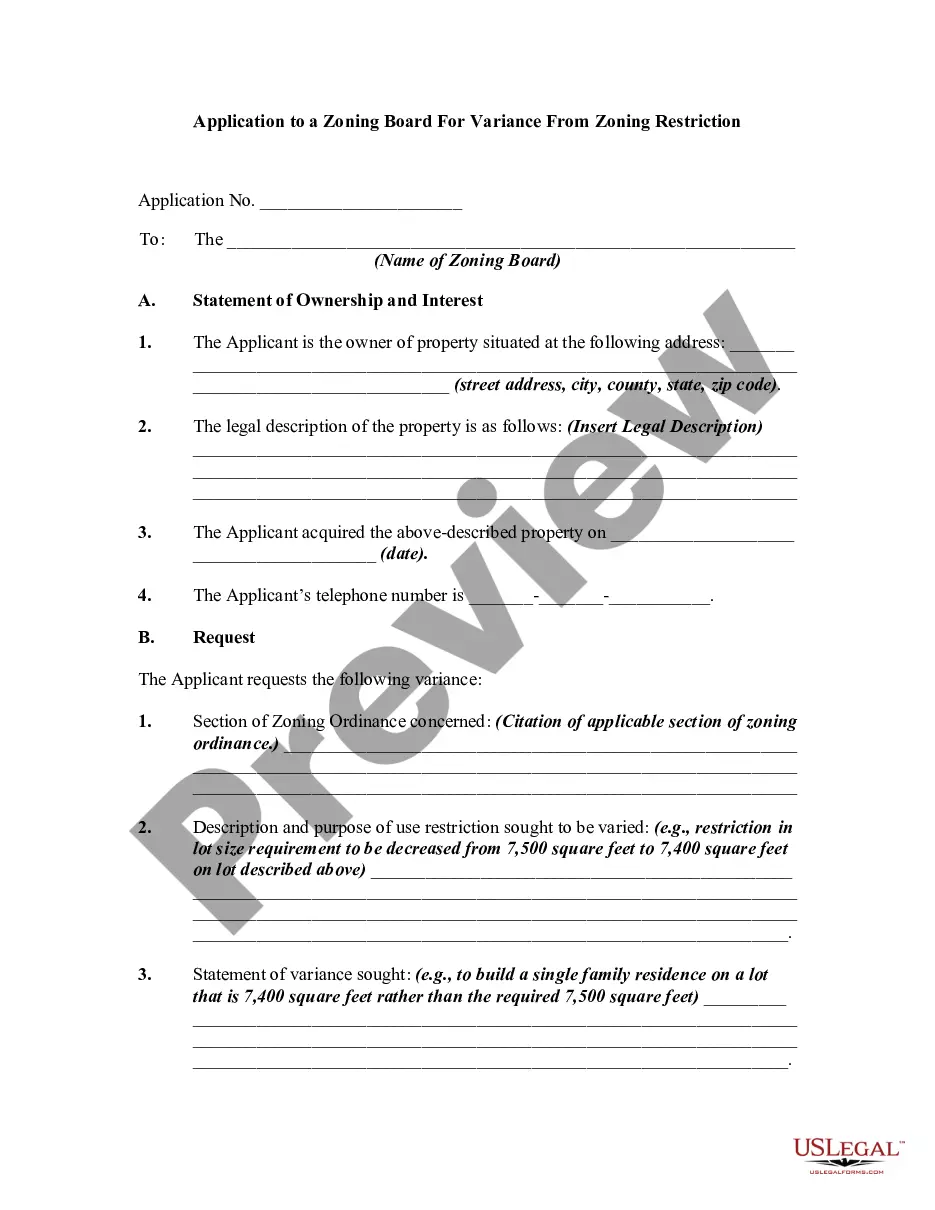
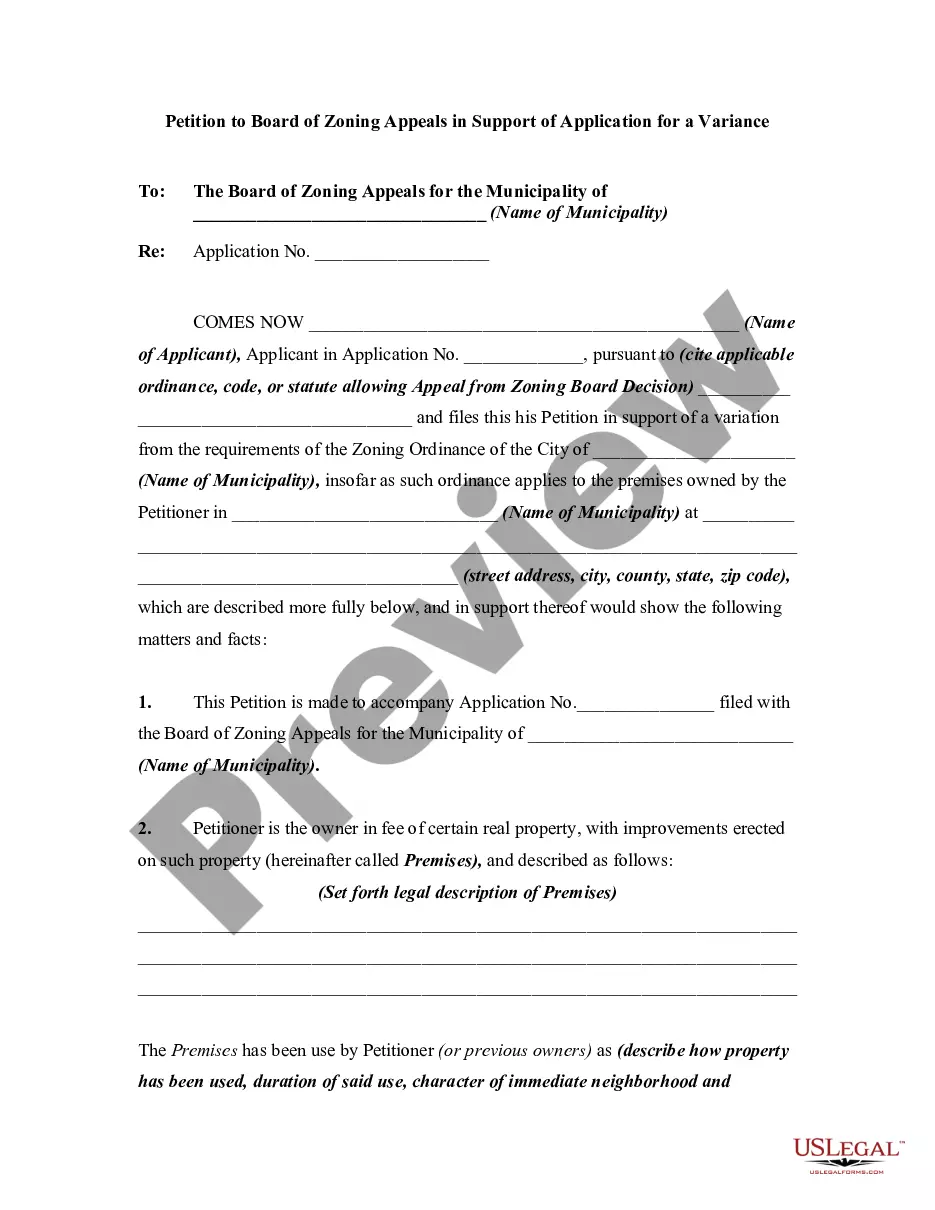
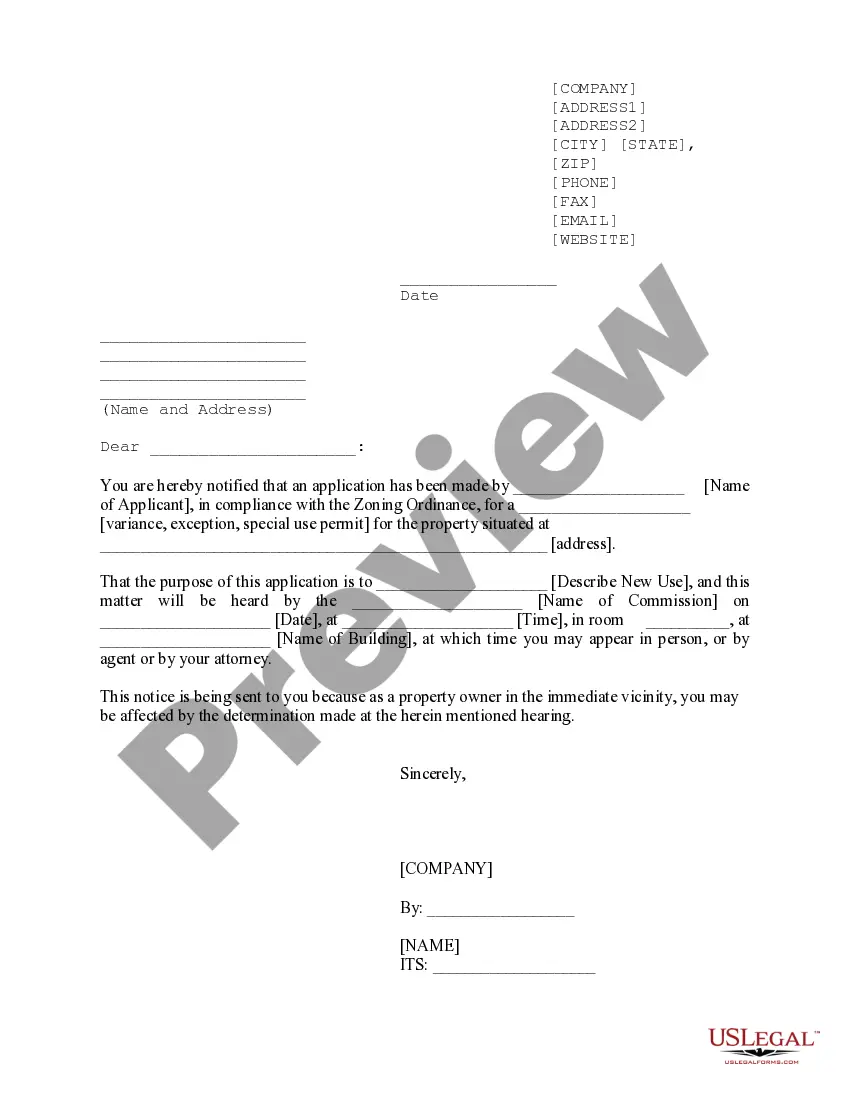
Get your form ready online
Our built-in tools help you complete, sign, share, and store your documents in one place.
Make edits, fill in missing information, and update formatting in US Legal Forms—just like you would in MS Word.
Download a copy, print it, send it by email, or mail it via USPS—whatever works best for your next step.
Sign and collect signatures with our SignNow integration. Send to multiple recipients, set reminders, and more. Go Premium to unlock E-Sign.
If this form requires notarization, complete it online through a secure video call—no need to meet a notary in person or wait for an appointment.
We protect your documents and personal data by following strict security and privacy standards.

Make edits, fill in missing information, and update formatting in US Legal Forms—just like you would in MS Word.

Download a copy, print it, send it by email, or mail it via USPS—whatever works best for your next step.

Sign and collect signatures with our SignNow integration. Send to multiple recipients, set reminders, and more. Go Premium to unlock E-Sign.

If this form requires notarization, complete it online through a secure video call—no need to meet a notary in person or wait for an appointment.

We protect your documents and personal data by following strict security and privacy standards.
Looking for another form?




How to fill out Notice Of Hearing For Variance Before Board Of Zoning Appeals - Notice To Be Sent By Applicant To Interested Property Owners?
- If you are a returning user, log in to your account on US Legal Forms and check your subscription status. Ensure it's valid before proceeding to download your desired form template.
- Preview the form description to confirm you've selected the correct document that complies with your local jurisdiction’s requirements.
- If needed, utilize the Search bar to find an alternative template that aligns with your needs. Review the options available before moving to the next step.
- Click the Buy Now button to purchase the document. Choose your preferred subscription plan and create an account to gain access to the library.
- Complete your purchase by entering your payment details via credit card or PayPal.
- Finally, download your form to your device for easy access, and find it later in the My Forms section of your profile.
Following these steps ensures you receive accurate and legally sound documents tailored to your specific requirements. US Legal Forms also provides access to premium experts who can assist you with form completion.
Start using US Legal Forms today to simplify your legal document needs! Visit our website to find the right forms for you.
Form popularity
FAQ
The 12153 form is an IRS document used to request a collection due process hearing. This form allows you to challenge the IRS's collection actions and provides a structured way to present your case. By completing the 12153 form accurately, you can articulate your concerns clearly to the IRS. Consider the Notice hearing form for loop as a companion tool to ensure that all information is thoroughly covered.
Due process refers to the legal requirement that the state must respect all legal rights owed to a person. In simple terms, it means that the government must follow fair procedures before taking action that may affect your rights. This concept ensures transparency and fairness in the legal process. When faced with tax issues, using a Notice hearing form for loop reinforces your right to due process.
Collection due process (CDP) provides taxpayers with a mechanism to dispute IRS collection actions. It allows you to receive a fair hearing where you can discuss your situation, provide evidence, and present your case. Essentially, it’s designed to safeguard your rights when dealing with tax levies. Utilizing the Notice hearing form for loop helps streamline this effective communication with the IRS.
To request a CDP hearing, you must submit a written request to the IRS within 30 days of receiving your collection notice. You can use the Notice hearing form for loop to ensure you include all essential information and arguments. Remember to specify the issues you wish to address clearly. Moreover, submitting your request on time is crucial to protecting your rights during this process.
The timeline for collection due process (CDP) typically begins when you receive a notice from the IRS. You have 30 days to request a CDP hearing once you receive the notice. Depending on the complexity of your case and the response time from the IRS, the entire process can vary. Maintaining your paperwork, including the Notice hearing form for loop, helps you stay organized throughout.
In a collection due process hearing, you can challenge the validity of the tax owed, the proposed collection methods, and the consideration of your financial situation. It is your opportunity to present arguments regarding the IRS's actions. You may also question the tax amount, payment arrangements, and specific levies that impact you. Utilizing a Notice hearing form for loop can facilitate this process effectively.
A motion of hearing is a formal request to the court to schedule a hearing regarding a specific issue. It represents a crucial step in legal proceedings and involves using the Notice hearing form for loop. This form outlines the details of the request and the reasons why the hearing is necessary. Understanding this process helps in ensuring your concerns are addressed in court.
To write a proper motion, start with a title and clearly identify the court you're addressing. Use the Notice hearing form for loop to guide your content, stating the facts of the case and the specific relief sought. Make your arguments clear and concise, avoiding unnecessary jargon. Lastly, include your signature and contact details.
Writing a motion for a hearing requires a clear structure, starting with the title indicating it as a motion. Next, collect information relevant to the Notice hearing form for loop, clearly stating your request and the reasons for it. Use straightforward language to present your case effectively, and ensure you include your contact information for any follow-up.
The procedure for filing a motion typically involves completing the Notice hearing form for loop with accurate information. You must then file this form with the appropriate court, paying any required fees. Be aware of deadlines and ensure you provide proper notice to other parties involved. Tracking your motion until a hearing is scheduled is also essential.