Sample Letter for Assignment
About this form
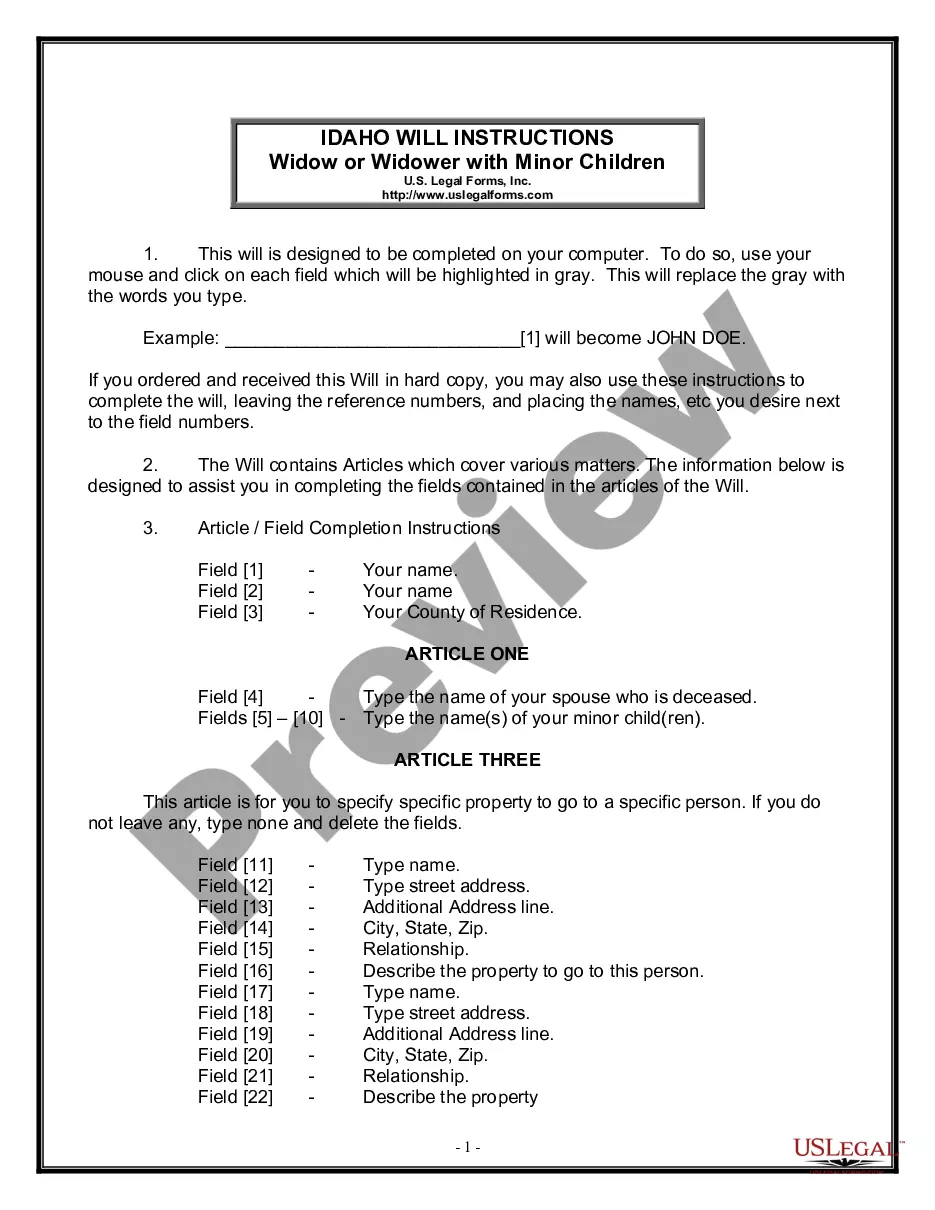
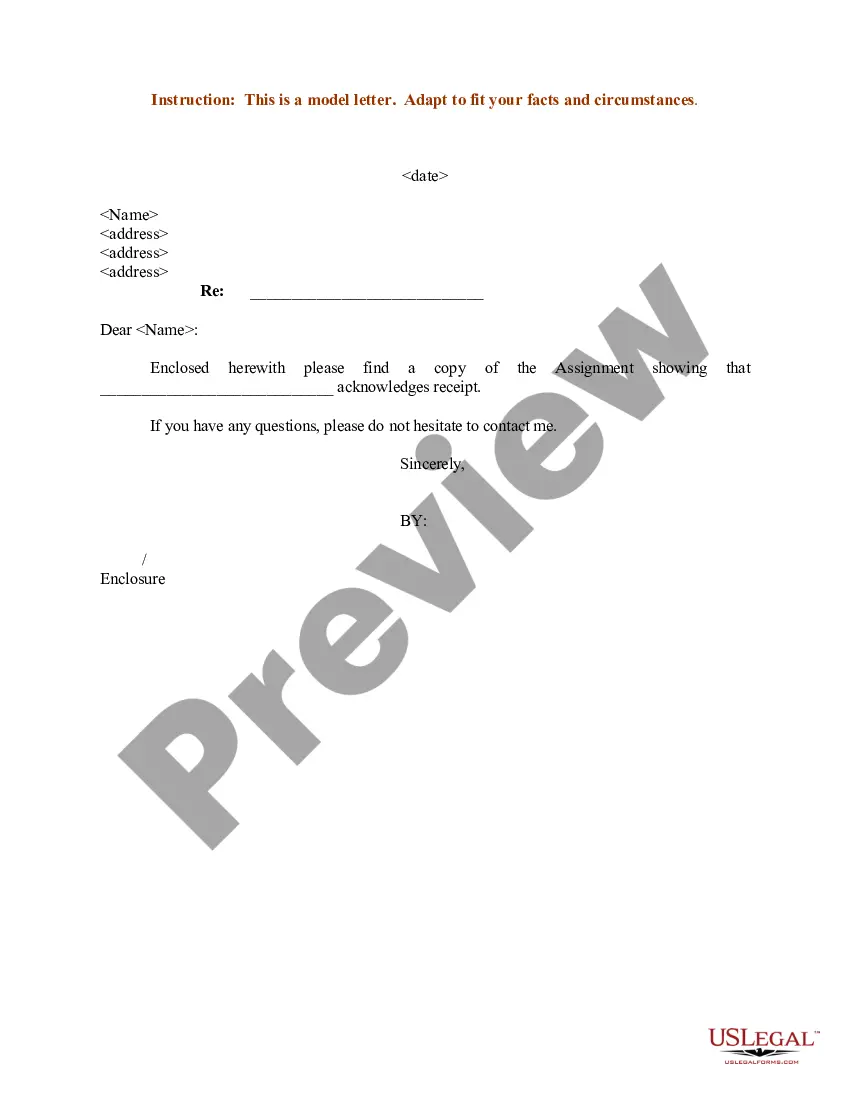
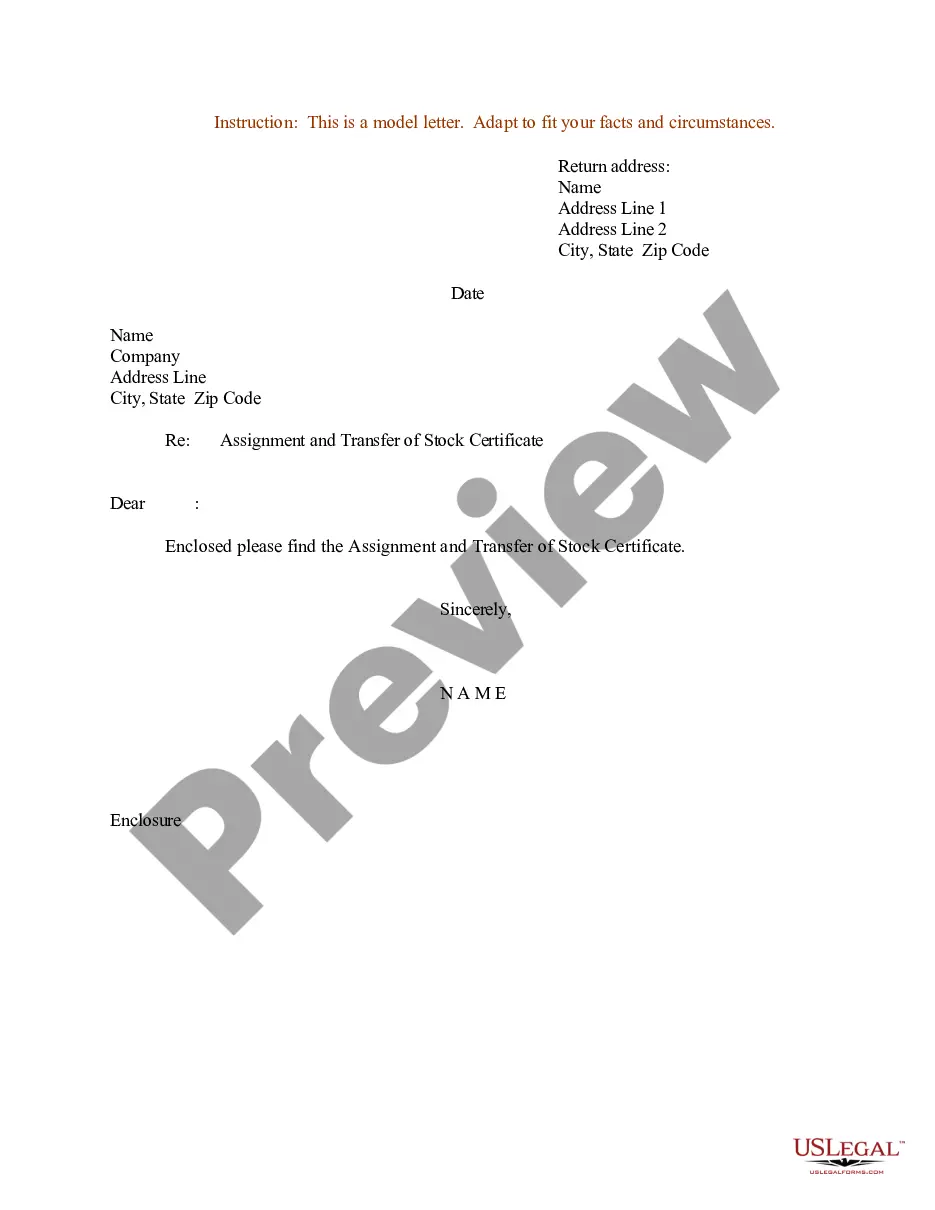
The Sample Letter for Assignment is a legal document used to formally acknowledge the transfer of rights or responsibilities from one party to another. This form provides clear communication of the assignment, ensuring all parties understand their obligations. Unlike other legal letters, this particular sample serves specifically to document assignments, making it useful for business transactions, real estate dealings, or personal contracts.
Key components of this form
- Date of the letter
- Sender's name and address
- Recipient's name and address
- Subject line indicating the nature of the assignment
- Body of the letter summarizing the assignment details
- Signature of the sender
Common use cases
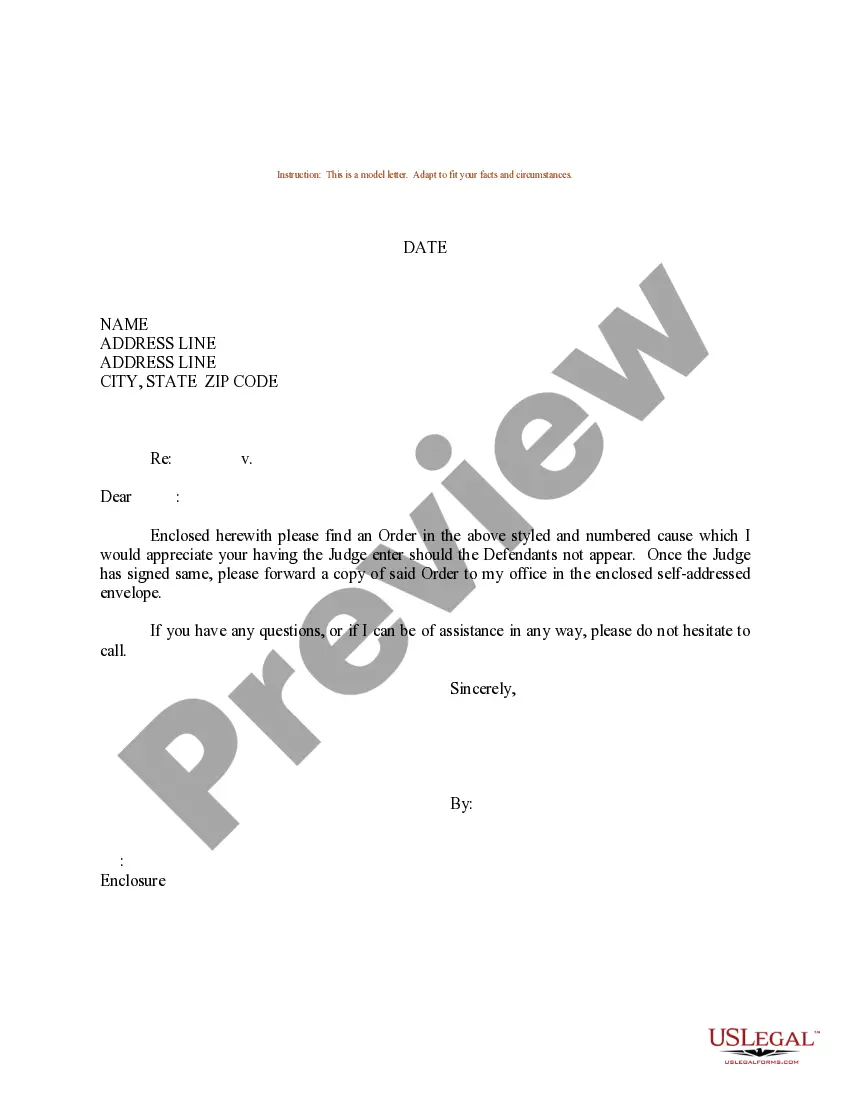
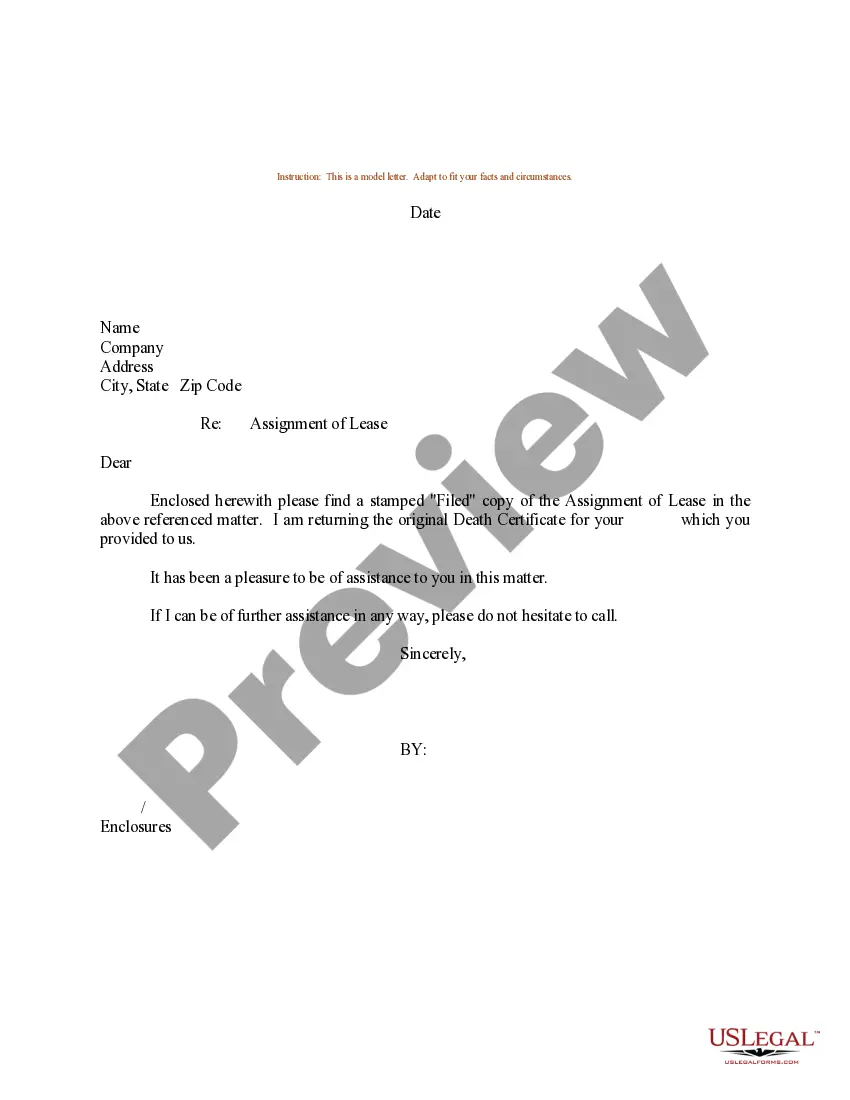
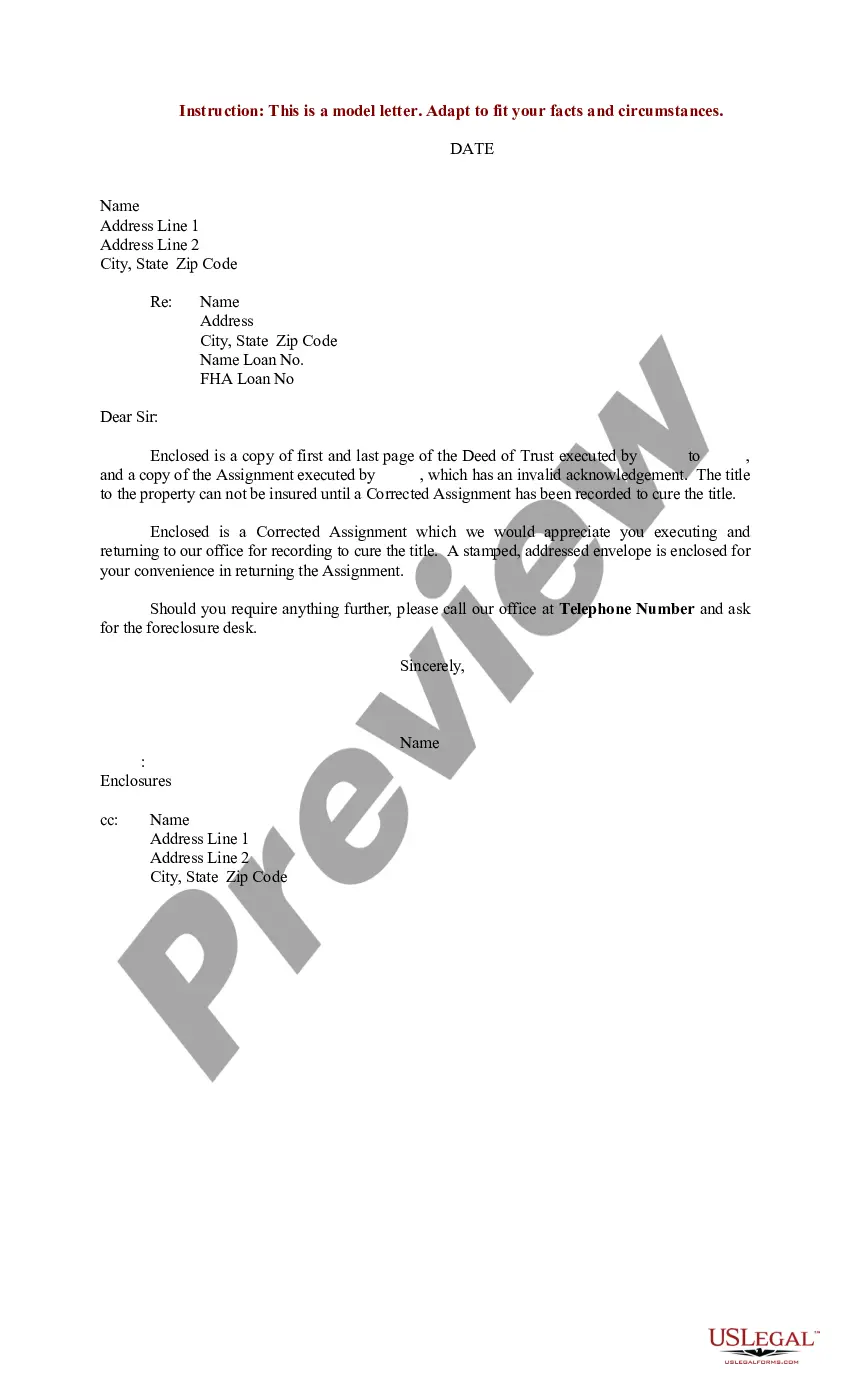
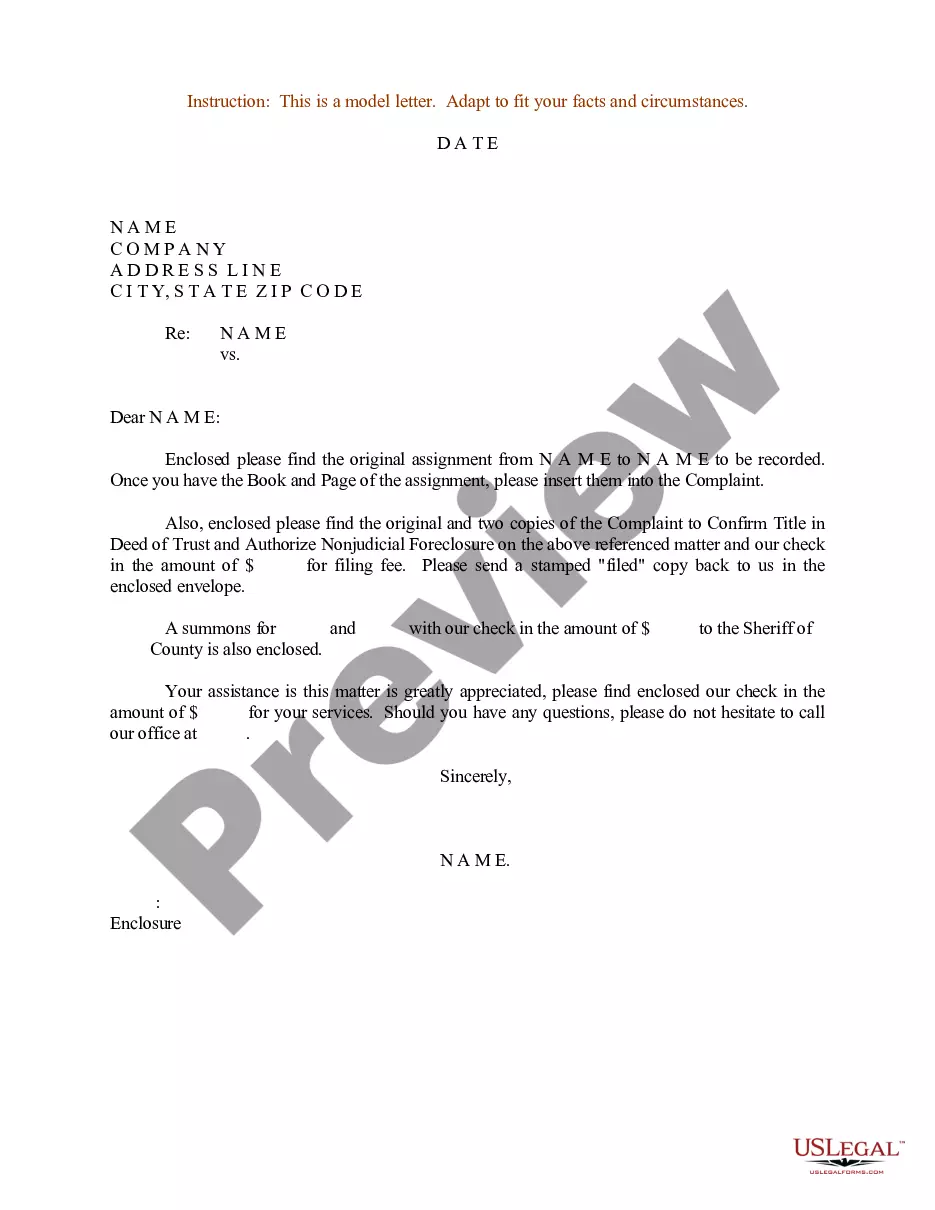
This form should be used when you need to notify someone about an assignment of rights or responsibilities. Common scenarios include transferring lease agreements, business contracts, or intellectual property rights. It can also be used to verify that the receiving party has acknowledged the assignment, creating a record for both parties involved.
Who needs this form
This form is suitable for:
- Individuals transferring personal contracts
- Business owners delegating responsibilities
- Landlords assigning leases to new tenants
- Parties involved in real estate transactions
How to prepare this document
- Identify the date of the letter.
- Fill in your name and address as the sender.
- Enter the recipient's name and address.
- Draft a clear subject line summarizing the assignment.
- Write the body of the letter, clarifying the details of the assignment.
- Sign the letter to finalize it.
Notarization guidance
This form does not typically require notarization unless specified by local law. However, it's always good practice to check the specific requirements for your jurisdiction to ensure compliance.
Get your form ready online
Our built-in tools help you complete, sign, share, and store your documents in one place.
Make edits, fill in missing information, and update formatting in US Legal Forms—just like you would in MS Word.
Download a copy, print it, send it by email, or mail it via USPS—whatever works best for your next step.
Sign and collect signatures with our SignNow integration. Send to multiple recipients, set reminders, and more. Go Premium to unlock E-Sign.
If this form requires notarization, complete it online through a secure video call—no need to meet a notary in person or wait for an appointment.
We protect your documents and personal data by following strict security and privacy standards.

Make edits, fill in missing information, and update formatting in US Legal Forms—just like you would in MS Word.

Download a copy, print it, send it by email, or mail it via USPS—whatever works best for your next step.

Sign and collect signatures with our SignNow integration. Send to multiple recipients, set reminders, and more. Go Premium to unlock E-Sign.

If this form requires notarization, complete it online through a secure video call—no need to meet a notary in person or wait for an appointment.

We protect your documents and personal data by following strict security and privacy standards.
Avoid these common issues
- Failing to include the recipient's address.
- Omitting the date of the letter.
- Not signing the letter.
- Using vague language in the assignment details.
Why complete this form online
- Easy to download and customize to your needs.
- Convenient access to legal forms anytime, anywhere.
- Prepared by licensed attorneys for reliability.
- Editable format allows for quick updates as needed.
Summary of main points
- Use the Sample Letter for Assignment to formally acknowledge an assignment.
- Ensure all key components are included to avoid misunderstandings.
- Check for state-specific regulations that may apply.
Looking for another form?
Form popularity
FAQ
Be concise. State the purpose of your formal letter in the first paragraph and don't veer from the subject. Use an appropriate tone. Proofread. Use proper format and presentation. Heading. Inside address. Salutation. Body.
Contact Information (Include your contact information unless you are writing on letterhead that already includes it.) Your Name. Your Address. Date. Contact Information (The person or company you are writing to) Name. Title. Greeting (Salutation Examples) Body of Letter. Closing. Signature. Typed Signature.
List your address. If you're using paper with a professional letterhead, you can skip this step. Provide the date. Identify the recipient's name and address. Choose a professional greeting. Write the body. Include an appropriate closing. Proofread your work.
Most business letters must include a return address (letterhead or your name and address), date, an inside address (receiver's name and address), a salutation, body paragraphs, and a closing. However, there are several ways to format this information.
Your letter should be simple and focused; make the purpose of your letter clear. Left justify your letter. Single space your letter and leave a space between each paragraph. Use a plain font such as Arial, Times New Roman, Courier New, or Verdana.
Set up your font and margins. Create your heading. Write your salutation. Use your body paragraphs to state your reasons for writing. Add your closing body paragraph and signature. Mention and add your enclosures. Proofread and send your letter.
A letter of assignment is a document in which the writer assigns a specific portion of his or her rights to the recipient of the letter.
Address or greet the concerned person properly like Dear Sir/Madam. Always mention the subject of writing the letter. Be concise in your letter. The tone of the letter should be very polite and not harsh. Write in a proper format and take care of the presentation of a letter. Mention the address and date correctly.