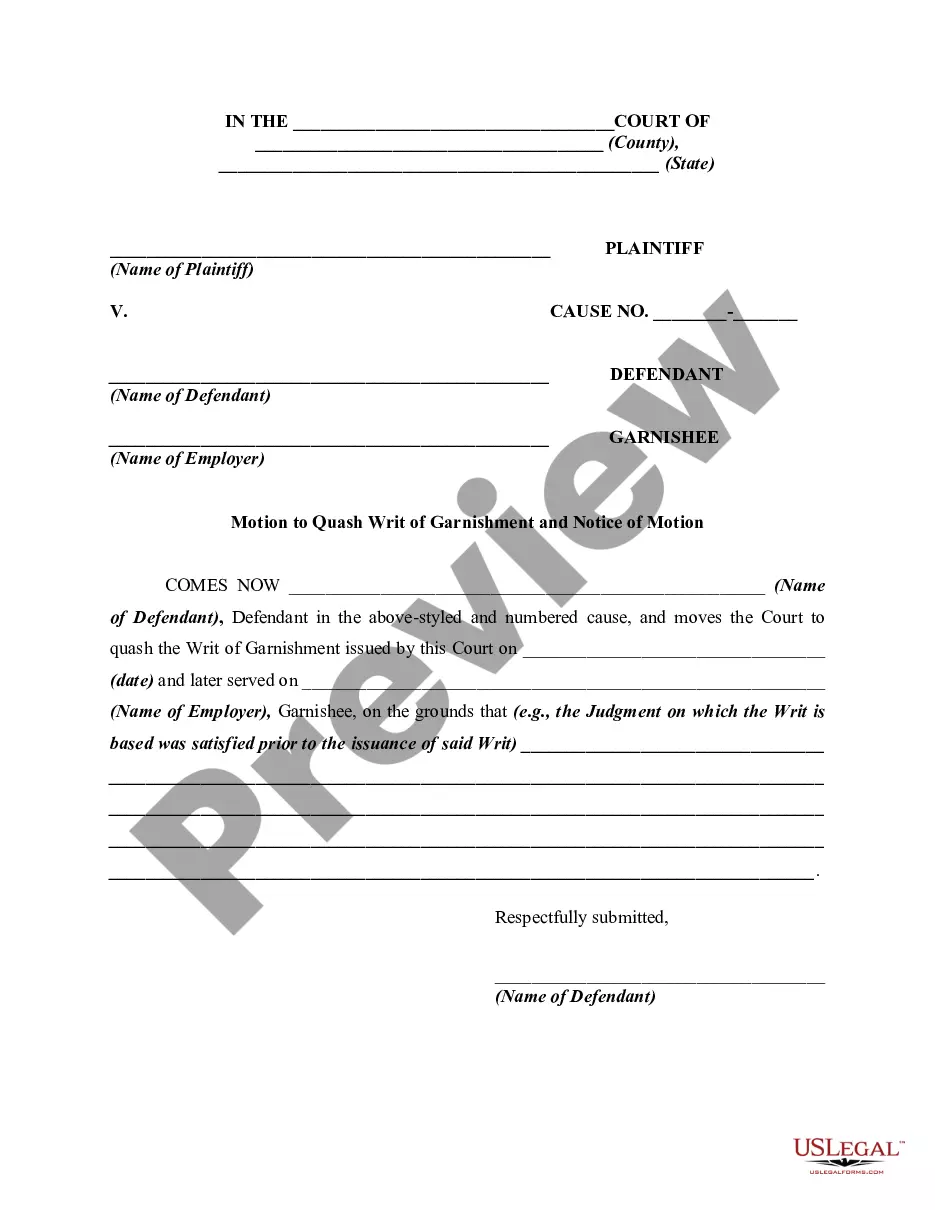
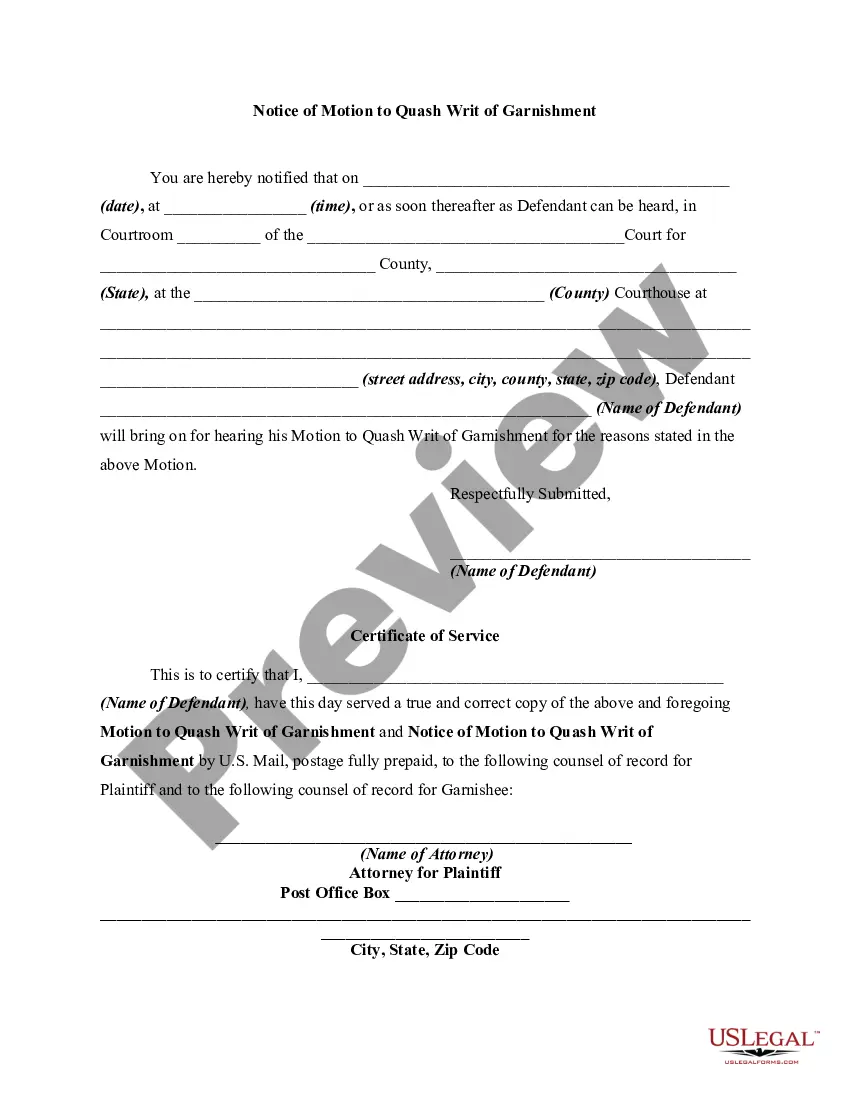
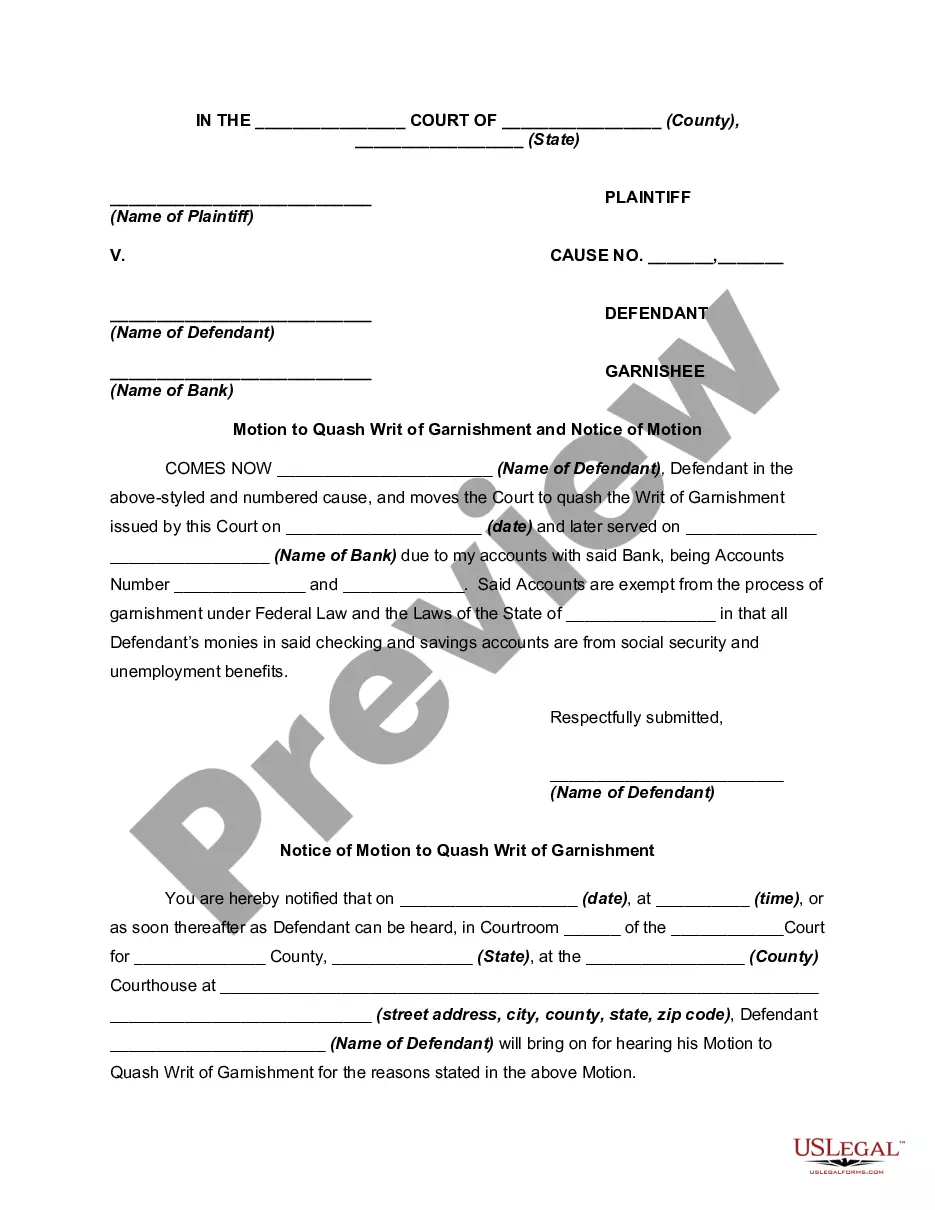
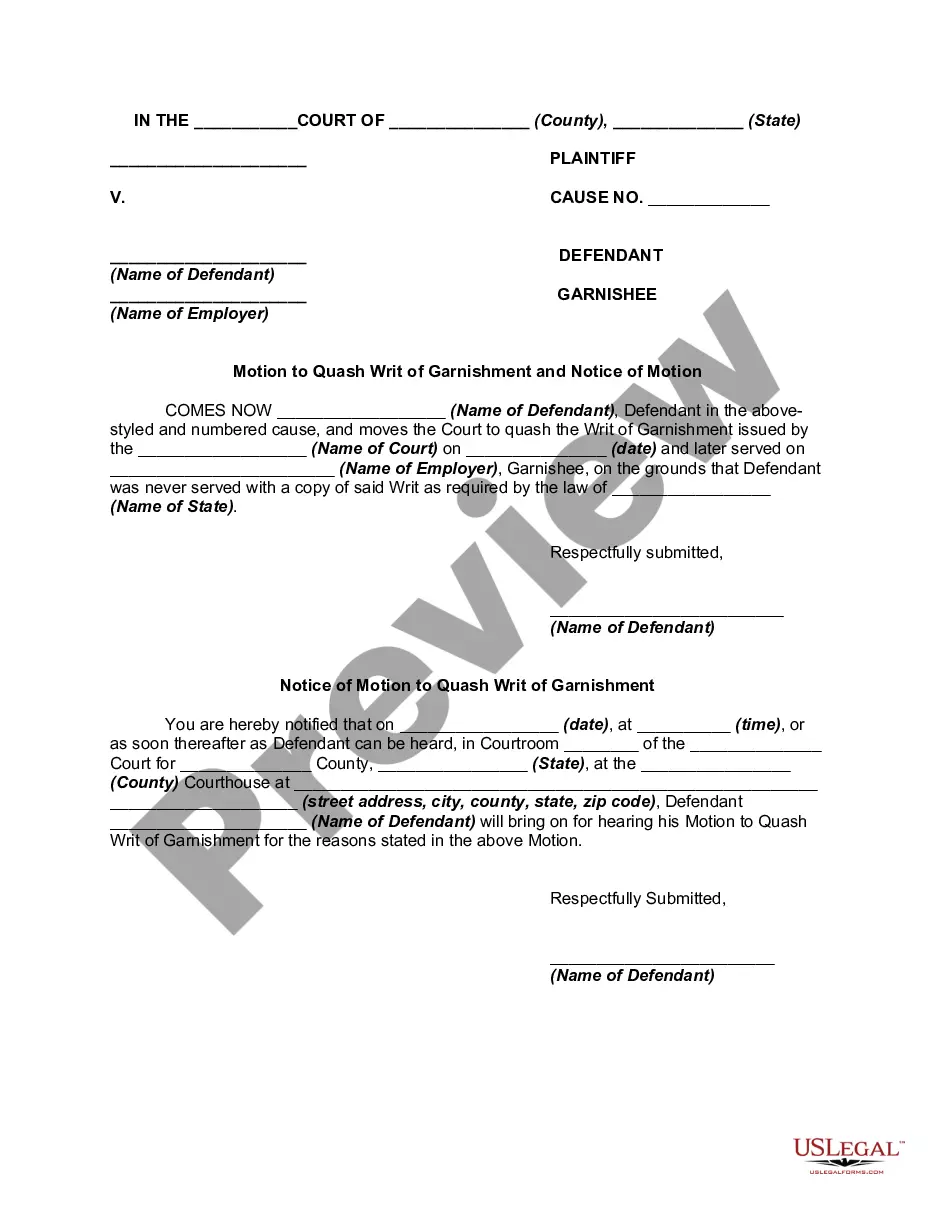
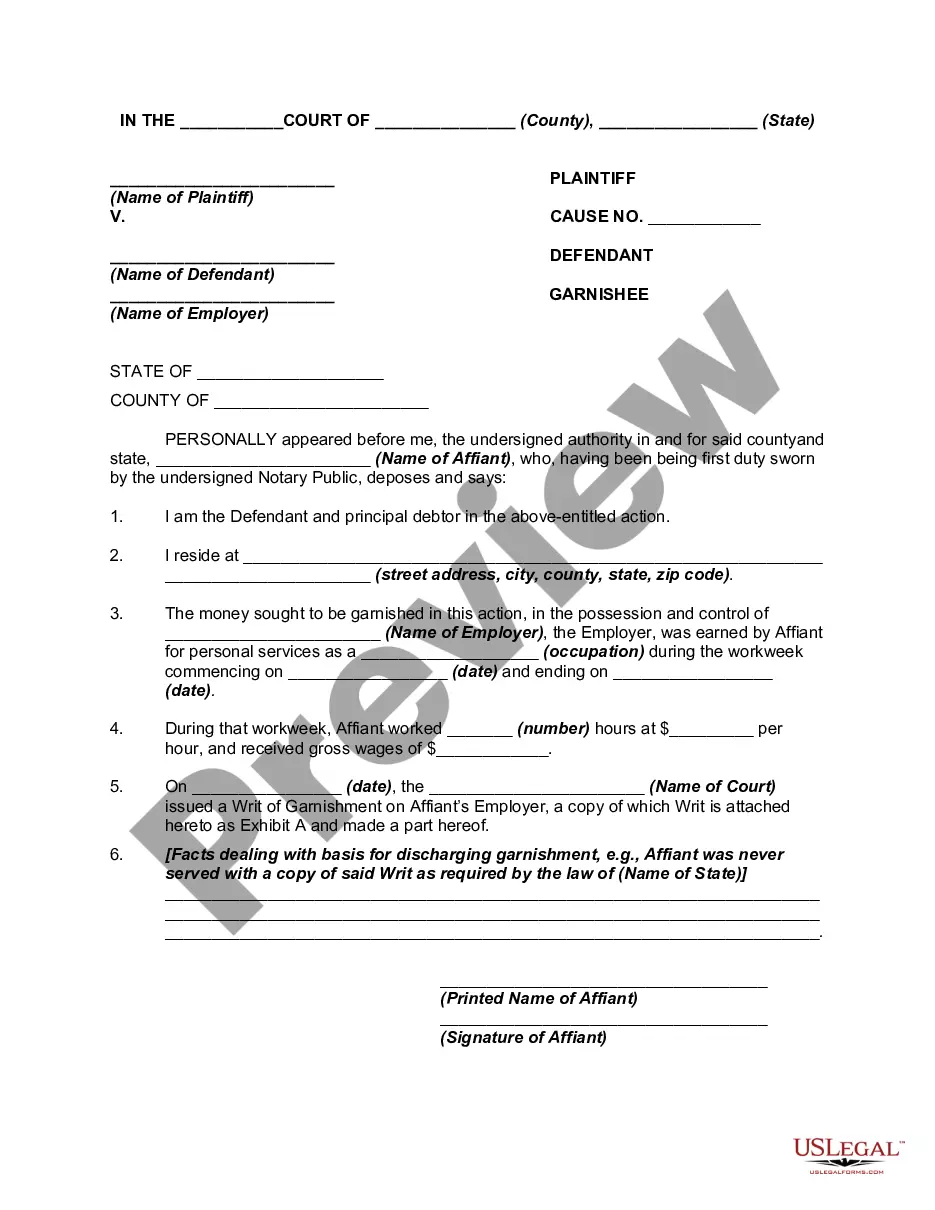
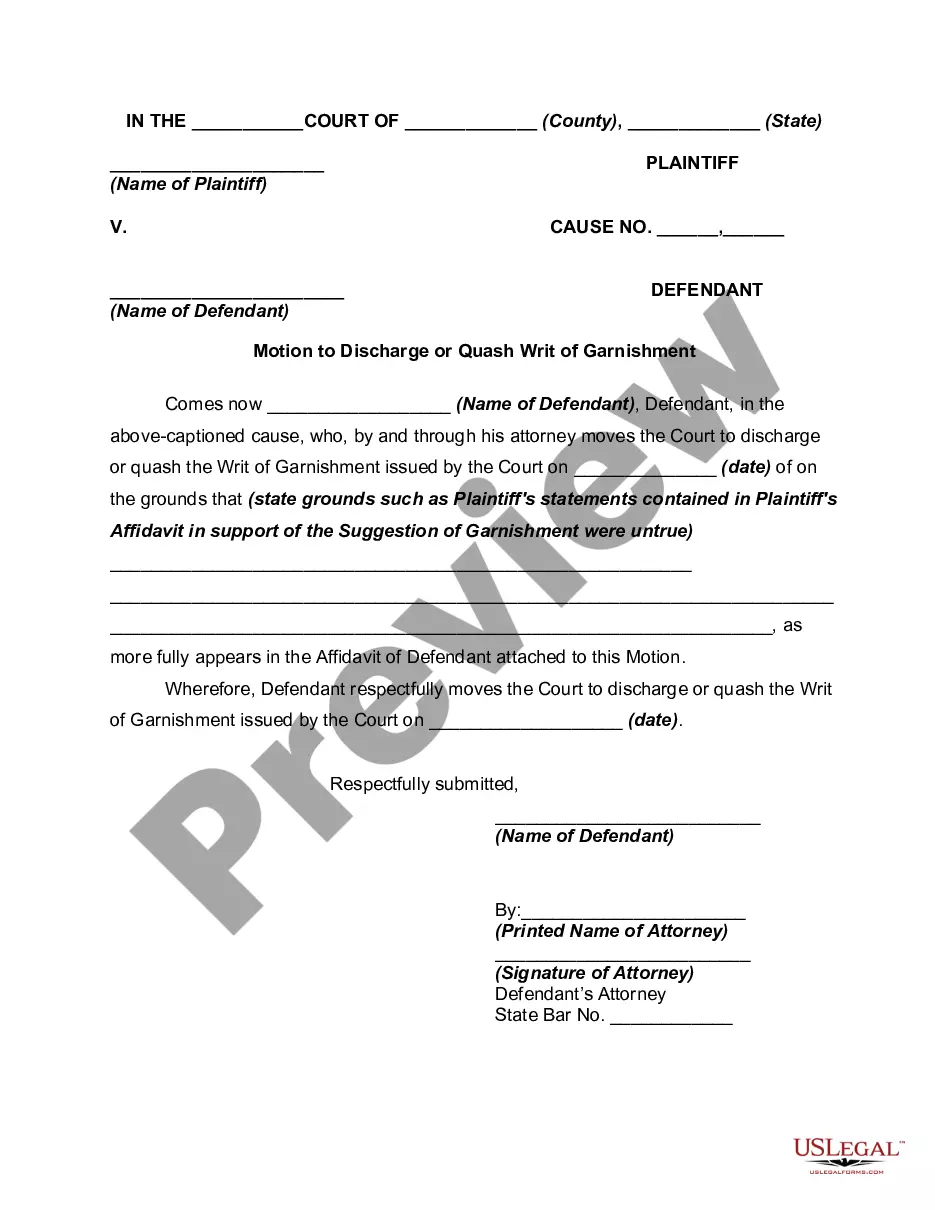
Garnishment Notice Order Without Court
Description
Get your form ready online
Our built-in tools help you complete, sign, share, and store your documents in one place.
Make edits, fill in missing information, and update formatting in US Legal Forms—just like you would in MS Word.
Download a copy, print it, send it by email, or mail it via USPS—whatever works best for your next step.
Sign and collect signatures with our SignNow integration. Send to multiple recipients, set reminders, and more. Go Premium to unlock E-Sign.
If this form requires notarization, complete it online through a secure video call—no need to meet a notary in person or wait for an appointment.
We protect your documents and personal data by following strict security and privacy standards.

Make edits, fill in missing information, and update formatting in US Legal Forms—just like you would in MS Word.

Download a copy, print it, send it by email, or mail it via USPS—whatever works best for your next step.

Sign and collect signatures with our SignNow integration. Send to multiple recipients, set reminders, and more. Go Premium to unlock E-Sign.

If this form requires notarization, complete it online through a secure video call—no need to meet a notary in person or wait for an appointment.

We protect your documents and personal data by following strict security and privacy standards.
Looking for another form?





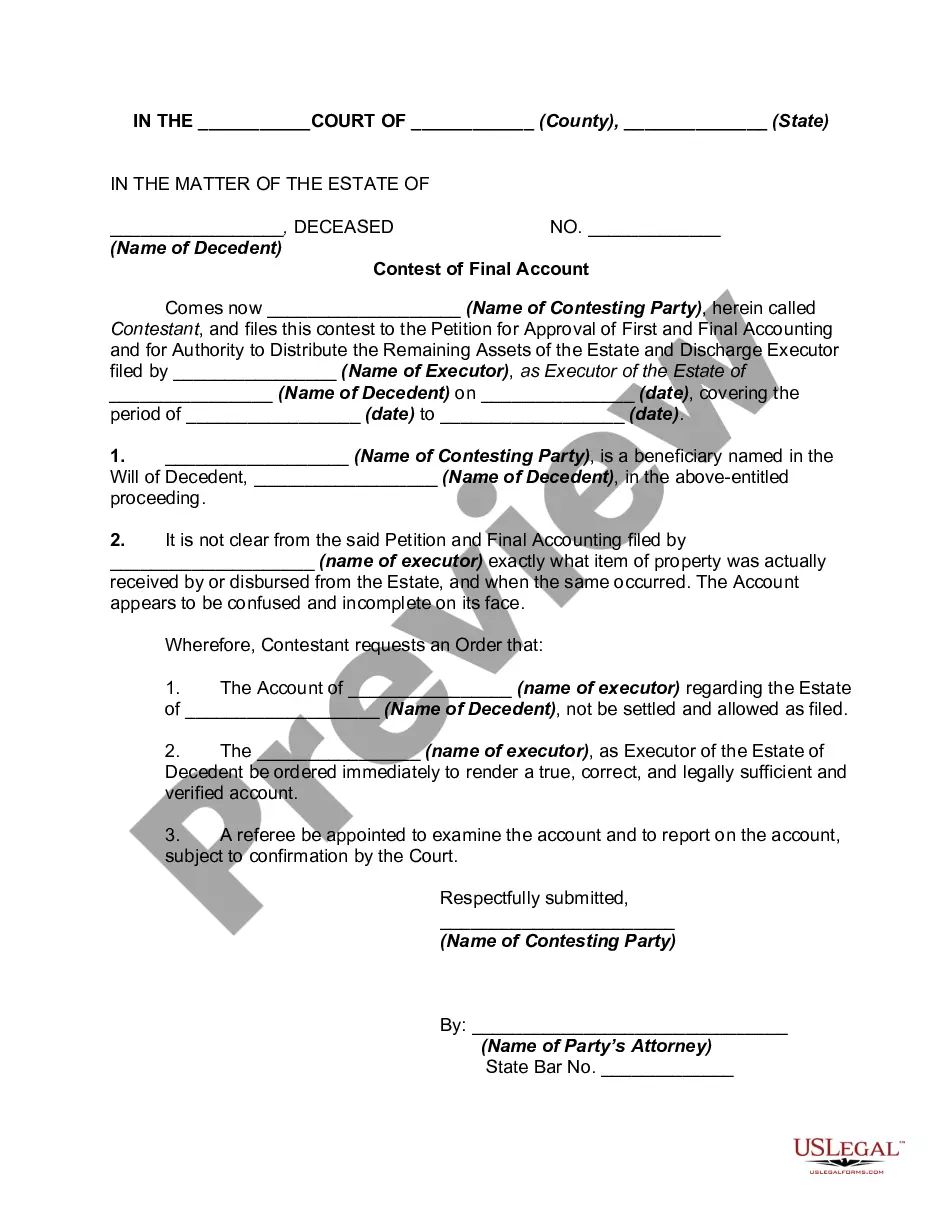
How to fill out Motion Of Defendant To Discharge Or Quash Writ Of Garnishment And Notice Of Motion?
Dealing with legal paperwork and processes can be a lengthy addition to your daily routine.
Garnishment Notice Order Without Court and similar documents generally necessitate you to search for them and understand how to fill them out accurately.
As a result, if you are managing financial, legal, or personal issues, utilizing a comprehensive and user-friendly online collection of forms when needed will be very beneficial.
US Legal Forms is the premier online platform for legal documents, boasting over 85,000 state-specific templates along with various tools to help you complete your paperwork smoothly.
Is this your first time using US Legal Forms? Sign up and create an account within a few minutes to gain access to the form library and Garnishment Notice Order Without Court. Then, follow the steps outlined below to fill out your form: Ensure you have located the correct document using the Preview option and reviewing the form description. Select Buy Now when ready, and pick the monthly subscription plan that works for you. Click Download, then complete, sign, and print the document. US Legal Forms has twenty-five years of expertise assisting users with their legal paperwork. Find the form you need right now and simplify any process without stress.
- Explore the repository of pertinent documents available with a single click.
- US Legal Forms provides you with state- and county-specific templates accessible anytime for download.
- Protect your document management tasks with a superior service that allows you to generate any form in minutes without extra or hidden fees.
- Simply Log In to your account, find Garnishment Notice Order Without Court and obtain it instantly in the My documents section.
- You can also access previously saved documents.
Form popularity
FAQ
Complete the Garnishee order for debts form ???Your case number. Date of the judgment. Name and address of the other party. Name and address of the garnishee (the bank or third party who owes the other party money). Total amount of the judgment. Your contact details including address, telephone, fax and email.
At a minimum, your written objection to the garnishment should include the following information: the case number and case caption (ex: "XYZ Bank vs. John Doe") the date of your objection. your name and current contact information. the reasons (or "grounds") for your objection, and. your signature.
Example Letter to Stop Wage Garnishment Dear Sir/Madam, I am writing to request that you stop the wage garnishment that is currently being imposed on me. I am unable to make the payments at this time due to [insert reason, such as financial hardship]. I have attached documentation that supports my claim.
Ordinary garnishments Under Title III, the amount that an employer may garnish from an employee in any workweek or pay period is the lesser of: 25% of disposable earnings -or- The amount by which disposable earnings are 30 times greater than the federal minimum wage.
Under Wisconsin law, most creditors can garnish the lesser of (subject to some exceptions?more below): 20% of your disposable earnings, or. the amount by which your disposable earnings exceed 30 times the federal minimum wage. (Wis.