Skipping Generations
Description

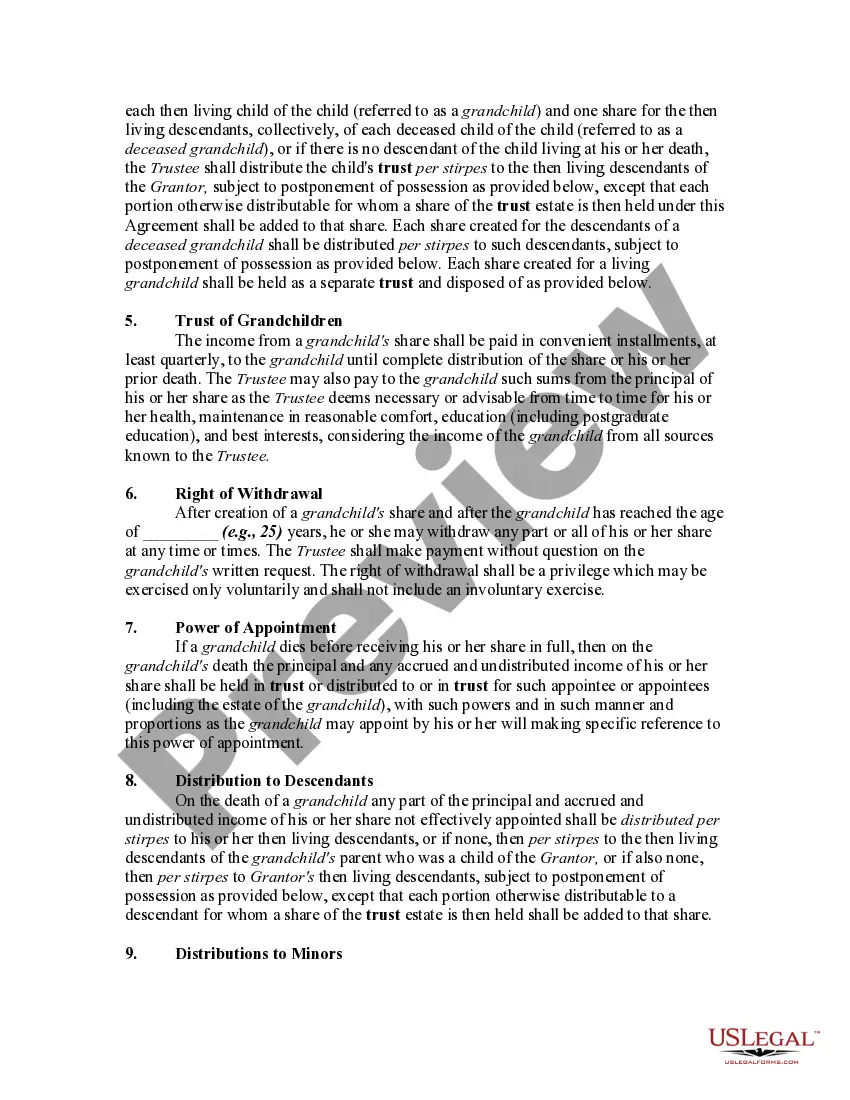






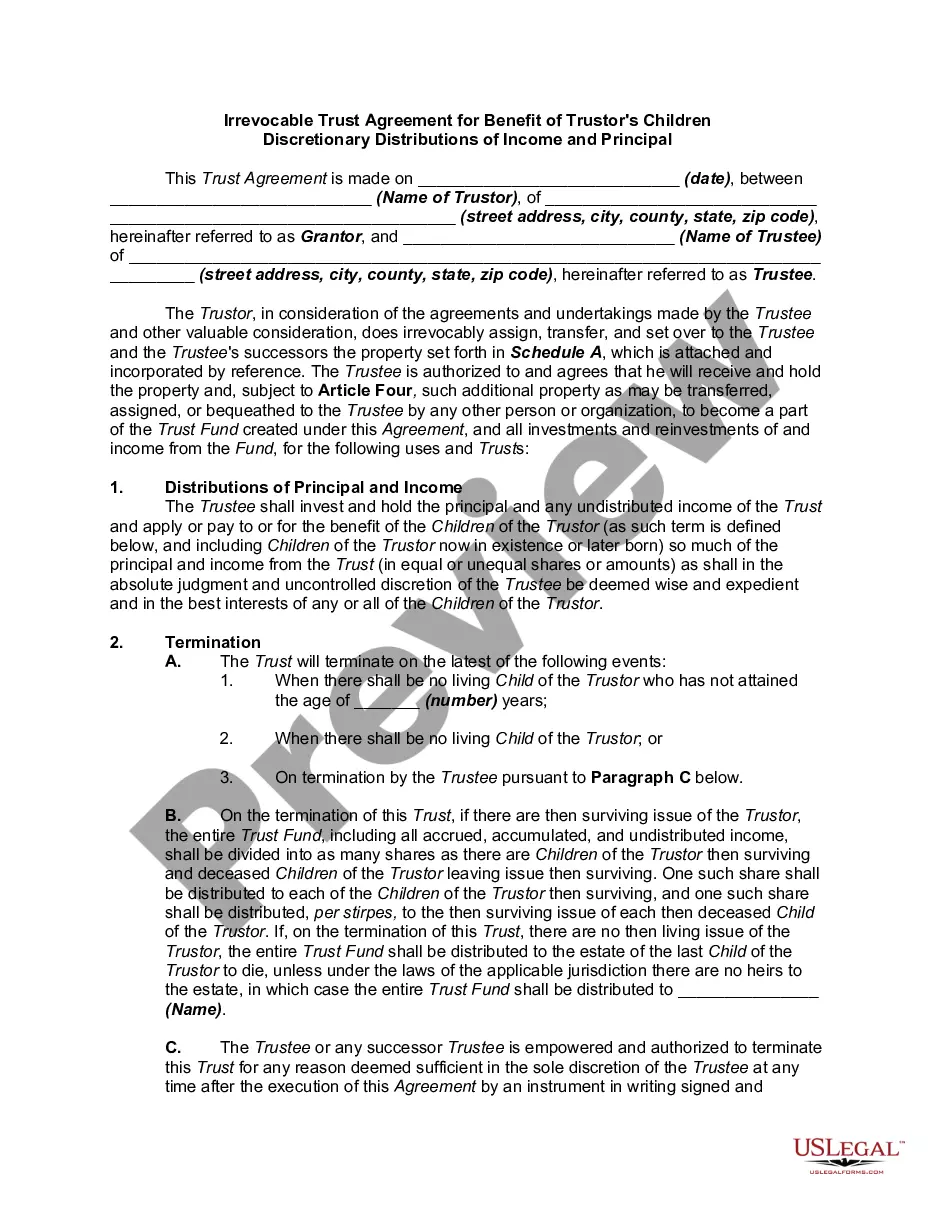


Get your form ready online
Our built-in tools help you complete, sign, share, and store your documents in one place.
Make edits, fill in missing information, and update formatting in US Legal Forms—just like you would in MS Word.
Download a copy, print it, send it by email, or mail it via USPS—whatever works best for your next step.
Sign and collect signatures with our SignNow integration. Send to multiple recipients, set reminders, and more. Go Premium to unlock E-Sign.
If this form requires notarization, complete it online through a secure video call—no need to meet a notary in person or wait for an appointment.
We protect your documents and personal data by following strict security and privacy standards.

Make edits, fill in missing information, and update formatting in US Legal Forms—just like you would in MS Word.

Download a copy, print it, send it by email, or mail it via USPS—whatever works best for your next step.

Sign and collect signatures with our SignNow integration. Send to multiple recipients, set reminders, and more. Go Premium to unlock E-Sign.

If this form requires notarization, complete it online through a secure video call—no need to meet a notary in person or wait for an appointment.

We protect your documents and personal data by following strict security and privacy standards.
Looking for another form?
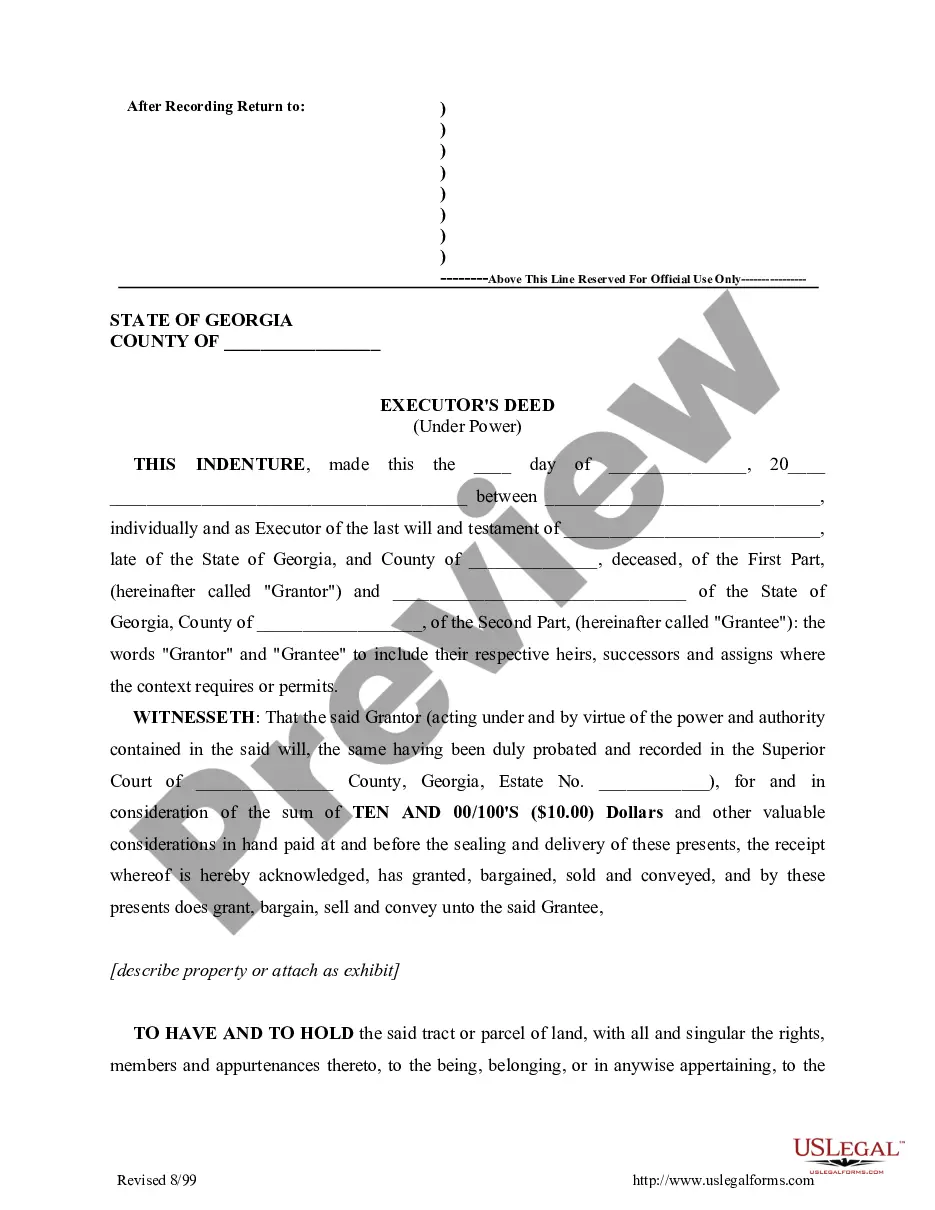




How to fill out Irrevocable Generation Skipping Or Dynasty Trust Agreement For Benefit Of Trustor's Children And Grandchildren?
- Log in to your US Legal Forms account if you're a returning user, and check your subscription status to ensure it's still valid.
- For first-time users, begin by assessing the document's Preview mode and description to verify its relevance to your situation.
- If the selected document does not meet your needs, utilize the Search function to find a more suitable template.
- Once you've found a document that fits, click on the Buy Now button and select a subscription plan that works for you - registration is required for full access.
- Complete your purchase by entering your payment information, either through credit card or PayPal.
- Download the form to your device, and access it anytime via the My Forms section in your profile.
In conclusion, US Legal Forms streamlines the legal document process with an extensive library and robust features. Empower yourself with these resources to ensure you have the correct legal documentation for your needs.
Visit US Legal Forms today to get started on your legal journey!
Form popularity
FAQ
Generation-skipping works by allowing individuals to transfer assets directly to beneficiaries in a younger generation, such as grandchildren, thus skipping the intervening generation. This method can significantly impact estate planning and tax implications, allowing families to preserve wealth across generations. By understanding the rules and potential tax consequences, you can make informed decisions on how best to transfer your wealth.
To avoid the generation-skipping tax, consider using strategies such as annual exclusion gifts or establishing trusts that qualify for the GST exemption. By gifting within the exemption limits, you can effectively minimize or eliminate tax liability. Consulting with a professional experienced in estate planning can further guide you through these options, ensuring compliance with current laws.
The federal tax on generation-skipping transfers is set at a rate of 40% for any amount exceeding the GST exemption. This rate applies to assets transferred to beneficiaries two or more generations below the individual making the gift or bequest. Planning appropriately can help structure your transfers to minimize these tax obligations.
In addition to the example of a grandparent leaving an inheritance to a grandchild, another instance of skipping generations occurs when a trust is created for grandchildren, bypassing the children altogether. Other cases include gifts exceeding the annual exclusion amount directly to grandchildren. Understanding these examples can help you navigate the complexities of generation-skipping taxes effectively.
Yes, you can file Form 709, which is the United States Gift (and Generation-Skipping Transfer) Tax Return, separately from your standard tax return. Typically, this form is due on April 15, which aligns with the federal income tax return, but it can be done as a standalone filing. By managing your filings separately, you ensure that your generation-skipping transfers are accurately documented without confusion.
Skipping generations refers to the tax imposed on assets transferred to grandchildren or other beneficiaries who are two or more generations below the donor. For instance, if a grandparent leaves an inheritance to a grandchild, rather than their child, the generation-skipping tax may apply. This tax is designed to prevent wealth from skipping generations without taxation, which could otherwise reduce tax revenue significantly.
Certain traits are not inherited through genetics; instead, they develop through environmental influences. For instance, acquired skills, like musical talent or language fluency, depend on practice and exposure rather than genetic makeup. Additionally, traits like scars or tattoos result from individual life experiences rather than hereditary factors. Exploring these differences can provide clarity on family traits and their origins.
Various traits can skip a generation due to genetic inheritance patterns. An example includes eye color, where a child may inherit a trait from a grandparent, even if their parents do not showcase that color. This trait skipping often surprises families, showcasing the complexity of heredity. By understanding these patterns, families can have deeper conversations about their genetic history.
Some genetic diseases exhibit a phenomenon known as skipping generations. For instance, certain forms of muscular dystrophy can appear in a family after skipping one or more generations. This often occurs when a carrier parent does not express the disease but passes the genetic predisposition to their child. Understanding the mechanics of skipping generations can help families anticipate potential health issues.
Yes, it is entirely possible for traits or diseases to skip a generation. This phenomenon can occur due to the genetic makeup of the parents and how traits are passed on to their offspring. By recognizing this possibility, you can better understand your family's health narrative and take proactive steps in monitoring genetic predispositions. Platforms like USLegal can assist in exploring these health aspects further.