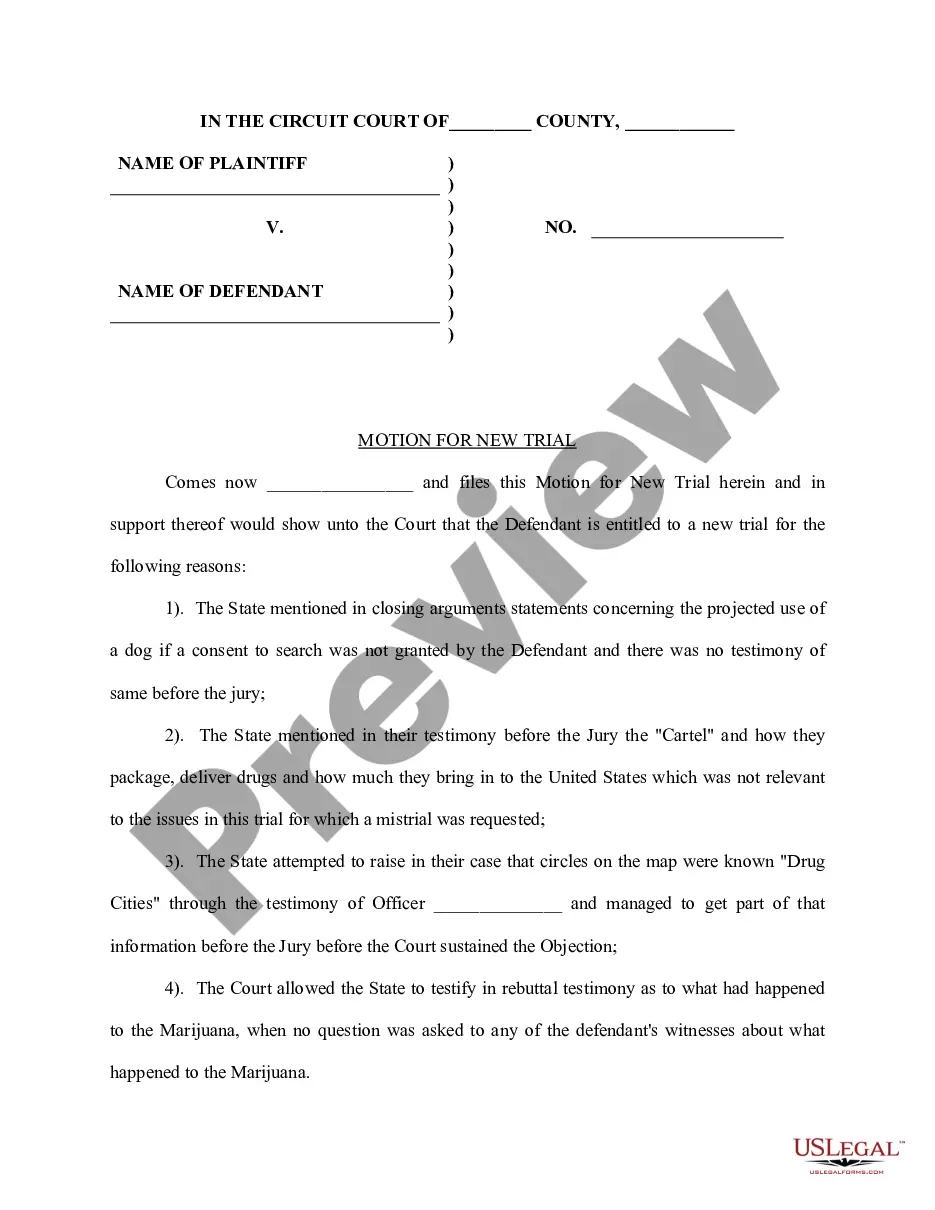
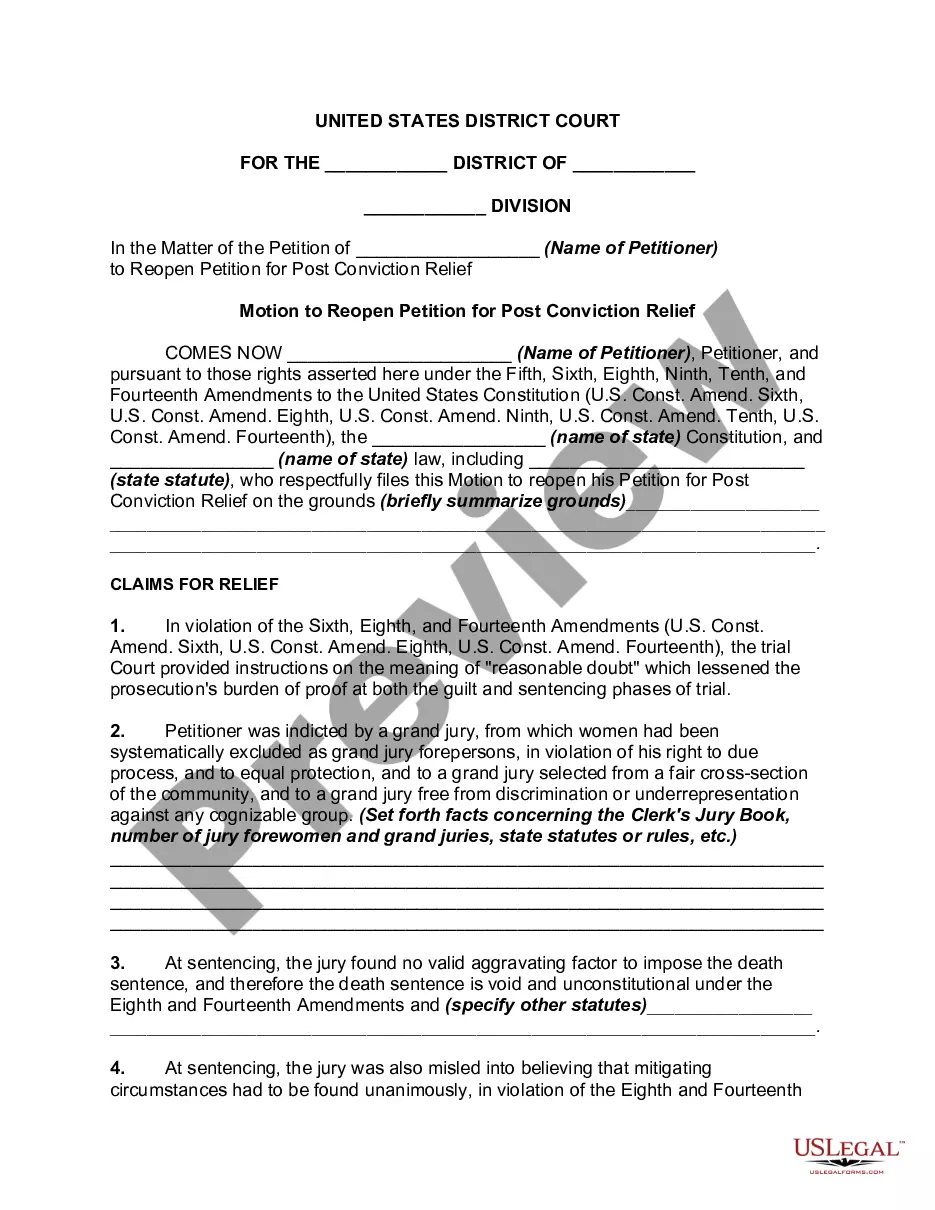
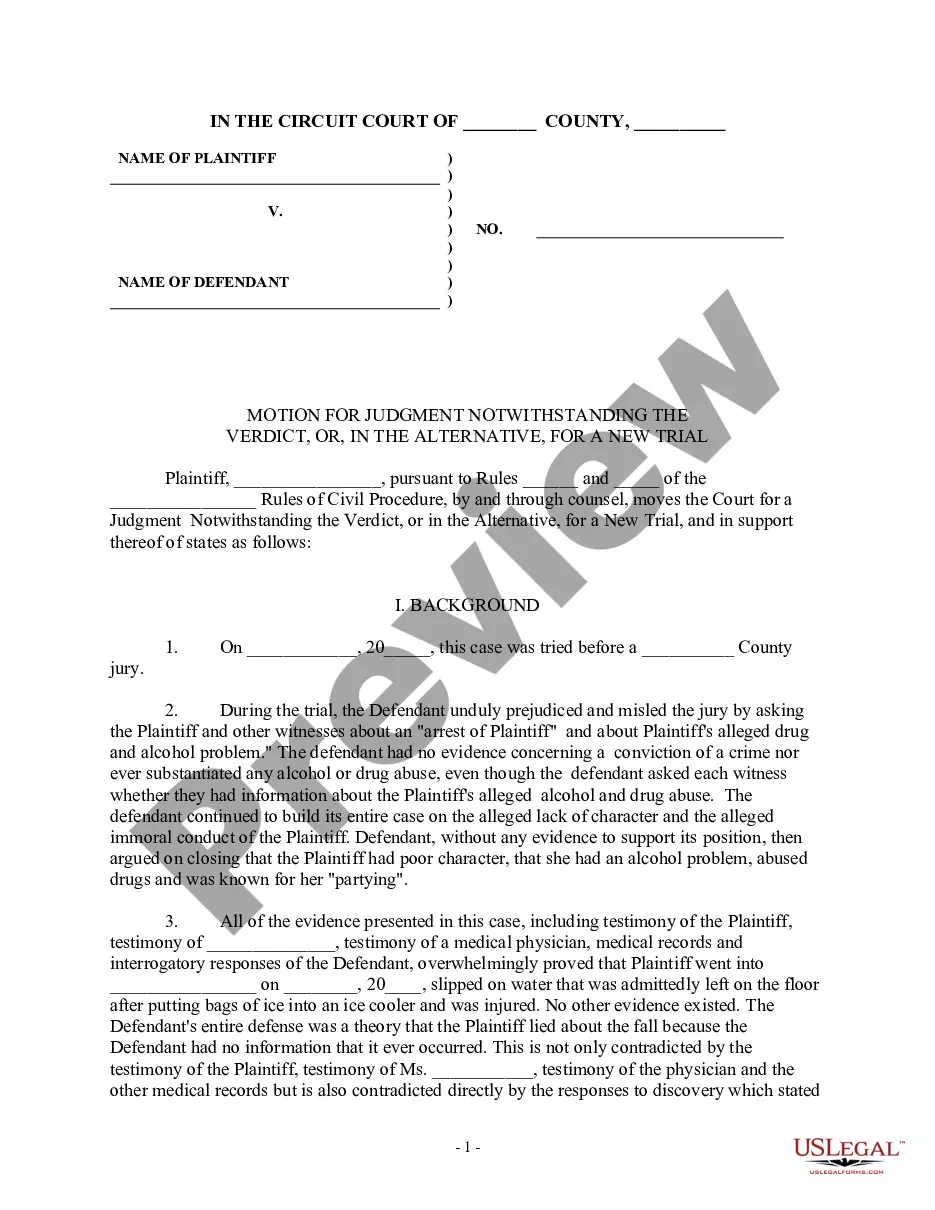
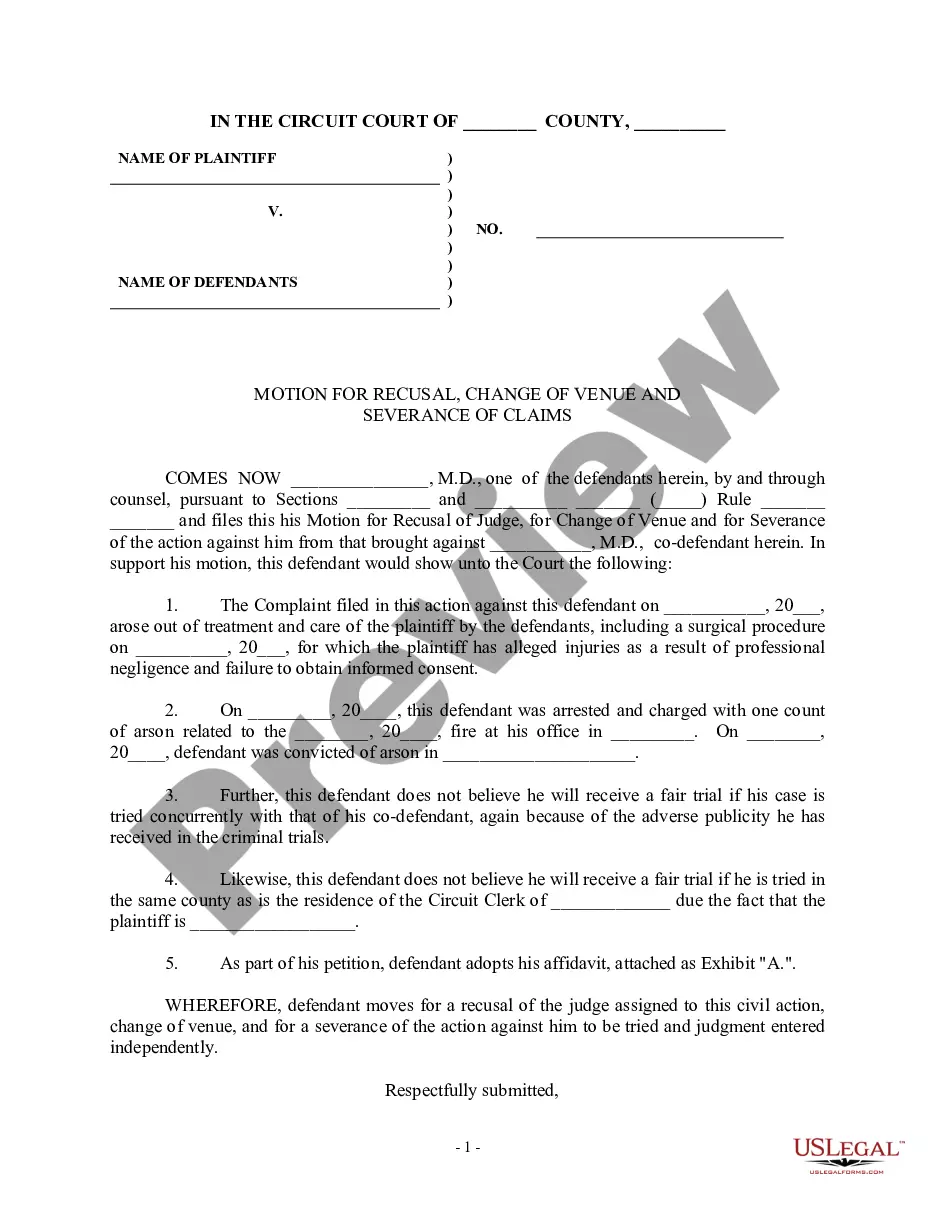
Motion For Trial Request With Body
Description
Get your form ready online
Our built-in tools help you complete, sign, share, and store your documents in one place.
Make edits, fill in missing information, and update formatting in US Legal Forms—just like you would in MS Word.
Download a copy, print it, send it by email, or mail it via USPS—whatever works best for your next step.
Sign and collect signatures with our SignNow integration. Send to multiple recipients, set reminders, and more. Go Premium to unlock E-Sign.
If this form requires notarization, complete it online through a secure video call—no need to meet a notary in person or wait for an appointment.
We protect your documents and personal data by following strict security and privacy standards.

Make edits, fill in missing information, and update formatting in US Legal Forms—just like you would in MS Word.

Download a copy, print it, send it by email, or mail it via USPS—whatever works best for your next step.

Sign and collect signatures with our SignNow integration. Send to multiple recipients, set reminders, and more. Go Premium to unlock E-Sign.

If this form requires notarization, complete it online through a secure video call—no need to meet a notary in person or wait for an appointment.

We protect your documents and personal data by following strict security and privacy standards.
Looking for another form?






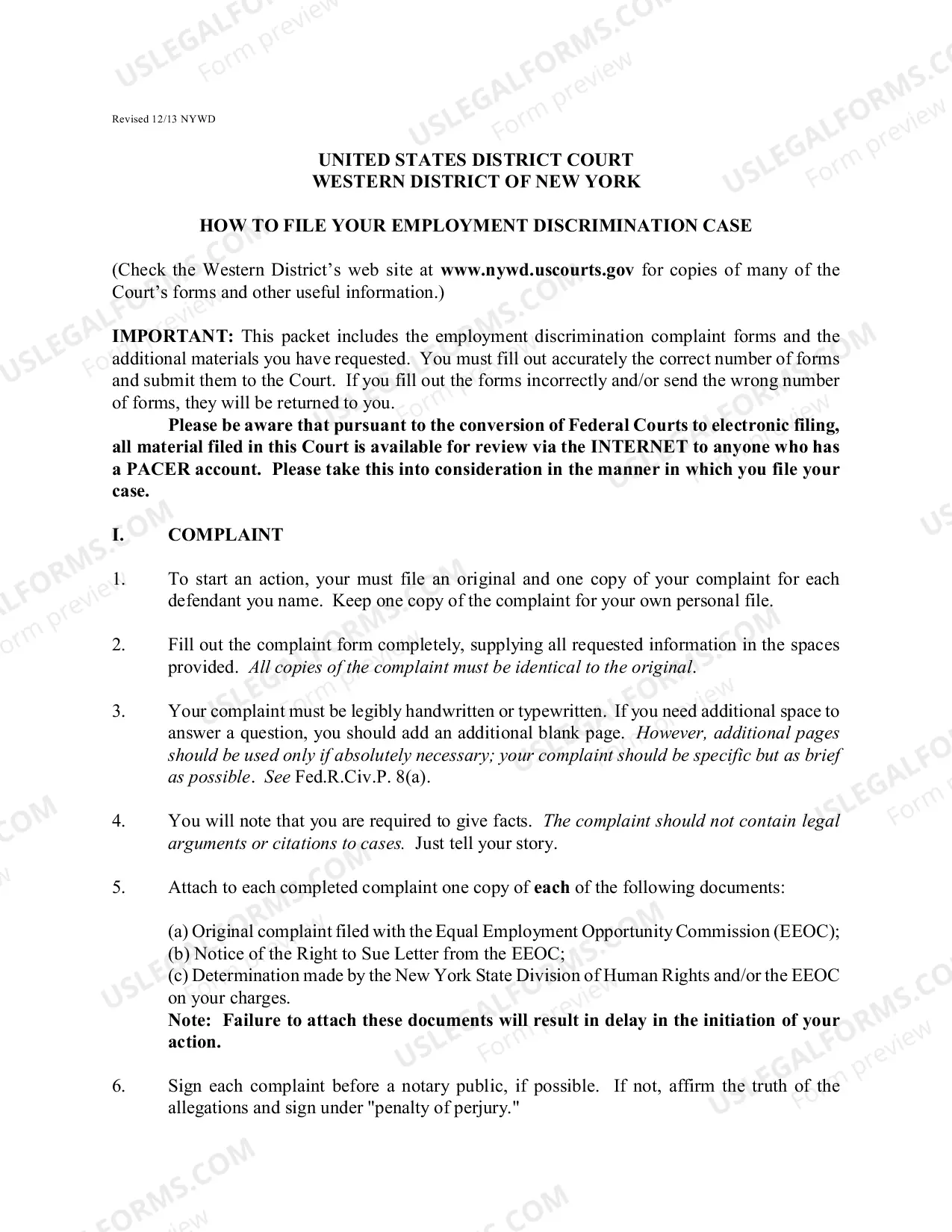
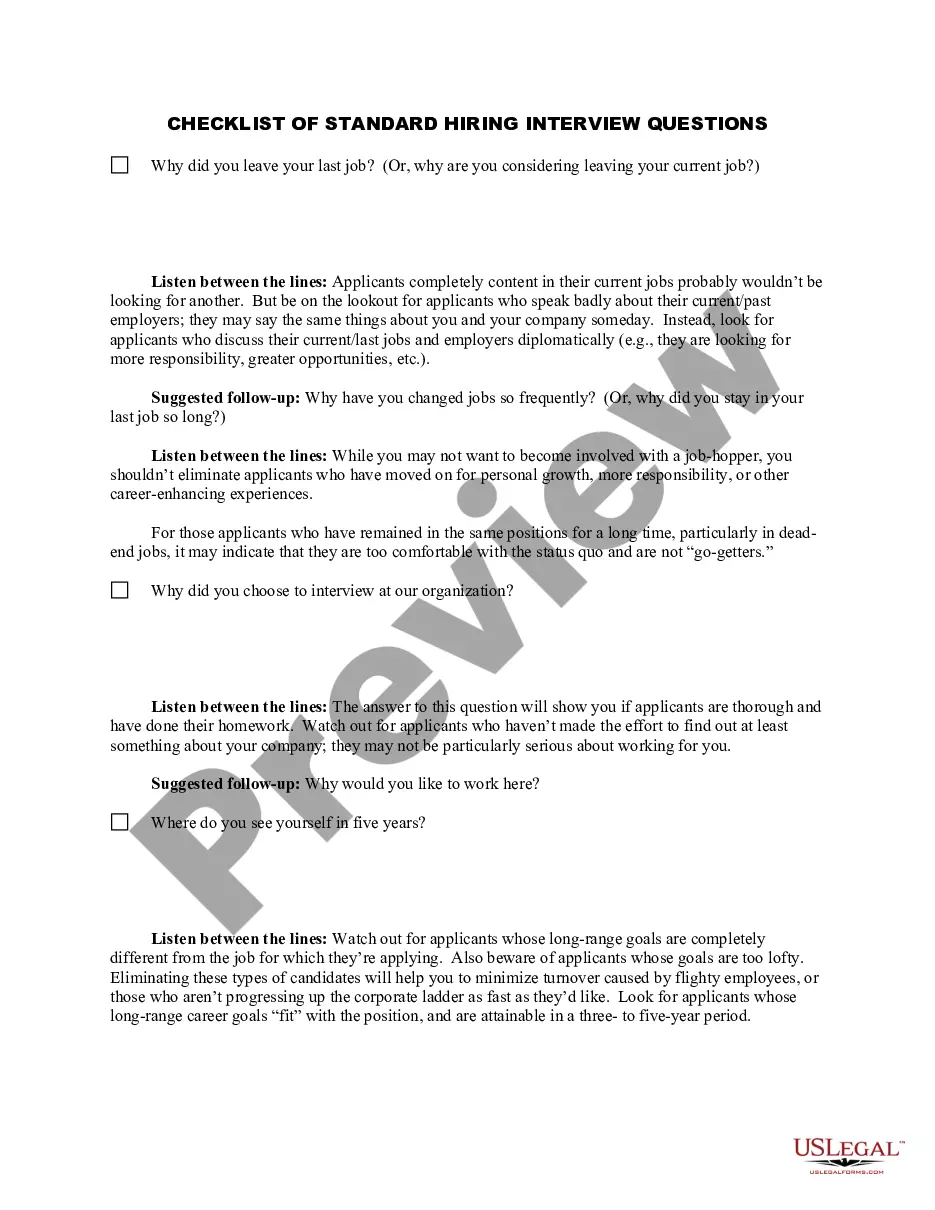

How to fill out Motion For New Trial?
Managing legal paperwork and tasks can be an exhaustive addition to your daily routine.
Requests for Trial Motion and similar forms usually necessitate that you search for them and comprehend the most effective way to fill them out correctly.
Therefore, when you are handling financial, legal, or personal issues, utilizing a detailed and user-friendly online directory of forms when needed will greatly assist you.
US Legal Forms is the premier online resource for legal templates, providing over 85,000 state-specific forms along with a variety of tools to help you complete your documents with ease.
Is it your first time using US Legal Forms? Sign up and establish your account in just a few moments to access the form directory and Motion For Trial Request With Body. Then, follow the steps outlined below to finalize your form: Ensure you have the correct form by utilizing the Preview option and reviewing the form details. Click Buy Now when ready, and select the monthly subscription option that best suits you. Choose Download, then fill out, sign, and print the form. US Legal Forms has two and a half decades of experience aiding clients in managing their legal documentation. Acquire the form you need today and streamline any process effortlessly.
- Browse the collection of relevant documents accessible to you with just a single click.
- US Legal Forms provides you with state- and county-specific forms available anytime for download.
- Protect your document management tasks using a superior service that enables you to prepare any form in minutes without additional or unforeseen fees.
- Simply Log In to your account, find Motion For Trial Request With Body, and obtain it instantly from the My documents section.
- You can also access forms you have previously downloaded.
Form popularity
FAQ
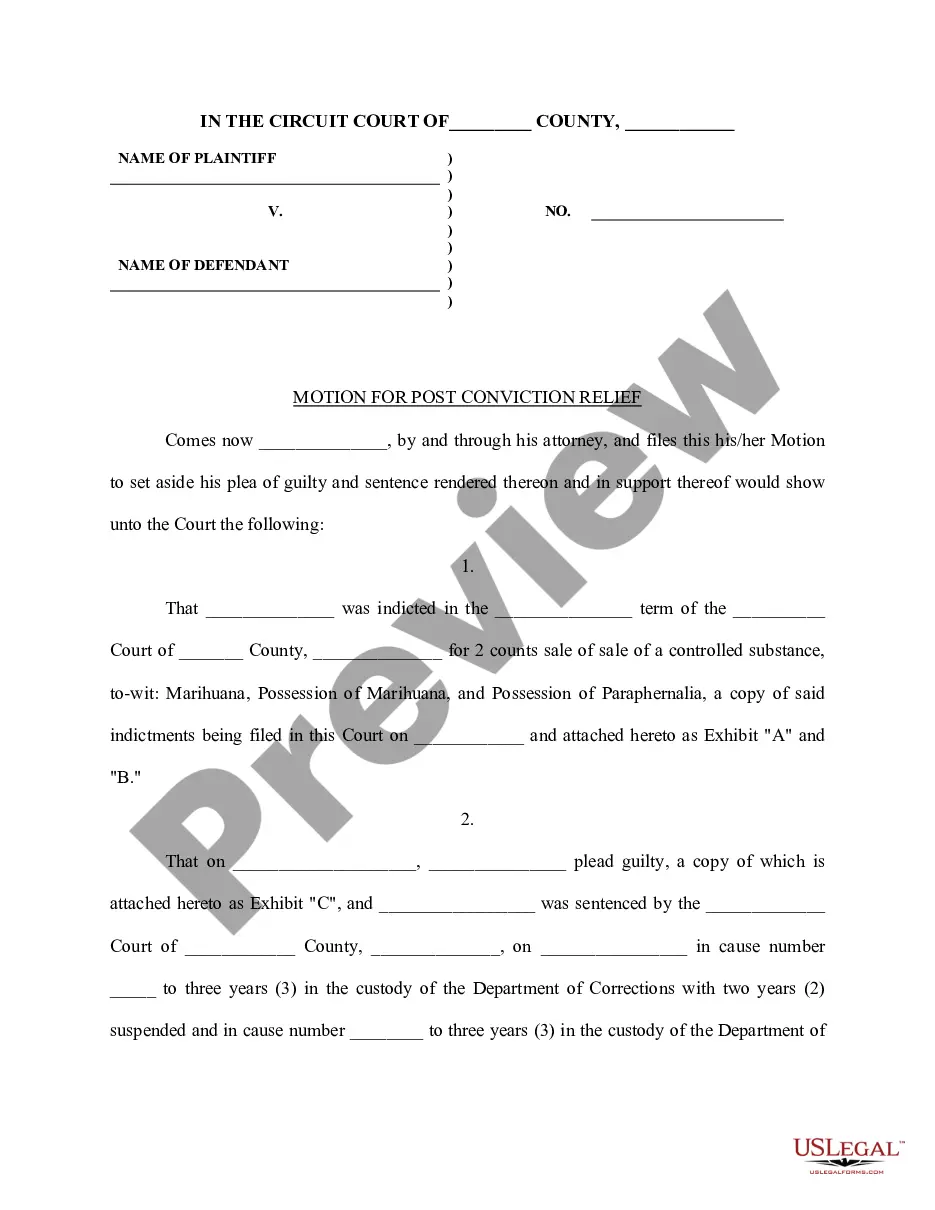
Motions can request a wide range of actions from the court, including scheduling hearings, compelling evidence, or even dismissing a case. For example, a motion for trial request with body specifically asks the court to set a date for trial and address related procedural issues. These requests vary in complexity but all serve to advance the case. Understanding the specifics of what motions can achieve is essential for effective legal strategy.
A judge may deny a motion to stay if they find that delaying the proceedings does not serve justice or the interests of the parties involved. For instance, if a case has already progressed significantly, the judge may believe that a stay is unnecessary or would cause undue hardship. Additionally, if there are no valid reasons supporting this request, the judge will likely reject it. Focusing on well-supported legal arguments can improve your chances in future motions.
A judge will grant a motion when it meets legal standards and serves the interests of justice. Factors influencing the decision include the clarity of the arguments presented, adherence to procedural rules, and the potential outcomes for each party. For example, a well-prepared motion for trial request with body demonstrates your case's merit, making it more likely for a judge to approve it. Therefore, a compelling presentation can greatly influence the outcome.
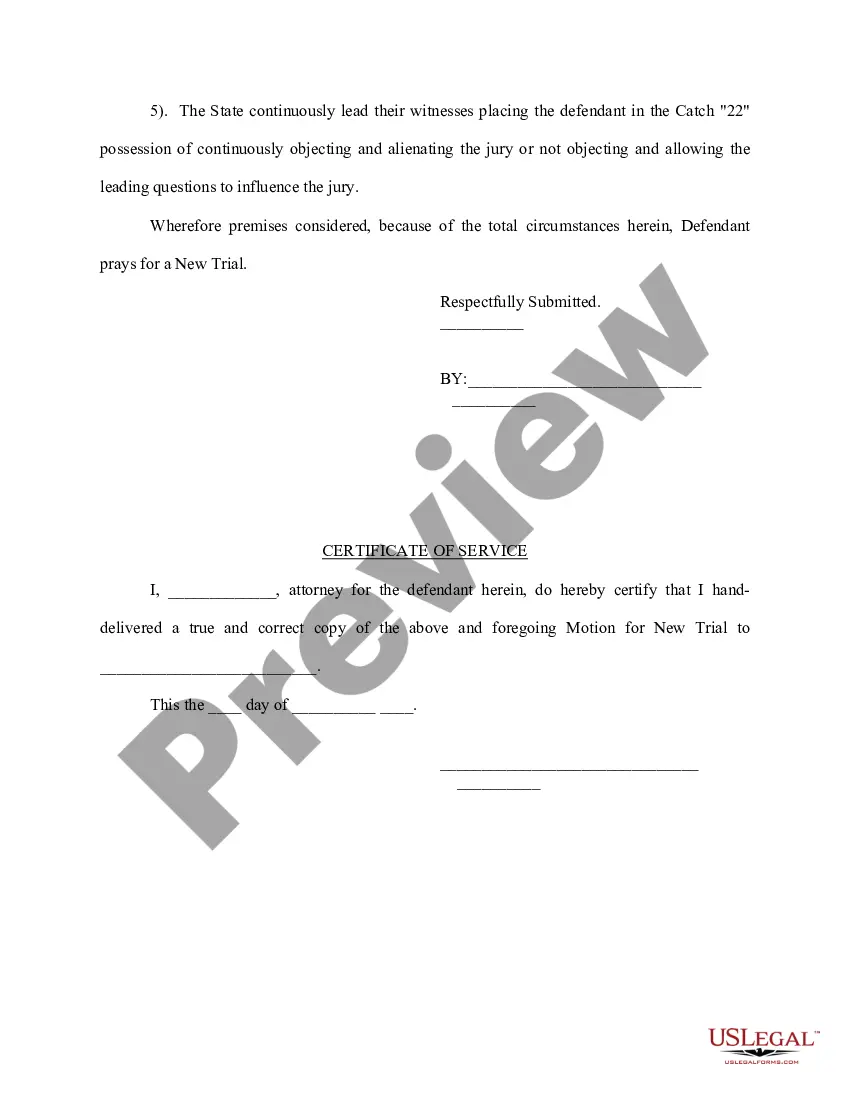
To ask for a motion in court, you must file a written request outlining the specific relief you seek, such as a motion for trial request with body. This document should clearly explain the legal basis for your request and include any supporting evidence. After submitting your motion, you may need to attend a hearing where you can present your arguments. This process ensures the judge considers your request carefully.
For a judge to grant a motion for summary judgment, several conditions must be satisfied. Primarily, there must be no genuine dispute of material fact, which means that the evidence is clear and supports one party's argument. Additionally, the requesting party must show that they are entitled to judgment as a matter of law. Ensuring your motion for trial request with body is well-structured can enhance your chances of success.
When a judge grants a motion, it means they agree to the request made in the motion. For instance, if you file a motion for trial request with body, and the judge approves it, your case will proceed as you requested. This decision can significantly impact the direction of your legal proceedings. Understanding the implications of this decision is crucial for your overall case strategy.
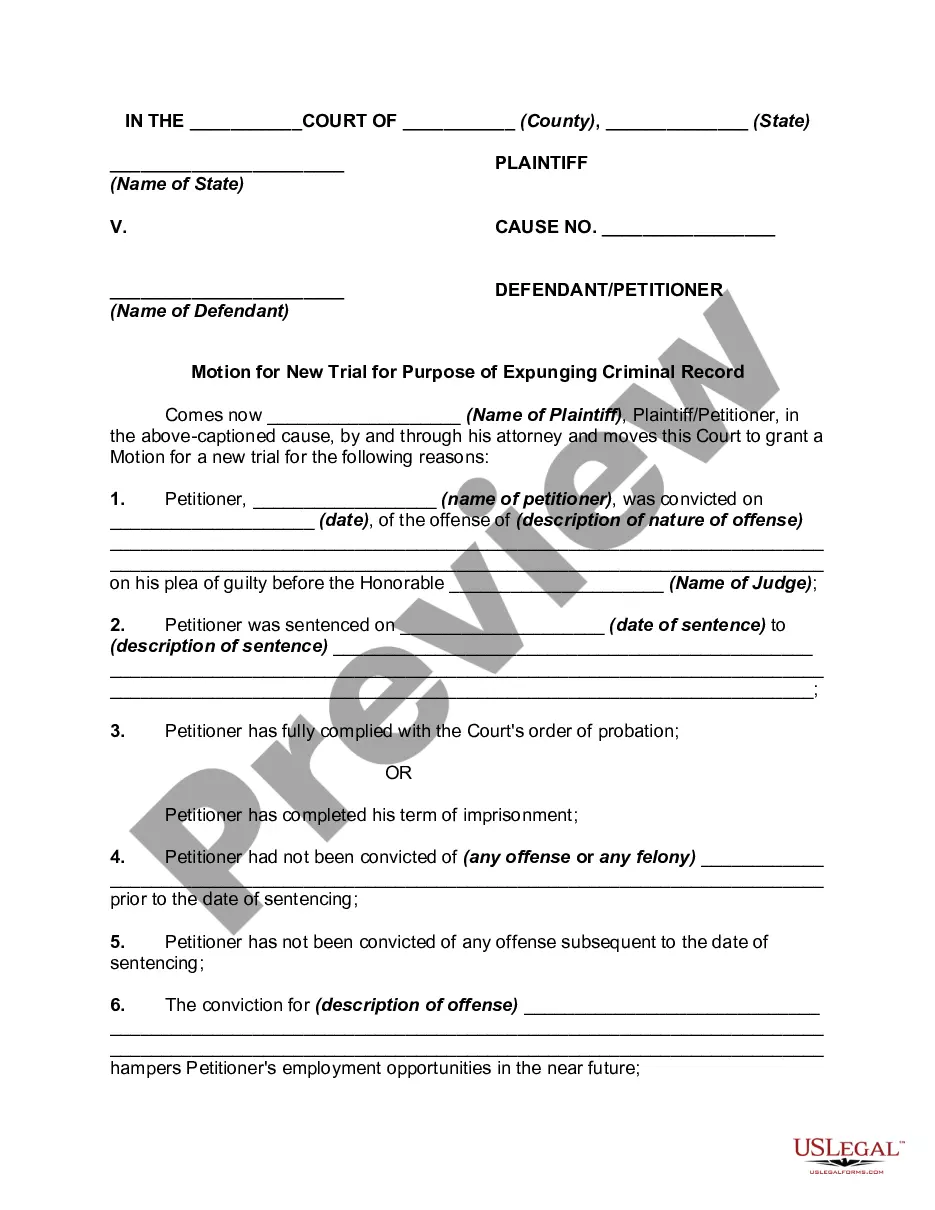
A valid reason to file a motion for a new trial includes discovering new evidence that could significantly impact the case’s outcome. Another reason is demonstrating that there were substantial errors in the trial process, whether procedural or substantive. It’s crucial to substantiate your claims with appropriate documentation when filing your motion for trial request with body. Consider consulting legal resources for more detailed guidance on this matter.
The proper way to write a motion involves following specific legal format and content requirements. Start with a clear title that indicates it is a motion for trial request with body, followed by a statement of facts and the legal basis for your request. Ensure you include a section for relief sought, detailing what you want the court to decide. Clarity and structure are essential, so reviewing examples can be helpful.
When someone files a motion in court, the judge reviews the request along with any supporting documents. A motion for trial request with body initiates a legal process where the opposing party is typically given a chance to respond. After reviewing all arguments, the judge makes a ruling that can either grant or deny the motion. Understanding this process can help you prepare better.
To win a motion for a new trial, emphasize substantial legal errors or new evidence that could affect the outcome of your case. When filing your motion for trial request with body, clearly outline why the previous trial was flawed. Additionally, present compelling arguments and, if possible, include witness statements or new documents to support your claim. Preparation is key, so utilize available resources wisely.