Limit Clause For Insurance
Description
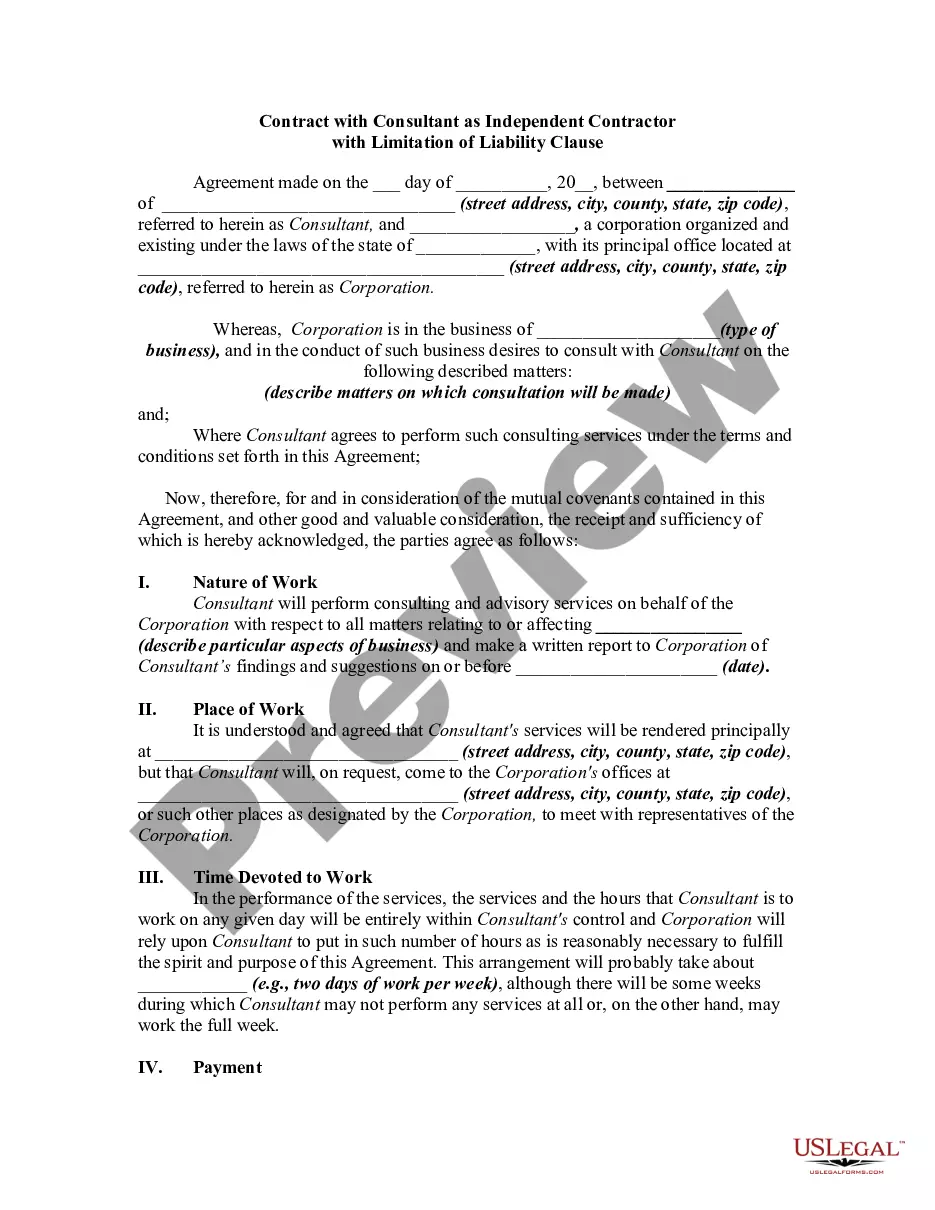
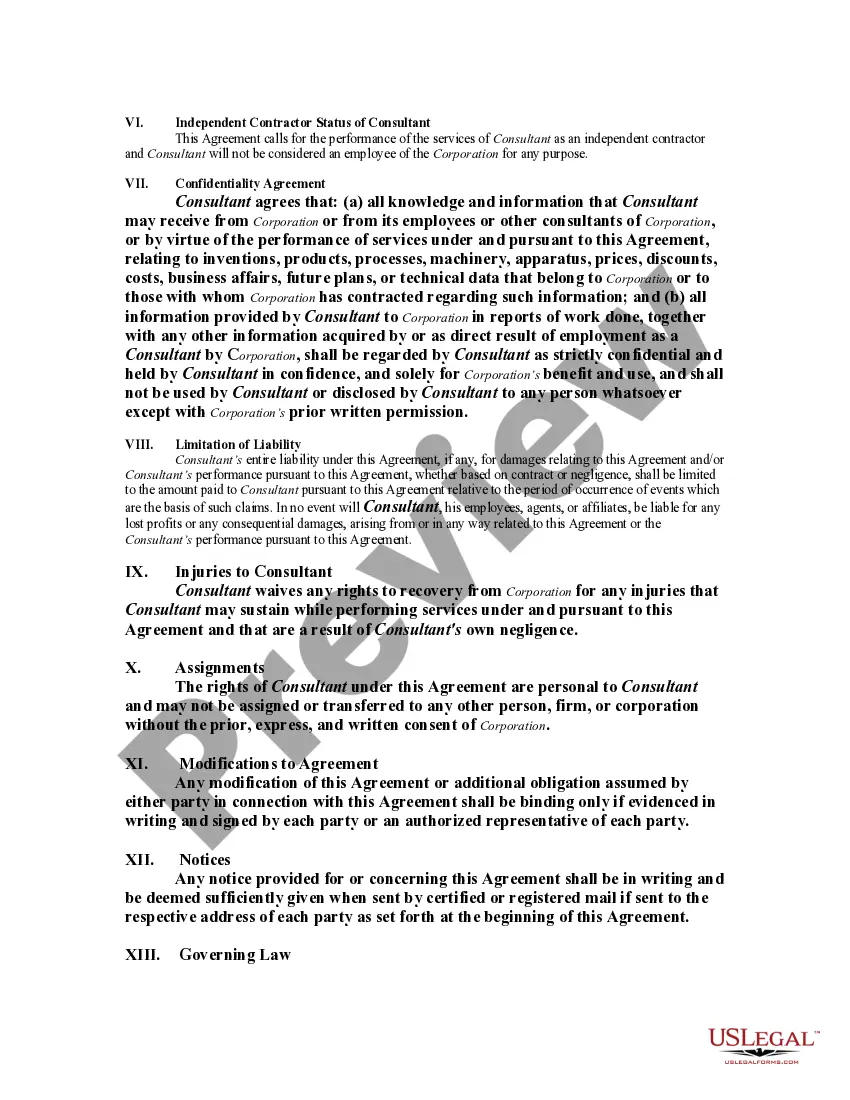
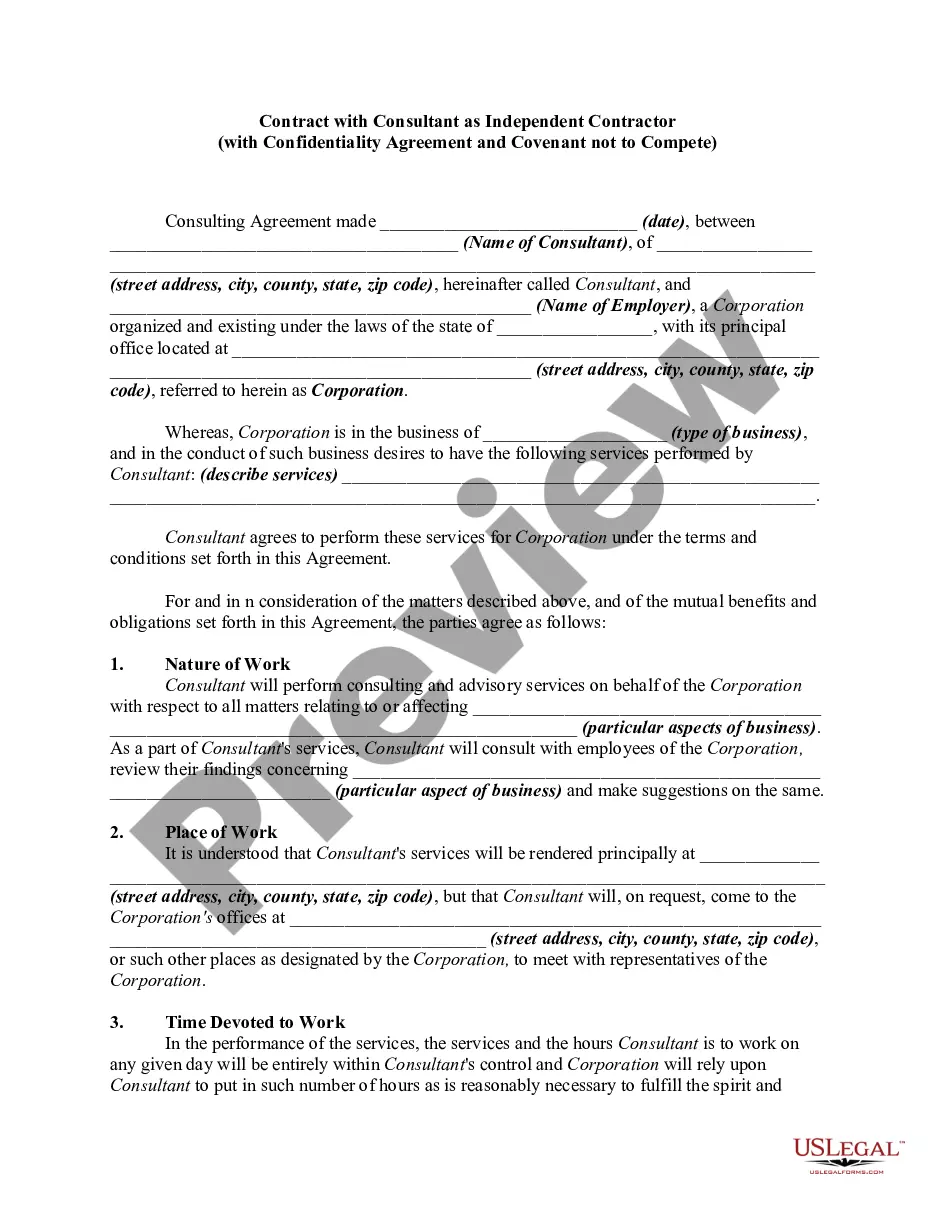
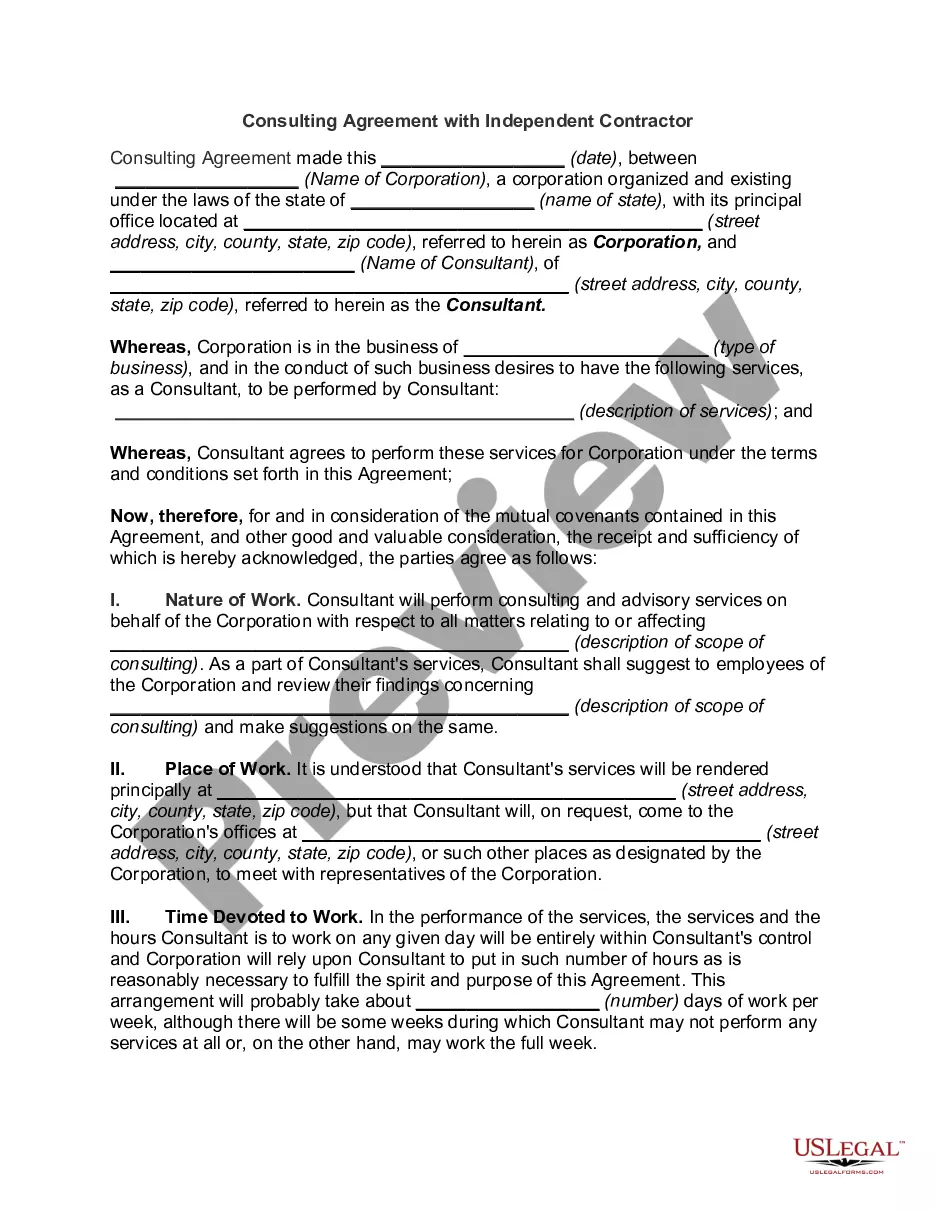
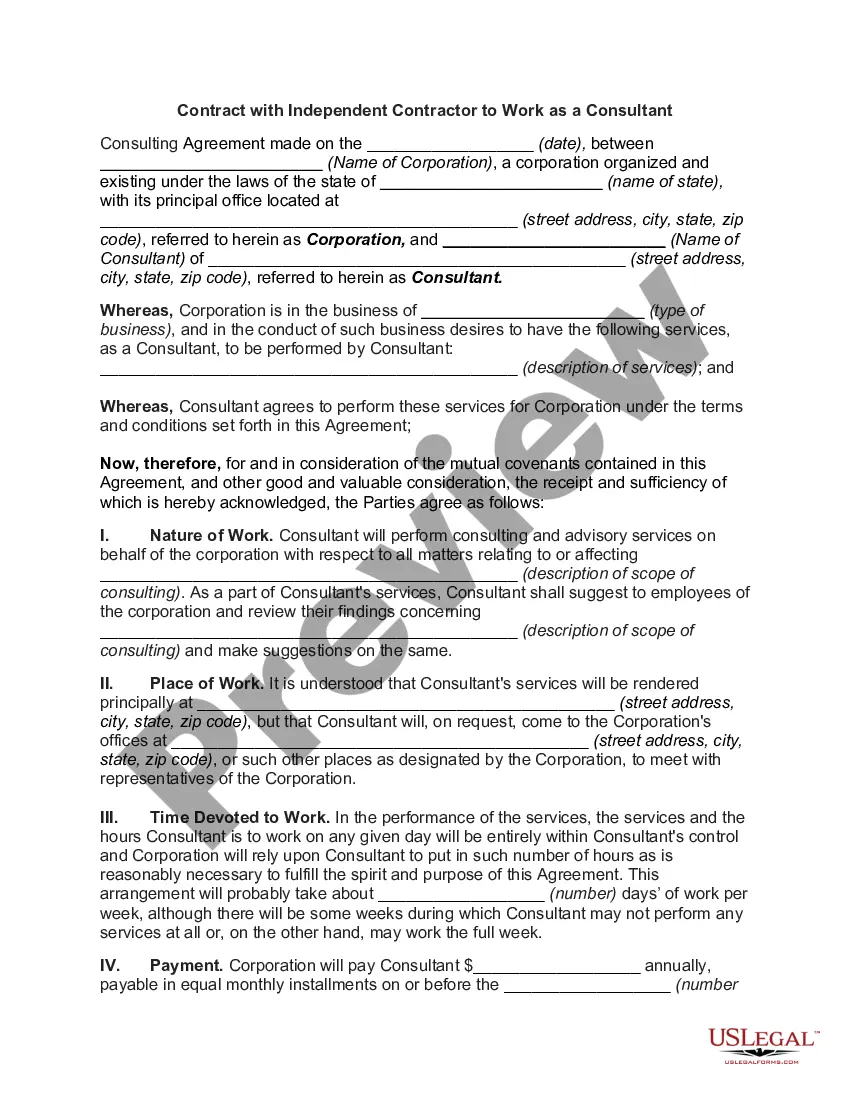
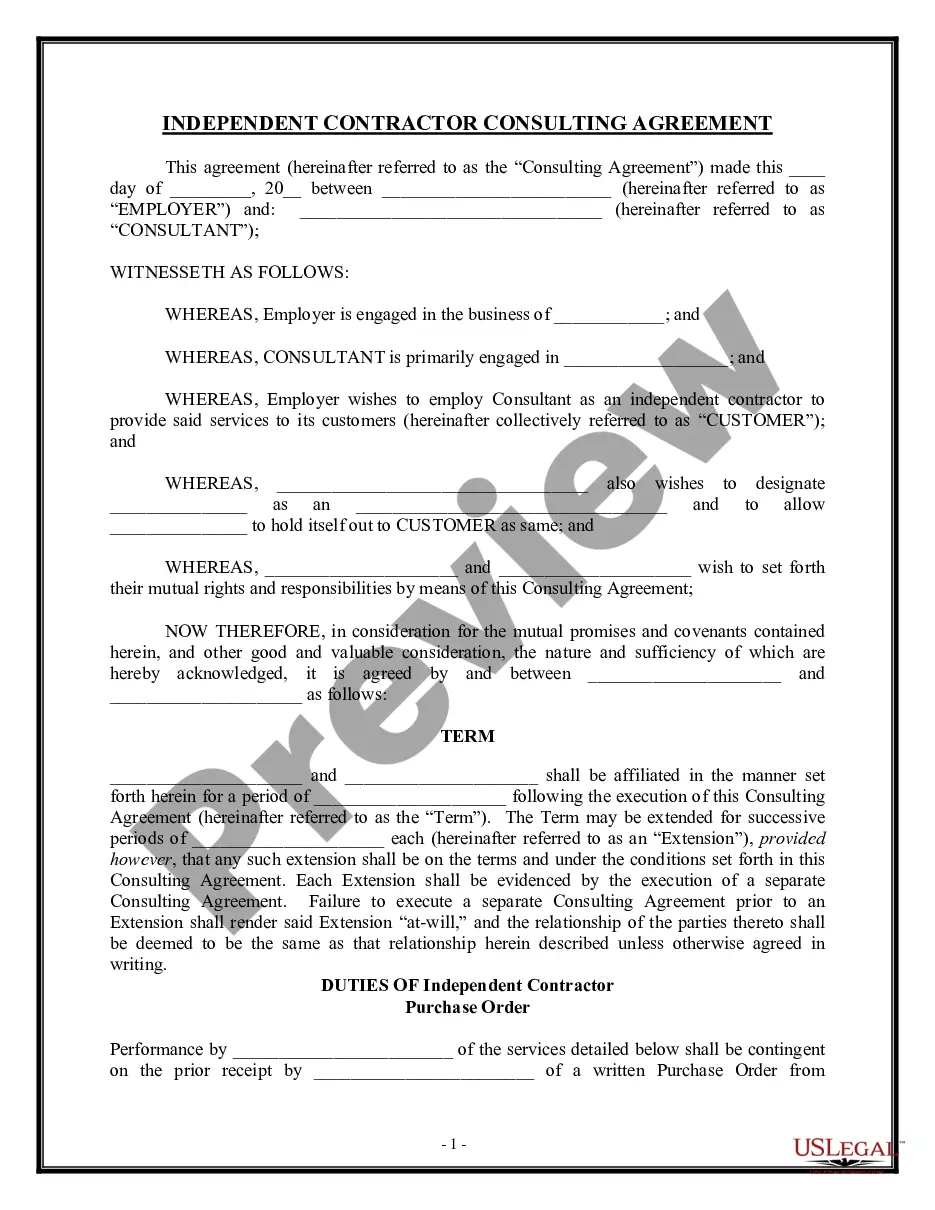
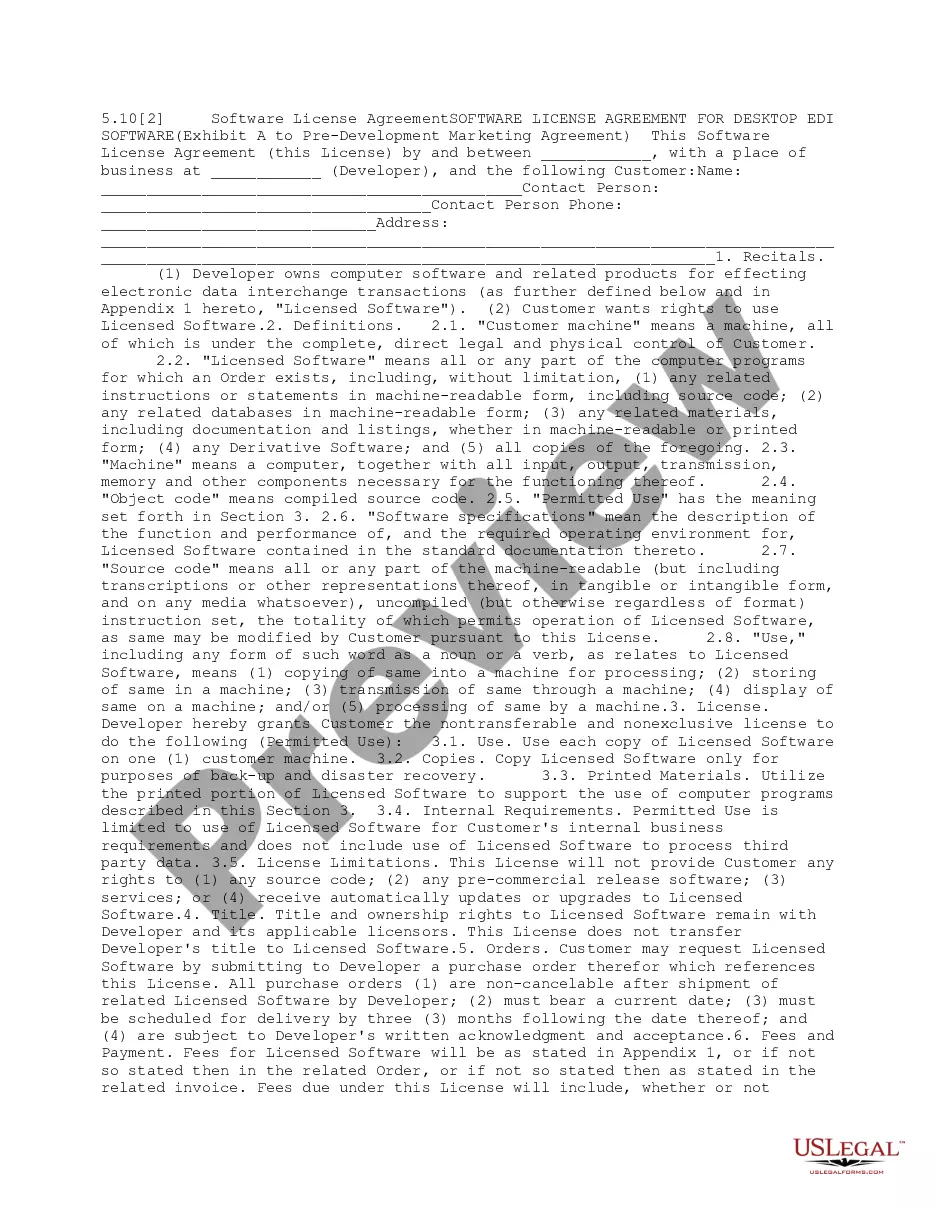


How to fill out Contract With Consultant As Self-Employed Independent Contractor With Limitation Of Liability Clause?
It’s clear that you cannot transform into a legal expert instantly, nor can you swiftly learn to draft a Limit Clause For Insurance without possessing a specialized background.
Drafting legal documents is a lengthy process that necessitates specific training and competencies. Therefore, why not entrust the drafting of the Limit Clause For Insurance to the experts.
With US Legal Forms, one of the most comprehensive legal document repositories, you can locate everything from court forms to templates for internal business correspondence. We recognize how vital compliance and adherence to federal and state laws and regulations are.
Select Buy now. Once the transaction is finalized, you can download the Limit Clause For Insurance, complete it, print it, and send or mail it to the required individuals or organizations.
You can regain access to your documents from the My documents tab at any time. If you’re a current customer, you can simply Log In and find and download the template from the same tab.
- Start off with our platform and obtain the form you require in just a few minutes.
- Find the form you need by utilizing the search bar at the top of the webpage.
- Preview it (if this option is available) and review the supporting description to determine if Limit Clause For Insurance is what you seek.
- Restart your search if you need a different document.
- Create a free account and choose a subscription plan to acquire the form.
Form popularity
FAQ
A car insurance policy with 250/500/250 means it covers up to $250,000 per person and $500,000 per accident for bodily injury liability and up to $250,000 per accident for property damage liability.
Liability coverage limits on car insurance are typically shown as three separate numbers. If you carry auto insurance with liability coverage limits of $50,000/$100,000/$30,000, those numbers are broken down as follows: $50,000: The maximum amount your insurer will pay for bodily injuries per person.
Auto Liability Coverage limits can be written out in three numbers, such as 100/300/50. This means you have a $100,000 limit per person for bodily injury in an accident, a $300,000 total limit per accident for bodily injury, and a $50,000 limit per accident for Property Damage.
A limit is the highest amount your insurer will pay for a claim that your insurance policy covers. Think of it this way: It's like filling up a fishbowl. If you file a covered claim, your insurance policy will pay up to a certain amount. You're responsible for any expenses that exceed the limit.
A limit is the highest amount your insurer will pay for a claim that your insurance policy covers.