Texas Special Needs Trust With An Ira
Description
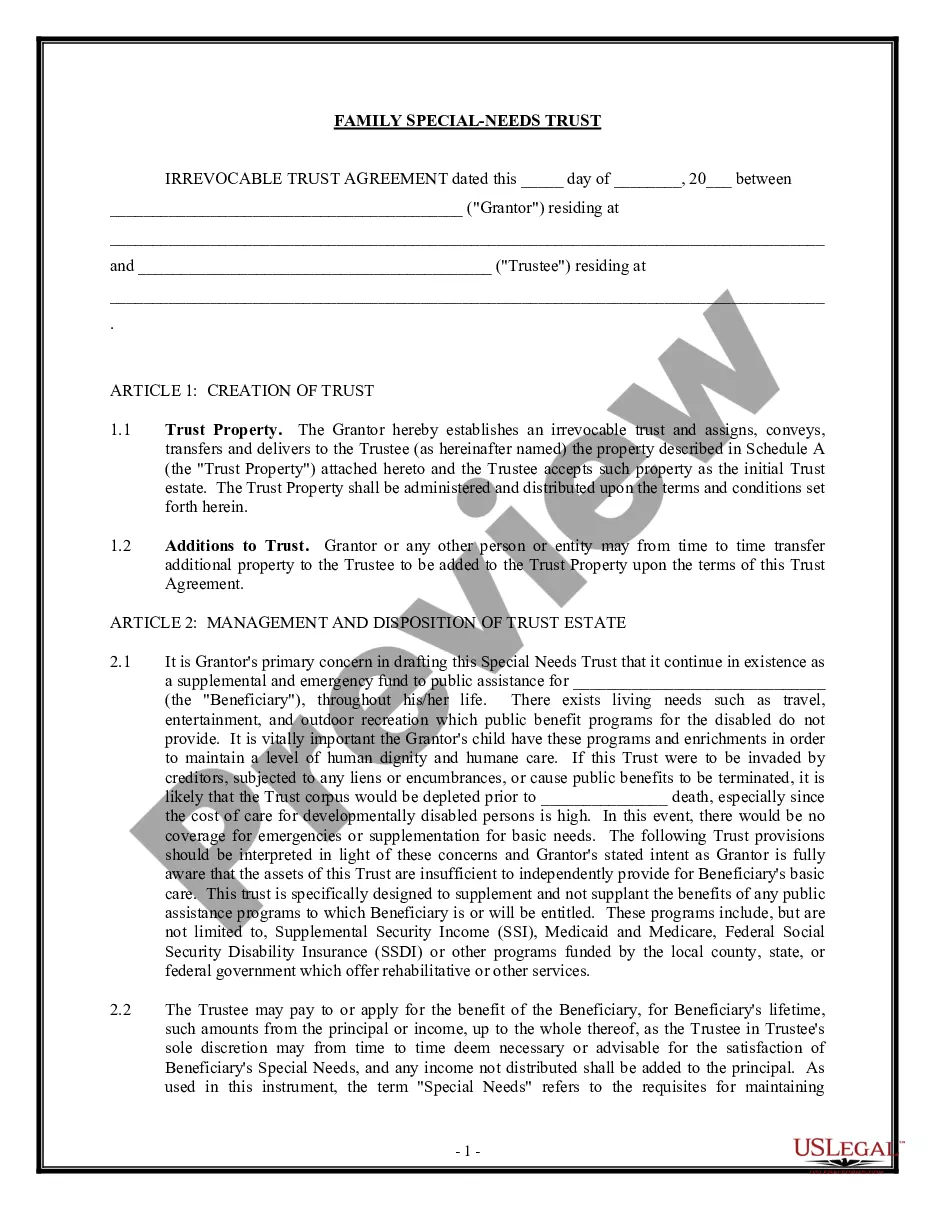
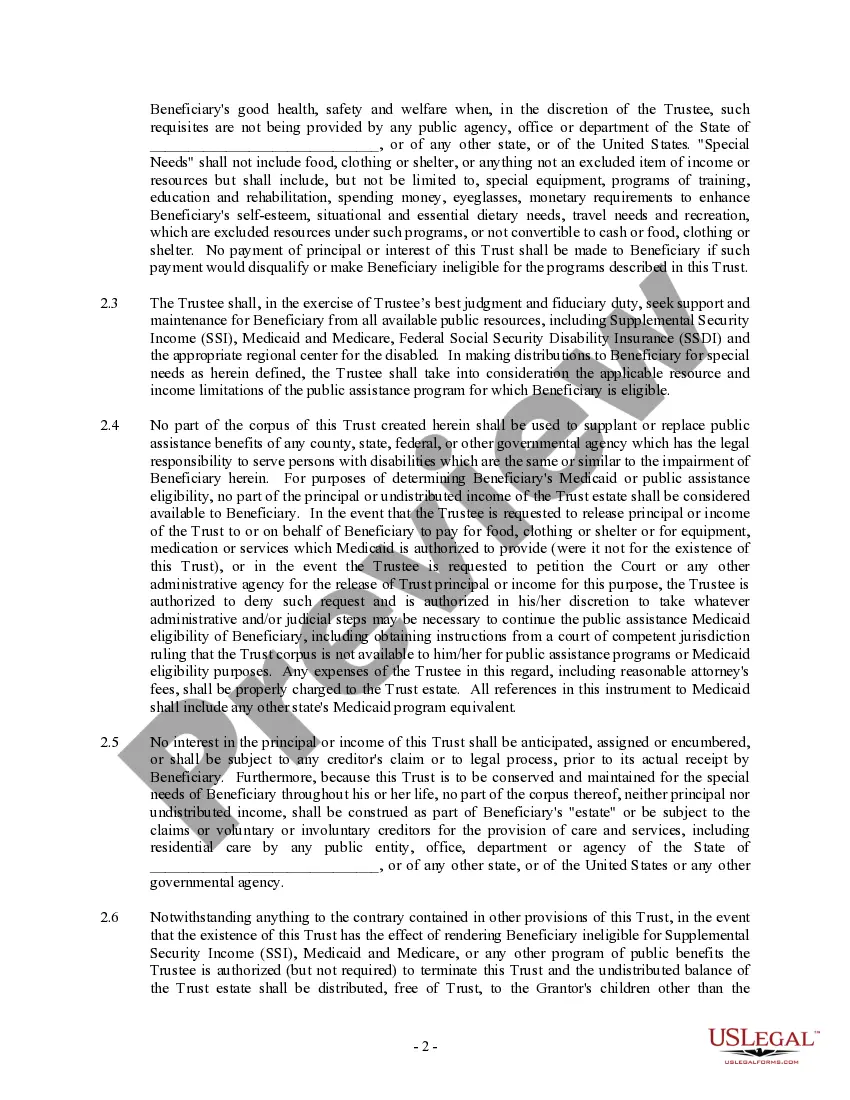
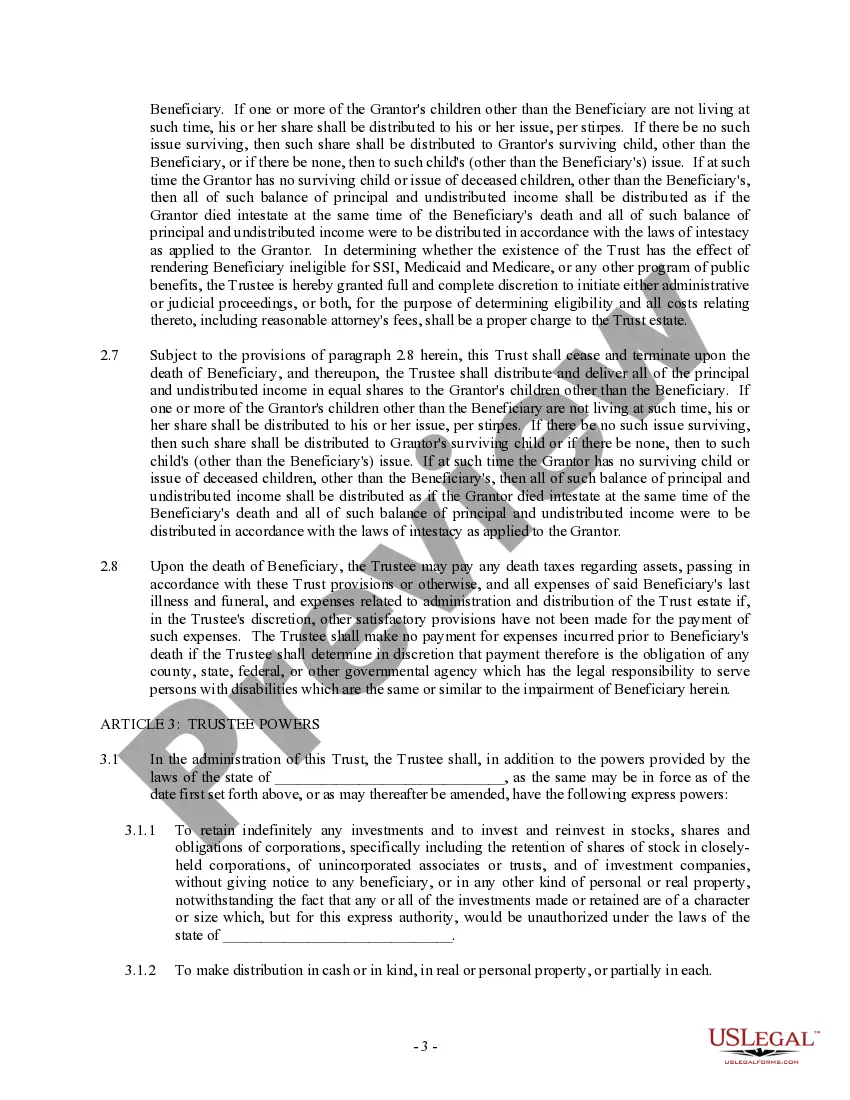
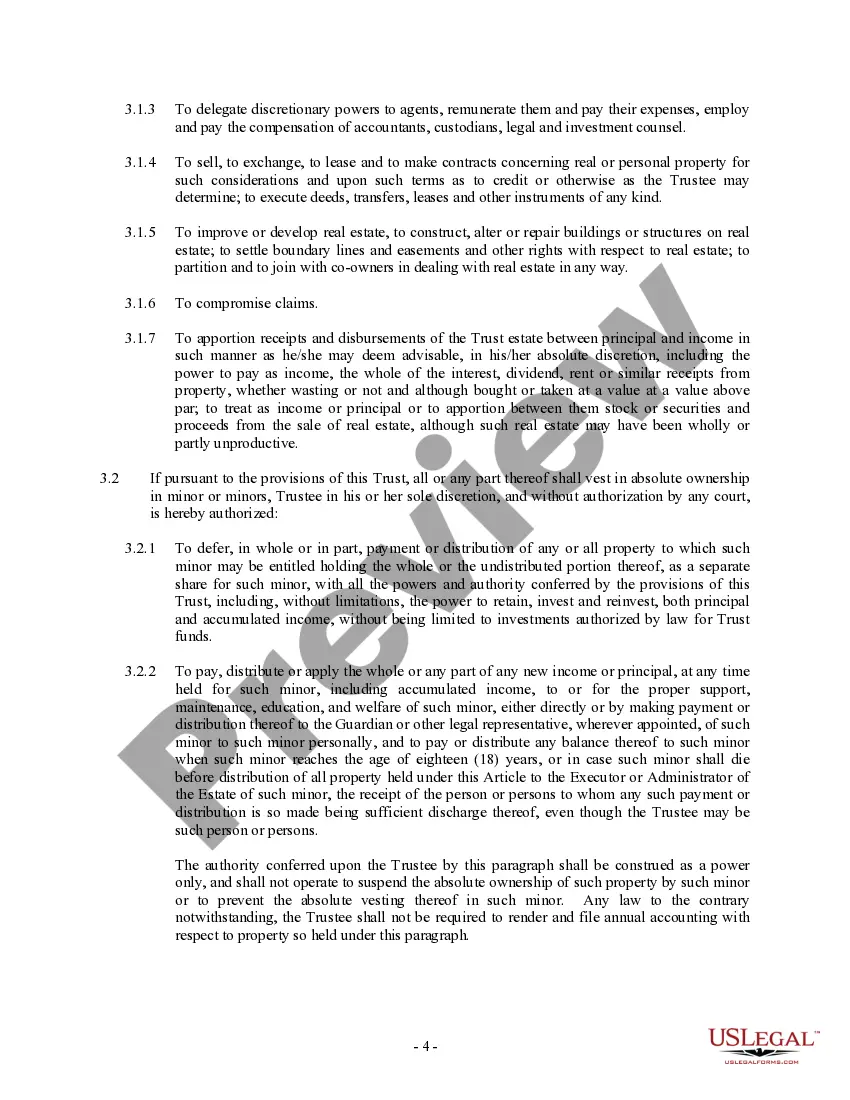
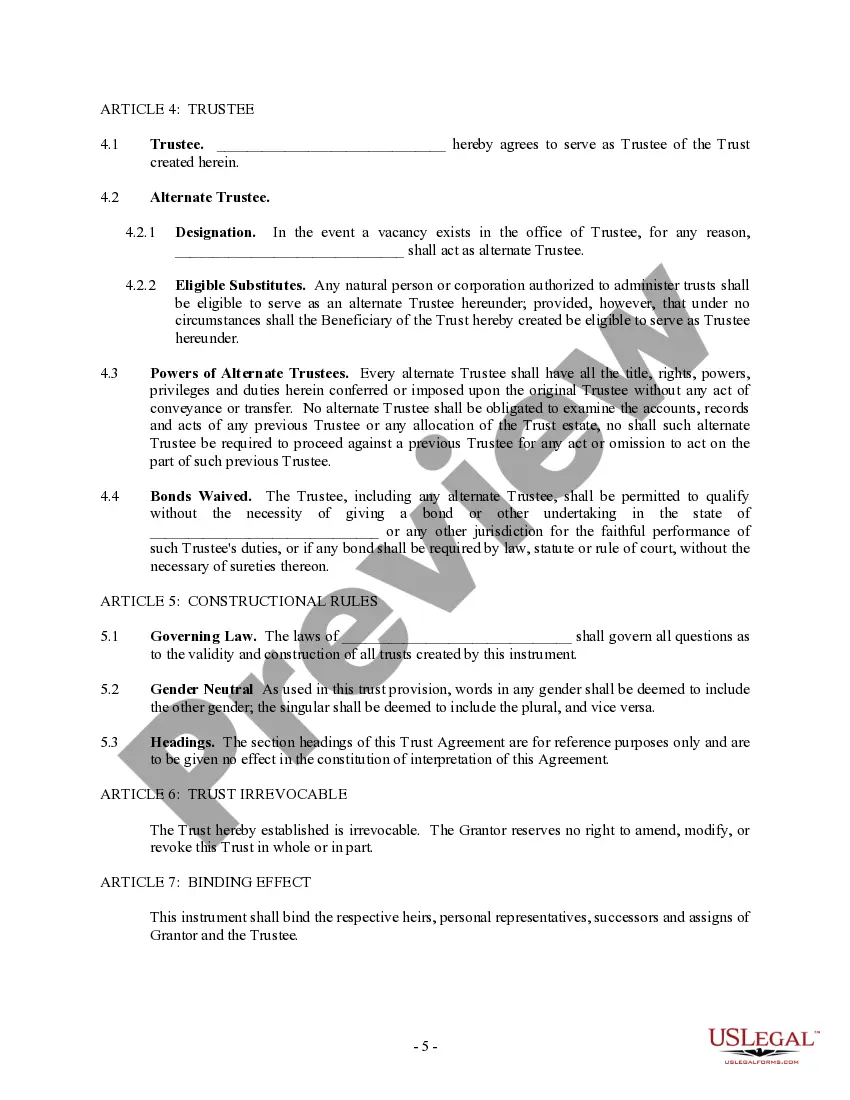
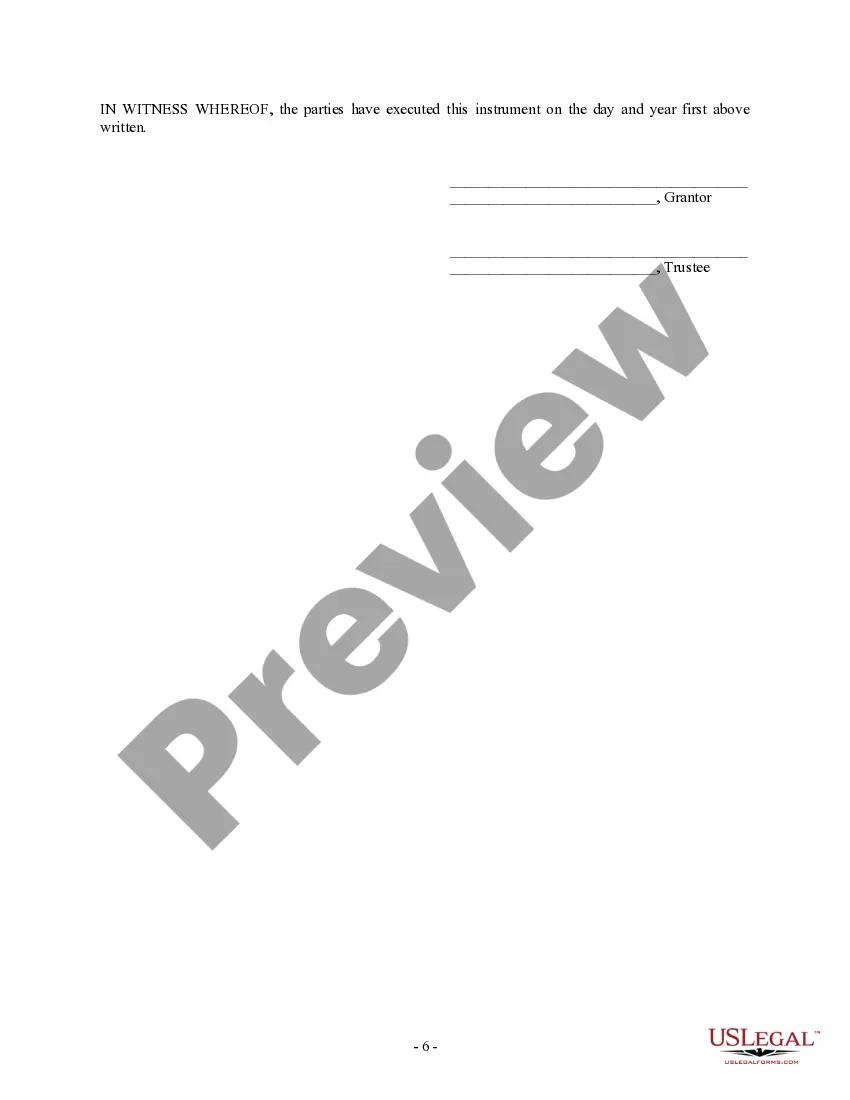
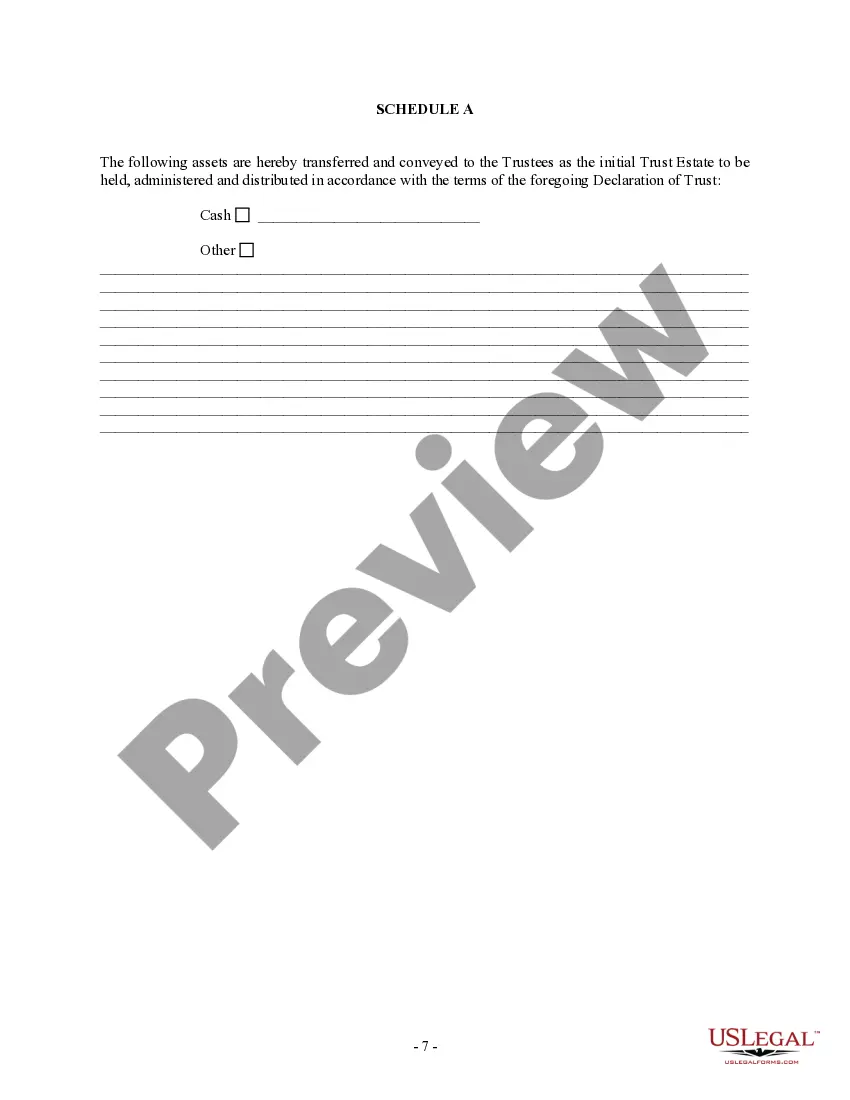
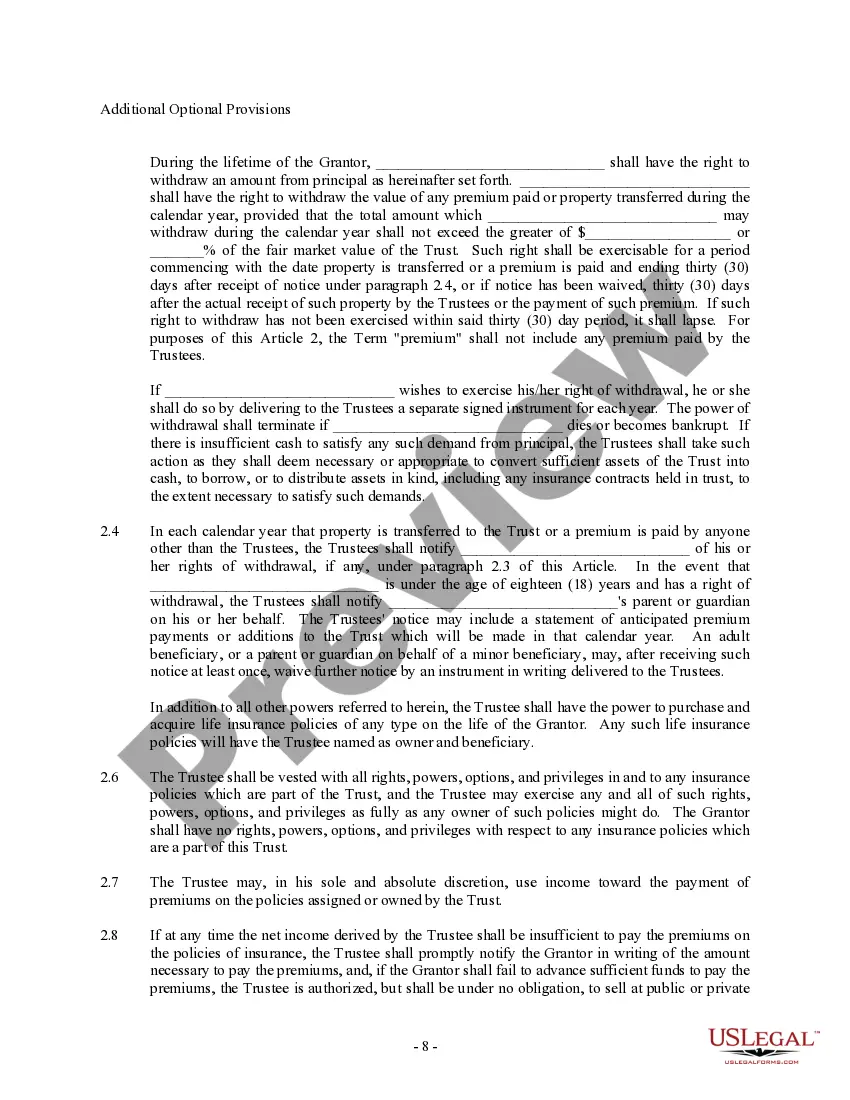
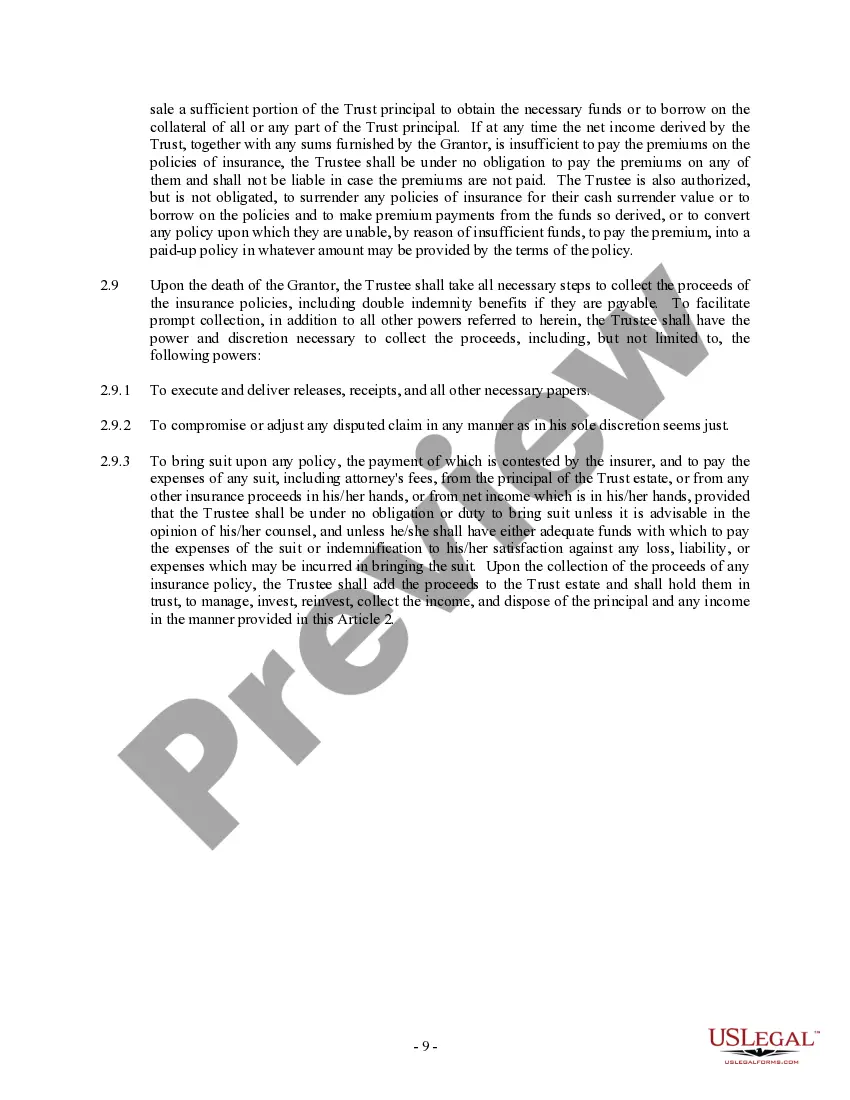
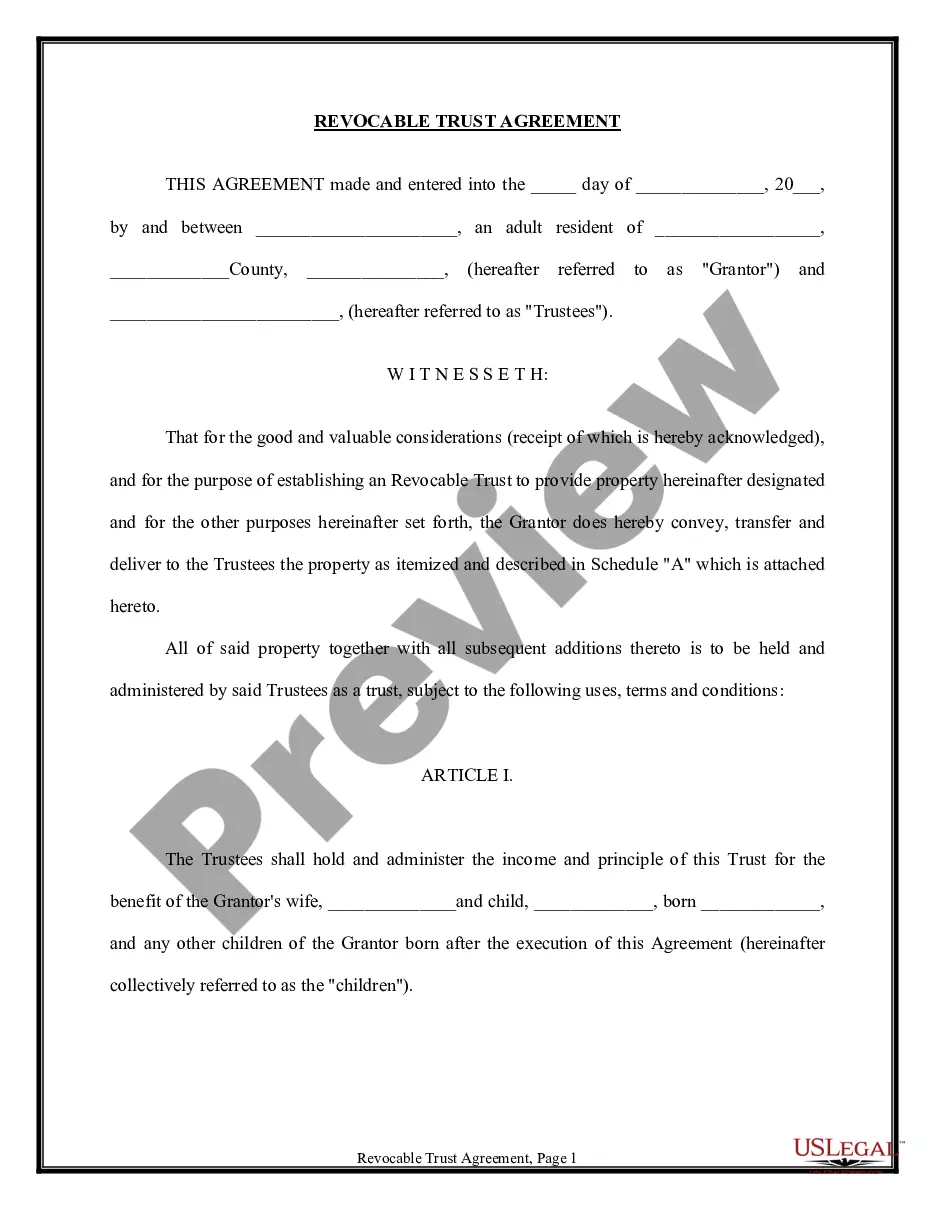
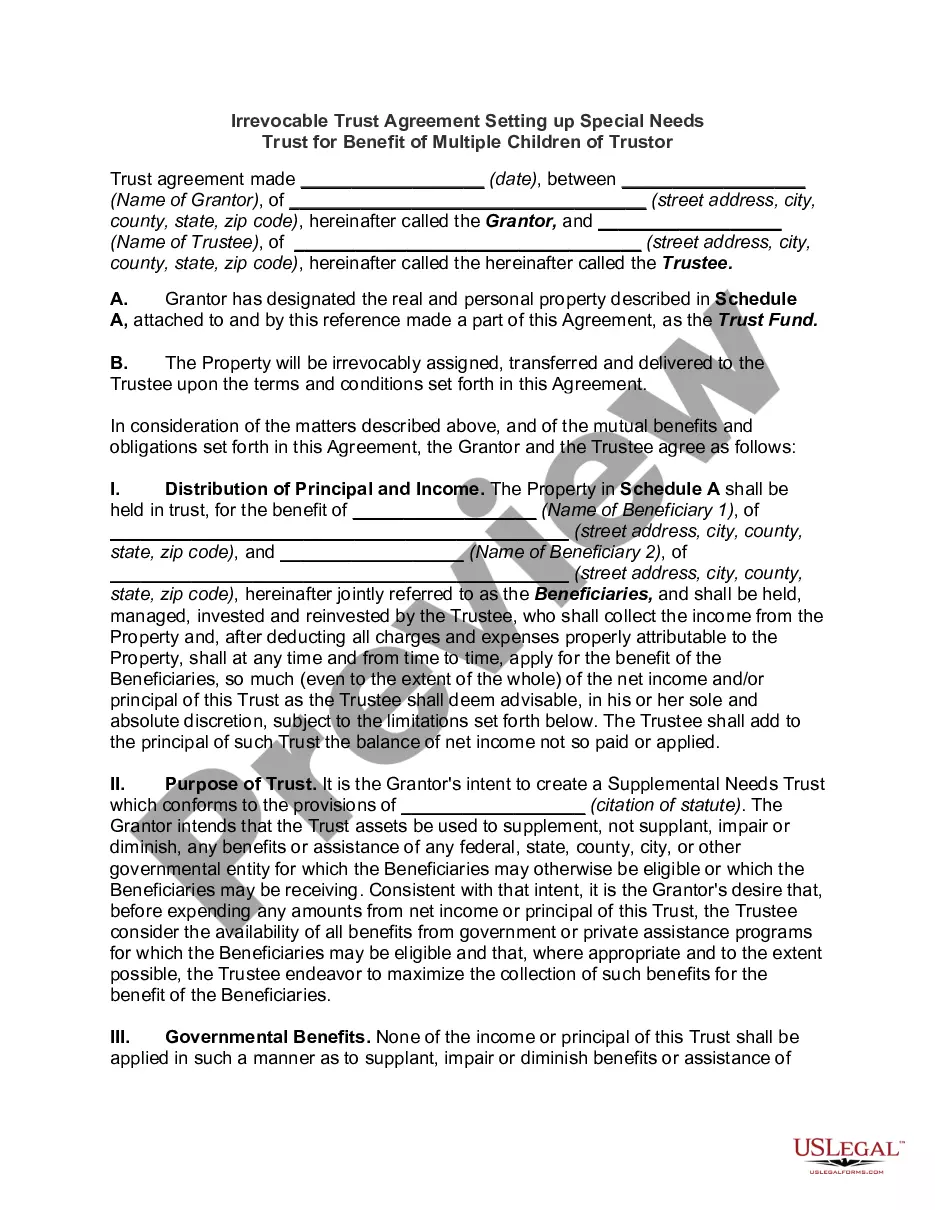
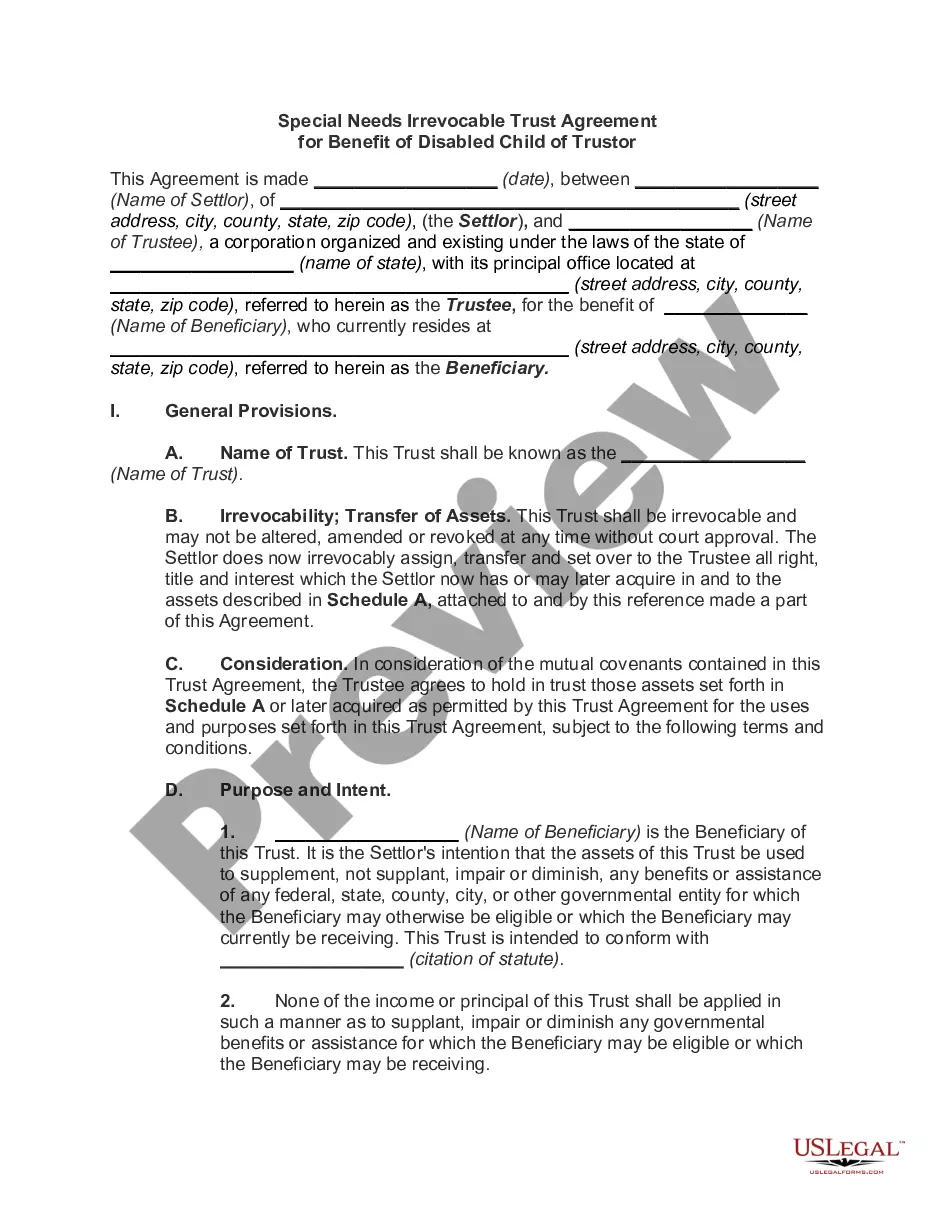
Get your form ready online
Our built-in tools help you complete, sign, share, and store your documents in one place.
Make edits, fill in missing information, and update formatting in US Legal Forms—just like you would in MS Word.
Download a copy, print it, send it by email, or mail it via USPS—whatever works best for your next step.
Sign and collect signatures with our SignNow integration. Send to multiple recipients, set reminders, and more. Go Premium to unlock E-Sign.
If this form requires notarization, complete it online through a secure video call—no need to meet a notary in person or wait for an appointment.
We protect your documents and personal data by following strict security and privacy standards.

Make edits, fill in missing information, and update formatting in US Legal Forms—just like you would in MS Word.

Download a copy, print it, send it by email, or mail it via USPS—whatever works best for your next step.

Sign and collect signatures with our SignNow integration. Send to multiple recipients, set reminders, and more. Go Premium to unlock E-Sign.

If this form requires notarization, complete it online through a secure video call—no need to meet a notary in person or wait for an appointment.

We protect your documents and personal data by following strict security and privacy standards.
Looking for another form?








How to fill out Trust Agreement - Family Special Needs?
It’s widely known that you cannot become a legal authority instantaneously, just as you cannot swiftly create a Texas Special Needs Trust With An Ira without a specific skill set.
Assembling legal documents is a lengthy process that necessitates particular knowledge and expertise. Therefore, why not entrust the creation of the Texas Special Needs Trust With An Ira to professionals.
With US Legal Forms, one of the most extensive collections of legal documents available, you can obtain everything from court filings to templates for intra-office communication. We recognize the importance of complying with federal and local statutes and regulations.
Select Buy now. After the payment is processed, you can download the Texas Special Needs Trust With An Ira, fill it out, print it, and send or deliver it to the relevant parties or organizations.
You can regain access to your documents anytime from the My documents tab. If you are a current customer, simply Log In, and find and download the template from the same section.
No matter the intention behind your forms—whether financial, legal, or personal—our platform has everything you need. Experience US Legal Forms today!
- Commence your journey on our platform to acquire the document you need in just minutes.
- Utilize the search bar located at the top of the page to find the required form.
- Preview it (if this feature is available) and review the accompanying description to determine if the Texas Special Needs Trust With An Ira meets your requirements.
- If you need a different form, restart your search.
- Establish a free account and choose a subscription plan to purchase the template.
Form popularity
FAQ
A Texas special needs trust must adhere to certain restrictions, including limits on distributions that may affect government benefits. For instance, the trust cannot be used for housing or basic necessities, as doing so might disqualify your loved one from aid programs. Additionally, all trust funds must be used for supplemental care and services beyond what government benefits provide. Always consult with a professional to ensure compliance with legal requirements.
You can fund a Texas special needs trust with an IRA by naming the trust as the beneficiary of your account. This technique transfers the IRA assets to the trust during your passing, where they can be used for your loved one's needs. Be sure to consider the implications this has on tax and distribution rules. Consulting a qualified professional will help you take the right steps.
You cannot directly place your IRA into a Texas special needs trust; however, you can designate the trust as a beneficiary. This method allows the assets in your IRA to be transferred directly to the trust upon your death, providing security for your loved one while maintaining their eligibility for government assistance. It's prudent to discuss your options with a legal expert to ensure a smooth transition.
Yes, you can fund a Texas special needs trust with an IRA. By naming the trust as a beneficiary, the assets can pass directly to it upon your passing, providing financial support for your loved one. This approach helps preserve eligibility for government benefits while ensuring your IRA funds contribute to the special needs trust's purpose. Seek guidance from an attorney to navigate this process effectively.
To place an IRA in a trust, you typically need to work with a qualified attorney who understands both estate planning and retirement accounts, particularly regarding a Texas special needs trust with an IRA. First, determine the type of trust that suits your needs and designate it as the beneficiary of the IRA. Next, ensure the trust meets IRS requirements and provides the necessary protection for your loved ones, especially if they have special needs. Platforms like US Legal Forms can guide you through legal documents and ensure your trust is properly structured to protect your assets.
The 5 year rule for a Texas special needs trust with an IRA refers to the period during which certain assets must be spent down to maintain eligibility for government benefits. Generally, funds in a special needs trust do not count against resource limits for programs like Medicaid. However, if there is any leftover amount after five years, it may affect eligibility. Understanding these nuances can help you manage the trust effectively, ensuring your loved one’s financial stability.
When managing a Texas special needs trust with an IRA, understanding tax obligations is crucial. Generally, a special needs trust itself does not require a tax return as long as it does not generate income. However, if the trust earns income, the trust must file a tax return using IRS Form 1041. It's essential to consult a tax professional to ensure compliance and make informed decisions.