Benefits Of Trusts
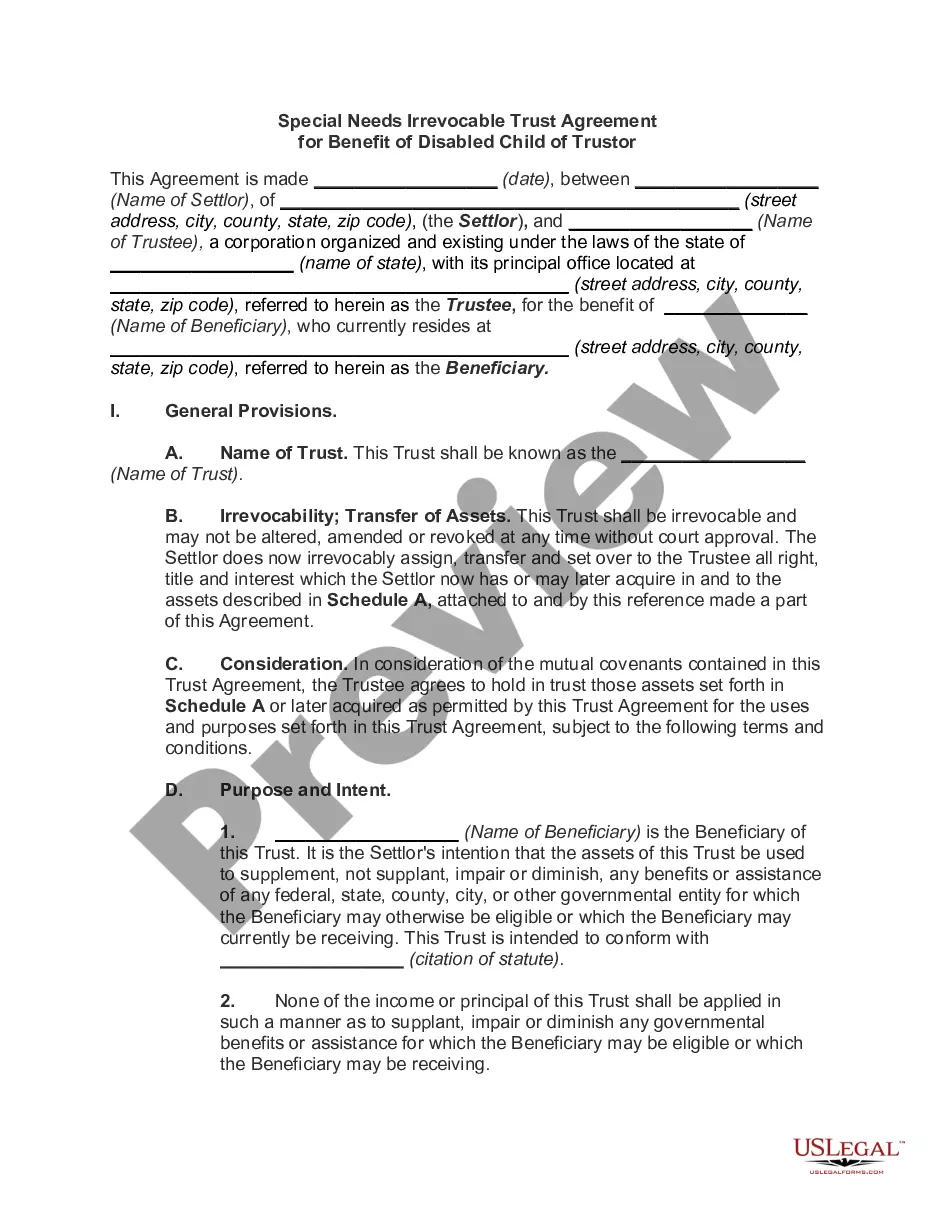
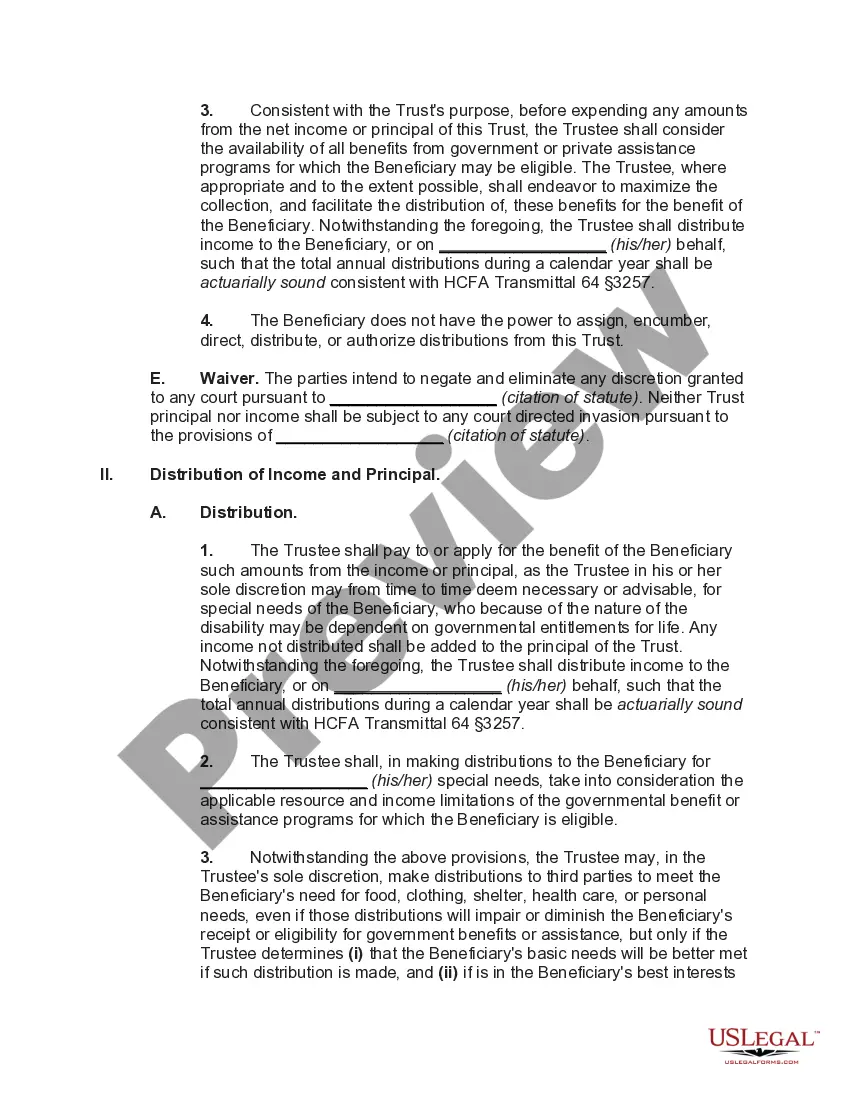
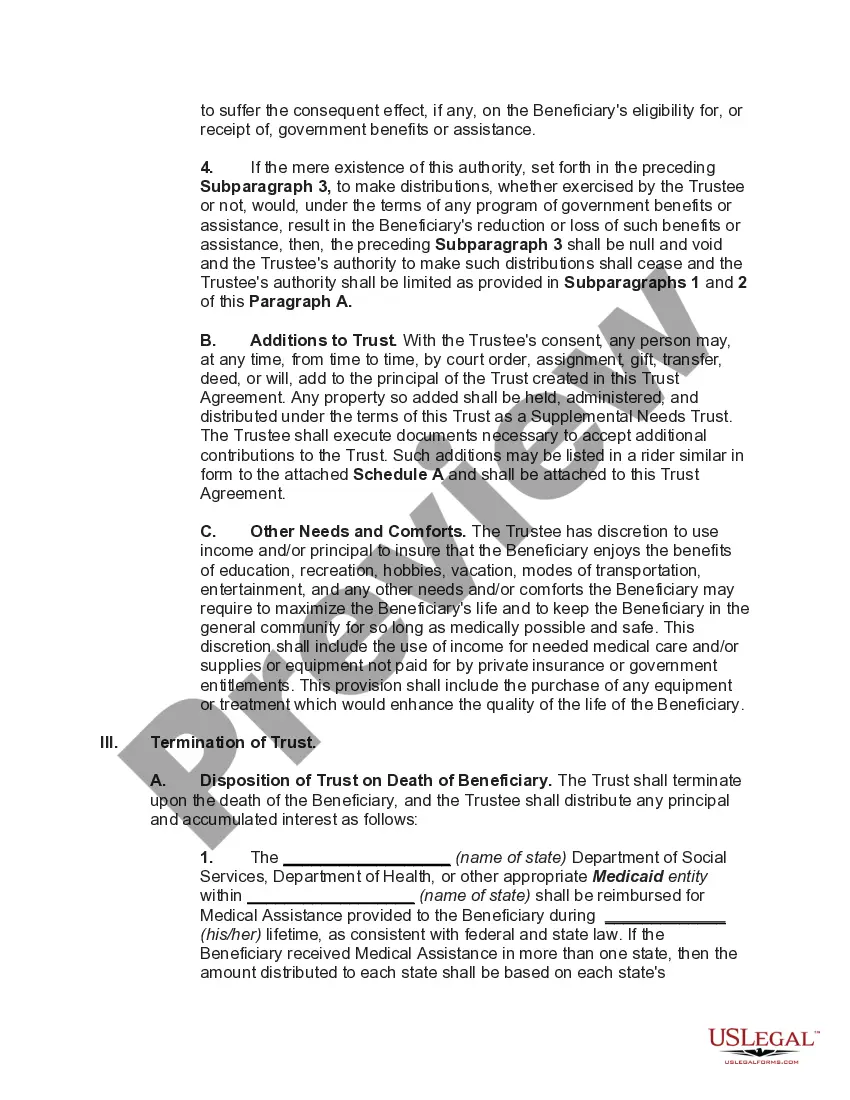
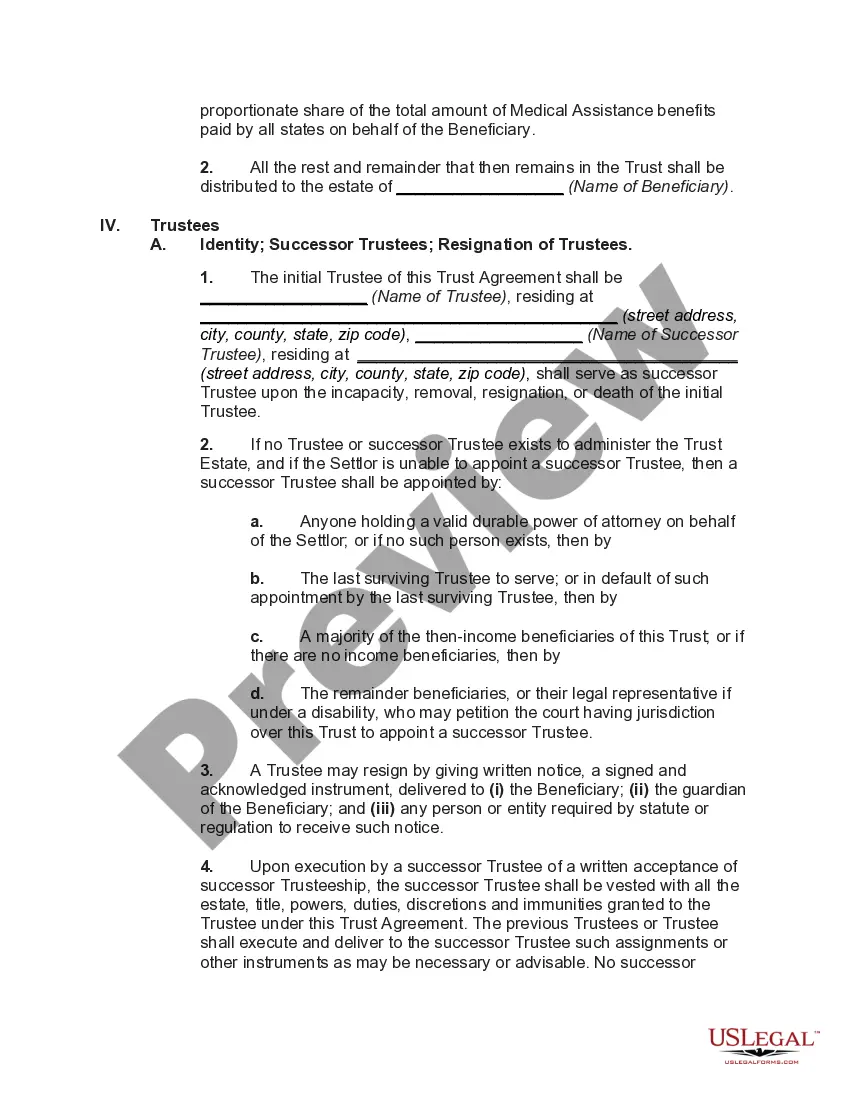
Description



Get your form ready online
Our built-in tools help you complete, sign, share, and store your documents in one place.
Make edits, fill in missing information, and update formatting in US Legal Forms—just like you would in MS Word.
Download a copy, print it, send it by email, or mail it via USPS—whatever works best for your next step.
Sign and collect signatures with our SignNow integration. Send to multiple recipients, set reminders, and more. Go Premium to unlock E-Sign.
If this form requires notarization, complete it online through a secure video call—no need to meet a notary in person or wait for an appointment.
We protect your documents and personal data by following strict security and privacy standards.

Make edits, fill in missing information, and update formatting in US Legal Forms—just like you would in MS Word.

Download a copy, print it, send it by email, or mail it via USPS—whatever works best for your next step.

Sign and collect signatures with our SignNow integration. Send to multiple recipients, set reminders, and more. Go Premium to unlock E-Sign.

If this form requires notarization, complete it online through a secure video call—no need to meet a notary in person or wait for an appointment.

We protect your documents and personal data by following strict security and privacy standards.
Looking for another form?









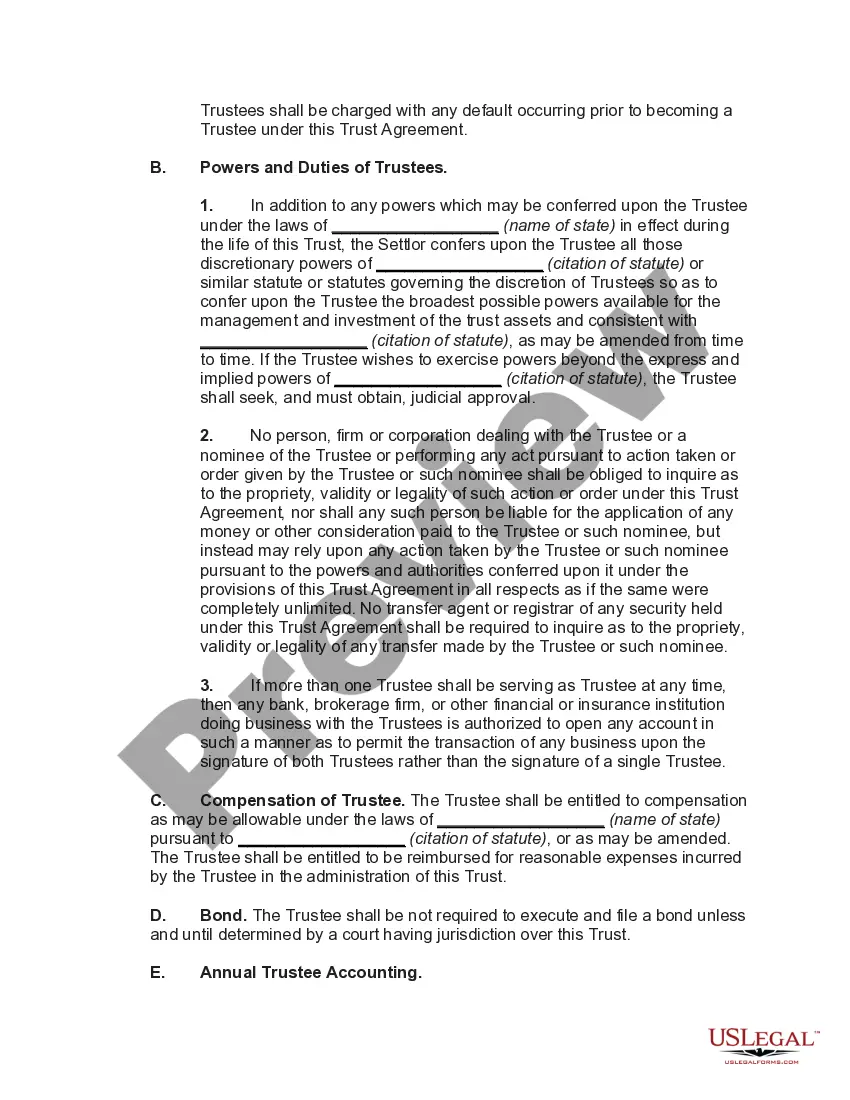
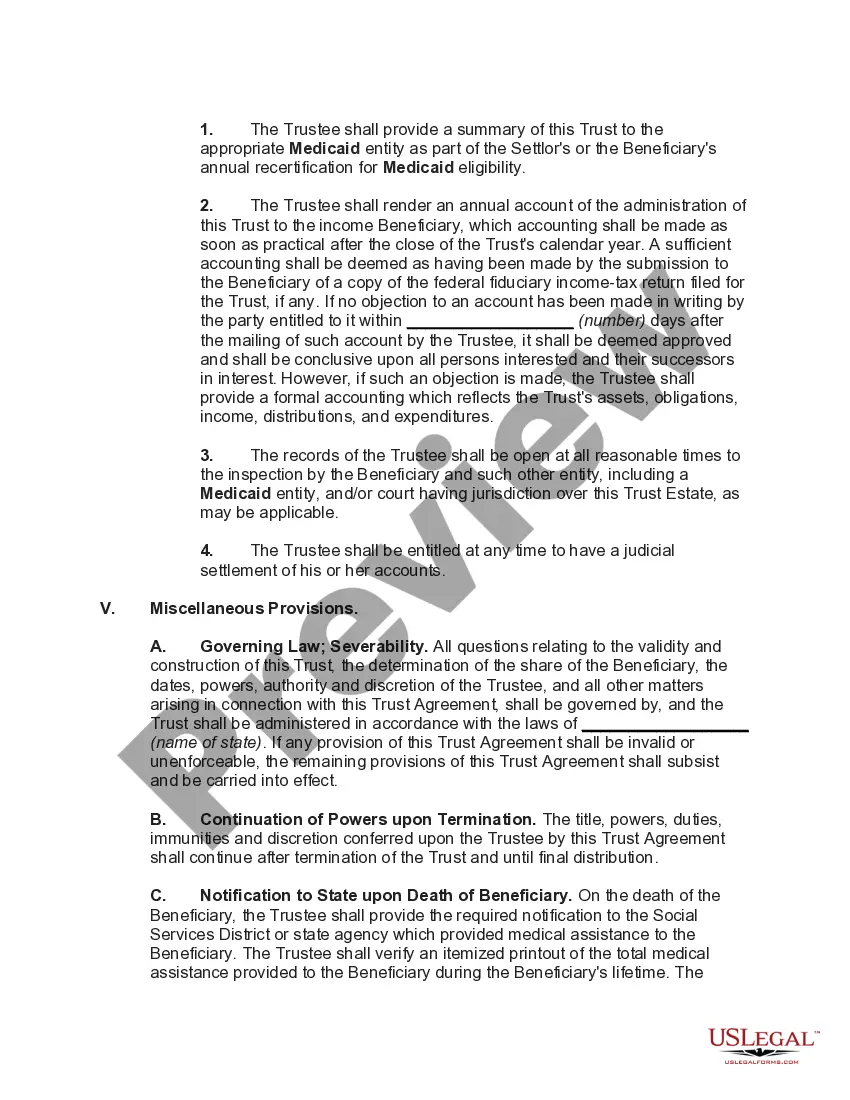
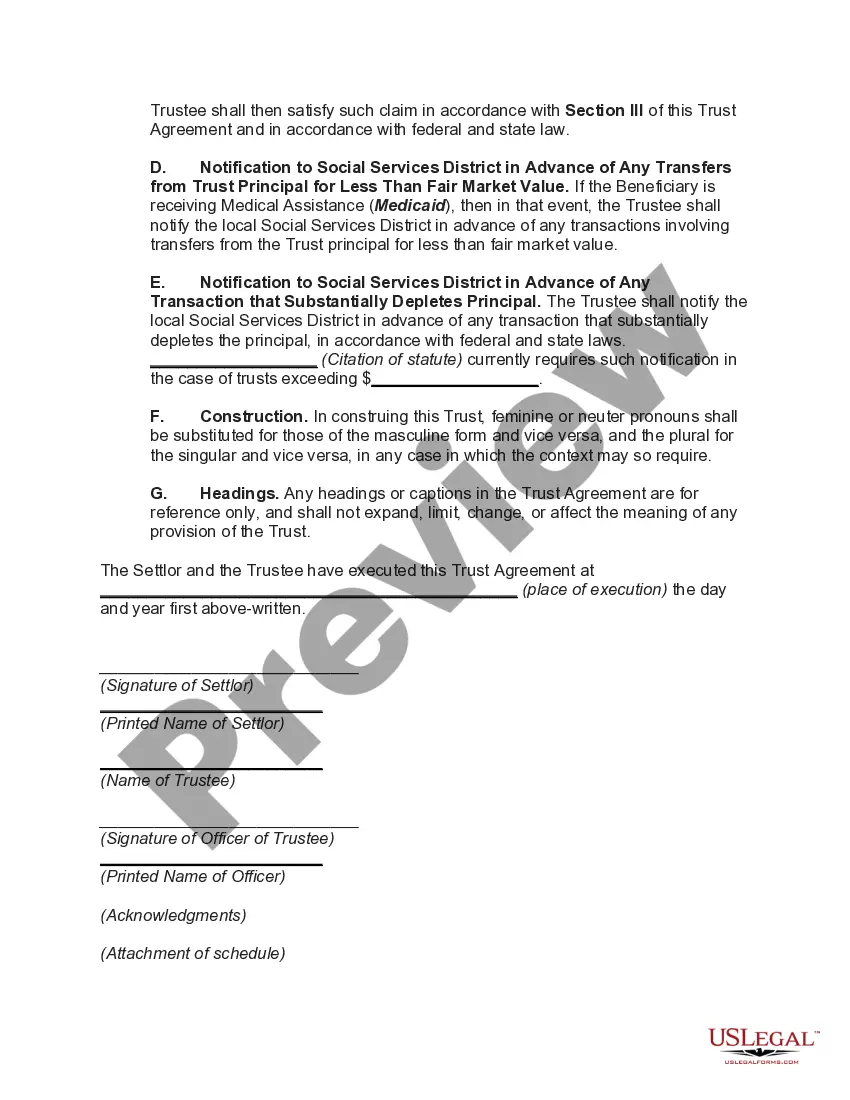
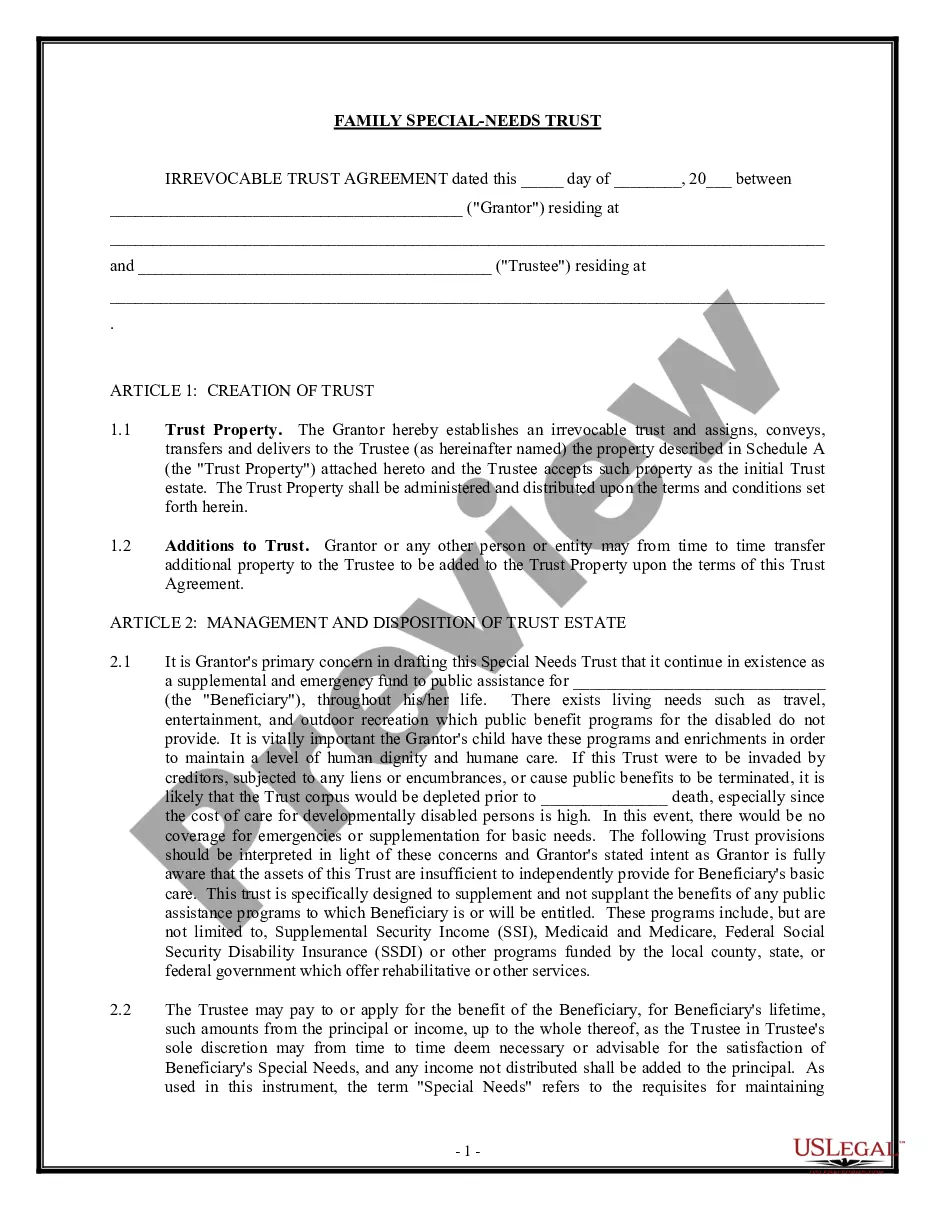
How to fill out Special Needs Irrevocable Trust Agreement For Benefit Of Disabled Child Of Trustor?
- Log into your US Legal Forms account or create a new one if this is your first time.
- Utilize the Preview mode feature to browse available trust templates and ensure they meet your specific needs.
- If you find a suitable template, proceed; if not, use the Search tab to find the appropriate one.
- Click the 'Buy Now' button and select the subscription plan that works best for you to gain access to the document library.
- Complete your purchase by entering your payment information, either via credit card or PayPal.
- Download your chosen trust form to your device and save it for easy access anytime through your profile's My Forms section.
By following these steps, you can efficiently take advantage of the benefits of trusts through US Legal Forms. The platform’s extensive library ensures you have the right forms at your fingertips, backed by expert guidance.
Start planning your financial future today! Visit US Legal Forms to explore all available resources.
Form popularity
FAQ
Trusts offer several advantages, including asset protection, estate planning efficiency, and privacy. They allow you to dictate how and when your assets are distributed, which can prevent family disputes. Moreover, one of the key benefits of trusts is the ability to potentially reduce estate taxes. Using a structured approach with resources like USLegalForms can maximize these benefits, making it easier for you to set up an effective trust.
Beneficiaries in a trust are typically identified by name and their relationship to the grantor. It's important to be specific to avoid any ambiguity, as this clarity directly affects how the benefits of trusts are realized. You can set conditions for distributions, which can provide further guidance. Using the USLegalForms platform can simplify the process of listing beneficiaries, ensuring accuracy and compliance.
One of the biggest mistakes parents make when setting up a trust fund is not clearly defining their wishes and expectations. This lack of clarity can lead to confusion and disputes among beneficiaries later on. Additionally, failing to regularly update the trust as circumstances change can undermine its effectiveness. Considering the benefits of trusts, it’s essential to approach trust creation thoughtfully to ensure your goals are met.
Failing to file taxes on a trust can lead to penalties and interest on any unpaid taxes. Additionally, this could impact the benefits of trusts, including asset protection and financial management. It's crucial to understand these implications and consider seeking support from platforms like US Legal Forms for assistance in filing properly.
Yes, benefits received from a trust can be taxable, depending on the type of income distributed. This is crucial to understand because one of the benefits of trusts is effective income management and transfer. Always clarify the nature of distributions with a tax advisor to ensure you meet your tax obligations.
Not all trusts have to file Form 1041, but many do if they generate taxable income. This aligns with the fundamental benefits of trusts, as understanding your filing requirements can significantly influence your estate planning strategy. When in doubt, it's always wise to consult a tax professional or use resources like US Legal Forms to navigate the complexities.
To report income from a trust, you will generally receive a Schedule K-1 from the trust, which details your share of the income. You then report this income on your personal tax return. Knowing how to appropriately report this income is one of the key benefits of trusts, as it can ensure compliance and help you avoid tax penalties.
Irrevocable trusts often need to file a tax return because they are treated as separate taxable entities. This is a noteworthy aspect when considering the benefits of trusts, as understanding tax obligations can impact your financial planning. In contrast, revocable trusts typically do not need to file a tax return until the assets are distributed.
Not all trusts are required to file a tax return. Generally, if a trust generates income, it usually has to file a tax return, which highlights one of the significant benefits of trusts. Some trusts may qualify for exemptions under certain conditions, but it's important to consult a tax professional for specific advice regarding your situation.
One primary benefit of a trust is its ability to provide control over asset distribution. You can specify how and when your assets are distributed, ensuring they align with your wishes. Additionally, trusts can protect your beneficiaries from creditors, which is another significant aspect of the benefits of trusts. If you are looking to tailor your estate planning, trusts can be a powerful tool to achieve your goals.