Charitable Vivos Unitrust Living Trust With The Bank
Description
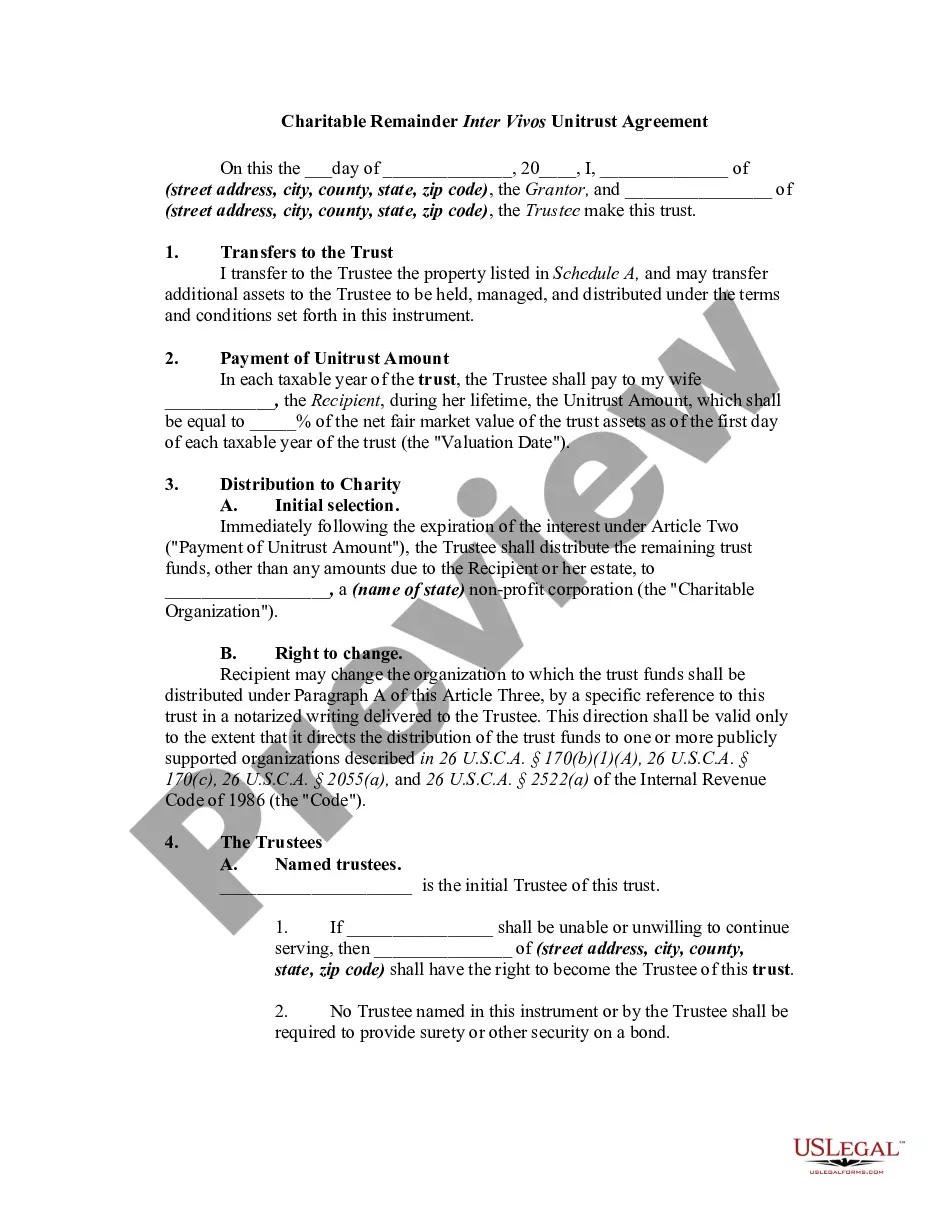
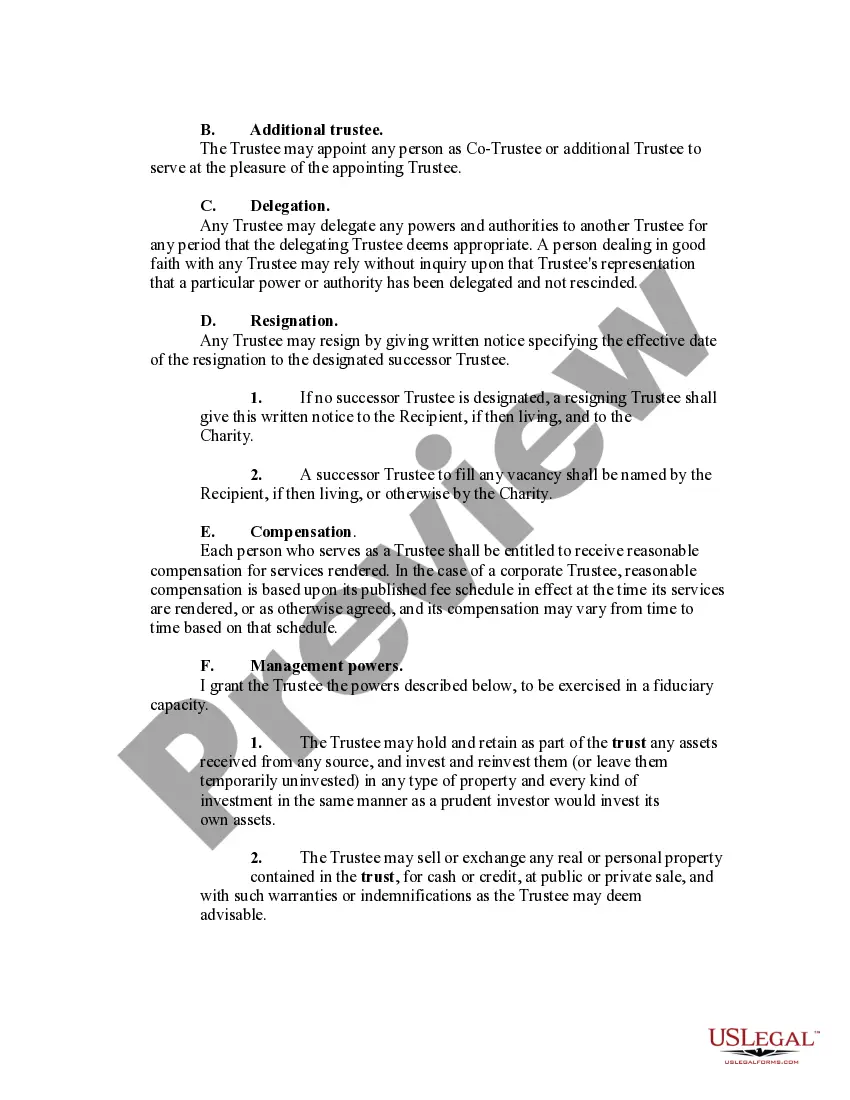
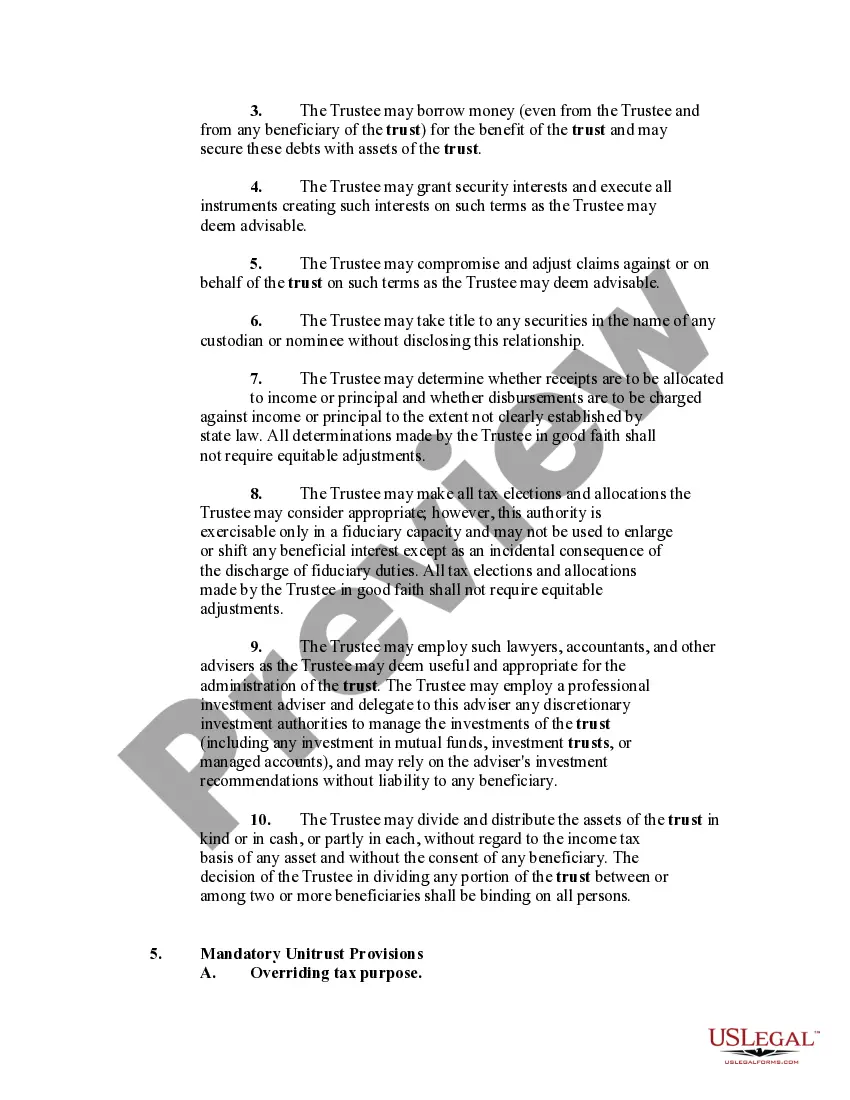
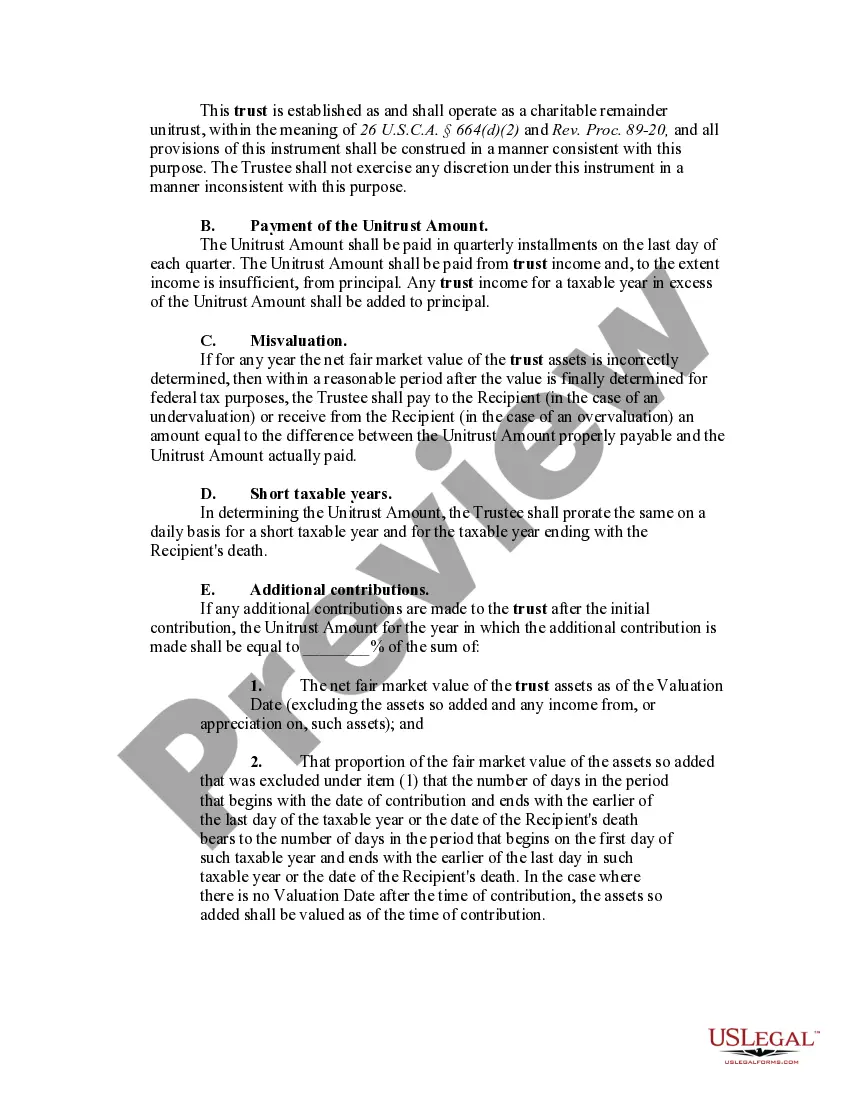
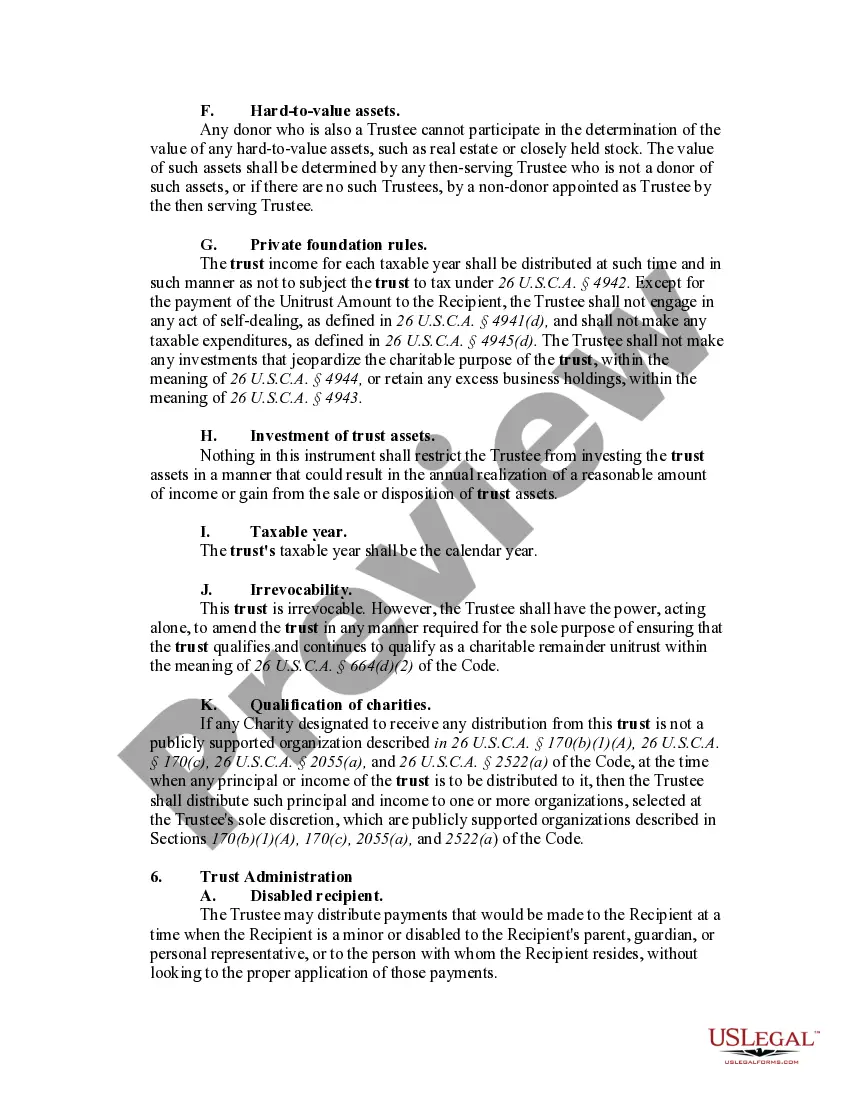
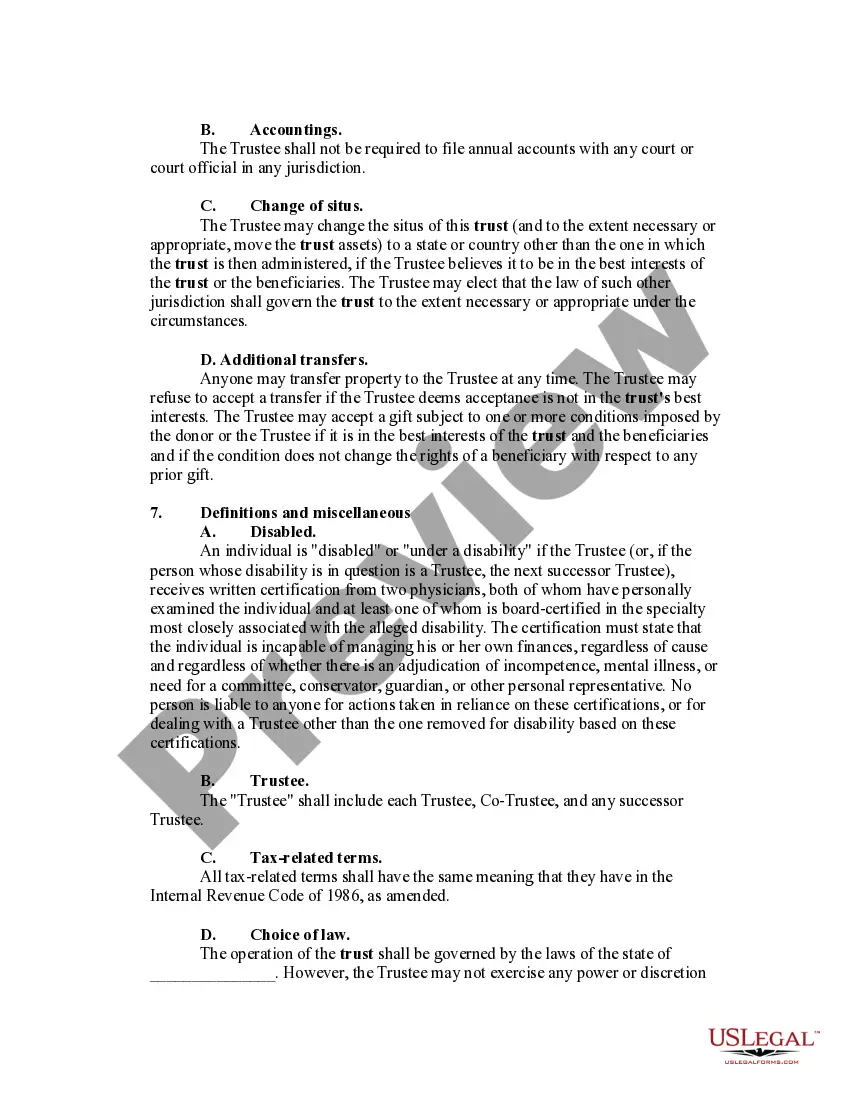
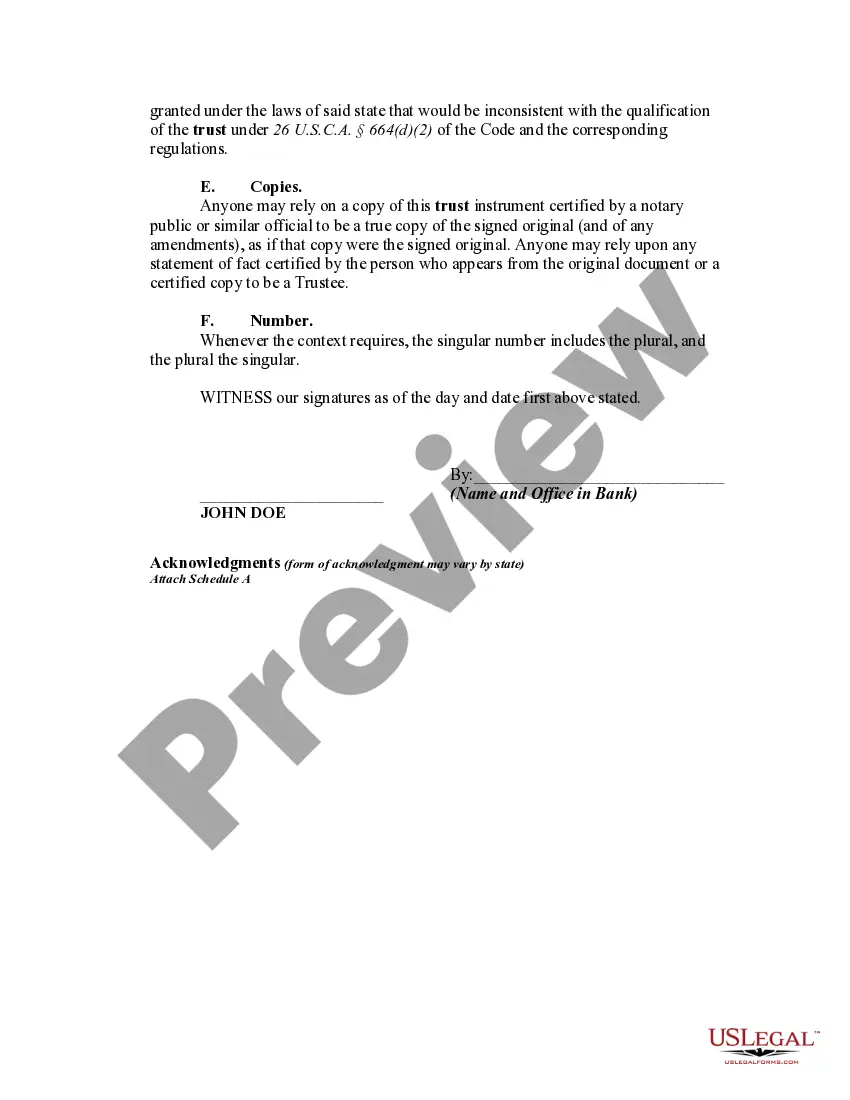
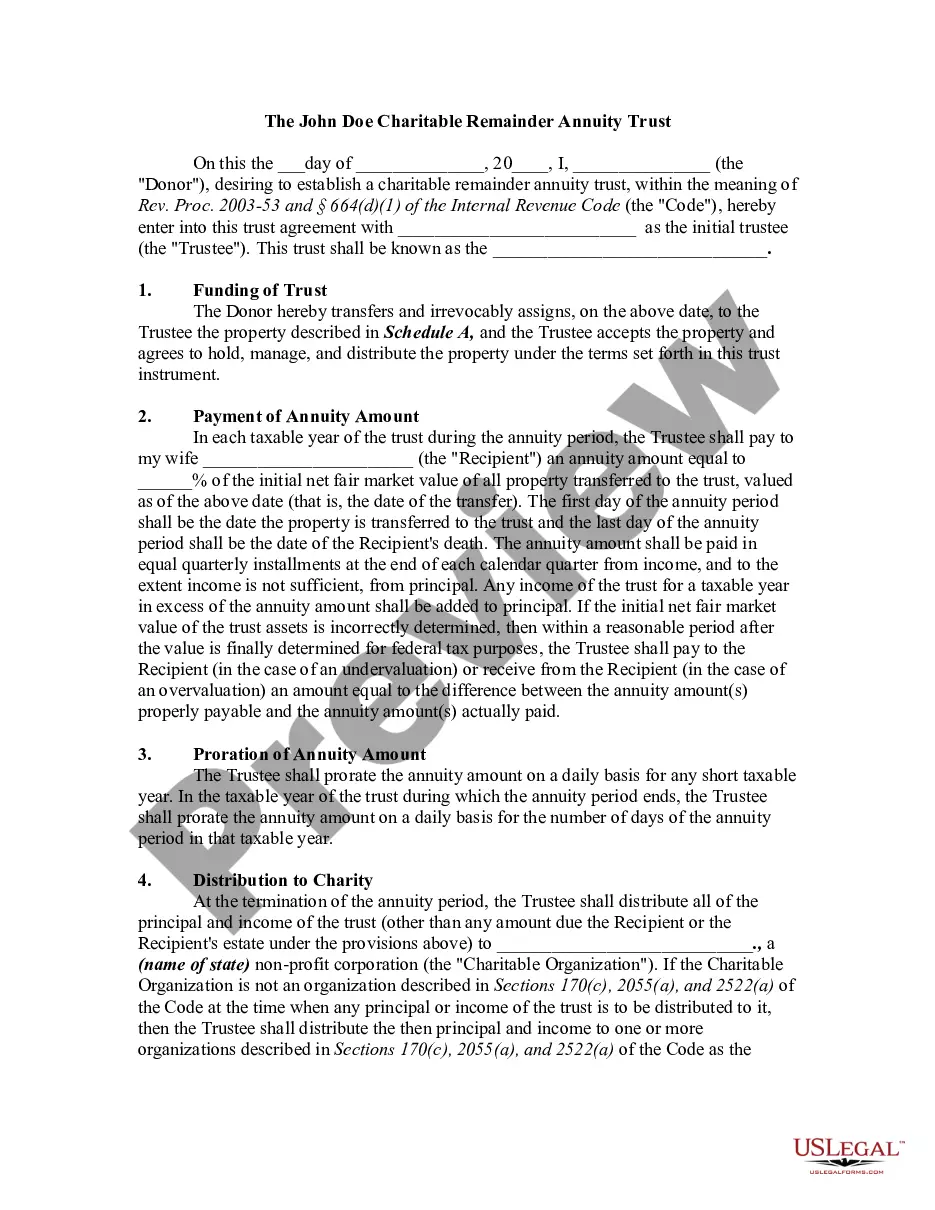
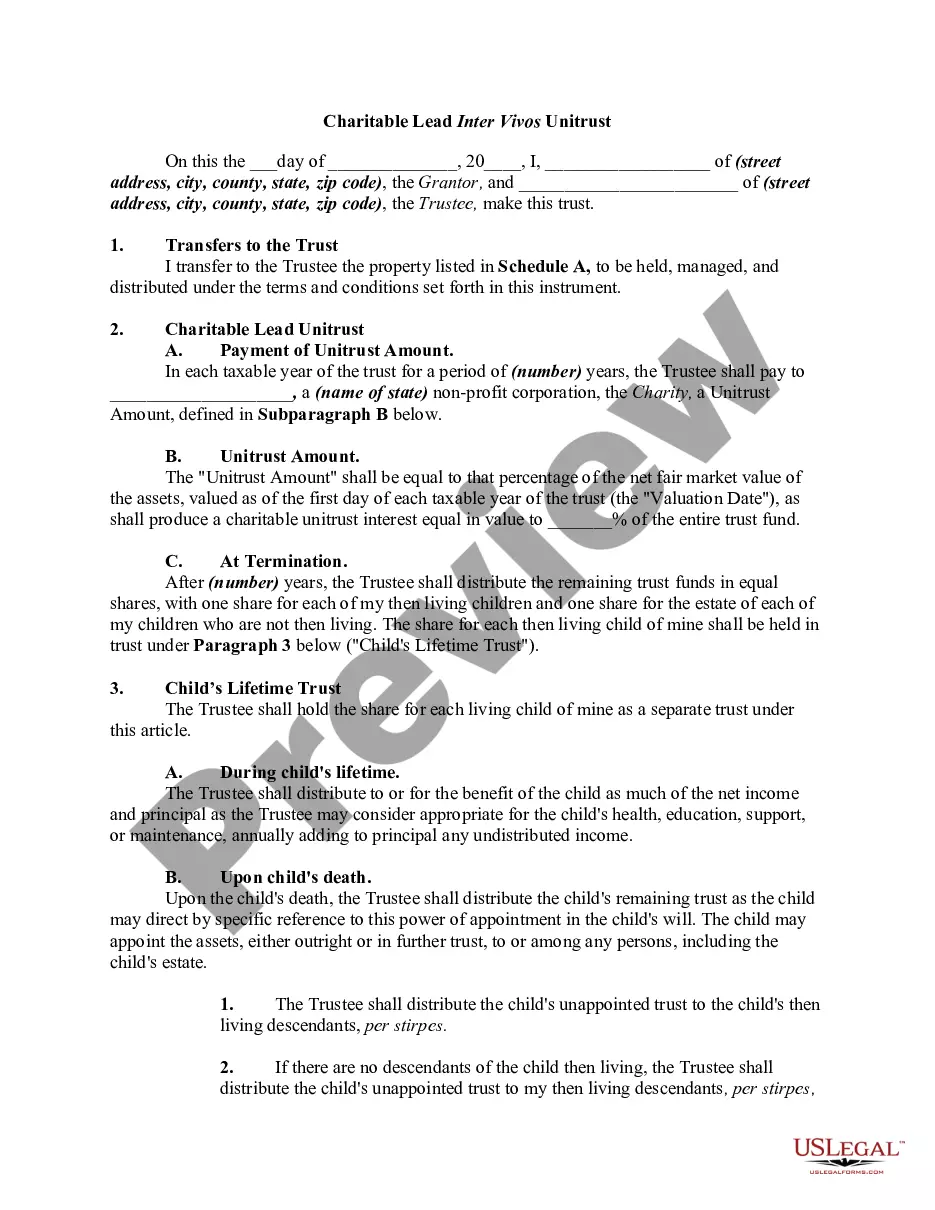
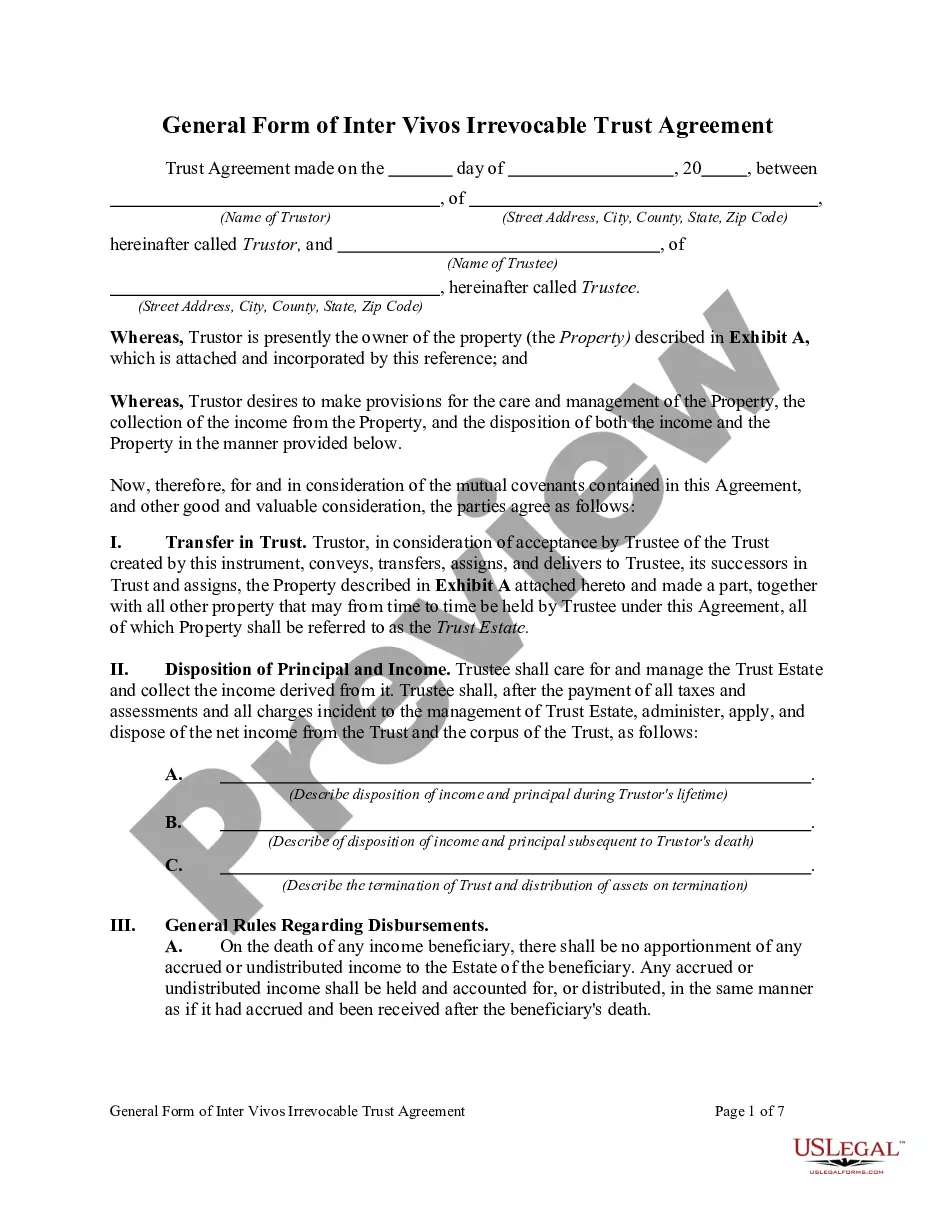
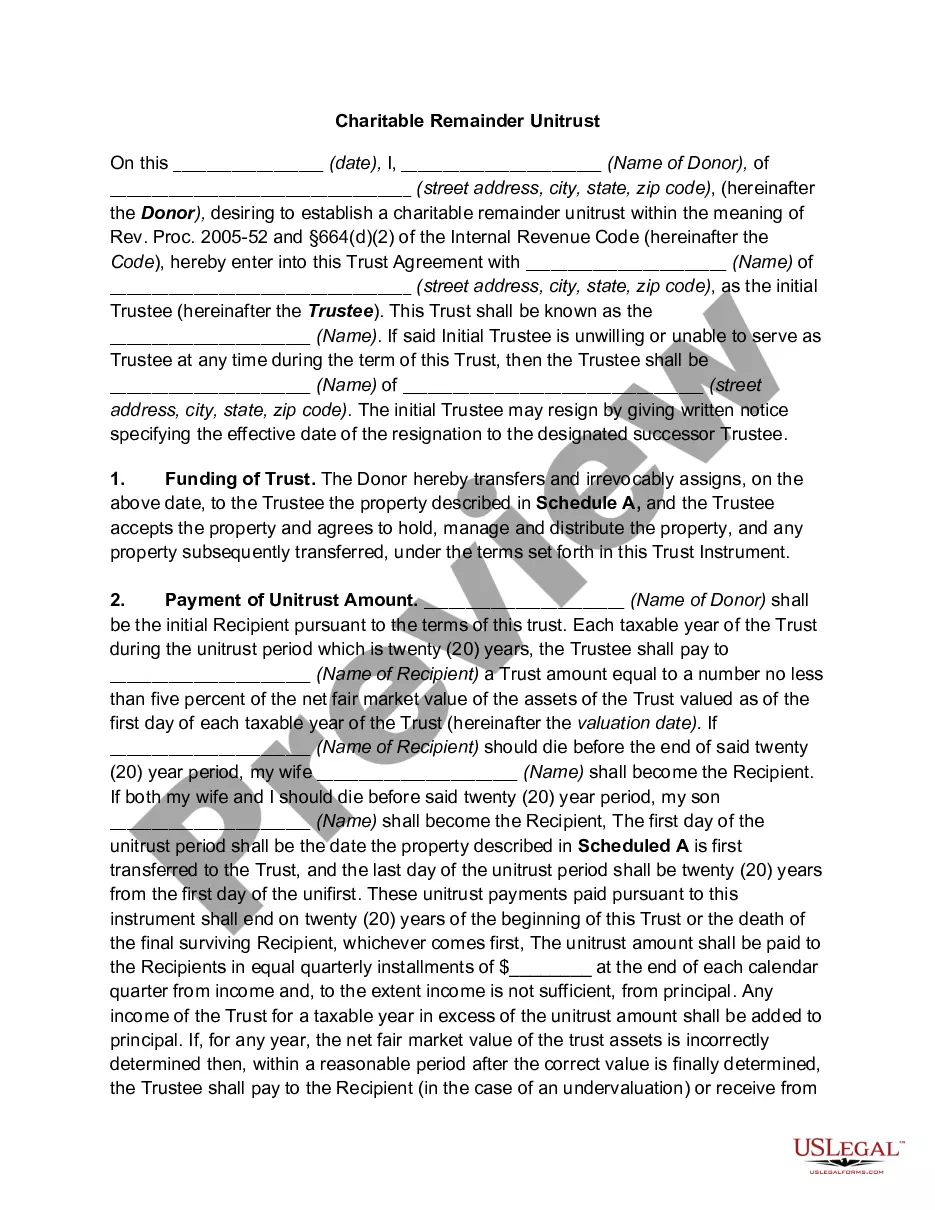
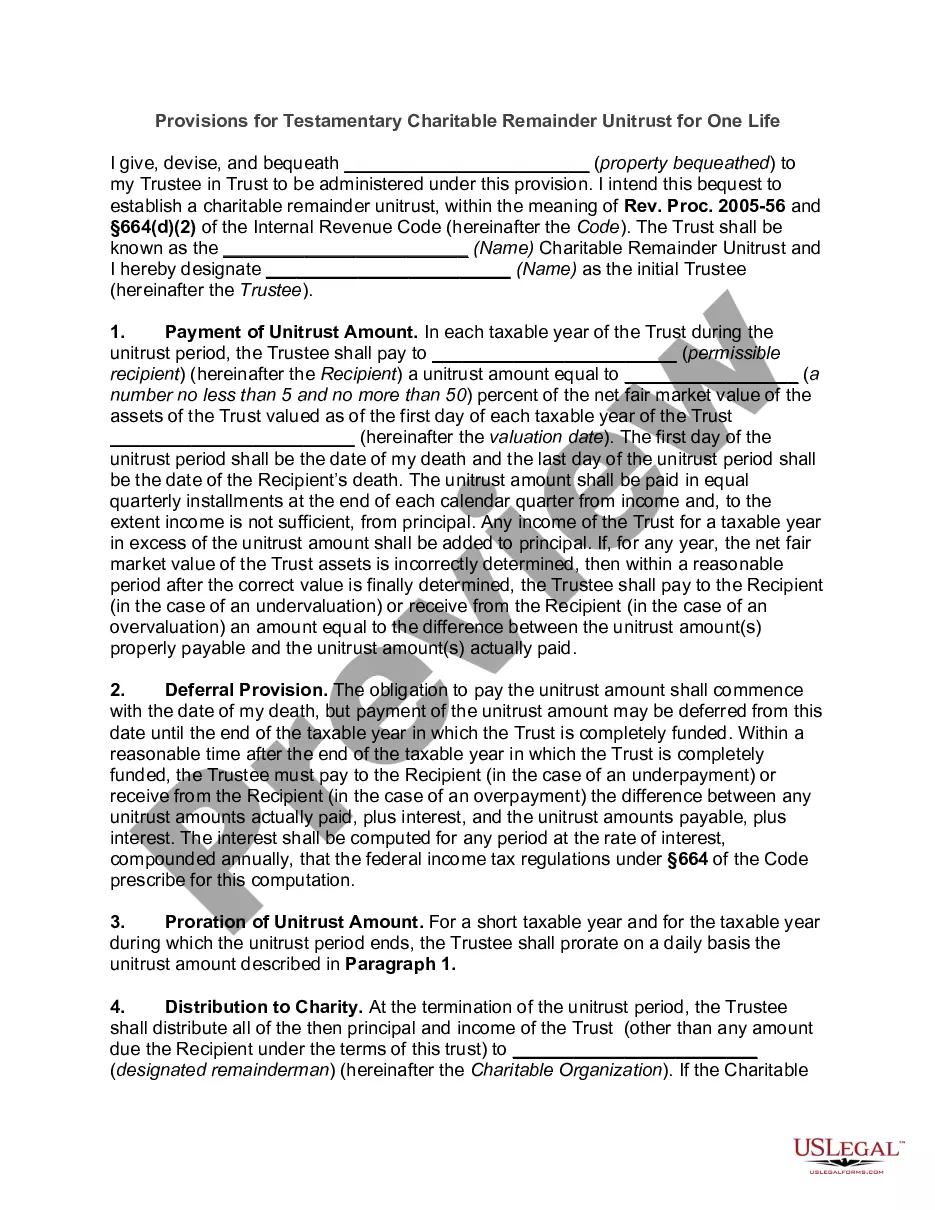
Get your form ready online
Our built-in tools help you complete, sign, share, and store your documents in one place.
Make edits, fill in missing information, and update formatting in US Legal Forms—just like you would in MS Word.
Download a copy, print it, send it by email, or mail it via USPS—whatever works best for your next step.
Sign and collect signatures with our SignNow integration. Send to multiple recipients, set reminders, and more. Go Premium to unlock E-Sign.
If this form requires notarization, complete it online through a secure video call—no need to meet a notary in person or wait for an appointment.
We protect your documents and personal data by following strict security and privacy standards.

Make edits, fill in missing information, and update formatting in US Legal Forms—just like you would in MS Word.

Download a copy, print it, send it by email, or mail it via USPS—whatever works best for your next step.

Sign and collect signatures with our SignNow integration. Send to multiple recipients, set reminders, and more. Go Premium to unlock E-Sign.

If this form requires notarization, complete it online through a secure video call—no need to meet a notary in person or wait for an appointment.

We protect your documents and personal data by following strict security and privacy standards.
Looking for another form?








How to fill out Charitable Remainder Inter Vivos Unitrust Agreement?
- If you are an existing user, log into your account and download your desired form template. Ensure your subscription remains active; if necessary, upgrade your plan accordingly.
- Review the Preview mode and the description of your chosen form to confirm it meets your requirements and adheres to local laws.
- Should you find any discrepancies or need an alternative, utilize the Search tab to discover the appropriate template.
- Proceed to purchase the document by clicking the Buy Now button. Select the subscription that fits your needs and create a user account for full access.
- Complete your payment. You can pay via credit card or use your PayPal account for convenience.
- Finally, download the form onto your device. You can access it anytime through the My Forms section of your profile.
By following these steps, you can efficiently obtain the legal documentation required for your charitable vivos unitrust living trust with the bank.
US Legal Forms not only saves you time but also provides the assurance of legal compliance with its vast collection and expert assistance. Start your process today!
Form popularity
FAQ
In most cases, you do not need to register a trust with the IRS. However, certain trusts do require specific tax forms to be filed. If you establish a charitable vivos unitrust living trust with the bank, it's wise to be aware of your filing requirements to ensure your trust operates within legal bounds.
You can generate Form 5227 by downloading it directly from the IRS website. Fill it out with the necessary information regarding your charitable trust, including details about contributions and distributions. If you set up a charitable vivos unitrust living trust with the bank and need assistance, consider using platforms like UsLegalForms to ensure accuracy and compliance.
Currently, Form 5227 cannot be filed electronically; it must be submitted in paper format. This means you will need to print, sign, and mail the form. When managing a charitable vivos unitrust living trust with the bank, understanding these submission requirements can help ensure timely compliance.
Most charitable trusts do need to file tax returns if they have taxable income or if they are required to report certain transactions. If you operate a charitable vivos unitrust living trust with the bank, you should stay informed about your filing requirements. Consulting with a tax expert can help simplify this process.
Yes, a charitable remainder unitrust typically files a Form 1041 if it has taxable income. This form reflects the income generated and taxes owed by the trust. When establishing a charitable vivos unitrust living trust with the bank, consult a tax professional to understand your filing responsibilities.
Form 5227 must be filed by charitable remainder trusts, charitable lead trusts, and other split-interest trusts. If you have established a charitable vivos unitrust living trust with the bank, you might also be required to file this form. It's important to identify your filing obligations to avoid any penalties.
The IRS form for a charitable trust is Form 5227. This form provides details about the trust's activities and financial information. When considering a charitable vivos unitrust living trust with the bank, it's essential to properly complete this form to ensure compliance with IRS regulations.
To put your bank account into a charitable vivos unitrust living trust with the bank, start by gathering necessary documentation such as your trust agreement. Next, visit your bank and speak with a representative who can help with the process. They will guide you through the specific steps required, ensuring your bank account is successfully transferred into your trust.
While there are many benefits to a charitable vivos unitrust living trust with the bank, some disadvantages exist. These may include limited control over certain assets, potential tax implications, and administrative costs. It is important to fully understand these factors and consider your specific circumstances before establishing a charitable trust.
Transferring a bank account to a charitable vivos unitrust living trust with the bank is a straightforward process. First, contact your bank to understand their specific requirements for transferring ownership. Typically, you will need to fill out a few forms and provide your trust documents, after which the bank will guide you in completing the transfer efficiently.