Charitable Remainder Living Trust Format
Description
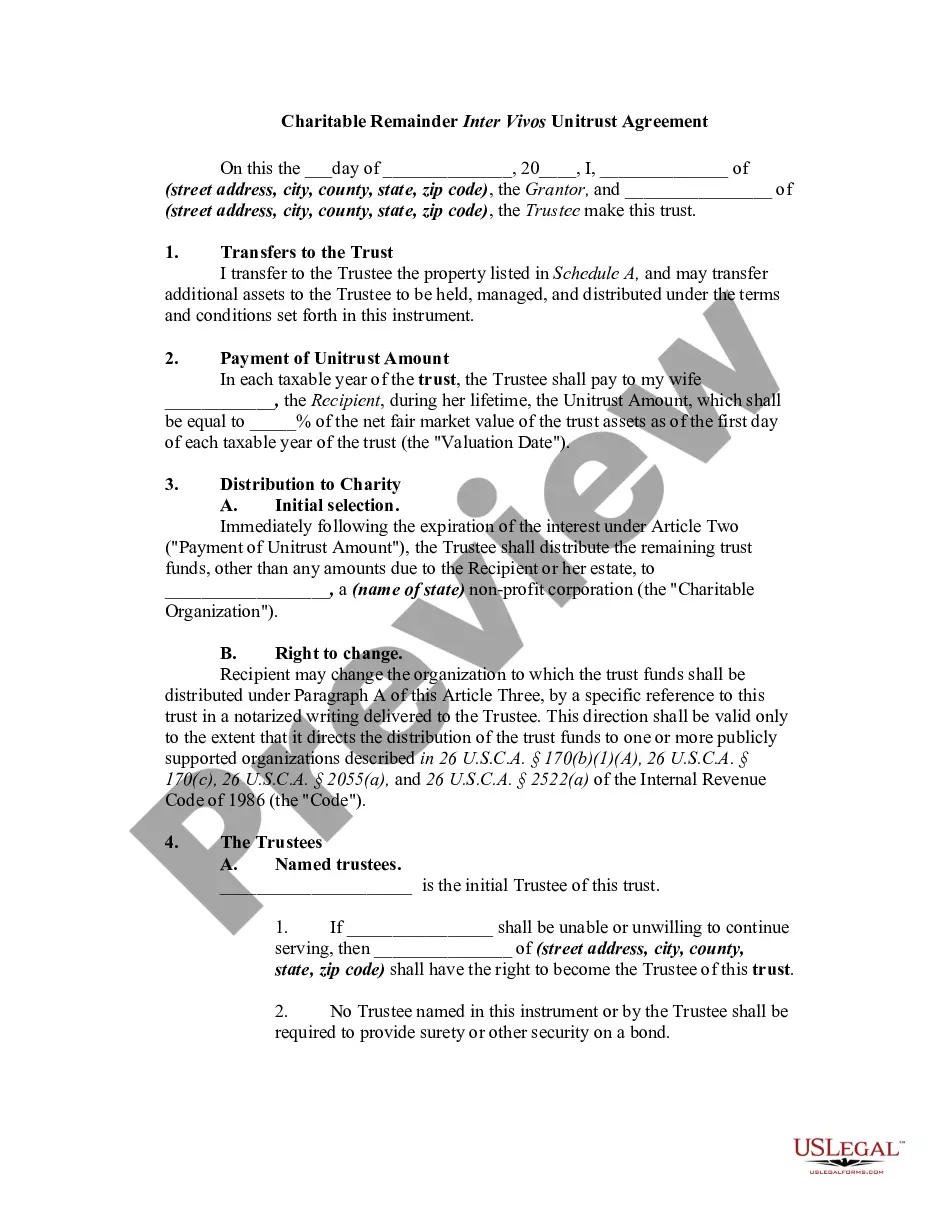
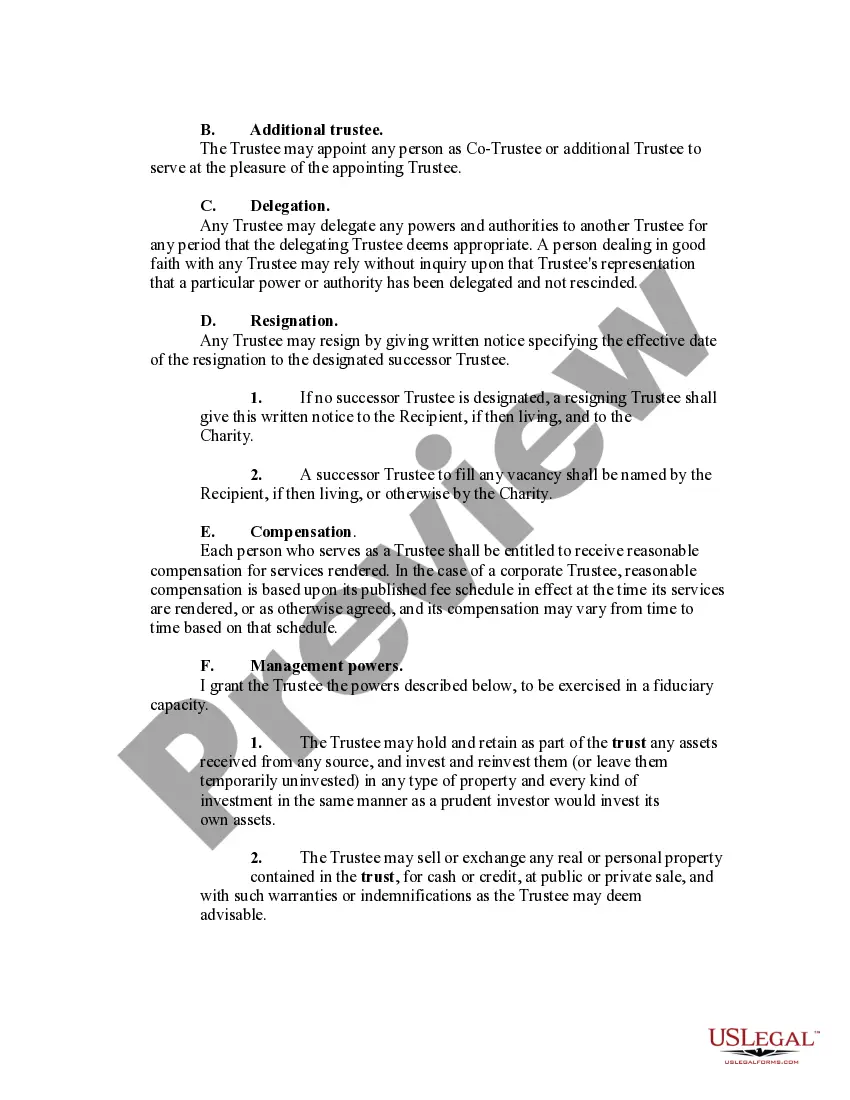
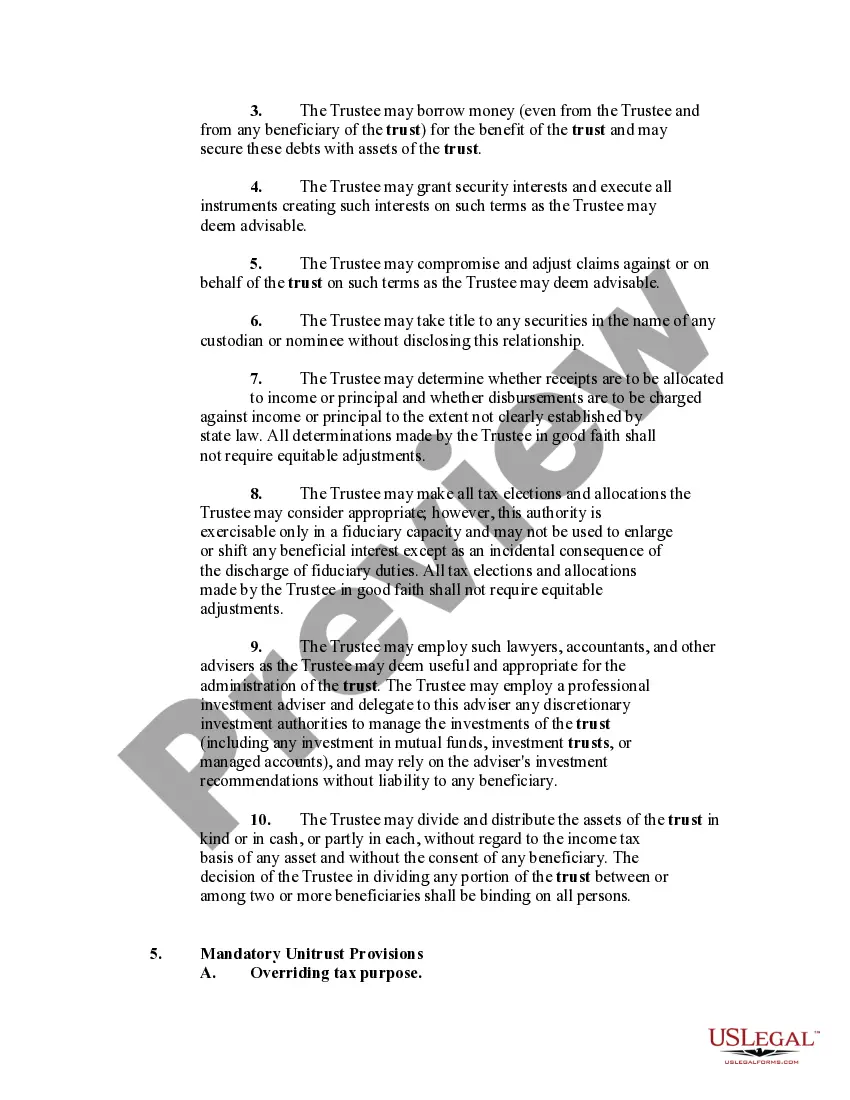
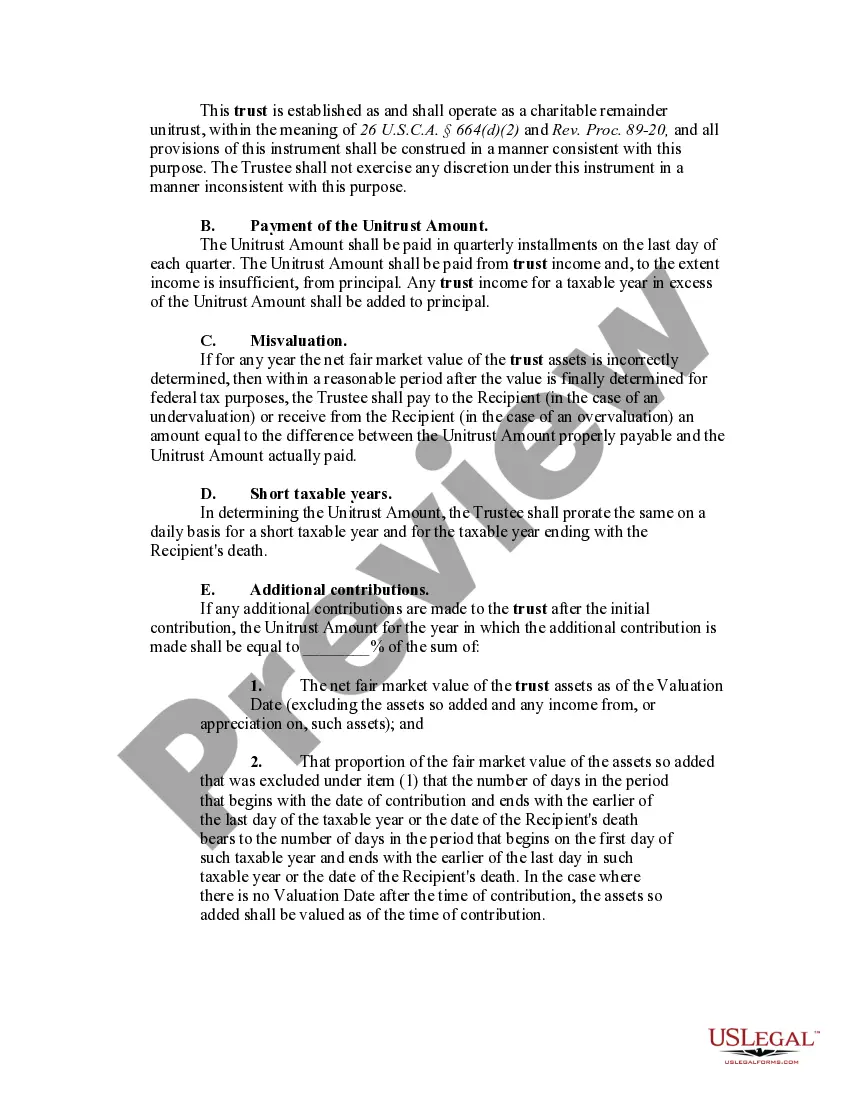
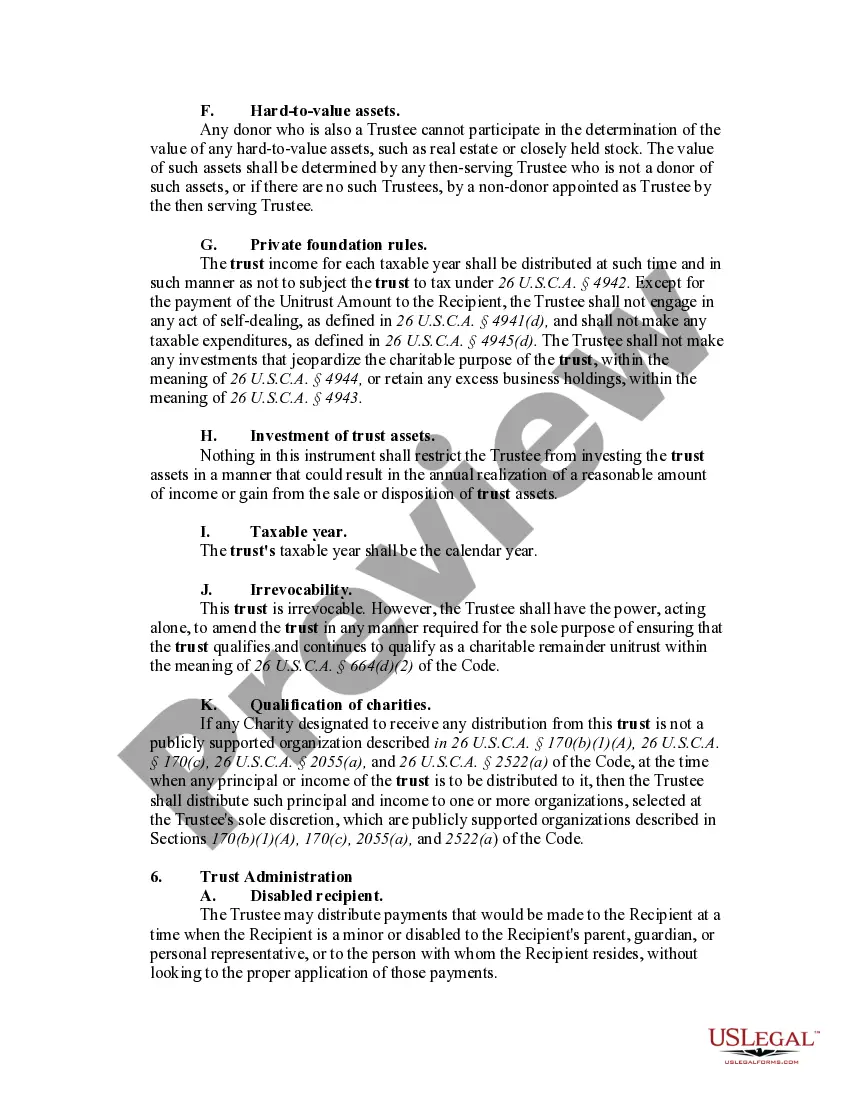
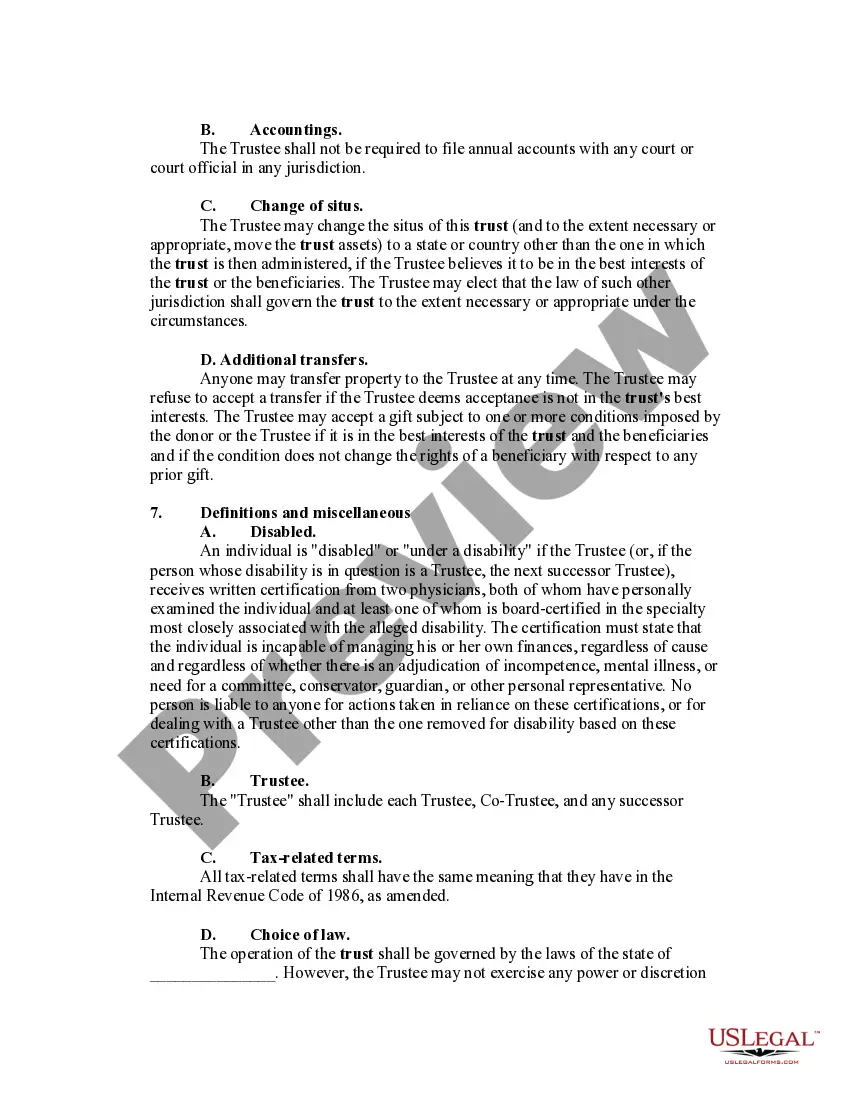
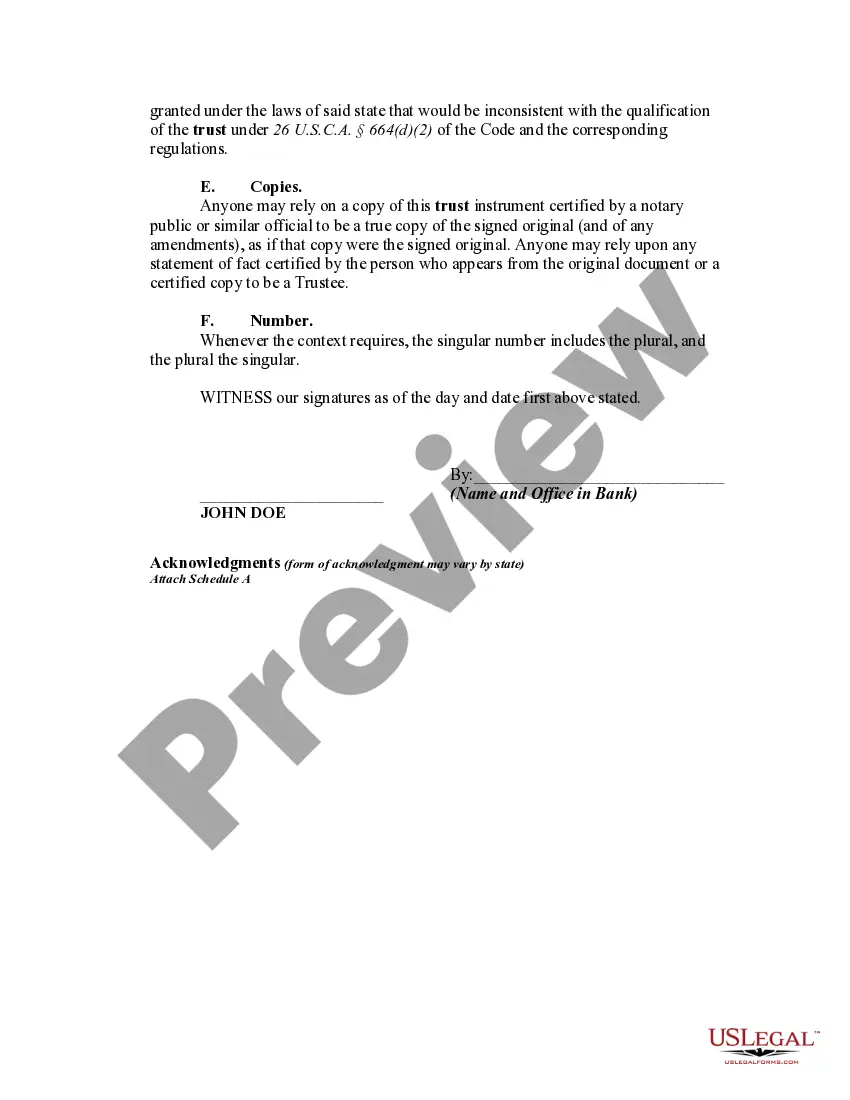
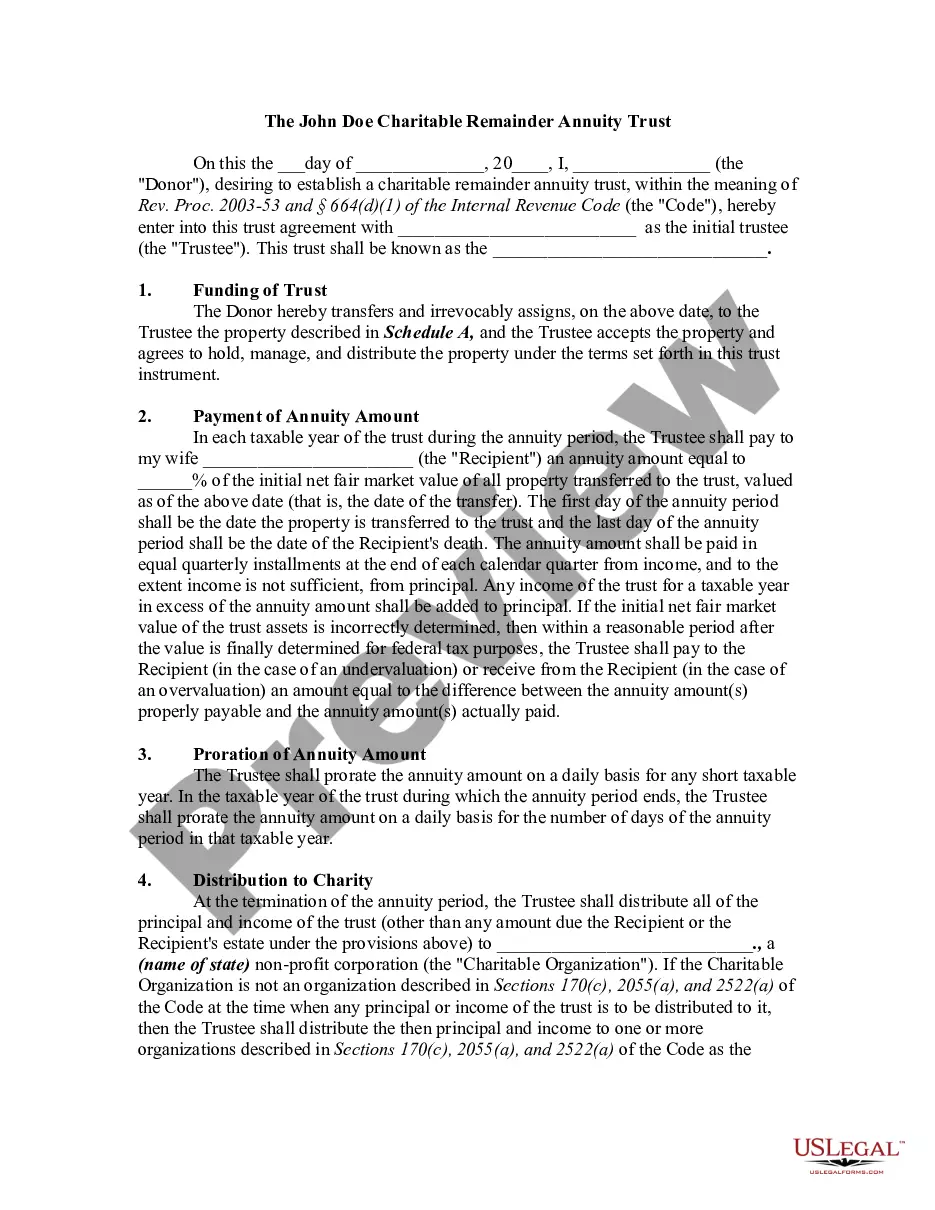
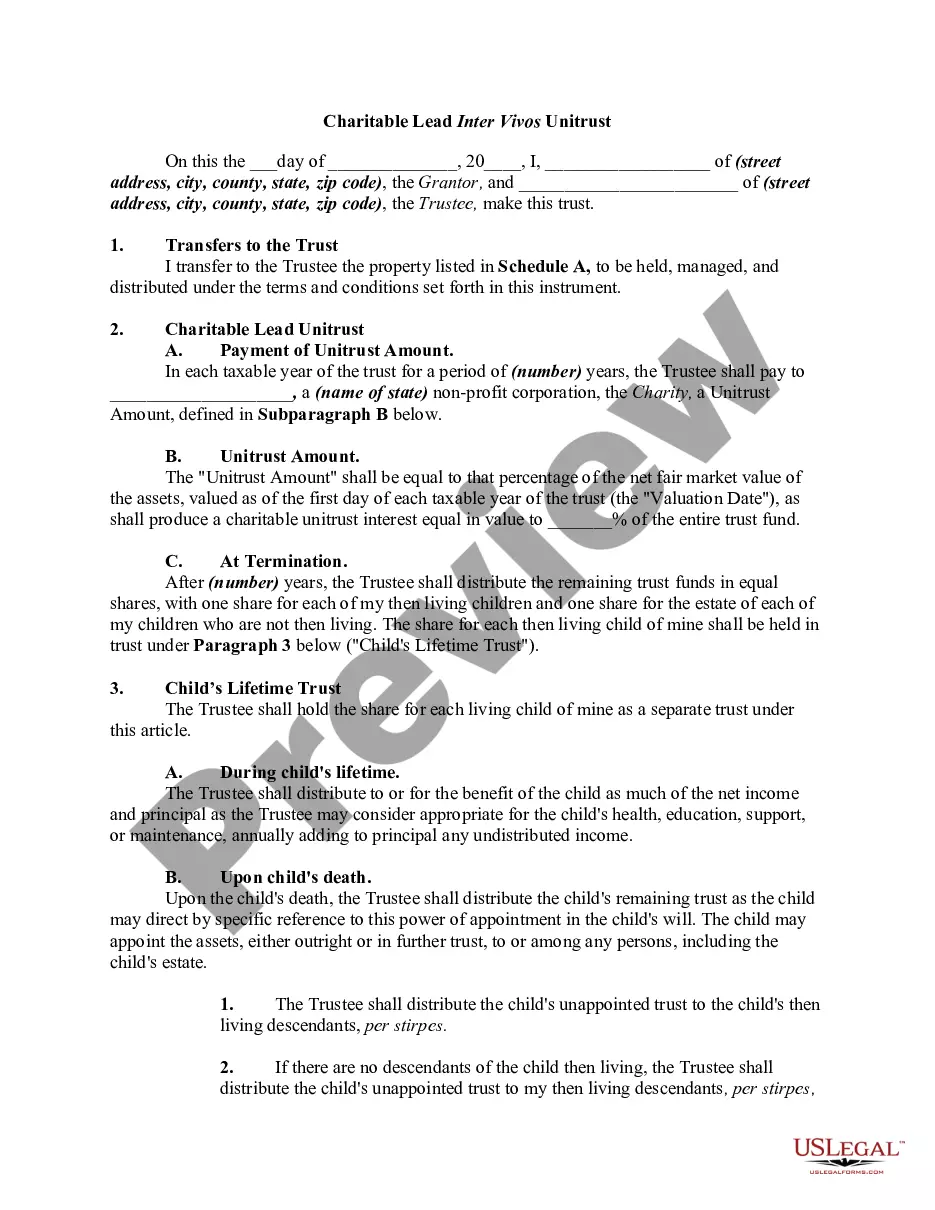
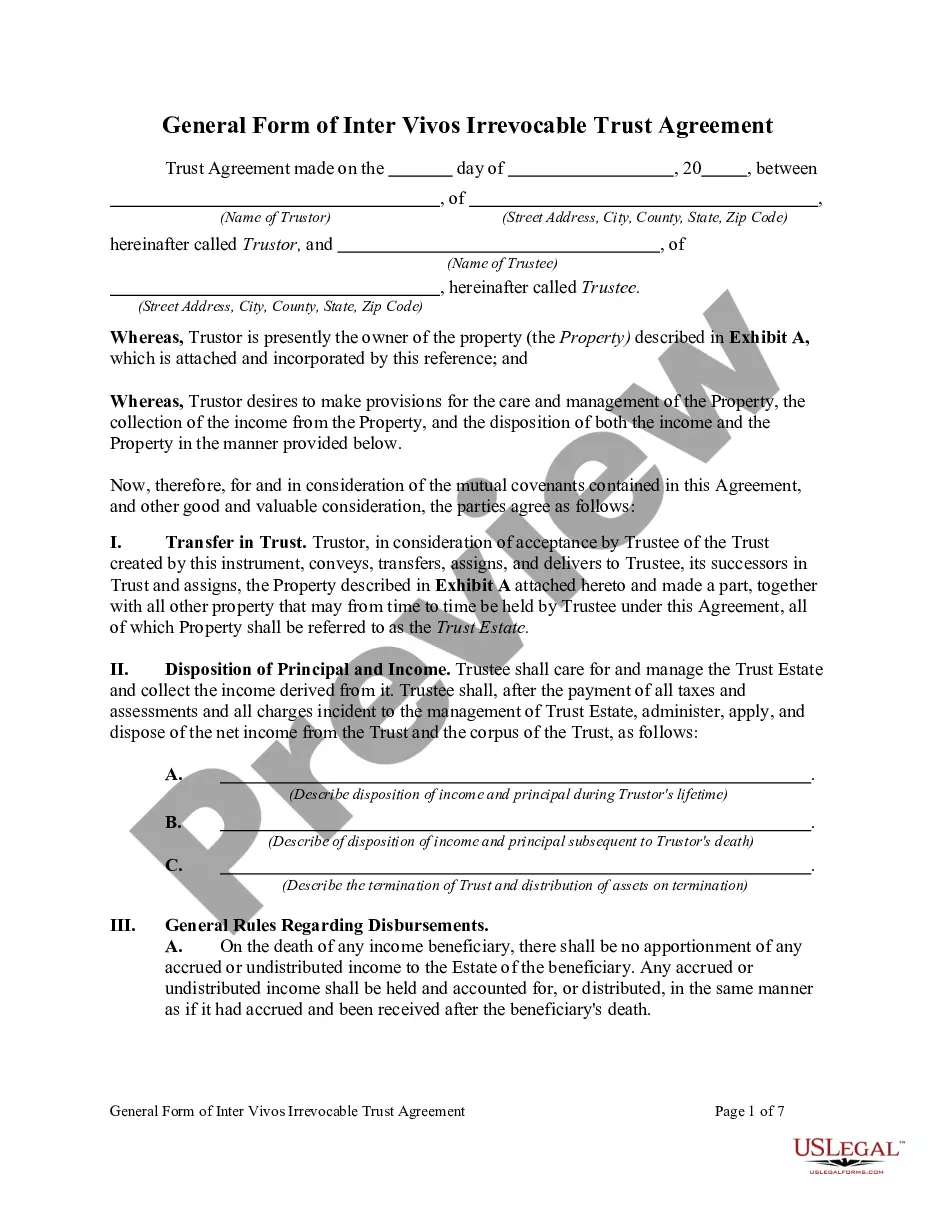
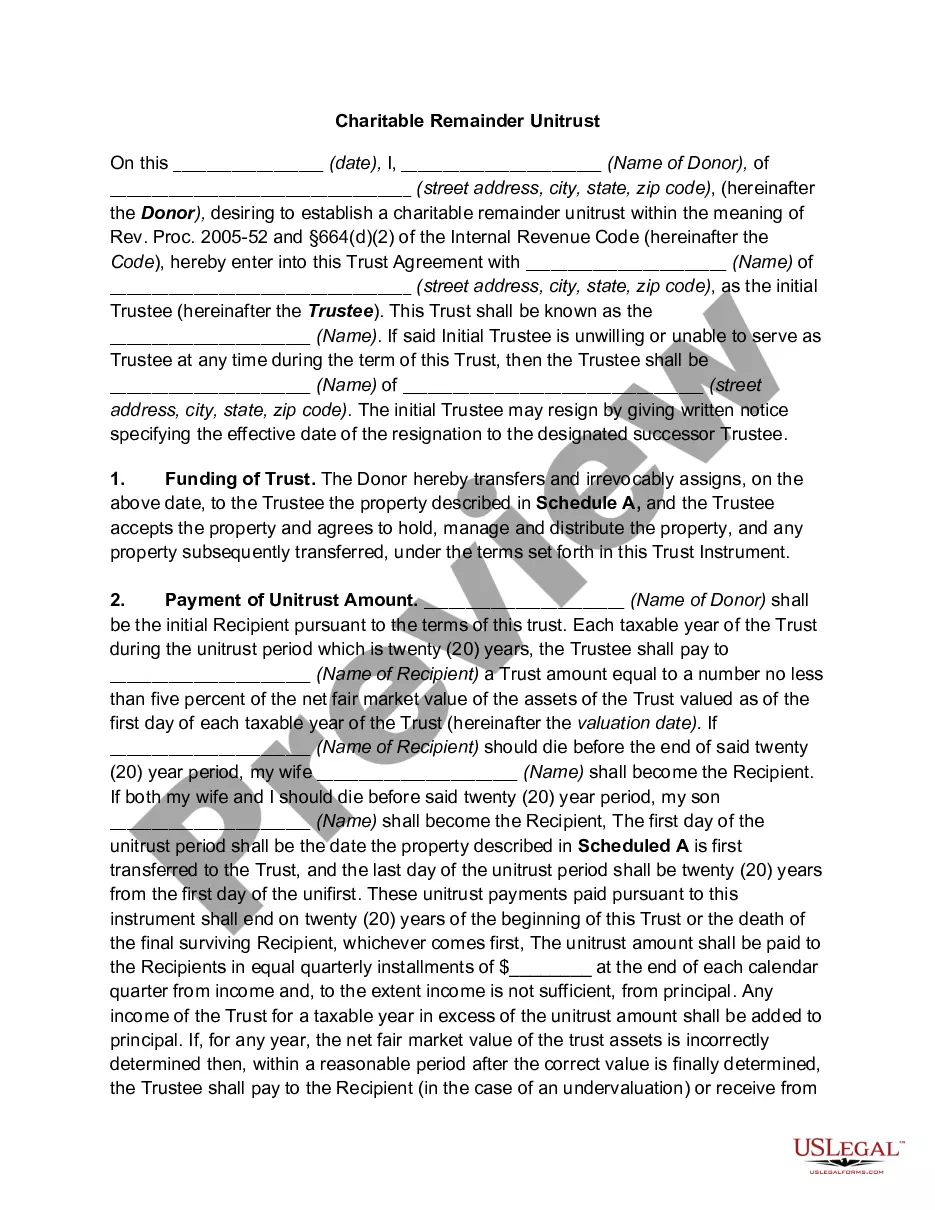
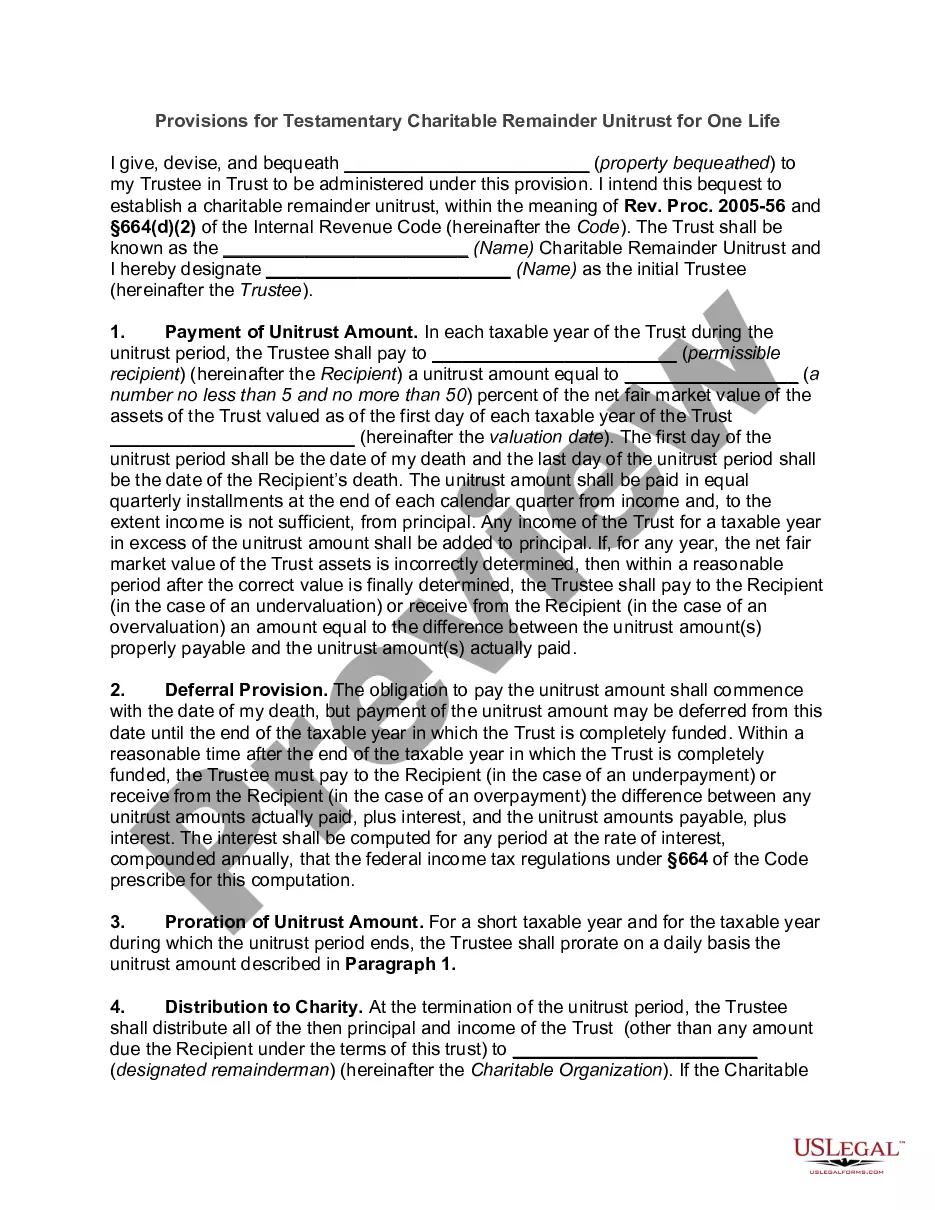
Get your form ready online
Our built-in tools help you complete, sign, share, and store your documents in one place.
Make edits, fill in missing information, and update formatting in US Legal Forms—just like you would in MS Word.
Download a copy, print it, send it by email, or mail it via USPS—whatever works best for your next step.
Sign and collect signatures with our SignNow integration. Send to multiple recipients, set reminders, and more. Go Premium to unlock E-Sign.
If this form requires notarization, complete it online through a secure video call—no need to meet a notary in person or wait for an appointment.
We protect your documents and personal data by following strict security and privacy standards.

Make edits, fill in missing information, and update formatting in US Legal Forms—just like you would in MS Word.

Download a copy, print it, send it by email, or mail it via USPS—whatever works best for your next step.

Sign and collect signatures with our SignNow integration. Send to multiple recipients, set reminders, and more. Go Premium to unlock E-Sign.

If this form requires notarization, complete it online through a secure video call—no need to meet a notary in person or wait for an appointment.

We protect your documents and personal data by following strict security and privacy standards.
Looking for another form?








How to fill out Charitable Remainder Inter Vivos Unitrust Agreement?
Handling legal documentation and processes can be a lengthy addition to your day.
Charitable Remainder Living Trust Format and similar forms typically necessitate searching for them and finding the best way to complete them accurately.
Consequently, whether you are managing financial, legal, or personal affairs, having a comprehensive and convenient online directory of forms readily available will be of significant help.
US Legal Forms is the leading online platform for legal templates, boasting over 85,000 state-specific forms and a variety of tools that assist you in completing your documentation effortlessly.
Simply Log In to your account, find Charitable Remainder Living Trust Format and obtain it immediately in the My documents section. You can also retrieve previously saved forms.
- Explore the collection of relevant documents accessible to you with just a single click.
- US Legal Forms provides state- and county-specific forms available for download at any time.
- Safeguard your document management processes with premium support that enables you to prepare any form within minutes without extra or concealed fees.
Form popularity
FAQ
To create a charitable remainder trust, you should start by deciding the assets you want to place in the trust. Utilizing a charitable remainder living trust format can help you maximize your tax benefits while supporting a cause you care about. Platforms like US Legal Forms offer comprehensive resources to guide you through the process. After completing the necessary documents, you will need to have them properly executed to ensure they meet legal requirements.
Creating a trust format, particularly a charitable remainder living trust format, involves several key steps. First, you need to identify your assets and determine how you want to distribute them. Next, you can use a reliable platform like US Legal Forms to access templates and guidance tailored to your needs. Finally, make sure to review and sign the trust document to ensure its validity.
The IRS requires Form 5227 to report the activities of a charitable remainder trust. This form is essential for documenting the trust's income, expenses, and distributions to beneficiaries. If you're organizing your charitable remainder living trust format, using this form can help ensure compliance with federal tax regulations. For additional assistance, consider exploring resources on the US Legal Forms platform, where you can find templates and guidance tailored to your needs.
The 85% rule for a charitable remainder living trust format indicates that the trust must distribute at least 85% of its net income to the non-charitable beneficiary. This rule helps maintain a balance between providing income to the beneficiary and supporting charitable causes. Understanding this guideline is essential for effective trust management and compliance with tax regulations.
Setting up a charitable remainder living trust format involves several steps. First, determine the assets you wish to place into the trust and choose a charitable organization to benefit from it. Next, consult with a legal professional to draft the trust document, ensuring it meets IRS requirements. You can utilize platforms like uslegalforms to simplify the process and ensure compliance.
The 5% rule for a charitable remainder living trust format states that the trust must distribute at least 5% of its assets to the non-charitable beneficiary each year. This ensures that the trust provides a reasonable income stream while still fulfilling its charitable purpose. Understanding this rule can help you plan effectively for both your beneficiaries and the charitable organization you wish to support.
While a charitable remainder living trust format offers tax benefits, it also has downsides. You may lose control of the assets once the trust is established, as they are dedicated to charity after your lifetime. Additionally, the setup and maintenance of such a trust can involve significant legal fees. It’s crucial to weigh these factors against the potential benefits.
A charity remainder trust is similar to a charitable remainder trust but focuses specifically on the charitable aspects. For example, you might set up a trust that provides you with income from an investment for 20 years, after which the remaining assets are donated to a local nonprofit. This approach not only supports your financial needs but also contributes to the community, showcasing the benefits of a charitable remainder living trust format.
Filing a charitable remainder trust involves a few key steps. First, you need to create the trust document, which outlines the terms and conditions of the trust, including income distribution and charitable beneficiaries. After drafting the document, you will need to fund the trust by transferring assets, and then submit the necessary IRS forms, ensuring compliance with tax regulations. Utilizing a reliable platform like US Legal Forms can simplify this process and provide the necessary templates for a charitable remainder living trust format.
A charitable remainder trust (CRT) allows you to donate assets to charity while retaining income from those assets during your lifetime. For instance, imagine you establish a CRT with a property valued at $500,000. You might receive annual payments from the trust for a specified period, after which the remaining assets go to your chosen charity. This structure is often detailed in a charitable remainder living trust format.