Absence From Work Form
What is this form?
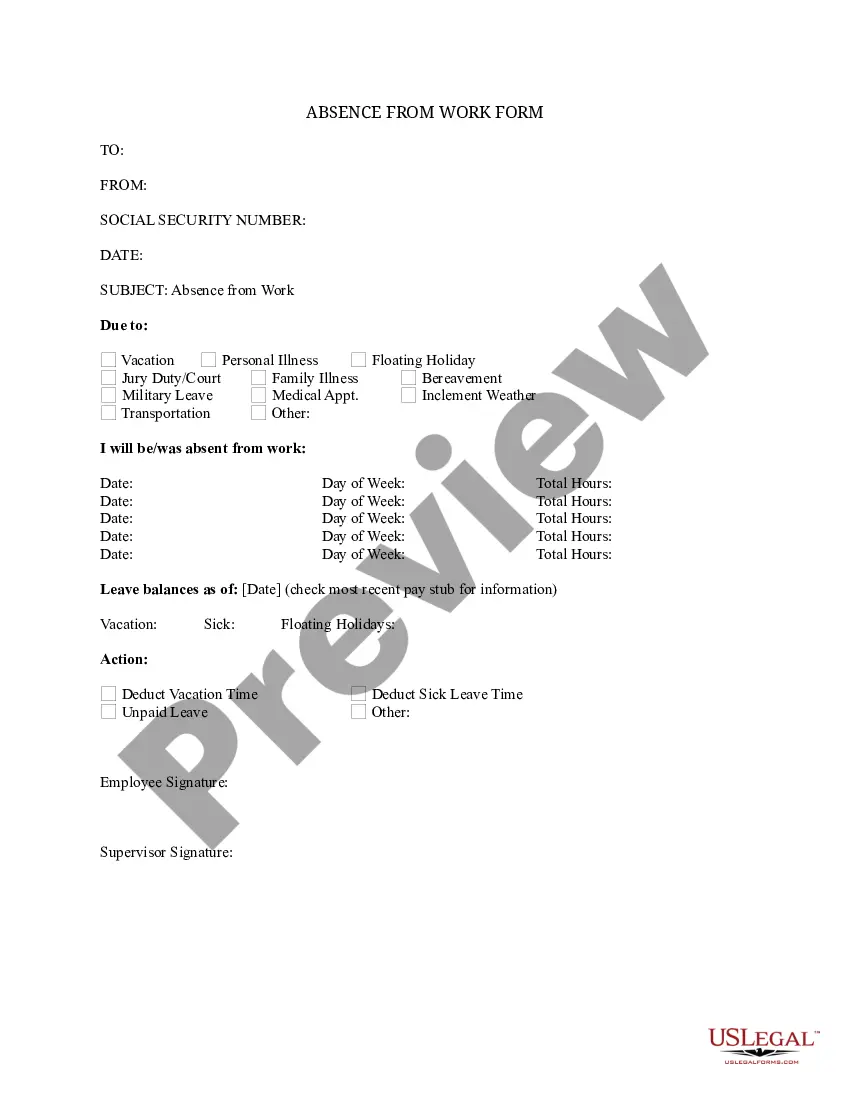
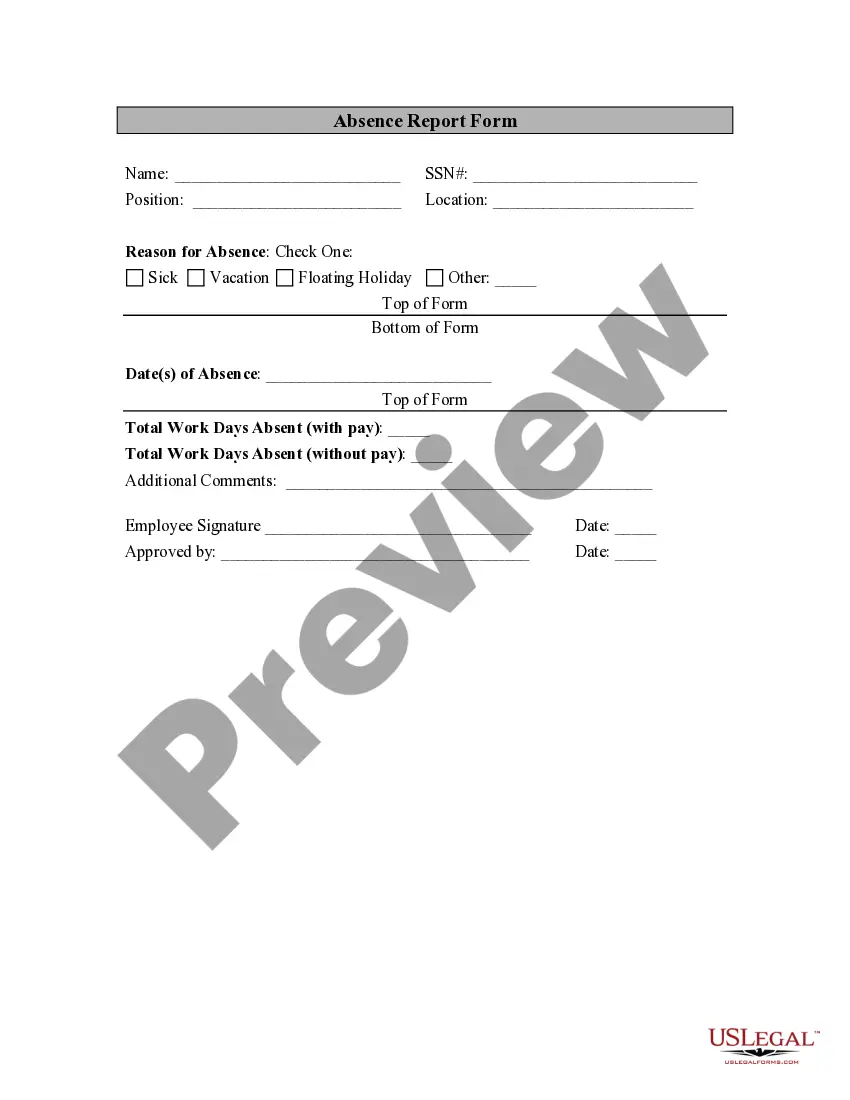
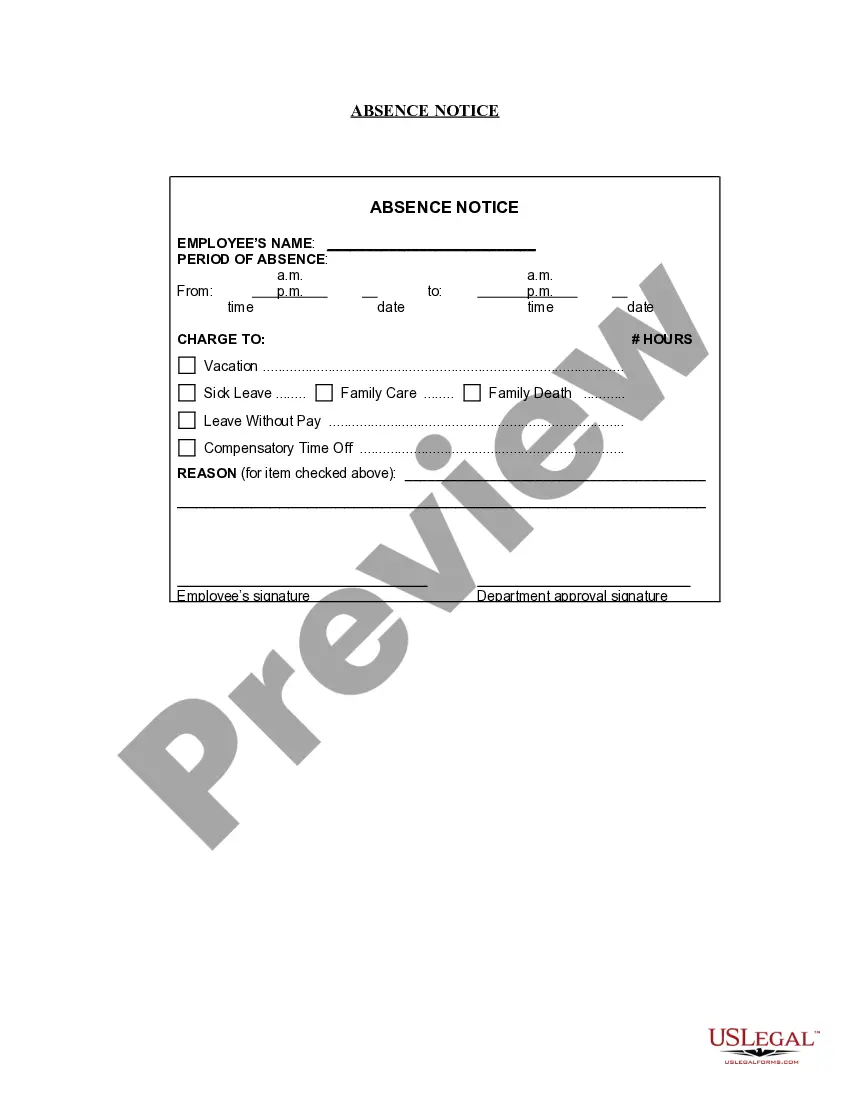
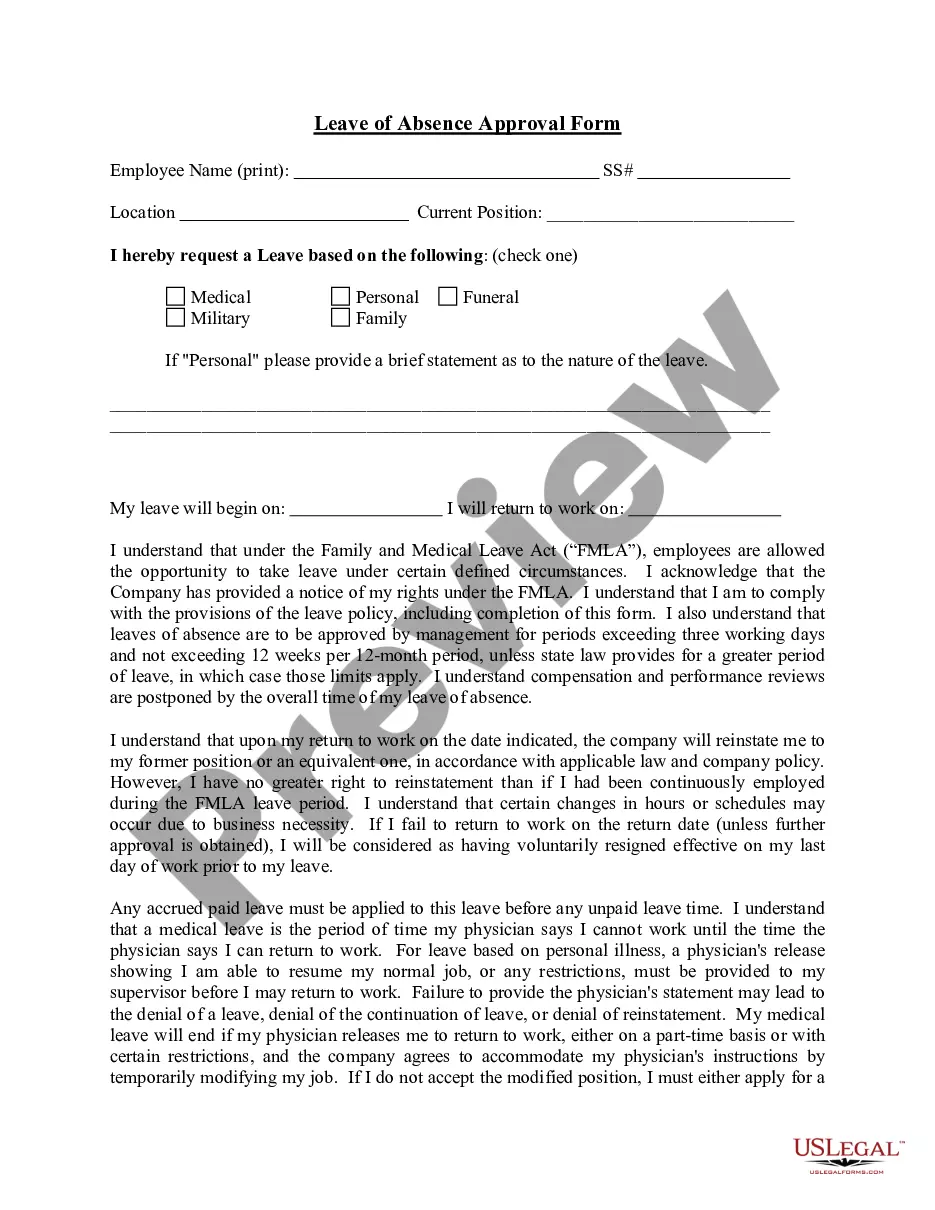
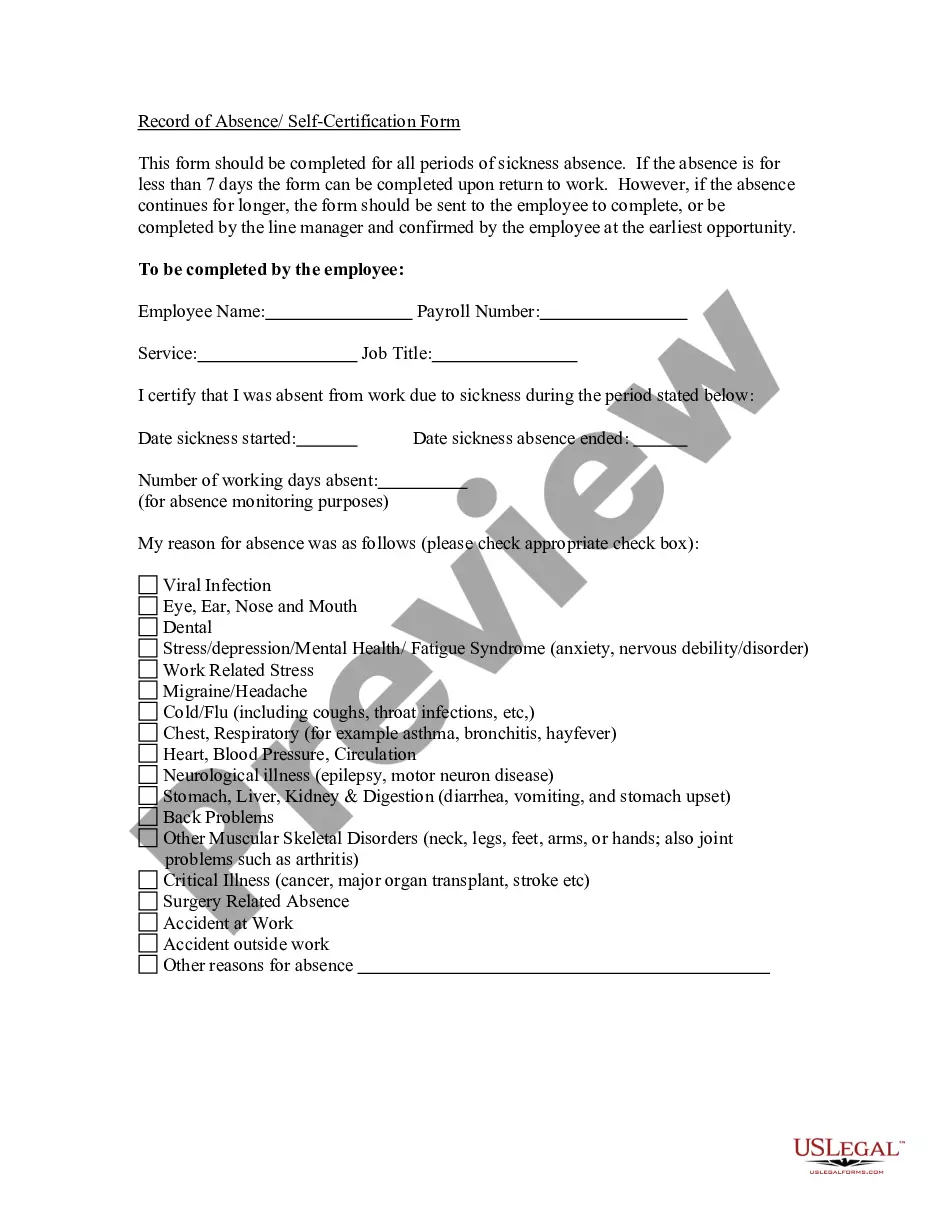
The Absence From Work Form is a document that employees use to formally notify their employers about their upcoming absences from work for various reasons. This form is designed to streamline the reporting process and ensure that you provide essential details such as the reason for your absence and the specific dates you will be away, differentiating it from other leave request forms that may not detail the reasons involved.
Main sections of this form
- Employee Information: Includes fields for the employee's name, position, and social security number.
- Absence Dates: Specify the start and end dates of the absence.
- Reason for Absence: Checkboxes to indicate the reason for absence (e.g., vacation, personal illness, jury duty).
- Leave Balances: Information on vacation and sick leave balances as of the date specified.
- Action Required: Options for how the absence will be handled, including deductions from leave balances.
- Signatures: Required signatures from the employee and supervisor to validate the request.

When to use this form
This Absence From Work Form should be used when an employee anticipates being unable to attend work due to specific reasons such as personal illness, jury duty, bereavement, or scheduled vacation. It helps formally document the absence for both the employee's records and employer's tracking purposes.
Who needs this form
The following individuals should use this form:
- Employees who need to inform their employer of an upcoming work absence.
- HR professionals maintaining records of employee absences.
- Supervisors requiring documentation of employee leave requests.
Instructions for completing this form
- Fill out your personal information, including your name and social security number.
- Select the dates for your absence, specifying both the start and end dates.
- Check one or more reasons for your absence from the listed options.
- If relevant, provide details about your leave balances.
- Review the form and sign it, then obtain your supervisor's signature.
Does this form need to be notarized?
In most cases, this form does not require notarization. However, some jurisdictions or signing circumstances might. US Legal Forms offers online notarization powered by Notarize, accessible 24/7 for a quick, remote process.
Get your form ready online
Our built-in tools help you complete, sign, share, and store your documents in one place.
Make edits, fill in missing information, and update formatting in US Legal Forms—just like you would in MS Word.
Download a copy, print it, send it by email, or mail it via USPS—whatever works best for your next step.
Sign and collect signatures with our SignNow integration. Send to multiple recipients, set reminders, and more. Go Premium to unlock E-Sign.
If this form requires notarization, complete it online through a secure video call—no need to meet a notary in person or wait for an appointment.
We protect your documents and personal data by following strict security and privacy standards.

Make edits, fill in missing information, and update formatting in US Legal Forms—just like you would in MS Word.

Download a copy, print it, send it by email, or mail it via USPS—whatever works best for your next step.

Sign and collect signatures with our SignNow integration. Send to multiple recipients, set reminders, and more. Go Premium to unlock E-Sign.

If this form requires notarization, complete it online through a secure video call—no need to meet a notary in person or wait for an appointment.

We protect your documents and personal data by following strict security and privacy standards.
Avoid these common issues
- Failing to complete personal information correctly.
- Not specifying the dates clearly.
- Omitting the reason for absence or choosing more than one without clarity.
- Not securing required signatures from management.
Why use this form online
- Convenient access and completion at any time.
- Editable templates allow for customization based on individual cases.
- Reliable documentation for both employee and employer records.
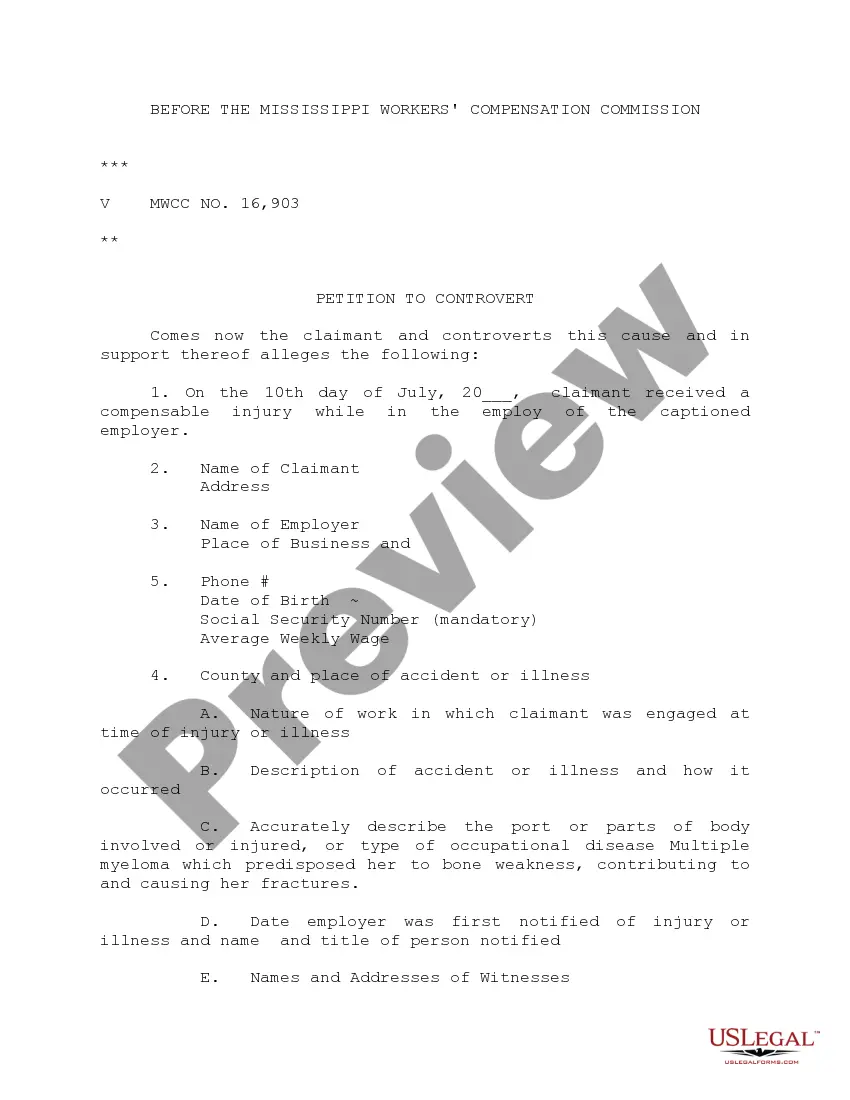
Looking for another form?

Form popularity
FAQ
An FMLA leave allows employees to take up to 12 weeks off in a 12-month period. If their absence is not protected by the Family and Medical Leave Act (FMLA), then it's considered a non-FMLA medical leave.
Create an employee attendance policy. Enforce your attendance policy consistently. Keep track of employee absences. Address unscheduled absences and no-show's immediately. Don't just treat the symptoms, discover the cause. Don't forget to reward good behavior.
A Letter of Authorization, or LOA, as we like to call it, is a form required by phone number carriers to authorize the transfer of your number. You need this form because it is the ownership verification for your number to move to a new service provider.
Address. Subject. Reason for your leave. Period(Number of days) of your leave. Contact information.
Ensure you are formal and polite in apology letter to your teacher. Always remember to state the reason for being absent. Be sincere and honest, always explain the situation factually. Be short and exact. Attach a doctor's note in the case of illness.
Request for a leave of absence, The dates you expect to be away from work, The date you plan to return to work, An offer to provide assistance, if feasible, Thanks for considering your request.
Provide complete employee contact information, which includes name, address, and phone number. Include the date you will submit the letter. Include the supervisor or manager's name. Include supervisor or manager's title. Add the company name. Include the company's location.
Typically, an employer will require you to alert your boss by letter, email, or phone call. Even if it is not required, it is a good idea to tell your boss about your absence as soon as possible. Putting this message into writing (either via letter or email) is often best.
Understand your legal rights regarding time off and pay. Make the request in person. Give sufficient advance notice. If possible, work with your boss to develop an agreeable plan. Keep track of relevant paperwork.