Charitable Form Trust File For Tax Purposes
Description
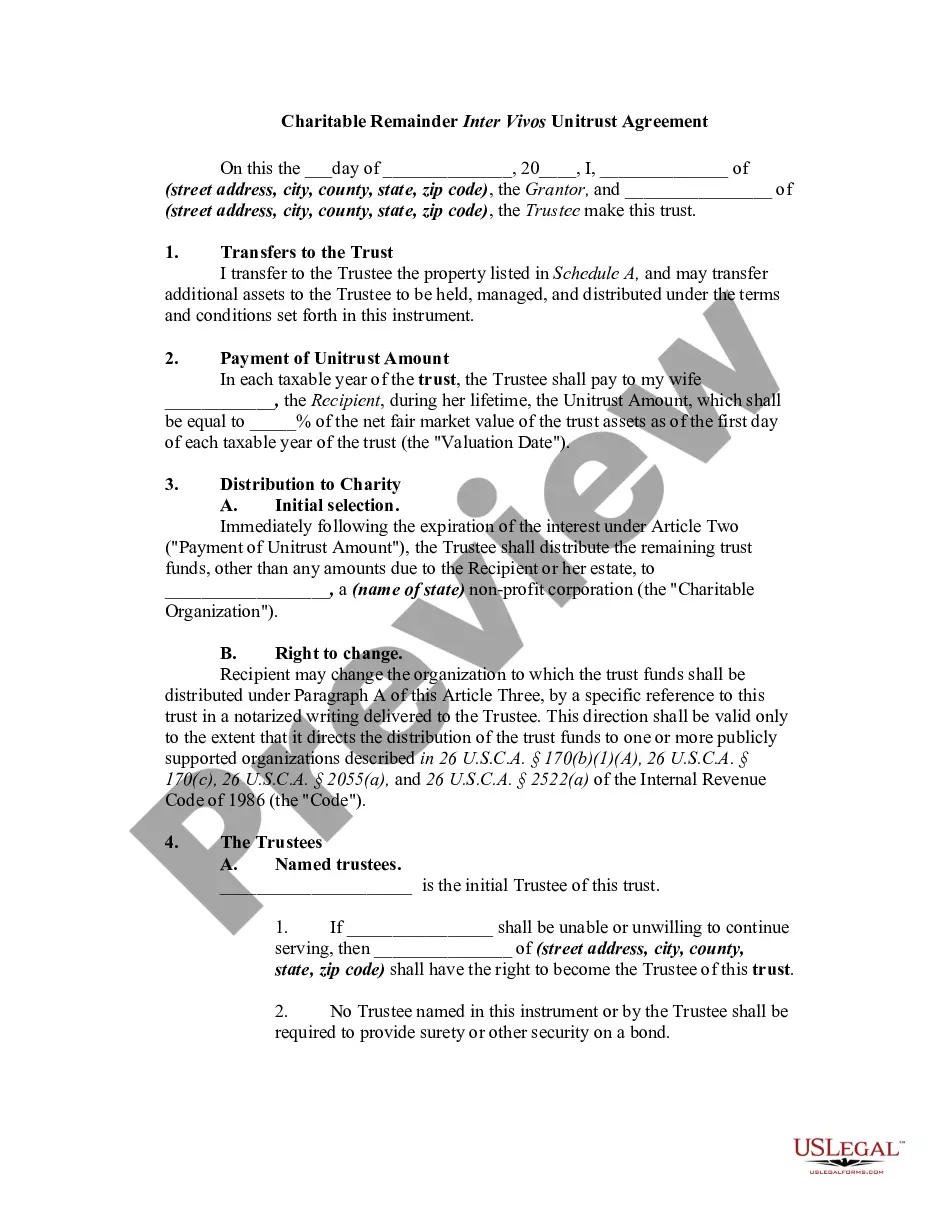
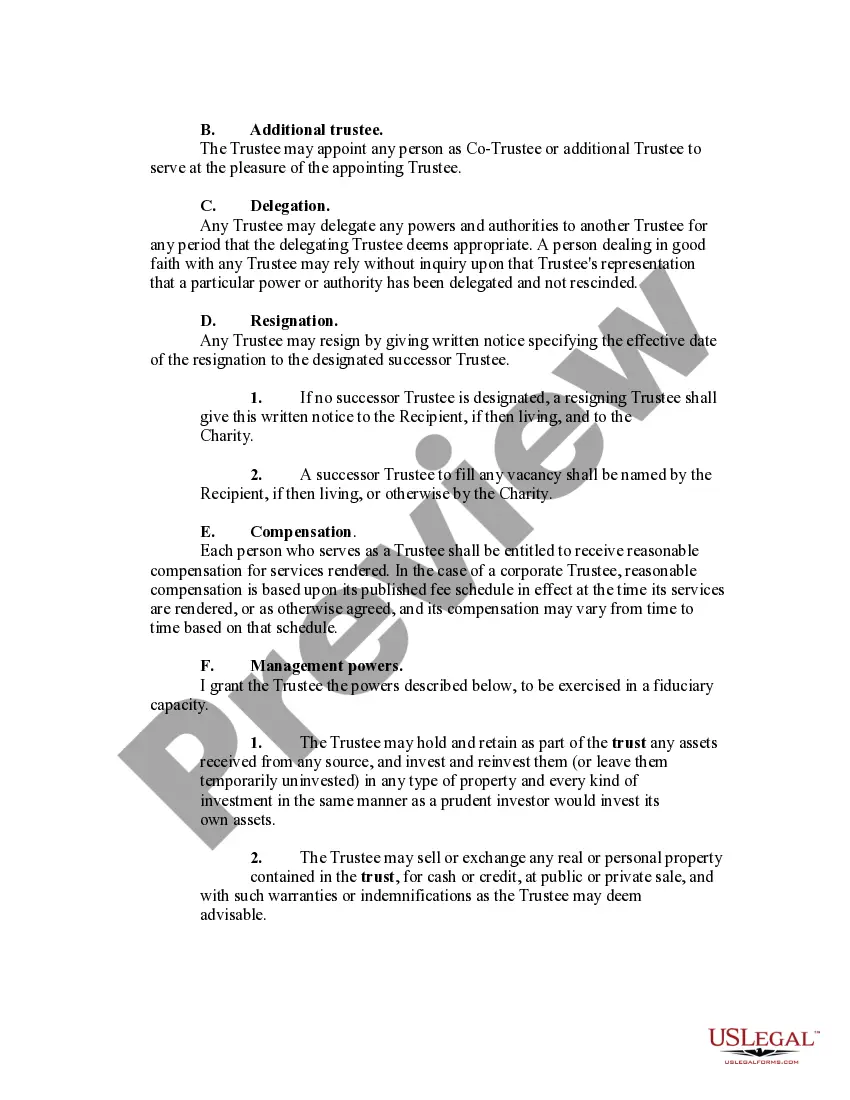
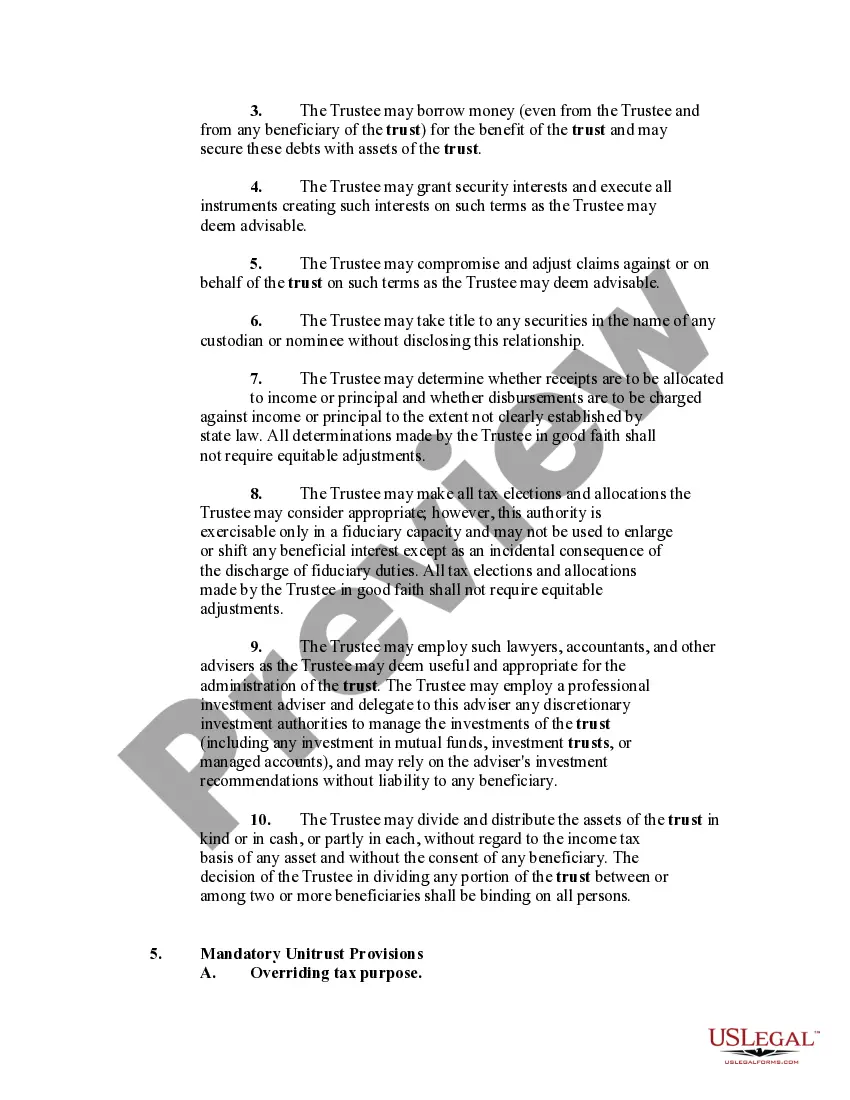
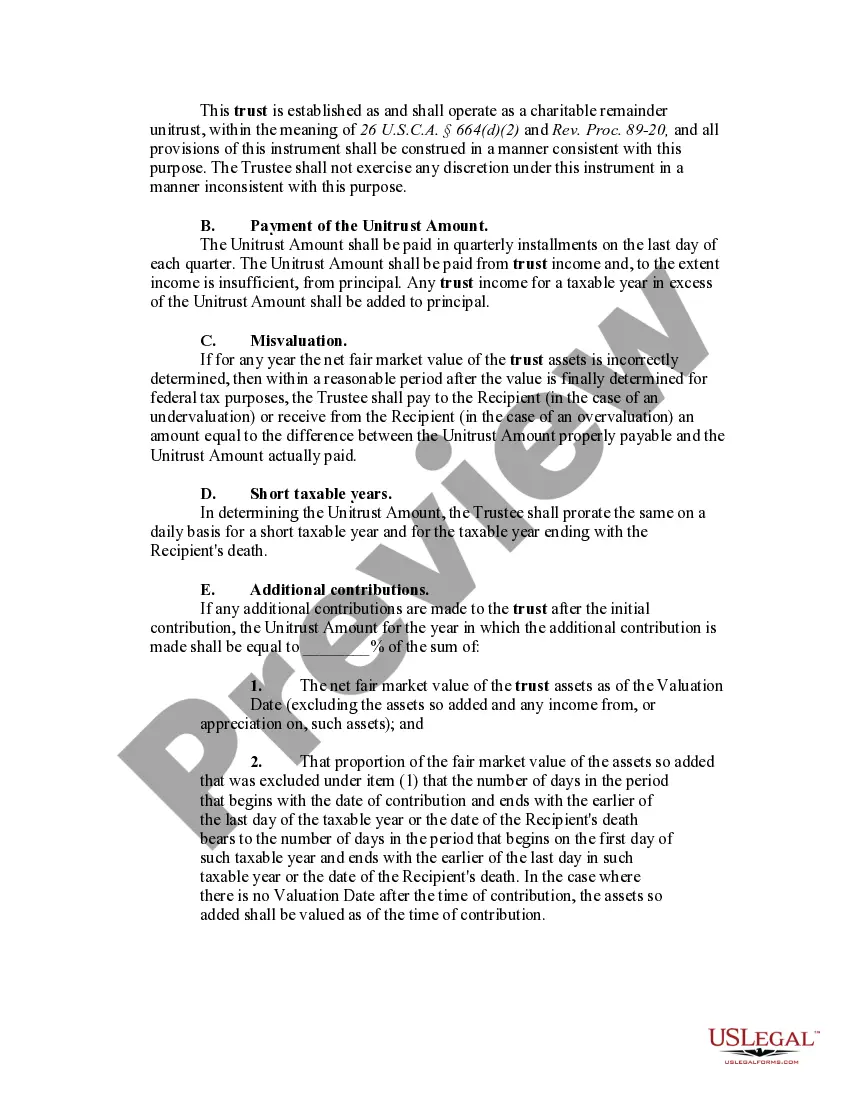
Get your form ready online
Our built-in tools help you complete, sign, share, and store your documents in one place.
Make edits, fill in missing information, and update formatting in US Legal Forms—just like you would in MS Word.
Download a copy, print it, send it by email, or mail it via USPS—whatever works best for your next step.
Sign and collect signatures with our SignNow integration. Send to multiple recipients, set reminders, and more. Go Premium to unlock E-Sign.
If this form requires notarization, complete it online through a secure video call—no need to meet a notary in person or wait for an appointment.
We protect your documents and personal data by following strict security and privacy standards.

Make edits, fill in missing information, and update formatting in US Legal Forms—just like you would in MS Word.

Download a copy, print it, send it by email, or mail it via USPS—whatever works best for your next step.

Sign and collect signatures with our SignNow integration. Send to multiple recipients, set reminders, and more. Go Premium to unlock E-Sign.

If this form requires notarization, complete it online through a secure video call—no need to meet a notary in person or wait for an appointment.

We protect your documents and personal data by following strict security and privacy standards.
Looking for another form?







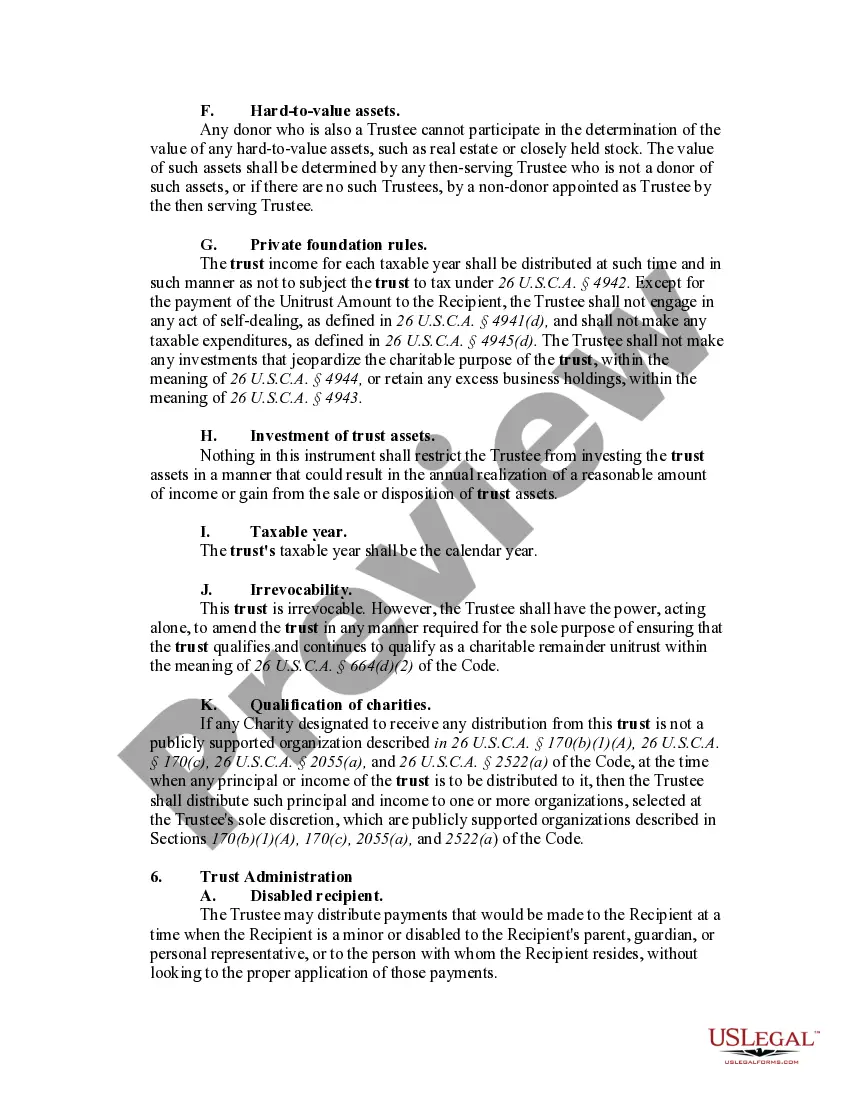
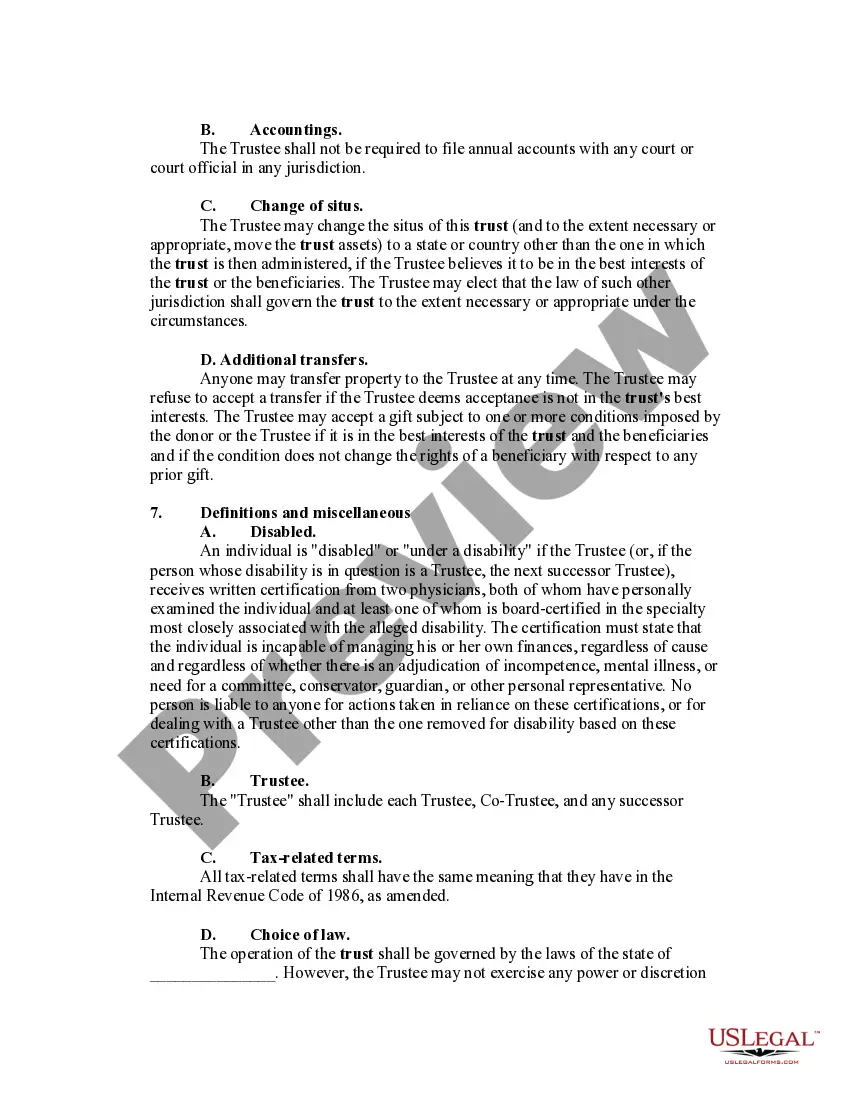
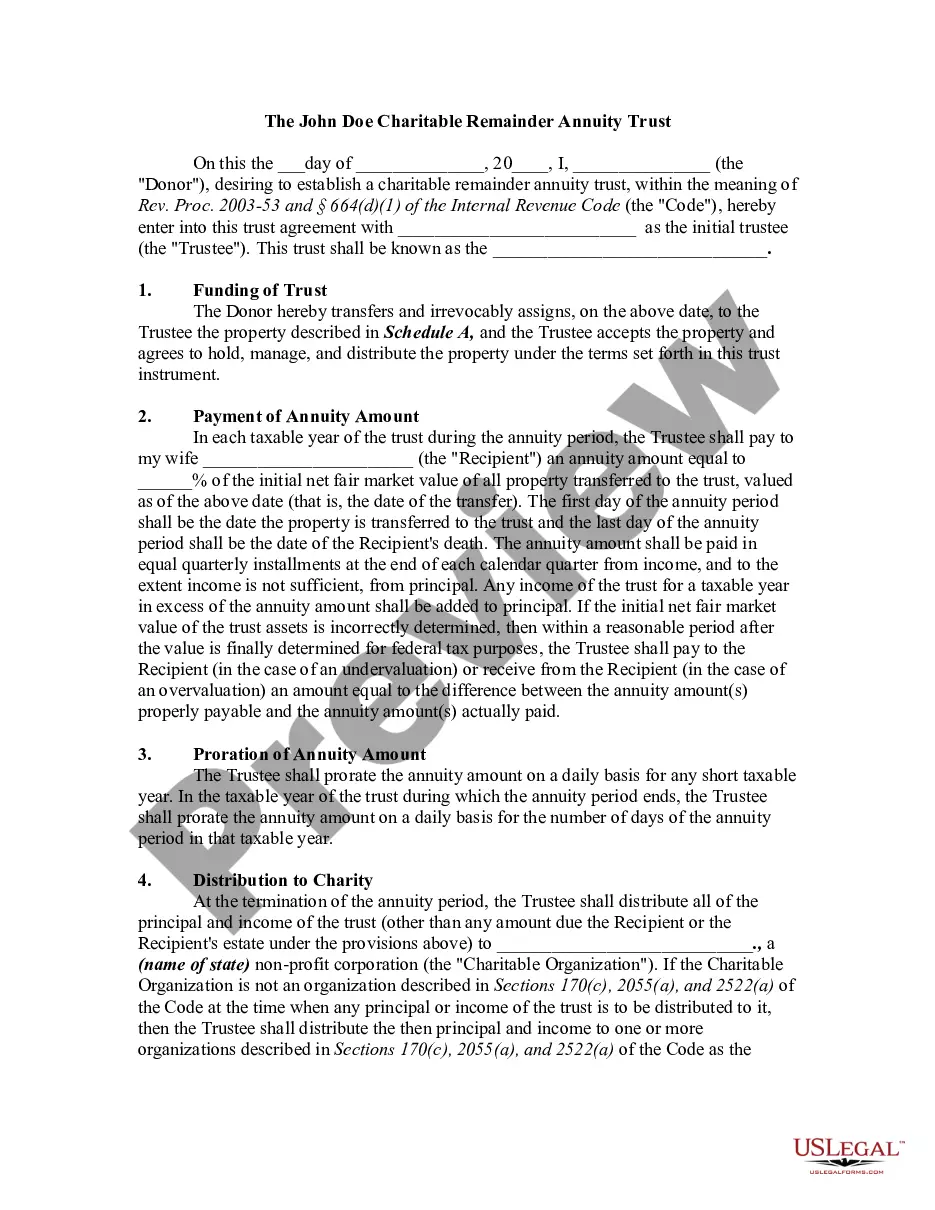
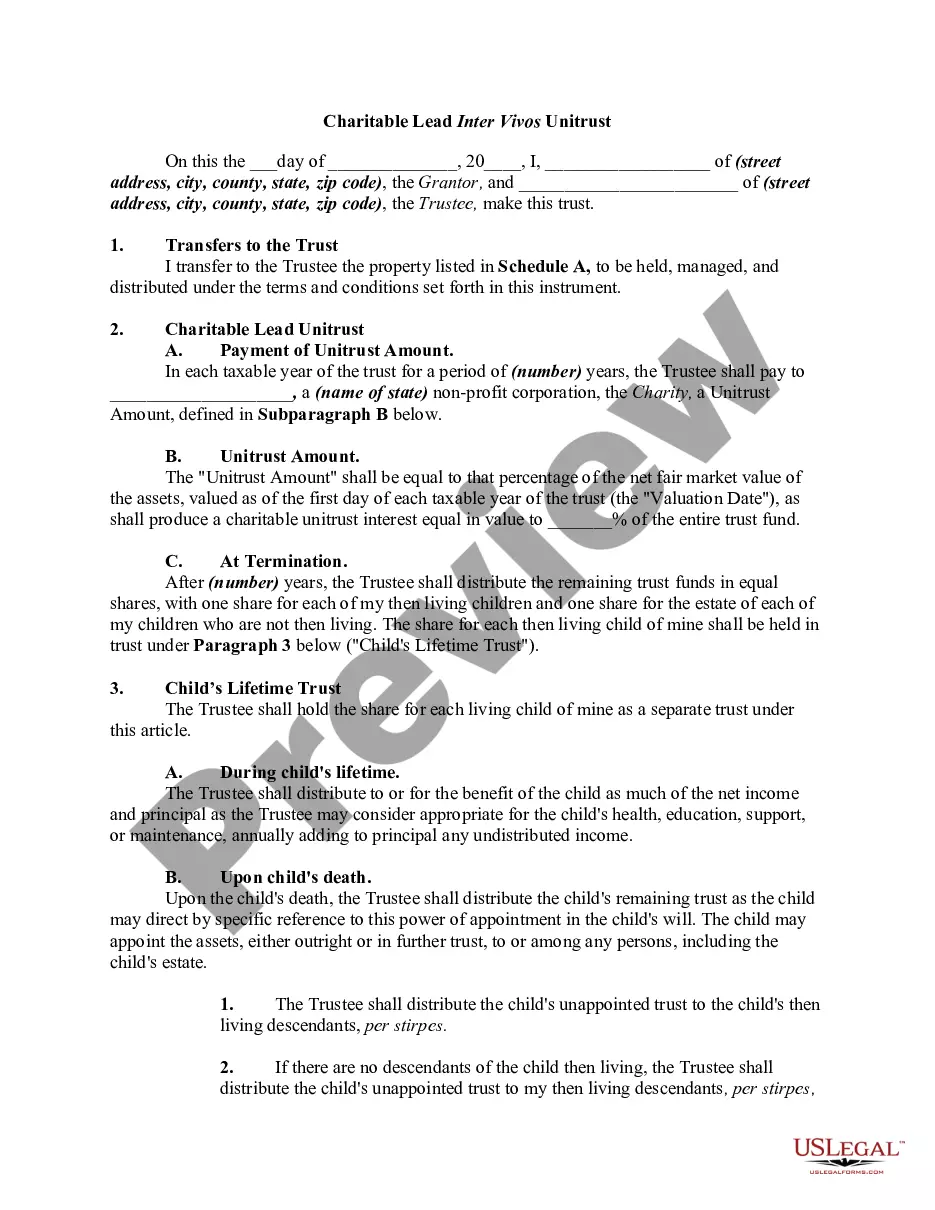
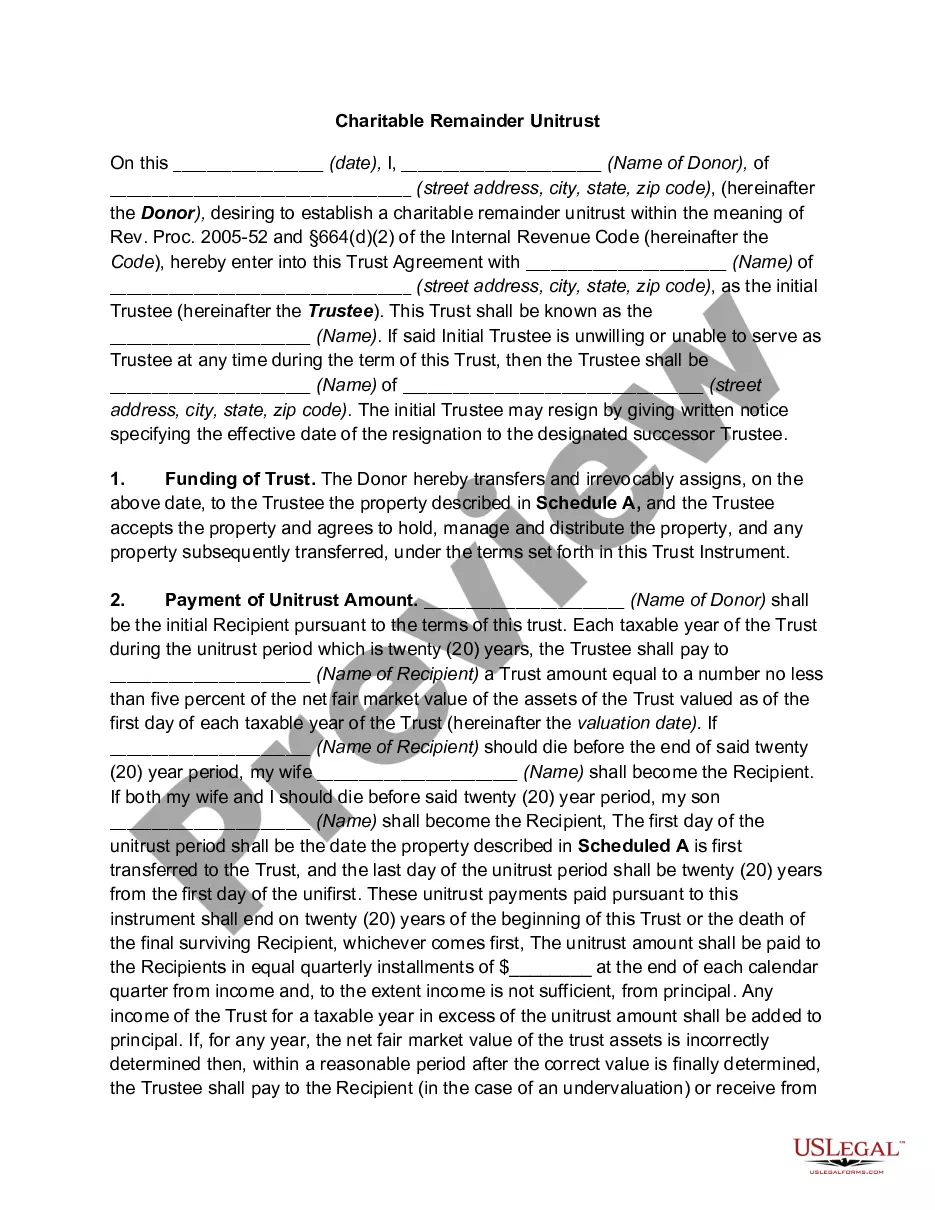
How to fill out Charitable Remainder Inter Vivos Unitrust Agreement?
- Log in to your US Legal Forms account if you are a returning user. Ensure your subscription is active. If not, renew according to your payment plan.
- Preview the relevant forms to confirm that you have selected the correct template that meets your requirements and local jurisdiction.
- If necessary, use the Search feature to find a different template that better suits your needs.
- Once you've found the right form, click on the Buy Now button and select your desired subscription plan, ensuring you create an account to access all legal resources.
- Complete your purchase by providing the required payment information, either through credit card or PayPal.
- Download the selected form directly to your device so you can complete it and access it at any time through the My Forms menu in your account.
US Legal Forms not only provides a vast collection of forms—more than competitors—but also ensures that users can access expert assistance for completing documents accurately.
Ready to simplify your charitable form trust filing? Get started with US Legal Forms today and ensure your documents are precise and compliant!
Form popularity
FAQ
Yes, a charitable remainder trust must file Form 1041 to report its income, deductions, and distributions. This form provides the IRS with crucial information regarding how the trust manages its charitable assets. If you are working with a charitable form trust file for tax purposes, it is essential to complete Form 1041 accurately to ensure compliance with tax laws. Consider using platforms like uslegalforms to assist with your filing needs.
Yes, trust tax returns can be filed electronically, but only for certain forms, such as IRS Form 1041. If your trust meets the criteria set by the IRS for electronic filing, you can submit your return through approved e-filing software. This is especially beneficial when dealing with a charitable form trust file for tax purposes, as electronic submission can expedite the process and potentially reduce errors.
To document charitable donations for taxes, you should keep a record of each donation, including receipts and acknowledgment letters from the charities. Ensure that your records capture the date, amount, and purpose of each donation. This documentation is vital for anyone navigating a charitable form trust file for tax purposes. By maintaining thorough records, you simplify the tax filing process and support your claims.
As of now, IRS Form 5227, which is used for reporting certain information about charitable trusts, cannot be filed electronically. Trustees must file this form by mailing a paper copy to the IRS. While the electronic filing option is limited, ensuring correct and timely submission remains crucial, especially for those aiming to maintain compliance with charitable form trust file for tax purposes.
To file taxes on a trust, you need to gather its financial records for the tax year, including income generated by the trust and expenses. Typically, you will complete IRS Form 1041, which is designed for reporting income, deductions, and distributions of trusts. For those managing a charitable form trust file for tax purposes, be sure to note any charitable contributions. You might also consider using platforms like uslegalforms to streamline your filing process.
If you do not file taxes on a trust, you may face penalties and interest on any unpaid taxes. Trusts are considered separate entities when it comes to tax responsibilities, and failing to file can lead to legal complications. It is important to stay compliant with IRS regulations, especially when dealing with a charitable form trust file for tax purposes. Seeking guidance from tax professionals can help you understand the implications of non-filing.
The IRS Form 8453 serves as a declaration for electronic filing of tax returns, specifically for trusts that file Form 1041 electronically. This form allows you to authenticate and submit your return safely. If you're managing a trust, understanding the role of the 8453 form is important for your charitable form trust file for tax purposes.
Yes, when you make charitable donations, you typically receive a receipt or a tax form, often a Schedule A for itemized deductions. This allows you to report any contributions on your tax return. Accurate documentation is vital for utilizing the charitable form trust file for tax purposes to ensure you receive the appropriate deductions.
You need to file IRS Form 1041 for a trust if it has generated income of $600 or more during the tax year. This is essential for ensuring that all tax liabilities are covered. The charitable form trust file for tax purposes will guide you in meeting these requirements efficiently.
Yes, a charitable trust typically must file a tax return, specifically IRS Form 1041. Even if the trust is organized for charitable purposes, it has reporting requirements. Understanding these obligations is fundamental for maintaining compliance with the charitable form trust file for tax purposes.