Charitable Agreement Trust With Mortgage
Description
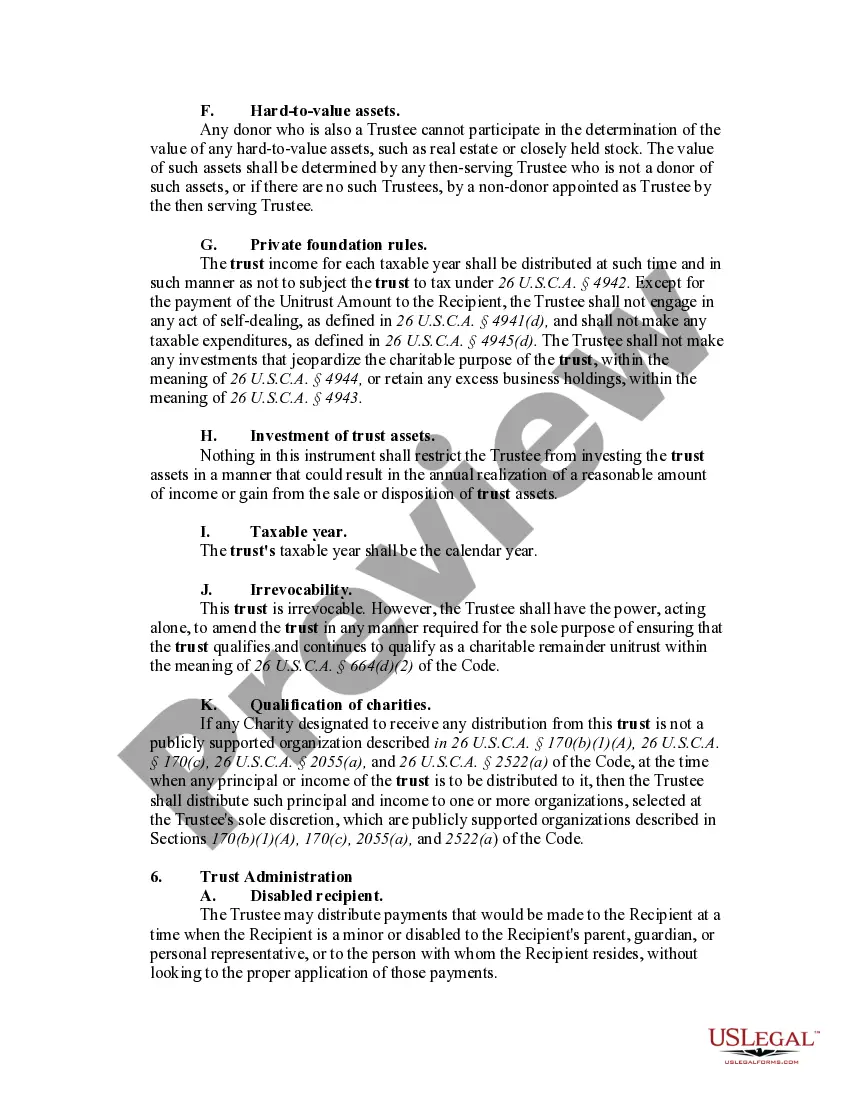
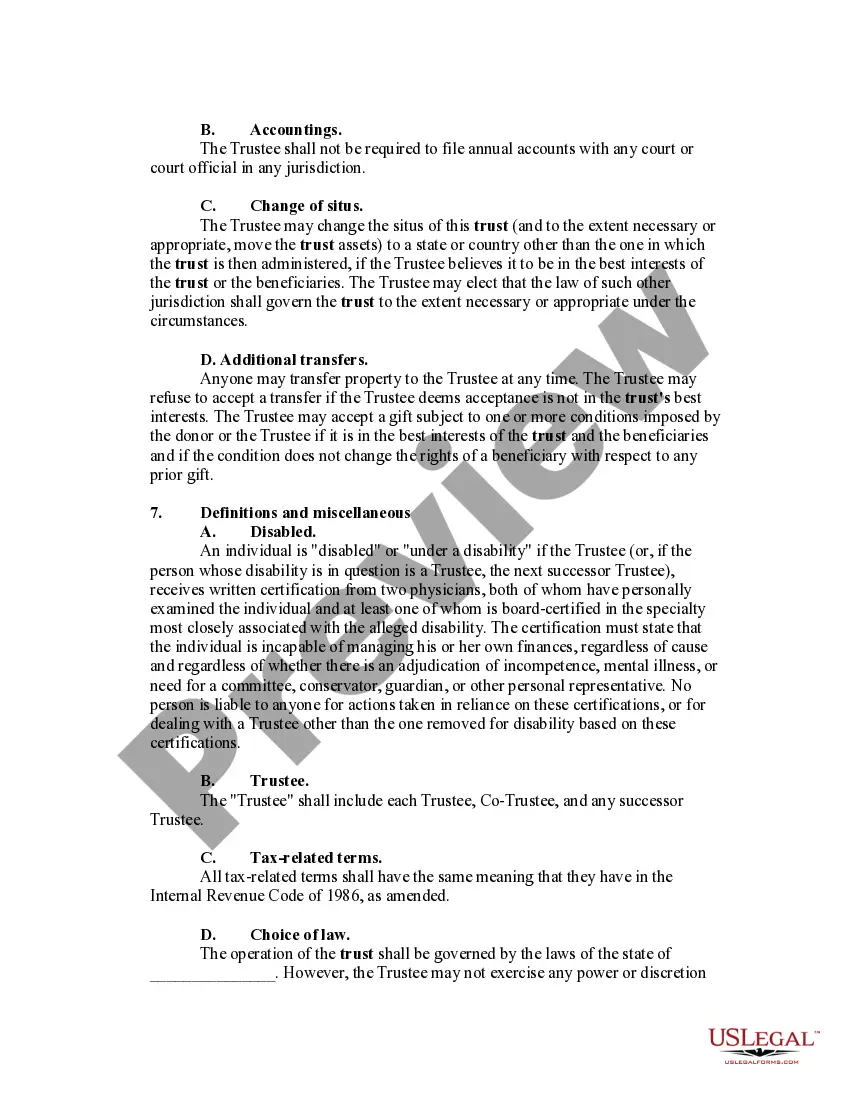
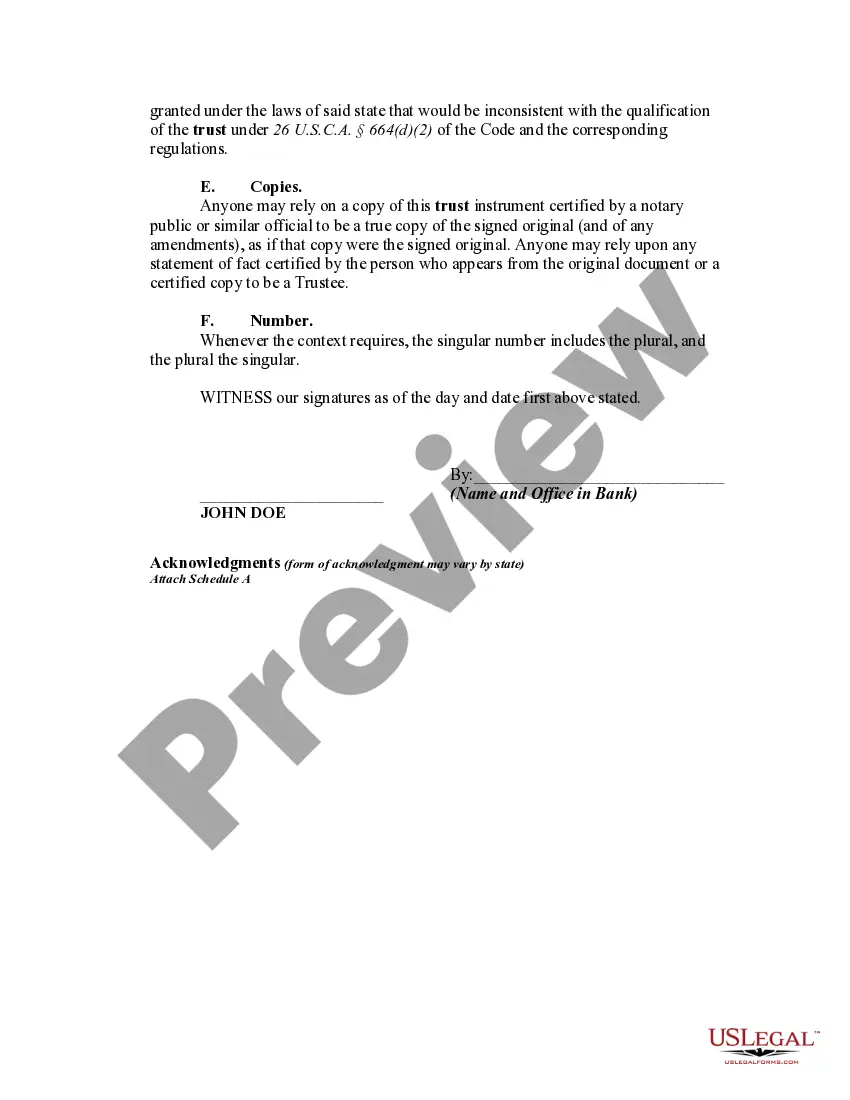
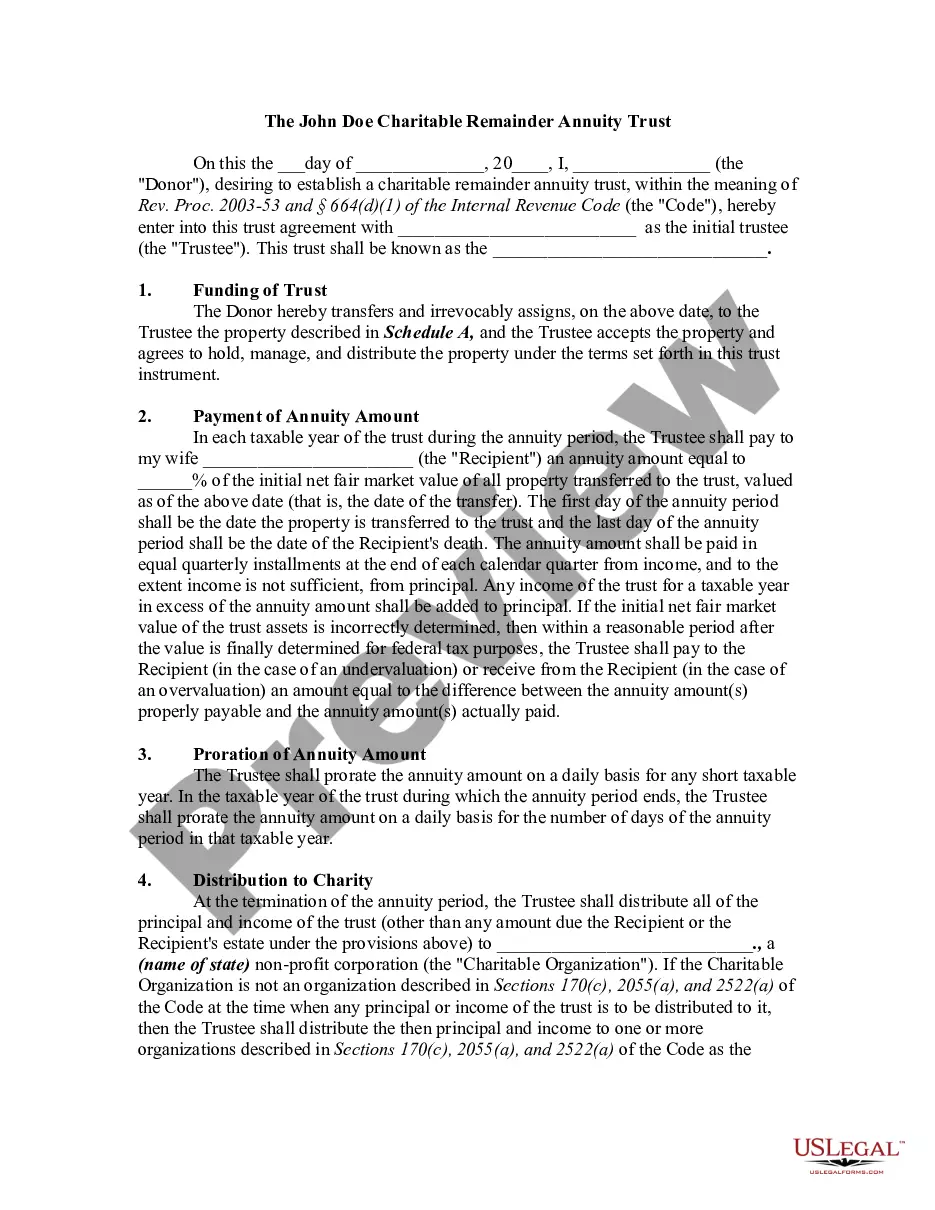
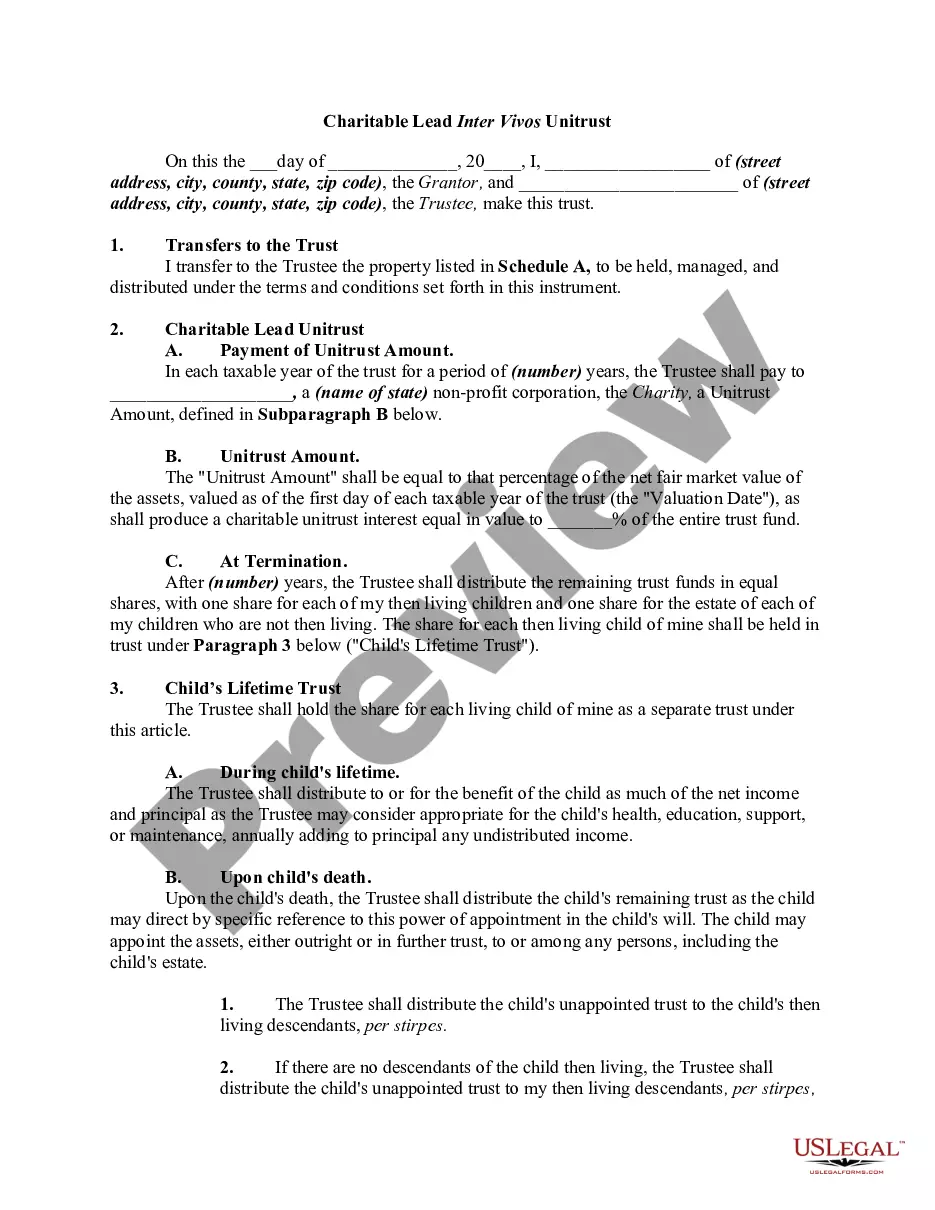
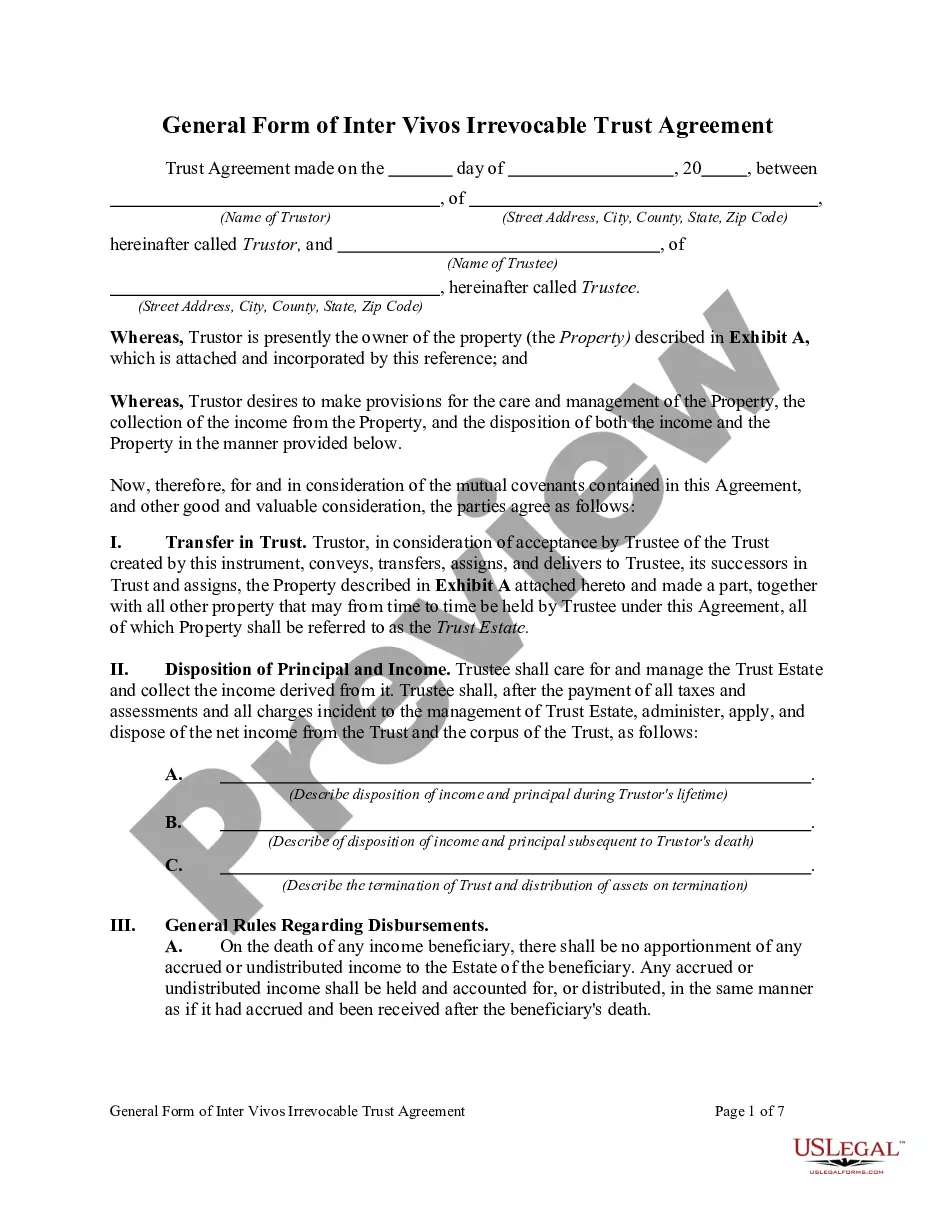
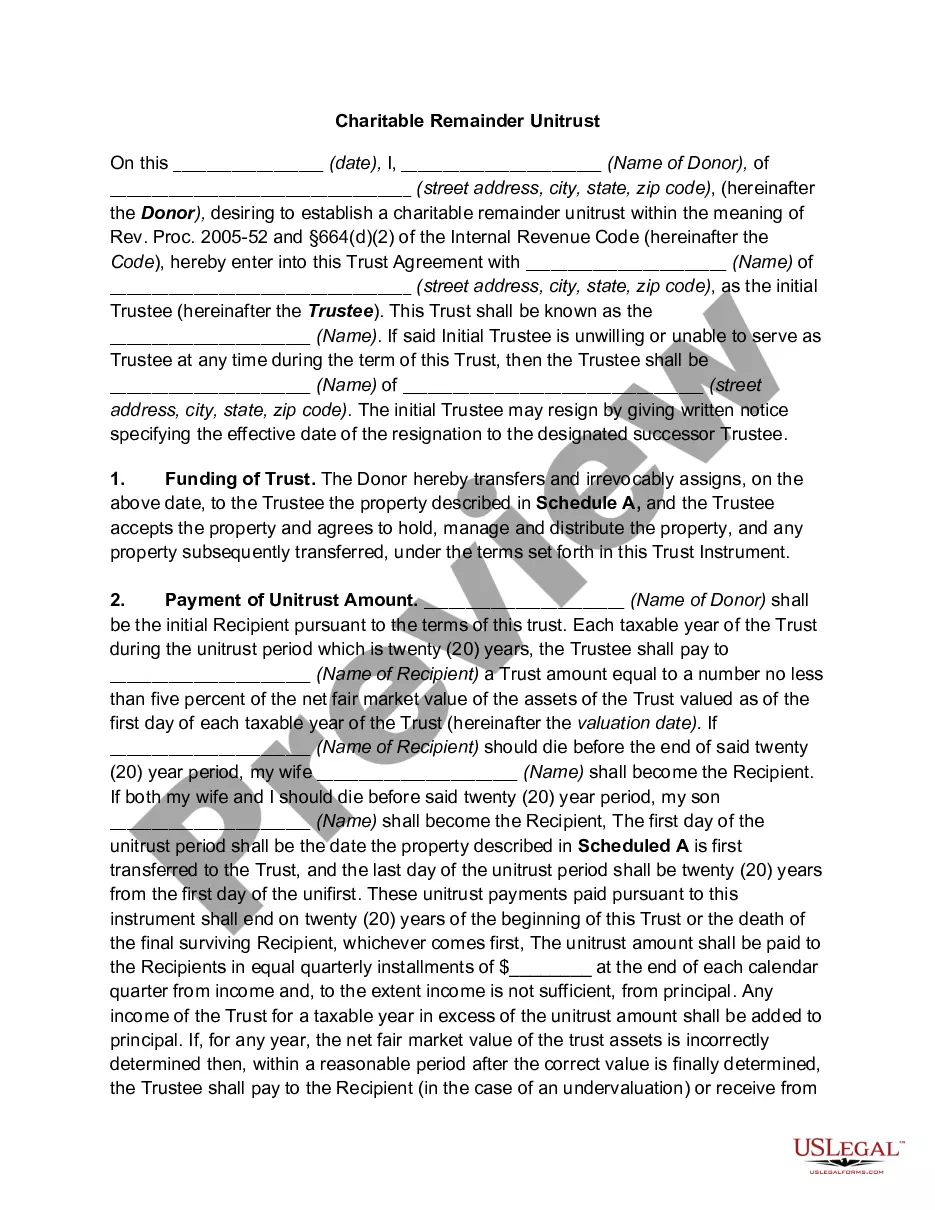
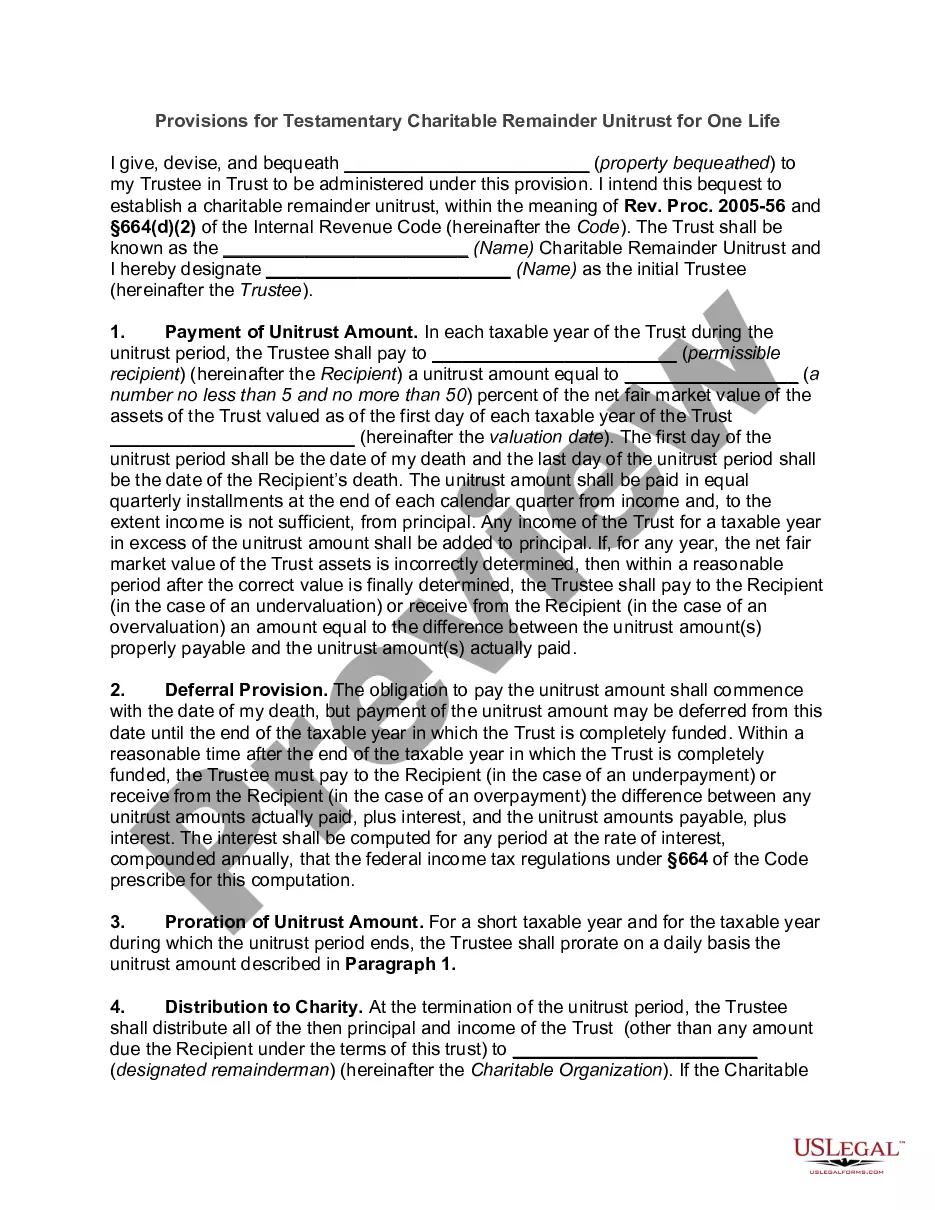
Get your form ready online
Our built-in tools help you complete, sign, share, and store your documents in one place.
Make edits, fill in missing information, and update formatting in US Legal Forms—just like you would in MS Word.
Download a copy, print it, send it by email, or mail it via USPS—whatever works best for your next step.
Sign and collect signatures with our SignNow integration. Send to multiple recipients, set reminders, and more. Go Premium to unlock E-Sign.
If this form requires notarization, complete it online through a secure video call—no need to meet a notary in person or wait for an appointment.
We protect your documents and personal data by following strict security and privacy standards.

Make edits, fill in missing information, and update formatting in US Legal Forms—just like you would in MS Word.

Download a copy, print it, send it by email, or mail it via USPS—whatever works best for your next step.

Sign and collect signatures with our SignNow integration. Send to multiple recipients, set reminders, and more. Go Premium to unlock E-Sign.

If this form requires notarization, complete it online through a secure video call—no need to meet a notary in person or wait for an appointment.

We protect your documents and personal data by following strict security and privacy standards.
Looking for another form?









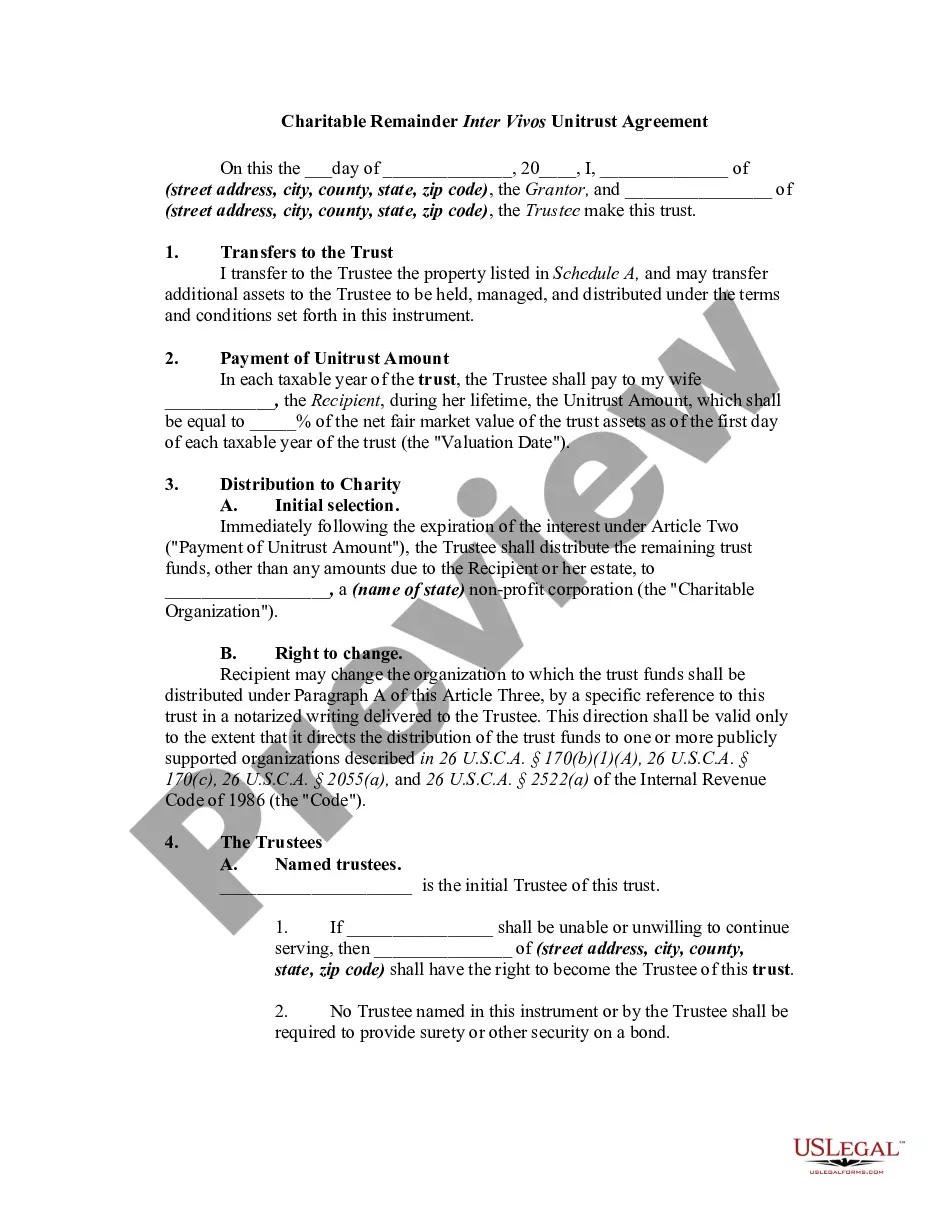
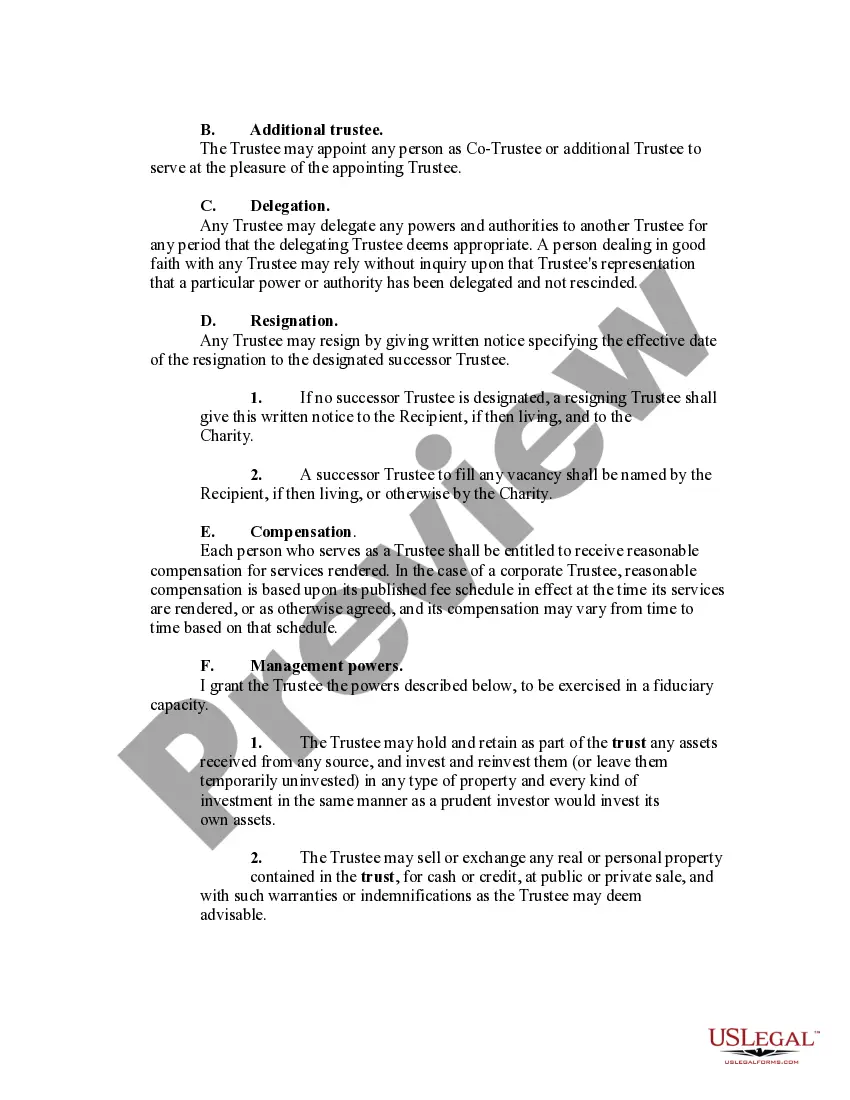
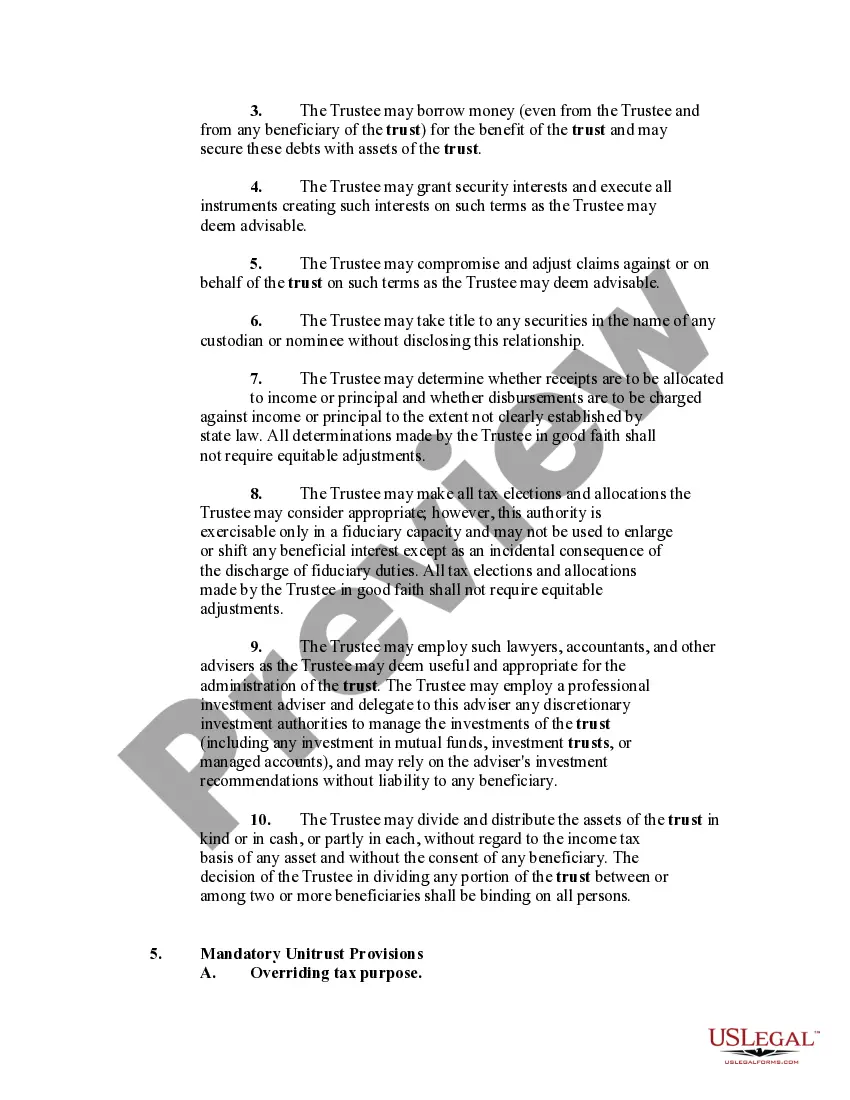
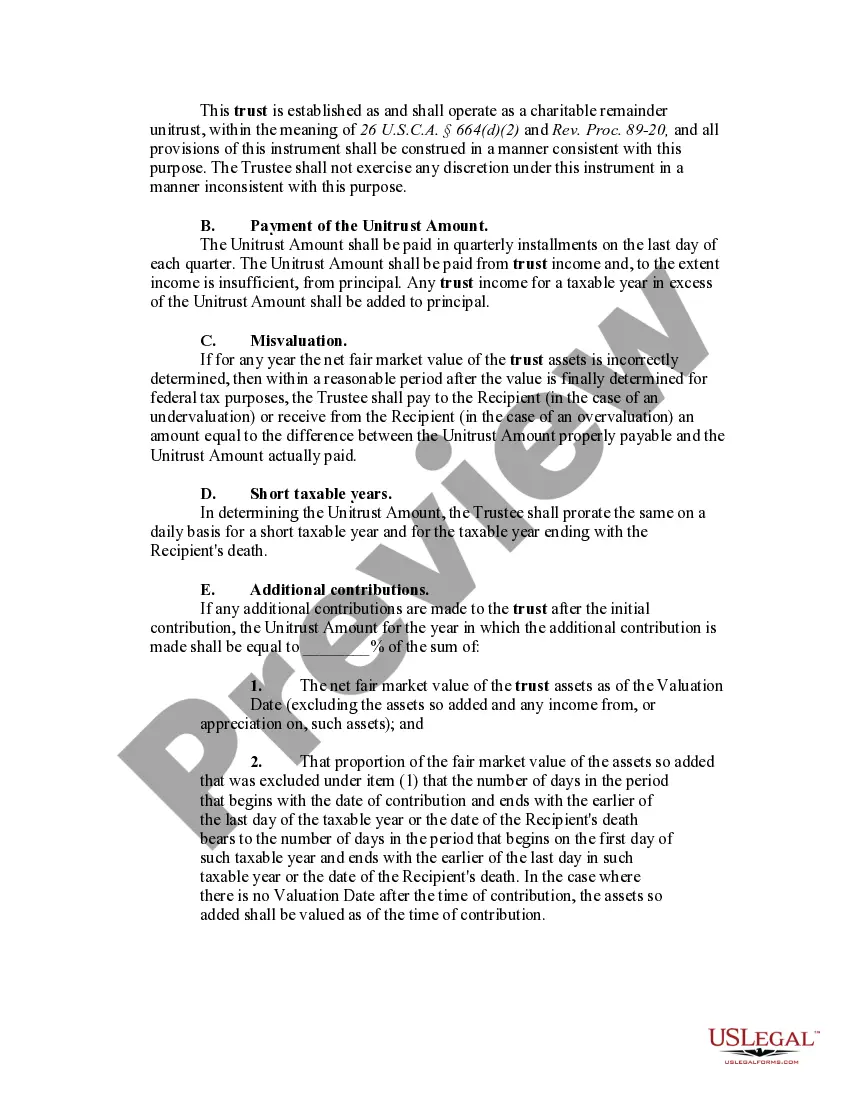
How to fill out Charitable Remainder Inter Vivos Unitrust Agreement?
Legal administration can be exasperating, even for the most seasoned professionals.
When you are looking for a Charitable Agreement Trust With Mortgage and don’t have the opportunity to invest time in finding the correct and current version, the processes can be challenging.
US Legal Forms accommodates any requirements you might have, ranging from personal to business documentation, all in one location.
Utilize cutting-edge tools to fill out and manage your Charitable Agreement Trust With Mortgage.
Here are the steps to follow after obtaining the form you desire: Confirm it is the correct form by previewing it and reviewing its details.
- Access a repository of articles, tutorials, and guides related to your situation and needs.
- Conserve time and effort in finding the documentation you require, and use US Legal Forms’ advanced search and Preview feature to locate Charitable Agreement Trust With Mortgage and obtain it.
- If you possess a membership, Log In to your US Legal Forms account, search for the form, and acquire it.
- Check your My documents section to review the documents you previously saved and manage your folders according to your preference.
- If it's your first experience with US Legal Forms, create an account to gain unlimited access to all the benefits of the platform.
- A comprehensive online form directory can be a significant advantage for anyone who seeks to navigate these circumstances effectively.
- US Legal Forms is a premier provider in online legal documentation, boasting over 85,000 state-specific legal forms accessible at any moment.
- With US Legal Forms, you can access state- or county-specific legal and business forms.
Form popularity
FAQ
Can a house with a mortgage be put in an irrevocable trust? Yes. If you're setting up an irrevocable trust, you can certainly transfer your mortgaged house to the trust. You are not required to pay off the mortgage before you transfer the property to the trust.
The CLAT is its own taxpayer but can claim a charitable deduction each year for payments made to the Lead Beneficiary that year. As long as the CLAT income in a given year does not exceed the payments made to Lead Beneficiary in that year, the CLAT will not owe income taxes.
A mortgage in trust may be something that you have never previously considered, but it may be appropriate. Anyone who owns property can put their mortgage in a revocable living trust so as to not deal with the probate process after death and utilize other estate planning benefits.
You need to file a Federal Form 5227, and if it's a non-grantor trust, a Form 1041. You also need to provide information to the grantor, if it's a grantor trust, and for all trusts, they often need to be registered with the state body that administers charitable bequests and charitable organizations.
The key disadvantages of placing a house in a trust include the following: Extra paperwork: Moving property in a trust requires the house owner to transfer the asset's legal title. This involves preparing and signing an additional deed, and some people may consider this cumbersome.