Tax Closing Property Format
Description
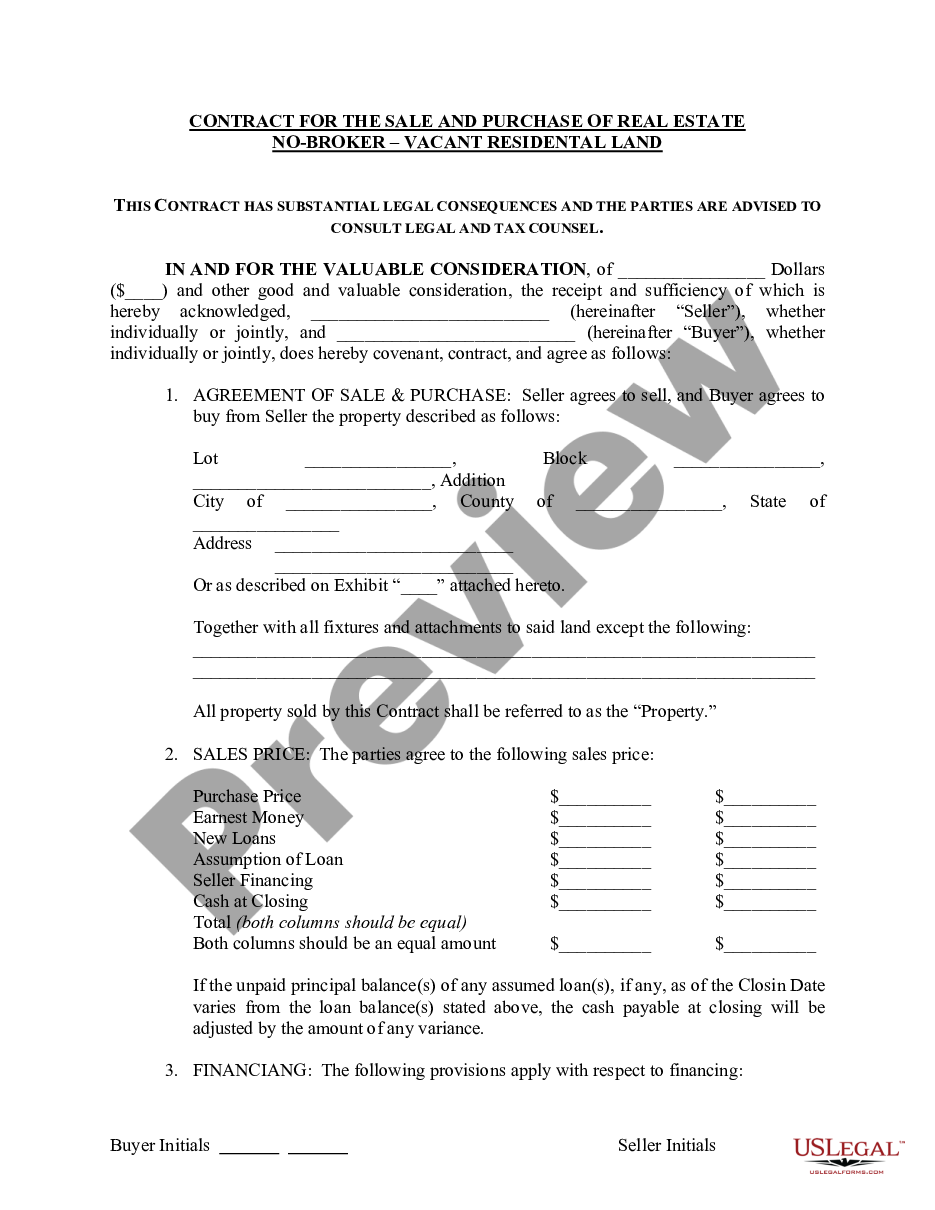
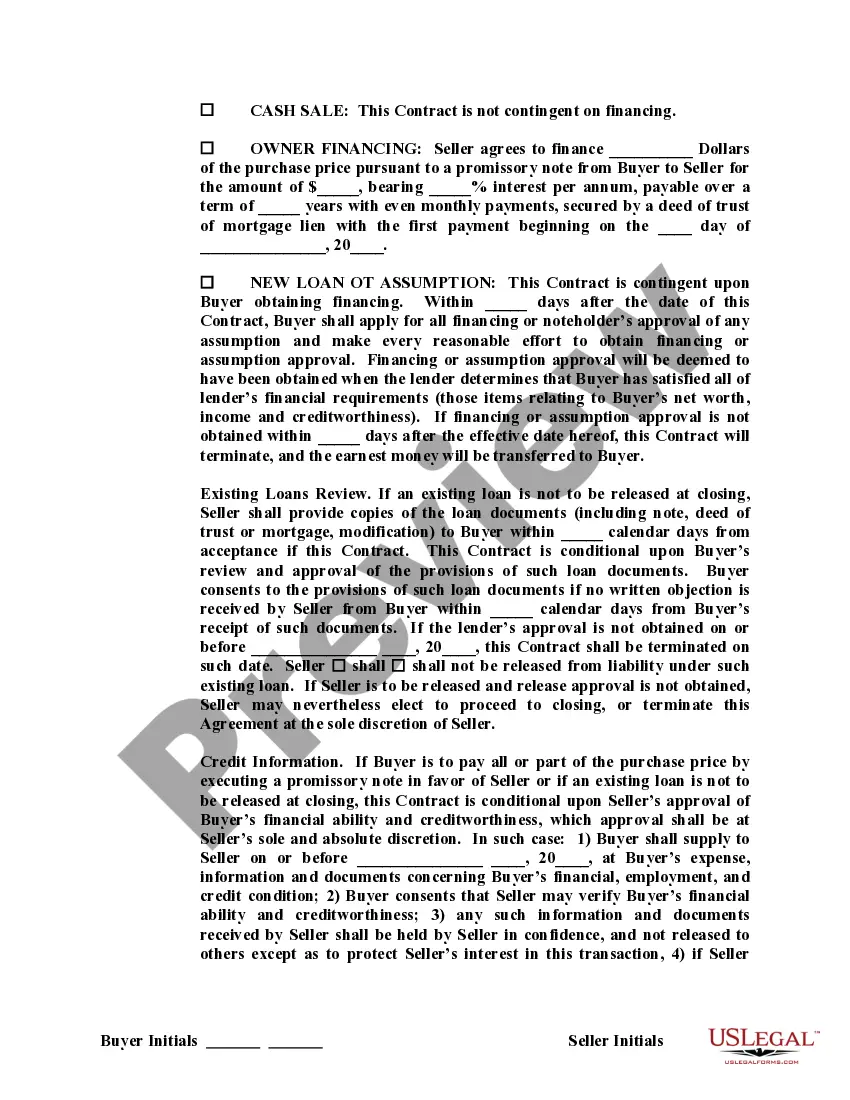
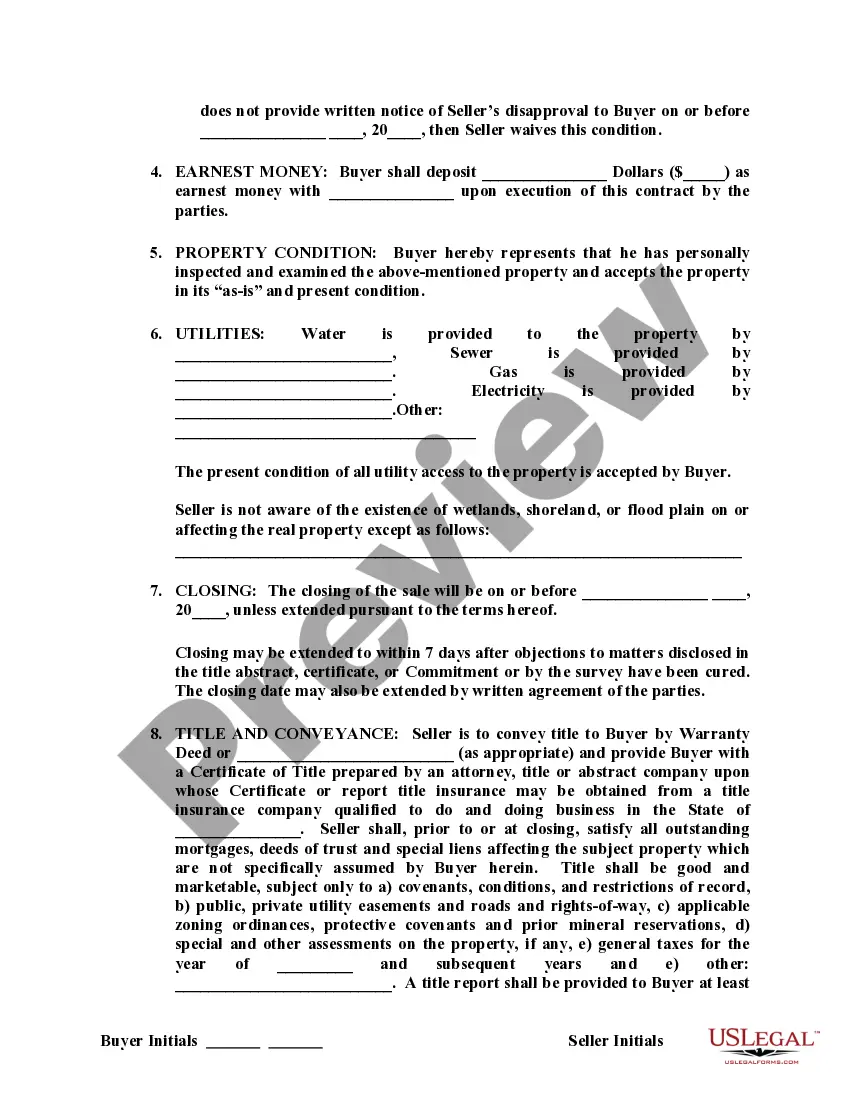
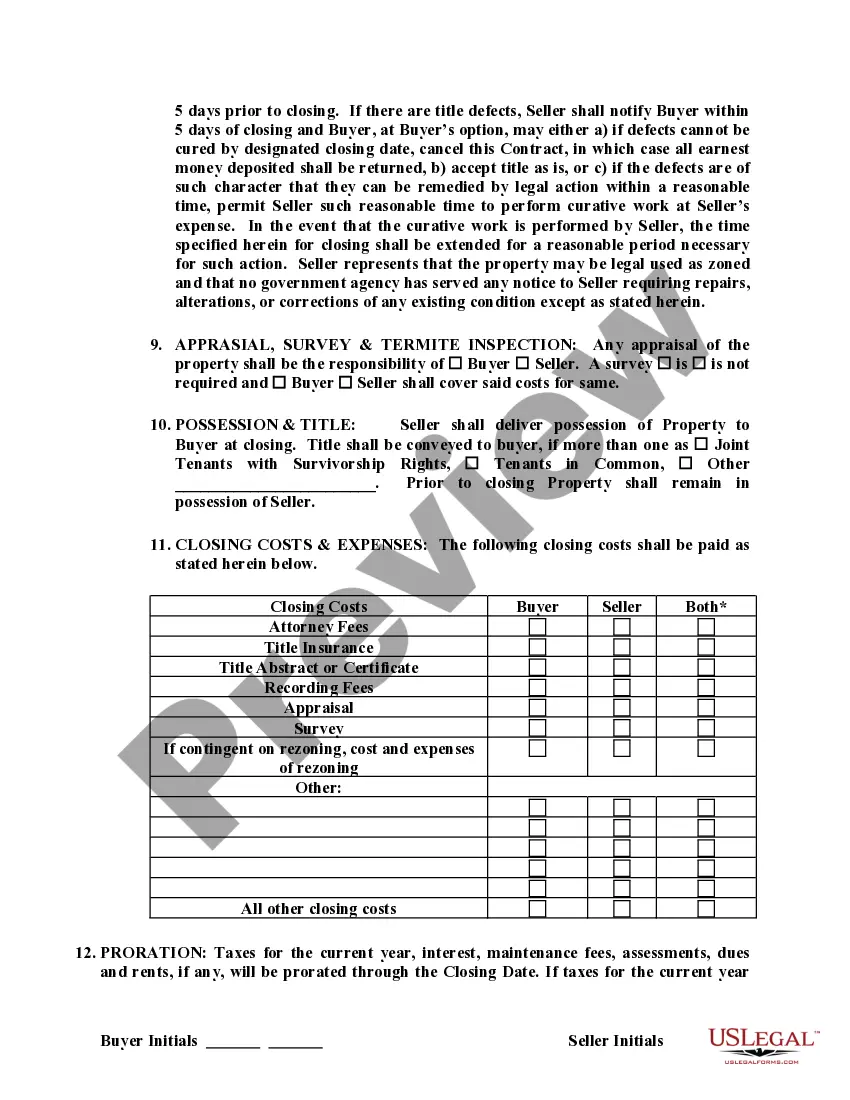
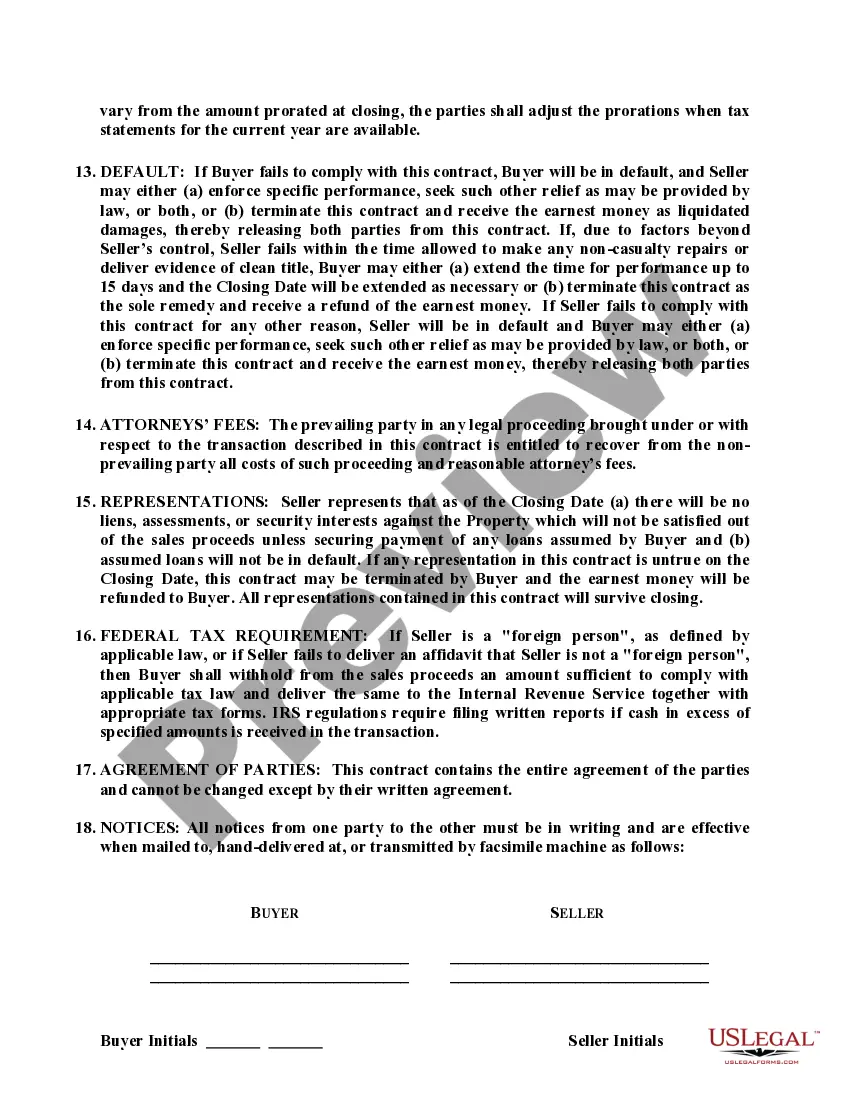
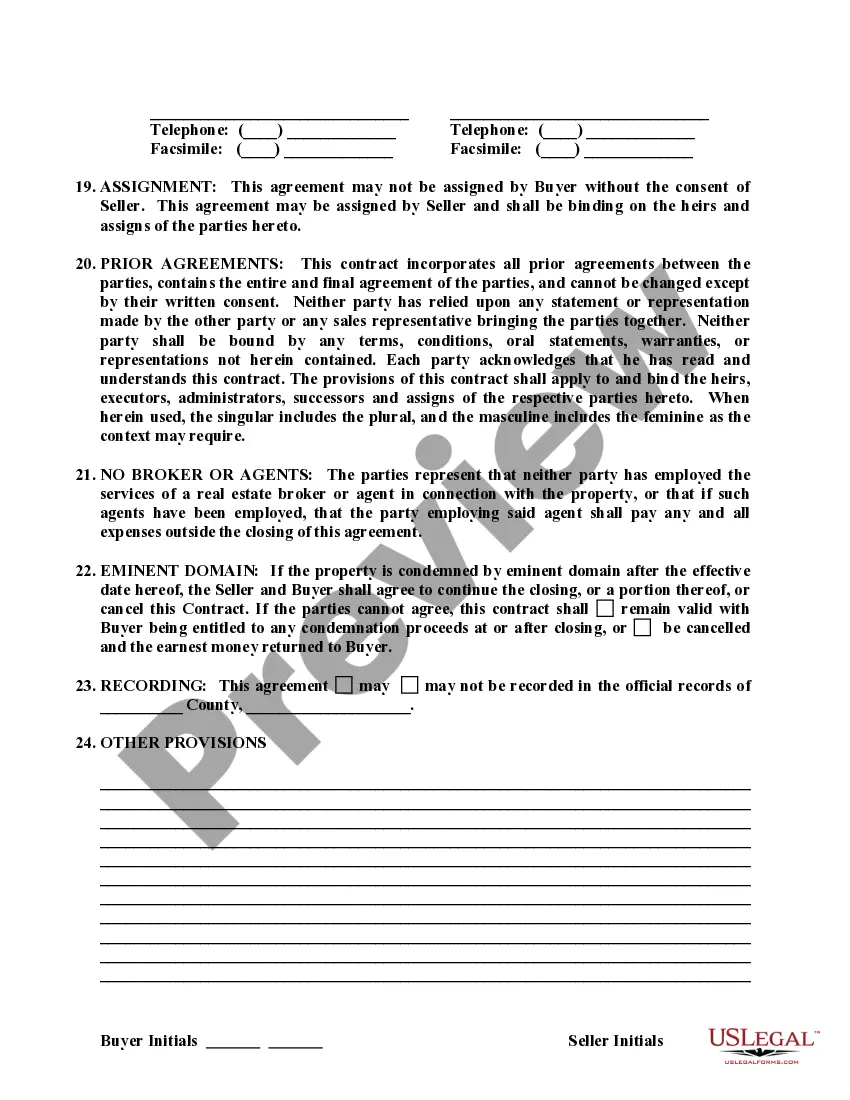
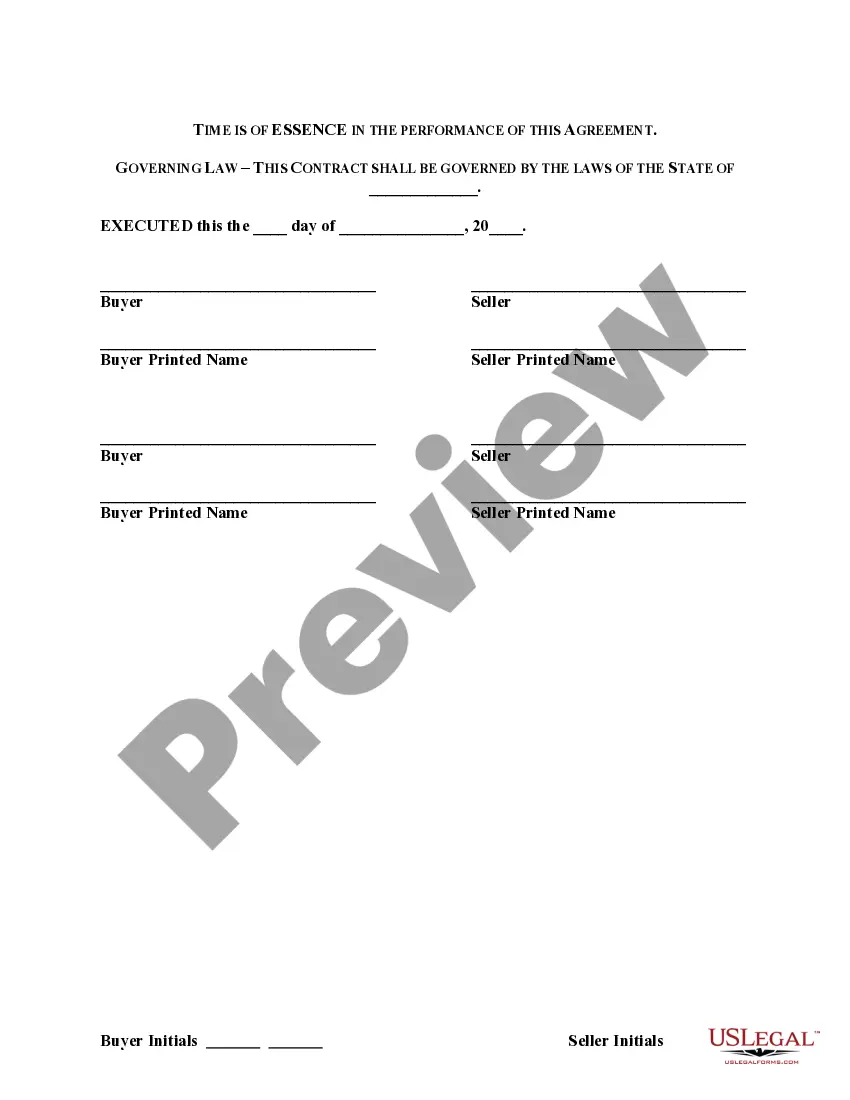
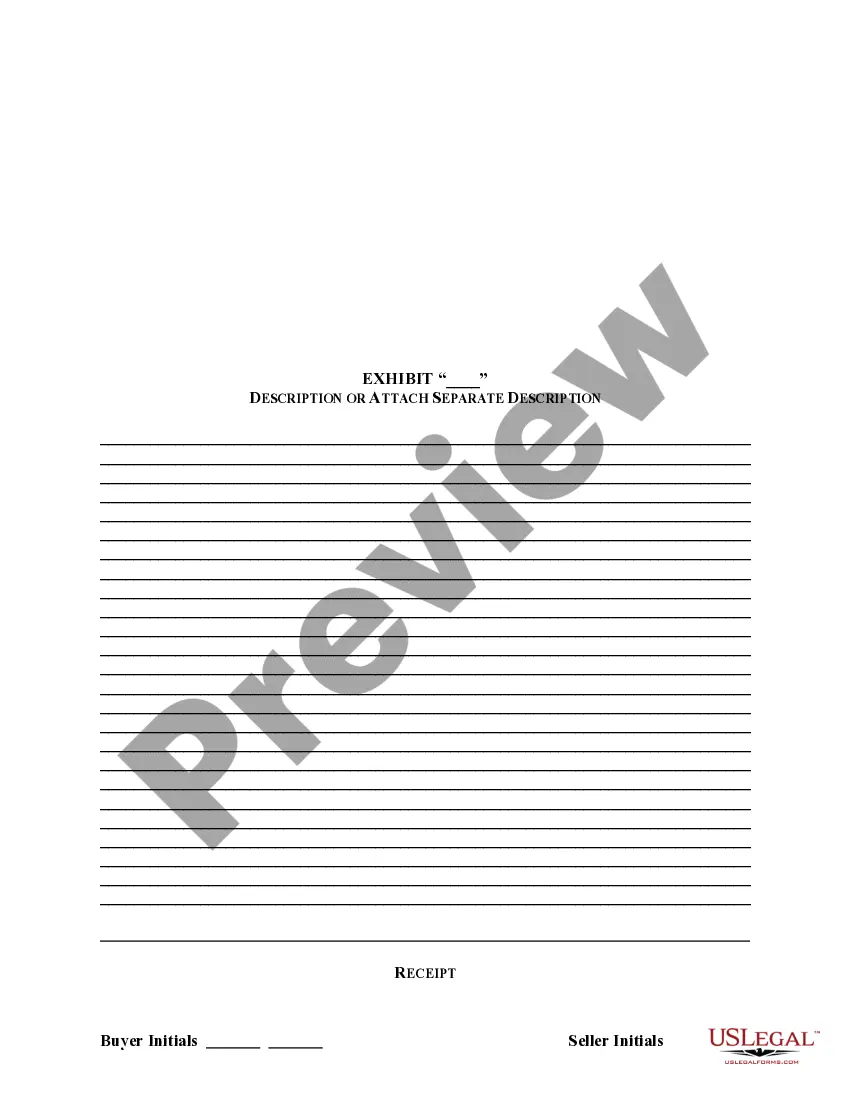
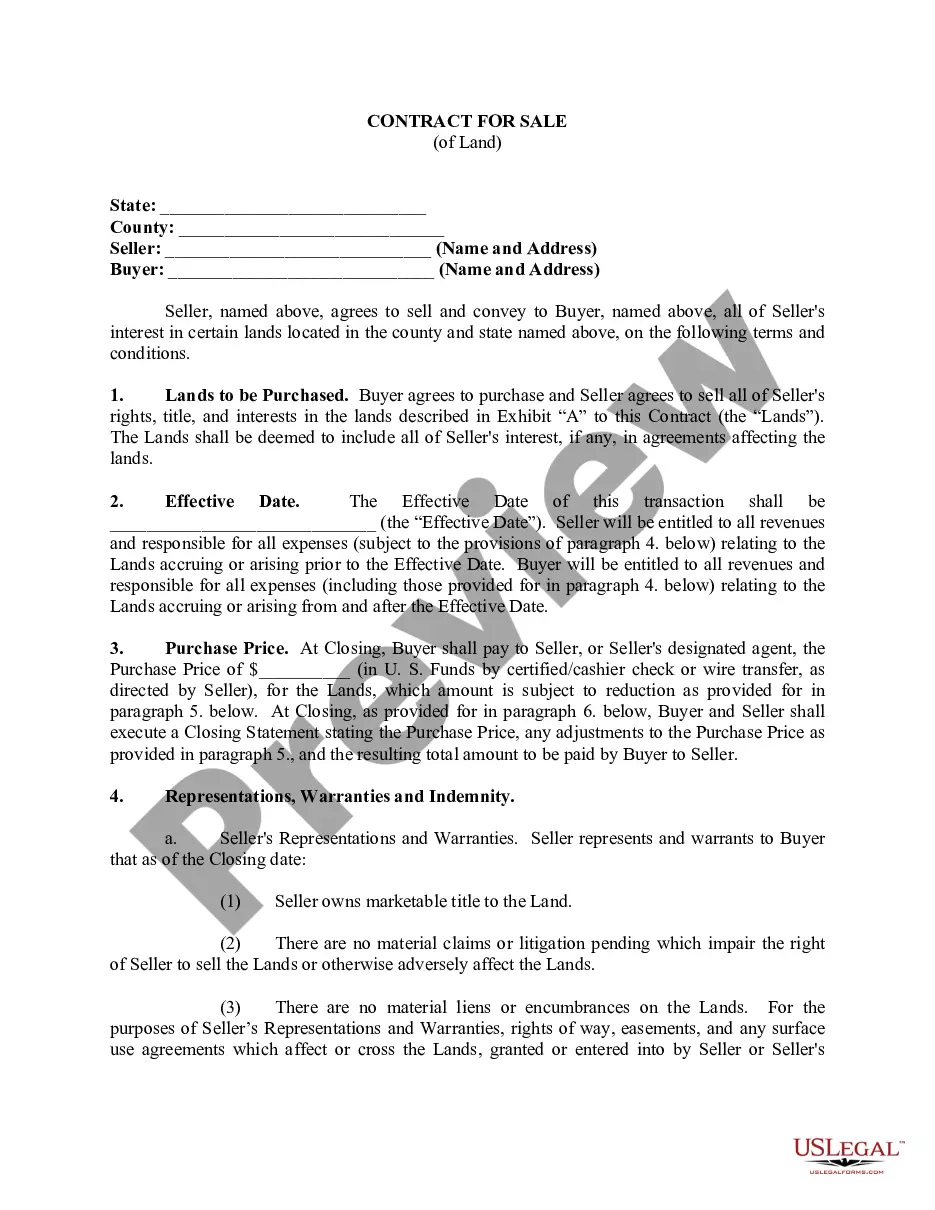
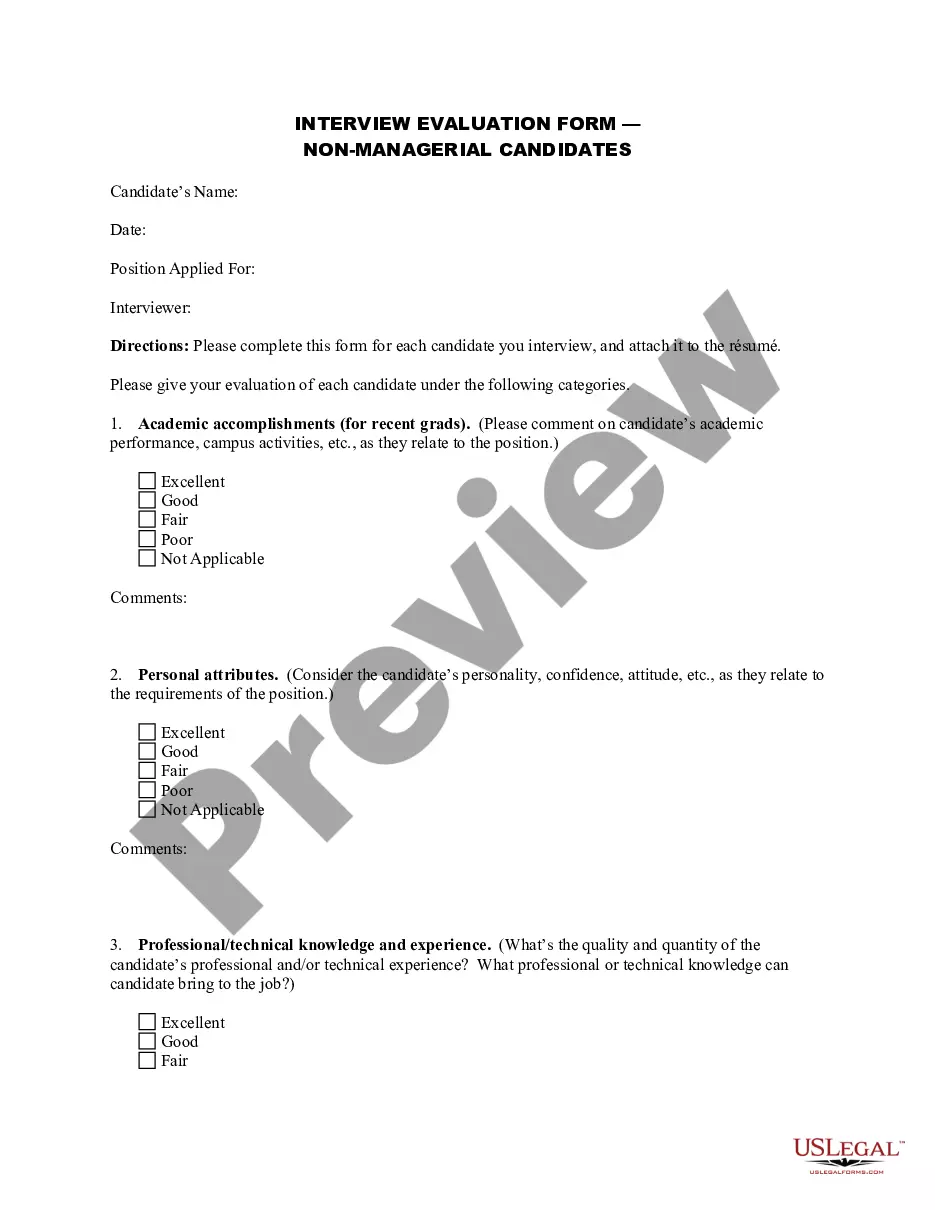
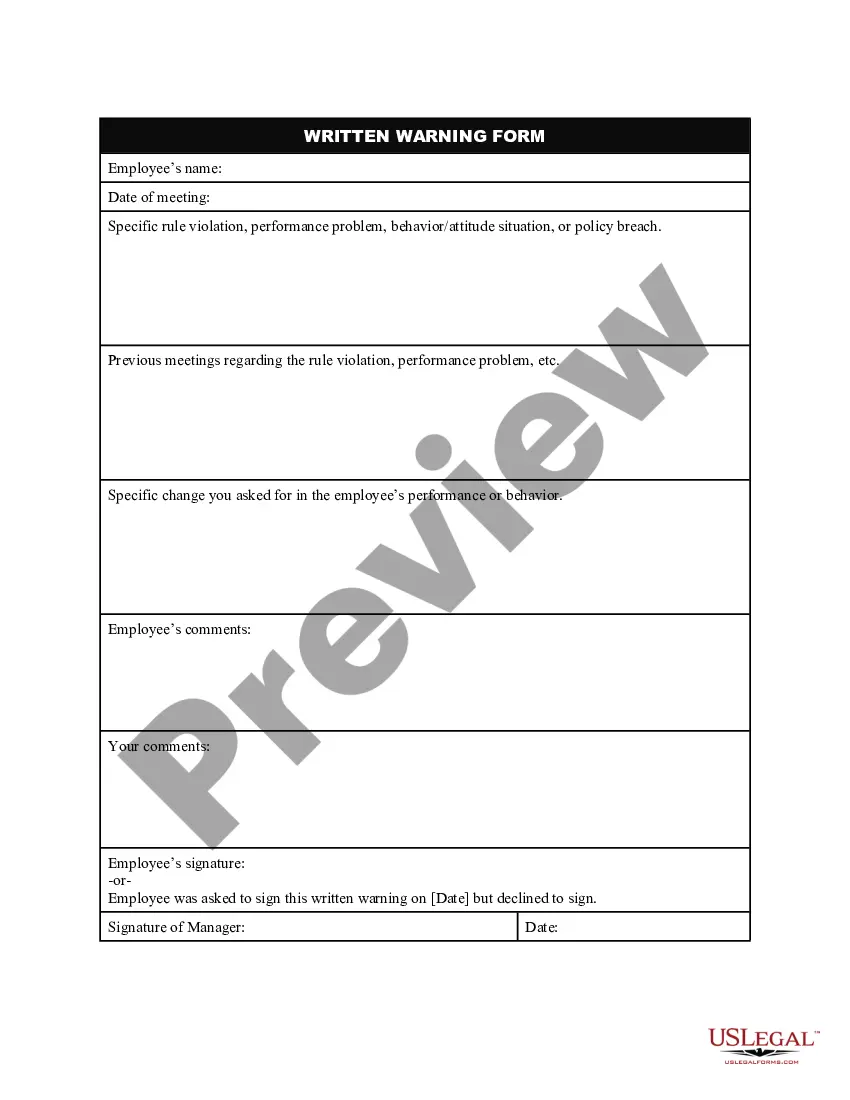
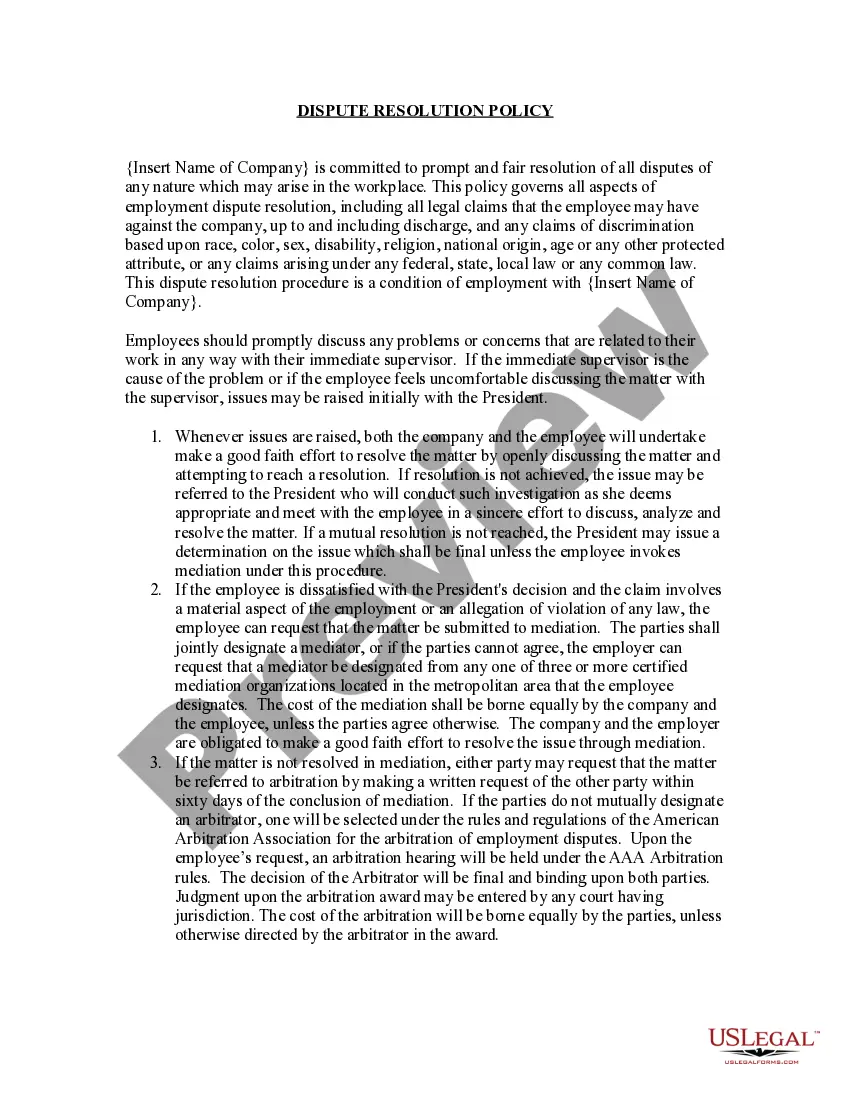
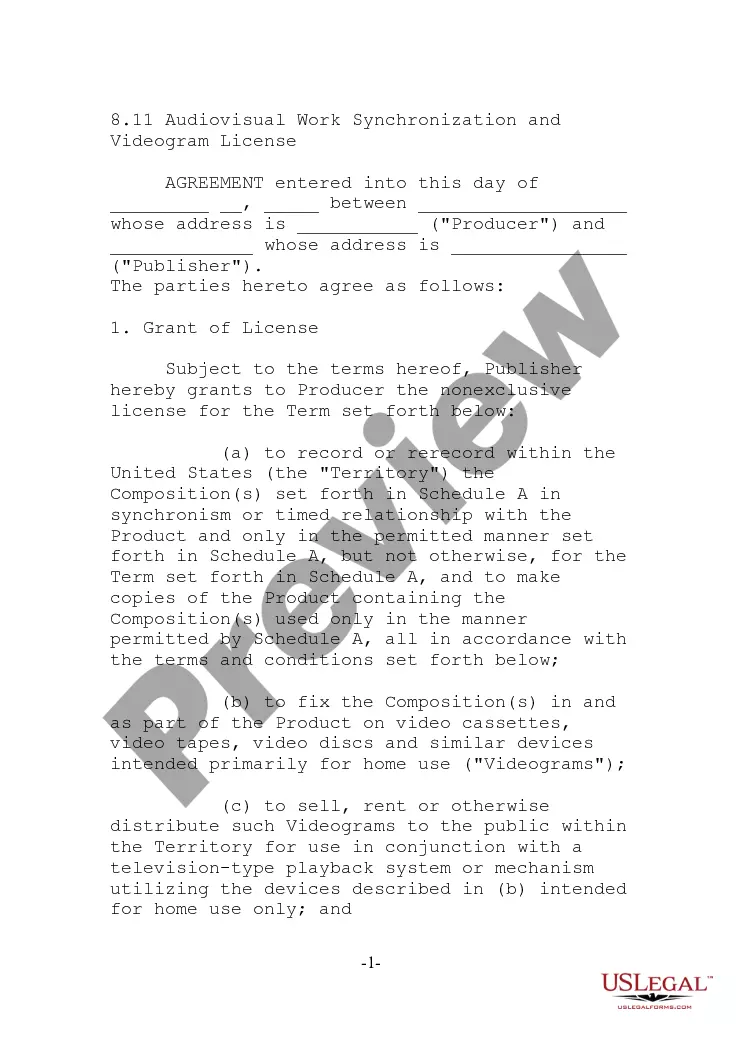
How to fill out Contract For The Sale And Purchase Of Real Estate - No Broker - Residential Lot Or Land?
The Tax Closing Property Format displayed on this page is a versatile legal template crafted by expert attorneys in compliance with federal and local laws and regulations.
For over 25 years, US Legal Forms has offered individuals, companies, and legal practitioners more than 85,000 validated, state-specific documents for various business and personal scenarios. It’s the quickest, easiest, and most reliable method to acquire the documents you require, as the service ensures bank-grade data security and anti-malware safeguards.
Register for US Legal Forms to access verified legal templates for every situation in life.
- Search for the document you require and examine it. Browse through the sample you looked for and preview it or verify the form description to confirm it meets your requirements. If it doesn’t, utilize the search bar to find the appropriate one. Click Buy Now when you have found the template you wish to purchase.
- Register and Log In. Choose the pricing plan that fits you and create an account. Use PayPal or a credit card for swift payment. If you already have an account, Log In and review your subscription to continue.
- Acquire the editable template. Choose the format you prefer for your Tax Closing Property Format (PDF, Word, RTF) and save the template on your device.
- Complete and sign the documents. Print the template to fill it out by hand. Alternatively, use an online versatile PDF editor to efficiently and accurately fill out and sign your form with a legally-binding electronic signature.
- Re-download your documents when needed. Access the same document again at any time. Open the My documents tab in your profile to re-download any forms you have previously downloaded.
Form popularity
FAQ
Reporting the Sale Report the sale or exchange of your main home on Form 8949, Sale and Other Dispositions of Capital Assets, if: You have a gain and do not qualify to exclude all of it, You have a gain and choose not to exclude it, or. You received a Form 1099-S.
Use Form 8949 to reconcile amounts that were reported to you and the IRS on Form 1099-B or 1099-S (or substitute statement) with the amounts you report on your return. The subtotals from this form will then be carried over to Schedule D (Form 1040), where gain or loss will be calculated in aggregate.
The Treasury Department and IRS understand that executors, local probate courts, state tax departments, and others have come to rely on estate tax closing letters for confirmation that the IRS examination of the estate tax return has been completed and the IRS file has been closed.
Who files the Form 1099 for a real estate sale? ing to the IRS, the person who must file the Form 1099-S reporting the sale is the person responsible for closing the transaction.