Bylaws Examples For Nonprofit Organization In Maricopa
Description

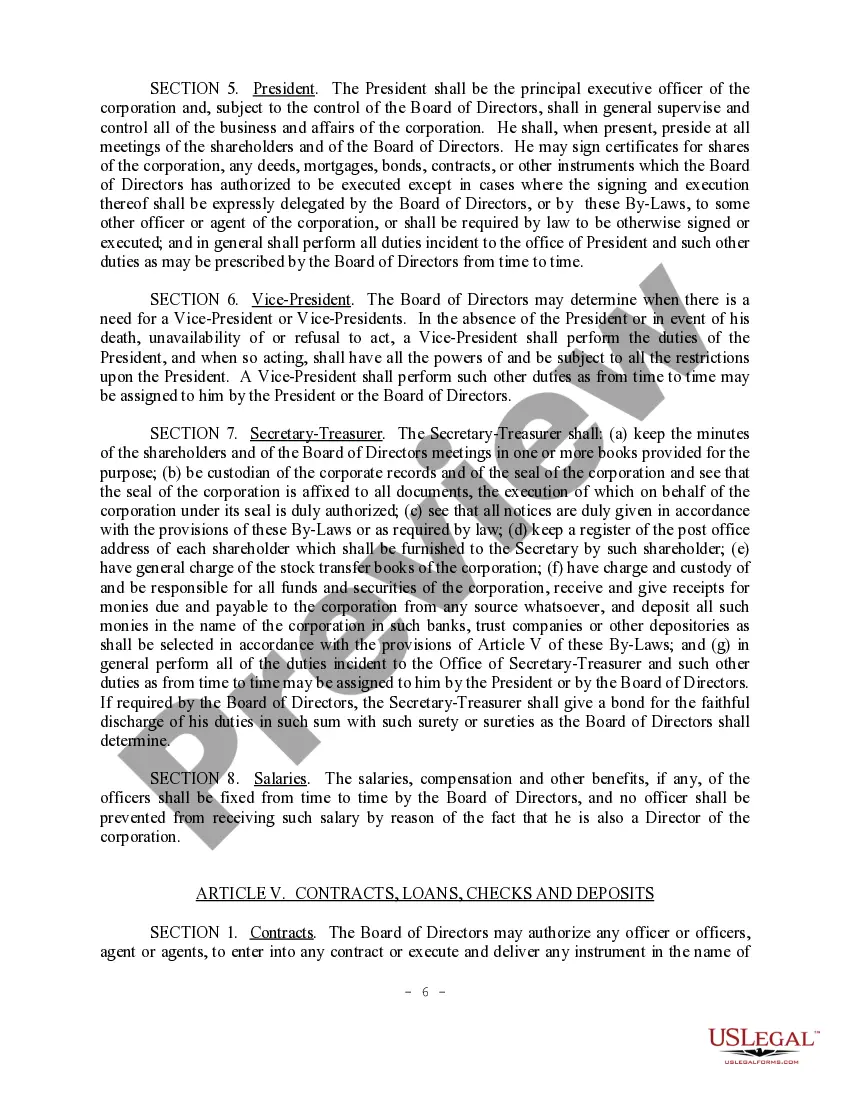
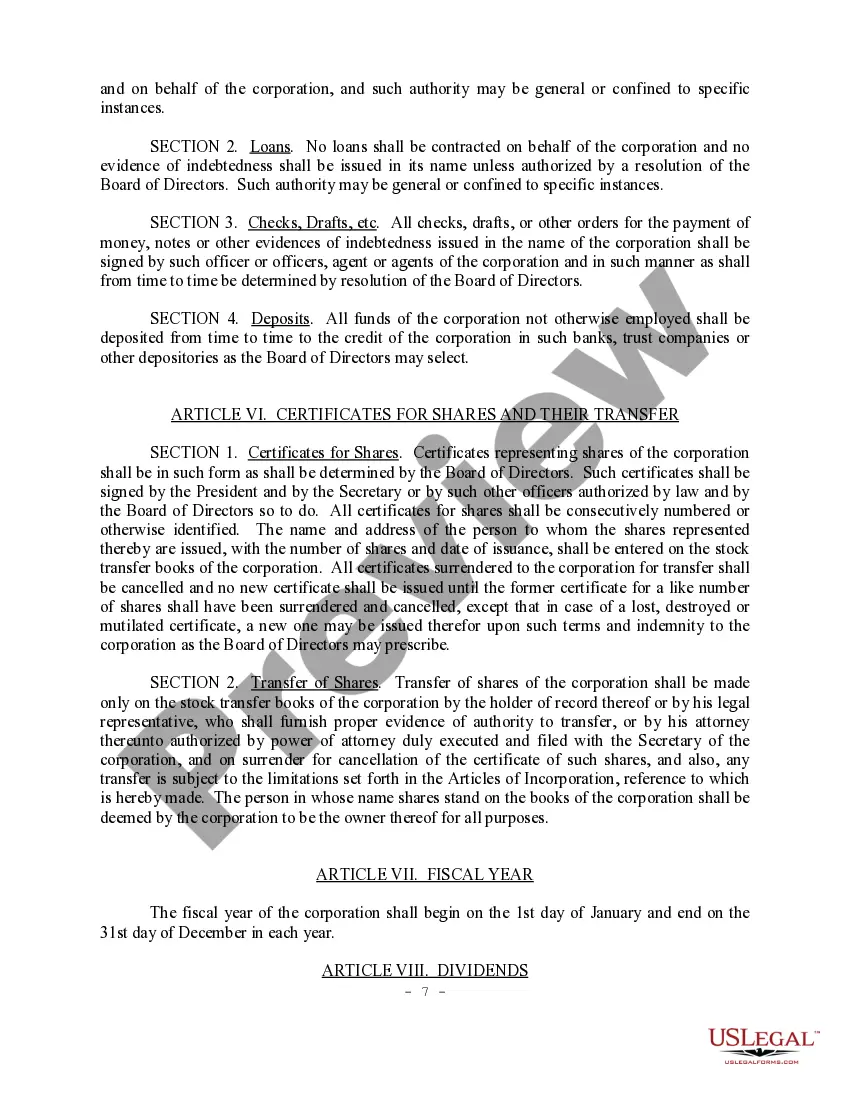
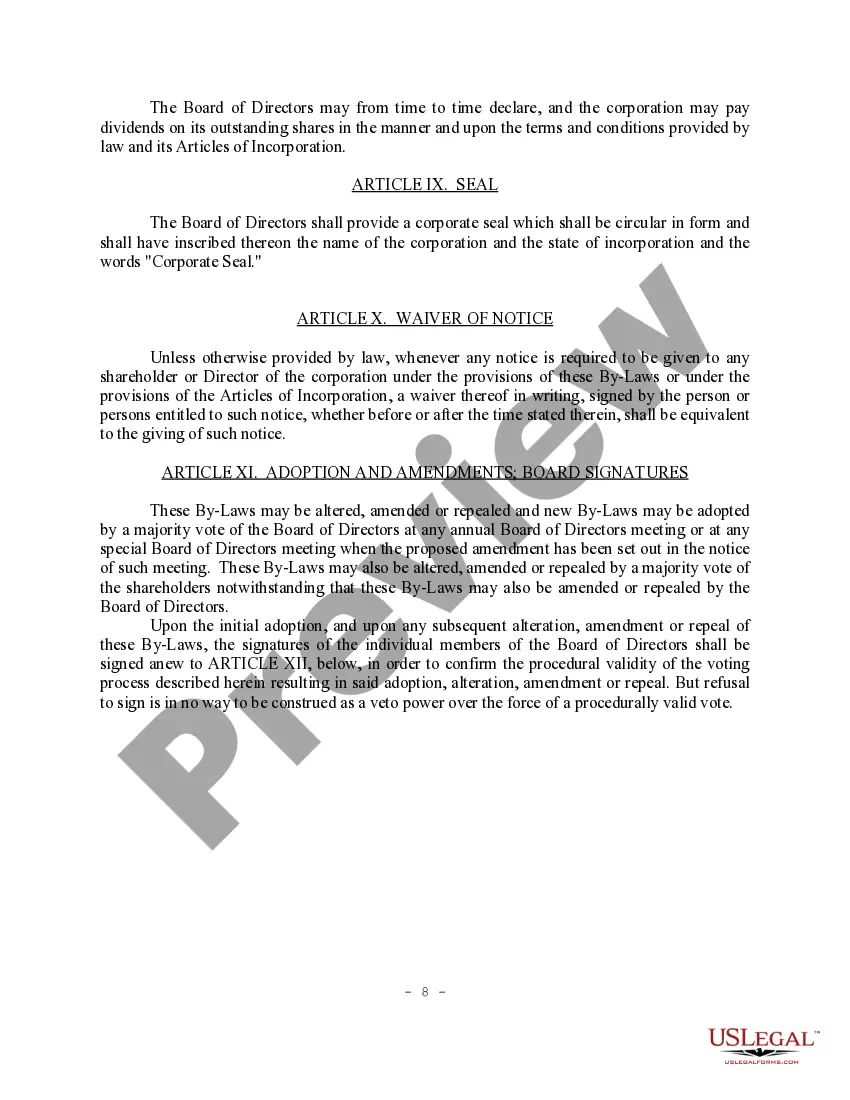
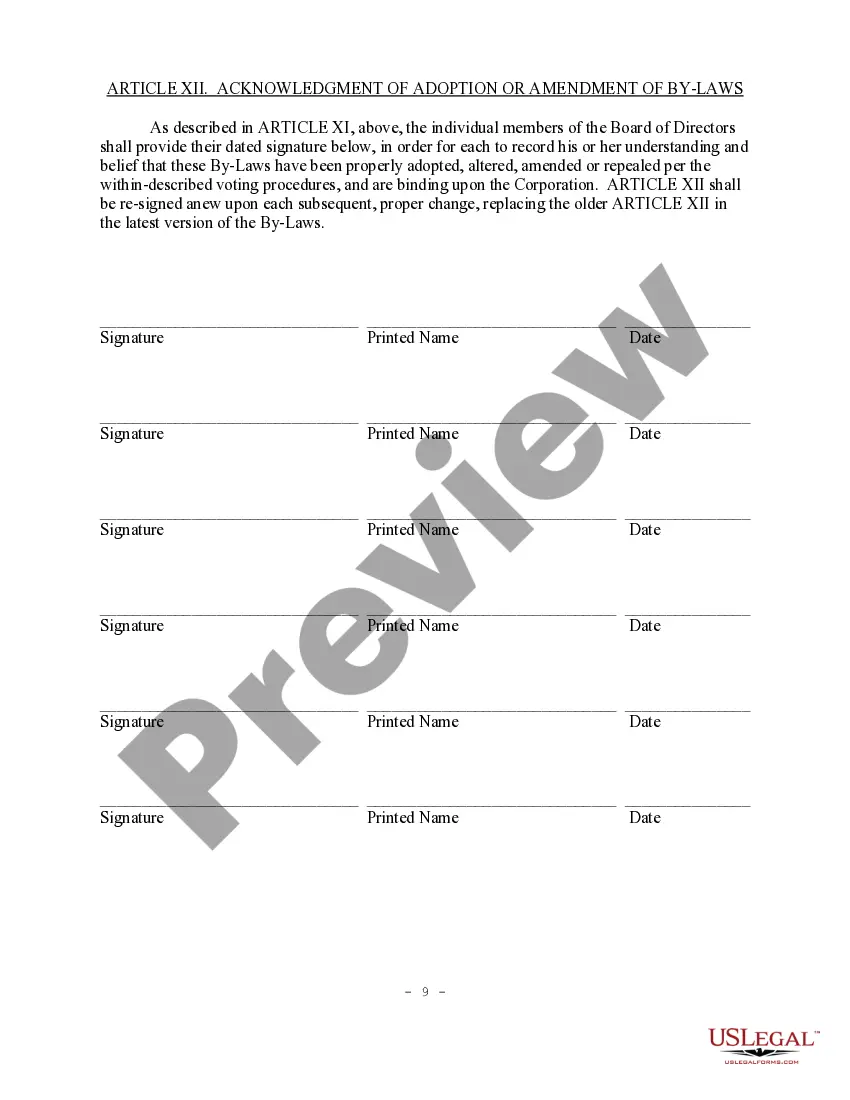

Get your form ready online
Our built-in tools help you complete, sign, share, and store your documents in one place.
Make edits, fill in missing information, and update formatting in US Legal Forms—just like you would in MS Word.
Download a copy, print it, send it by email, or mail it via USPS—whatever works best for your next step.
Sign and collect signatures with our SignNow integration. Send to multiple recipients, set reminders, and more. Go Premium to unlock E-Sign.
If this form requires notarization, complete it online through a secure video call—no need to meet a notary in person or wait for an appointment.
We protect your documents and personal data by following strict security and privacy standards.

Make edits, fill in missing information, and update formatting in US Legal Forms—just like you would in MS Word.

Download a copy, print it, send it by email, or mail it via USPS—whatever works best for your next step.

Sign and collect signatures with our SignNow integration. Send to multiple recipients, set reminders, and more. Go Premium to unlock E-Sign.

If this form requires notarization, complete it online through a secure video call—no need to meet a notary in person or wait for an appointment.

We protect your documents and personal data by following strict security and privacy standards.
Looking for another form?
Form popularity
FAQ
Unlike other states, Arizona does not provide a blanket exemption from Transaction Privilege Tax (TPT) for nonprofits. Instead, the Arizona Revised Statutes (A.R.S.) outline specific exemptions for nonprofits depending on their role in transactions—as either a business conducting taxable activities or a customer.
Transaction Privilege Tax License – A transaction privilege tax (TPT) license (commonly referred to as a sales tax, resale, wholesale, vendor or tax license) is required for businesses selling a product or engaging in a service subject to transaction privilege tax in the state.
The minimum number of board members is set by state statute. Arizona requires one board member. Nonprofits do not need to be incorporated to receive tax exempt status from the IRS, but it is usually recommended.
Arizona Business Licenses You may need to obtain local or state business licenses or permits, depending on the type of activities your nonprofit intends to engage in, and where it is located within the state.
How to Start a Nonprofit in Arizona Name Your Organization. Recruit Incorporators and Initial Directors. Appoint a Registered Agent. Prepare and File Articles of Incorporation. Publish Incorporation. File Initial Report. Obtain an Employer Identification Number (EIN) ... Store Nonprofit Records.
12 Steps to Starting a Nonprofit in Arizona Name Your Organization. Name Incorporators and Directors. Appoint a Registered Agent. File Arizona Articles of Incorporation. Publish Incorporation. Apply for an Employer Identification Number (EIN) Hold Organization Meeting and Establish Nonprofit Bylaws.
How to Write Nonprofit Bylaws in 7 Simple Steps Decide Whose Responsibility it is. Research Bylaw Requirements for Your Type of Nonprofit. Create a First Draft. Review Your Draft Internally. Manage the Scope of What's Included. Get a Professional Opinion. Review Review Review! ... Are nonprofit bylaws public record?
Bylaws generally define things like the group's official name, purpose, requirements for membership, officers' titles and responsibilities, how offices are to be assigned, how meetings should be conducted, and how often meetings will be held.
South African municipal by-laws serve as legal frameworks established by local governments to govern specific areas within their jurisdictions. By-laws cover a wide range of aspects, including zoning, noise control, waste management, building regulations, and more.
