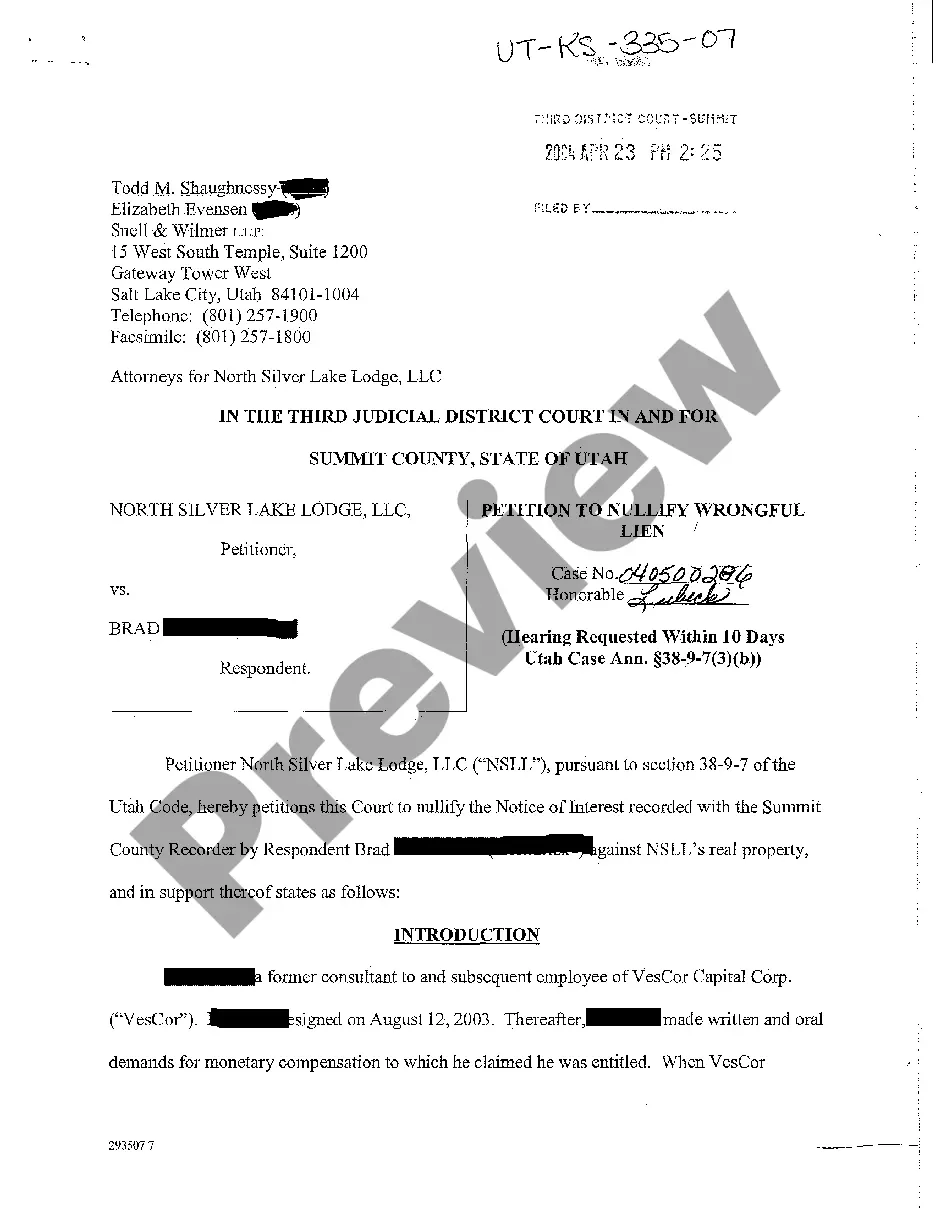
Electrical, Drywall, and General Construction Contract with Subcontractor
Understanding this form
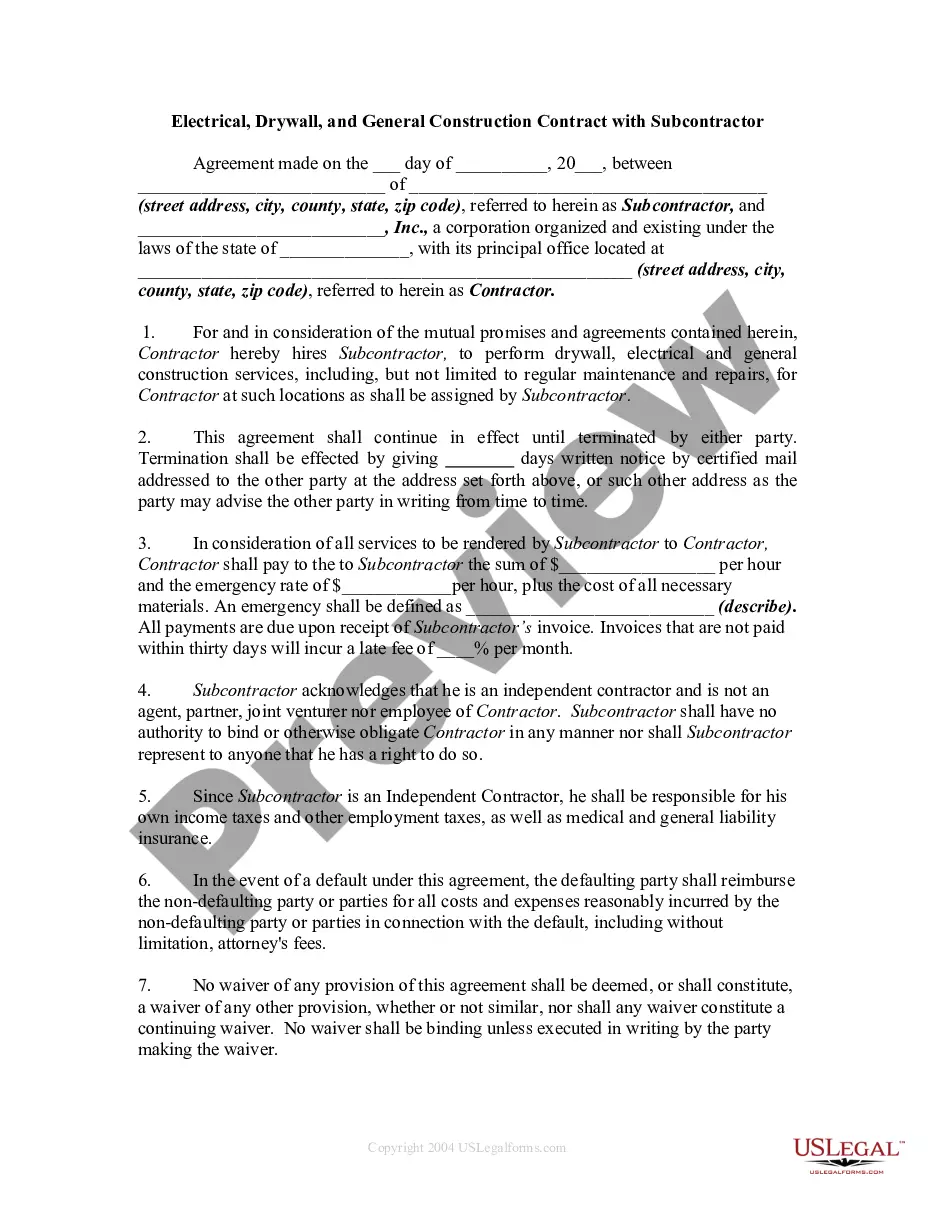
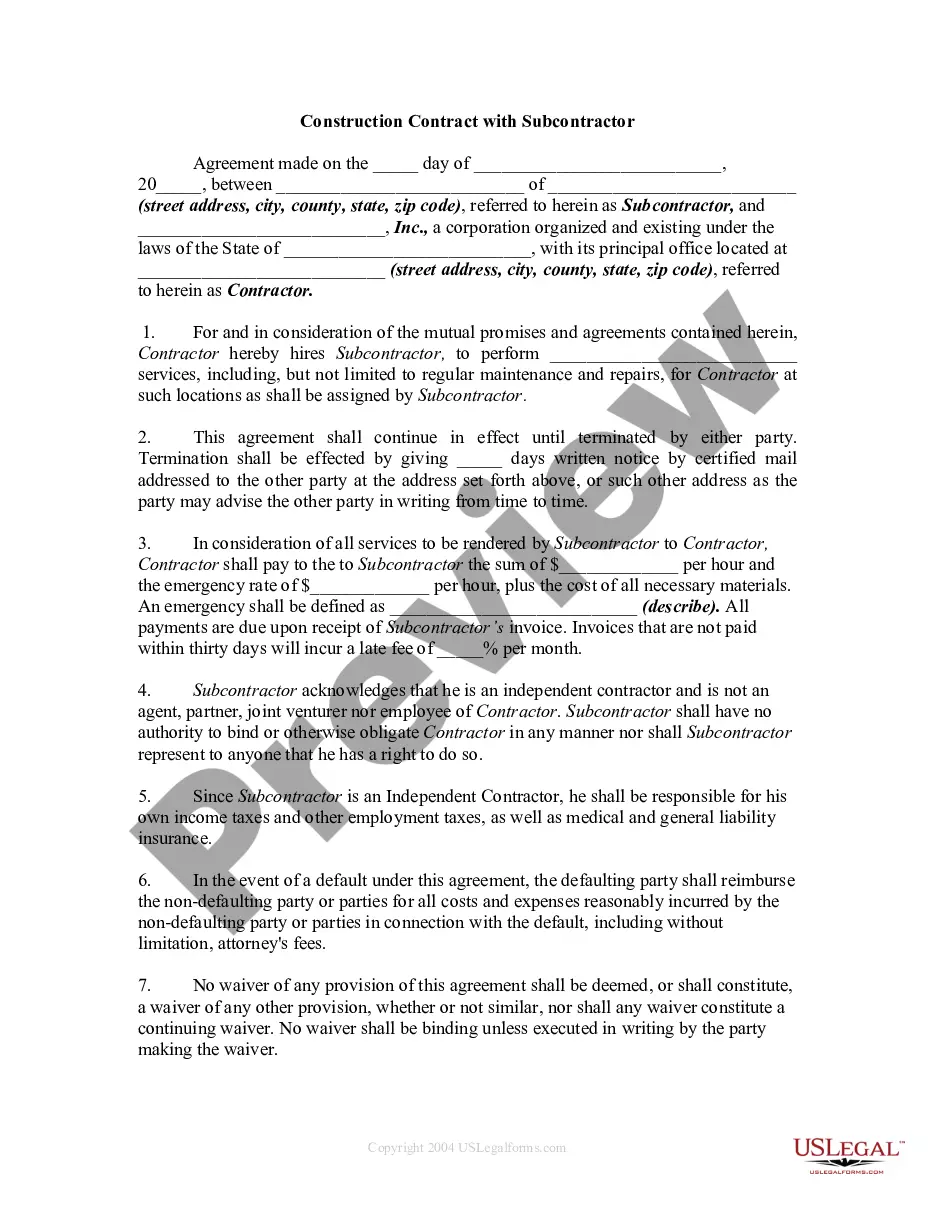
The Electrical, Drywall, and General Construction Contract with Subcontractor is a legal agreement between a contractor and a subcontractor. It outlines the responsibilities and obligations each party has when engaging in construction and maintenance services. This form is essential for ensuring that both parties clearly understand their roles and conditions of work, differentiating it from other agreements by emphasizing the independent contractor relationship.
Key components of this form
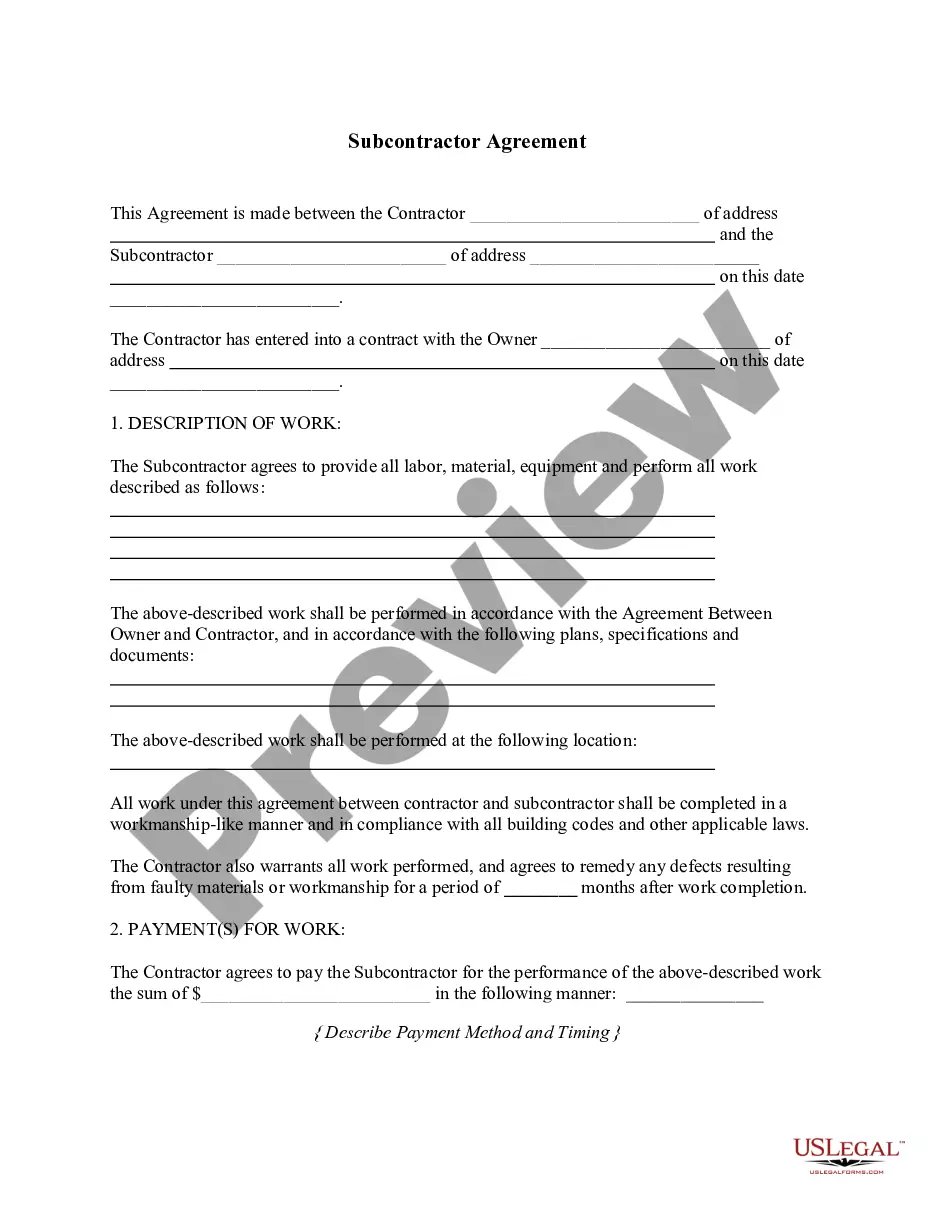
- Parties Involved: Identifies the contractor and subcontractor by name and address.
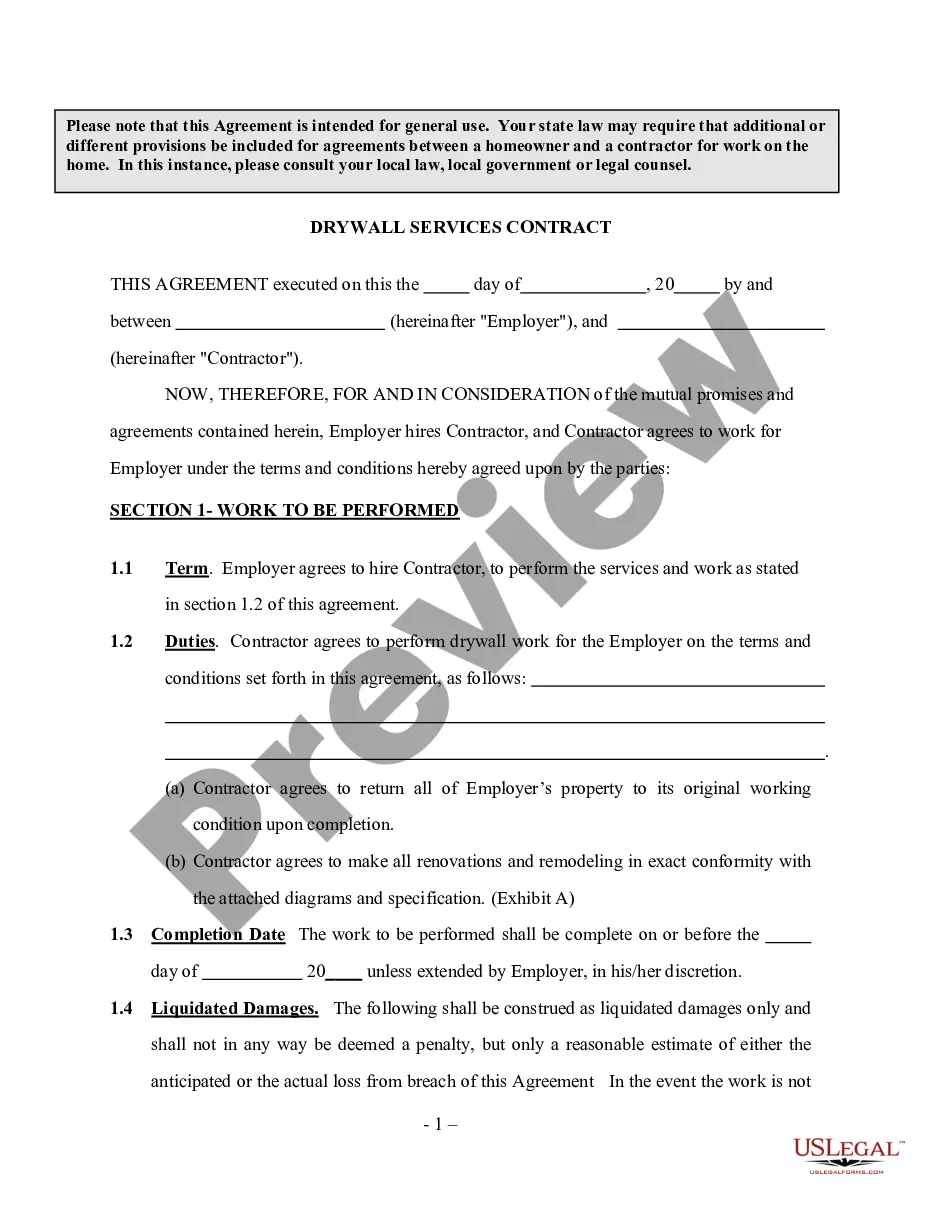
- Scope of Work: Describes the construction services to be provided by the subcontractor.
- Payment Terms: Specifies hourly pay rates and conditions for payment of invoices.
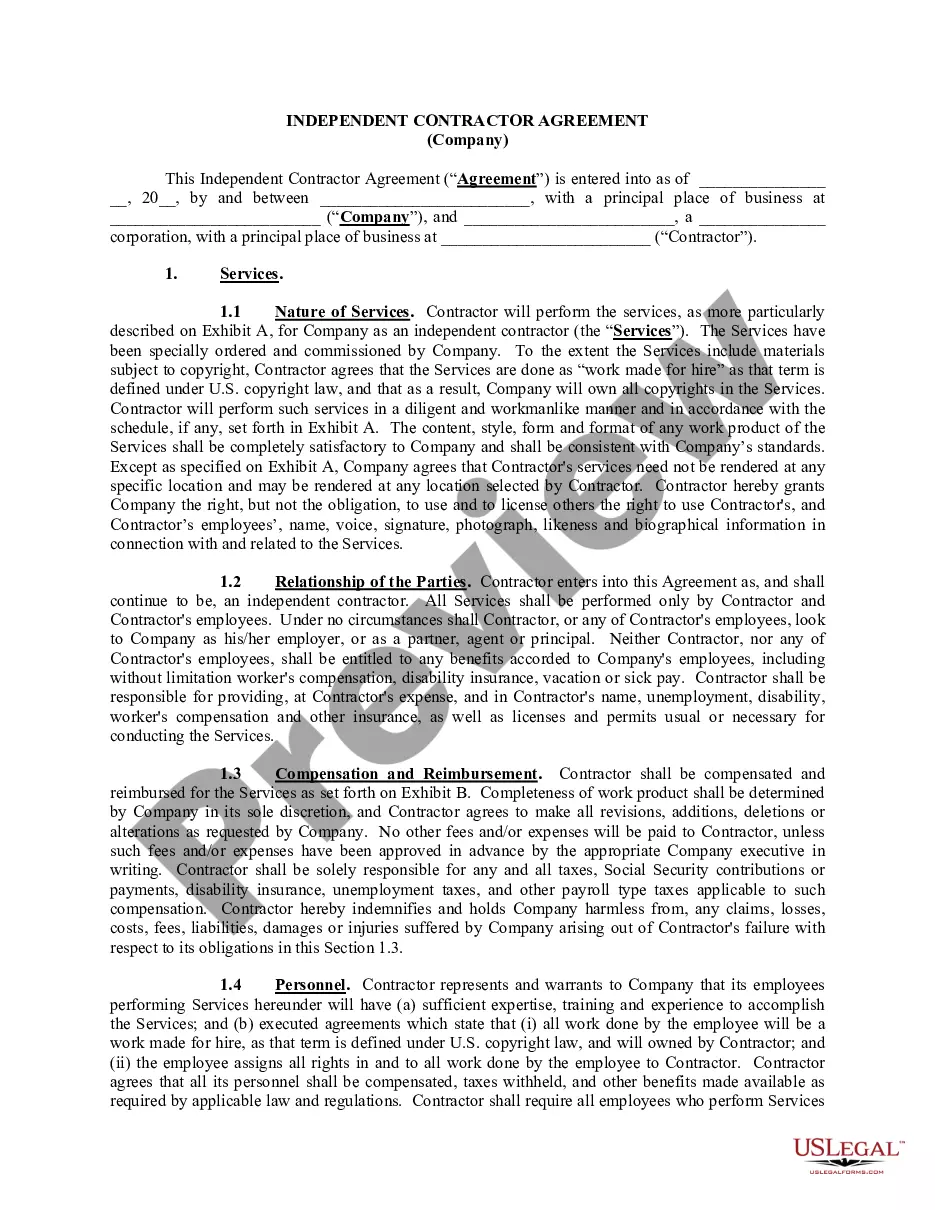
- Independent Contractor Status: Clarifies that the subcontractor is not an employee of the contractor.
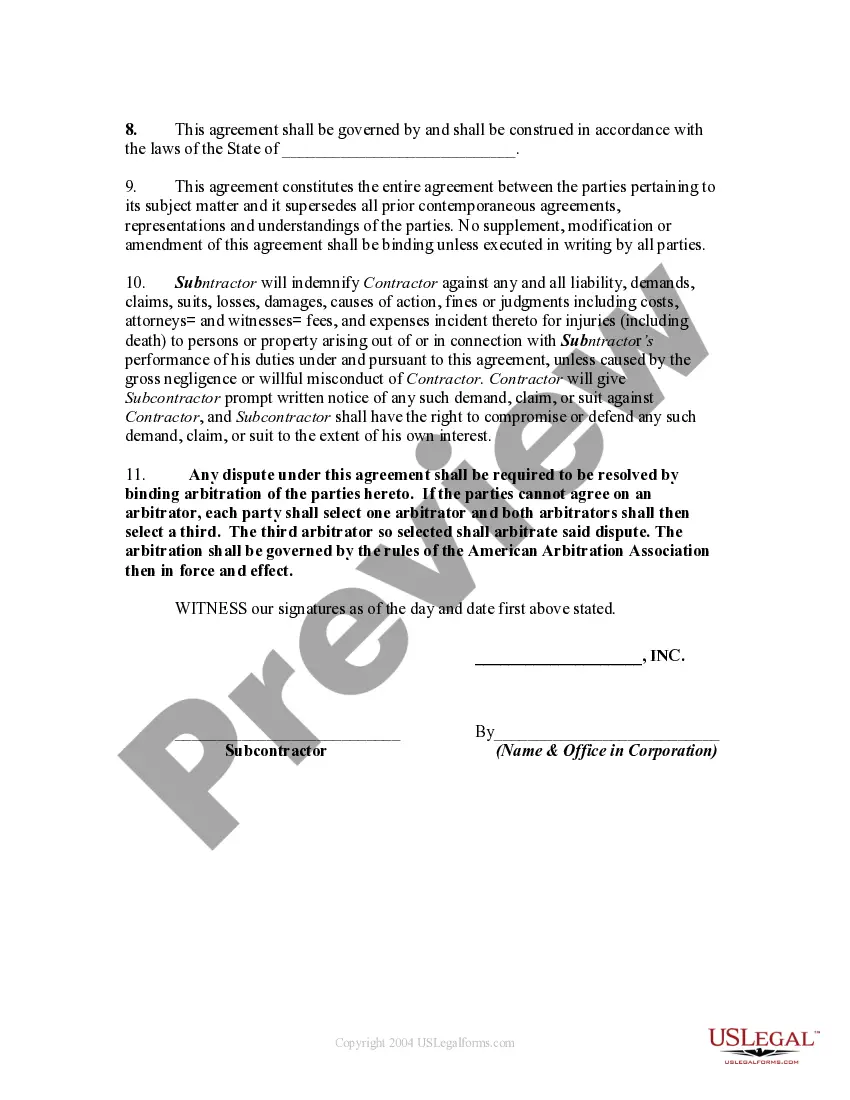
- Indemnification Clause: Outlines the subcontractor's responsibility for any liabilities arising from their work.
- Dispute Resolution: Establishes a method for resolving disagreements through arbitration.
Common use cases
This contract is used when a contractor needs a subcontractor to perform specific construction tasks, such as drywall installation, electrical work, or general maintenance. It is suitable for projects that require clear delineation of responsibilities and payment structures, ensuring both parties have a mutual understanding of expectations and legal protections.
Who this form is for
- Contractors hiring subcontractors for construction or maintenance services.
- Subcontractors seeking formal agreements to protect their rights and outline payment terms.
- Businesses and individual contractors in need of a structured contract for project management.
How to prepare this document
- Identify the parties: Fill in the contractor's and subcontractor's names and addresses.
- Specify the services: Describe the drywall, electrical, and general construction services to be performed.
- Enter payment details: Clearly state the payment rate and any conditions for payment.
- Indicate the termination notice period: Specify how many days' notice is required for termination.
- Review and sign: Ensure all parties understand the terms before signing to finalize the agreement.
Does this form need to be notarized?
In most cases, this form does not require notarization. However, some jurisdictions or signing circumstances might. US Legal Forms offers online notarization powered by Notarize, accessible 24/7 for a quick, remote process.
Get your form ready online
Our built-in tools help you complete, sign, share, and store your documents in one place.
Make edits, fill in missing information, and update formatting in US Legal Forms—just like you would in MS Word.
Download a copy, print it, send it by email, or mail it via USPS—whatever works best for your next step.
Sign and collect signatures with our SignNow integration. Send to multiple recipients, set reminders, and more. Go Premium to unlock E-Sign.
If this form requires notarization, complete it online through a secure video call—no need to meet a notary in person or wait for an appointment.
We protect your documents and personal data by following strict security and privacy standards.

Make edits, fill in missing information, and update formatting in US Legal Forms—just like you would in MS Word.

Download a copy, print it, send it by email, or mail it via USPS—whatever works best for your next step.

Sign and collect signatures with our SignNow integration. Send to multiple recipients, set reminders, and more. Go Premium to unlock E-Sign.

If this form requires notarization, complete it online through a secure video call—no need to meet a notary in person or wait for an appointment.

We protect your documents and personal data by following strict security and privacy standards.
Typical mistakes to avoid
- Failing to clearly define the scope of work, which can lead to misunderstandings.
- Not specifying payment terms, resulting in confusion over compensation.
- Neglecting to include the arbitration clause for dispute resolution.
- Forgetting to check local laws that may affect the contract provisions.
Benefits of using this form online
- Instant access to a professionally drafted contract tailored for construction agreements.
- Edit and customize the form easily to fit specific project needs.
- Downloadable format for immediate use, allowing for quick implementation.
- Reliability from documents created by licensed attorneys ensuring legal compliance.
Main things to remember
- This contract clarifies the relationship between a contractor and subcontractor in construction projects.
- Correctly filling out this form helps avoid disputes over responsibilities and payments.
- Essential details like services, payment, and termination must be clearly documented.
Looking for another form?

Form popularity
FAQ
Identifying/Contact Information. Title and Description of the Project. Projected Timeline and Completion Date. Cost Estimate and Payment Schedule. Stop Work Clause and Stop Payment Clause. Act of God Clause. Change Order Agreement. Warranty.
Scope of the Project. Timing for Completion: Duration of Work Clause. Payment and Billing Clause. Independent Contractor Notice. Non-Disclosure Agreement. Non-Complete Clause. Work for Hire Inclusion. Responsibilities for Insurance for Accidental Damages.
#1: Review Your Bid. #2: Review Complete Plans. #3: Review All Specifications. #4: Visit the Job Site. #5: Review the Job Schedule. #6: Complete a Project Checklist. #7: Verify Project Funding. #8: Read Complete Contract.
Put it in writing. Clearly define roles and responsibilities for both the subcontractor and your company. Train for customer service. Many subs lack the benefit of your experience with successful customer service. Pay properly. Evaluate. Take precautions.
Contract Types Overview. Express and Implied Contracts. Unilateral and Bilateral Contracts. Unconscionable Contracts. Adhesion Contracts. Aleatory Contracts. Option Contracts. Fixed Price Contracts.
Begin with the Date and the Address of the Other Party. Start with the Basic Details of the Planned Work. Include Special Stipulations. State Whether There Will be a Further Agreement. Create an Area for Signatures. Sign and Date the Contract Letter.
A subcontractor agreement is a contract between contractors or project managers and subcontractors. This solidifies any agreement between the two parties and assures work. Subcontractors should read the subcontractor agreement and assure specifics to protect themselves from unfair risk.
Most general contractors are looking at about a 35% margin and so they need to a mark-up of 54%, or 1.54. Subs can often get a profit margin of 50%, so they need a mark-up of 100% or 2x, as the table on the right makes clear.
Start with procurement standards. Execute all subcontracts prior to starting your projects. Help those who help you. Award the job to the lowest fully qualified bidder. Use contract scope checklists. Make sure you have tight clauses. Meet to review the proposed subcontract.