Agreement Between Partnership With Buyout Clause In Miami-Dade
Description



Get your form ready online
Our built-in tools help you complete, sign, share, and store your documents in one place.
Make edits, fill in missing information, and update formatting in US Legal Forms—just like you would in MS Word.
Download a copy, print it, send it by email, or mail it via USPS—whatever works best for your next step.
Sign and collect signatures with our SignNow integration. Send to multiple recipients, set reminders, and more. Go Premium to unlock E-Sign.
If this form requires notarization, complete it online through a secure video call—no need to meet a notary in person or wait for an appointment.
We protect your documents and personal data by following strict security and privacy standards.

Make edits, fill in missing information, and update formatting in US Legal Forms—just like you would in MS Word.

Download a copy, print it, send it by email, or mail it via USPS—whatever works best for your next step.

Sign and collect signatures with our SignNow integration. Send to multiple recipients, set reminders, and more. Go Premium to unlock E-Sign.

If this form requires notarization, complete it online through a secure video call—no need to meet a notary in person or wait for an appointment.

We protect your documents and personal data by following strict security and privacy standards.
Looking for another form?










Form popularity
FAQ
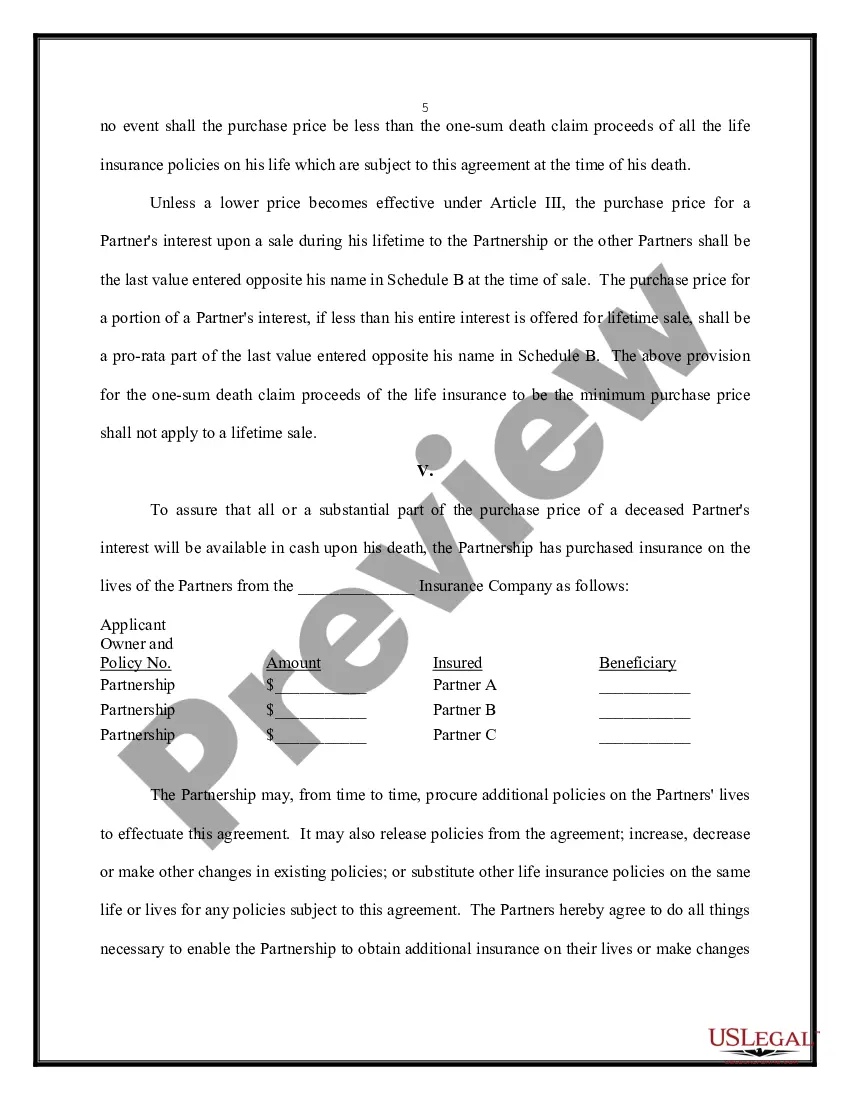
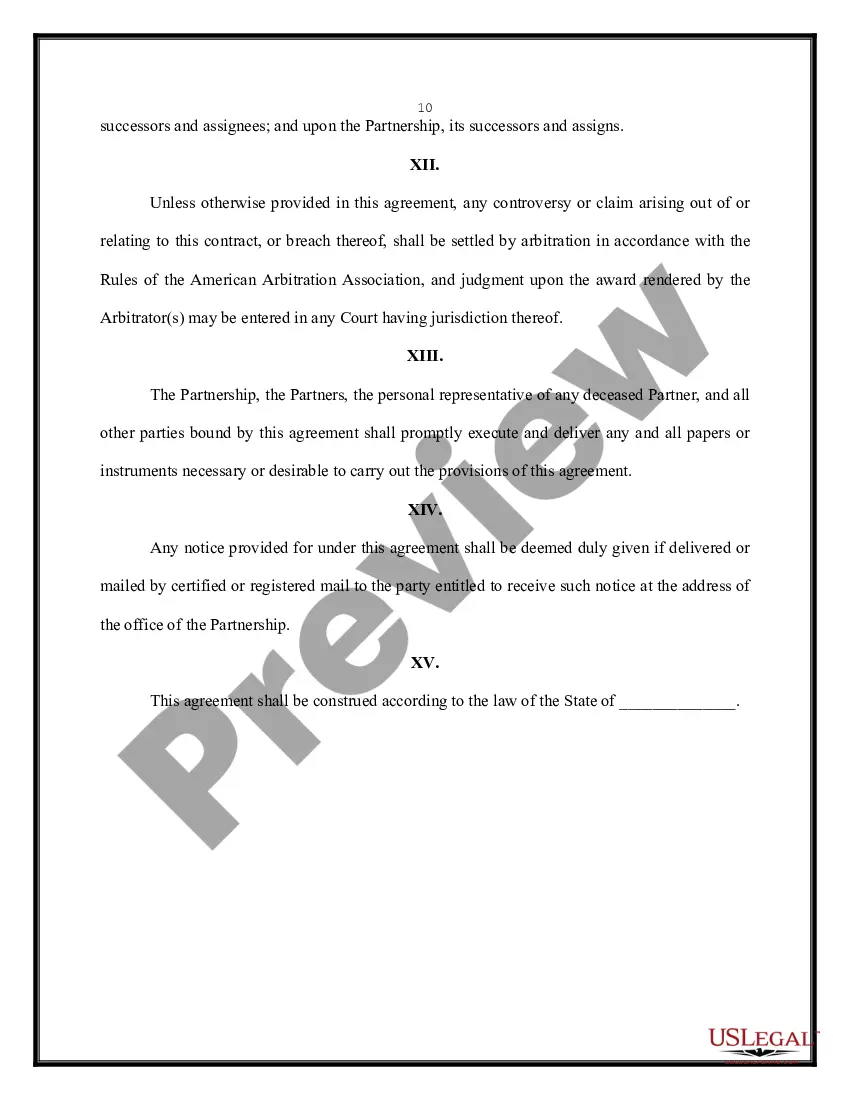
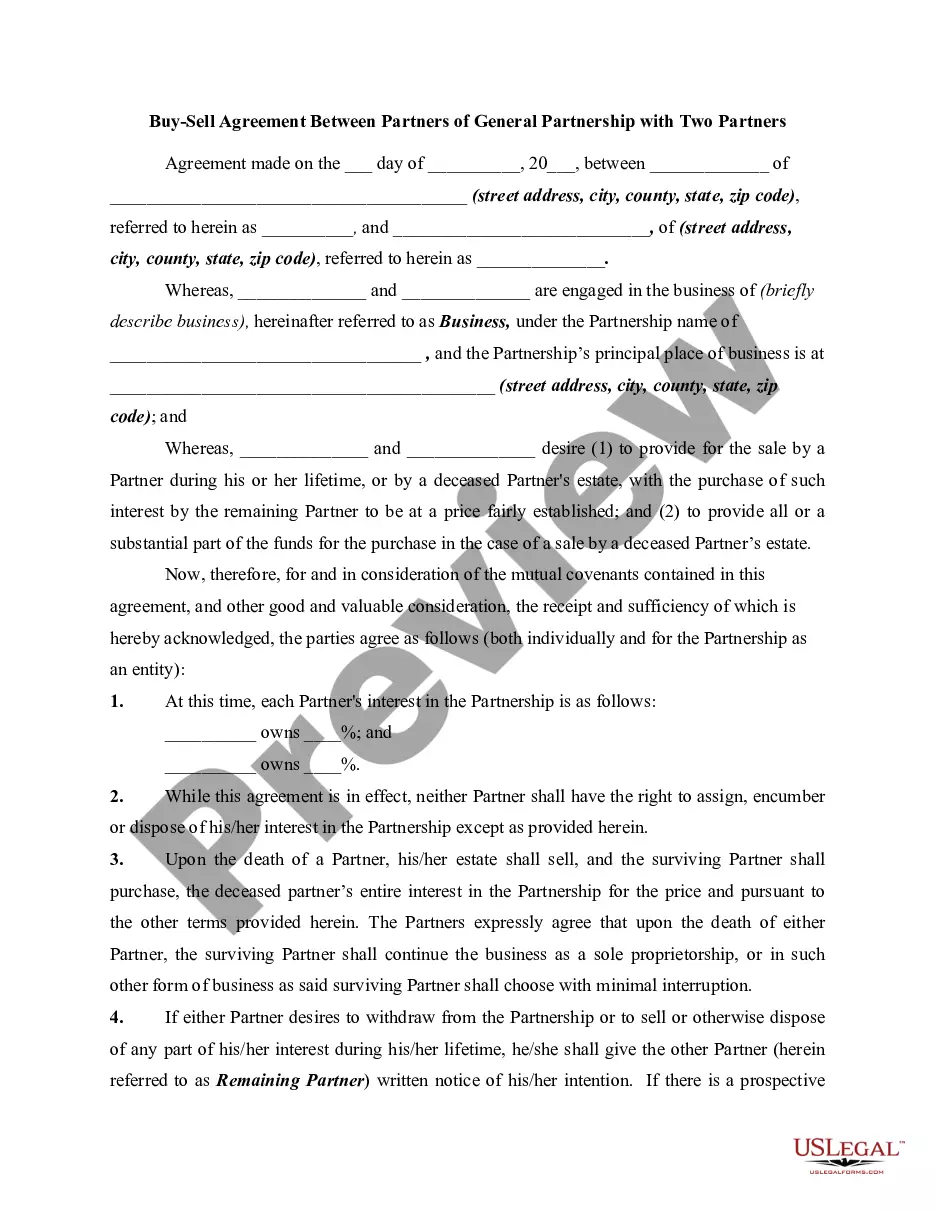
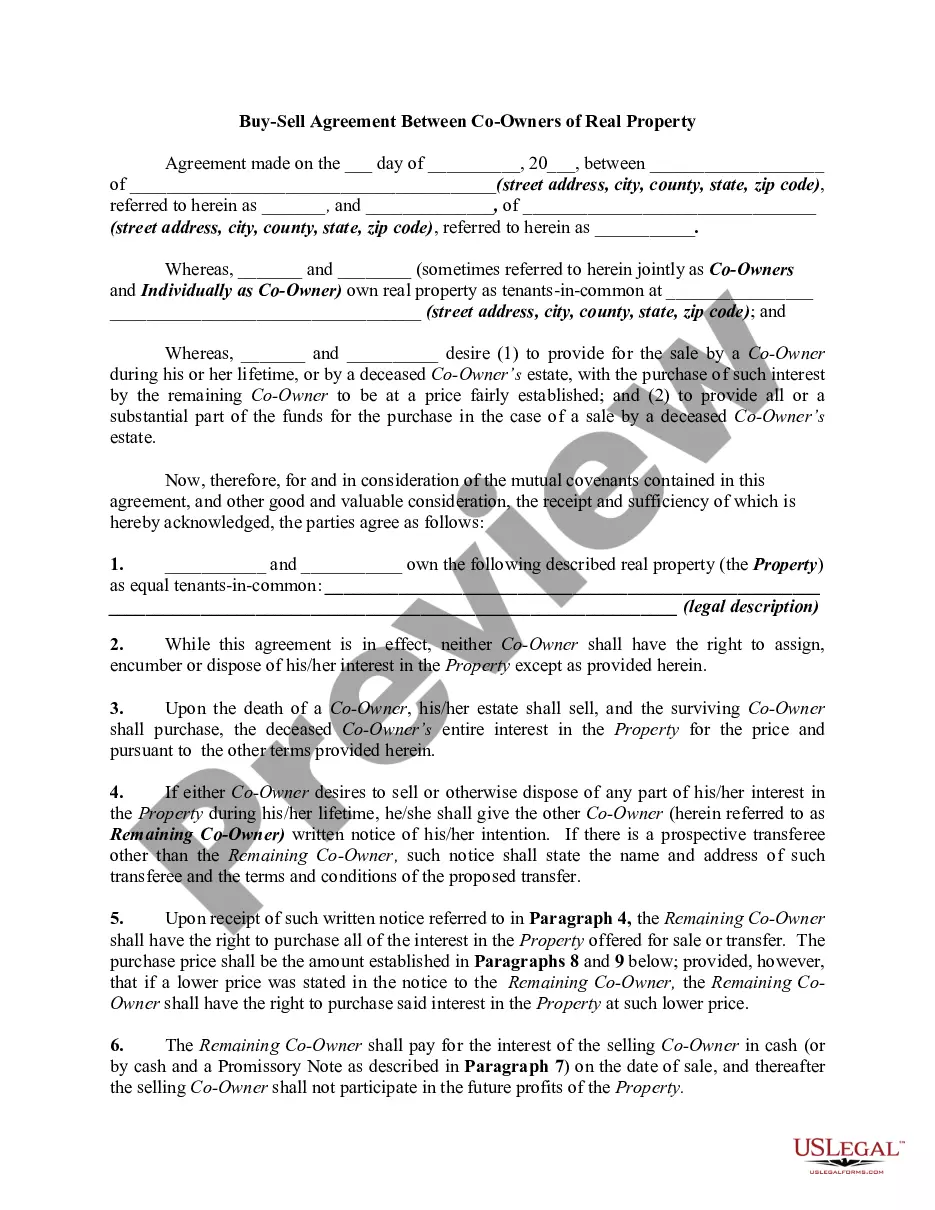
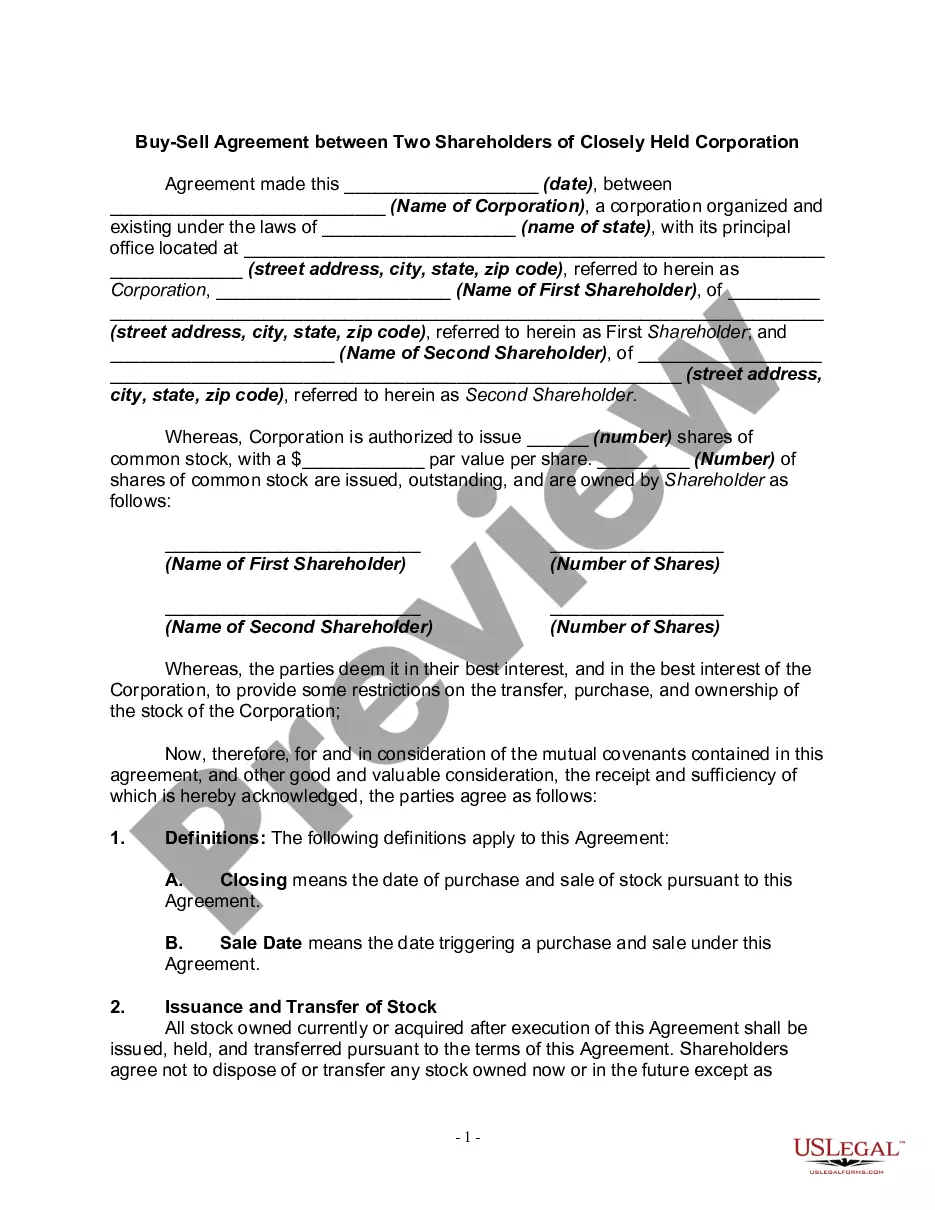
sell agreement provides a plan for the orderly transfer of any owner's business interest. Consider a buysell agreement for your business if: You have two or more owners. You want to provide protection in the event of any owner's termination of employment, retirement, divorce, disability, or death.
drafted buyout agreement should include the identification of all involved parties, the agreedupon valuation method, payment terms, contingency clauses for unforeseen events, and specific procedures for dispute resolution. Legal considerations and compliance with relevant laws should also be covered.
The Tax Implications When you buy out your partner's interest in the business, they usually face a taxable gain or loss. If they've held the partnership interest for over a year, this gain is treated as a capital gain, benefiting from lower long-term capital gains tax rates.
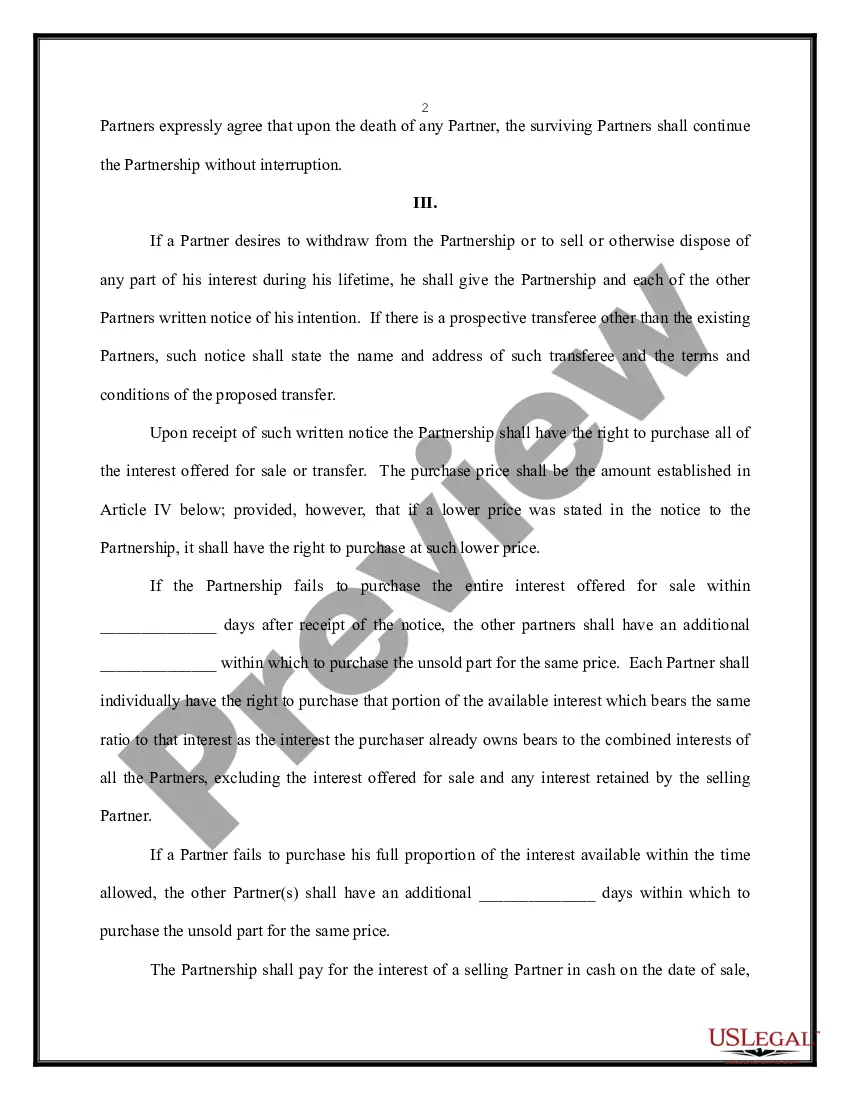
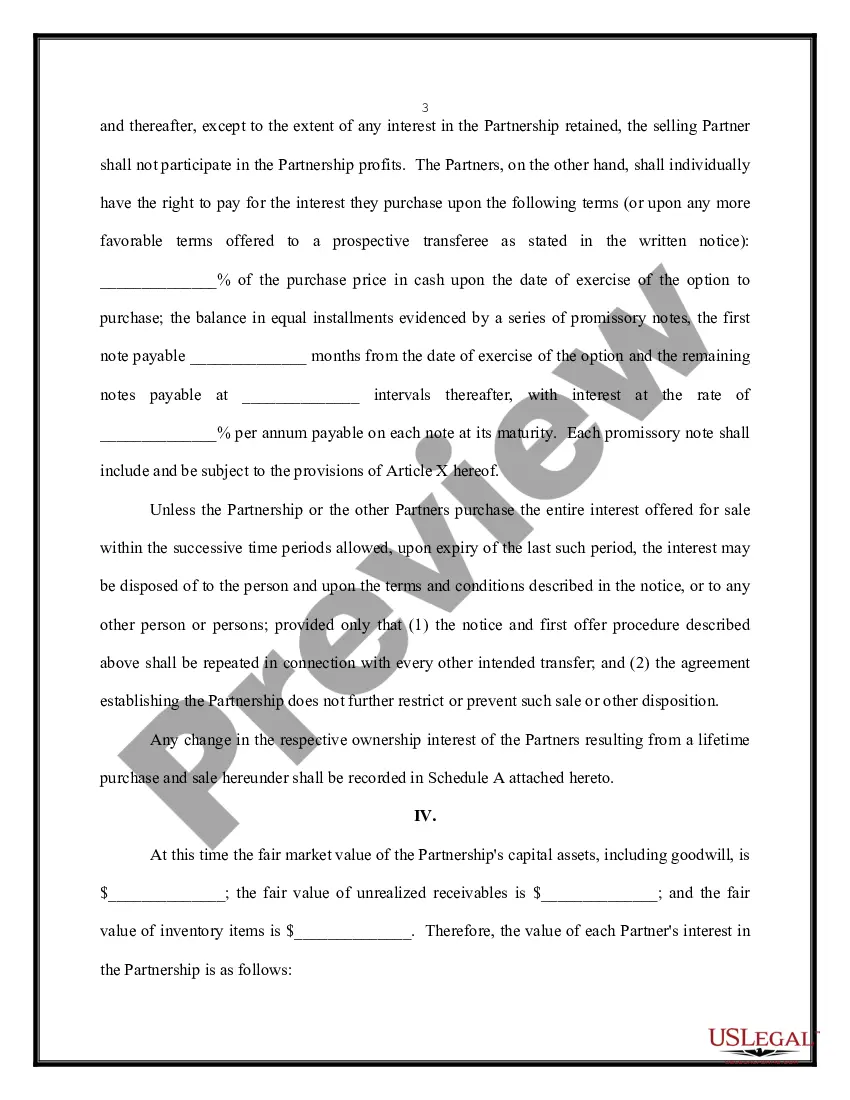
Also known as a buy-sell agreement, a buyout agreement is a contract between business partners that identifies what will happen following the departure of one of the owners. These agreements account for all possible situations including voluntary separation and the untimely death of a partner.
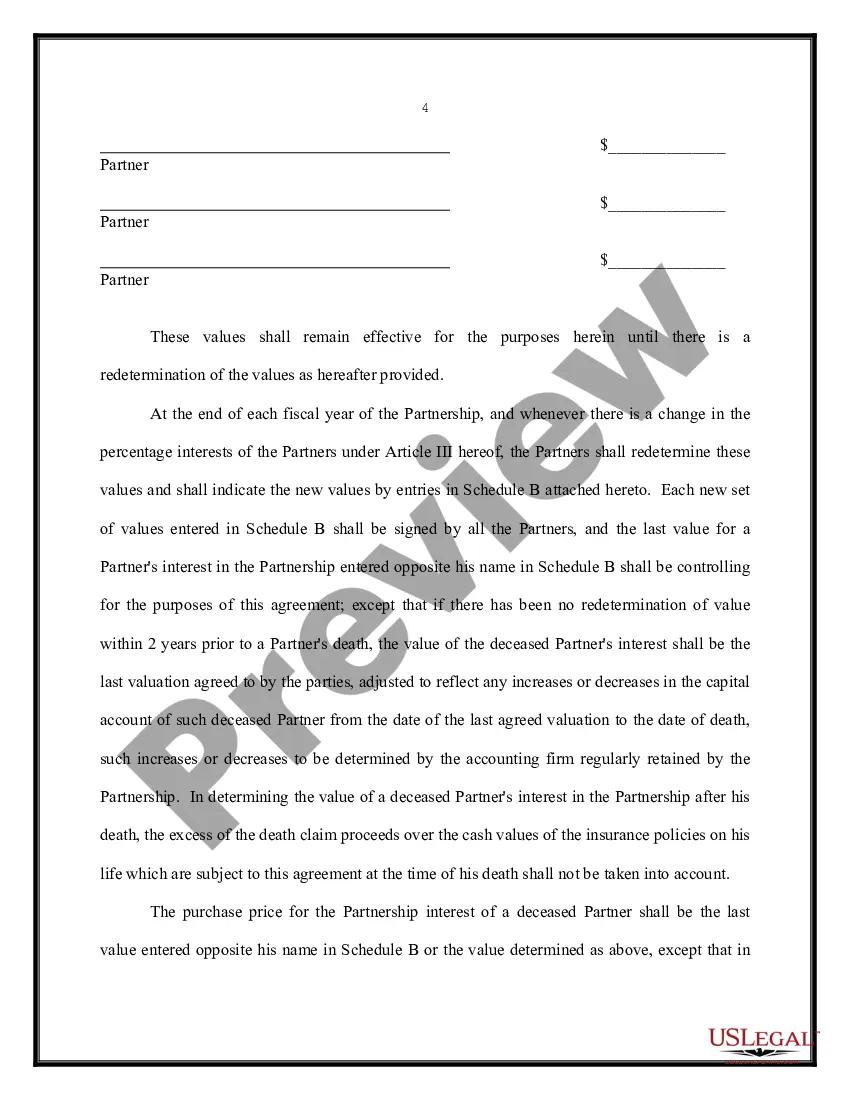
The standard partnership buyout formula will help you and your attorney determine the fair value of your partner's equity stake in the company. The formula takes the appraised value of the business and multiplies that number by the percentage of ownership your partner has in the company.
Buyout agreement (also known as a buy-sell agreement) refers to a contract that gives rights to at least one party of the contract to buy the share, assets, or rights of another party given a specific event.
Calculating the Buyout Amount Once the equity stake is determined and the business is valued, the buyout amount can be calculated. This involves multiplying the partner's equity by the business value, which is a crucial step in the partnership buyout process when you decide to buy out a business.
Financial restructuring: Sometimes, the company may need to restructure its finances to stay viable. Buying out a partner can be part of a broader financial strategy to reduce costs, redistribute equity, or attract new investment.
Legal Grounds for Removing a Partner Breach of the Partnership Agreement. If one business partner violates the terms of the agreement, such as engaging in fraud, negligence, or breach of fiduciary duties, the other partner may have grounds to remove them. Misconduct or Wrongdoing. Inability to Perform Duties.
It is important that you start off understanding each other's goals for the future and what they want out of the business. You should understand each other strengths and weaknesses, their assets, and limitations. You should go to a lawyer and hash out a partnership agreement which is like a prenuptial agreement.
