Liquor License For Lease In Wayne
Description
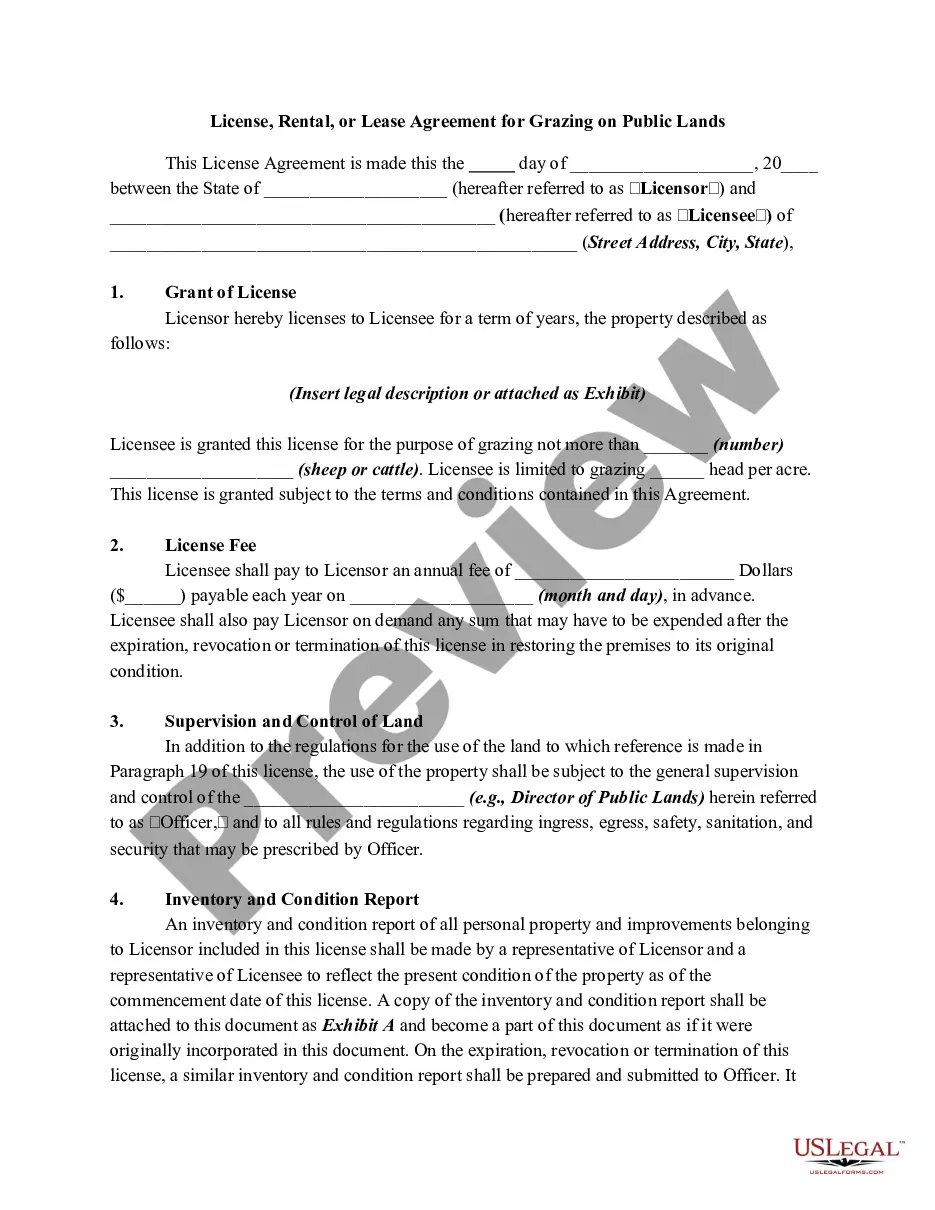
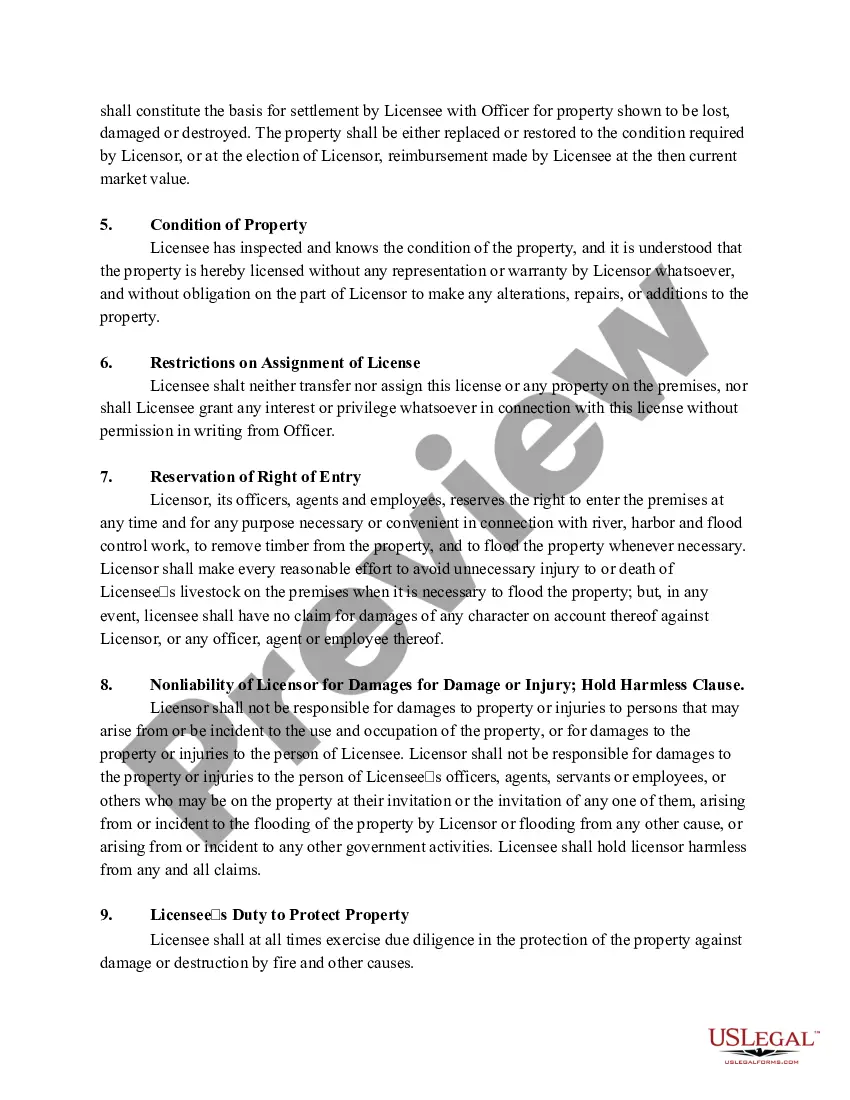
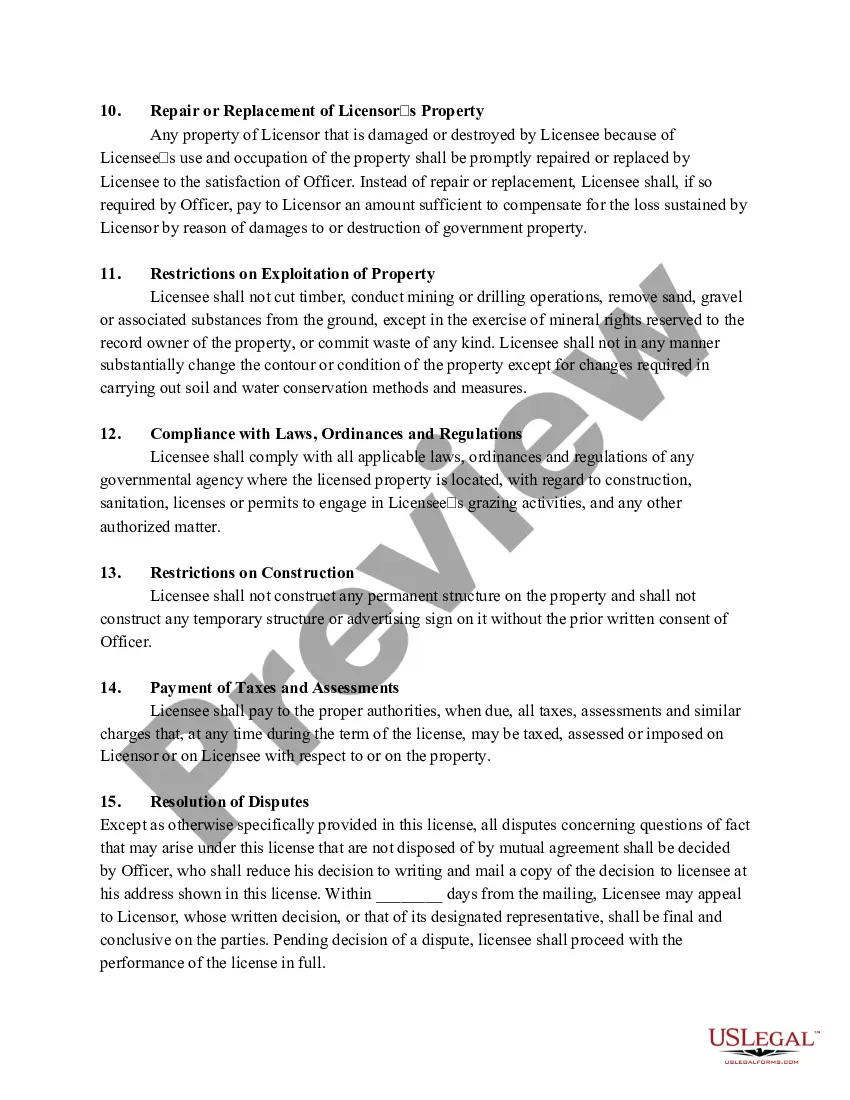
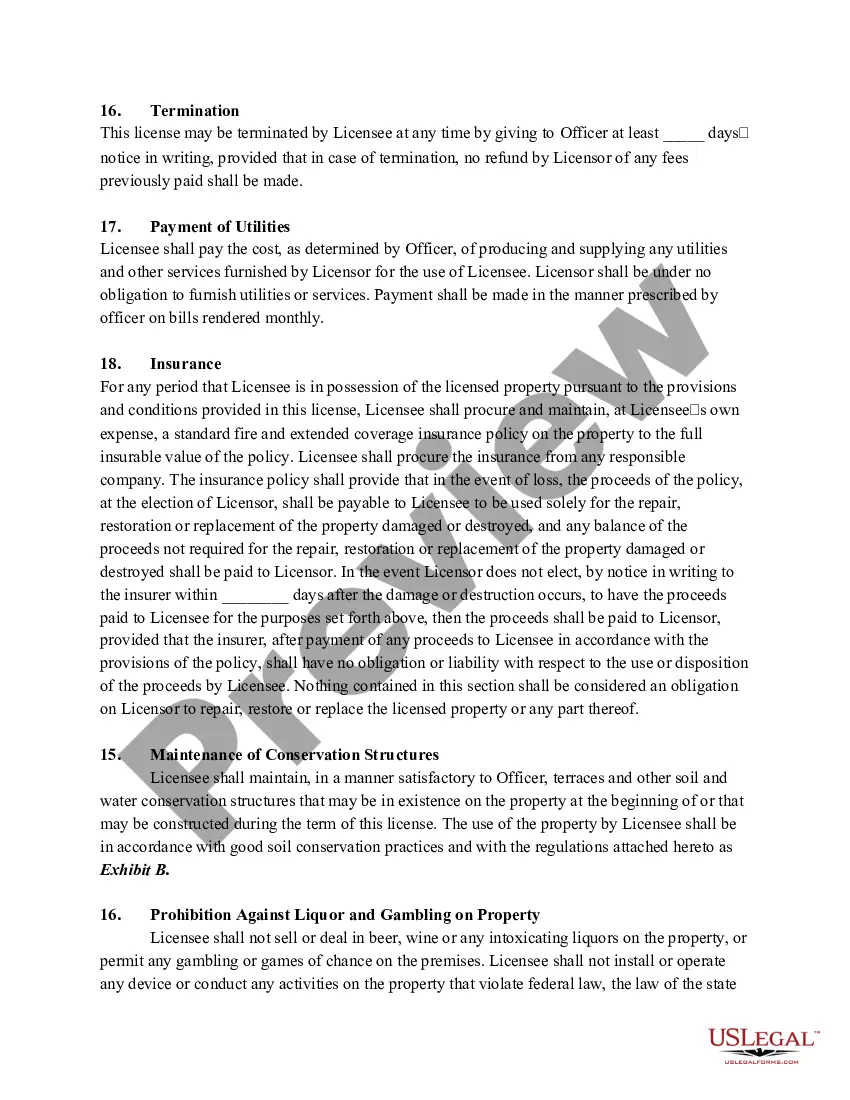
Get your form ready online
Our built-in tools help you complete, sign, share, and store your documents in one place.
Make edits, fill in missing information, and update formatting in US Legal Forms—just like you would in MS Word.
Download a copy, print it, send it by email, or mail it via USPS—whatever works best for your next step.
Sign and collect signatures with our SignNow integration. Send to multiple recipients, set reminders, and more. Go Premium to unlock E-Sign.
If this form requires notarization, complete it online through a secure video call—no need to meet a notary in person or wait for an appointment.
We protect your documents and personal data by following strict security and privacy standards.

Make edits, fill in missing information, and update formatting in US Legal Forms—just like you would in MS Word.

Download a copy, print it, send it by email, or mail it via USPS—whatever works best for your next step.

Sign and collect signatures with our SignNow integration. Send to multiple recipients, set reminders, and more. Go Premium to unlock E-Sign.

If this form requires notarization, complete it online through a secure video call—no need to meet a notary in person or wait for an appointment.

We protect your documents and personal data by following strict security and privacy standards.
Looking for another form?






Form popularity
FAQ
The Summary of Act 86(opens in a new tab) details all the privileges and obligations of the new RTDC permit, which will authorize permittees to sell spirits-based RTDC ranging from 0.5% alcohol beverage by volume (ABV) to 12.5% ABV in original containers up to 16 ounces for off-premises consumption (to go).
The Pennsylvania Liquor Control Board (PLCB) strictly prohibits the leasing or renting of liquor licenses.
For a new license, which may be limited by a statutory quota, an applicant must apply to the PLCB Bureau of Licensing. For a person-to-person transfer, an applicant must apply to have an existing license owned by another transferred to it for use at the same location (the licensed premises).
Many quota states permit a lien to be placed on the liquor license, including Florida, Massachusetts, Michigan, Minnesota, Montana, New Mexico, Pennsylvania, South Dakota, and Washington. Notable exceptions that do not permit a lien include California, New Jersey and Ohio.
N.J.S.A. -26 provides in pertinent part: “a separate license is required for each specific place of business and the operation and effect of every license is confined to the licensed premises.” However, the definition of “specific place of business” is fluid and allows certain exceptions to this rule.
Your local ABC office can serve as an excellent resource for those planning to transfer or change an existing ABC license. They can explain the different types of license transfers and answer any questions you may have.
In most cases, a liquor license cannot be used at multiple locations, and a separate license is required for each establishment. However, there are exceptions and specific provisions in some states that may allow for multi-location licenses or permits.
Florida: Similar to other states, Florida typically requires a separate liquor license for each location. Florida has different types of licenses based on the type of establishment and the nature of alcohol sales, so businesses need to ensure they obtain the appropriate license for each location.
The time it takes to obtain a liquor license in South Africa can vary widely depending on the province and the complexity of the application. On average, the process can take anywhere from three to six months.
