Direct Lease Vs Sublease In Harris
Description

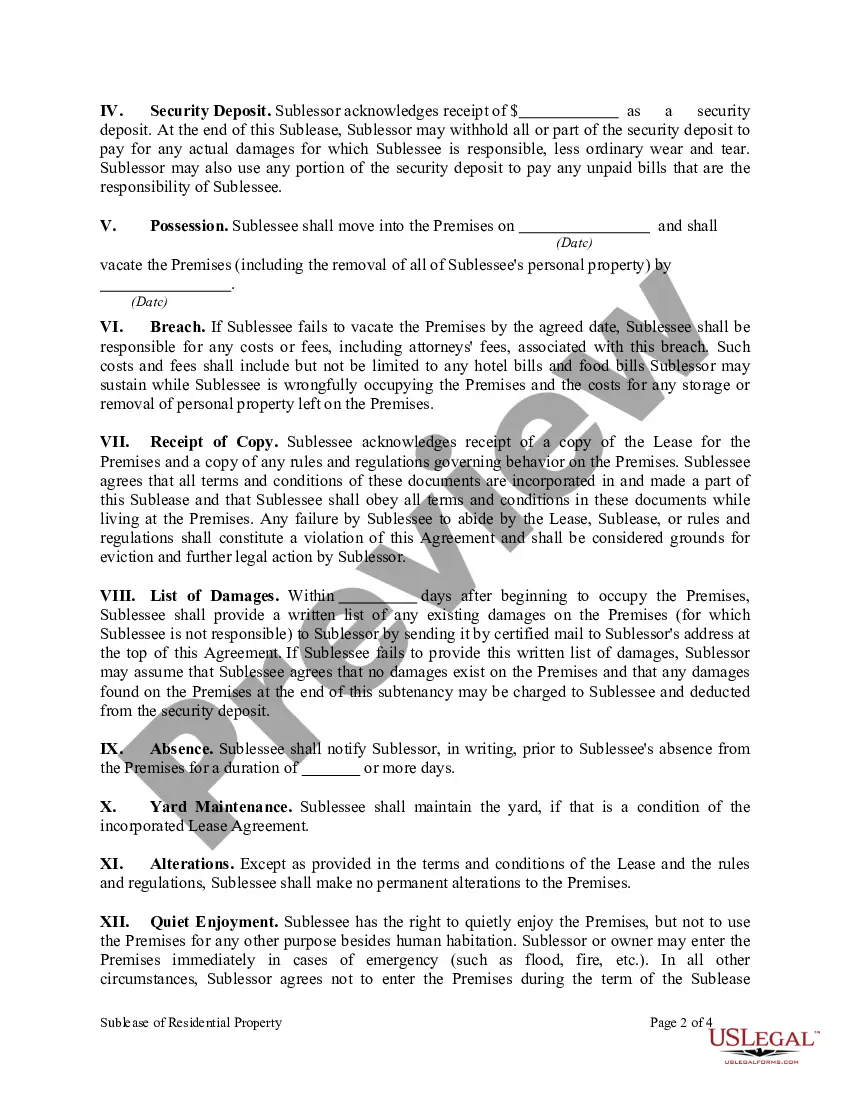
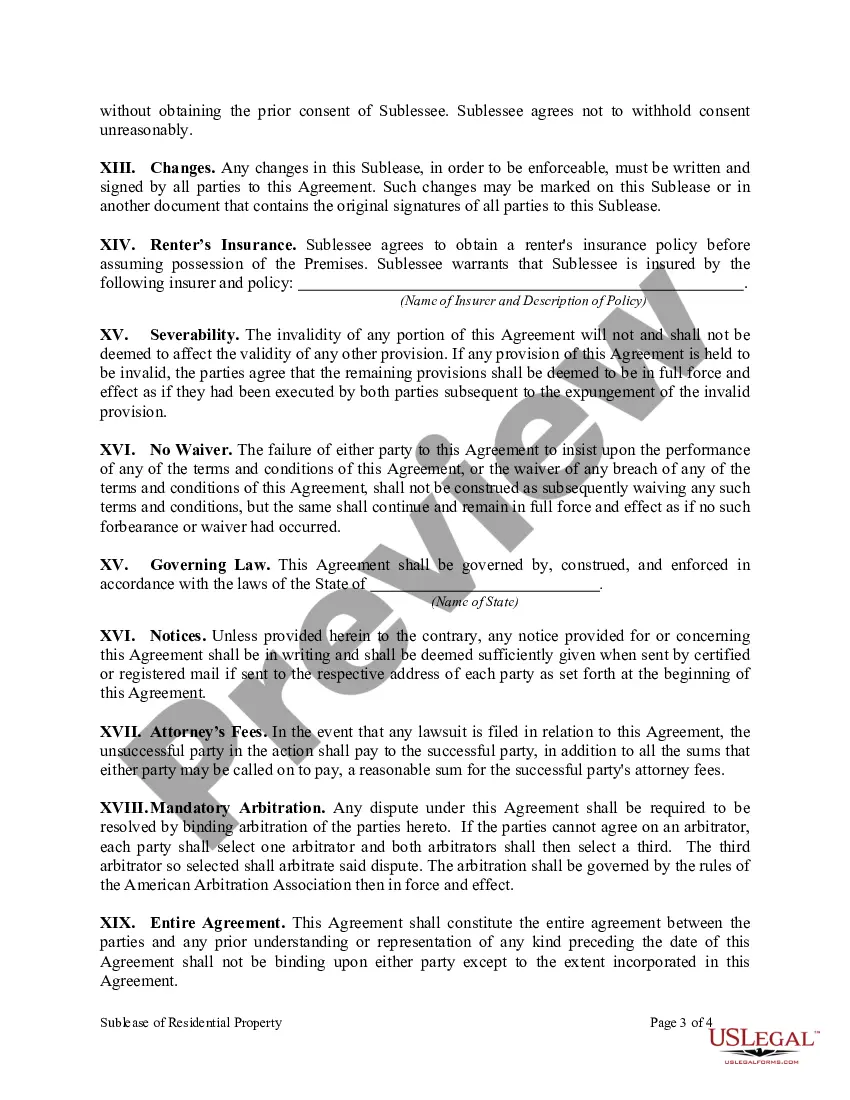
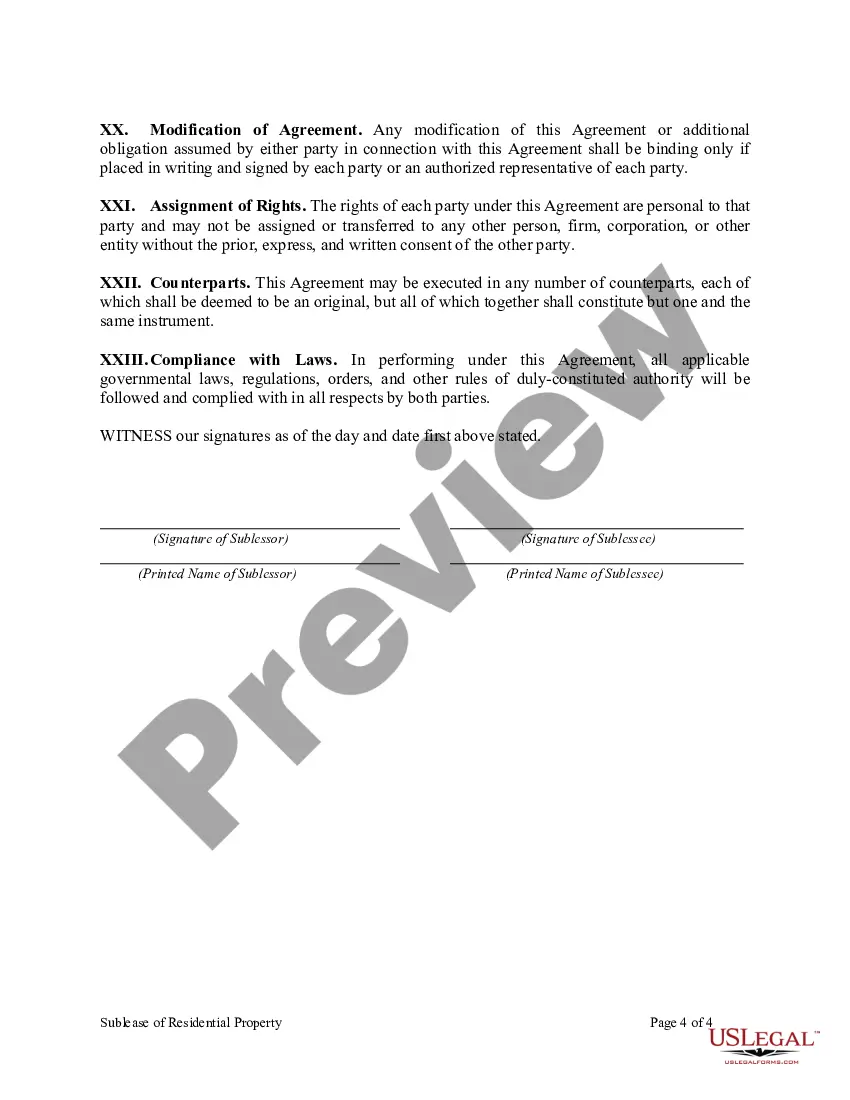

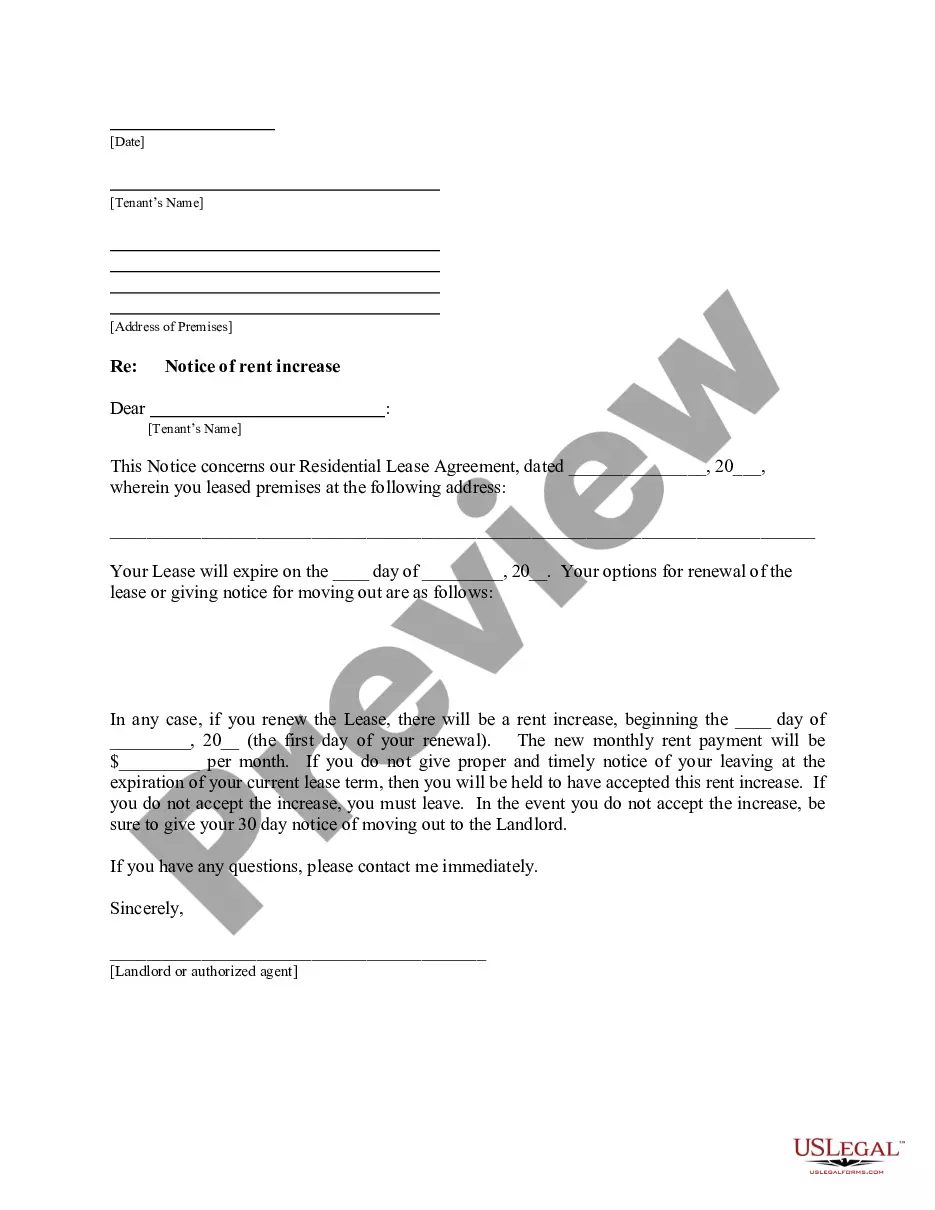
Get your form ready online
Our built-in tools help you complete, sign, share, and store your documents in one place.
Make edits, fill in missing information, and update formatting in US Legal Forms—just like you would in MS Word.
Download a copy, print it, send it by email, or mail it via USPS—whatever works best for your next step.
Sign and collect signatures with our SignNow integration. Send to multiple recipients, set reminders, and more. Go Premium to unlock E-Sign.
If this form requires notarization, complete it online through a secure video call—no need to meet a notary in person or wait for an appointment.
We protect your documents and personal data by following strict security and privacy standards.

Make edits, fill in missing information, and update formatting in US Legal Forms—just like you would in MS Word.

Download a copy, print it, send it by email, or mail it via USPS—whatever works best for your next step.

Sign and collect signatures with our SignNow integration. Send to multiple recipients, set reminders, and more. Go Premium to unlock E-Sign.

If this form requires notarization, complete it online through a secure video call—no need to meet a notary in person or wait for an appointment.

We protect your documents and personal data by following strict security and privacy standards.
Looking for another form?








Form popularity
FAQ
Tips on Subletting Read your lease – usually you will need your Landlord's written consent to sublease. Consult your roommates. Sign a sublease agreement with your subtenant and keep a copy! ... Record a permanent address for your subtenant and do not hesitate to ask for references!
A direct financing lease is a type of lease agreement where the lessor (the entity that owns the asset) purchases an asset for a lessee (the entity using the asset) and leases it to them. This type of lease is typically used for long-term leases of equipment or property.
Key Commercial Lease Types Explained Gross Lease. Often found in office buildings and retail spaces, gross leases provide a simple, all-inclusive rental arrangement. Net Lease. In net leases, the tenant assumes a more significant share of responsibility for building expenses. Modified Gross Lease. Percentage Lease.
A potentially devastating detriment to a sublease is its subject to the original tenant not defaulting. You could be compliant with your sublease and receive notice your lease is terminated because the original tenant defaulted. You could be subject to the landlord's new terms or be forced to vacate.
Direct leasing is a two-party transaction that involves an equipment supplier (manufacturer or dealer) and the asset's user (lessee), whereby the equipment is produced or purchased by the supplier and then leased directly to the customer by the supplier, either as an operating or finance lease.
Direct leasing involves leasing a vehicle directly from a dealership. This is a straightforward process where you choose a car from a dealer's inventory and agree on a leasing contract. You can learn more about this process in our Leasing Guide.
A lease is a rental contract between a landlord and a tenant, whereas a sublease is a contract between a tenant and a sub-tenant who has assumed obligations of the tenant's lease.
