Law Books For Personal Statement In Harris
Description
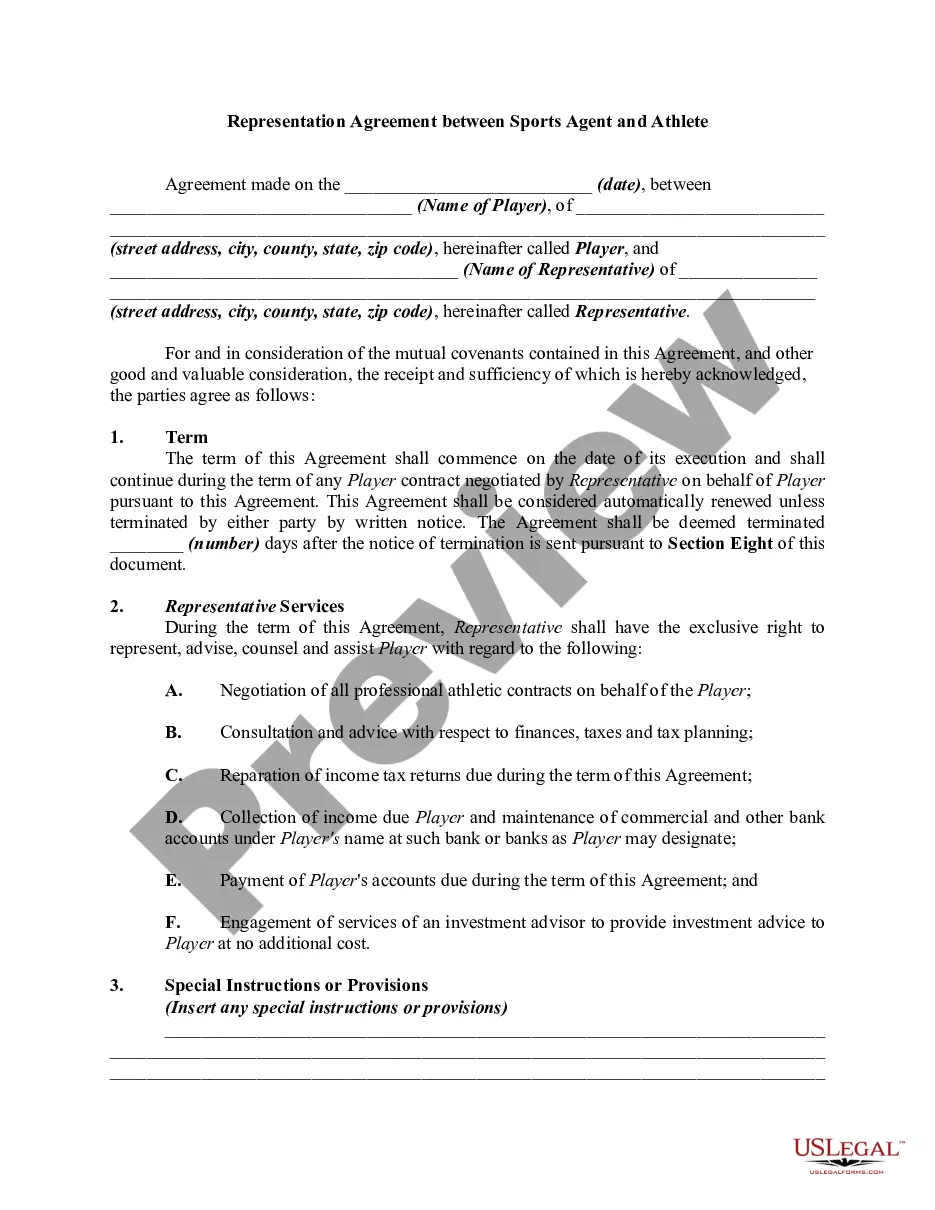
Get your form ready online
Our built-in tools help you complete, sign, share, and store your documents in one place.
Make edits, fill in missing information, and update formatting in US Legal Forms—just like you would in MS Word.
Download a copy, print it, send it by email, or mail it via USPS—whatever works best for your next step.
Sign and collect signatures with our SignNow integration. Send to multiple recipients, set reminders, and more. Go Premium to unlock E-Sign.
If this form requires notarization, complete it online through a secure video call—no need to meet a notary in person or wait for an appointment.
We protect your documents and personal data by following strict security and privacy standards.

Make edits, fill in missing information, and update formatting in US Legal Forms—just like you would in MS Word.

Download a copy, print it, send it by email, or mail it via USPS—whatever works best for your next step.

Sign and collect signatures with our SignNow integration. Send to multiple recipients, set reminders, and more. Go Premium to unlock E-Sign.

If this form requires notarization, complete it online through a secure video call—no need to meet a notary in person or wait for an appointment.

We protect your documents and personal data by following strict security and privacy standards.
Looking for another form?







Form popularity
FAQ
For books, you could give an overall opinion or mention a specific idea from within the book and argue for/against it, for example. It's also a good idea to describe how one thing led you to another – try to tell a story and keep it engaging.
Clinical scientific subjects will not require many book mentions, however, Arts and Humanities personal statements for Oxbridge see a great benefit from discussing at least two books in detail, with further reading mentioned. It's also important to remember that academic sources shouldn't be only limited to books.
Titles of books should be underlined or put in italics. (Titles of stories, essays and poems are in "quotation marks.") Refer to the text specifically as a novel, story, essay, memoir, or poem, depending on what it is.
How to Write a Personal Statement The New Yorker Magazine Joan Didion's essays Tina Fey's memoir, BossyPants When Breath Becomes Air, by Paul Kalinithi The historical travel writing of Sarah Vowell A Walk in the Woods by Bill Bryson Into Thin Air or Into the Wild by John Krakauer Zeitoun, by Dave Eggers
For books, you could give an overall opinion or mention a specific idea from within the book and argue for/against it, for example. It's also a good idea to describe how one thing led you to another – try to tell a story and keep it engaging.
Although many personal statements will not include any citation of sources, in some cases—particularly if your work is in the sciences and you need to provide a brief literature review—you will need to cite sources at the end of your essay in a “References” section.
The main idea for your personal statement is to show that you are enthusiastic about your course and willing to commit. You can refer to as many books as you like but make sure that they all have a purpose.
Using clichés Avoid overused phrases like 'my passion for history began...' or 'I have been interested in geography since a young age'. Admissions tutors read a ton of personal statements and you want to stand out. So get creative with your sentences, but make sure not to go off-topic.
How to Write a Personal Statement The New Yorker Magazine Joan Didion's essays Tina Fey's memoir, BossyPants When Breath Becomes Air, by Paul Kalinithi The historical travel writing of Sarah Vowell A Walk in the Woods by Bill Bryson Into Thin Air or Into the Wild by John Krakauer Zeitoun, by Dave Eggers
Just start by showing your enthusiasm for the subject, showcasing your knowledge and understanding, and sharing your ambitions of what you want to achieve. Avoid cliches! Remember, this opening part is simply about introducing yourself, so let the admissions tutor reading your personal statement get to know you.
