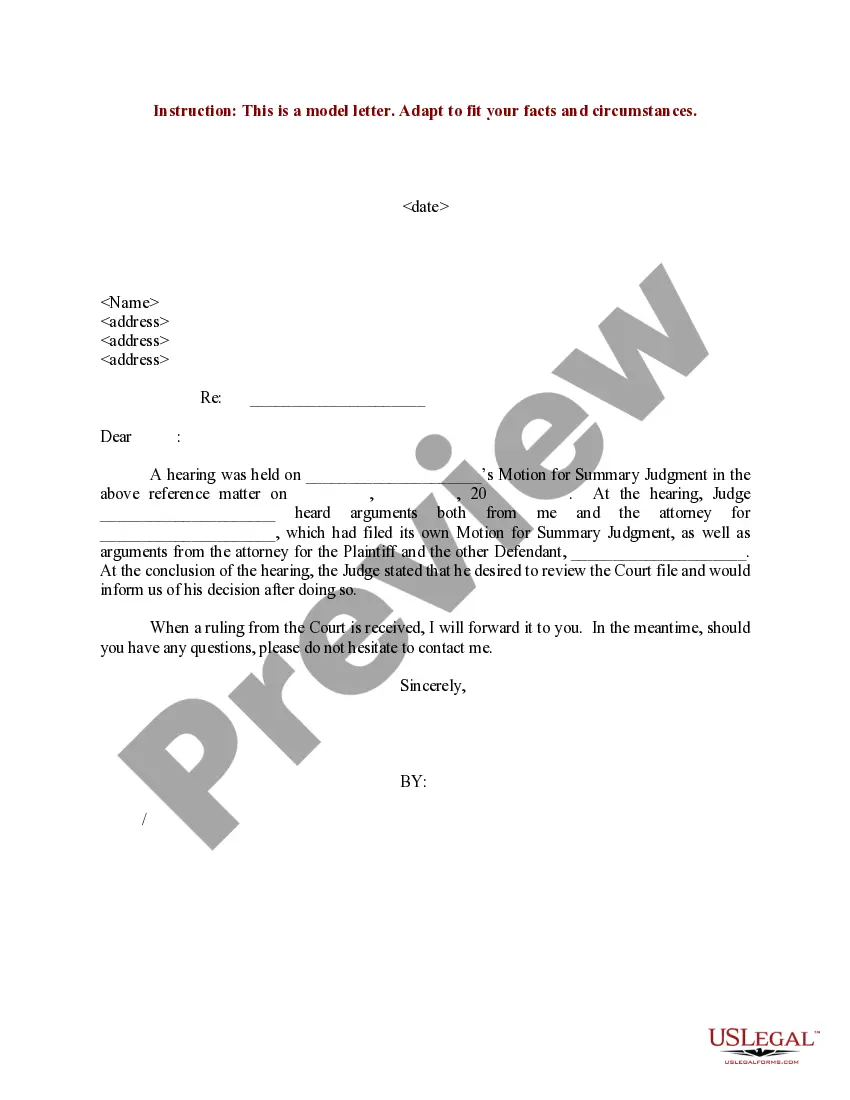
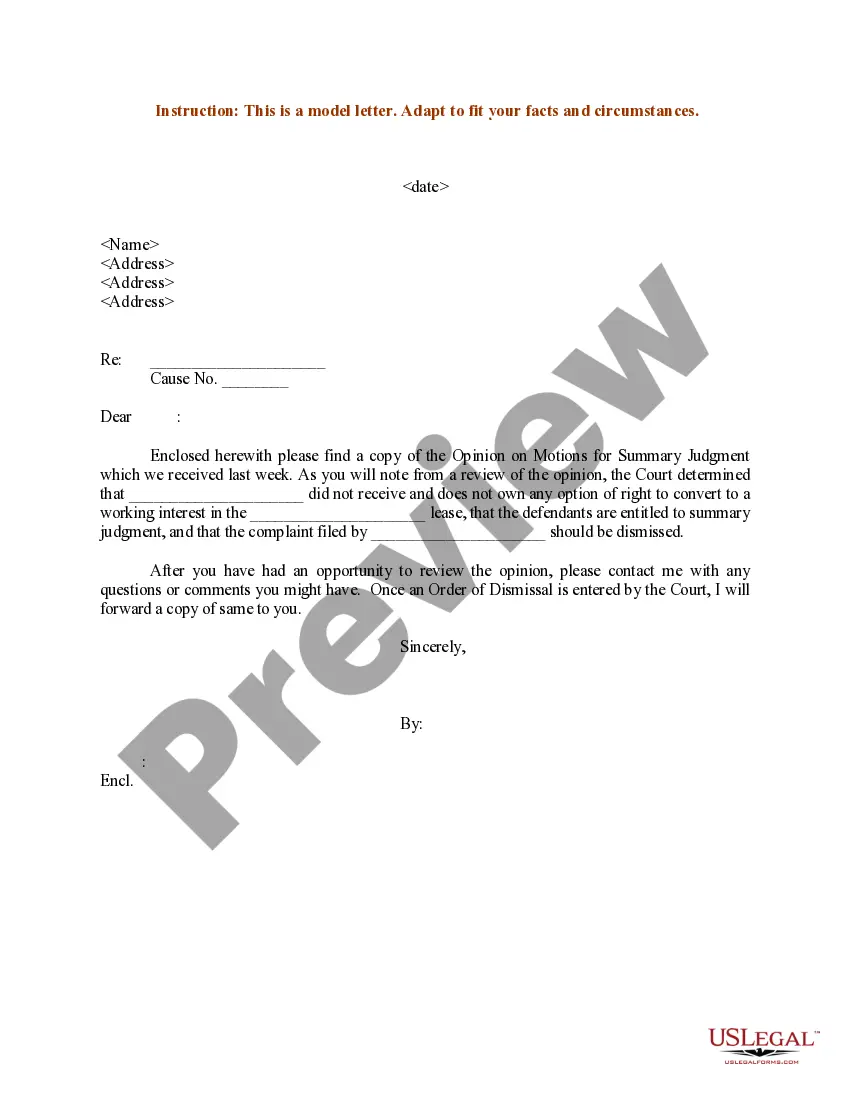
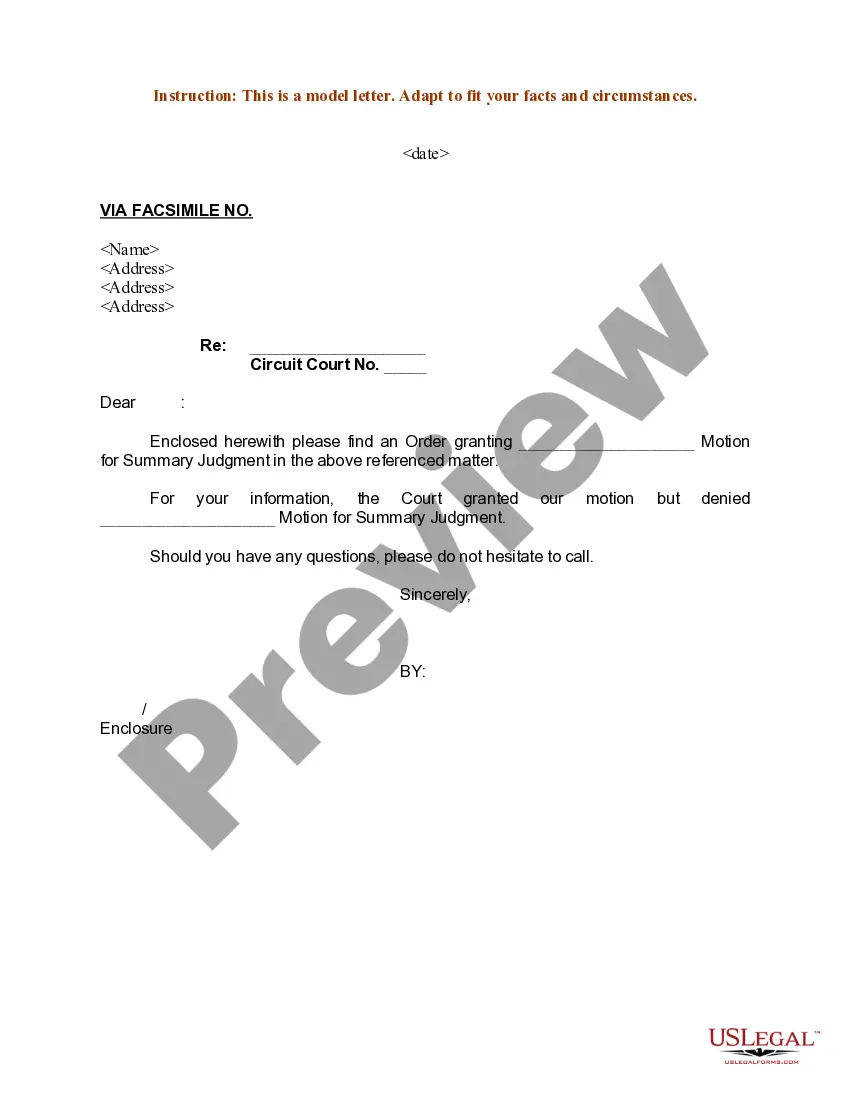
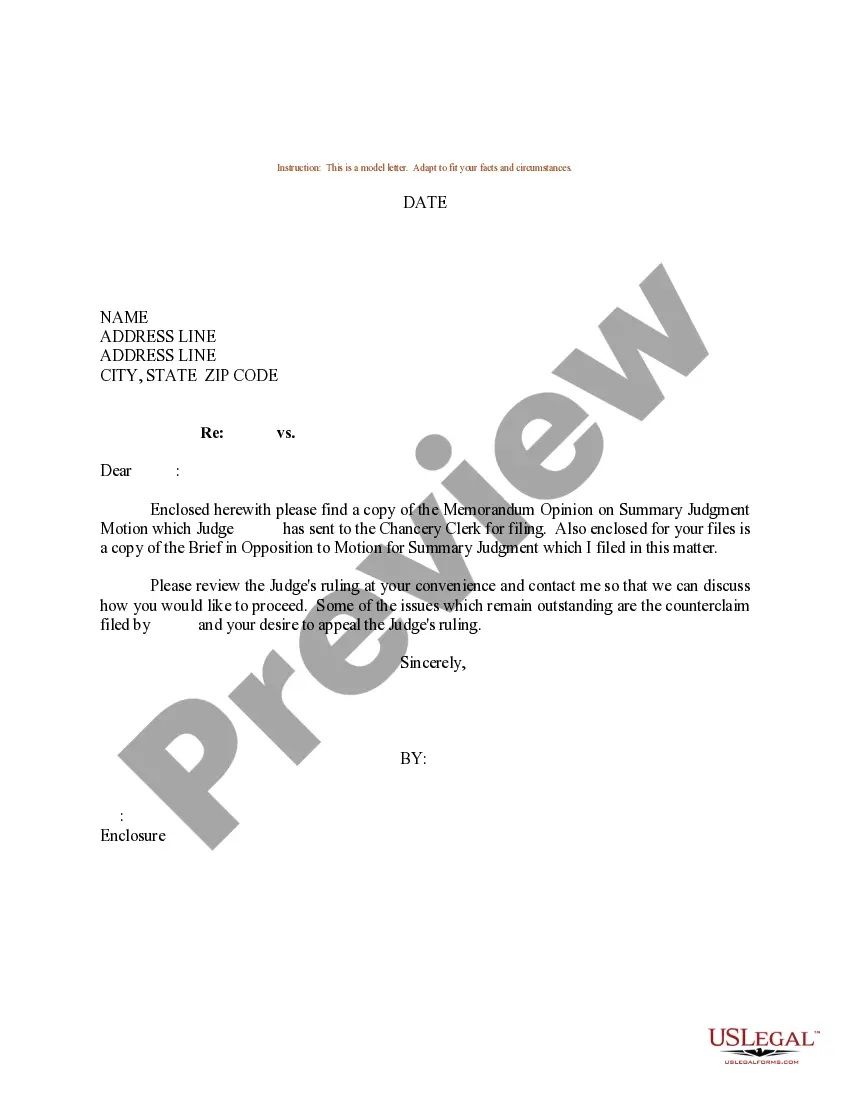
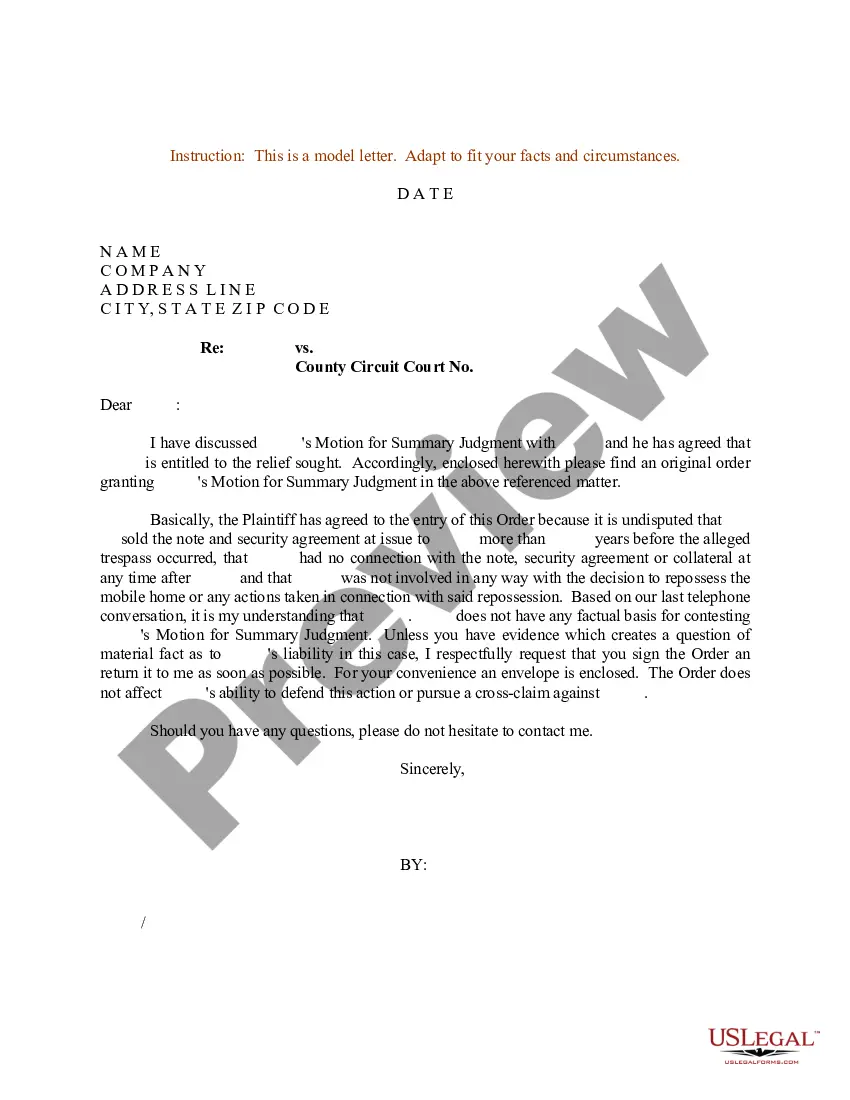
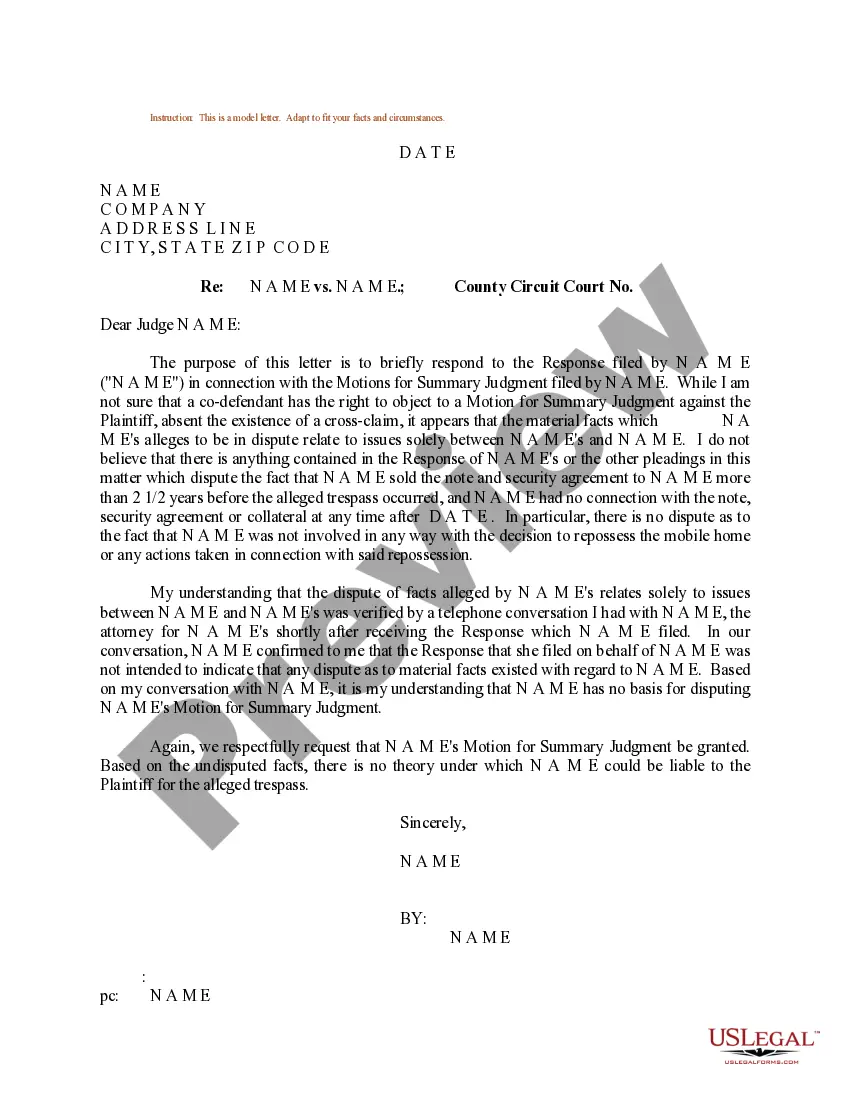
Letter Concerning Hearing Without Consent In Houston
Description
Get your form ready online
Our built-in tools help you complete, sign, share, and store your documents in one place.
Make edits, fill in missing information, and update formatting in US Legal Forms—just like you would in MS Word.
Download a copy, print it, send it by email, or mail it via USPS—whatever works best for your next step.
Sign and collect signatures with our SignNow integration. Send to multiple recipients, set reminders, and more. Go Premium to unlock E-Sign.
If this form requires notarization, complete it online through a secure video call—no need to meet a notary in person or wait for an appointment.
We protect your documents and personal data by following strict security and privacy standards.

Make edits, fill in missing information, and update formatting in US Legal Forms—just like you would in MS Word.

Download a copy, print it, send it by email, or mail it via USPS—whatever works best for your next step.

Sign and collect signatures with our SignNow integration. Send to multiple recipients, set reminders, and more. Go Premium to unlock E-Sign.

If this form requires notarization, complete it online through a secure video call—no need to meet a notary in person or wait for an appointment.

We protect your documents and personal data by following strict security and privacy standards.
Looking for another form?








Form popularity
FAQ
Those states are: California, Delaware, Florida, Illinois, Maryland, Massachusetts, Montana, Nevada, New Hampshire, Pennsylvania and Washington.
Under Texas and federal law, you can record conversations between other people as long as one of the people in the conversation gave you permission to make the recording. Other exceptions also apply, such as law enforcement officials acting pursuant to a proper wire-tapping or trap-and-trace order.
A person may request to record or broadcast a proceeding in ance with Rule 14 of the Texas Rules of Appellate Procedure. Existing video, audio, and lighting systems should be used unless otherwise ordered by the Court.
Most states give the court discretion to impose reasonable restrictions on the use of cameras and recording equipment in order to maintain the integrity of its proceedings and to otherwise serve the interests of justice. For state-specific information about recording in courtrooms, see the State Law: Recording section.
Recording or broadcasting of proceedings held in chambers, proceedings closed to the public, jury selection, and jury deliberation is prohibited, unless all persons involved agree to the recording or broadcasting by written waiver.
Texas & Federal Laws This means that unless at least one of the parties to a conversation consents, both Texas and federal wiretapping laws make it a crime to record an audio conversation if the parties have a "reasonable expectation of privacy." This is true both in person and over the phone.
Conclusion: Going to small claims court may be worth it for $500, but it will determine how you weigh your costs versus benefits. At a minimum, it is worth it to send a demand letter.
Sometimes courts will put inactive cases on a dismissal docket and the Plaintiff will file a motion to retain the case on the docket so it doesn't get dismissed for want of prosecution.
A response and brief to an opposed motion must be filed within 21 days from the date the motion is filed. Time for Reply Briefs. Unless otherwise directed by the presiding judge, a party who has filed an opposed motion may file a reply brief within 14 days from the date the response is filed.
To file online, go to E-File Texas ( ) 11 and follow the instructions. To file in person, take your answer (and copies) to the district clerk's office in the county where the plaintiff filed the case. At the clerk's office: Turn in your answer form (and copies).