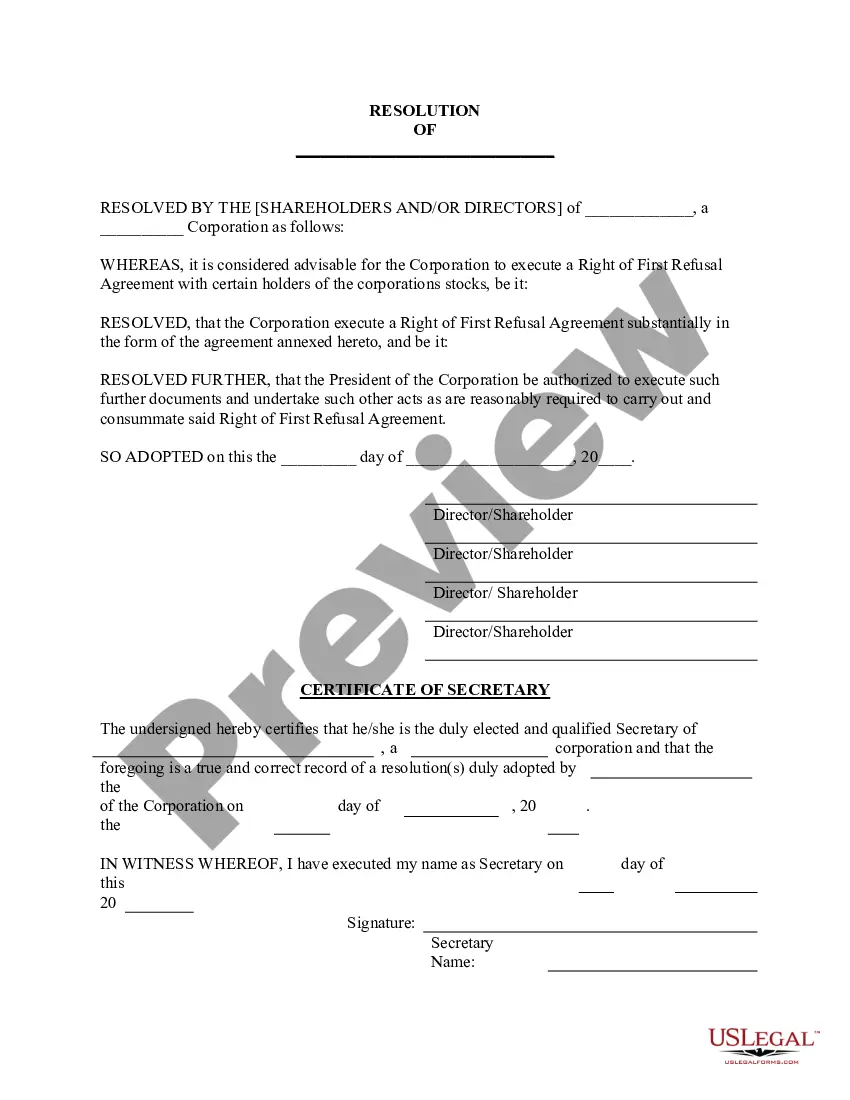
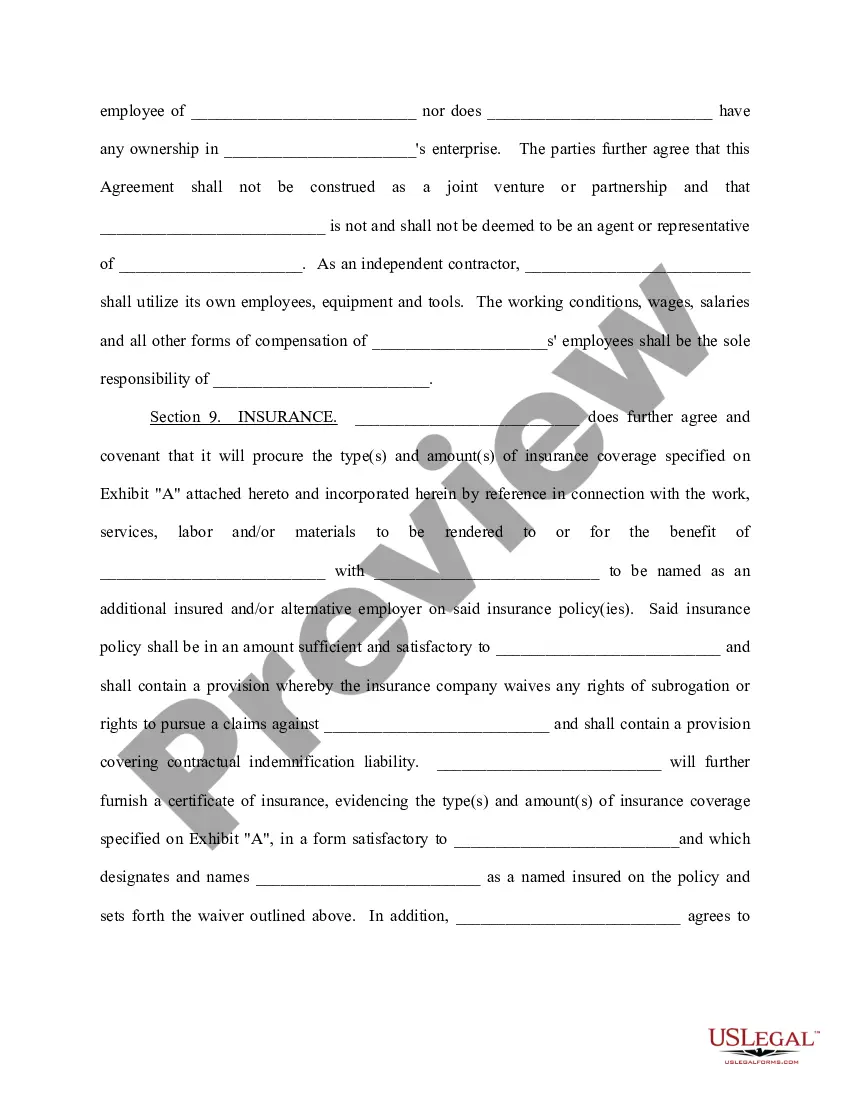
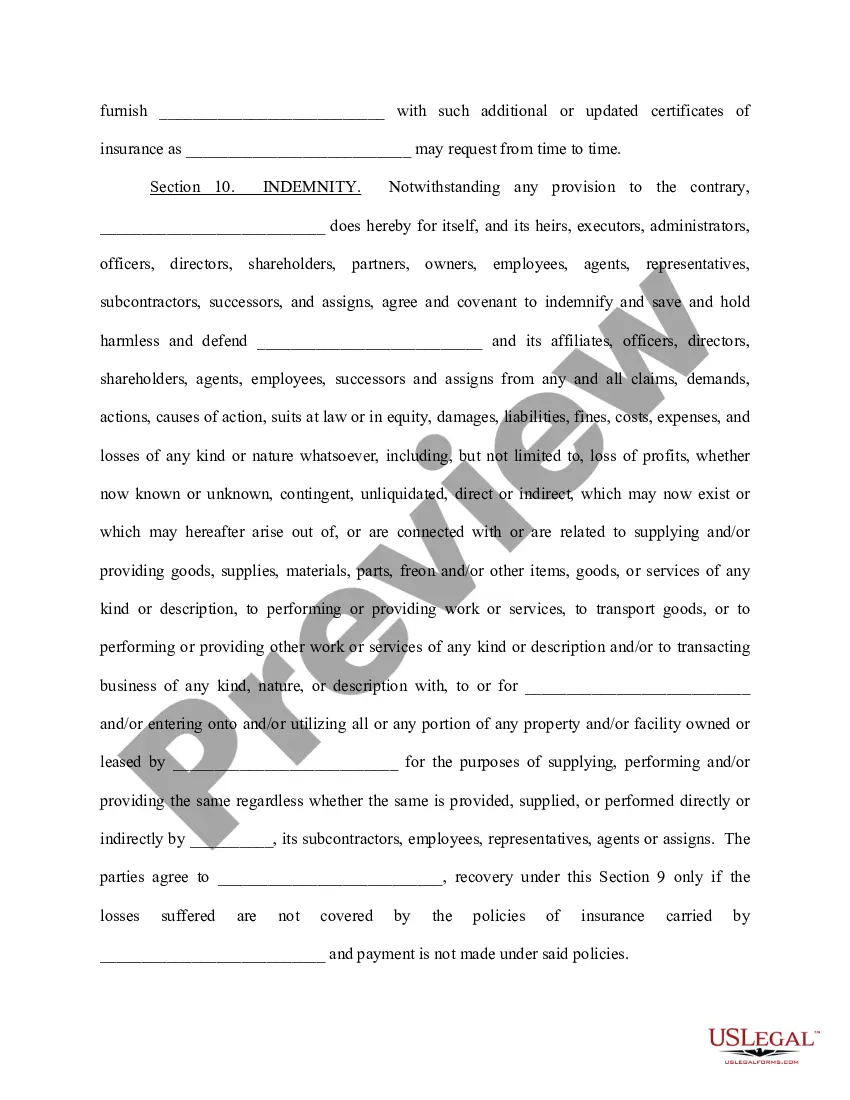
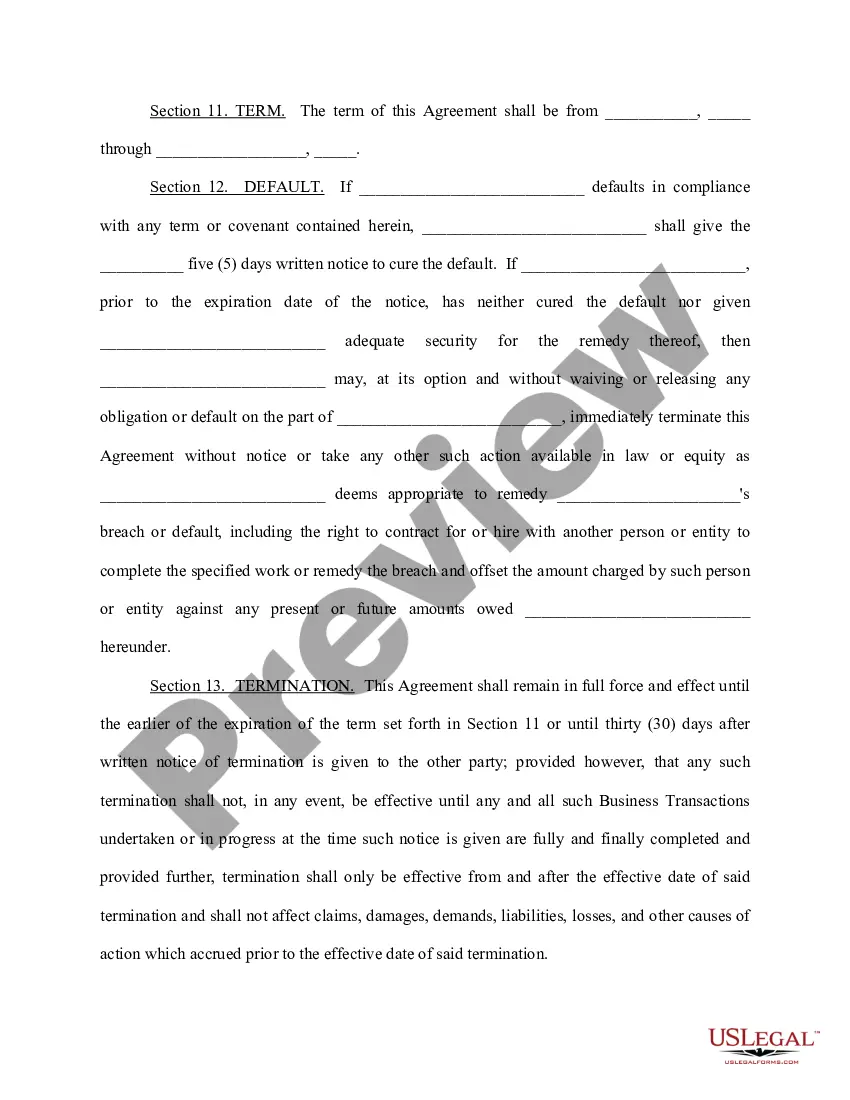
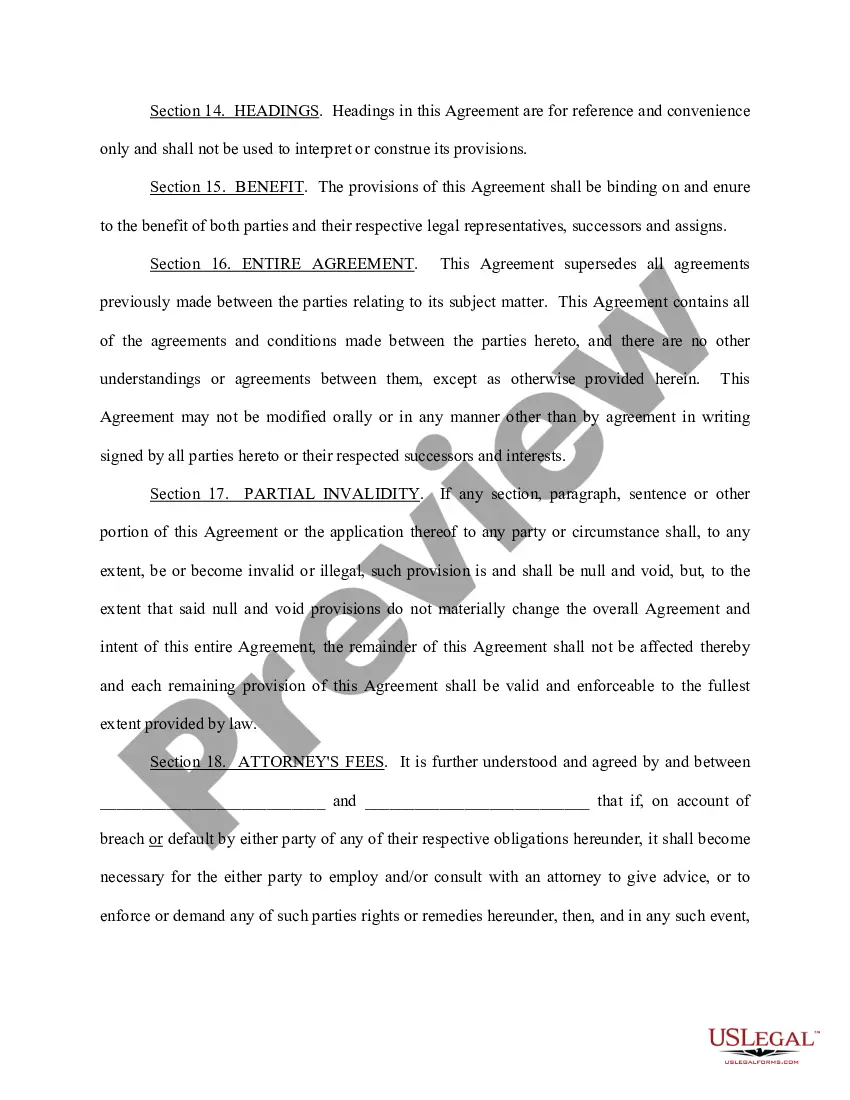
Maintenance Agreement Equipment Template For Software Development In Nevada
Description

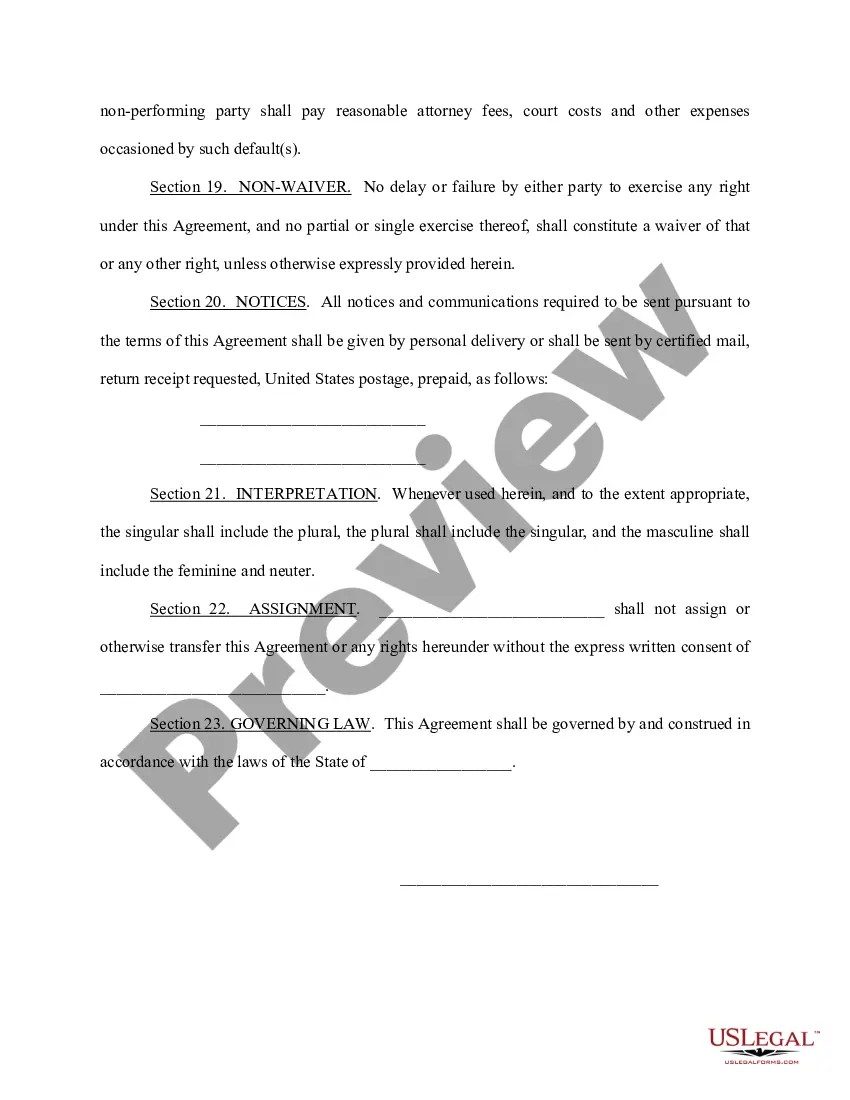
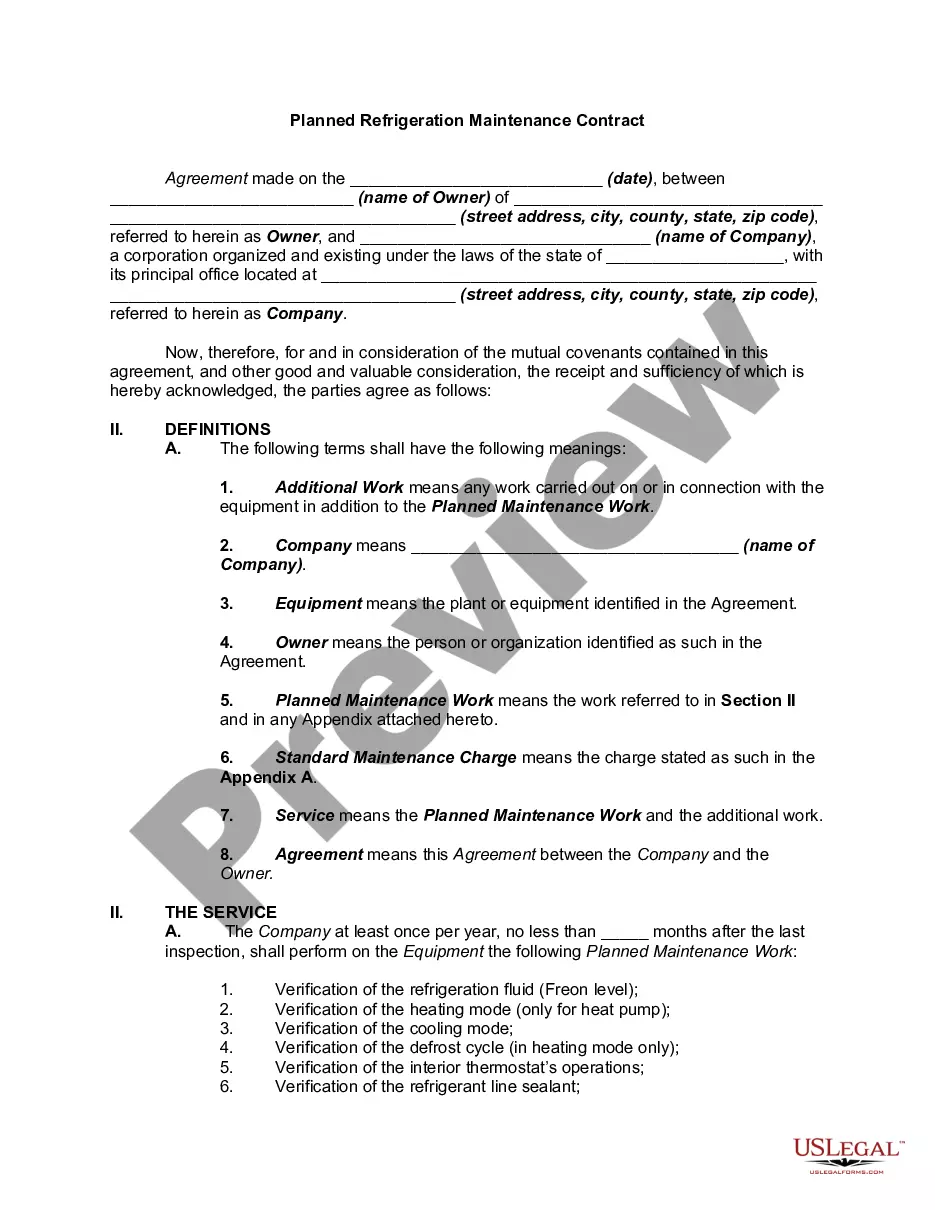
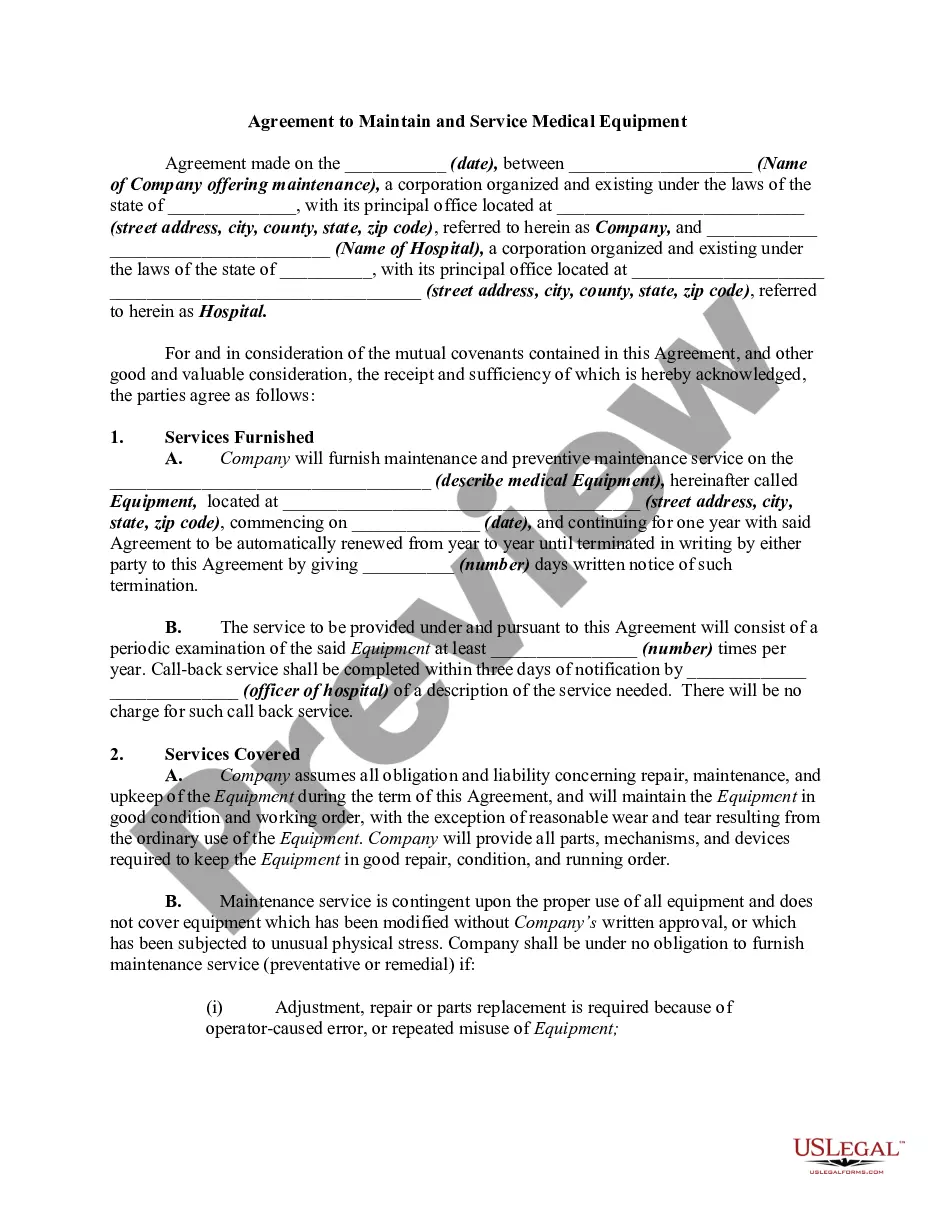
Get your form ready online
Our built-in tools help you complete, sign, share, and store your documents in one place.
Make edits, fill in missing information, and update formatting in US Legal Forms—just like you would in MS Word.
Download a copy, print it, send it by email, or mail it via USPS—whatever works best for your next step.
Sign and collect signatures with our SignNow integration. Send to multiple recipients, set reminders, and more. Go Premium to unlock E-Sign.
If this form requires notarization, complete it online through a secure video call—no need to meet a notary in person or wait for an appointment.
We protect your documents and personal data by following strict security and privacy standards.

Make edits, fill in missing information, and update formatting in US Legal Forms—just like you would in MS Word.

Download a copy, print it, send it by email, or mail it via USPS—whatever works best for your next step.

Sign and collect signatures with our SignNow integration. Send to multiple recipients, set reminders, and more. Go Premium to unlock E-Sign.

If this form requires notarization, complete it online through a secure video call—no need to meet a notary in person or wait for an appointment.

We protect your documents and personal data by following strict security and privacy standards.
Looking for another form?








Form popularity
FAQ
Software maintenance is the process of changing, modifying, and updating software to keep up with customer needs. Software maintenance is done after the product has launched for several reasons including improving the software overall, correcting issues or bugs, to boost performance, and more.
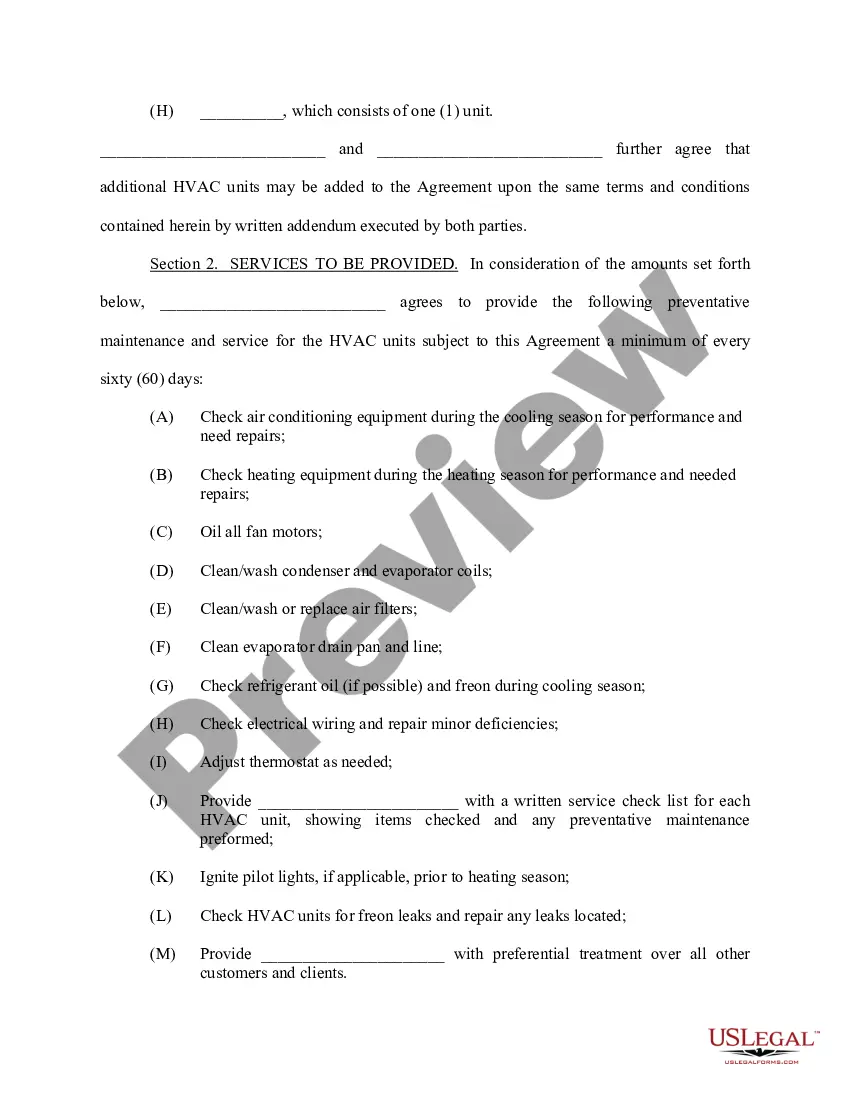
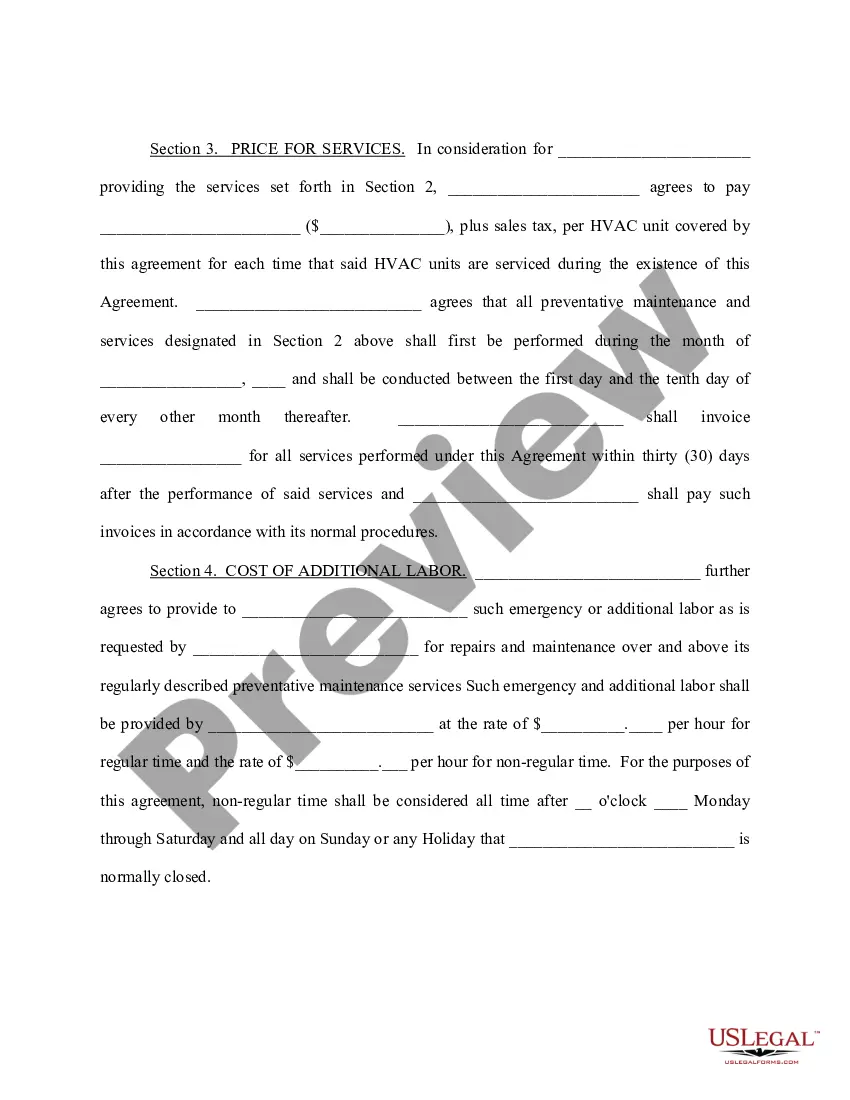
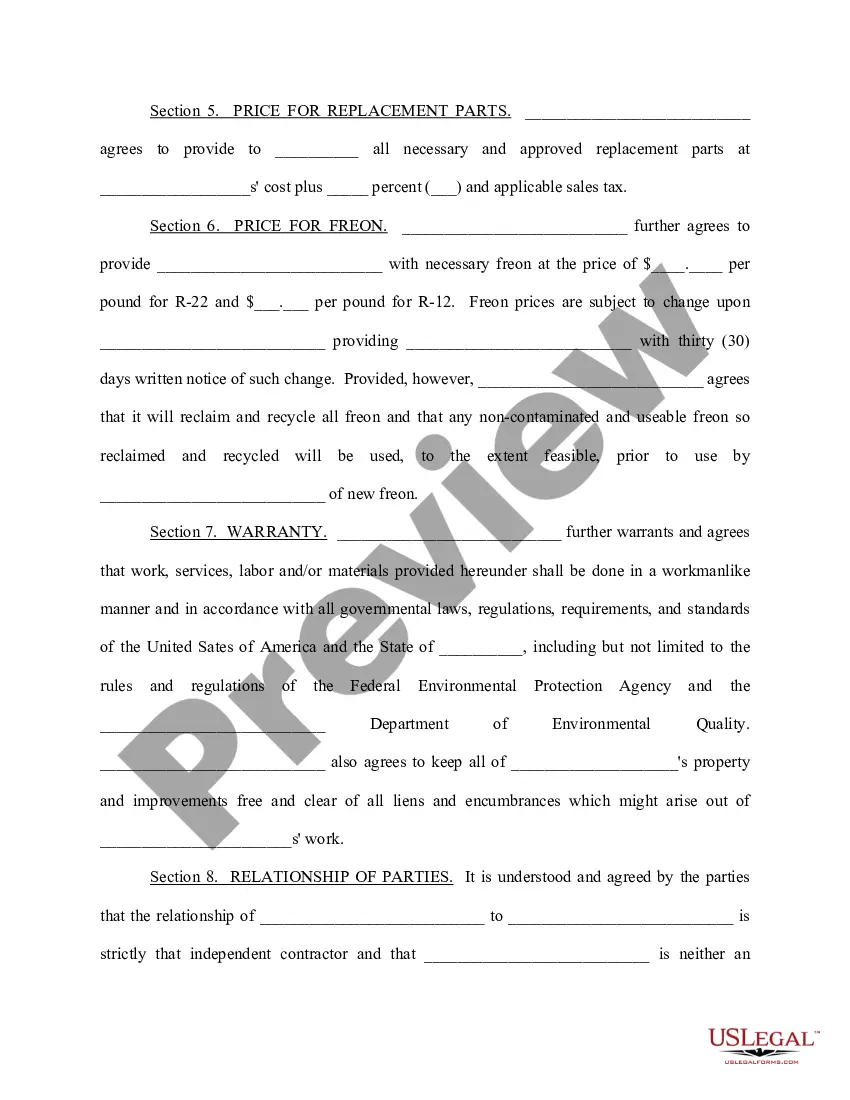
A maintenance agreement outlines the steps one party will undertake to insure the upkeep, repair, serviceability of another party's property. Maintenance contracts are commonly used by companies that take care of vehicle fleets, industrial equipment, office and apartment buildings, computer networks, etc.
What does the software maintenance contract include? The software maintenance bill charged by the manufacturer typically entitles you to support services if something goes wrong and also entitles you to new versions of the software and any minor releases and bug fixes as they are available. It's your security blanket.
A software maintenance agreement, or SMA, is a legal contract that obligates the software vendor to provide technical support and updates for an existing software product for their customers. It may also extend the expiration date of certain features, such as new releases or upgrades.
The Four Types Of Software Maintenance & How They Help Your Organization Corrective Software Maintenance. Adaptive Software Maintenance. Perfective Software Maintenance. Preventive Software Maintenance.
How to Write a Maintenance Contract Draw up a section for official definitions at the beginning of the contract. Lay out the maintenance services to be performed early in the contract. Discuss the compensation structure agreed upon for services. Draft a section discussing any warranties or promises made by either party.
An annual maintenance contract is a great way to cover basic maintenance needs, while a comprehensive maintenance contract covers any additional replacement parts, labor, or transportation costs that come up while technicians are performing routine maintenance.
How to Create a Preventive Maintenance Schedule Step 1: Prioritize Assets by Maintenance Needs. Step 2: Identify a schedule based on maintenance triggers. Step 3: Prioritize maintenance tasks. Step 4: Assign responsibility for maintenance tasks. Step 5: Document work with preventive maintenance checklists.