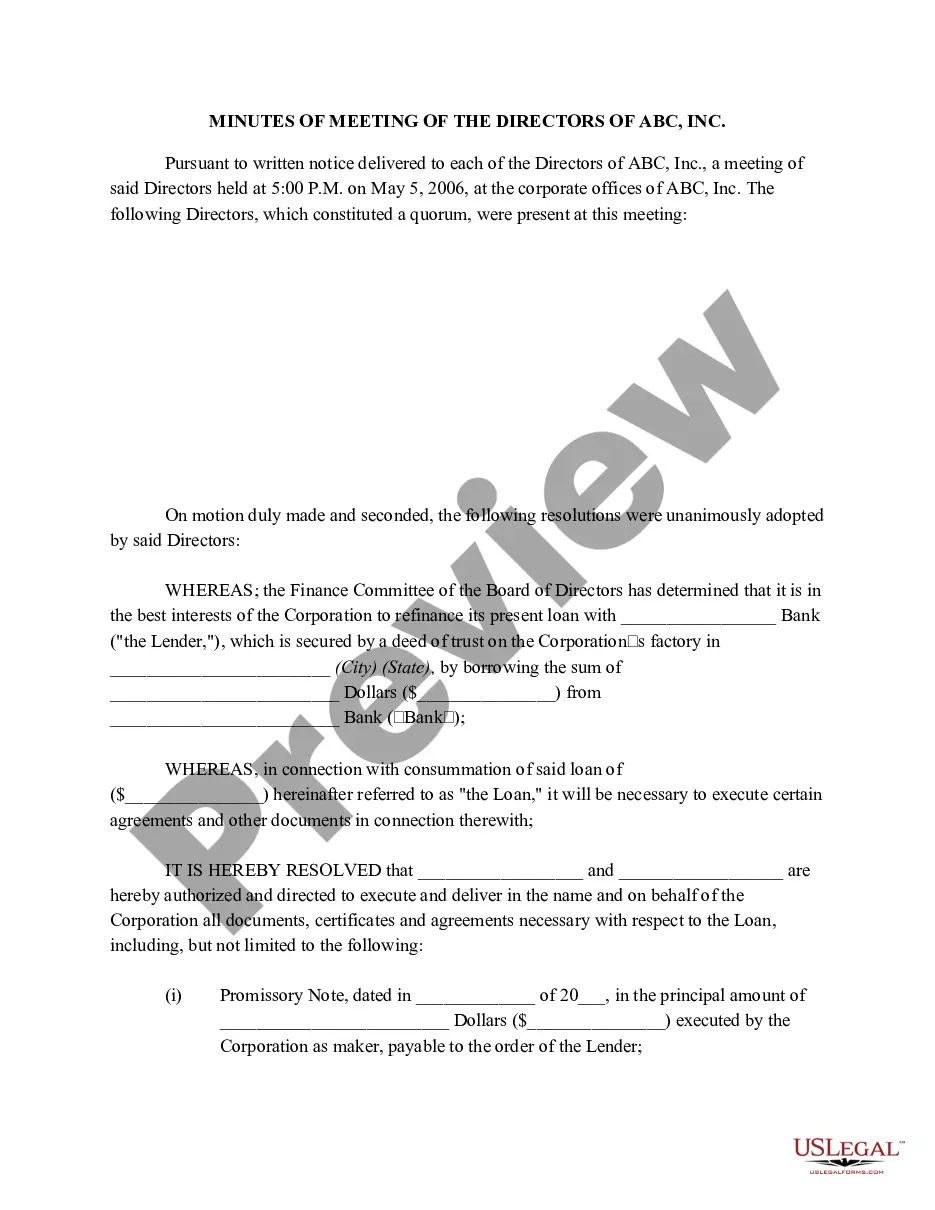
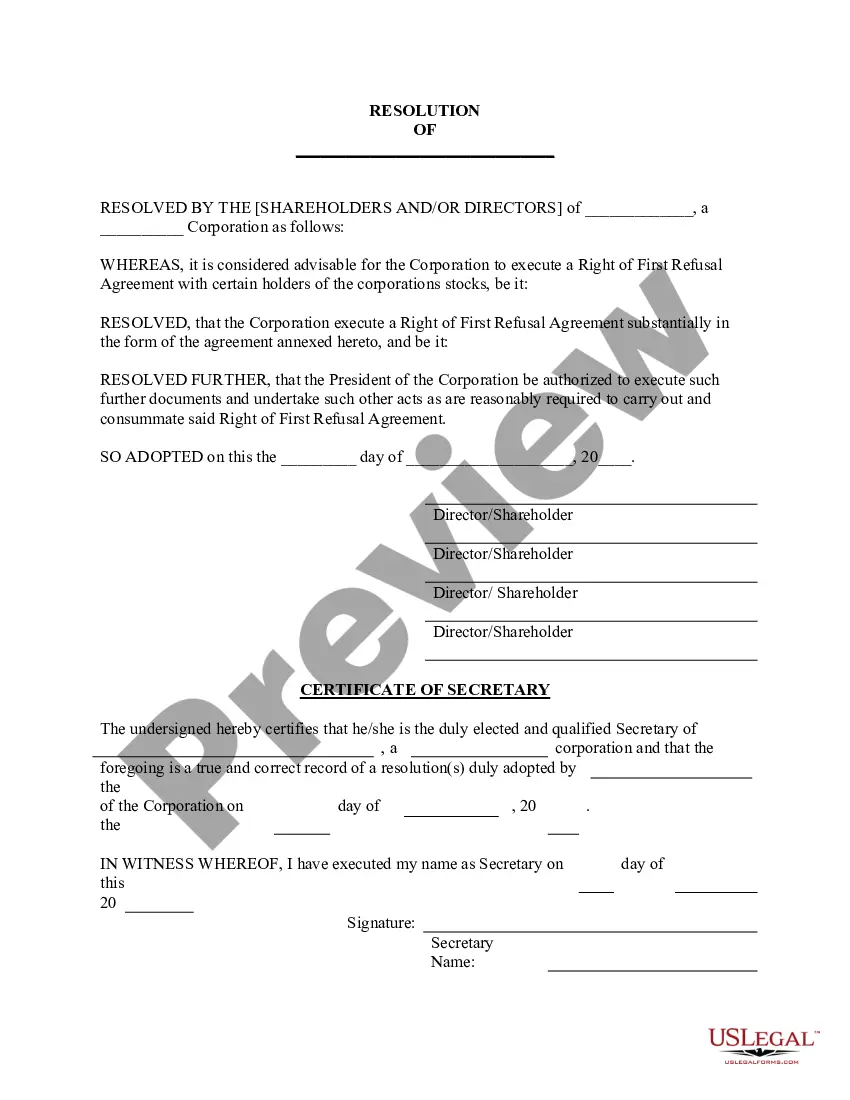
Corporate Refusal For 501 In Maryland
Description
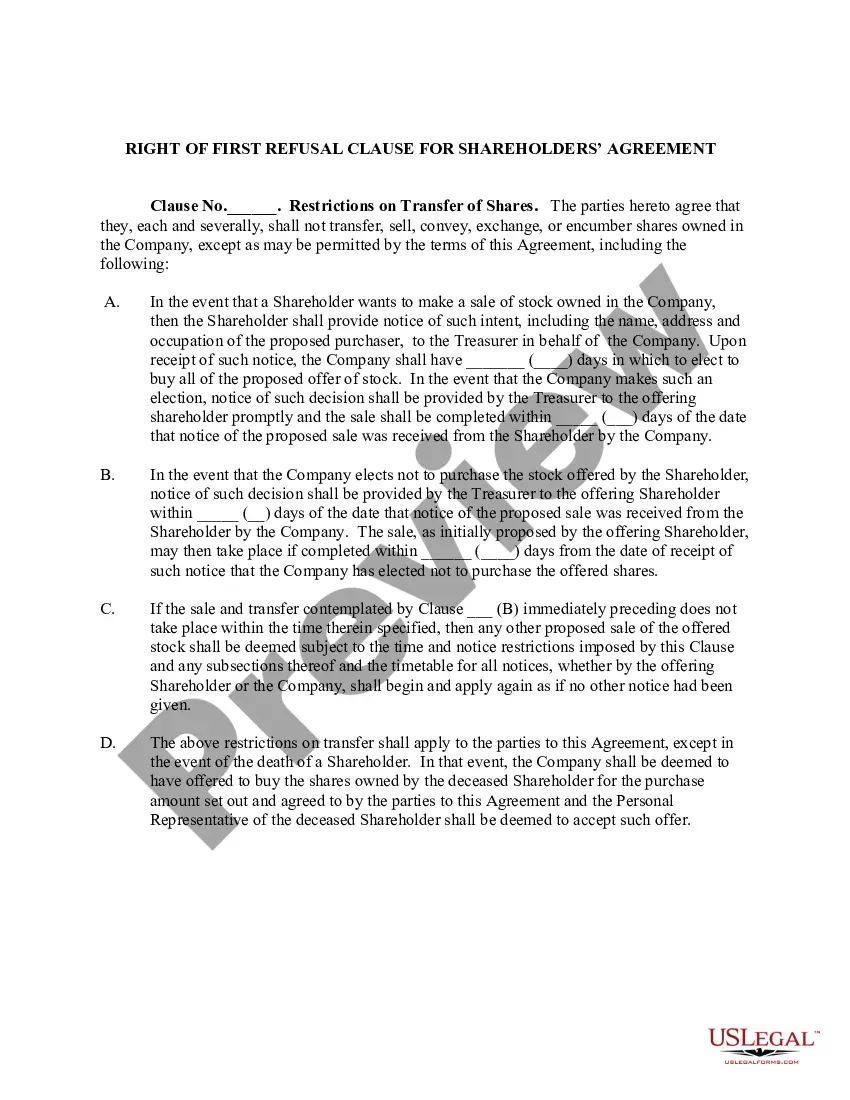
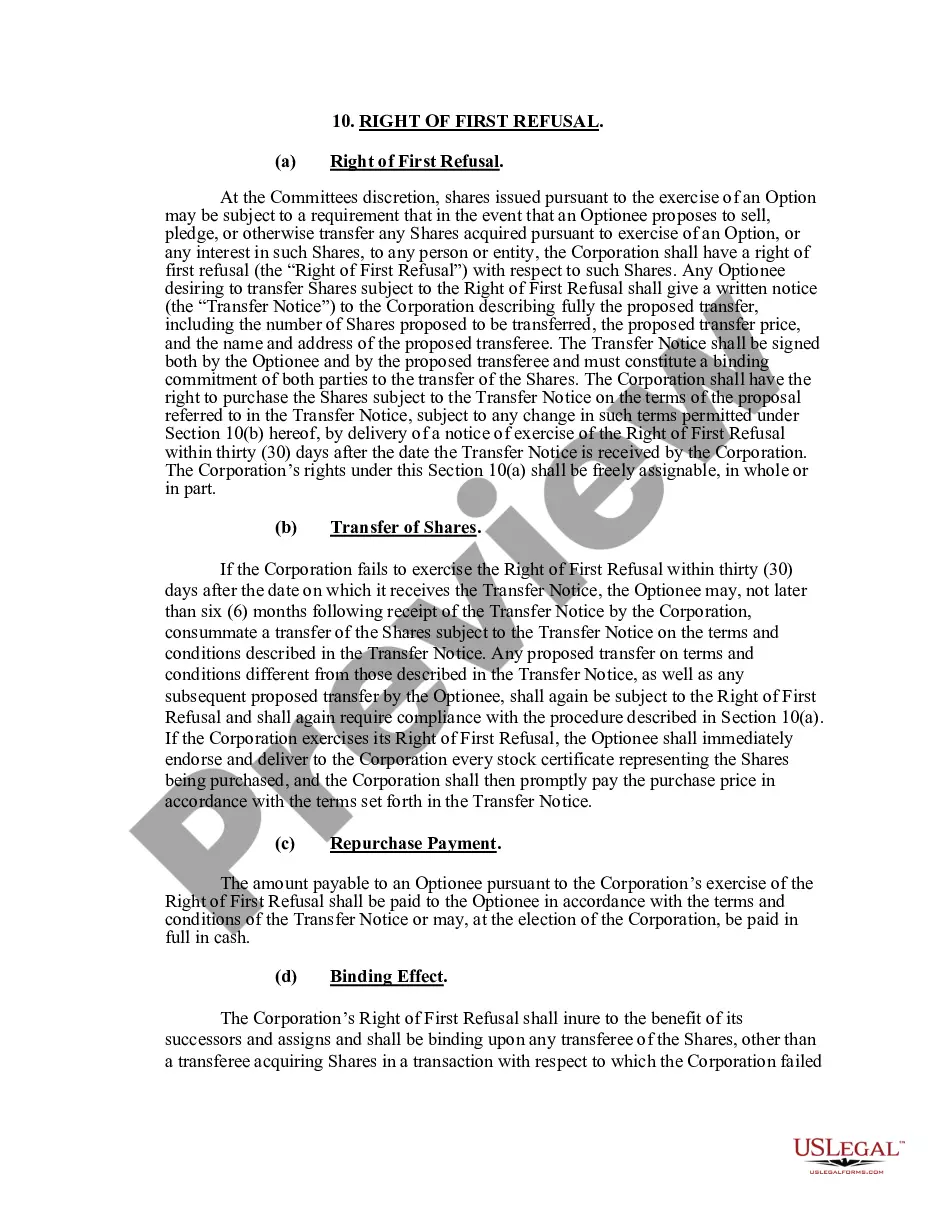
Get your form ready online
Our built-in tools help you complete, sign, share, and store your documents in one place.
Make edits, fill in missing information, and update formatting in US Legal Forms—just like you would in MS Word.
Download a copy, print it, send it by email, or mail it via USPS—whatever works best for your next step.
Sign and collect signatures with our SignNow integration. Send to multiple recipients, set reminders, and more. Go Premium to unlock E-Sign.
If this form requires notarization, complete it online through a secure video call—no need to meet a notary in person or wait for an appointment.
We protect your documents and personal data by following strict security and privacy standards.

Make edits, fill in missing information, and update formatting in US Legal Forms—just like you would in MS Word.

Download a copy, print it, send it by email, or mail it via USPS—whatever works best for your next step.

Sign and collect signatures with our SignNow integration. Send to multiple recipients, set reminders, and more. Go Premium to unlock E-Sign.

If this form requires notarization, complete it online through a secure video call—no need to meet a notary in person or wait for an appointment.

We protect your documents and personal data by following strict security and privacy standards.
Looking for another form?







Form popularity
FAQ
Maryland has decoupled from certain federal provisions, as listed at the top of Form 500DM, by enacting addition and subtraction modifications which eliminate the effect of the changes on Maryland and local taxes. This form is used to determine the amount of the required modification.
In general, you must file this return if: You are a nonresident of Maryland, • AND, you are required to file a federal return based upon the income levels in Table 1 or 2, • AND, you received income from sources within Maryland.
Corporate Taxes Every corporation and association having income allocable to the State of Maryland is required to file an income tax return with the state. The corporate tax rate is 8.25 percent of the net income allocable to Maryland.
A domestic corporation must file Form 1120, U.S. Corporation Income Tax Return, whether it has taxable income or not, unless it's exempt from filing under section 501.
Every Maryland corporation must file a corporation income tax return, using Form 500, even if the corporation has no taxable income or is inactive. Corporation income tax returns can be filed electronically, using approved software. Talk to your software provider about electronic filing options.
If you are a Maryland resident, you are required to file a Maryland income tax return if you are required to file a federal income tax return, and your gross income equals or exceeds the level for your filing status in Filing Requirements see above and in Instruction 1 of the Maryland resident tax booklet.
The corporate opportunity doctrine is, in essence, a rule of disclosure: When a company's fiduciary wants to take advantage of an opportunity that is in the company's line of business, "the fiduciary must first disclose and tender the opportunity" to the company.
§ 1-501. The circuit courts are the highest common-law and equity courts of record exercising original jurisdiction within the State.
It is against the law to sell a business opportunity without first filing the appropriate documents with the Division. It is also unlawful to sell a business opportunity by fraudulent means. Inquire about whether the seller has filed with the Division, then call us to check.
The corporate opportunity doctrine is the legal principle providing that directors, officers, and controlling shareholders of a corporation must not take for themselves any business opportunity that could benefit the corporation. The corporate opportunity doctrine is one application of the fiduciary duty of loyalty.