Sale Goods With Formula In Pima
Description

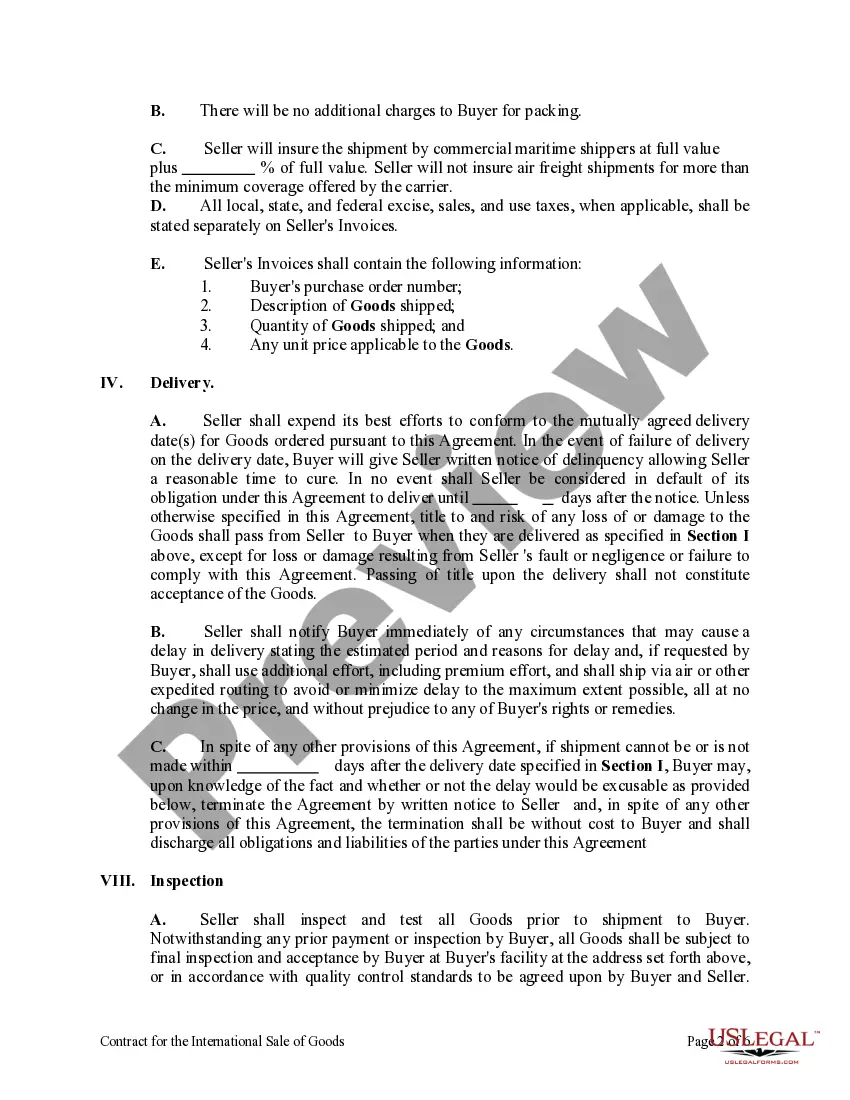
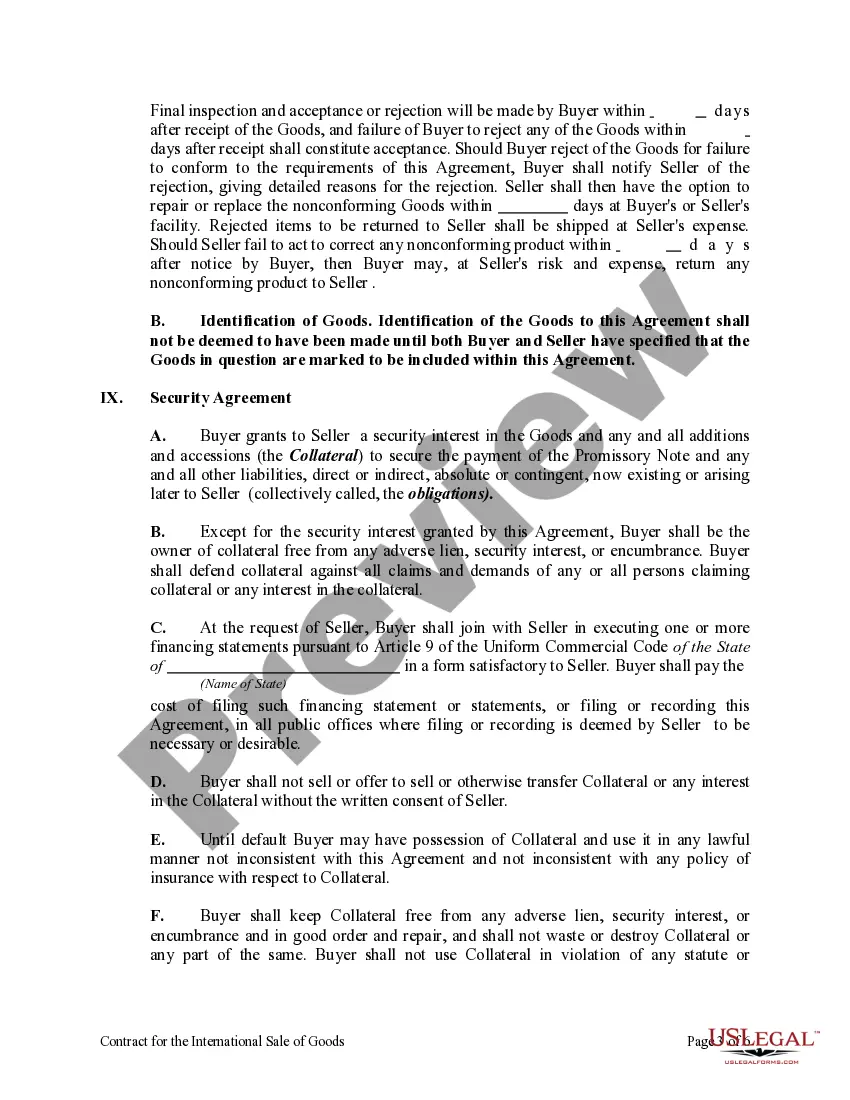
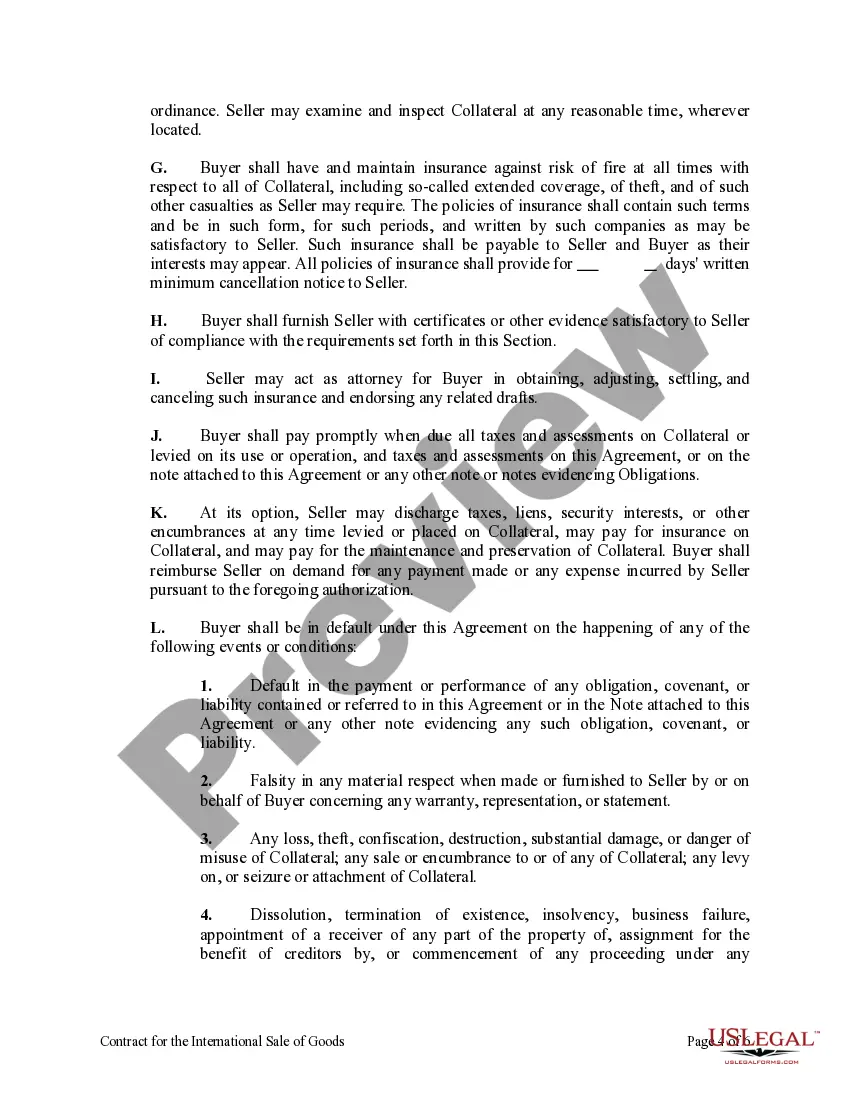

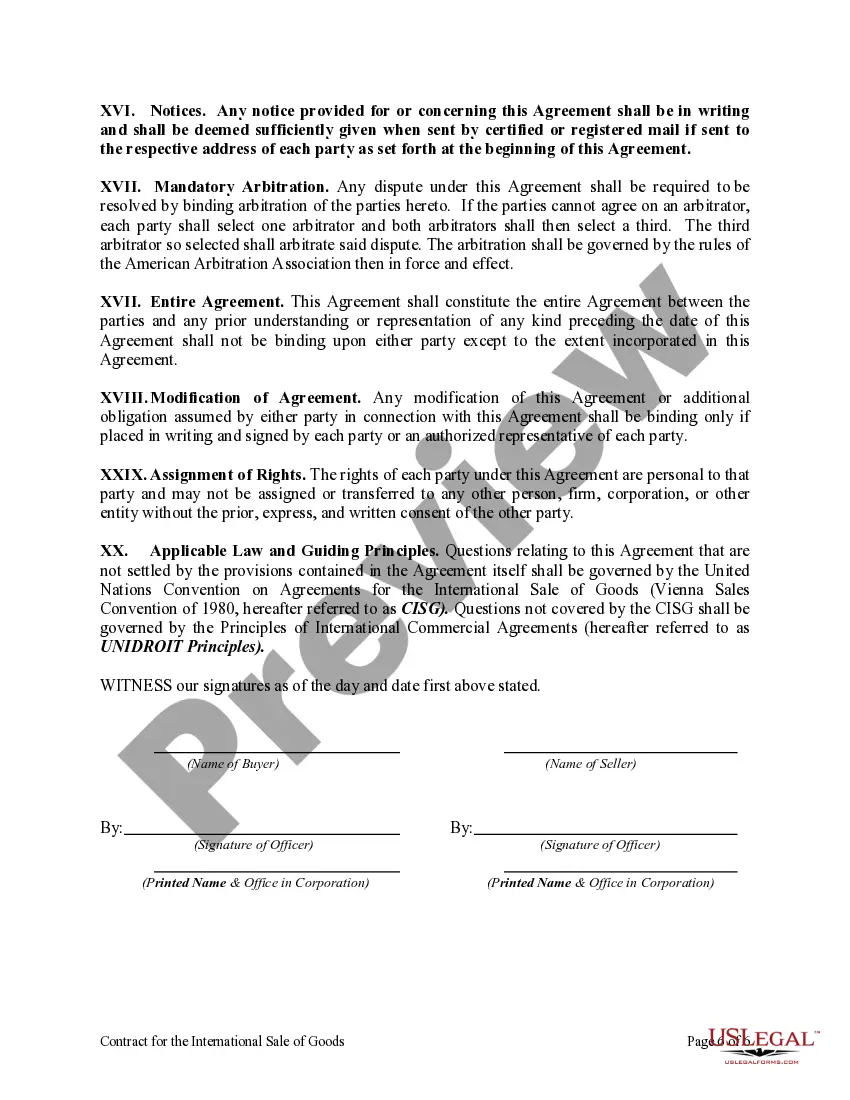
Get your form ready online
Our built-in tools help you complete, sign, share, and store your documents in one place.
Make edits, fill in missing information, and update formatting in US Legal Forms—just like you would in MS Word.
Download a copy, print it, send it by email, or mail it via USPS—whatever works best for your next step.
Sign and collect signatures with our SignNow integration. Send to multiple recipients, set reminders, and more. Go Premium to unlock E-Sign.
If this form requires notarization, complete it online through a secure video call—no need to meet a notary in person or wait for an appointment.
We protect your documents and personal data by following strict security and privacy standards.

Make edits, fill in missing information, and update formatting in US Legal Forms—just like you would in MS Word.

Download a copy, print it, send it by email, or mail it via USPS—whatever works best for your next step.

Sign and collect signatures with our SignNow integration. Send to multiple recipients, set reminders, and more. Go Premium to unlock E-Sign.

If this form requires notarization, complete it online through a secure video call—no need to meet a notary in person or wait for an appointment.

We protect your documents and personal data by following strict security and privacy standards.
Looking for another form?







Form popularity
FAQ
The average tax rate on a home in PIMA County will be approximately 1% of market value. Or 10% of “Assessed Value”. Tucson home Assessed Value will be about 10% of the market value.
To ensure our records are accurate, please update your mailing address if you've recently moved or notice any errors. You can do this in person at our Customer Service desk located at 240 N. Stone, or by using our electronic Change of Address form.
Calculating the sales tax amount in Arizona for products involves adding the state rate (5.6%) with the local city and county rates. For example, if you operate in a city with a 2.3% city tax and a 0.7% county tax, your total tax rate would be 8.6%. Therefore, for a product worth $100, the sales tax would be $8.60.
Arizona originally adopted TPT in 1933 when the rate for selling tangible personal property at retail was 2 percent. That rate is currently 5.6 percent. On top of the state TPT, there may be one or more local TPTs, as well as one or more special district taxes, each of which can range between 0 percent and 5.6 percent.
The following tables contain the rates for Transaction Privilege and other taxes imposed by the State of Arizona, the counties, and 91 Arizona cities/towns: • Table 1 provides the tax rates which combine the state's transaction privilege tax rate of 5.6% and the county excise tax rate.
Local extremes The lowest rate, 7.6 percent, is in Huachuca City, near the Fort Huachuca military base. Other combined rates for larger cities in the state include Glendale (9.2 percent), Mesa (8.05 percent), Peoria (8.1 percent), Surprise (8.5 percent) and Tempe (8.1 percent).
Accounting Credit The State of Arizona allows a credit for accounting and reporting expenses which results in a reduction of the amount of state tax owed. The accounting credit is applicable only to the state's transaction privilege tax and/or severance tax. The credit does not apply to city, county or other taxes.
Although commonly referred to as sales tax, TPT is differentiated from sales tax in most states in that it is a tax imposed on the seller, rather than on the purchaser. Therefore, it is ultimately the vendor, not the customer, who is liable to ADOR for TPT associated with taxable sales made in Arizona.
