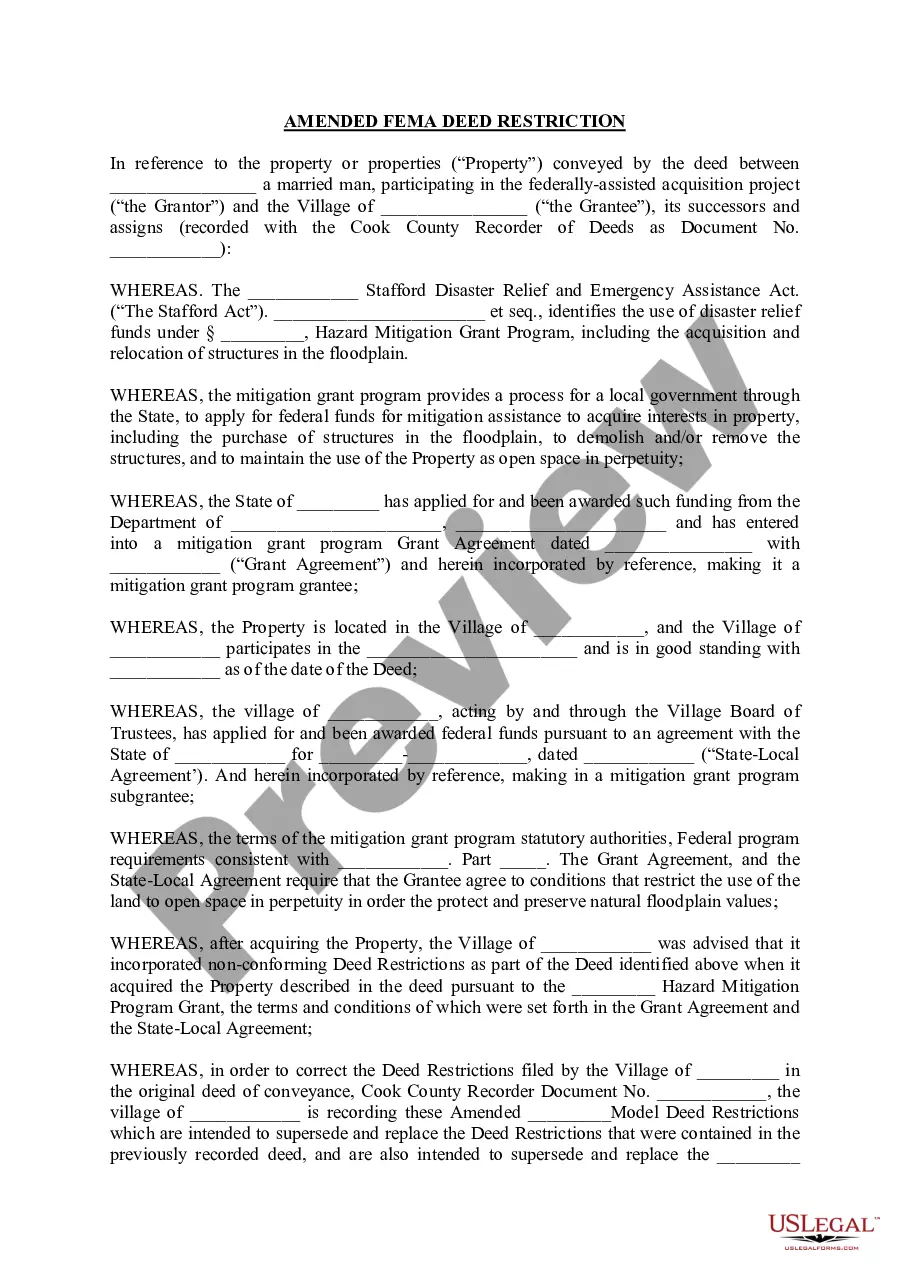
Defined-Benefit Pension Plan and Trust Agreement
About this form
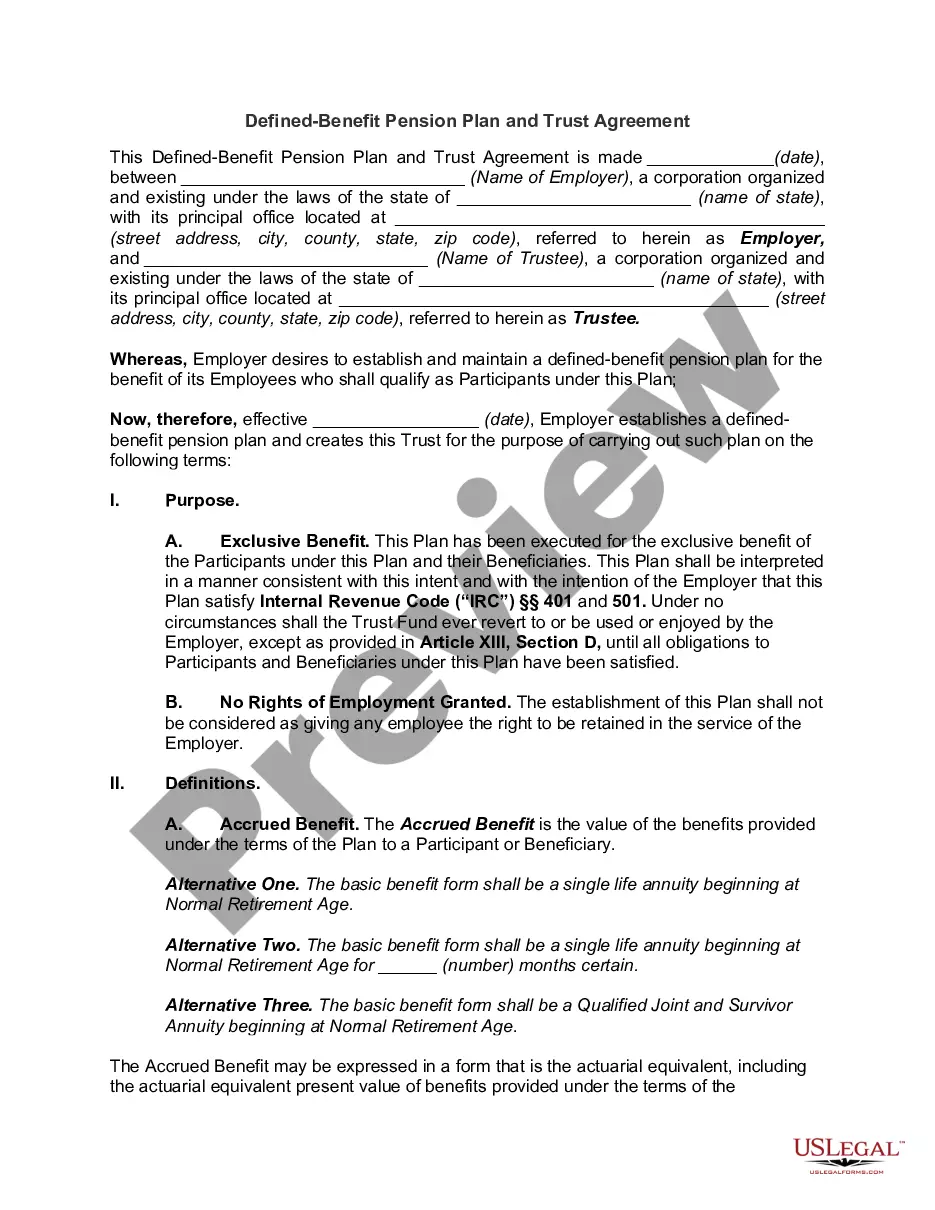
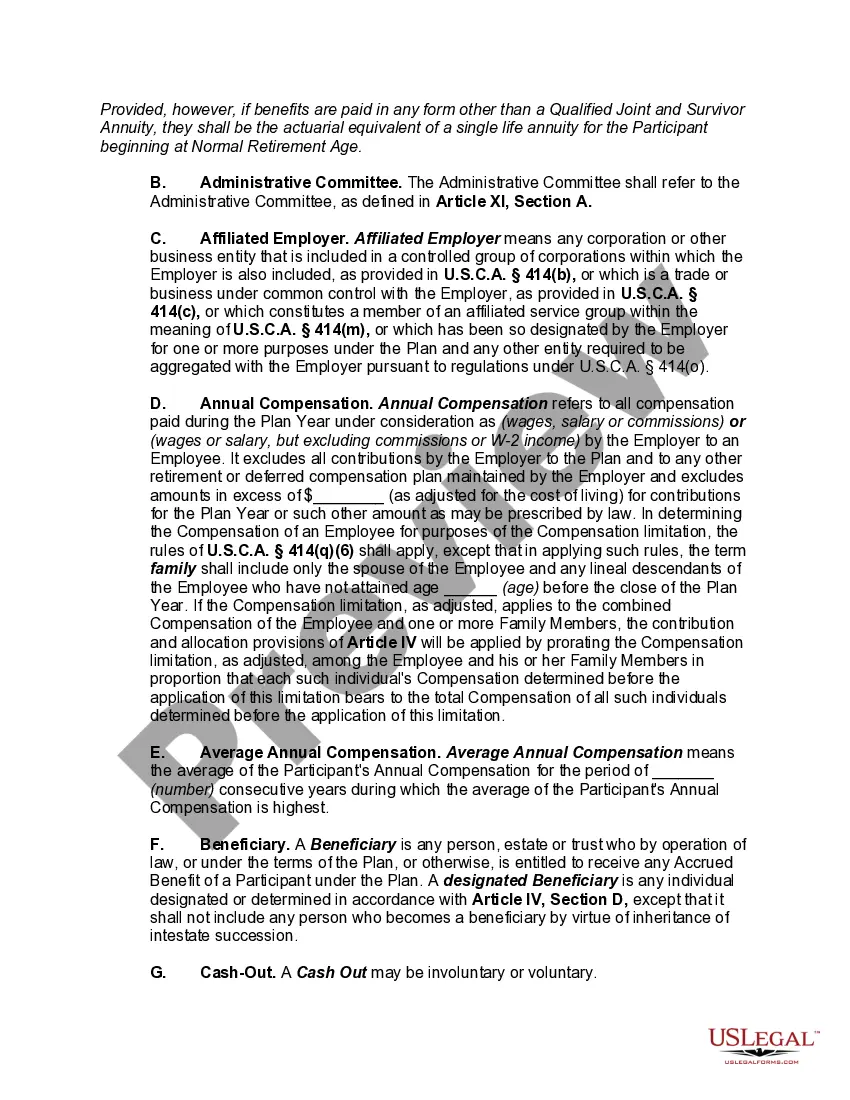
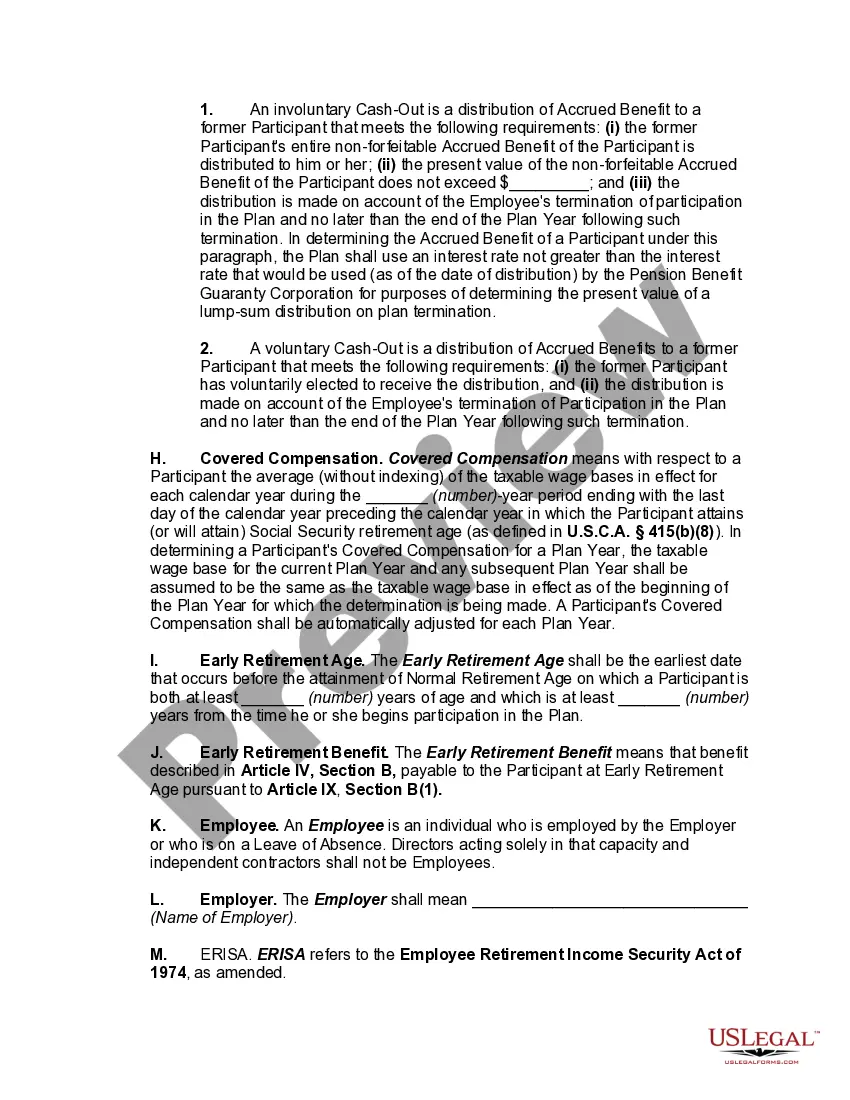
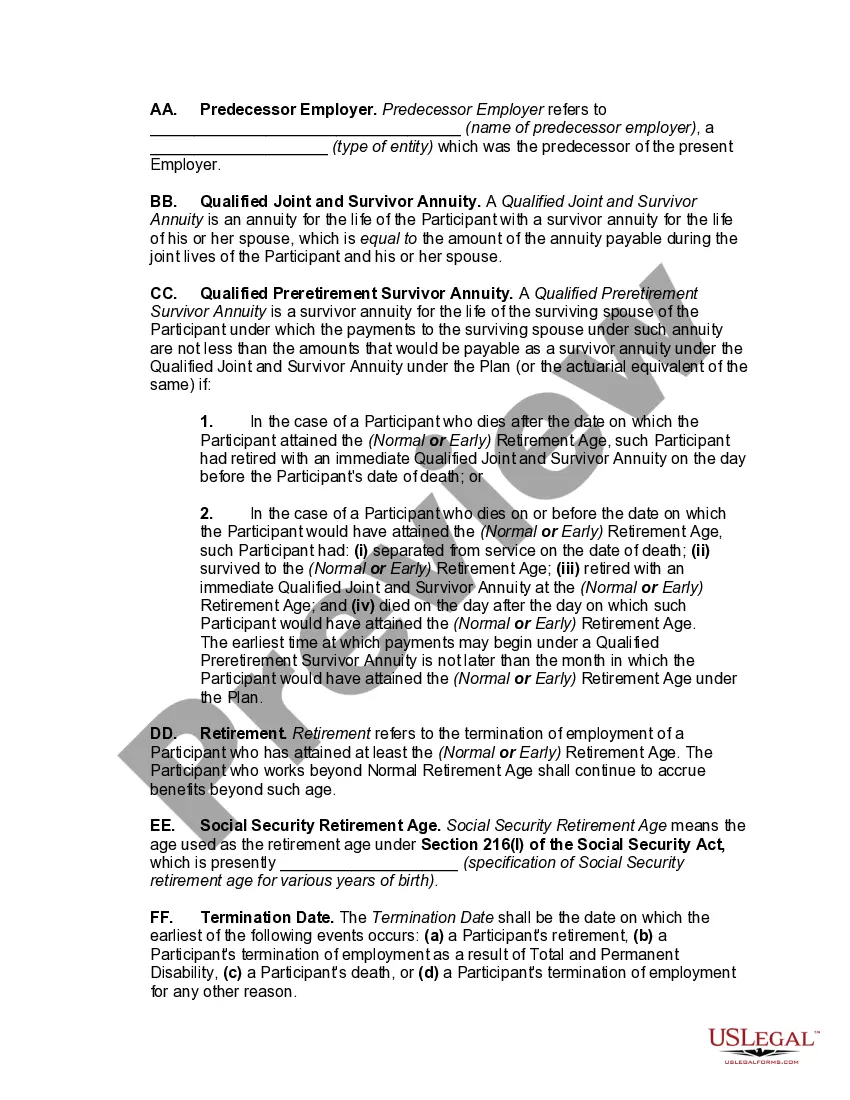
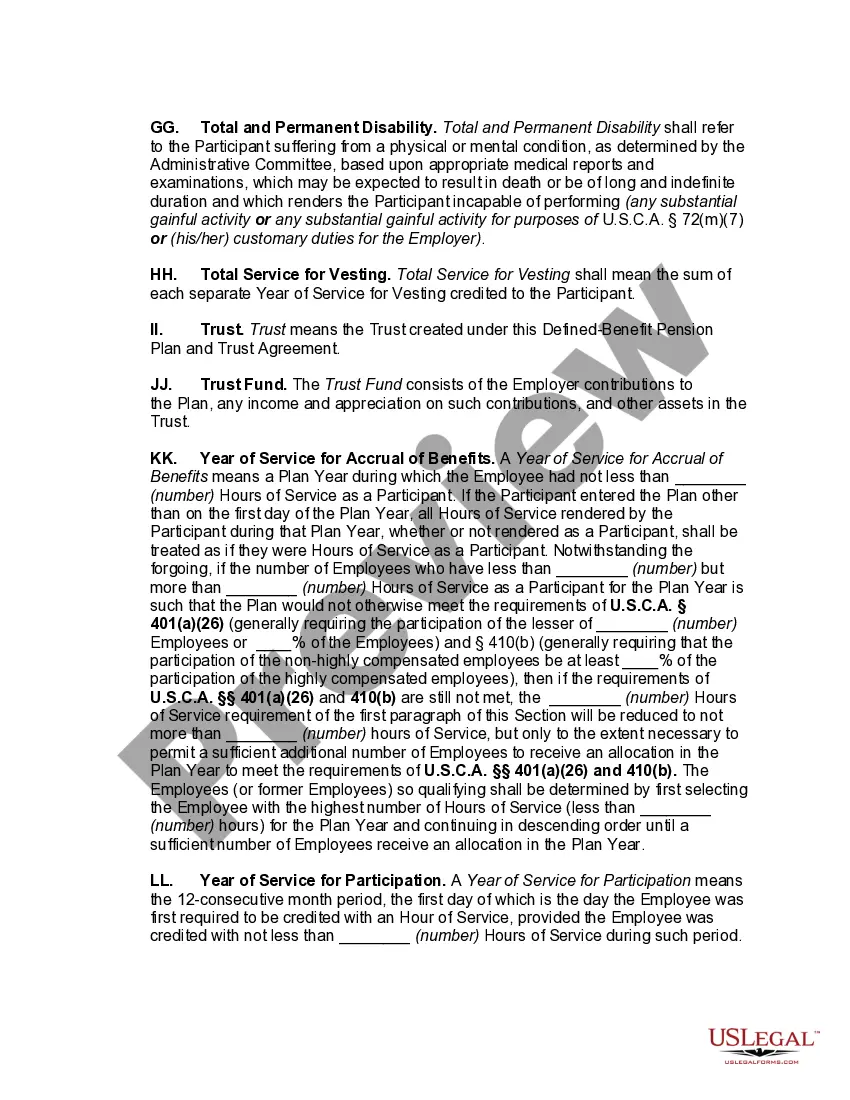
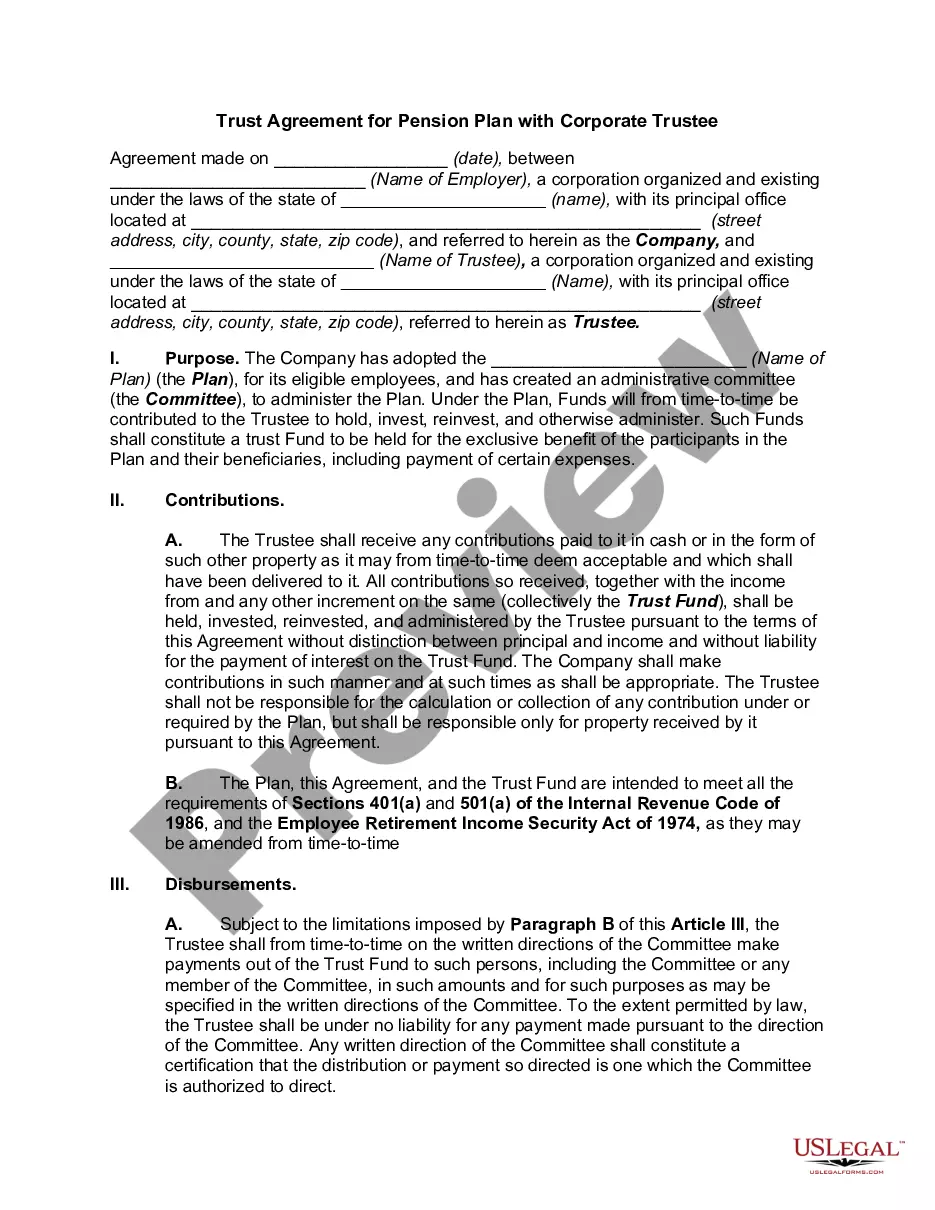
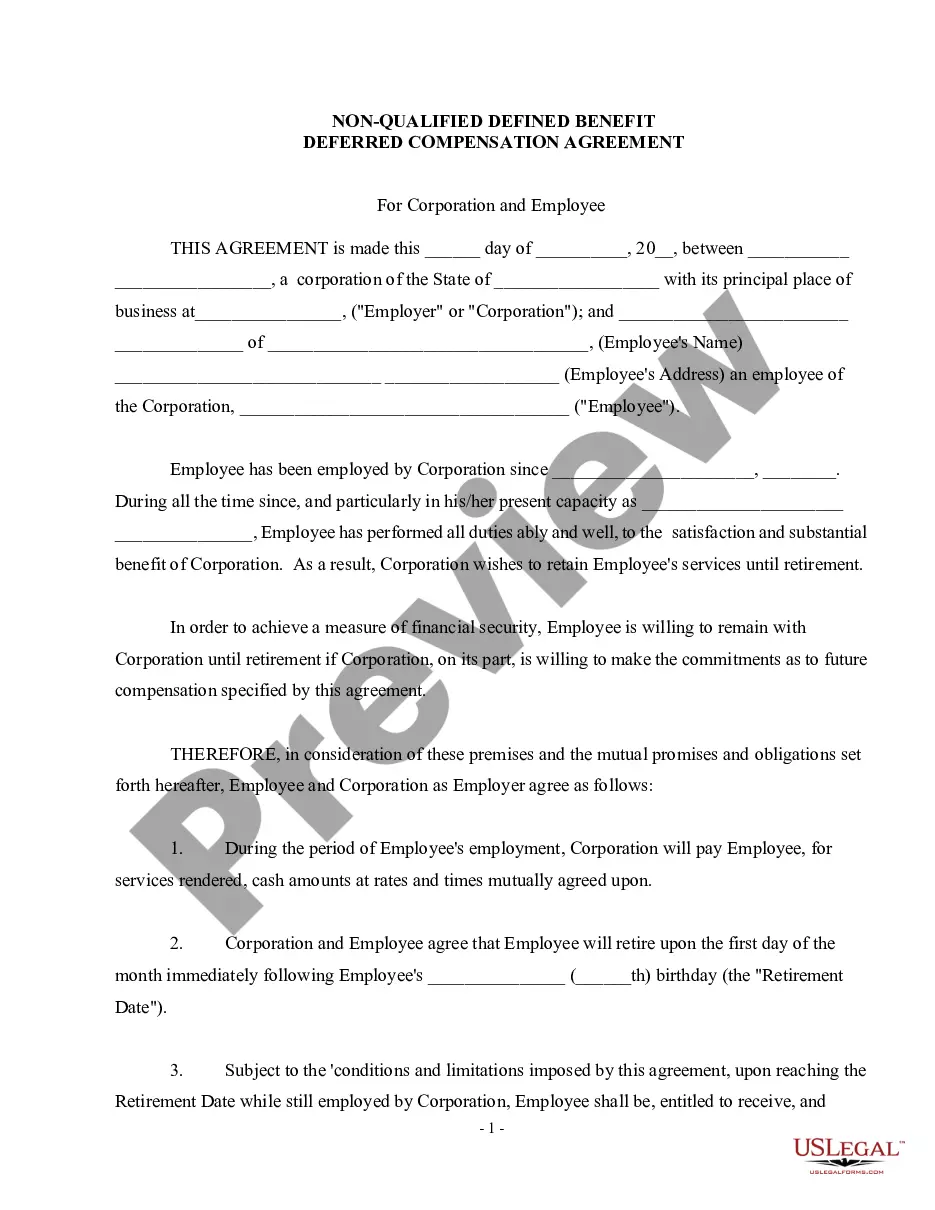
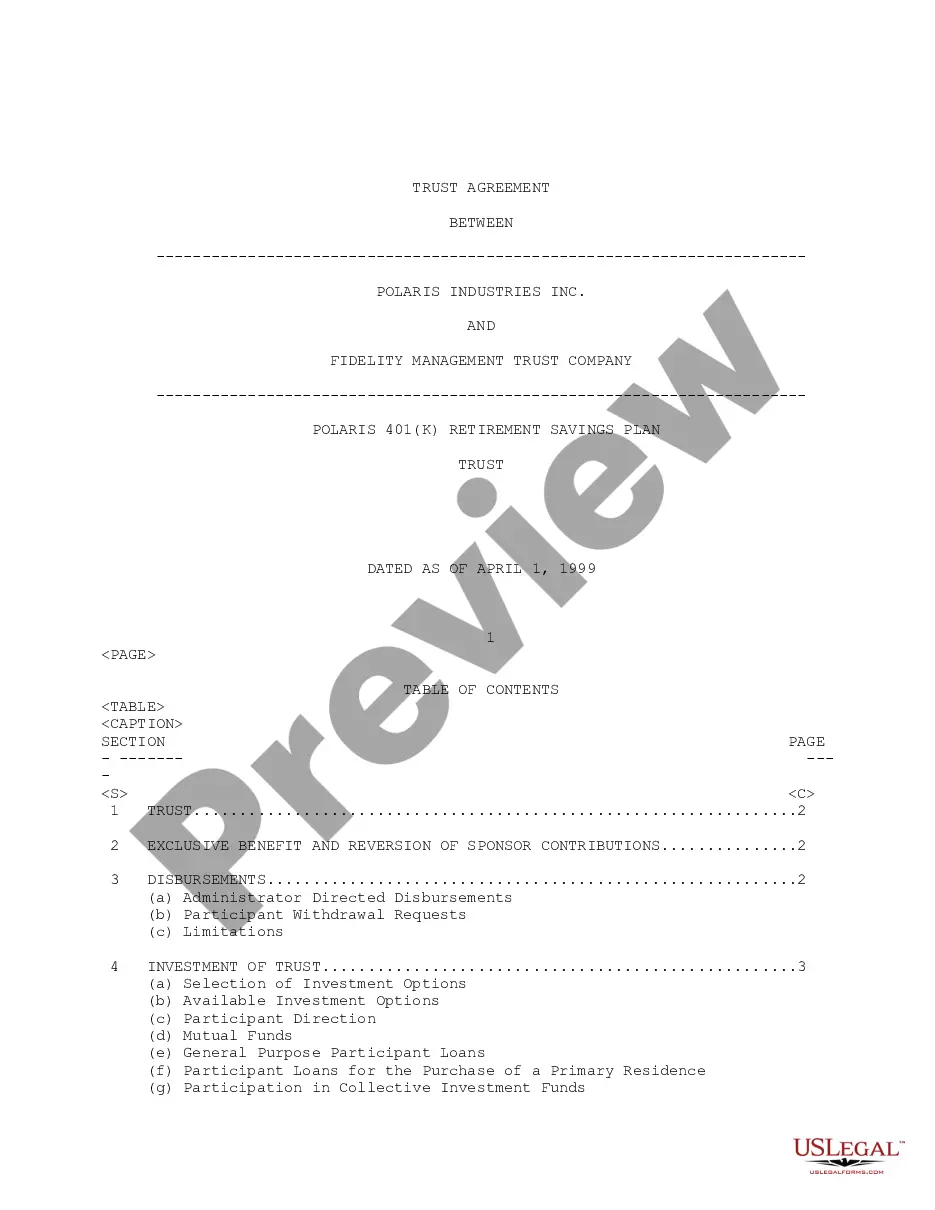
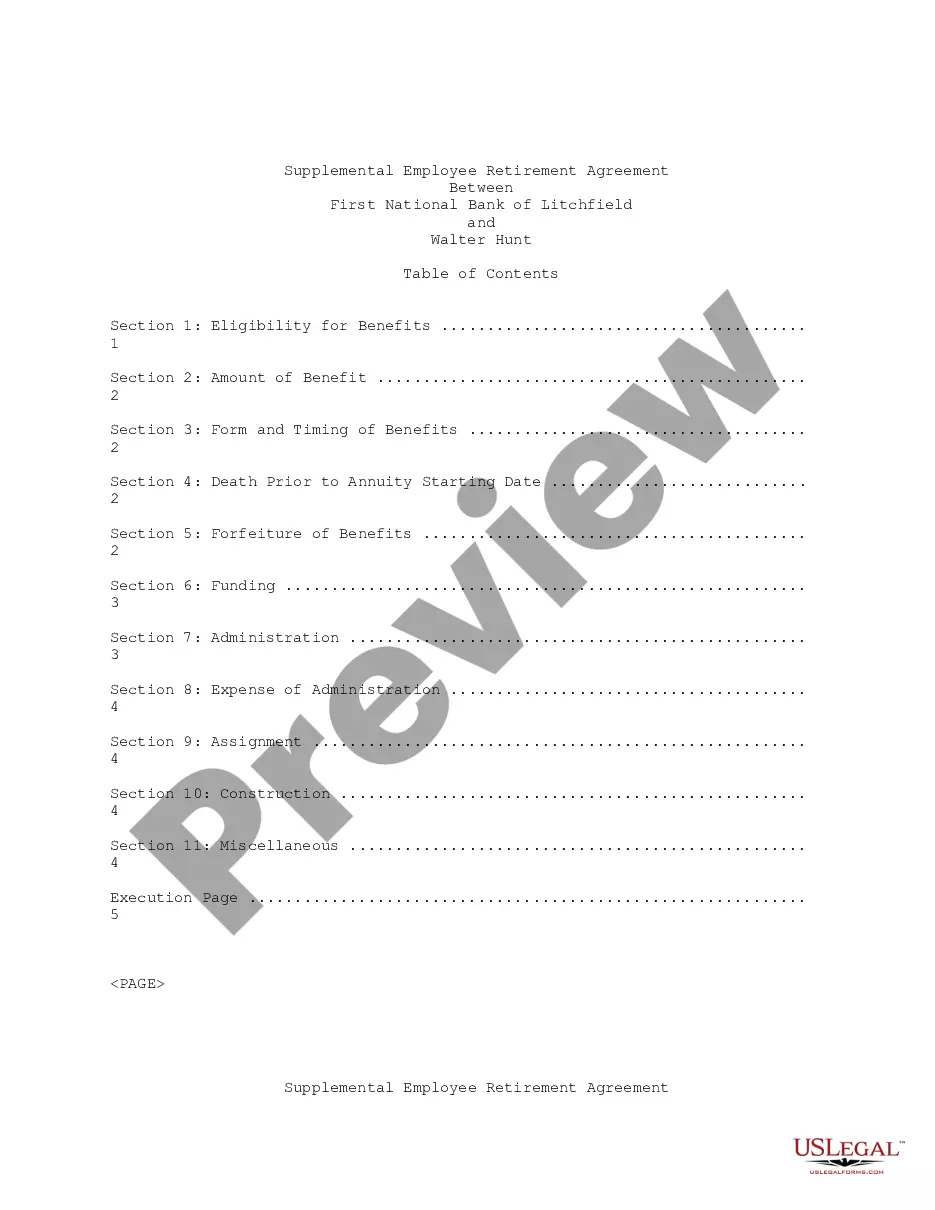
The Defined-Benefit Pension Plan and Trust Agreement is a legal document that establishes a pension plan where an employer promises specific retirement benefits to its employees. Unlike a defined contribution plan, where payouts depend on individual investment returns, the benefits under this agreement are calculated based on a predefined formula reflecting an employee's earnings, service duration, and age. This agreement is particularly useful for organizations seeking to provide a guaranteed retirement income stream to their employees.
What’s included in this form
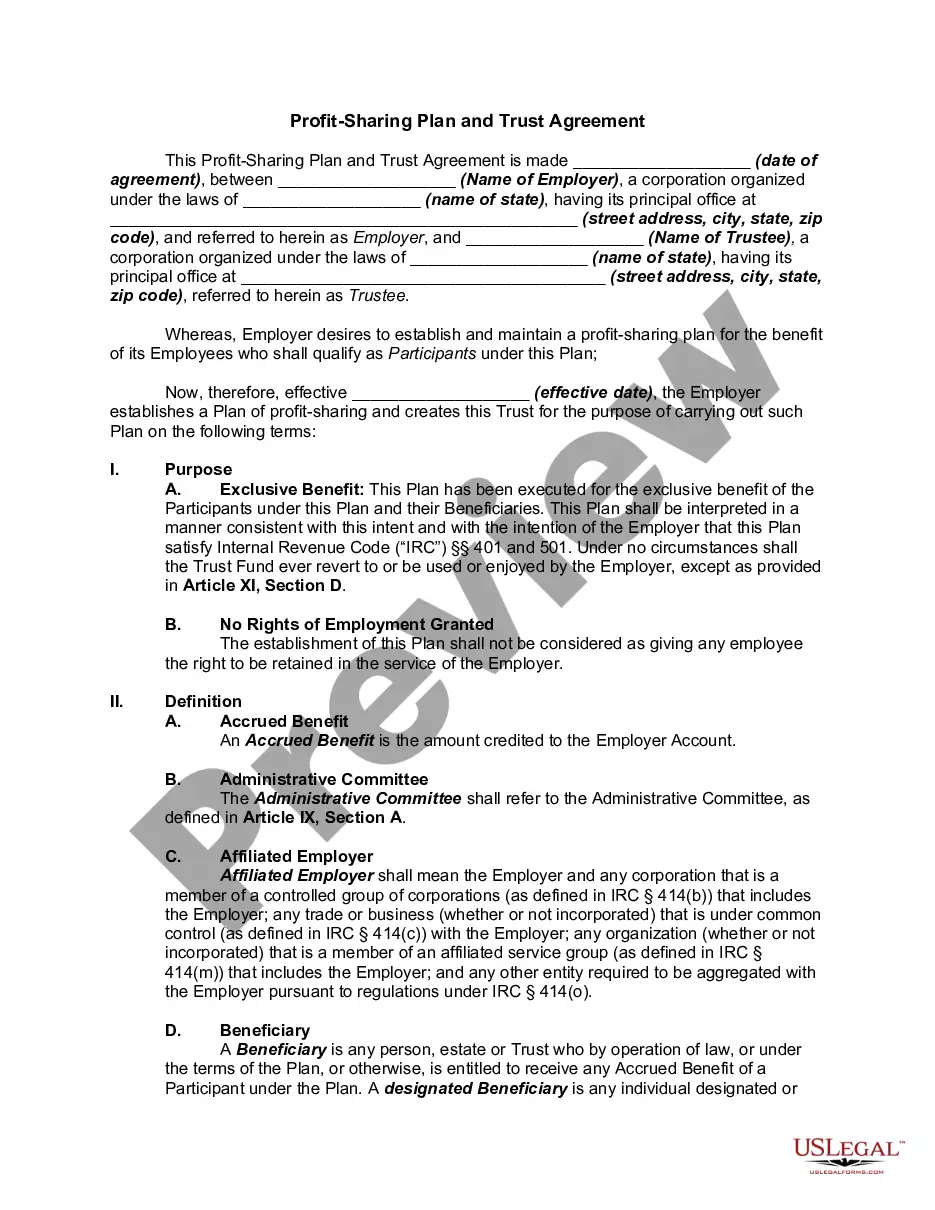
- Identification of the Employer and Trustee.
- Clarification of purpose, which includes exclusive benefits to plan participants.
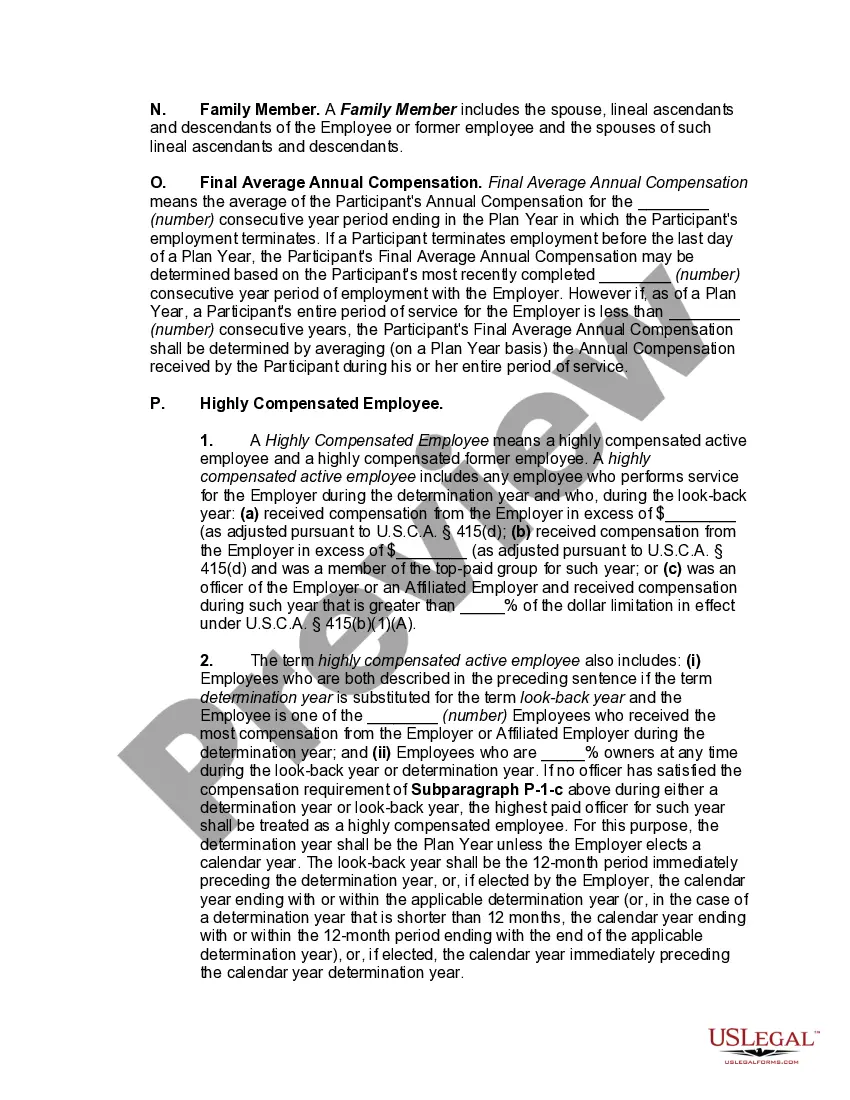
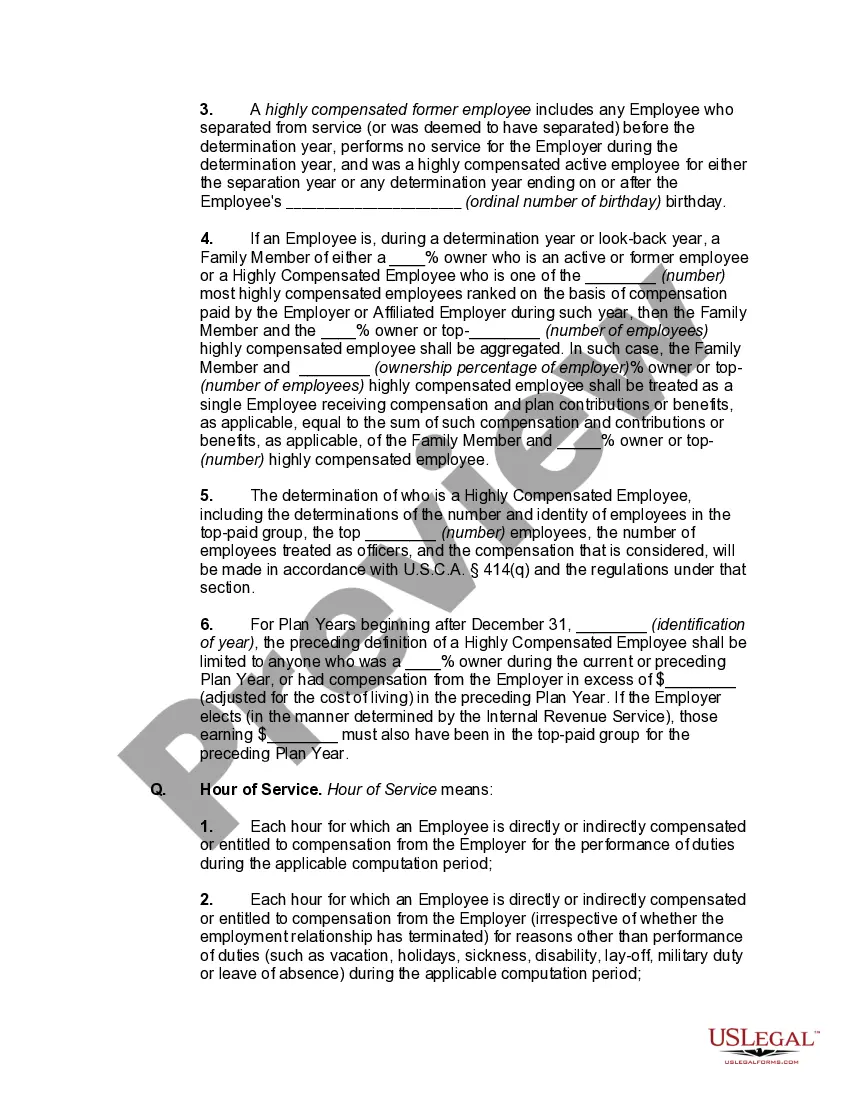
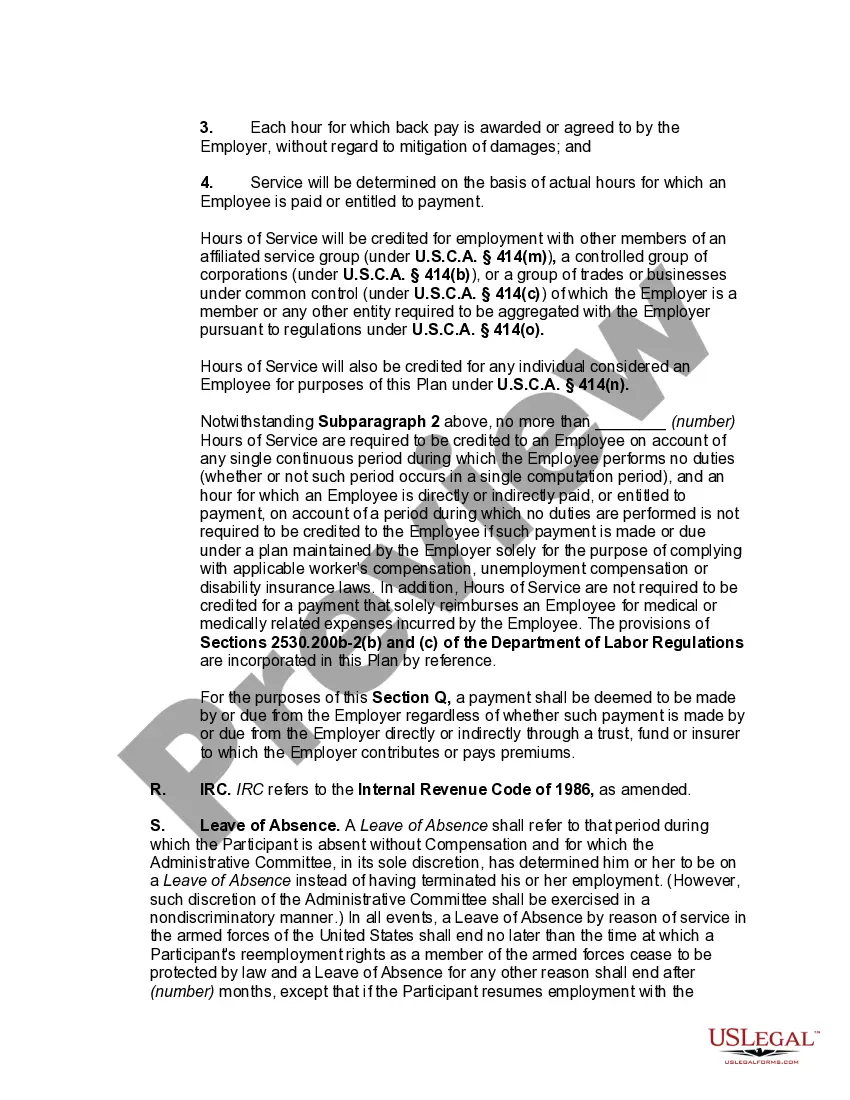
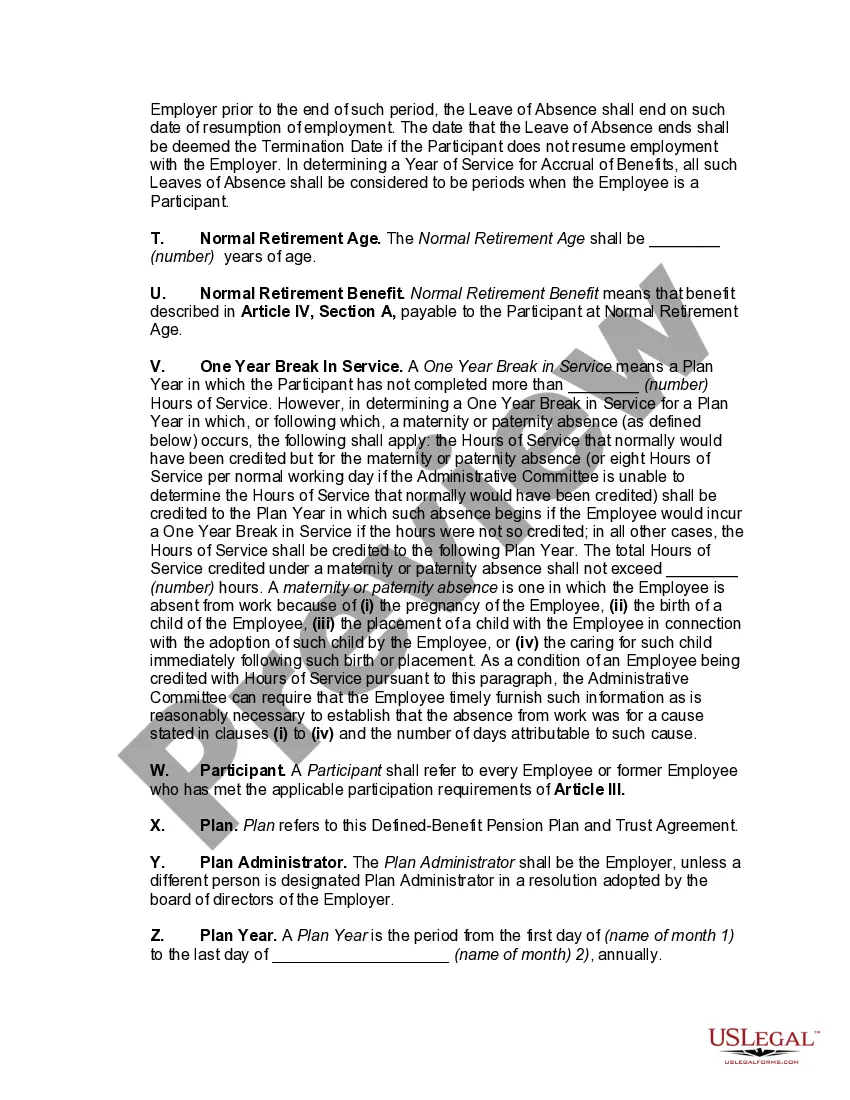
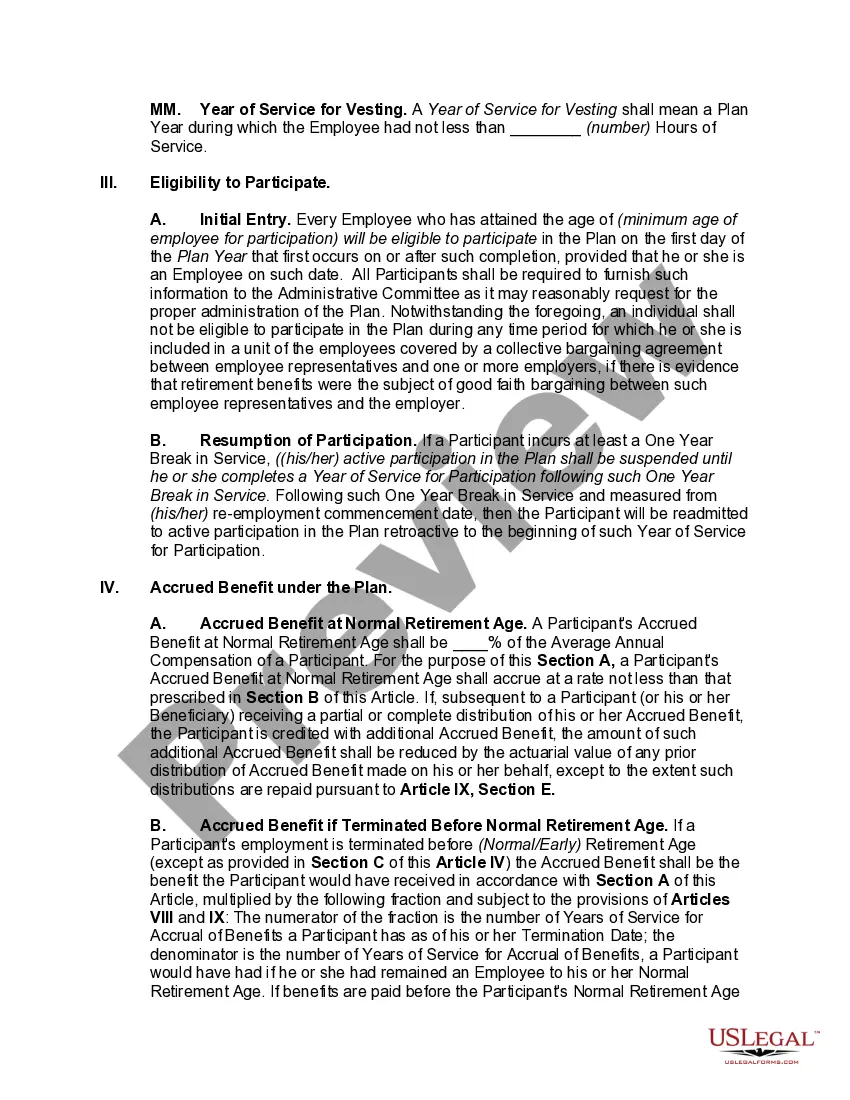
- Definitions of key terms such as "Accrued Benefit" and "Normal Retirement Age."
- Eligibility criteria for employees to participate in the plan.
- Accrual of benefits and conditions under which benefits are distributed.
- Procedures for modifications, termination, and amendments of the plan.

When this form is needed
This form should be utilized when an employer intends to establish a defined-benefit pension plan for its employees. It is particularly relevant for businesses looking to offer a stable retirement income to their employees, as well as for unions or associations that want to provide retirement benefits to their member workforce.
Who this form is for
- Employers or corporations seeking to set up a retirement plan for their employees.
- Trustees responsible for managing the pension fund.
- Human resource professionals tasked with benefit design and administration.
- Legal professionals advising organizations on employee retirement benefits.
How to prepare this document
- Identify and input the date of the agreement.
- Complete the sections that specify the names and addresses of the Employer and Trustee.
- Define the purpose of the pension plan as required.
- Specify eligibility requirements for plan participants.
- Include necessary provisions regarding benefit accrual and distributions.
Does this document require notarization?
This form does not typically require notarization unless specified by local law.
Get your form ready online
Our built-in tools help you complete, sign, share, and store your documents in one place.
Make edits, fill in missing information, and update formatting in US Legal Forms—just like you would in MS Word.
Download a copy, print it, send it by email, or mail it via USPS—whatever works best for your next step.
Sign and collect signatures with our SignNow integration. Send to multiple recipients, set reminders, and more. Go Premium to unlock E-Sign.
If this form requires notarization, complete it online through a secure video call—no need to meet a notary in person or wait for an appointment.
We protect your documents and personal data by following strict security and privacy standards.

Make edits, fill in missing information, and update formatting in US Legal Forms—just like you would in MS Word.

Download a copy, print it, send it by email, or mail it via USPS—whatever works best for your next step.

Sign and collect signatures with our SignNow integration. Send to multiple recipients, set reminders, and more. Go Premium to unlock E-Sign.

If this form requires notarization, complete it online through a secure video call—no need to meet a notary in person or wait for an appointment.

We protect your documents and personal data by following strict security and privacy standards.
Mistakes to watch out for
- Failing to accurately define eligibility criteria for participants.
- Overlooking the necessary amendments and updates to the form as laws change.
- Not specifying the contribution and benefit formulas clearly.
Advantages of online completion
- Instant access to a professionally drafted document tailored for defined-benefit pension plans.
- Editability allows customization to meet specific organizational needs.
- Reliability from a platform that ensures legal compliance and updates.
Looking for another form?

Form popularity
FAQ
All pension plans are trusts; therefore, a trust account at a bank or brokerage firm must be opened in the name of the defined benefit plan using the EIN (Employer Identification Number) provided specifically for the plan. Do not use the company's EIN or the social security number of any individual.
Another tool to have in the pensions planning toolkit is for the death benefits to go into trust (this is sometimes known as a spousal bypass trust). The trust receives a lump sum death benefit from the pension scheme and then the trustees administer it.
The Employee Retirement Income Security Act (ERISA) covers two types of retirement plans: defined benefit plans and defined contribution plans. A defined benefit plan promises a specified monthly benefit at retirement.
A defined-contribution plan allows employees and employers (if they choose) to contribute and invest funds to save for retirement, while a defined-benefit plan provides a specified payment amount in retirement. These crucial differences determine whether the employer or employee bears the investment risks.
A defined-contribution plan allows employees and employers (if they choose) to contribute and invest funds to save for retirement, while a defined-benefit plan provides a specified payment amount in retirement.
You should put your retirement accounts in a living trust only for personally specific reasons. Since there are no additional tax benefits, only potential tax problems, from using a living trust for retirement accounts, consider your reasons carefully.
The process of funding your living trust by transferring your assets to the trustee is an important part of what helps your loved ones avoid probate court in the event of your death or incapacity. Qualified retirement accounts such as 401(k)s, 403(b)s, IRAs, and annuities, should not be put in a living trust.
Another tool to have in the pensions planning toolkit is for the death benefits to go into trust (this is sometimes known as a spousal bypass trust). The trust receives a lump sum death benefit from the pension scheme and then the trustees administer it.
A participant in a retirement account, whether it is an IRA, 401(k), 457, 403b, Profit Sharing Plan, Defined Benefit Plan, or any other Profit Sharing / Pension Plan may designate an individual, Trust, estate as beneficiary to receive the annual distributions on the death of the participant owner.