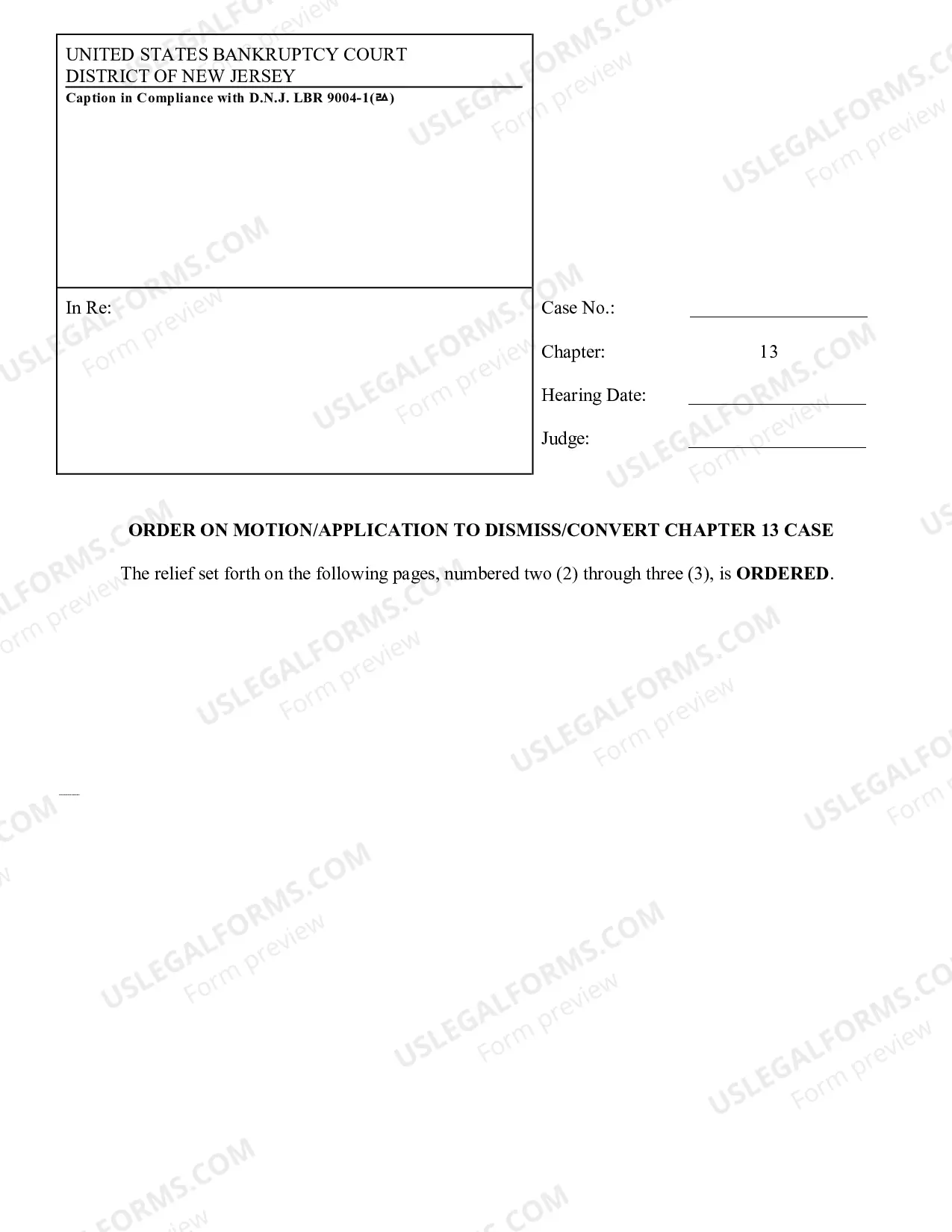
Stipulations
Understanding this form
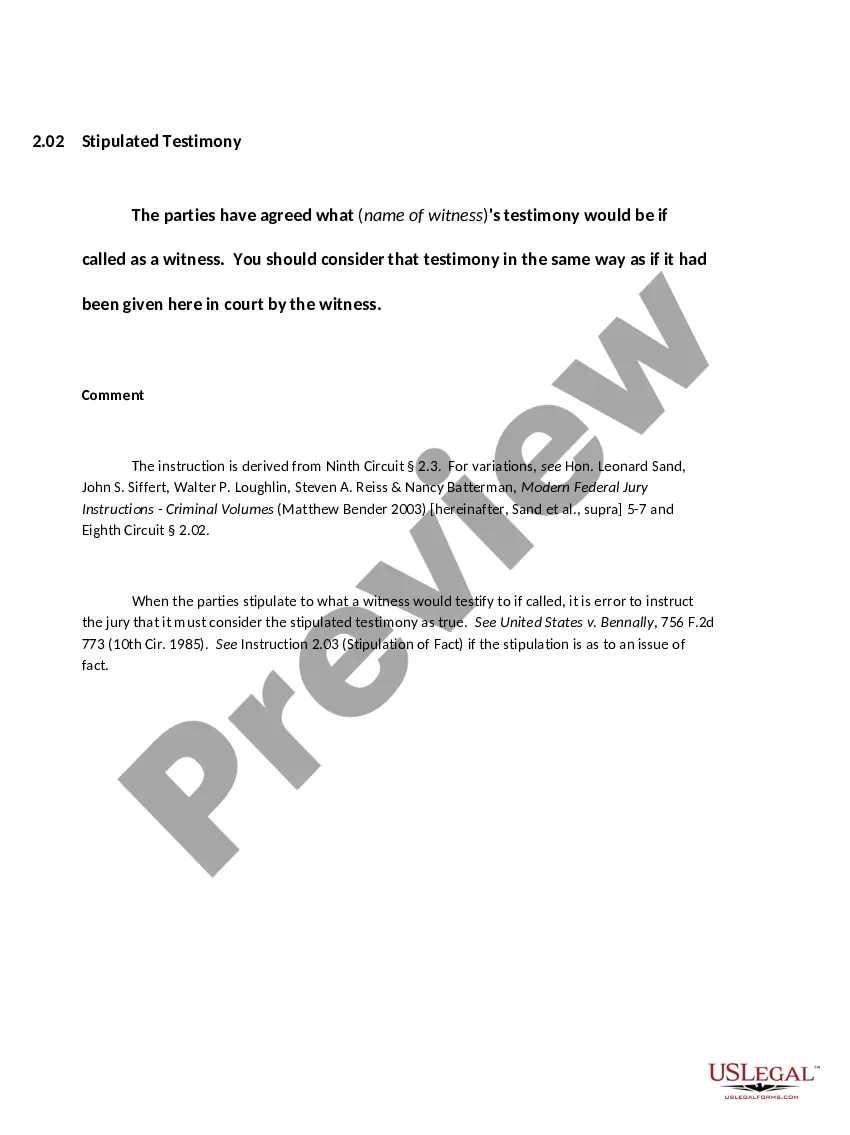
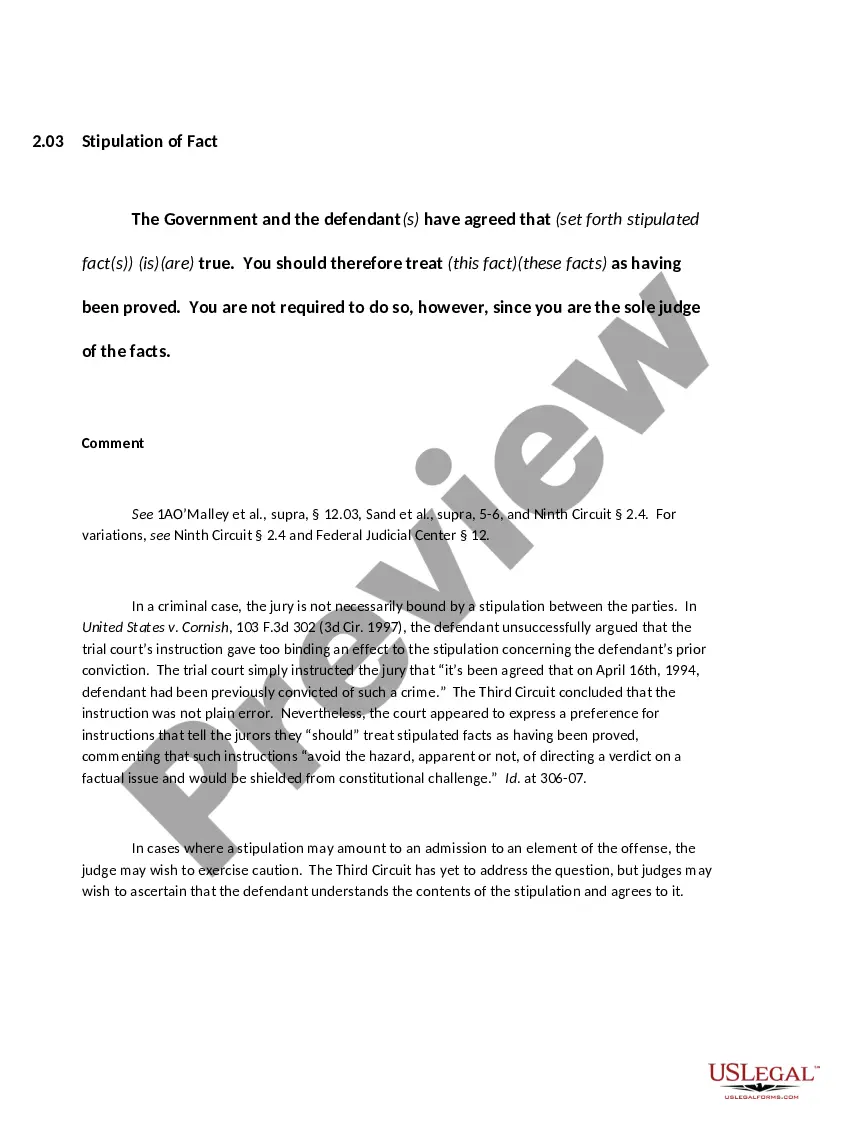
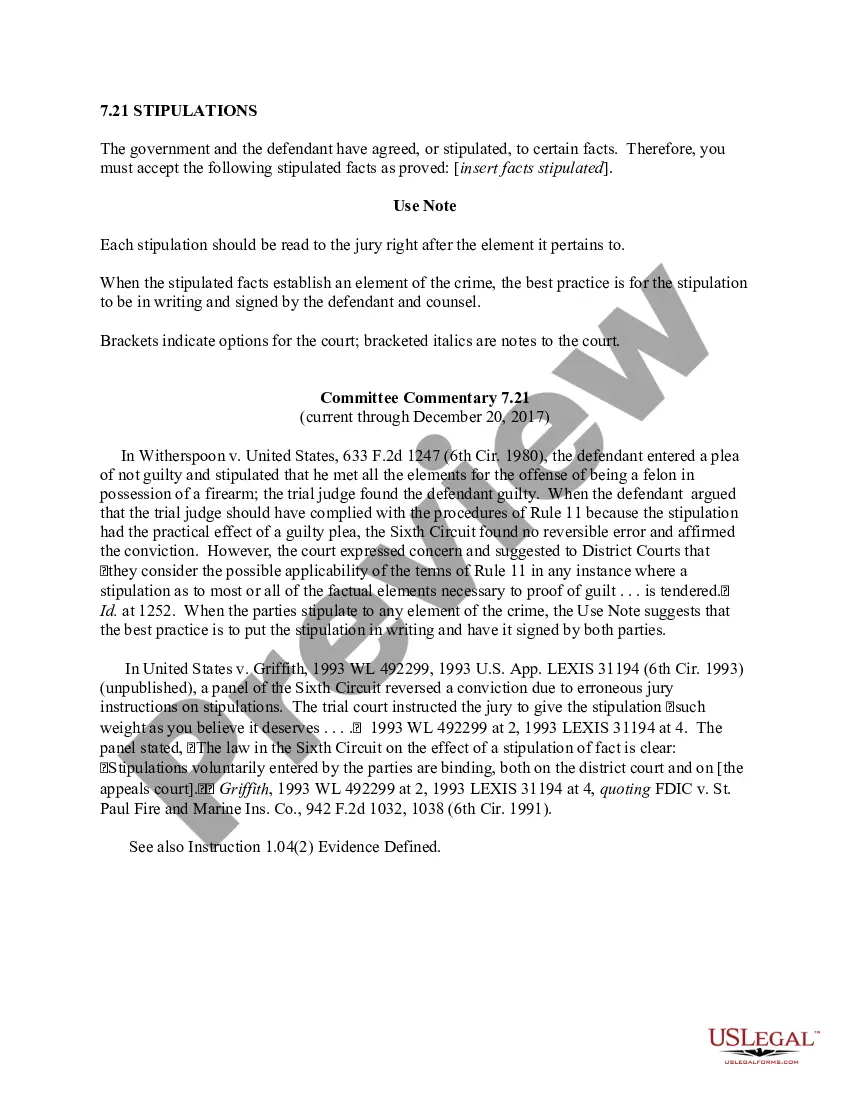
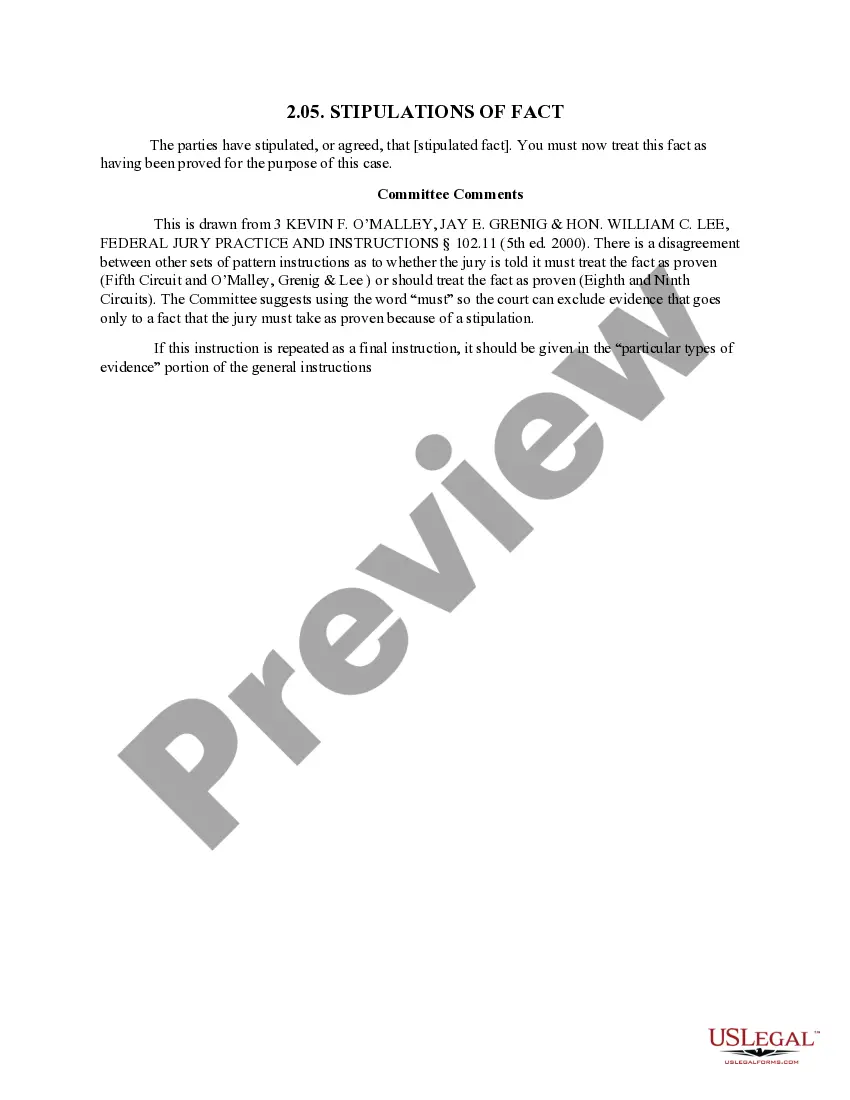
This form is known as a Stipulation, which is an agreement by parties involved in a legal case that certain facts are true. Stipulations allow for a streamlined legal process, as they eliminate the need to prove these agreed-upon facts during a trial. This form differs from other legal documents as it specifically focuses on mutual agreements rather than claims or defenses.
Key components of this form
- Identification of parties involved in the stipulation.
- Clear statement of the facts being stipulated as true.
- Signature fields for all involved parties to confirm agreement.
Situations where this form applies
This form should be used when parties in a legal matter have agreed on specific facts that do not need further disputation. It is commonly utilized in civil litigation scenarios, such as personal injury cases or contract disputes, where certain aspects of the case are not contested, allowing the legal proceedings to focus on remaining issues.
Who this form is for
Individuals or legal representatives involved in a legal dispute, especially those who wish to expedite their case by formalizing agreements on uncontested facts. This form is suitable for any party willing to create a stipulation in various legal contexts, including civil suits and family law matters.
Instructions for completing this form
- Identify and list all parties involved in the stipulation.
- Clearly state the facts that are agreed upon by all parties.
- Review the stipulated facts to ensure clarity and accuracy.
- Have all parties sign the form to confirm their agreement.
- Submit the signed form to the appropriate court if required.
Notarization guidance
This form usually doesn’t need to be notarized. However, local laws or specific transactions may require it. Our online notarization service, powered by Notarize, lets you complete it remotely through a secure video session, available 24/7.
Get your form ready online
Our built-in tools help you complete, sign, share, and store your documents in one place.
Make edits, fill in missing information, and update formatting in US Legal Forms—just like you would in MS Word.
Download a copy, print it, send it by email, or mail it via USPS—whatever works best for your next step.
Sign and collect signatures with our SignNow integration. Send to multiple recipients, set reminders, and more. Go Premium to unlock E-Sign.
If this form requires notarization, complete it online through a secure video call—no need to meet a notary in person or wait for an appointment.
We protect your documents and personal data by following strict security and privacy standards.

Make edits, fill in missing information, and update formatting in US Legal Forms—just like you would in MS Word.

Download a copy, print it, send it by email, or mail it via USPS—whatever works best for your next step.

Sign and collect signatures with our SignNow integration. Send to multiple recipients, set reminders, and more. Go Premium to unlock E-Sign.

If this form requires notarization, complete it online through a secure video call—no need to meet a notary in person or wait for an appointment.

We protect your documents and personal data by following strict security and privacy standards.
Typical mistakes to avoid
- Failing to include all parties involved in the stipulation.
- Vague or unclear language in stating the agreed facts.
- Not obtaining signatures from all required parties.
- Submitting the form without checking local court requirements.
Benefits of using this form online
- Convenient access to legal documents anytime, anywhere.
- Editable templates allow for quick customization to meet specific needs.
- Drafted by licensed attorneys ensuring legal compliance.
- Immediate availability increases efficiency in legal processes.
Legal use & context
- Stipulations are generally enforceable as long as both parties agree and the terms are clear.
- Failure to adhere to agreed-upon stipulations may lead to potential legal consequences.
- This type of agreement can help reduce court time and resources.
What to keep in mind
- Stipulations confirm mutually agreed facts in legal cases.
- They help streamline the legal process by reducing unnecessary disputes.
- Proper completion, including signatures, is crucial for enforceability.
Looking for another form?

Form popularity
FAQ
The cease-fire was stipulated by the treaty. The rules stipulate that players must wear uniforms.
This stipulation might put some sort of limit on the agreement. For example, if you run a fencing company and offer a sale, you can stipulate that to get the sale price, the fence must be ordered by a certain date. Your customer, in turn, might stipulate that the work must be finished before the ground freezes.
A ?stipulation? is an agreement between two parties that is submitted to the judge for approval. It eliminates the need to go to court and have a judge decide an issue. A written ?Stipulation and Order? includes the parties' agreement, both of their notarized signatures, and the judge's signature.
What Is an Example Of A Stipulation? For example, if you operate a restaurant and offer a coupon, you can stipulate that patrons must order a specific amount of home delivery to qualify for the coupon.
Stipulation generally means an agreement, a bargain, proviso, or condition. If the stipulation complies with an applicable statute or rule of court, it will be binding. A stipulation could mean a fact, promise, or provision in a contract agreed by two parties.
An agreement or contract, typically legal or formal in nature. covenant. contract. agreement. pact.
A stipulation is simply an agreement between the parties. To be effective, the stipulation must be in writing and signed by the judge or made on the record in open court.
In contracts, a stipulation used to define an agreement that ended with specific formalities in a ceremony. In contemporary use, stipulation means a material condition or a requirement in an agreement. In litigation, a stipulation generally means an agreement between opposing parties concerning a relevant point.